Rosengård
-
Dates2022 - Ongoing
-
Author
- Location Malmö, Sweden
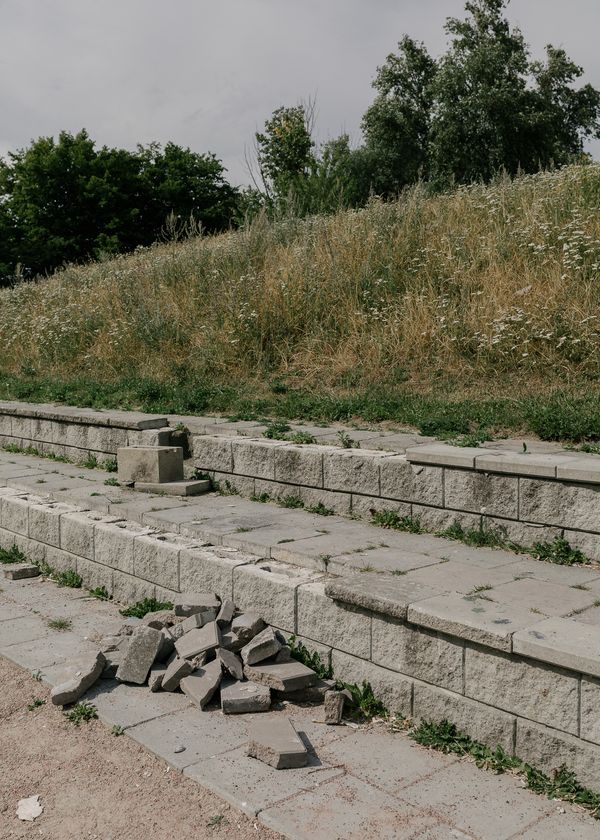
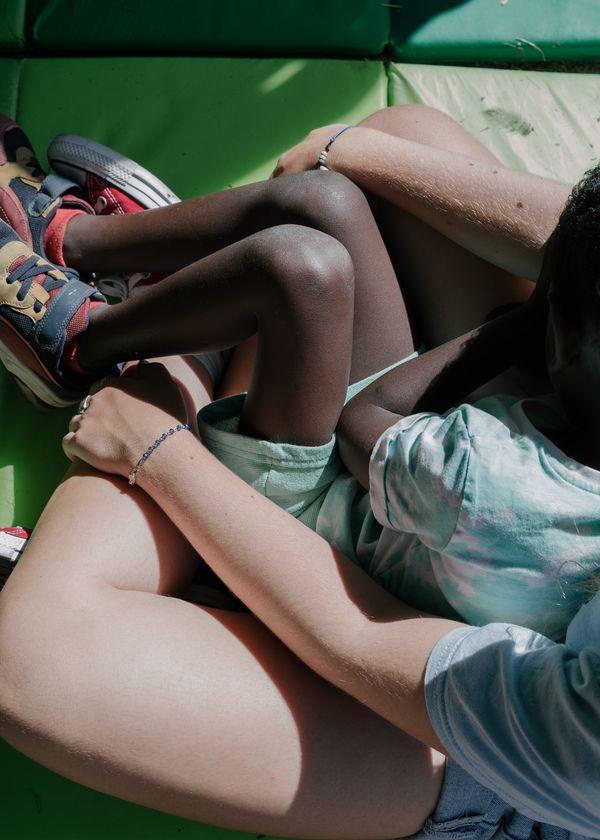
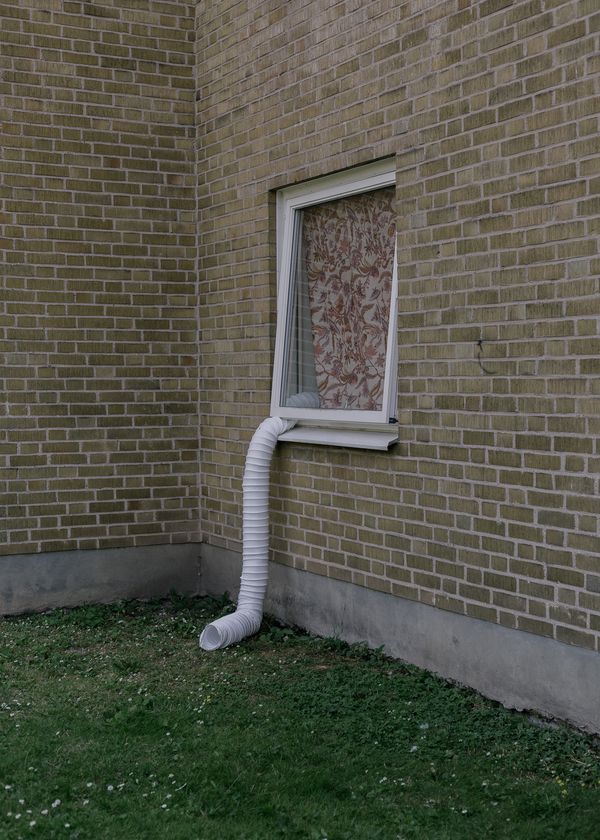
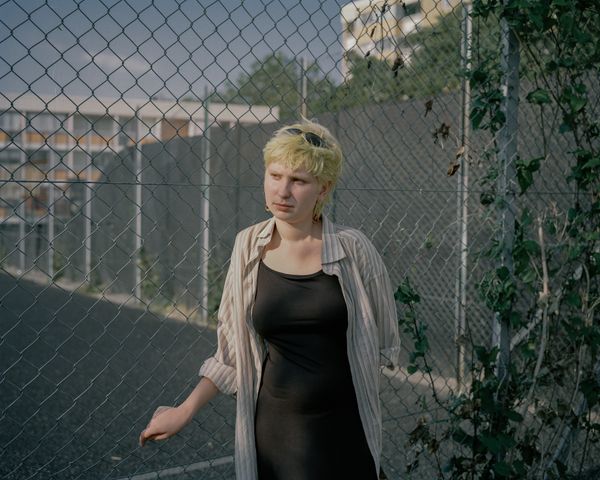
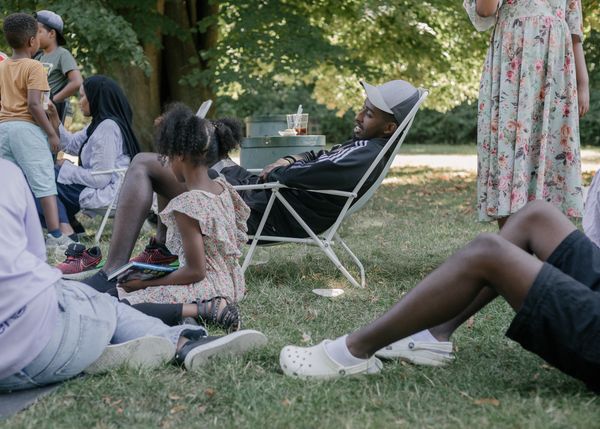
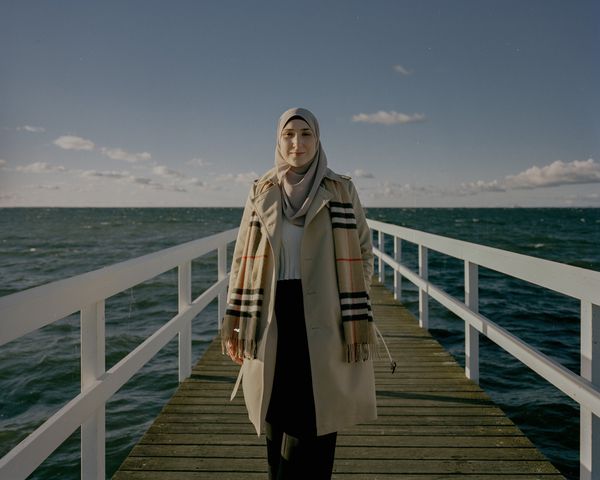
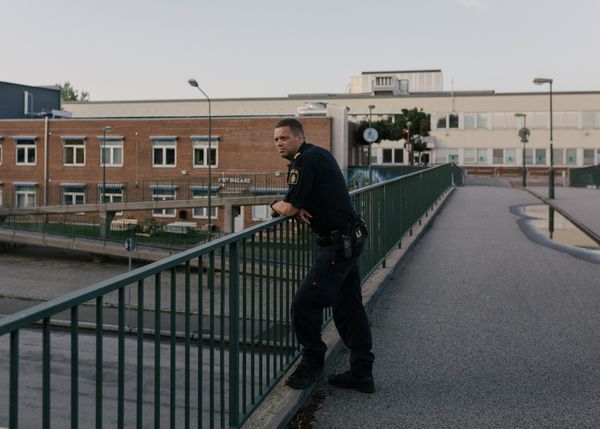
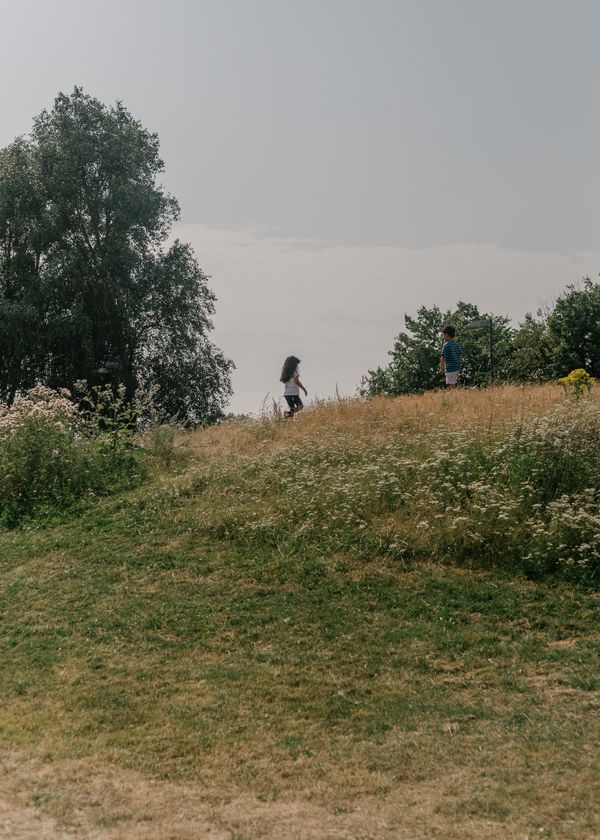
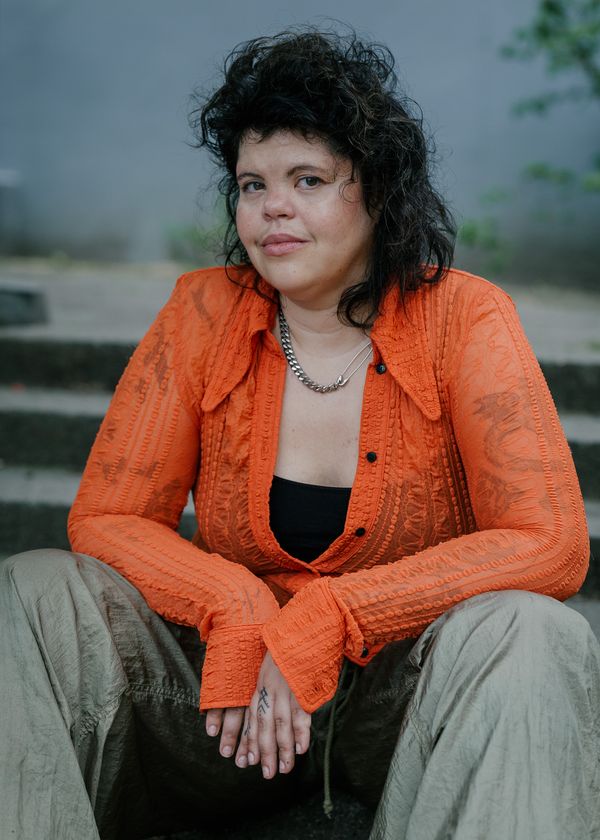
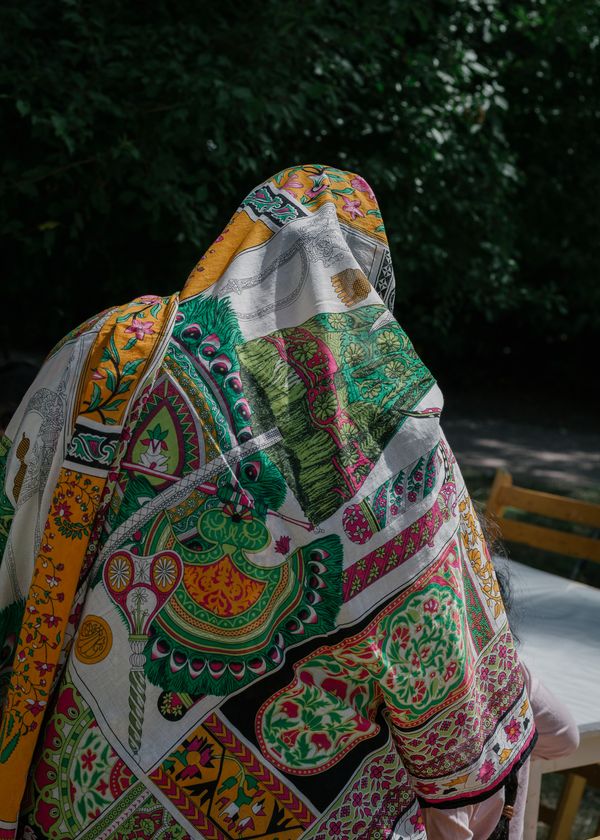
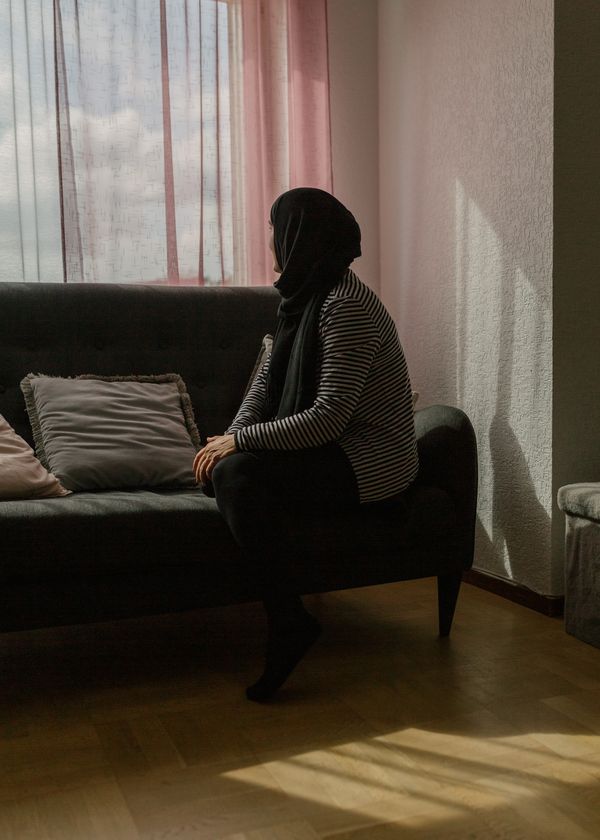
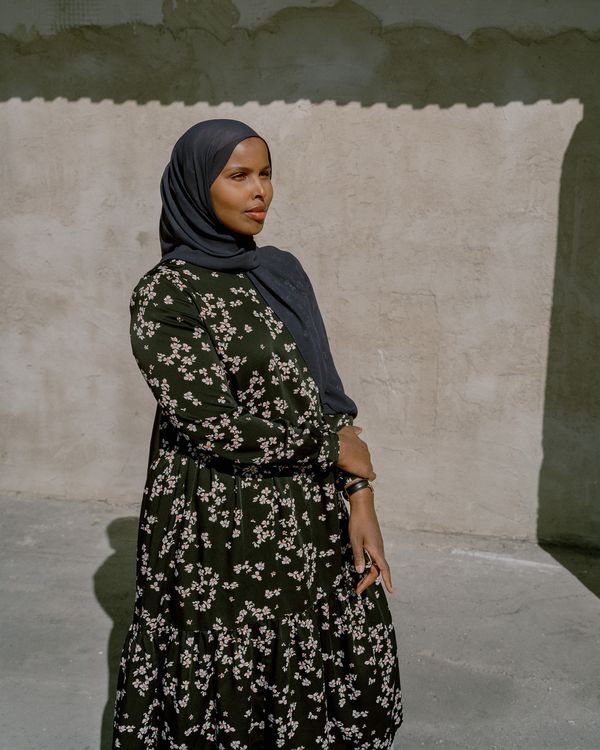
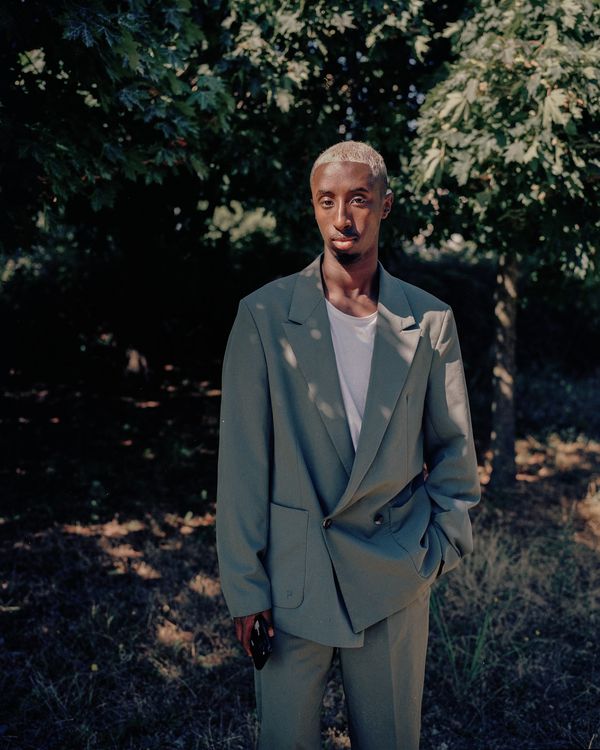
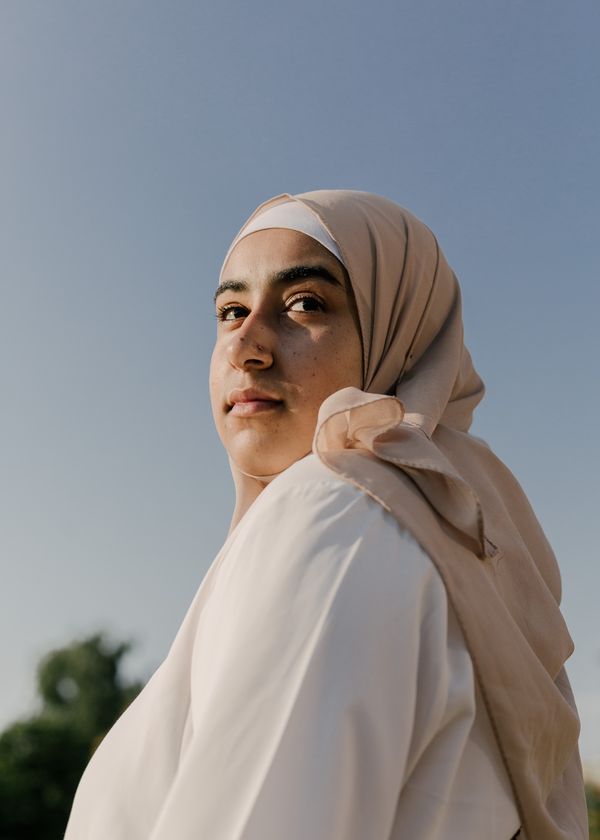
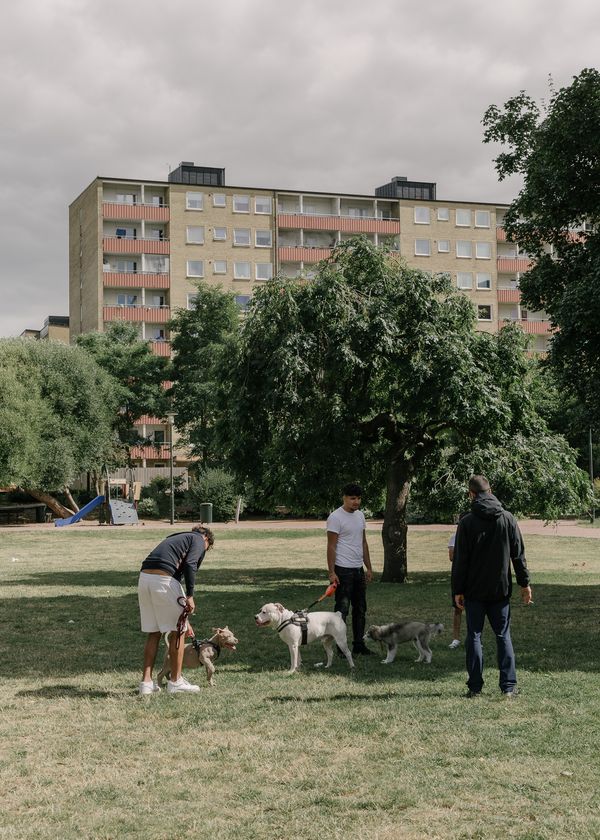
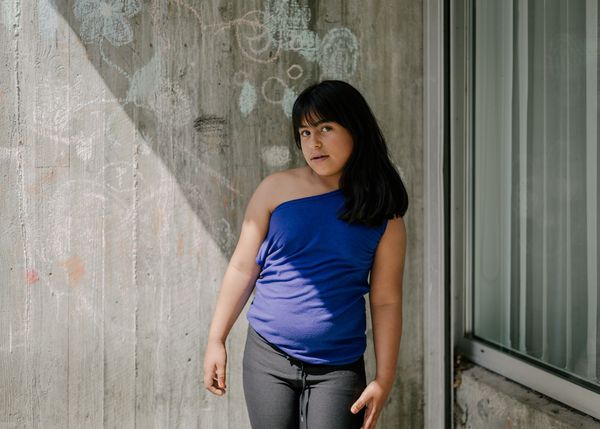
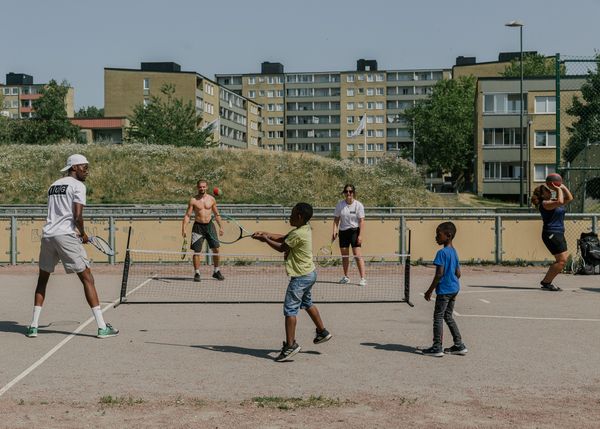
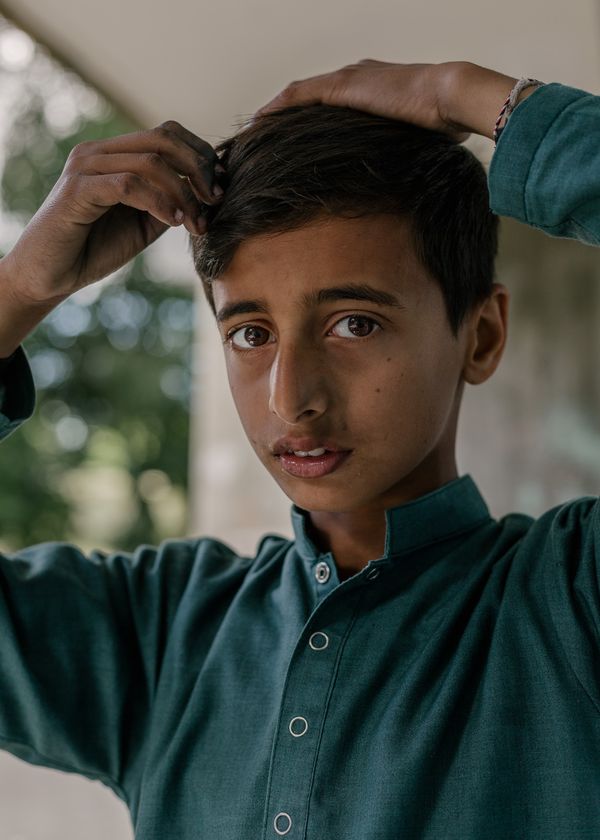
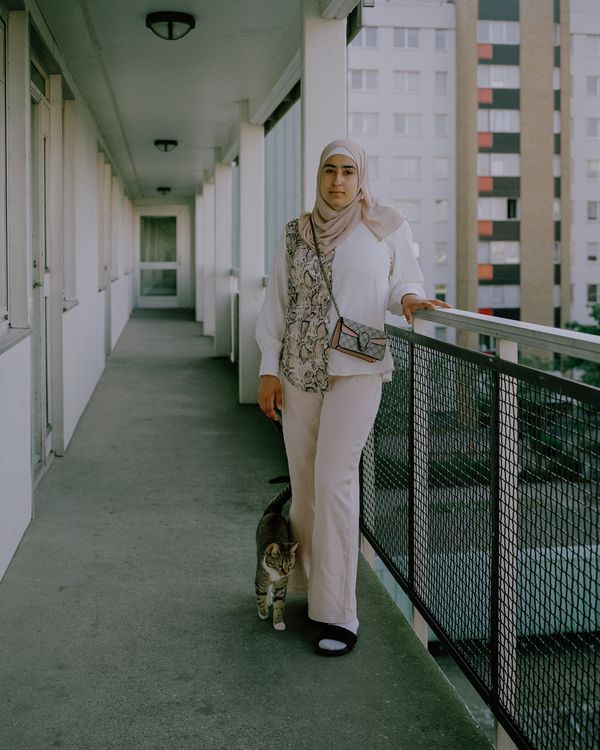
This ongoing project is about the so-called "socially vulnerable area" Rosengård in Malmö. The pictures tell of individual realities, document the everyday lives and inner worlds of the residents.
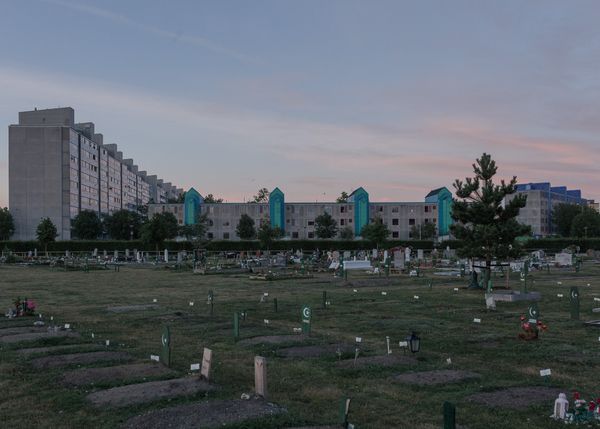
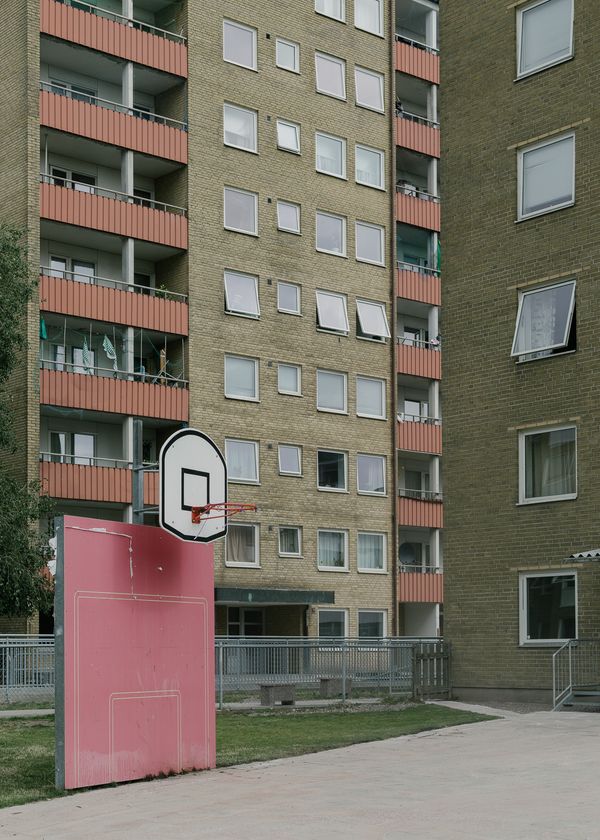
In order to absorb the strong population growth in Sweden in the 1950s and 1960s, new and inexpensive large housing estates were built on the outskirts of the city as part of the so-called Million Program. Initially seen as an ideal solution, the neighbourhoods became increasingly unpopular in the 1990s, causing many residents to move away.
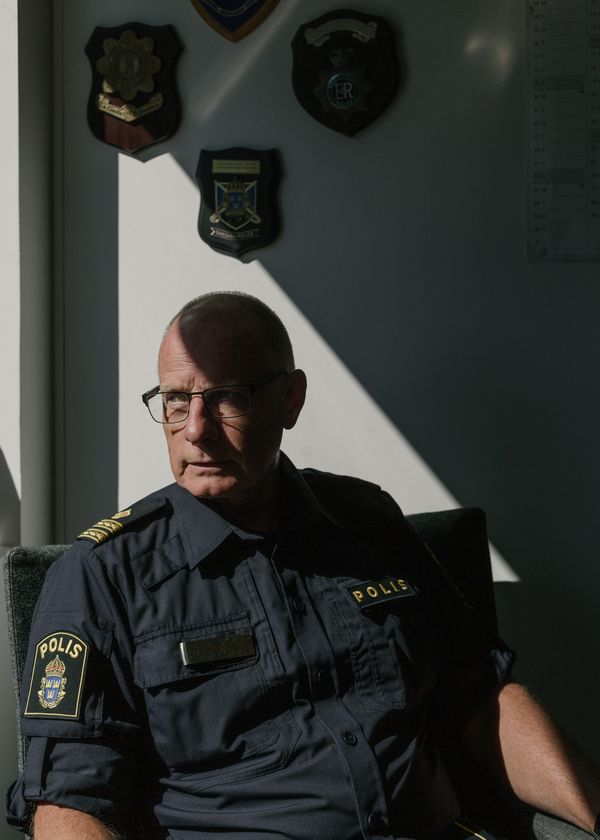
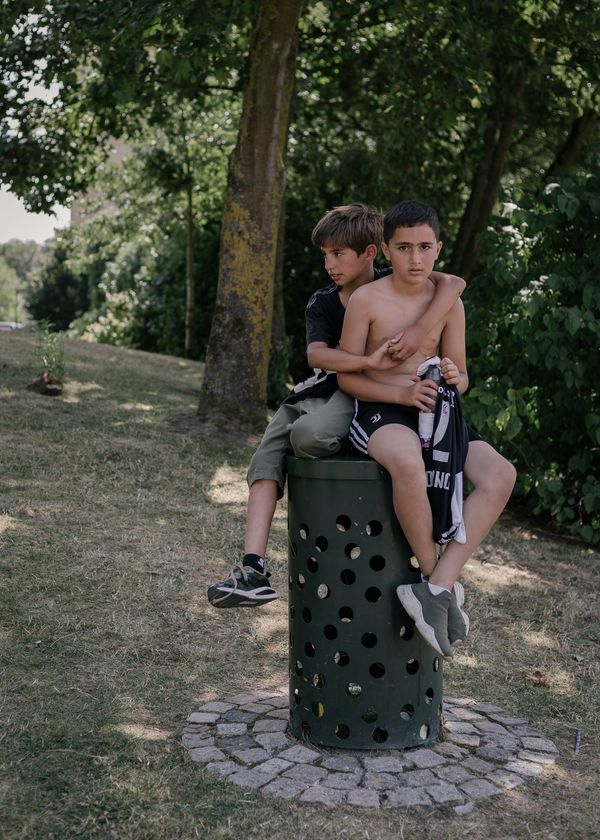
Today, a large part of the housing estates is considered a social hotspot, where mainly people with an immigrant background live. This includes Rosengård, a district of Malmö. It is home to 24,000 people, of whom around 90 per cent are of foreign origin and a third are under 18. The Swedish police include Rosengård among the ‘especially vulnerable areas’ which are generally characterized by low socioeconomic conditions and high crime. Often referred to as a „no-go area“ in the media and the subject of negative headlines, Rosengård has been branded as a problem neighbourhood and has struggled with a negative stigma and social segregation ever since.
Photographer Nora Schwarz focuses on the people who live and work in Rosengård. With her images, which tell very individual realities, she creates visual worlds that document the everyday lives and inner worlds of the residents. In this way, Nora Schwarz attempts to create an alternative to the often one-dimensional
reporting about Rosengård, in order to also critically question society‘s
perception of this place. This is an ongoing project.