Rosengård

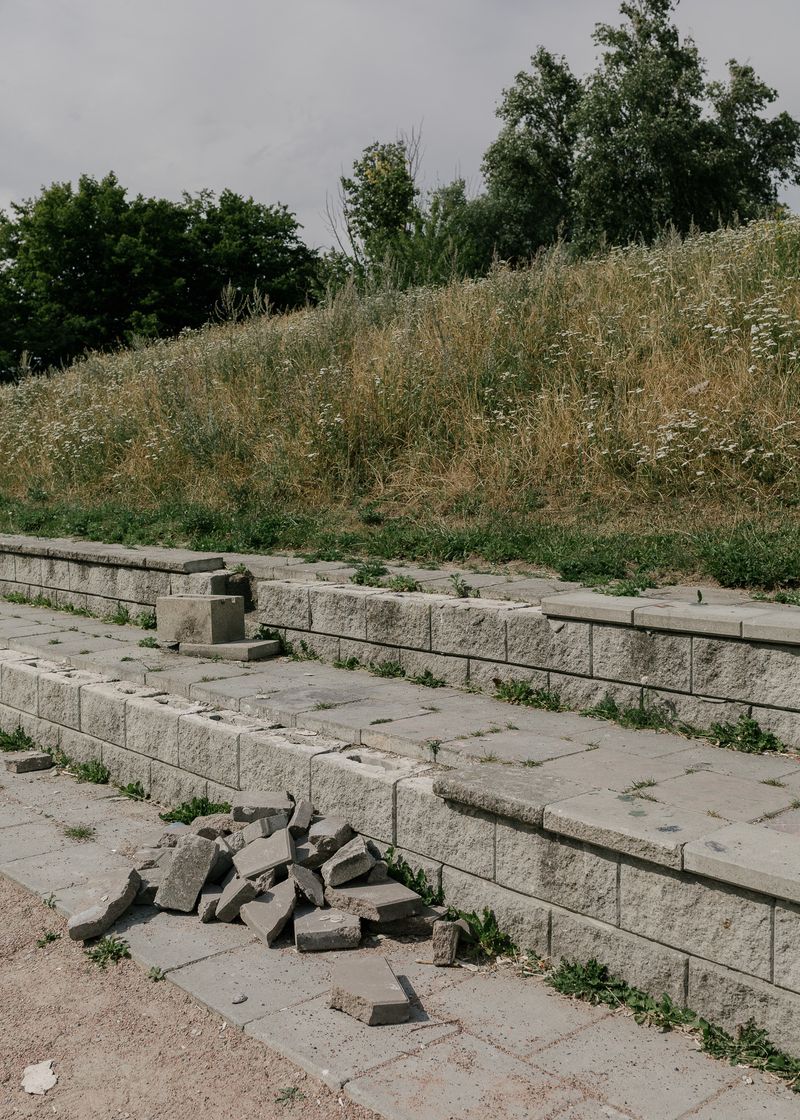
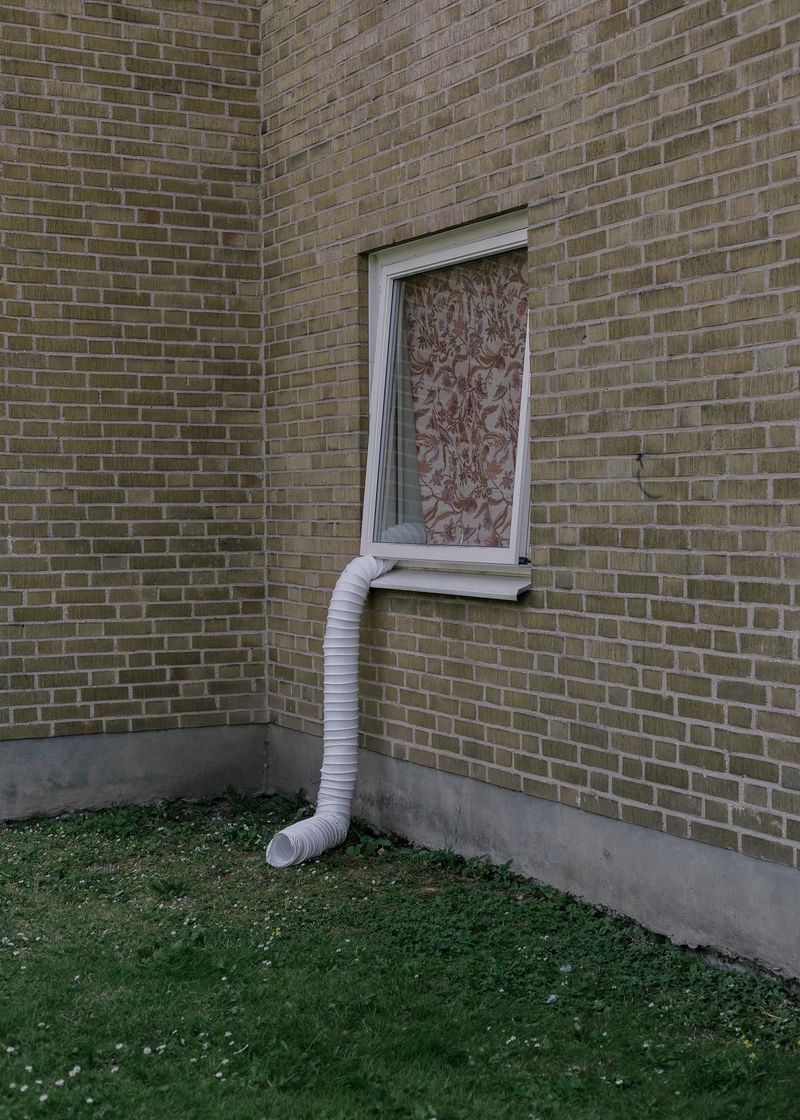
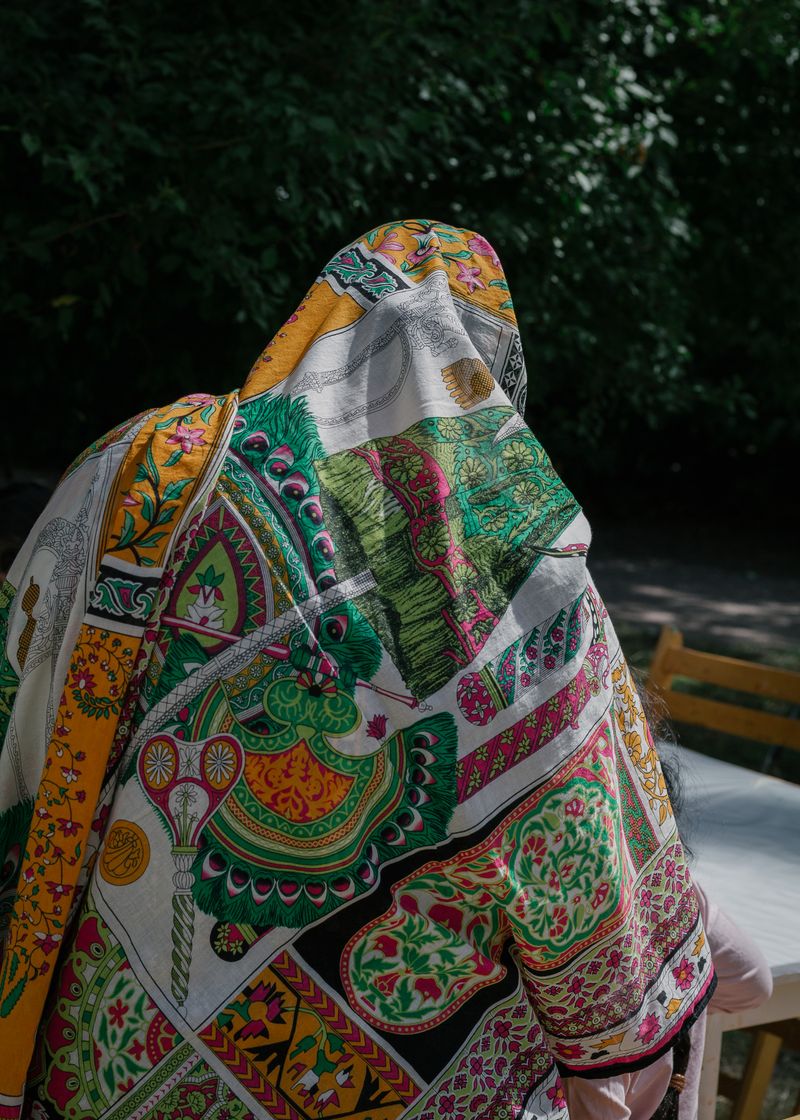
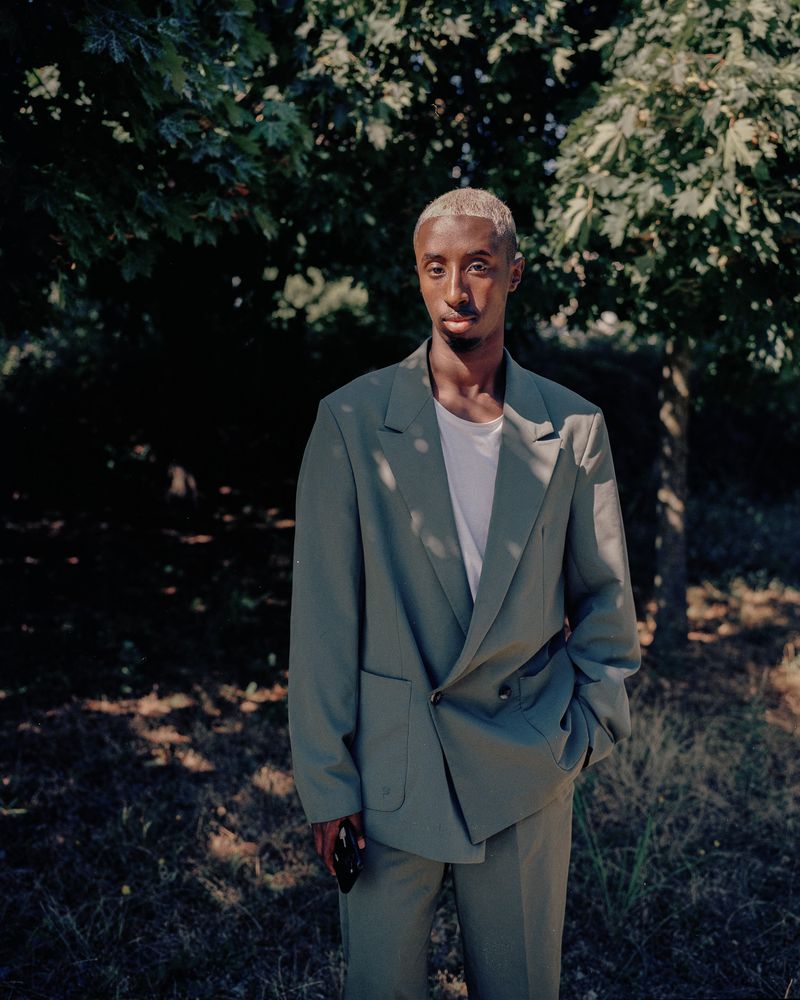
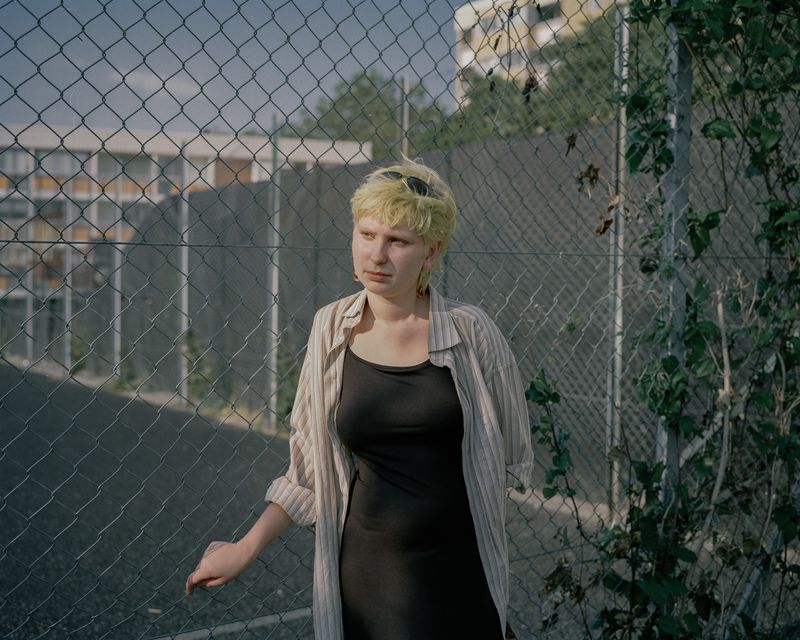
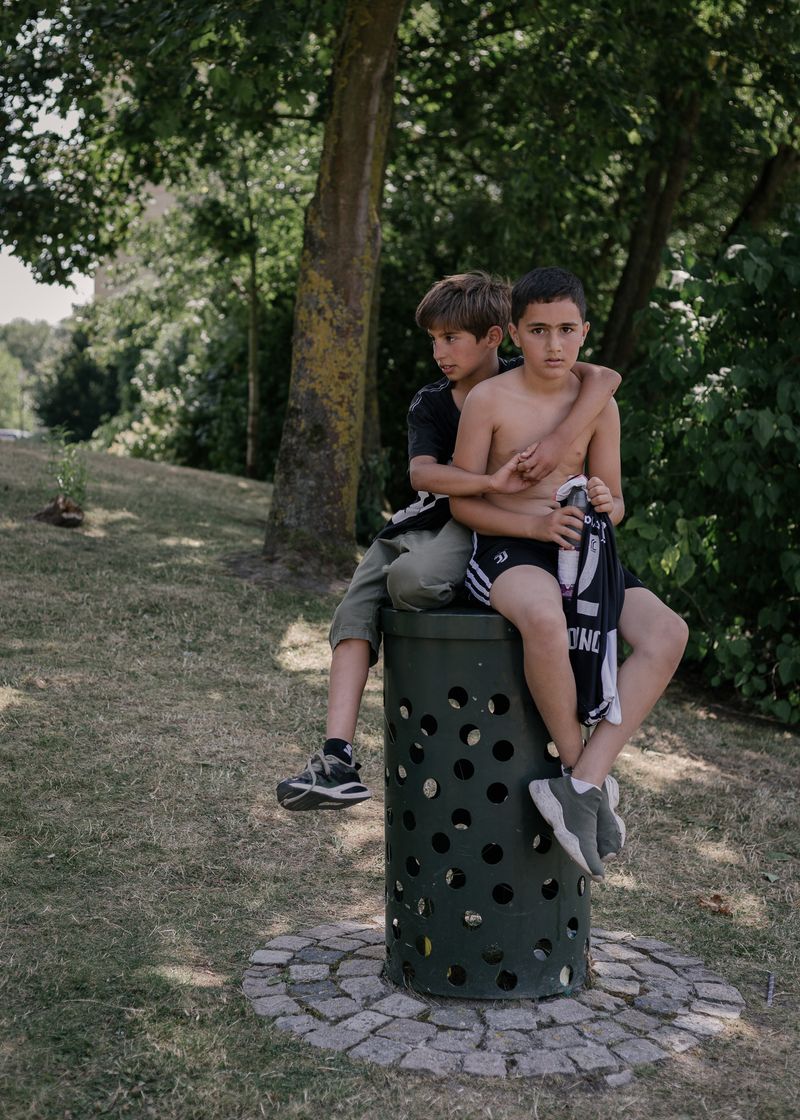
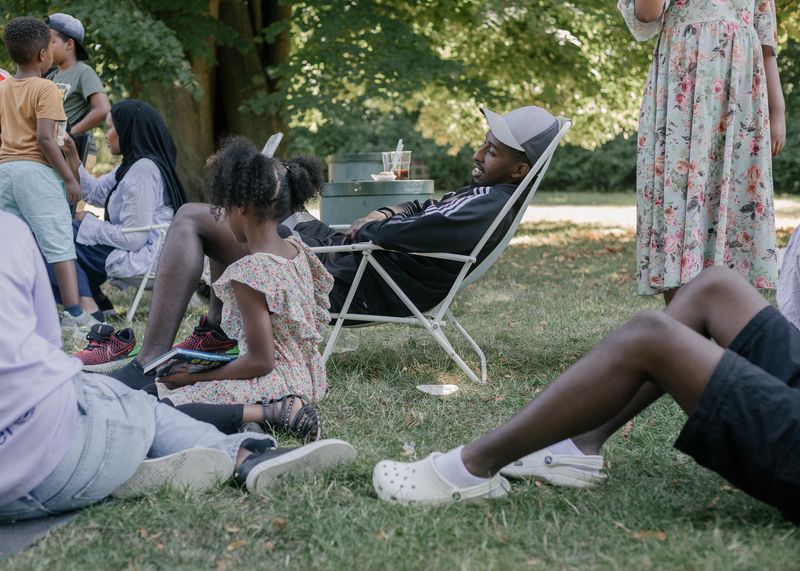
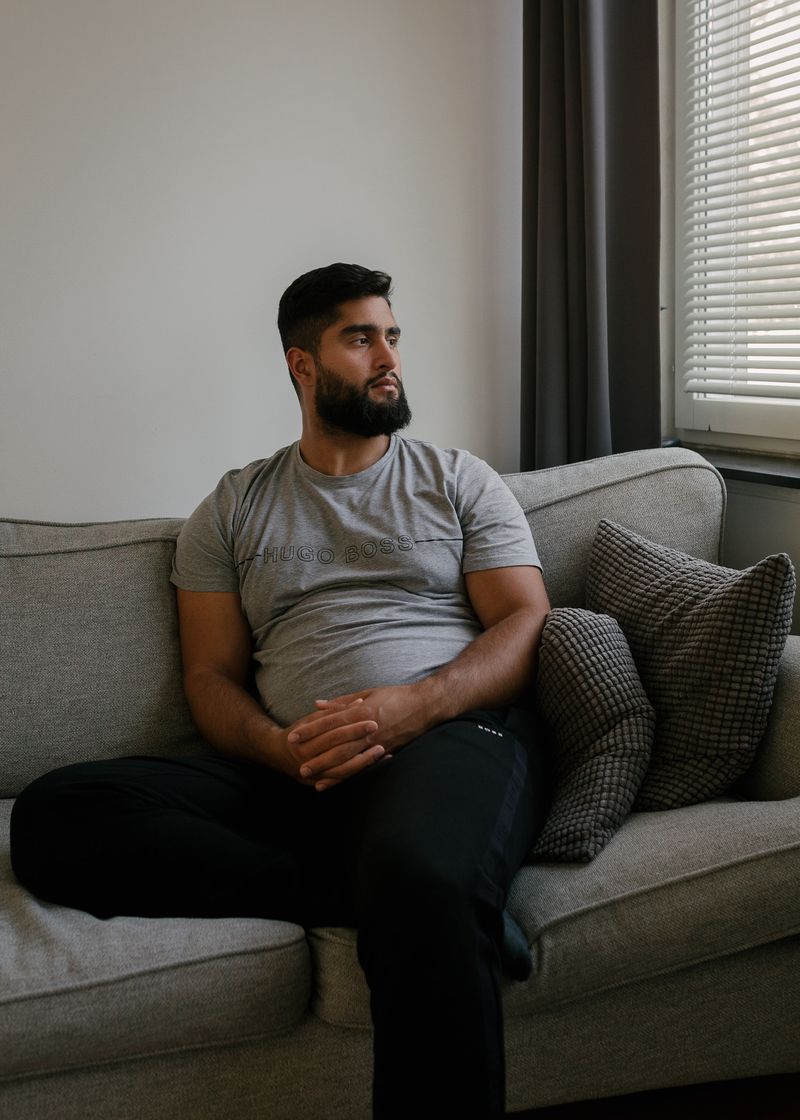
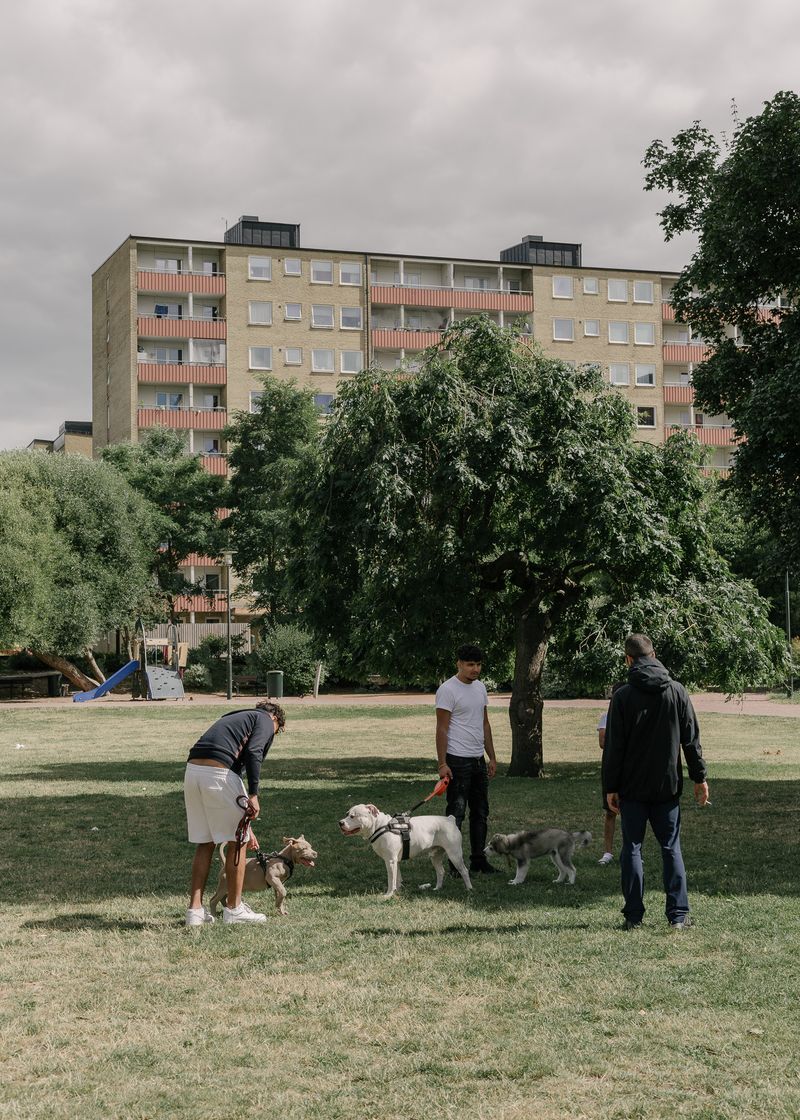
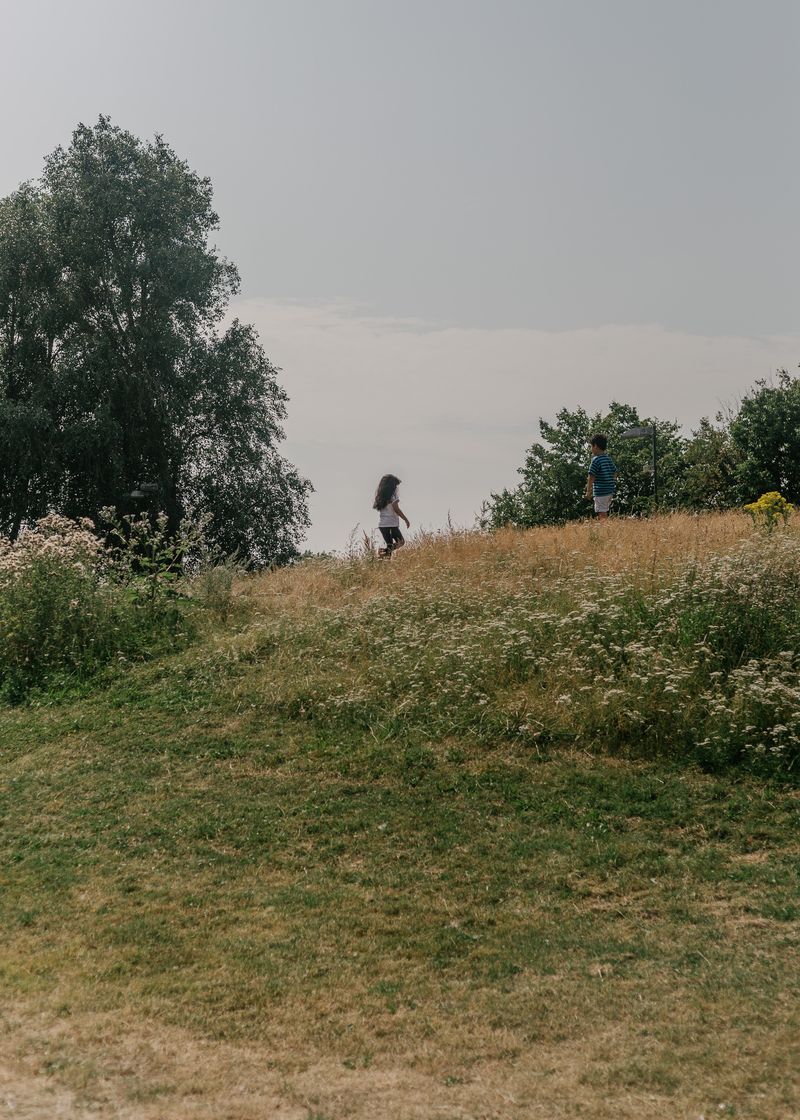
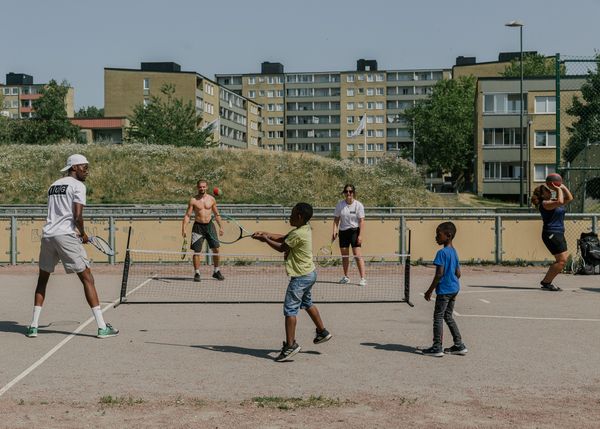
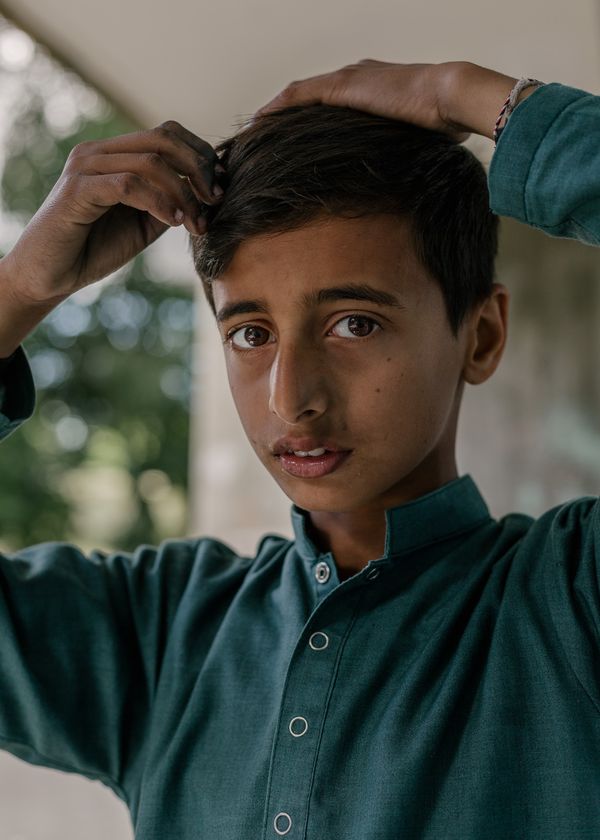
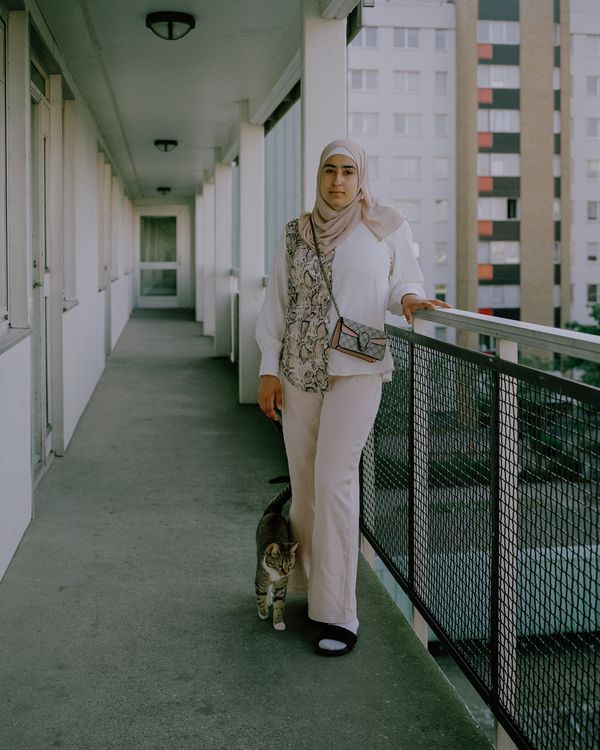
This ongoing project is about the so-called "socially vulnerable area" Rosengård in Malmö. The pictures tell of individual realities, document the everyday lives and inner worlds of the residents.

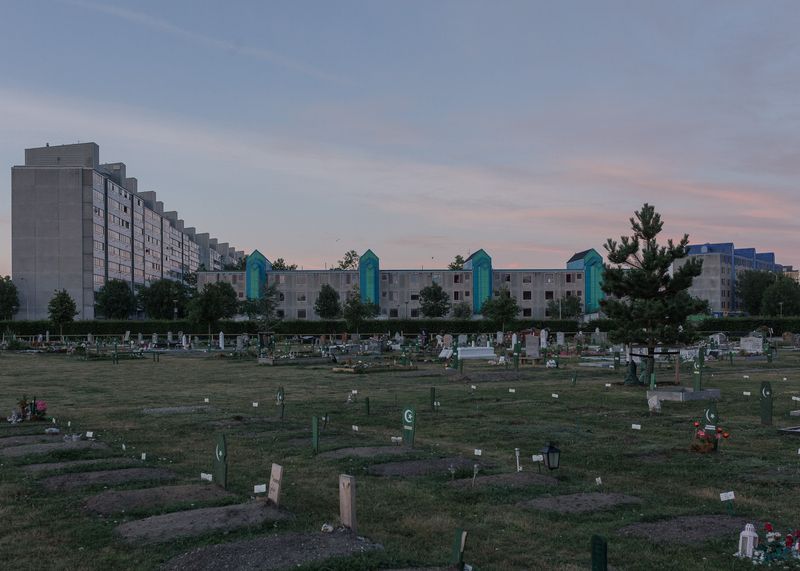
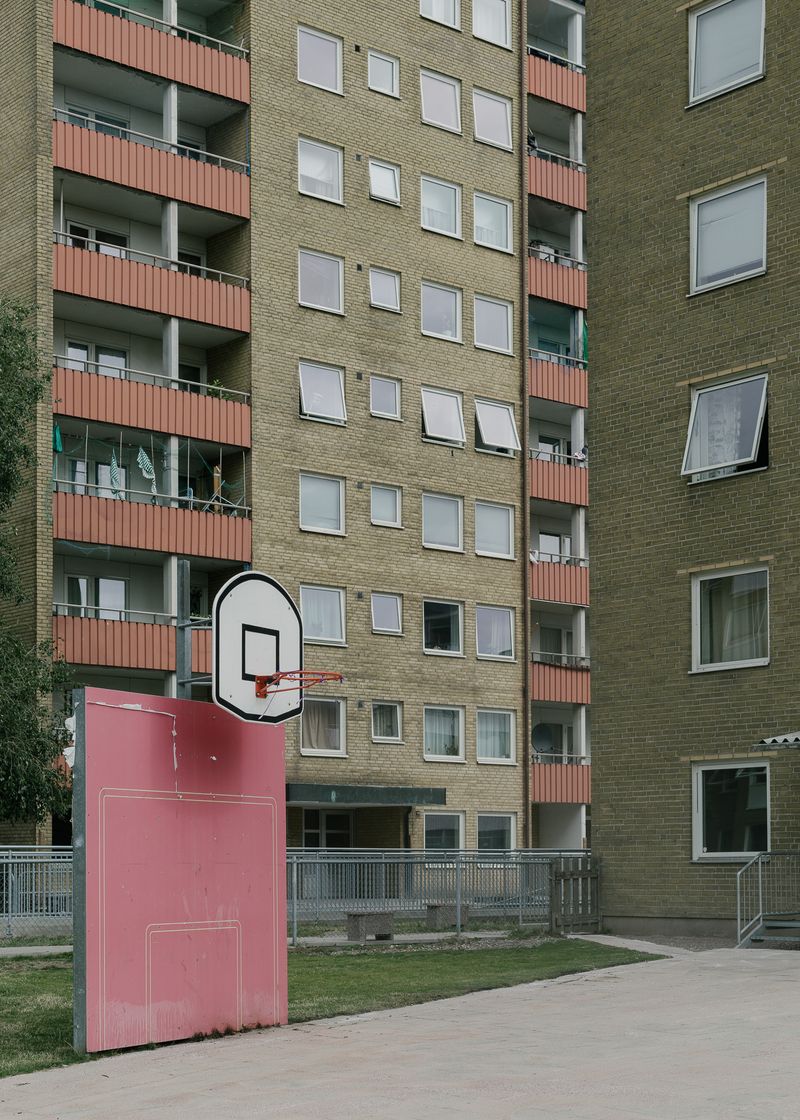
In order to absorb the strong population growth in Sweden in the 1950s and 1960s, new and inexpensive large housing estates were built on the outskirts of the city as part of the so-called Million Program. Initially seen as an ideal solution, the neighbourhoods became increasingly unpopular in the 1990s, causing many residents to move away.

Today, a large part of the housing estates is considered a social hotspot, where mainly people with an immigrant background live. This includes Rosengård, a district of Malmö. It is home to 24,000 people, of whom around 90 per cent are of foreign origin and a third are under 18. The Swedish police include Rosengård among the ‘especially vulnerable areas’ which are generally characterized by low socioeconomic conditions and high crime. Often referred to as a „no-go area“ in the media and the subject of negative headlines, Rosengård has been branded as a problem neighbourhood and has struggled with a negative stigma and social segregation ever since.

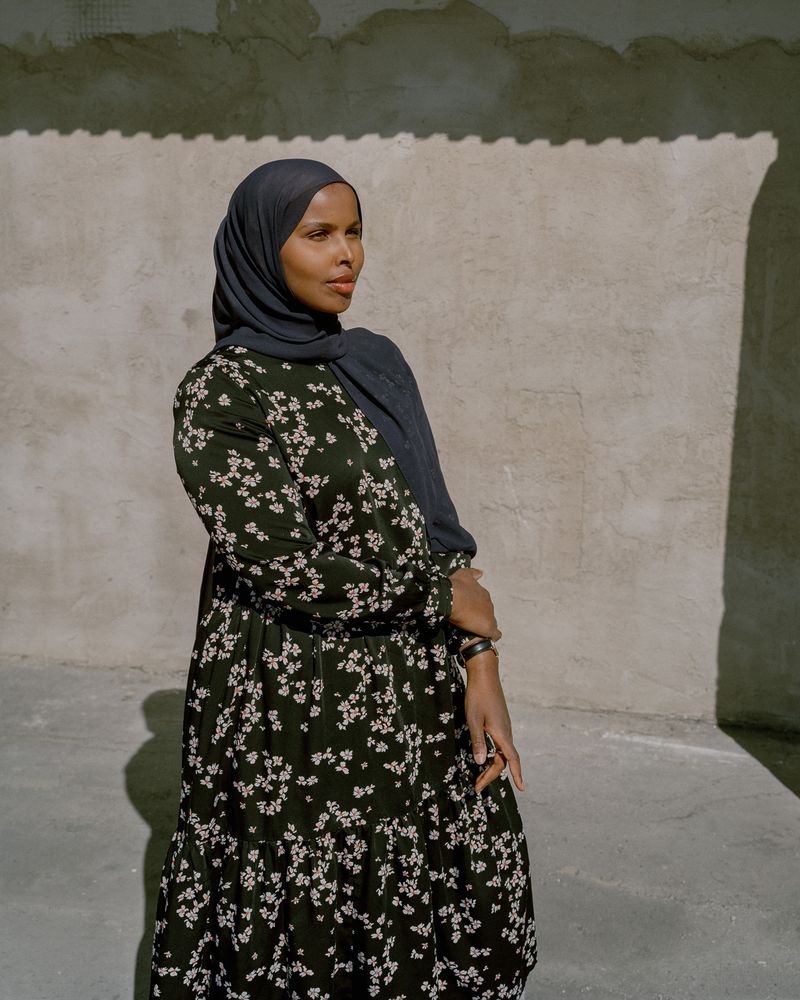
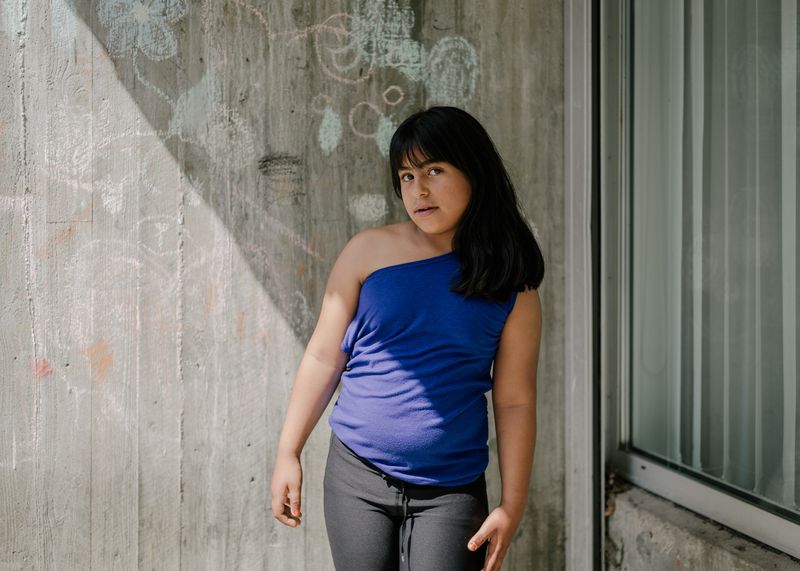
Photographer Nora Schwarz focuses on the people who live and work in Rosengård. With her images, which tell very individual realities, she creates visual worlds that document the everyday lives and inner worlds of the residents. In this way, Nora Schwarz attempts to create an alternative to the often one-dimensional

reporting about Rosengård, in order to also critically question society‘s

perception of this place. This is an ongoing project.
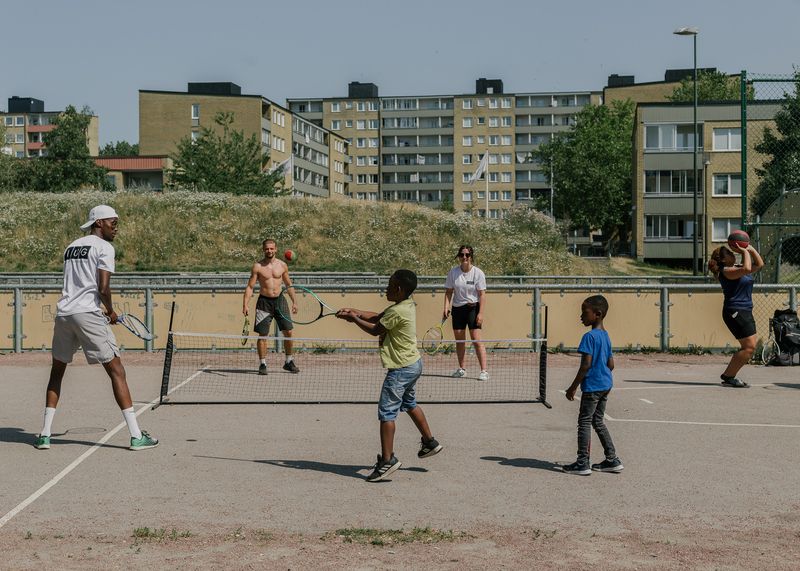
© Nora Schwarz - Image from the Rosengård photography project
i

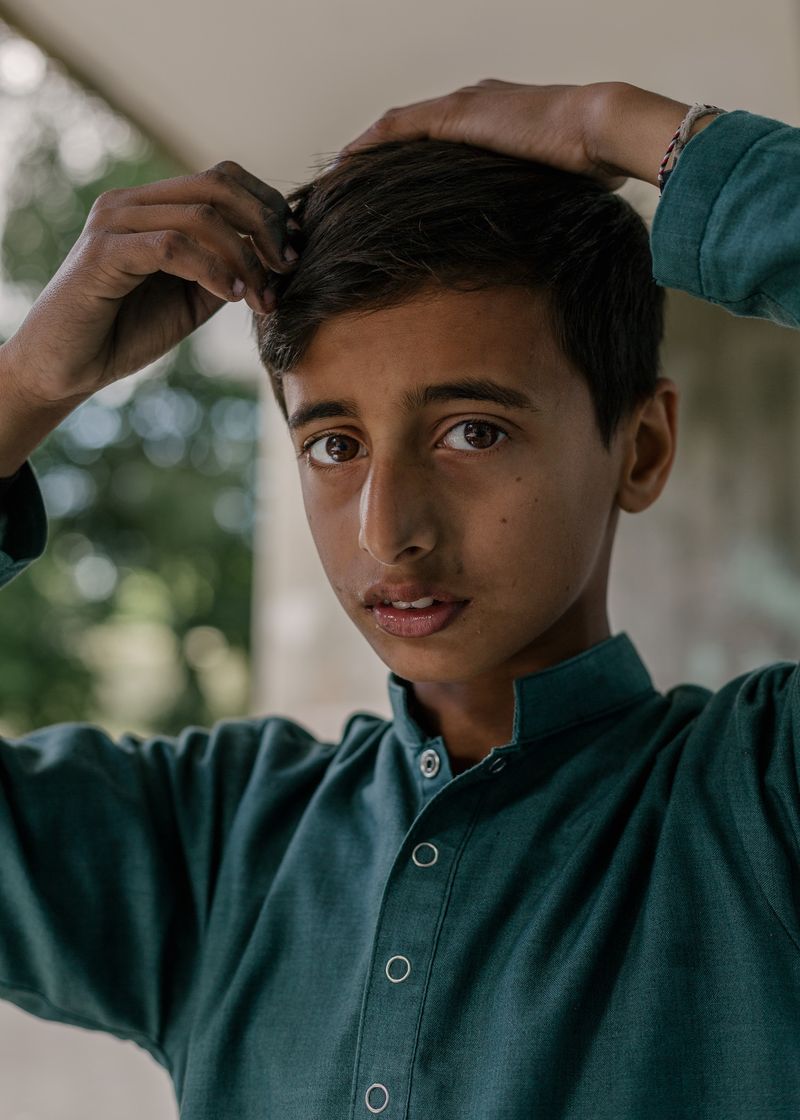
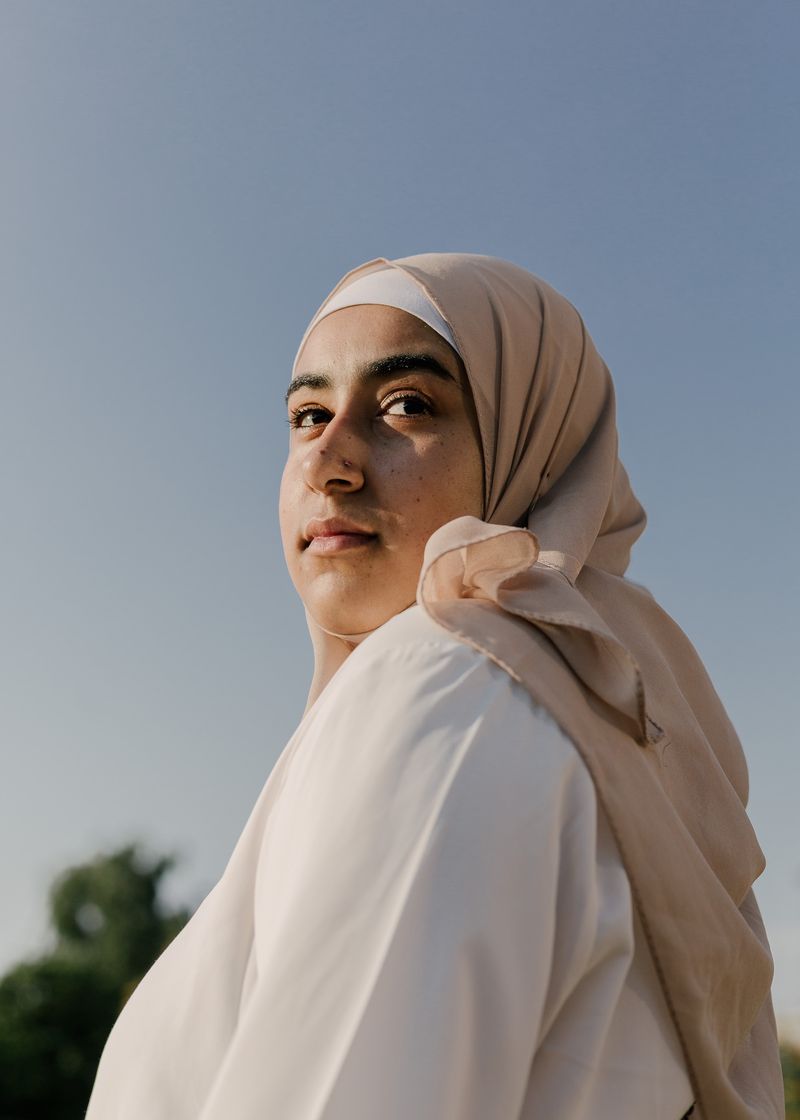
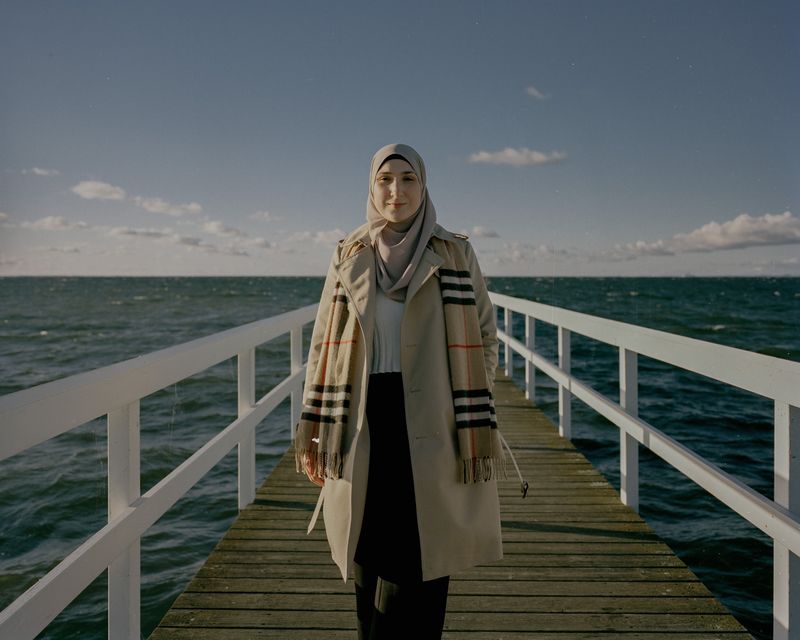
It is my last year in school and my plan for the future is to become a cardiac surgery doctor. I also want to visit Mecca one day. - Shahed (16)

© Nora Schwarz - Image from the Rosengård photography project
i

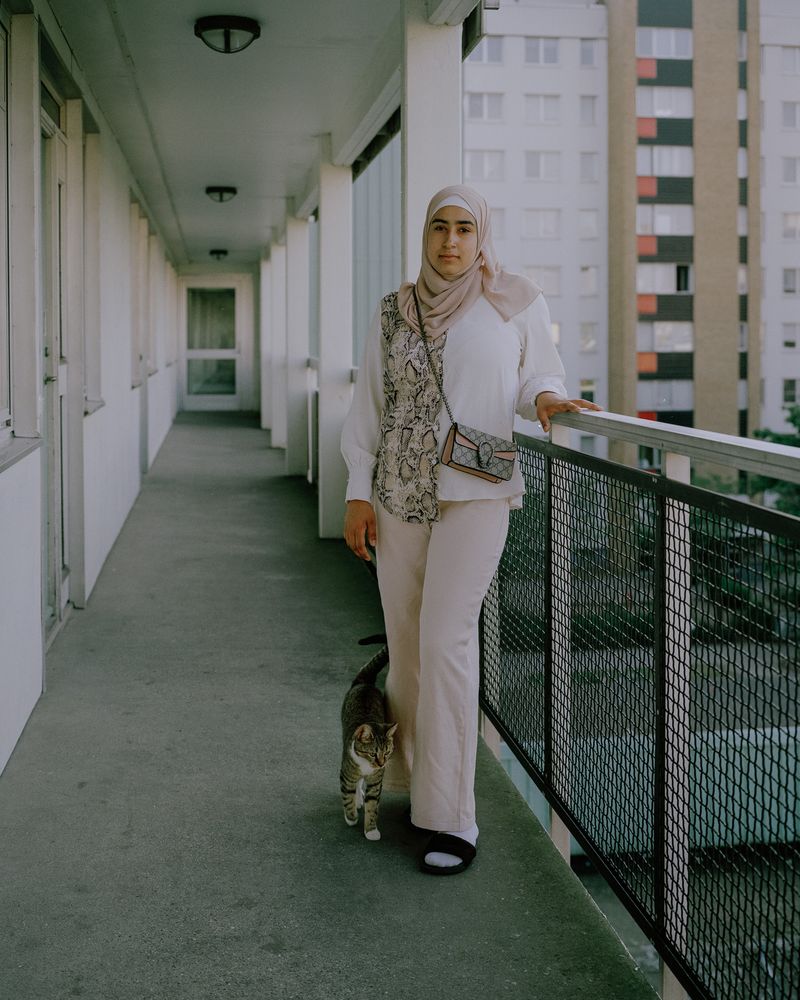
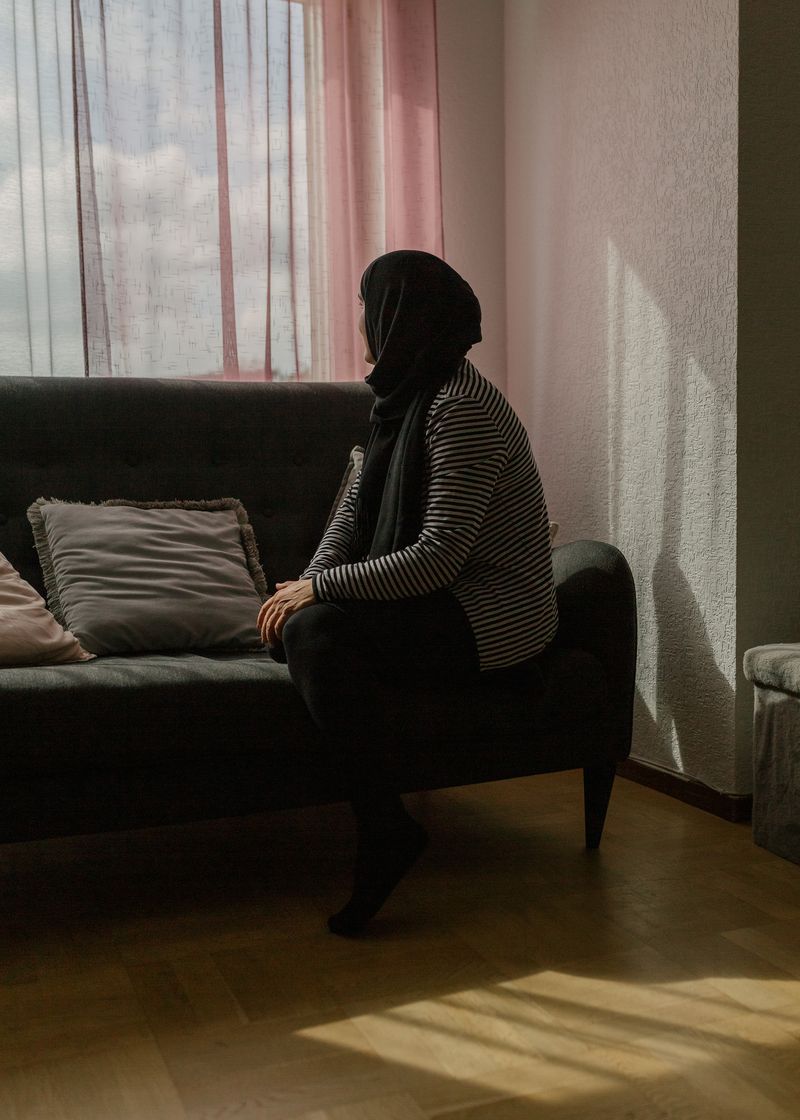
When I worked in the schools in Rosengård, I noticed that so many parents and children are traumatized and suffer from PTSD. When you are very frustrated and life has been unfair, you have a lot of rage and you don‘t know what to do with it. For me it is understandable why it sometimes erupts in anger. It‘s a neighbourhood with problems, but the people are just lovely. I think sometimes there‘s so little understanding of what they actually have to go through as immigrants. Very few people take the time to get to know the residents. That‘s why it‘s so important to be there in person and give people another outlet for their feelings. Art is a wonderful way to do that and to get in touch. It also works without language. - Sannah (38) writer, artist and art teacher for children.

© Nora Schwarz - Image from the Rosengård photography project
i

People from Africa and Asia have come a long way and they are willing to work. But for that, you need open doors. If the doors are closed, you can only knock and hope that someone will open them for you. So these people are knocking on doors and hoping that one will open. It is important that people from other areas come to Rosengård and offer cultural events and workshops, so that especially the young people feel seen and appreciated - this is a way of integration! If you know you can have a good future, get a job, feel valued and not discriminated against at school, university and in daily life, why would you choose a gun and maybe die before you turn 20? - Halimo (28), project manager for Rosengård Roasters at Folkets Hus, which promotes democratic participation in Rosengård

© Nora Schwarz - Image from the Rosengård photography project
i

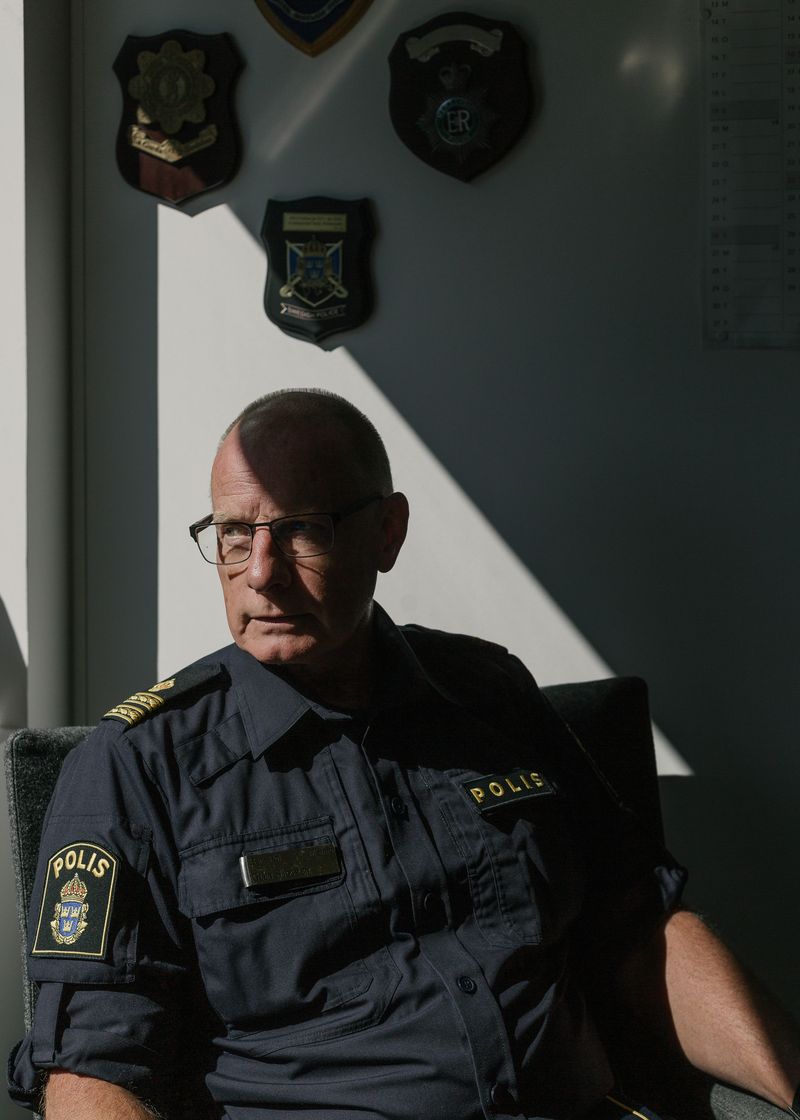
Many politicians want to use more police and tougher punishments, but that won‘t help. The criminal will only be gone for a while and someone else will take his place. We have to get to the root of the problems. For example, we need to improve the schools in the area so that young people can get a good education and a job. But for that, Rosengård needs a better reputation, because good teachers don‘t want to work here. Rosengård is not a „no-go-area“, which would mean that you can only enter it with risk, which is absolutely not the case. This is a false image that the media perpetuates. In the last 6 to 7 years, the area has changed a lot, and in 2021 there was not a single shooting. But this is not reported. - Glen, works for the community police in Rosengård and leads the program „Sluta skjut“, which aims to prevent shooting and serious violence between criminal groups

© Nora Schwarz - I want to become a model and move away from Sweden to try different things and gain new experiences. - Anas (19)
i

I want to become a model and move away from Sweden to try different things and gain new experiences. - Anas (19)

© Nora Schwarz - Image from the Rosengård photography project
i

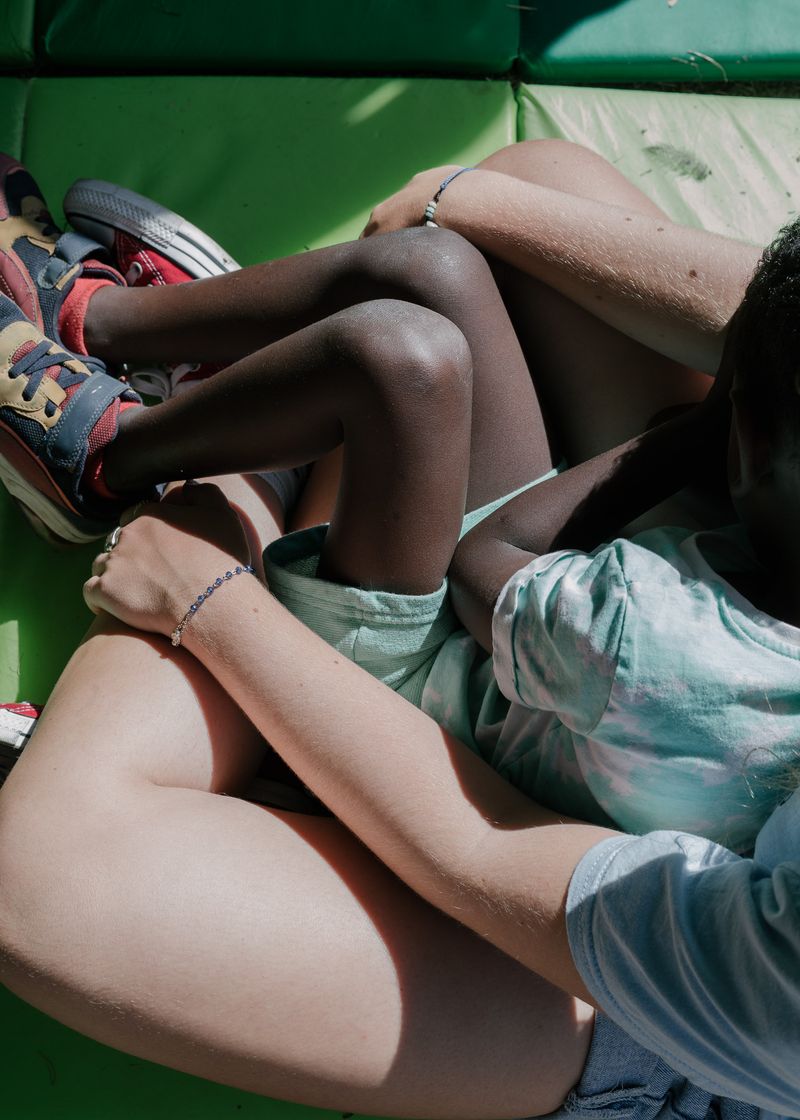
I love how friendly and welcoming everyone is in this area: the colleagues, the children and also the strangers on the street who always greet you with a smile. I feel our impact on the children‘s development and on their understanding of each other‘s differences. - Tira (20) studies liberal arts and works for a child and youth organization in Rosengård

© Nora Schwarz - Image from the Rosengård photography project
i

I love the neighbourhood. It is a very warm community. I can knock on any door and you always get help. Also there are a lot of activities for the youth in Rosengård, which is great, but that‘s not enough. It‘s more like a bandage on a big wound and we have to deal with problems in this area. You always know someone who has been shot, or you know someone who knows someone who has died. But I can never blame the people here. Who has the responsibility to make a chance? It‘s the politicians. I feel really bad for Sweden if there is no politician who has the courage to come out with a certain plan for the people here. - Abdula (24), works for Save the Children

© Nora Schwarz - Image from the Rosengård photography project
i

Rosengård is like a tattoo that you wear. It is a designation for being non-Swedish. In every city in Sweden there is a Rosengård. Rosengård is a person: I am Rosengård, you are Rosengård, they are Rosengård. Swedes are very careful. Where are you from? That‘s a very common question you get asked here, and it brings with it the feeling of being excluded. - Abdula (24)

© Nora Schwarz - Image from the Rosengård photography project
i

Young people in Rosengård don‘t have the same opportunities as the youth from other areas. That can lead to taking the wrong path. Many say that it was the criminal‘s choice to go down that path, which is true. But there are so many factors that led the person there - such as the difficulty of being accepted by society. Of course, you join a group that accepts you and where you can make a lot of money. You can‘t just blame the person, you have to look for the causes. I am also not treated equally yet. I have been born in Sweden, speak the language fluently, have a good job, and Sweden is an important part of my identity, but I look different. - Fatme (24), social worker for Save the Children and is the manager of the meeting point Varda in Herrgården

© Nora Schwarz - Image from the Rosengård photography project
i

Rosengård is not a ghetto. We have a lot of love, people notice each other and many want to change their lives. But who talks about their stories? - Fatme (24)

© Nora Schwarz - Image from the Rosengård photography project
i

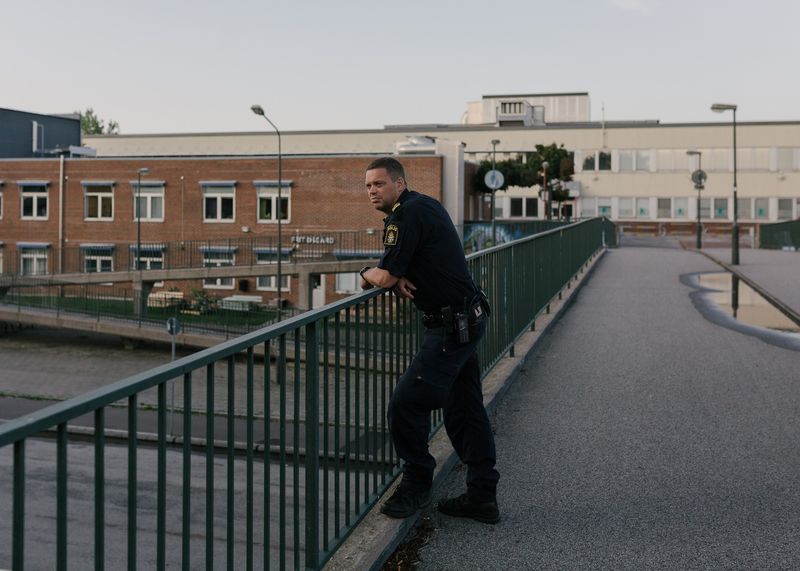
We still have a big trust issue with the police around here. Many people don‘t see the police as help and don‘t call us when something happens. So I try to gain people‘s trust. When I started working in this area in 2008, living conditions were much worse than they are today. Many private landlords were not taking care of their buildings. The whole situation was really tense. Today there are many positive changes in the region, so people can feel at home and valued. But such changes take time and slow changes are never newsworthy. If you go to the gym today, you won‘t look stronger in the mirror tomorrow. The people in Rosengård care about each other and care more about their neighbourhood than you see in other areas. It is so nice to see how individual young people blossom. Have I made a difference? I don’t know. But if we can save one person or stop one shooting, then all our work has been worth it. A life is priceless, isn’t it? - Johannes (43), community police officer in Rosengård who builds trust with residents, primarily with young people to prevent them from crime

© Nora Schwarz - Image from the Rosengård photography project
i

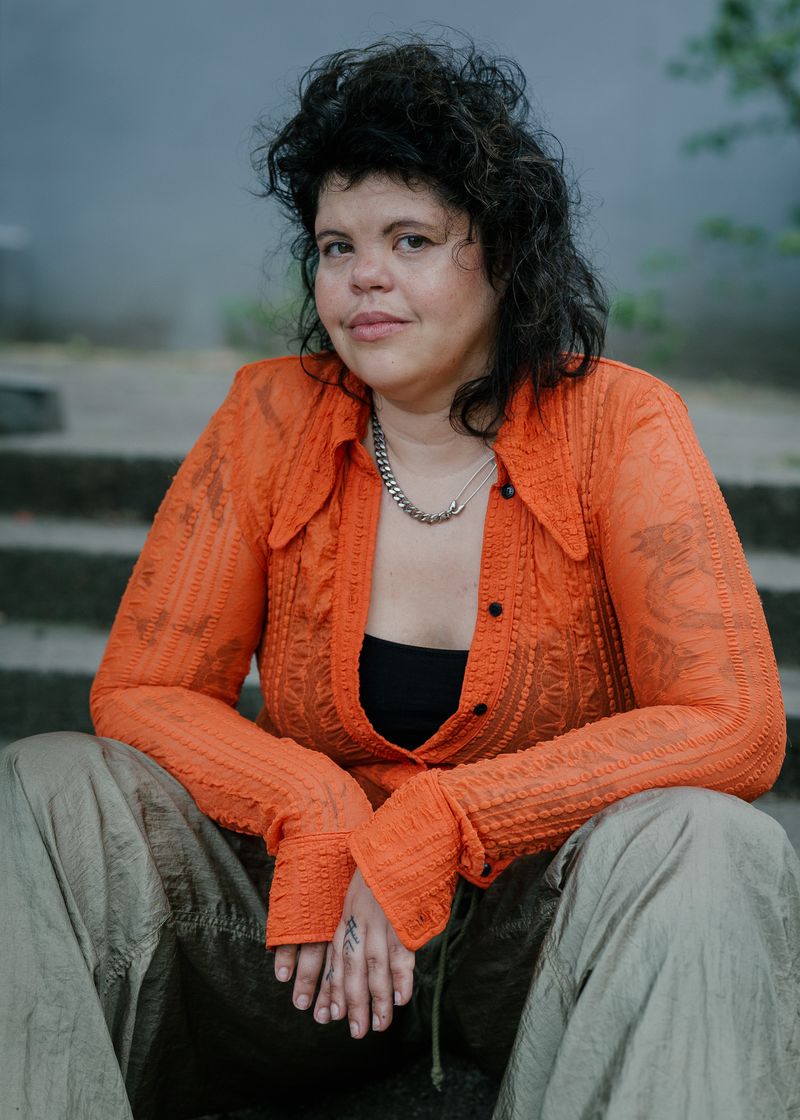
It is hard to love your home when no one else loves it. It‘s hard to love an area that everyone else only talks about derogatory. If you feel unwanted, not included, or invisible, how are you going to break through that? - Sannah (38)

Rosengård by Nora Schwarz

Prev Next Close