River Rats
-
Dates2025 - Ongoing
-
Author
- Location Australia
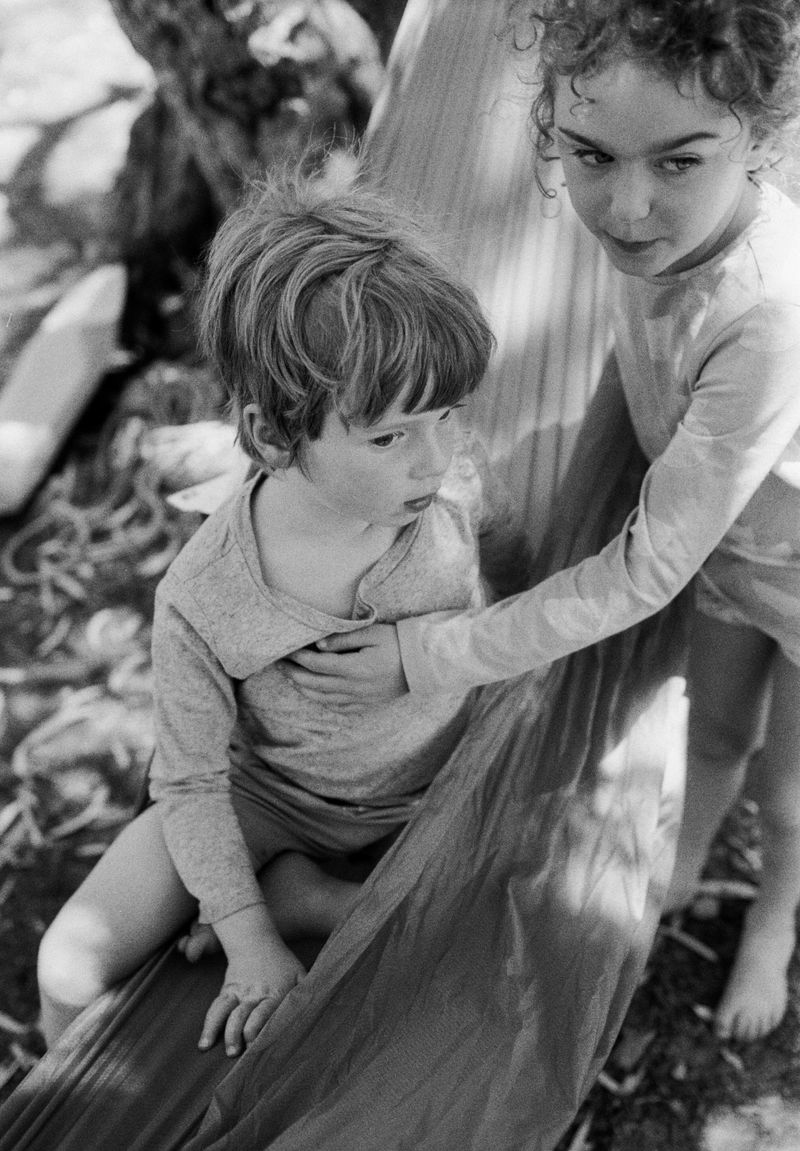
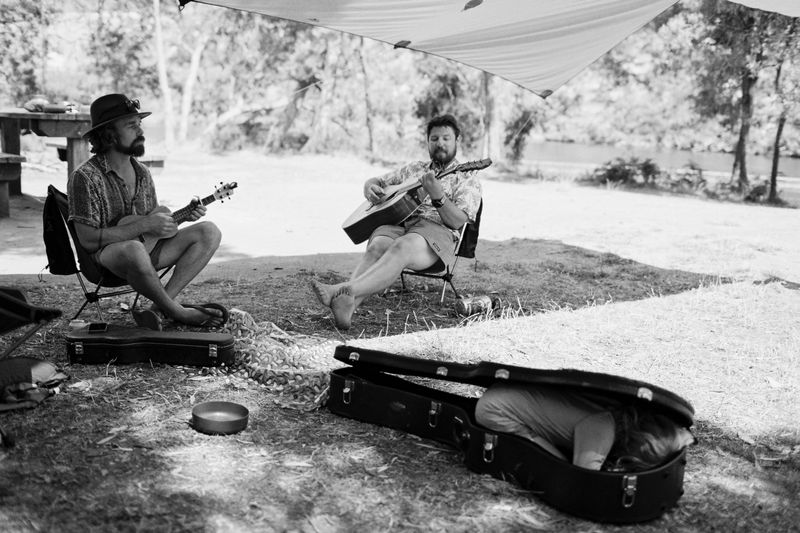
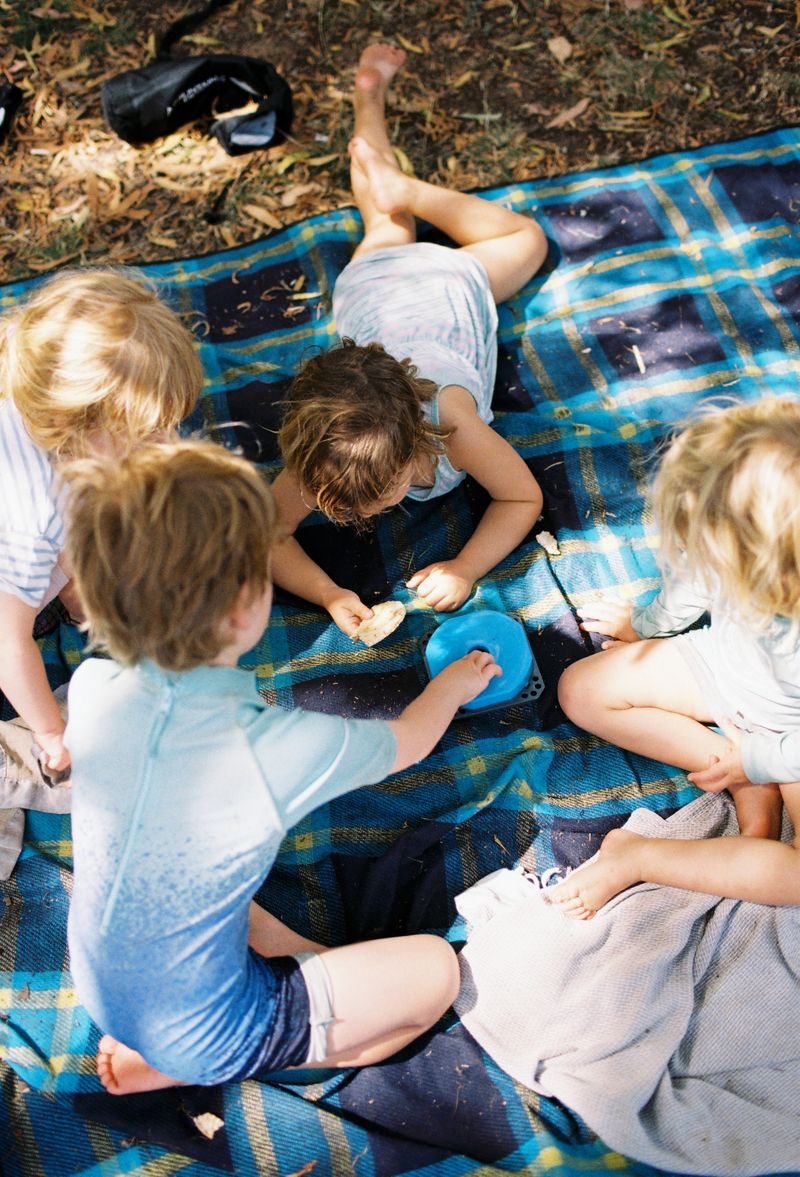
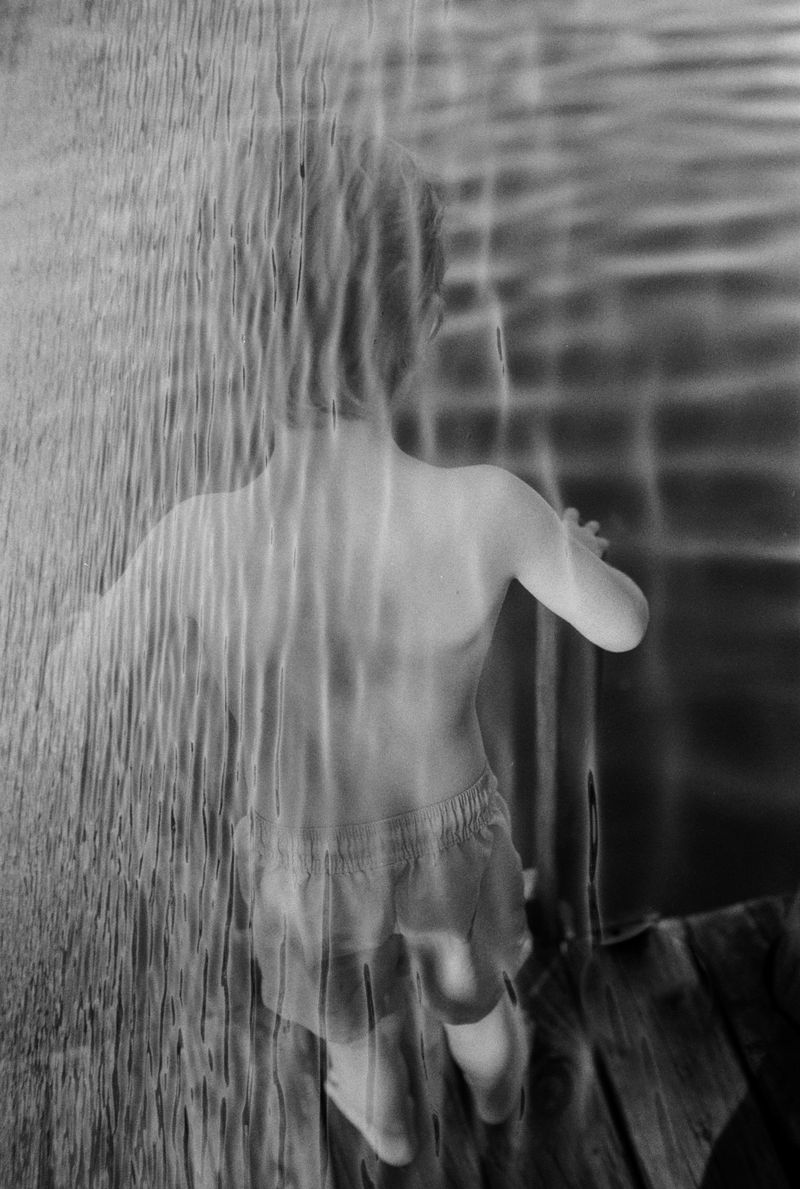
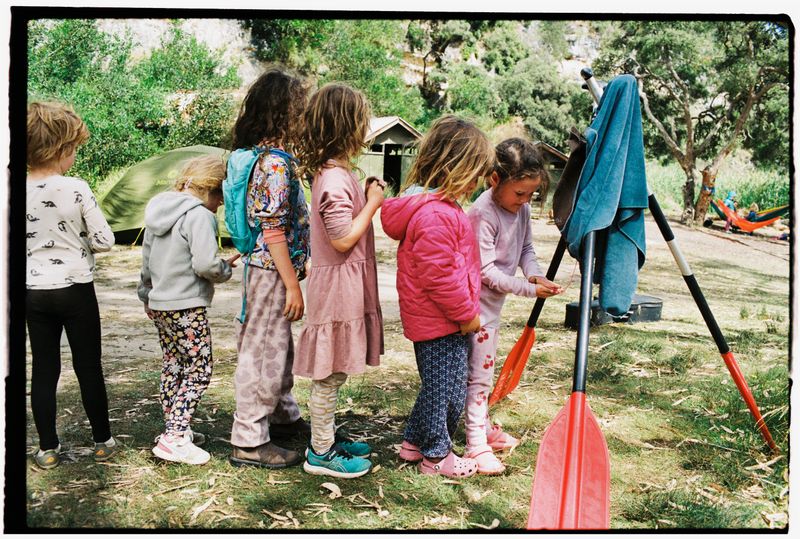
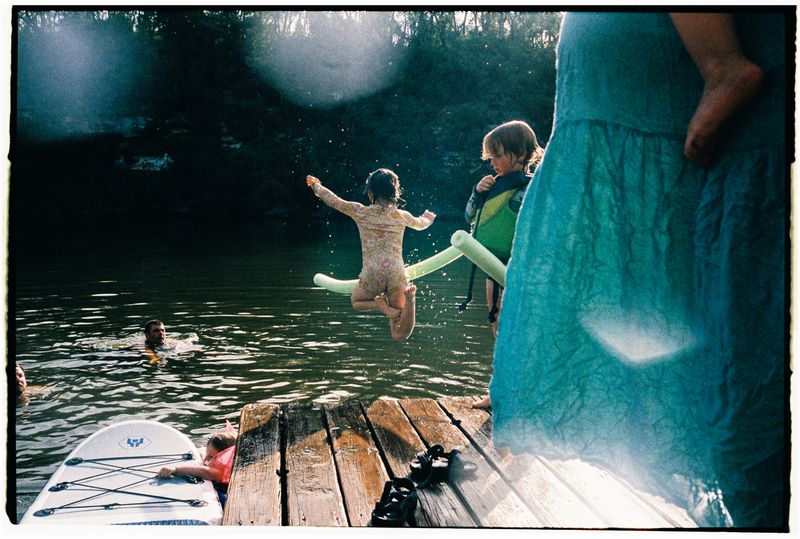
River Rats is a 10 year post-documentary study of a group of children as they journey down a river one week every summer. The parameters: no phone reception, no screens, no toys. It's an elegy to a disappearing childhood, connected to nature.
This series begins in 2017, when ten friends—most of them outdoor educators, none of them yet parents—flew to the Yukon, drove to Mayo, put canoes on a float plane and paddled for three weeks up to the Arctic Circle.They didn't know it then, but they were making a decision about how to raise their children.
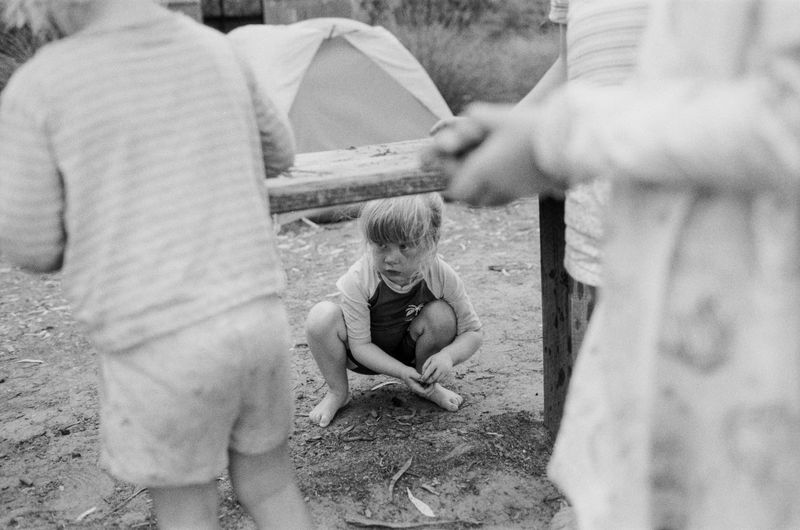
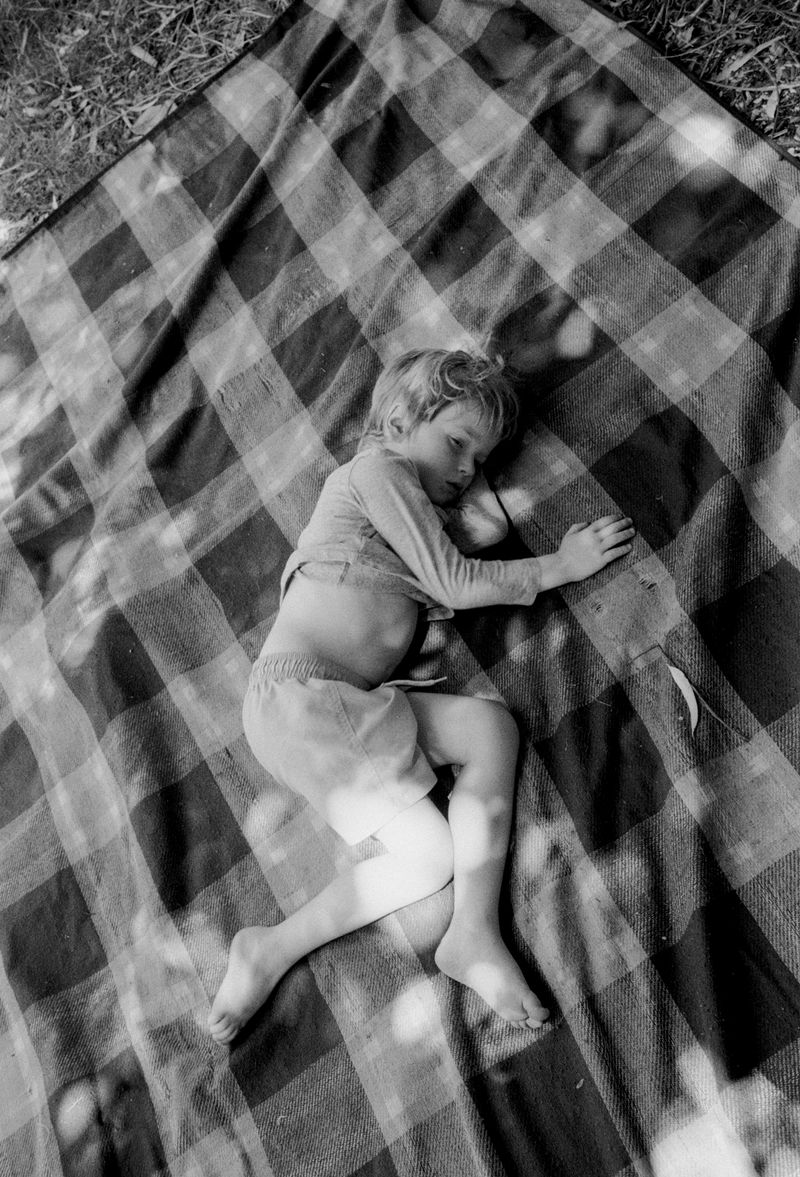
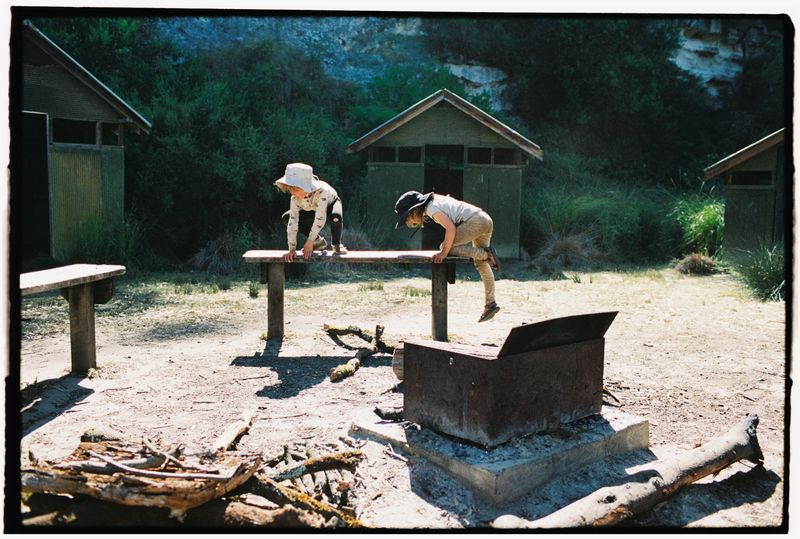
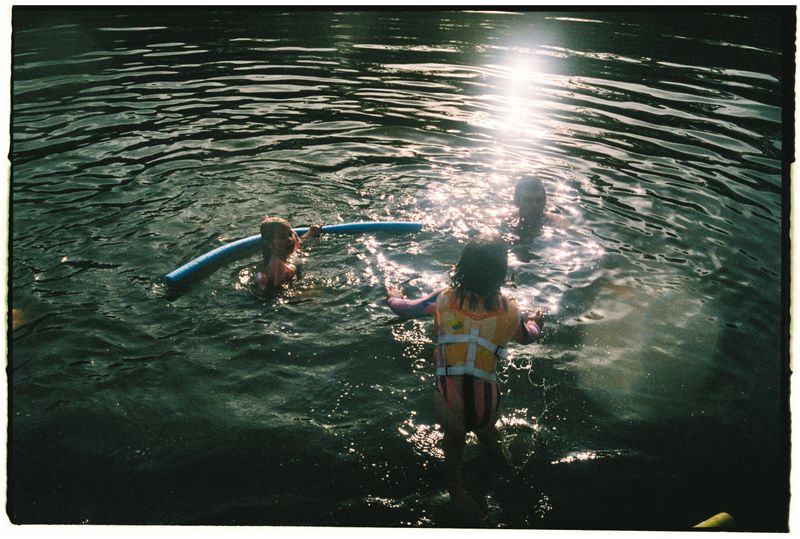
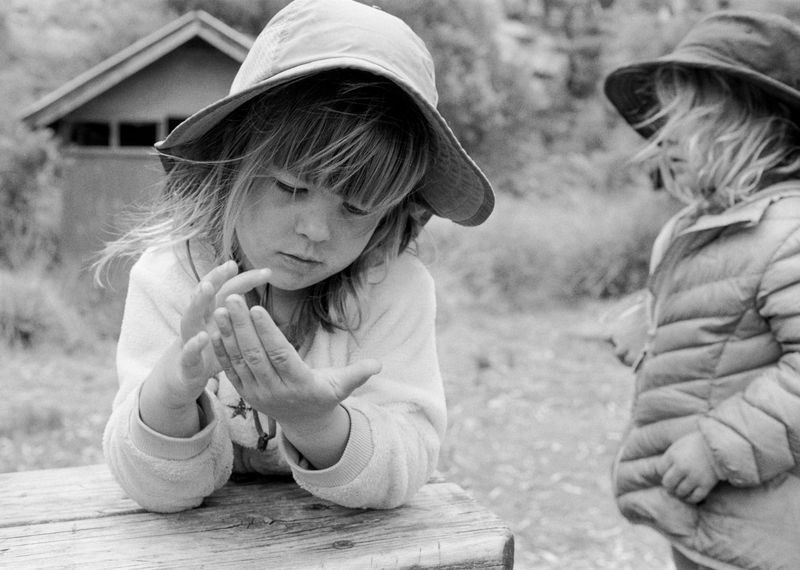
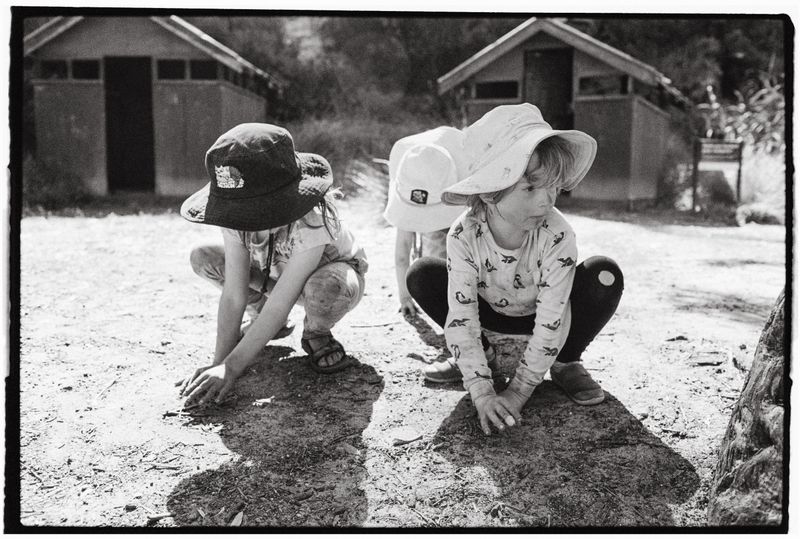
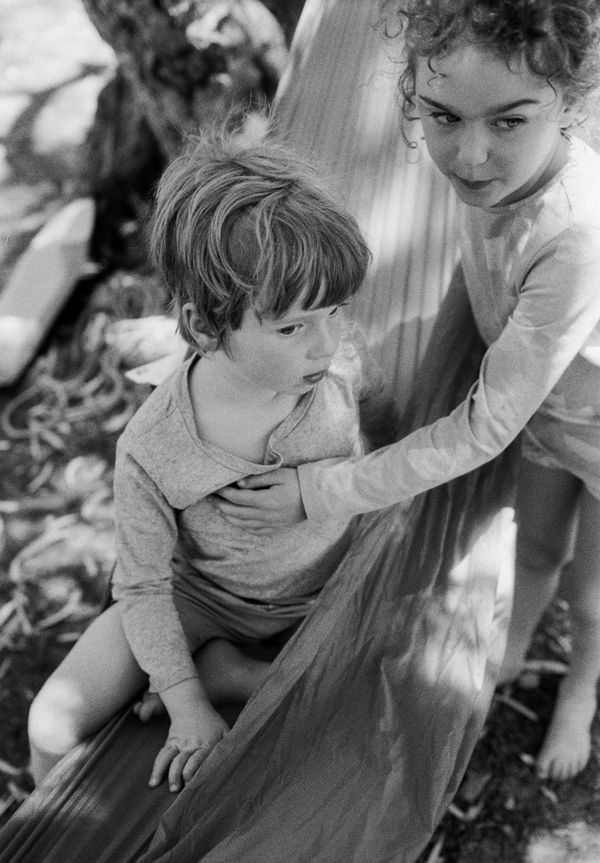
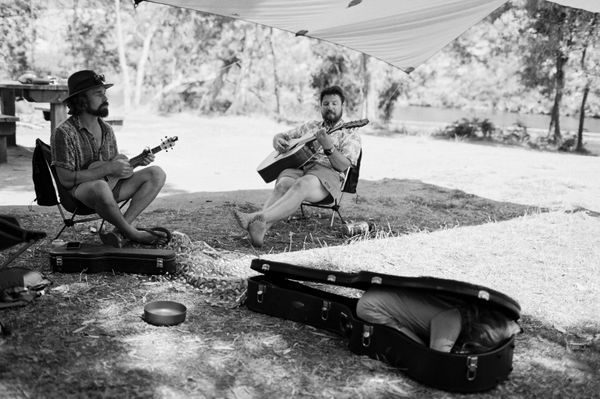
River Rats is a longitudinal photographic study of those children, now aged one to eight, growing up together on an annual river trip in canoes, camping away from civilisation, beyond phone reception, and largely beyond the reach of the modern world. Shot entirely on film, and inspired by the dynamic, layered compositions of Sage Sohier, Mark Steinmetz and Peggy Levison Nolan, the work documents what happens when a group of children is given wilderness, time, and each other—and very little else.
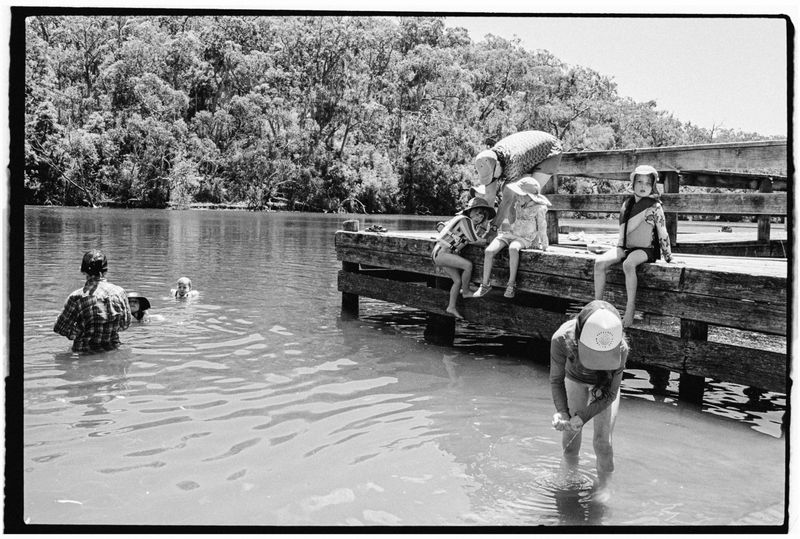
The photographs are made on the Glenelg River in Victoria, with future trips planned across New Zealand, other Australian rivers, and eventually the Nahanni in Canada: a return, a generation later, to where this began. The ambition is to bring these children—skills and stamina built over years—to the same vast wilderness their parents once paddled together as young adults. The project will follow them there.
Almost all of the children are girls. The exception is my own son, who on the first morning asked whether there would be any boys to play with. When we told him no, he shrugged and went to find the others.
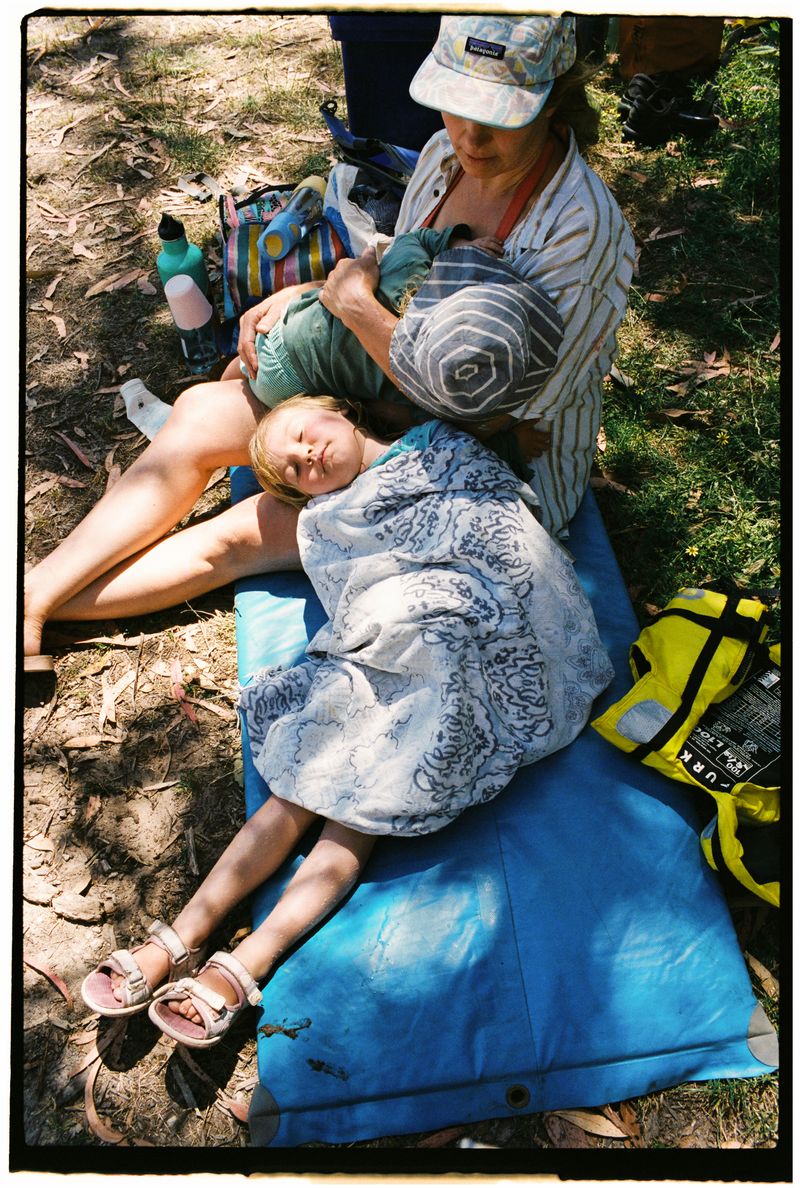
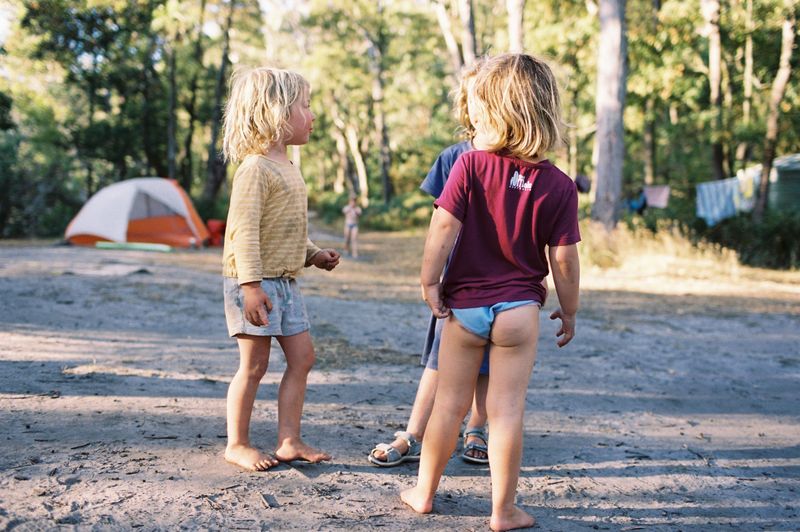
I photograph from the inside. I am a mother on these trips, not a documentarian visiting from outside. My children are among those in the frame. This access—to the unguarded, the unglamorous, the genuinely absorbed—comes entirely from belonging. The children have grown up with this camera. They do not perform for it. Their faces, when they appear at all, are turned inward, toward whatever world they are currently building.
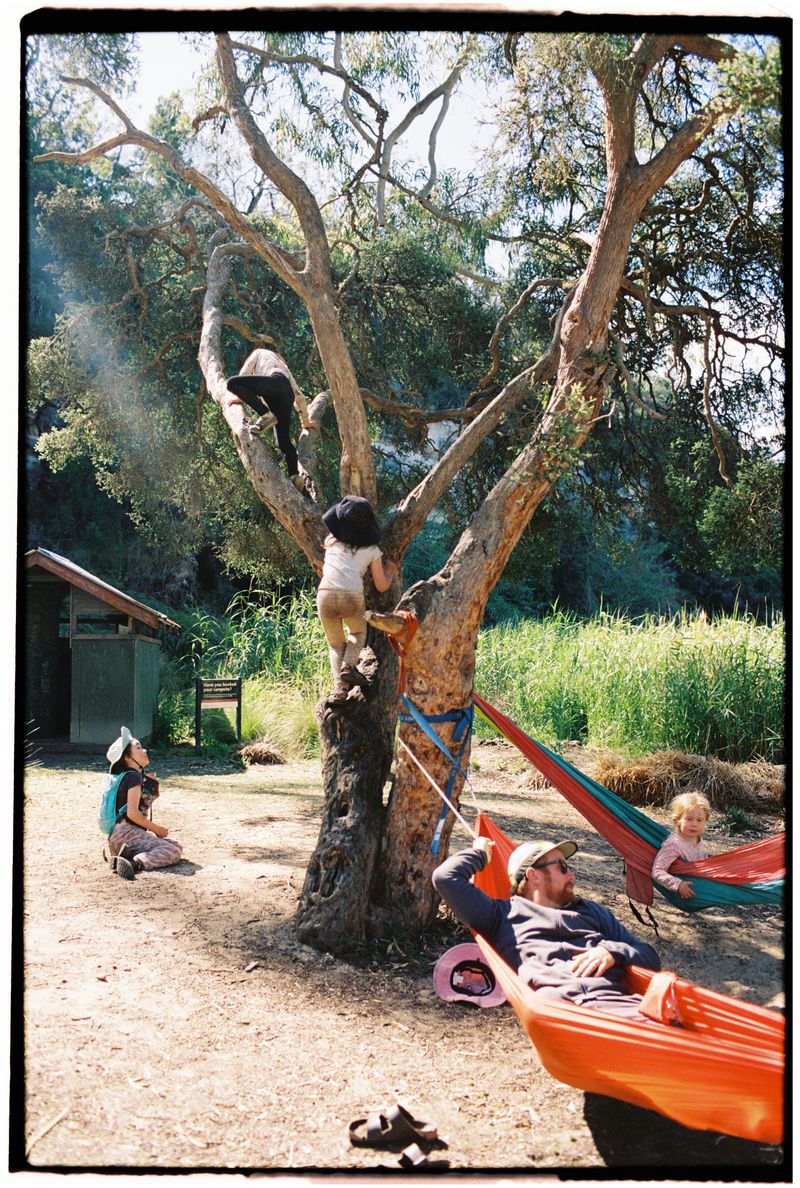
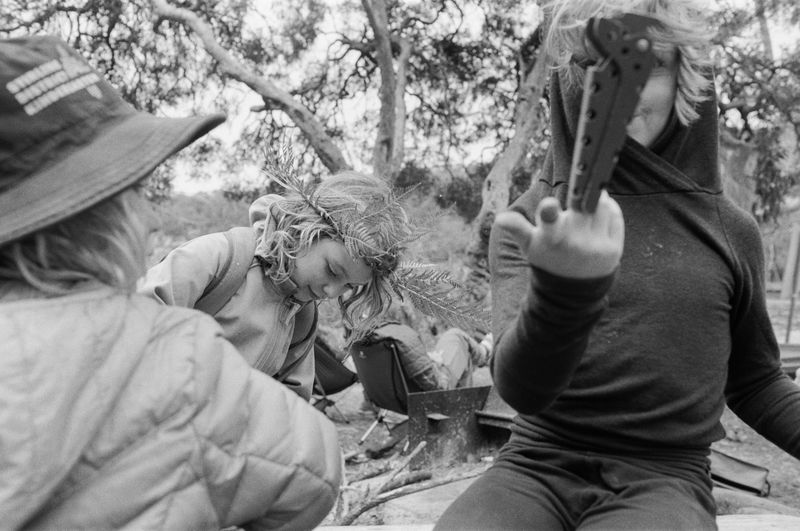
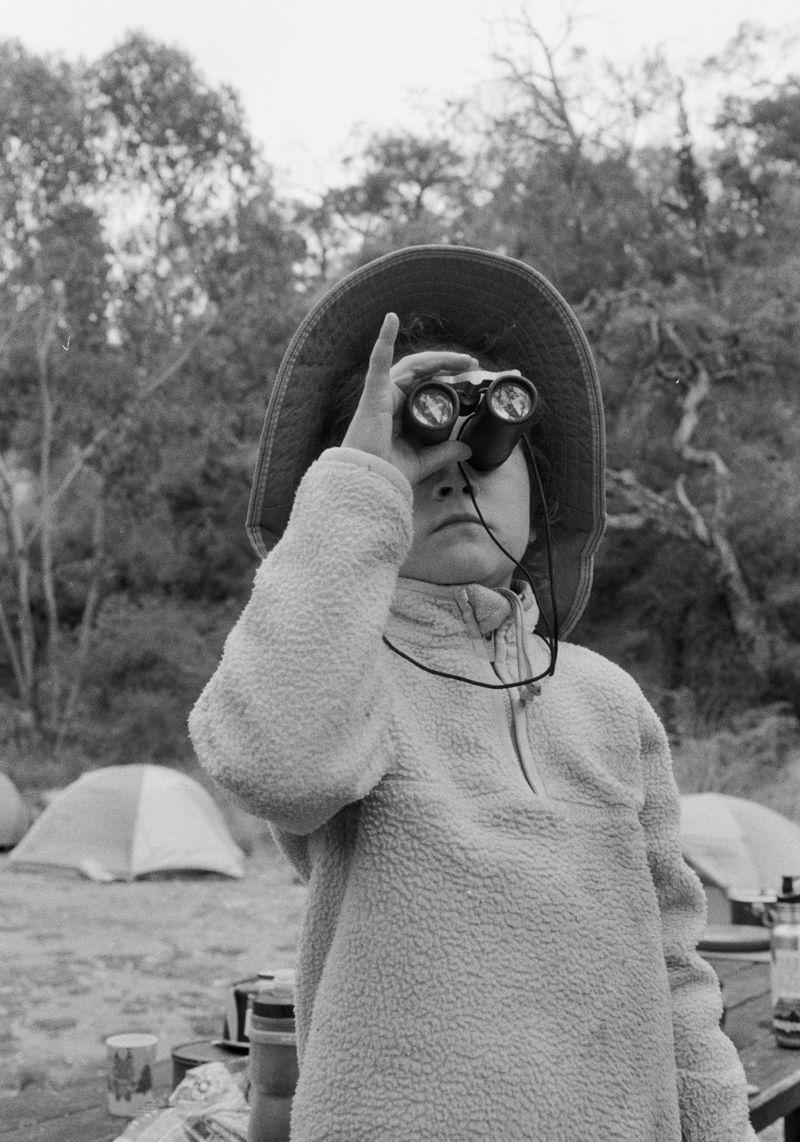
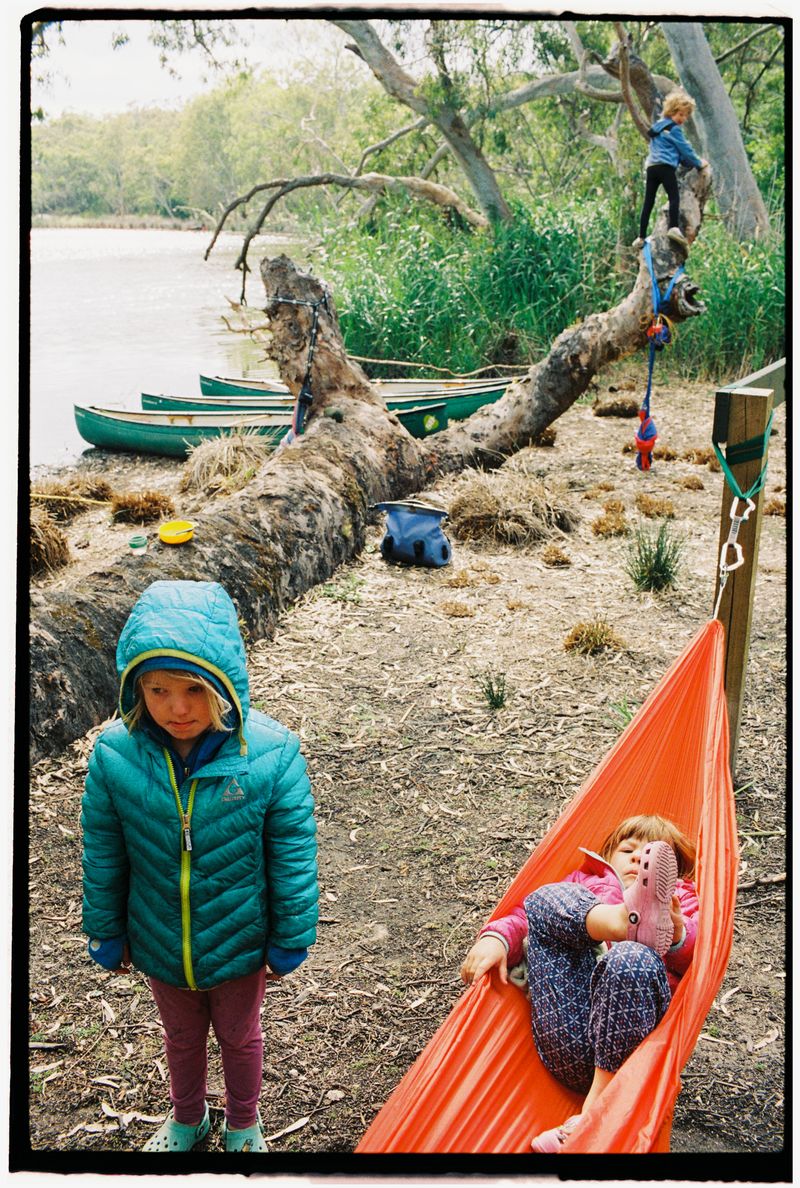
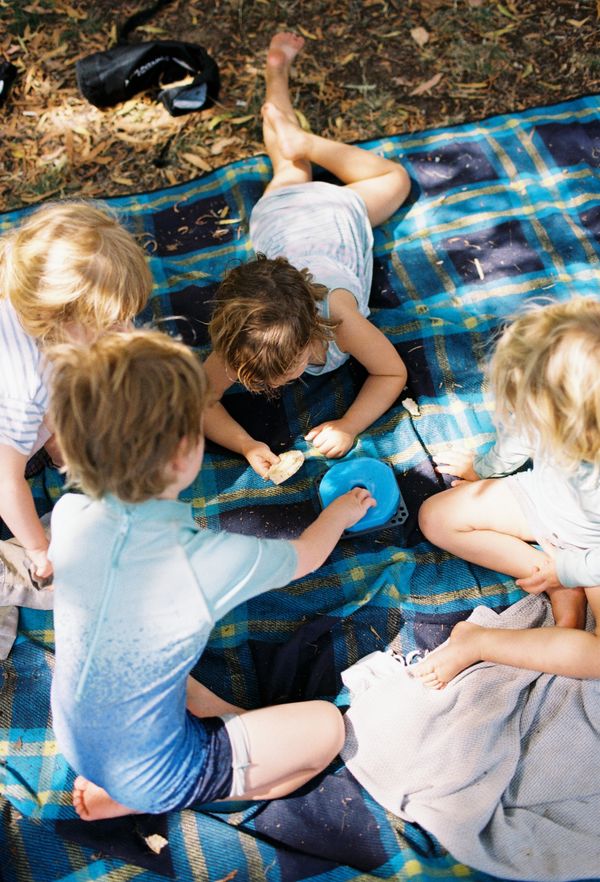
What the images document is not adventure, exactly, though there is risk-taking—tree climbing, river jumping, the physical confidence of children who have learned to trust their bodies. What they document more precisely is imaginative life at full throttle: children building forts, pretending to be creatures, playing games that have no rules except the ones they make. A treasure hunt arranged from things found in nature. A quiet hour in a hammock with a book. The specific face a child makes when their mind has gone somewhere else entirely and left their body sitting by the river.
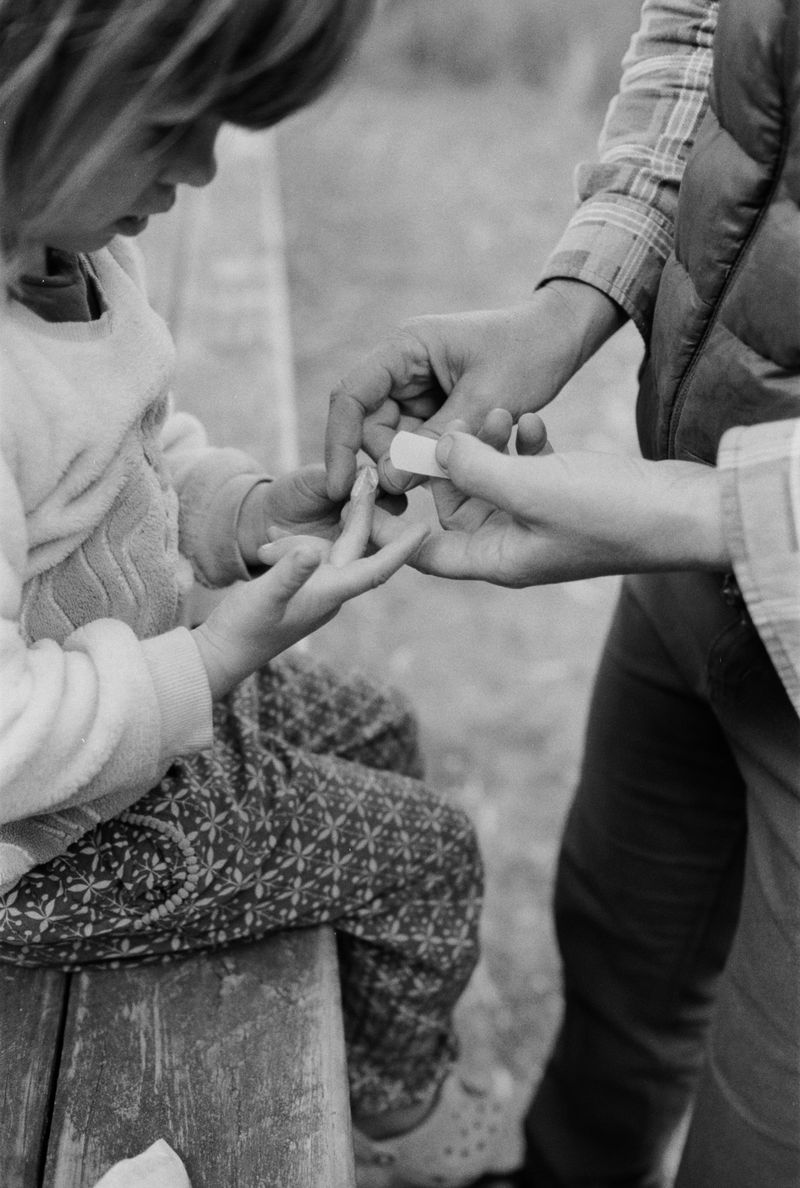
There is also the unglamorous reality of it: the filth, the drop toilets, the exhaustion, the boredom, the small injuries and the gestures of care that follow them. Mealtimes and camp stoves. The labour of unloading canoes.
Film is the only medium that makes sense for this work. It is slow, present, and imperfect—qualities that mirror both the experience itself and the values that drive it. Each frame is finite and considered, a formal choice that rhymes with the intentionality of these trips: the deliberate refusal of instant gratification, of the screen, of the world elsewhere. I have found, unexpectedly, that photographing on film makes me more present rather than less—more watchful, more still, more inside the moment I am recording. The contact sheets become a way of processing the experience afterward, for me and for the families within it. Each year I give every child their own photobook. Some of these children only see each other on these trips. Looking at each other's faces helps them find one another quickly when they arrive.
I am not naive about what this project is resisting. My eldest has started school. The screens are here, the influences are no longer within my control, and the imaginative freedom I watch him inhabit on these rivers rarely occurs anywhere else. What I want to document is not a lament for what is being lost but a portrait of what remains possible—what a group of adults can choose, together, for their children, if they are deliberate enough about it. That these children exist in a world where this kind of childhood is increasingly rare is something they do not yet know. One day they will. I hope by then they will know, too, how to make it for their own.
This is a decade-long project, perhaps longer. The images being made now are the early chapters. The monograph and exhibition I imagine will be a social and historical document by the time it is complete—a record of childhood, of chosen community, of what it looked like when a group of people decided that the wilderness was still the best teacher, and acted accordingly, every year, for as long as they could.