Reorganised Fields
-
Dates2024 - Ongoing
-
Author
- Topics Contemporary Issues, Fine Art, Landscape
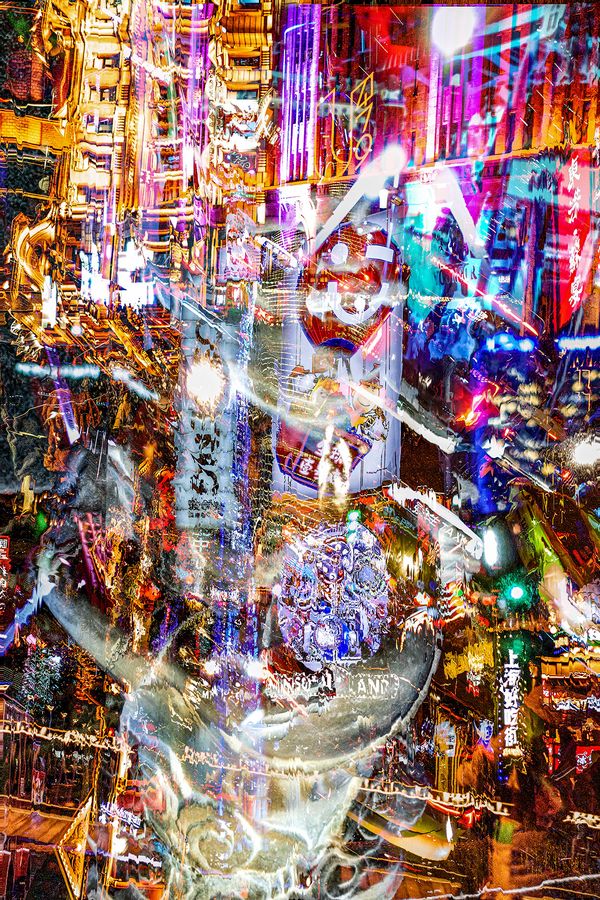
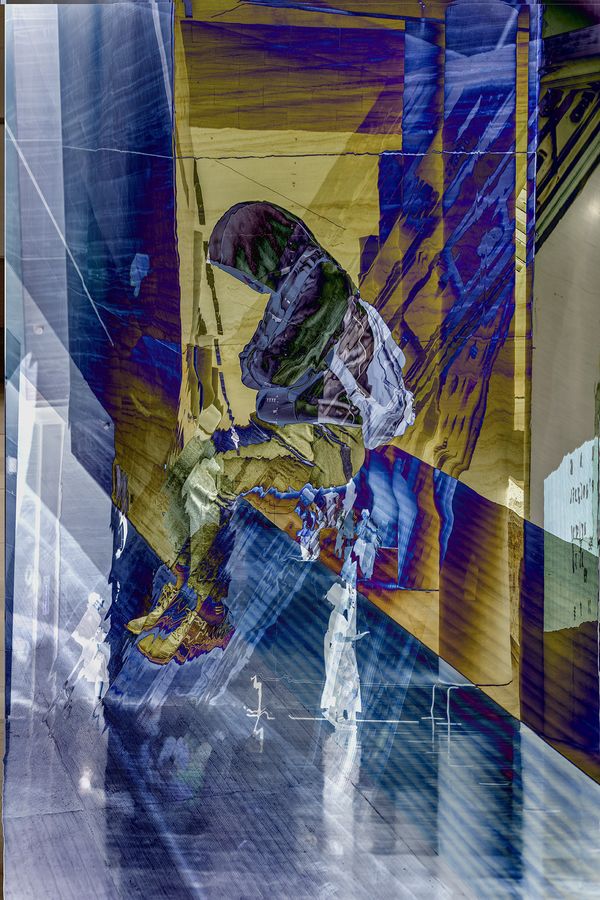
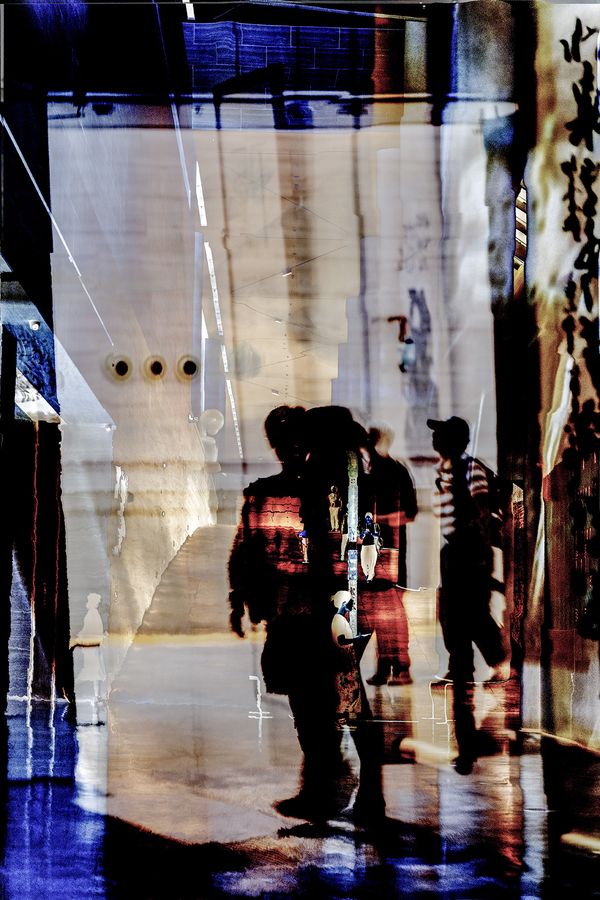
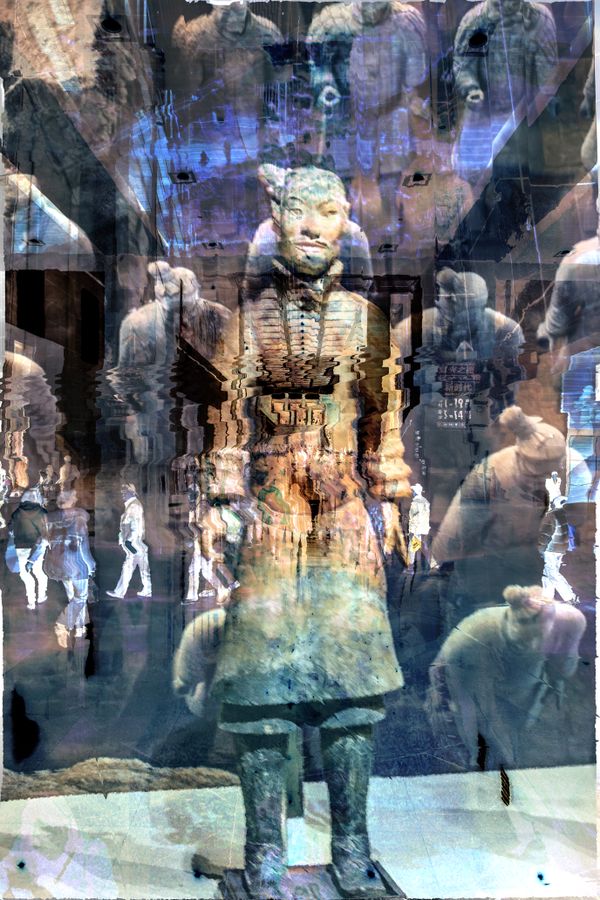
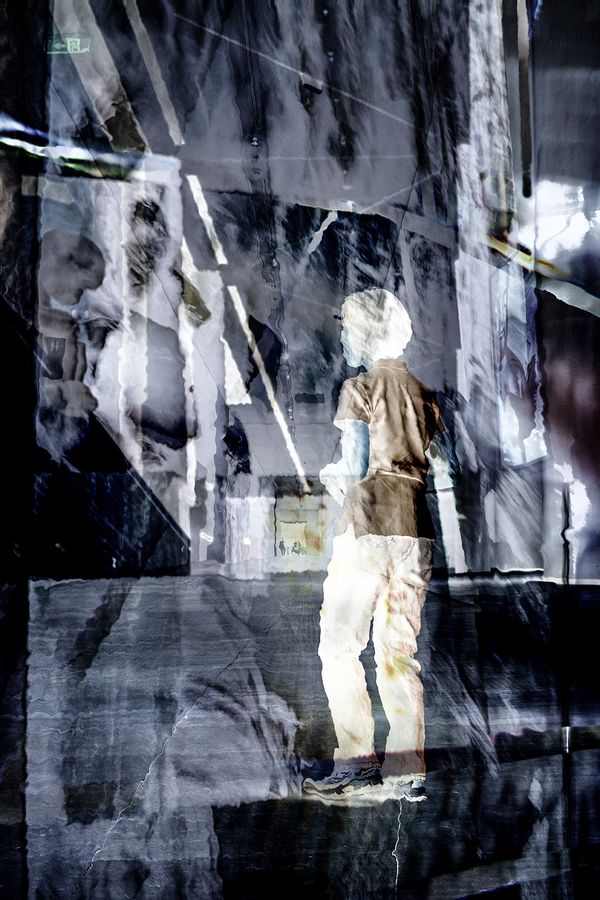
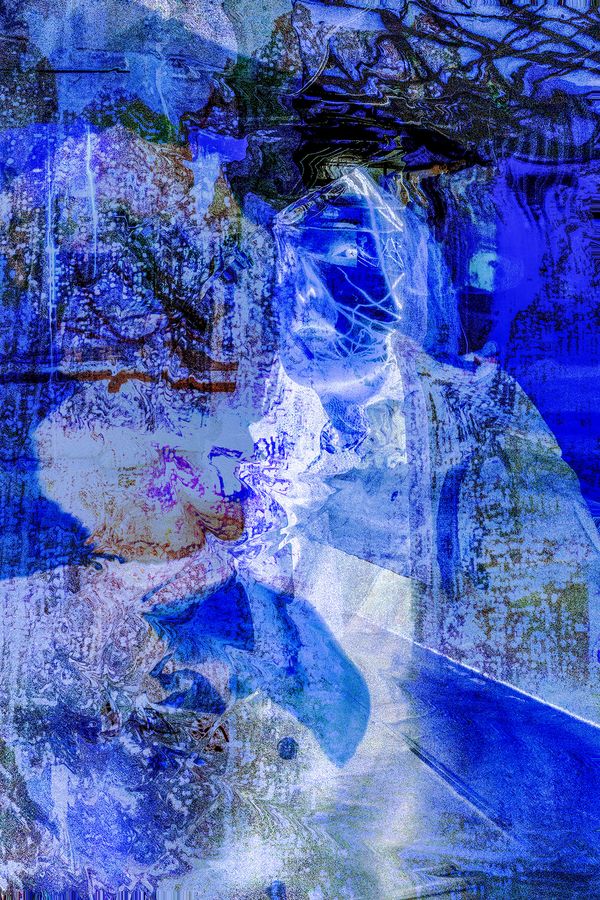
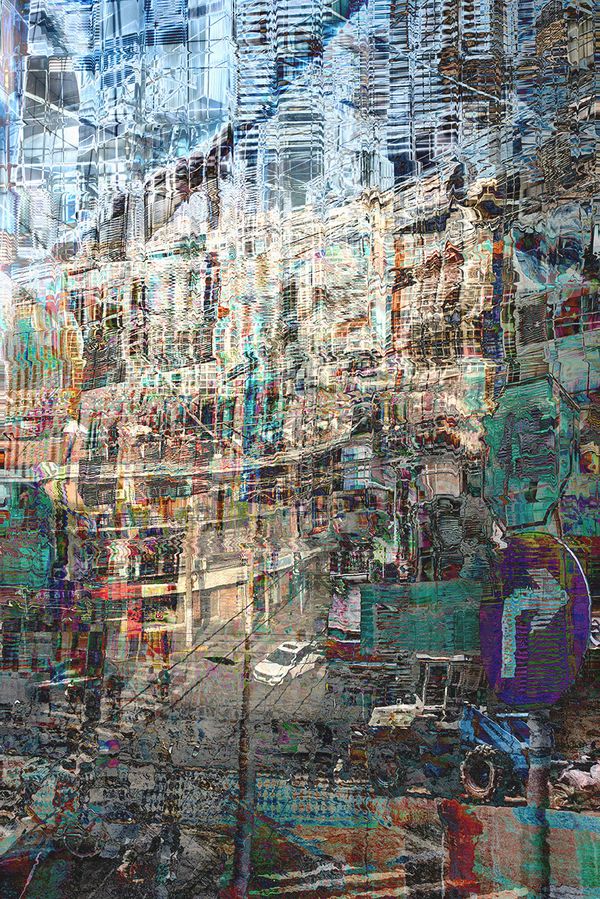
"Reorganised Fields" investigates photographic instability through accumulated images produced within shared spatial and temporal conditions. Residual traces reorganise into unstable visual fields where representation begins to fragment.
Reorganised Fields investigates what occurs when photography is subjected to accumulated spatial pressure beyond its capacity to stabilise coherent visual reality. Rather than approaching the photograph as a fixed record of a singular moment, the project examines how multiple photographic moments can begin occupying the same image surface simultaneously, destabilising the coherence traditionally associated with photographic representation.
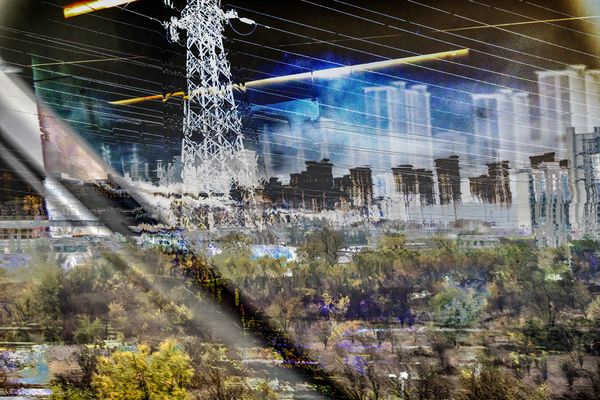
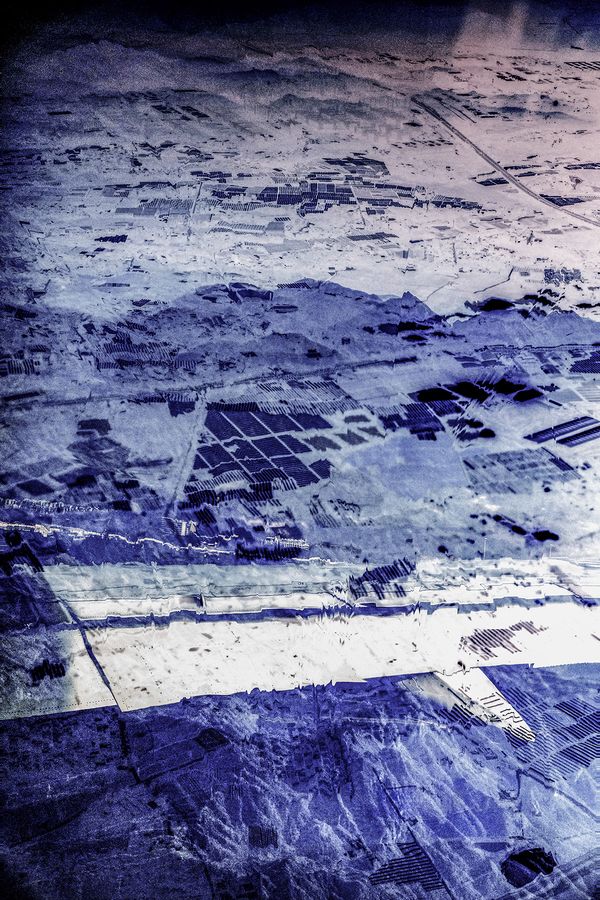
The works were constructed from photographs produced within shared environmental and temporal conditions during an extended photographic residency across China (2024–2026). Multiple images from the same spatial field are accumulated into composite structures using blend modes such as multiply, screen, overlay, and difference, allowing each image to leave residual traces through mathematical interaction rather than simple transparency. No single photograph persists intact; each modifies the accumulating field. Instability emerges internally through accumulation rather than imposed manipulation.
The submitted works draw from urban environments, transport systems, interiors, historical sites, landscapes, and transitional spaces shaped by density, infrastructural complexity, weather, reflection, movement, and atmospheric interference, including flights and Chinese bullet trains travelling at over 350 km/h. Under these conditions, spatial continuity and perception begin fragmenting before the image undergoes further accumulation and reorganisation.
As photographic information accumulates, perspective destabilises and recognisable forms begin interfering with one another. Architecture, infrastructure, bodies, landscape, and illumination persist only partially, suspended between visibility and collapse. The resulting images no longer function as stable representations of place, but as unstable photographic fields shaped by simultaneity, density, and spatial incompatibility.
The instability within the works is not imposed through arbitrary digital manipulation or synthetic image construction. The displacement systems originate from photographs produced within the same spatial conditions as the accumulated source material itself, allowing abstraction to emerge structurally through photographic accumulation, displacement, and spatial interference rather than functioning as a purely aesthetic objective.
Residual traces of recognisable reality persist within unstable visual fields where representation, memory, space, and perception begin collapsing simultaneously. The works exist between document and residue, continuity and fragmentation, revealing photography not as a stable mechanism for preserving coherent moments, but as a medium continuously reorganising itself under accumulated visual pressure.
Practical Information
Title: Reorganised Fields
Year of production: 2024–2026
Place of production: China
Number of works: 9
Medium: Archival pigment prints
Dimensions: Variable dimensions, maintaining a 2:3 ratio
Edition: Edition of 5 + 2 AP
Presentation: White timber frames with museum-grade mounting
Artist location: Melbourne, Australia