REMEMBER WHEN I TOLD YOU EVERYTHING
-
Dates2006 - Ongoing
-
Author
- Location Los Angeles, United States
you stand on the mountain of everything you said to each other you stand on the mountain of everything you felt for each other and you look at the view and maybe that's as good as it gets.
Ode to Friendship
When a loved one dies, we often say that we are ‘lost for words’. We do not know what to say, or even how to find the words to express what we feel. It might also mean that the words we once shared with the one we have lost can now no longer be found. It is not only the person’s body, but the beauty of dialogue that is gone, and we are left as a lone witness. No matter how prepared, or unprepared, we are for the death of a friend, there is always a wave of disbelief followed by the overwhelming desire to wind back time. Bereft, we clutch at memories, visual impressions and sensory recollections.
Holding that person in our thoughts and emotions, we enter the slow processes of grief through all its stages. There are diversions, but there are no shortcuts. Yet, as we sift through sorrow, we sometimes discover a gift. This is a final offering, sent from another world, which can manifest in the present by a loving act of creative transformation.
Paula Rae Gibson’s artworks enact these kinds of transformations. Her chosen medium, analogue photography, and her parallel work in music and film, combine to give her an inspiring range of expression. She is perhaps best known for her series of heartrending self-portraits, made in the aftermath of her husband’s death, that hurtled her into single parenthood and a reassessment of personal identity. These works, made some twenty years ago, reveal a cathartic journey, through trauma towards fearless wisdom.
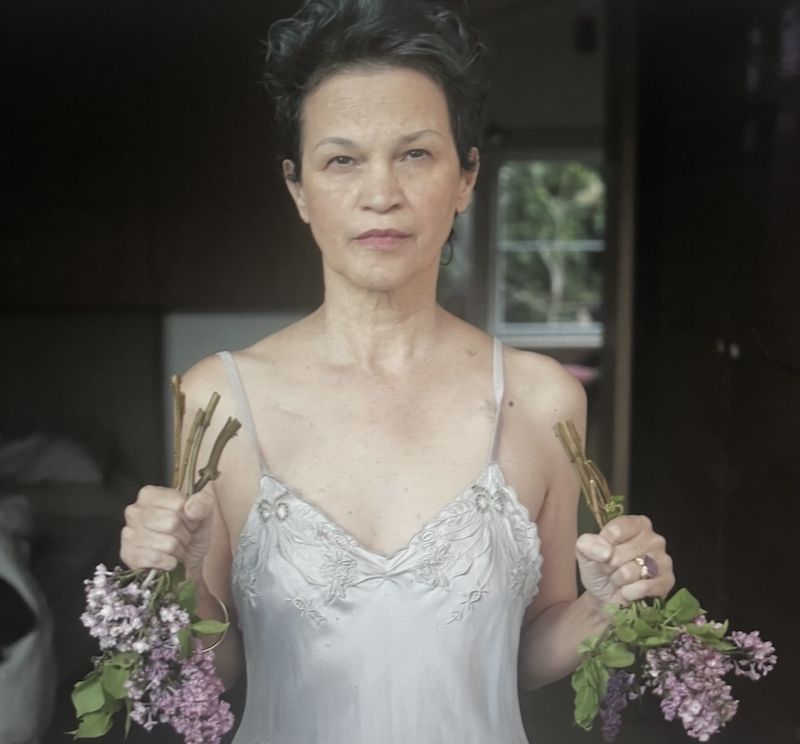
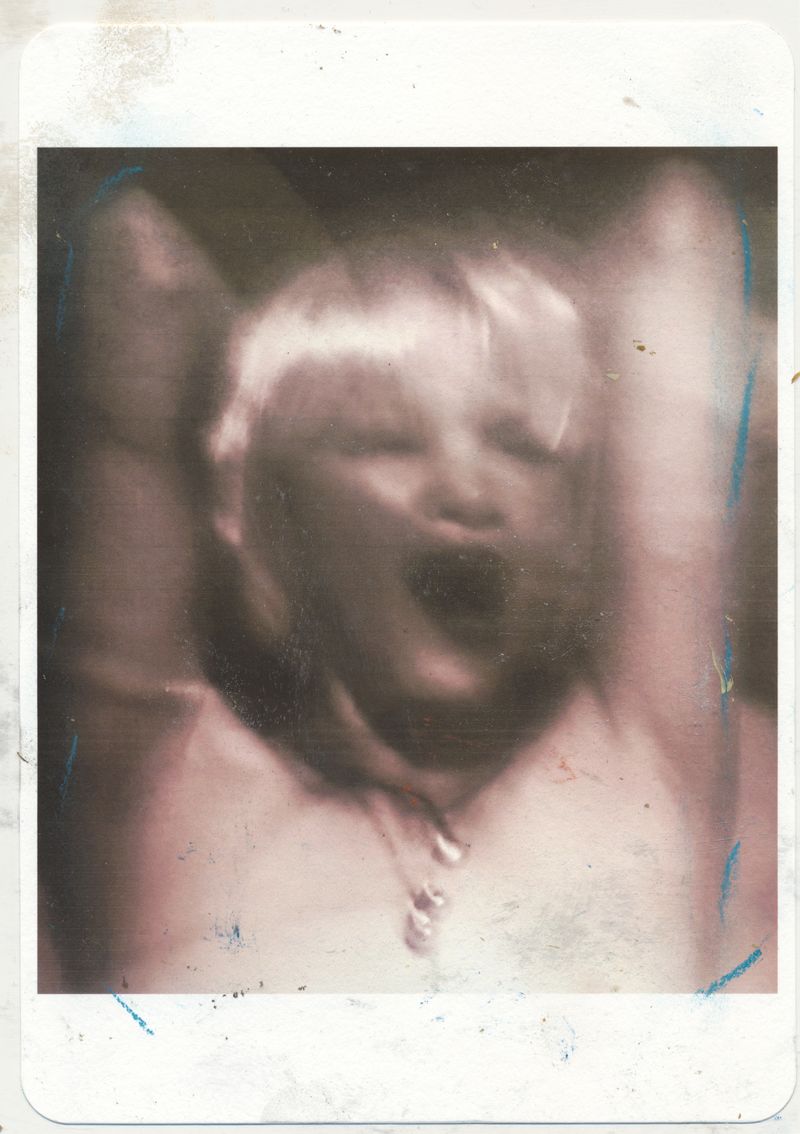
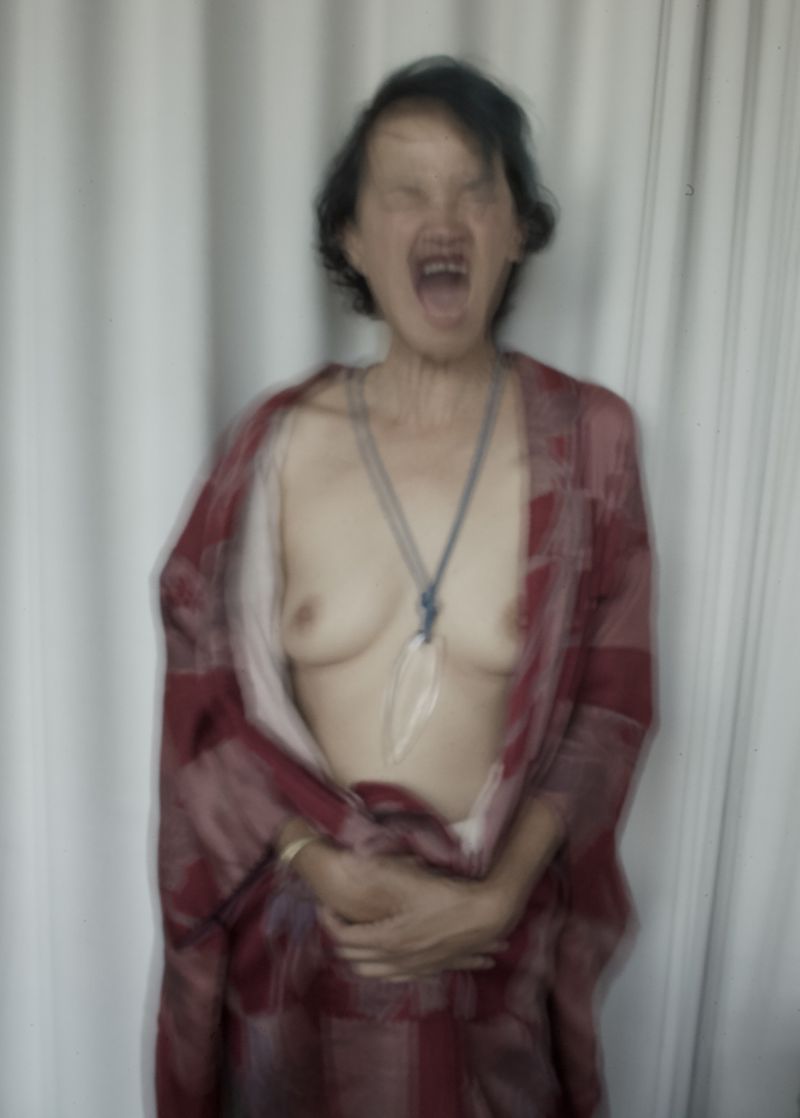
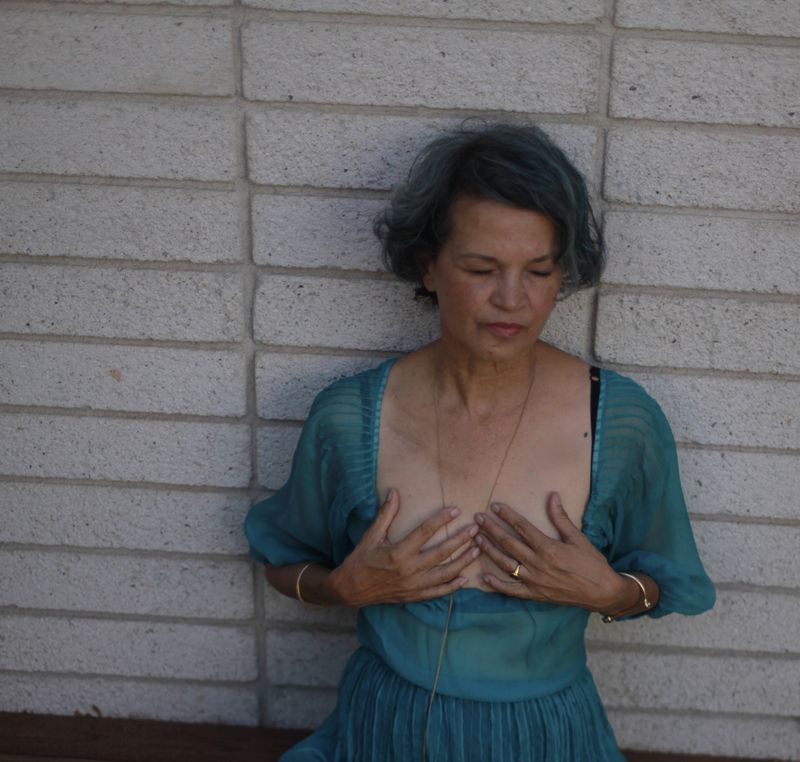
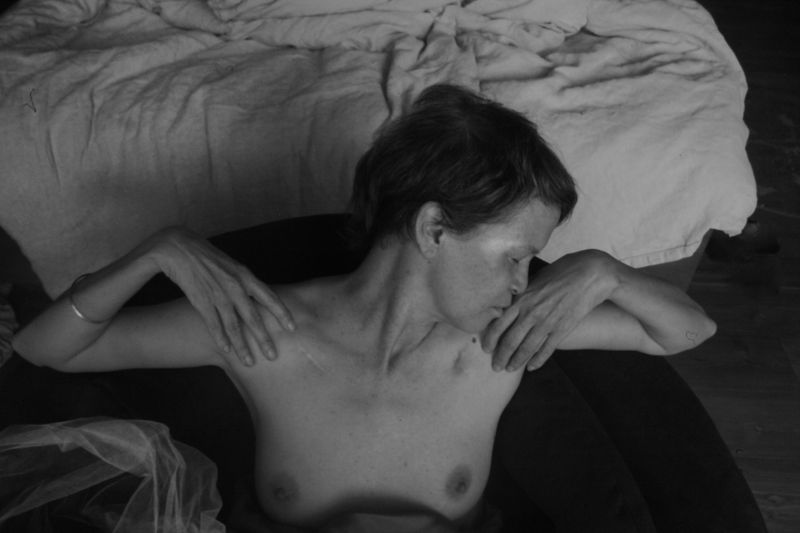
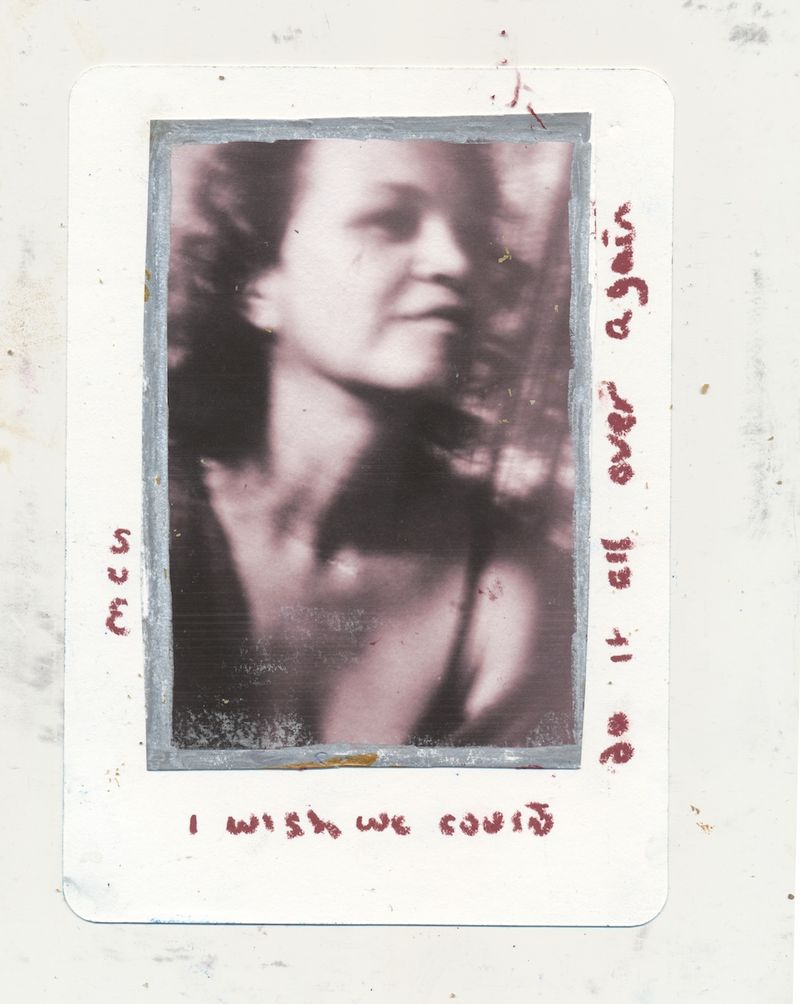
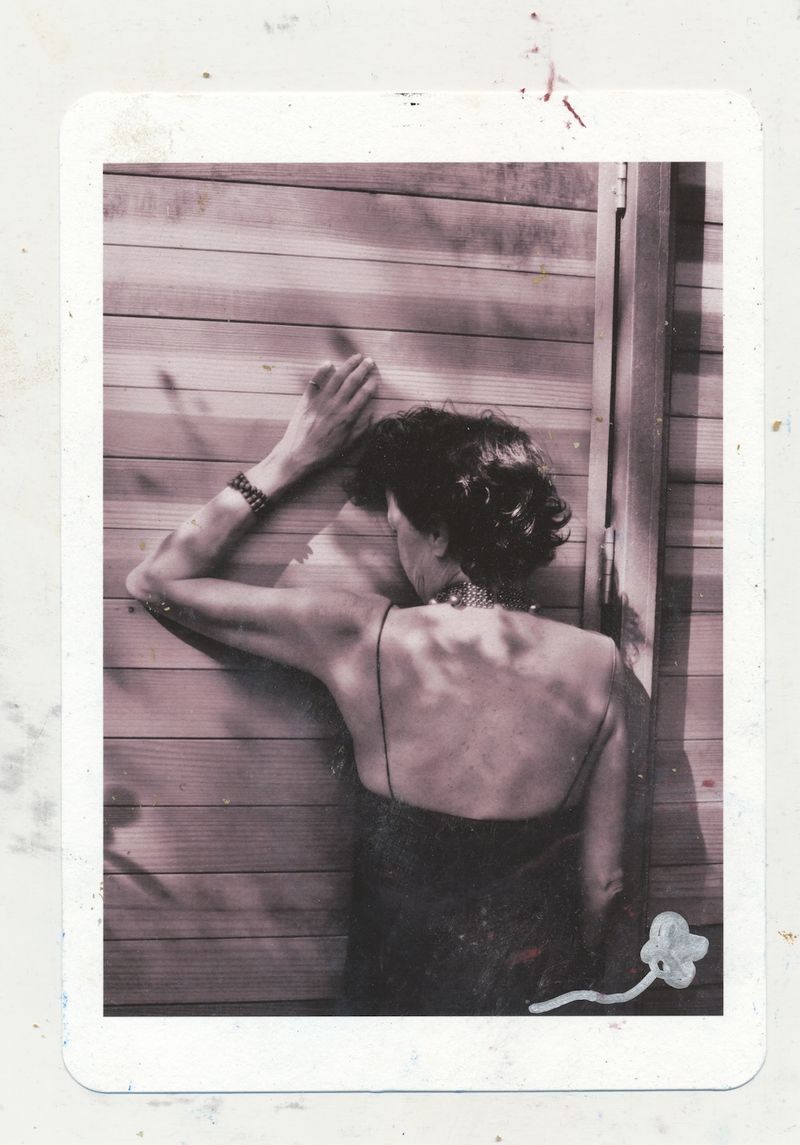
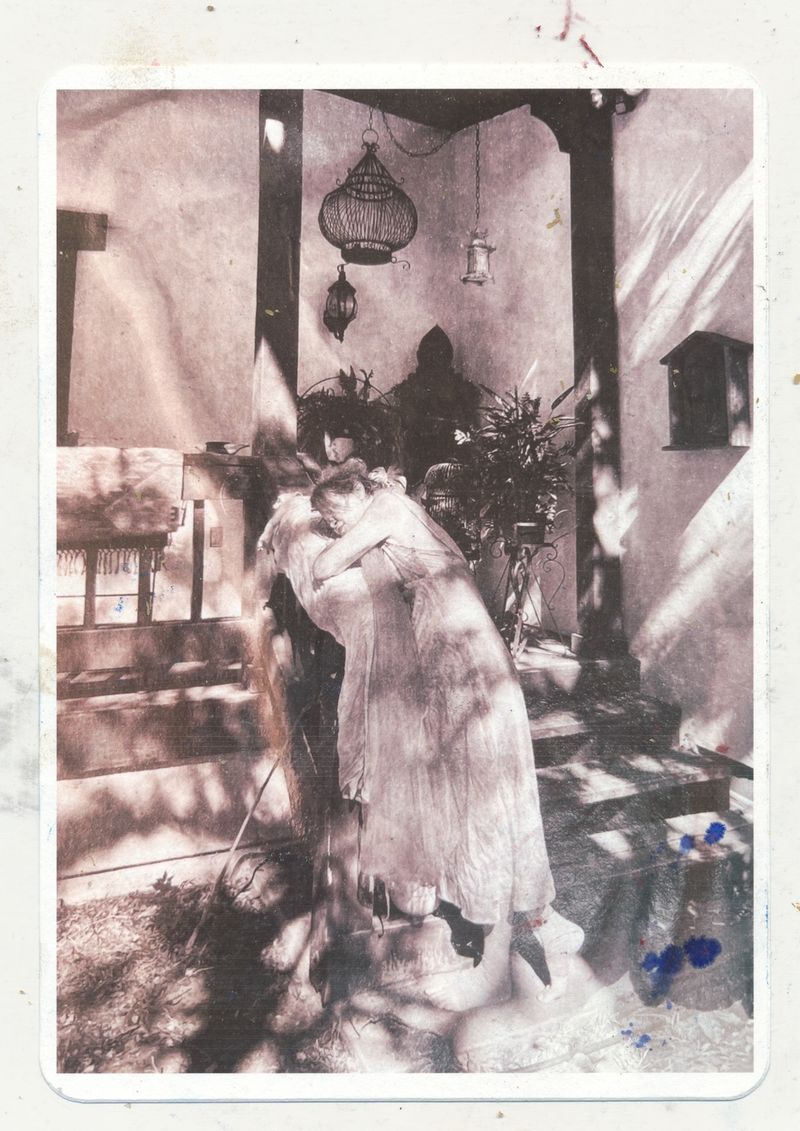
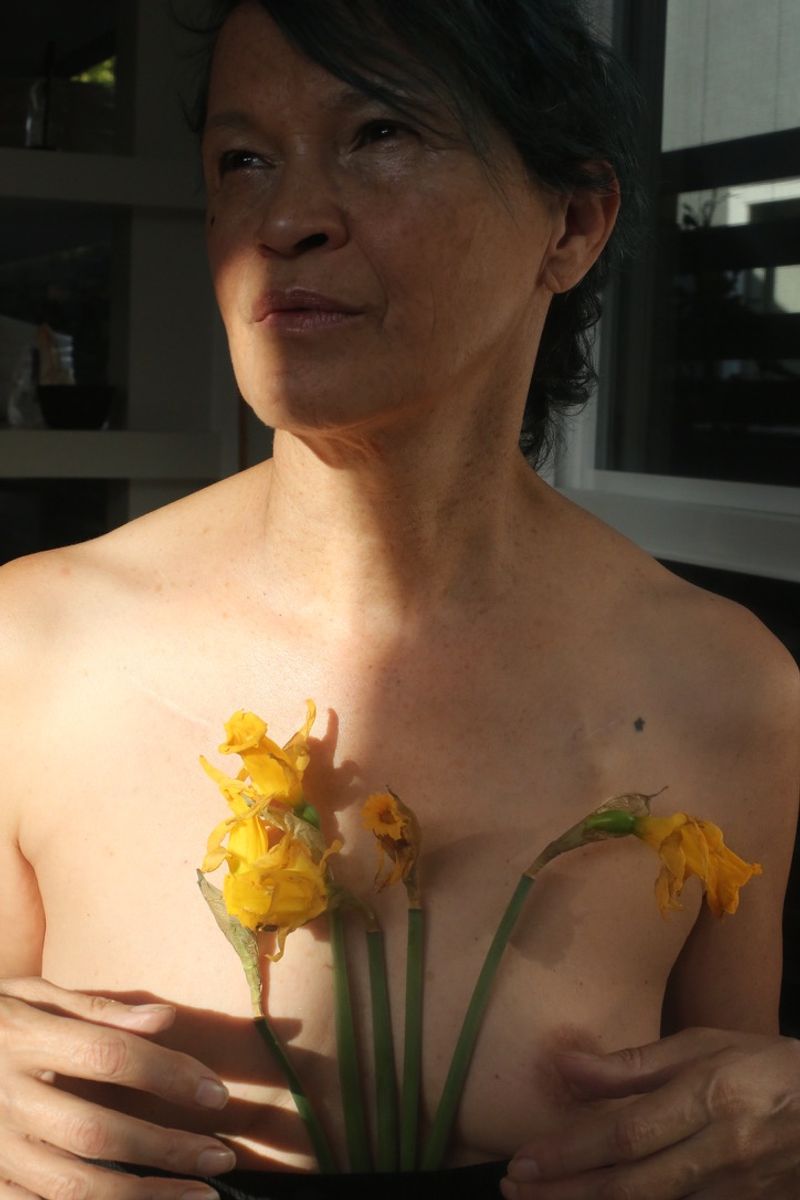
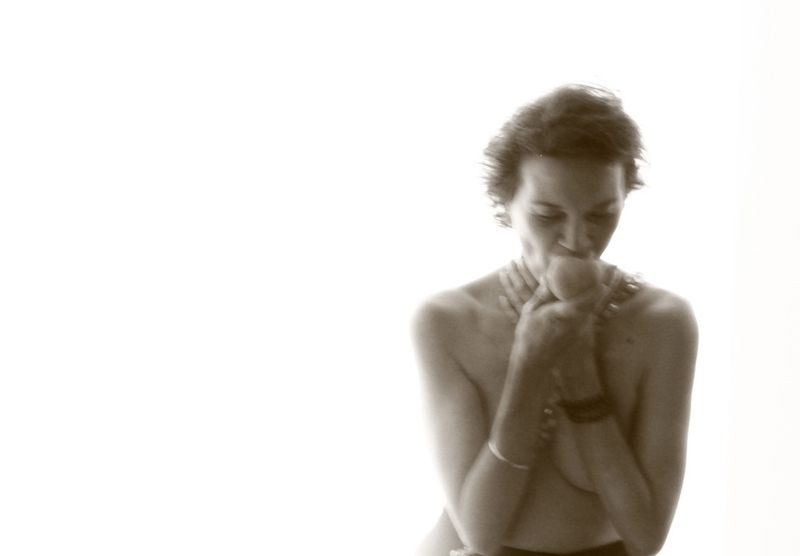
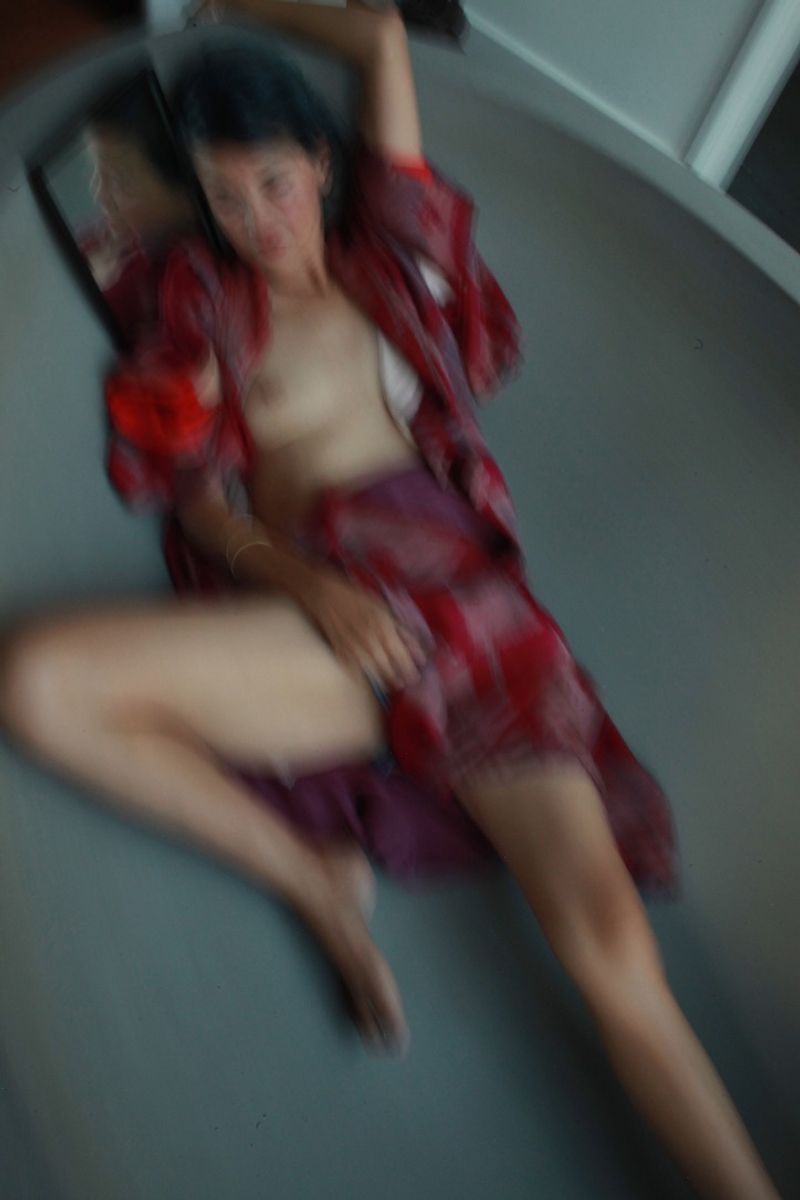
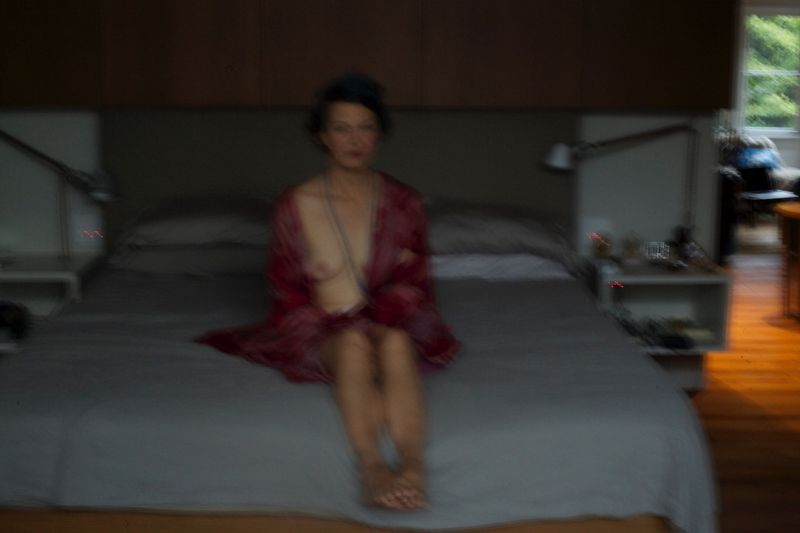
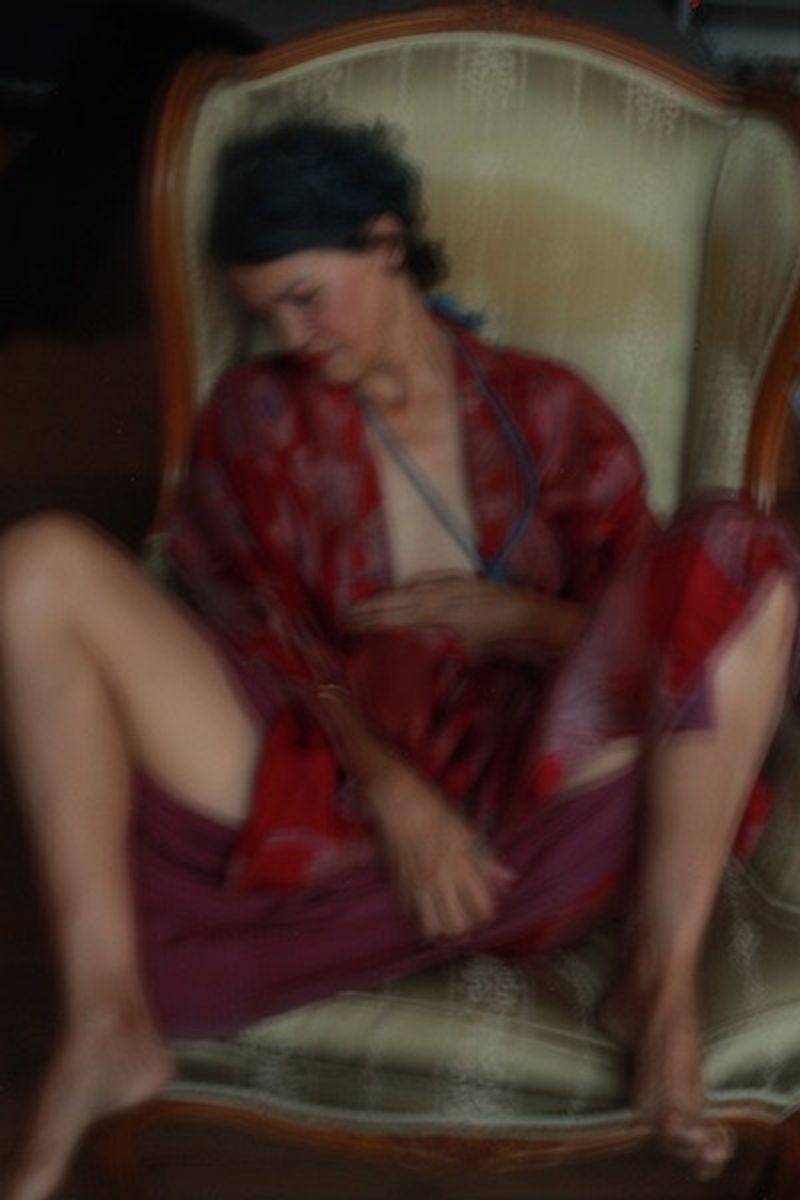
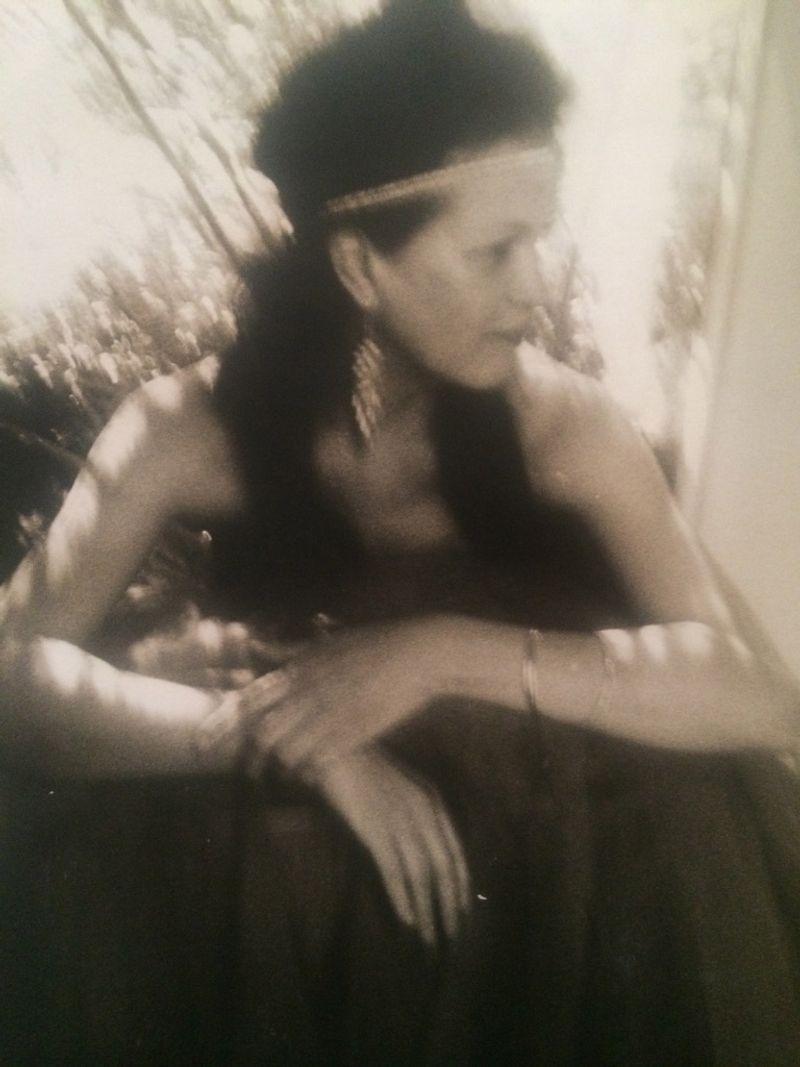
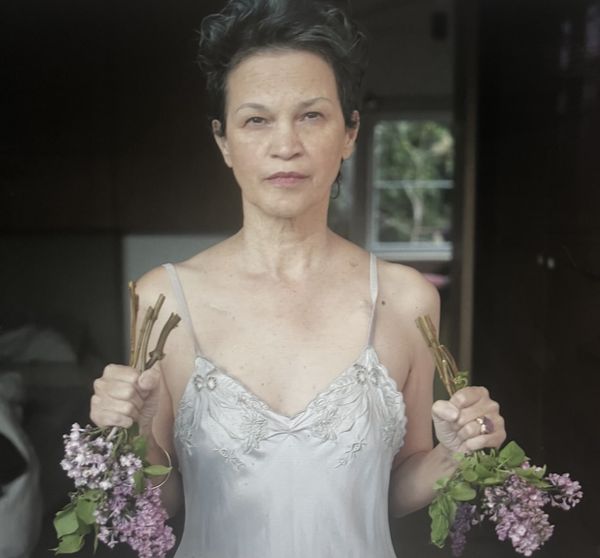
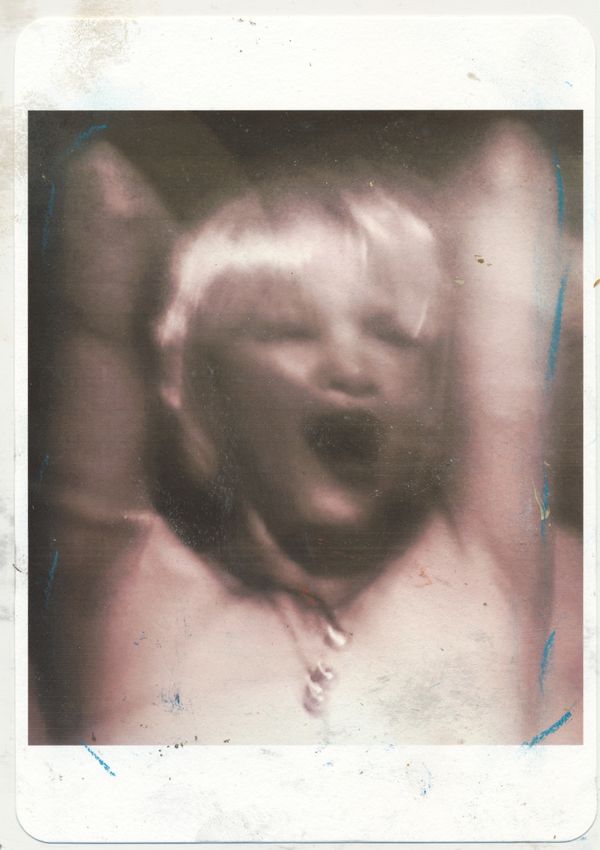
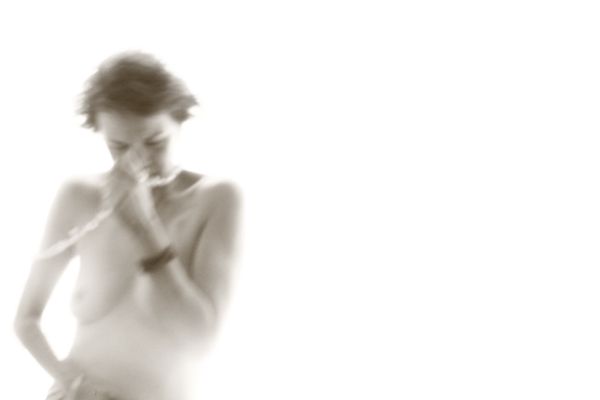
Her photographs, both then and now, are unique and raw, emotionally and physically empathetic and starkly honest. Printed in the darkroom by hand, they are coaxed into life through light, time, chemistry and the artist’s attention. They embrace a physical surface imperfection – of blur, stains and tears – breaking bonds of conventional representation to try and express intangible truths. Or, more precisely, to ask unanswerable questions. The images in this book are the most recent continuation of themes that have been at the centre of Gibson’s enquiry throughout her creative life. They are also a heartfelt tribute to the life of her friend, Sue, and to the intimate, mutually supportive dialogue that they shared.
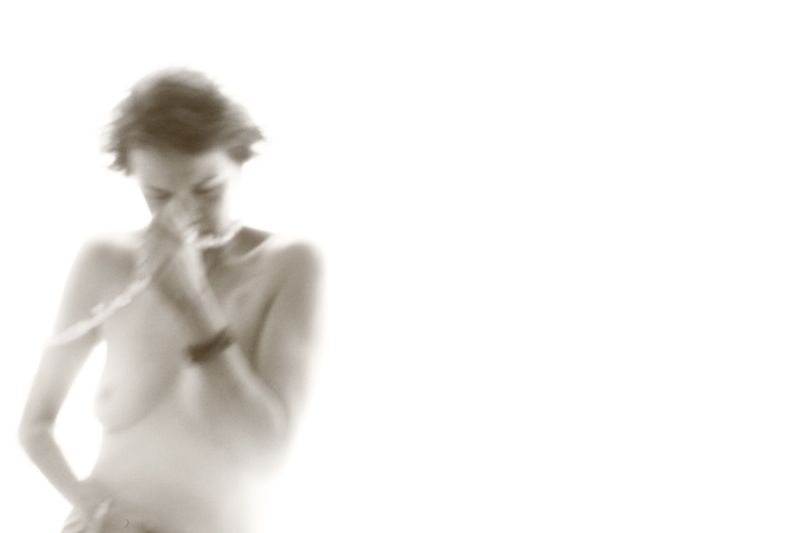
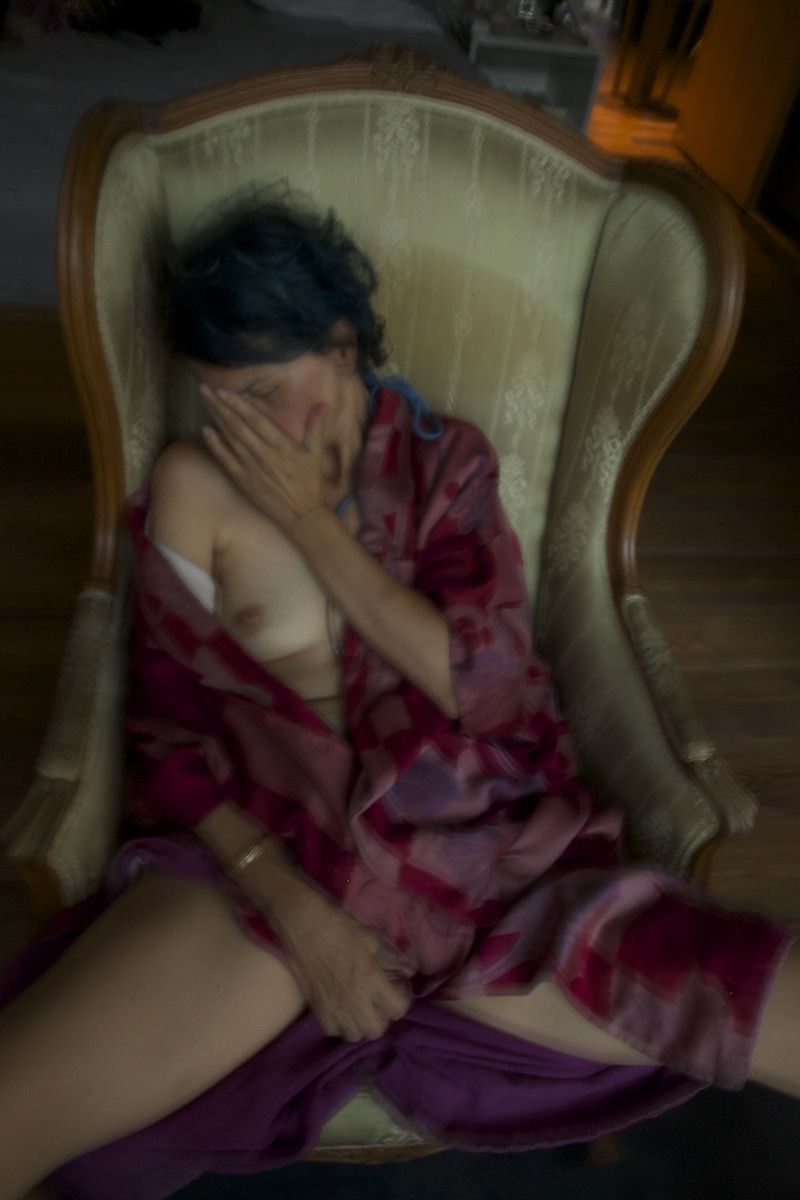
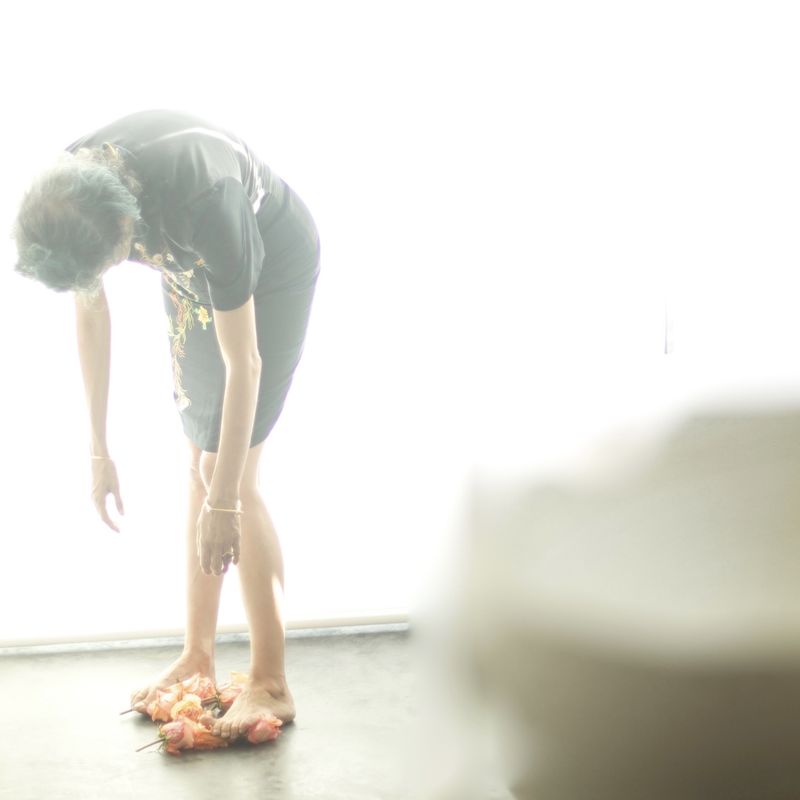
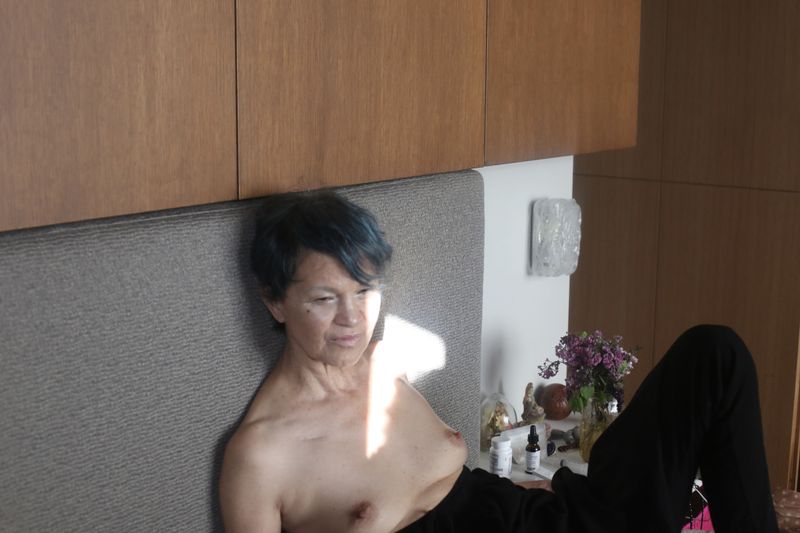
Gibson’s photographs are a tender visual exploration of Sue’s body and spirit, the contrasts of her vulnerability and sensuality, her weariness and vitality. They marvel at the familiarity yet strangeness of the human body as it fades into and out of existence. Gibson achieves this through multiple angles and repeated gestures that create a rhythm. The flowers and shells; the clothes that reveal, conceal and shroud; the naked breast, are all symbols of the cycle of life.
Photography is such an apt medium for questioning time and loss. In Gibson’s hands, the chemical breakup and fluidity of the image on the paper surface echoes the ebb and flow of the body. Softened forms and subtle colours bleed and blend. As the sequence of images unfolds, wave-like and tidal, it becomes a dreamlike procession of pictures, falling and floating. This is the permeable hinterland between death, sleep and dream. As time moves, and the sequence builds, there is a lengthening of shadows. At its close is an empty dress, fixed to a tree, left as if waving farewell in the wind. These images combine as if to say, that despite the illusory permanence of our bodies and our being, traces of it lie in the ephemeral: in fabric and paper, water and earth, air and light. And not least, in the echoes of love that we leave in those still living.
Gibson’s artworks speak of these resonant ripples of love, loss, desire, regret and yearning. And of the particular empathy and intimacy of women. These photographs are literally and figuratively acts of exposure and illumination, a reckoning with pain and grief. Moreover, they are a heartfelt confessional – Remember When I Told You Everything. This book now memorialises those mutually affirming confessions. It is a litany, not of grief but of gratitude. As Gibson writes:
Thank you for the love
Thank you for the authenticity
Thank you for the truth
Thank you for your belief
Thank you for the care
Gibson’s words are simple, direct and honest. But this book is at its heart a visual ode. Like its poetic counterpart, this ode is a lyric offering, addressed to a cherished subject. In grief, we will be ‘lost for words’. And words can seem inadequate in expressing unbounded feelings. But pictures and thoughts – and a celebration of a life and friendship such as this – gift us solace with their beauty.
Martin Barnes
Senior Curator of Photography, Victoria and Albert Museum, London.