RAM: Random Acess Memory

-
Dates2023 - Ongoing
-
Author
- Topics Daily Life, Social Issues, Documentary, Archive
- Location London, United Kingdom
Have you correctly erased your camera’s SD card? Or are your files forgotten and lingering in a liminal space?
Somewhere between the innocent make-believe of good times past and political reality with serious repercussions, the fate of your data and documentation lies in your hands – only if you protect it.
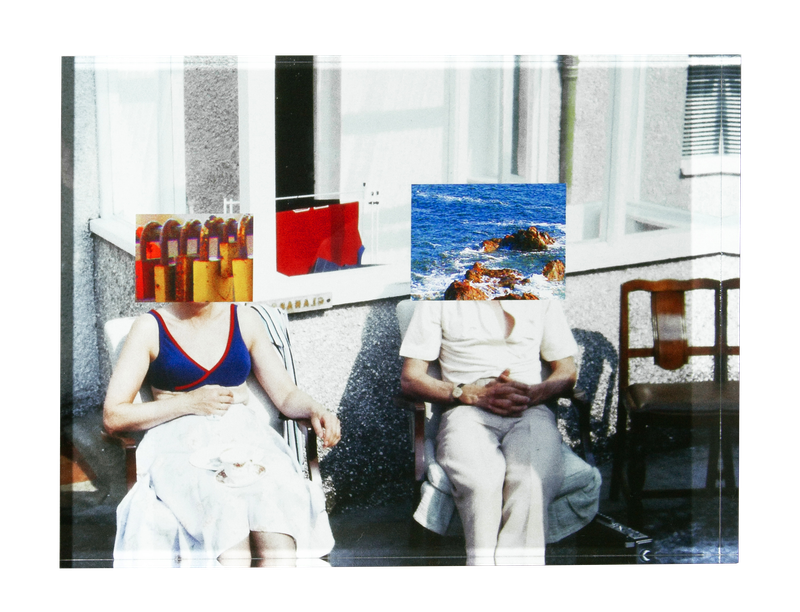
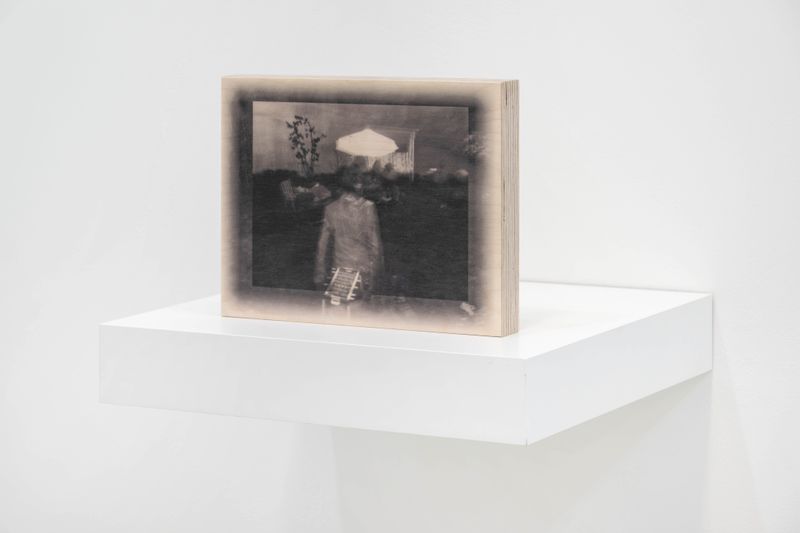
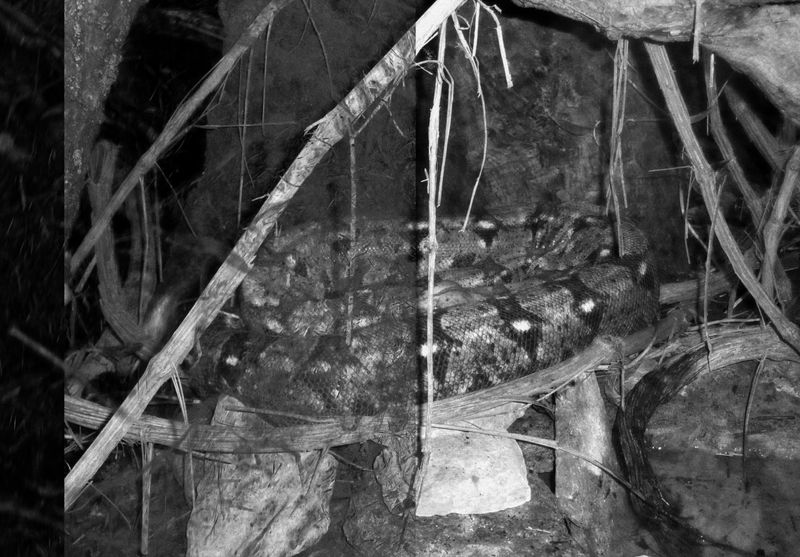
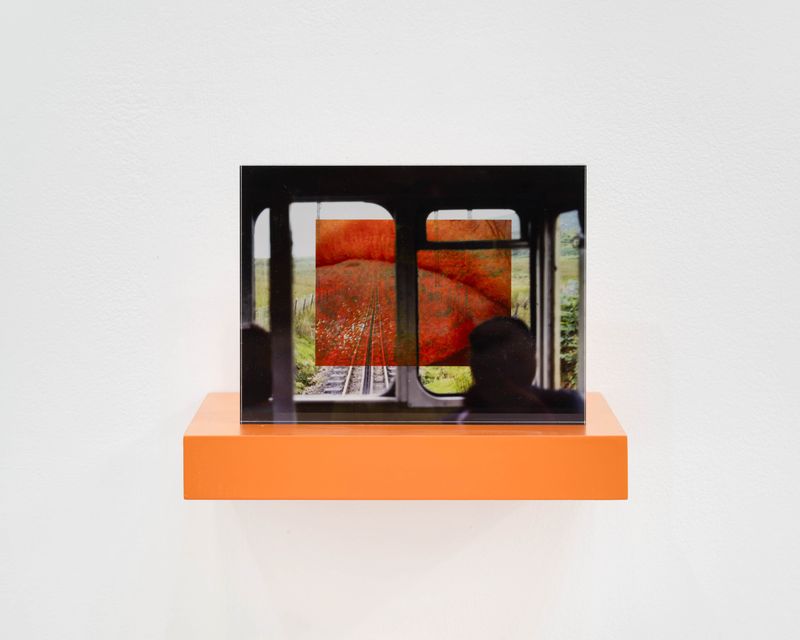
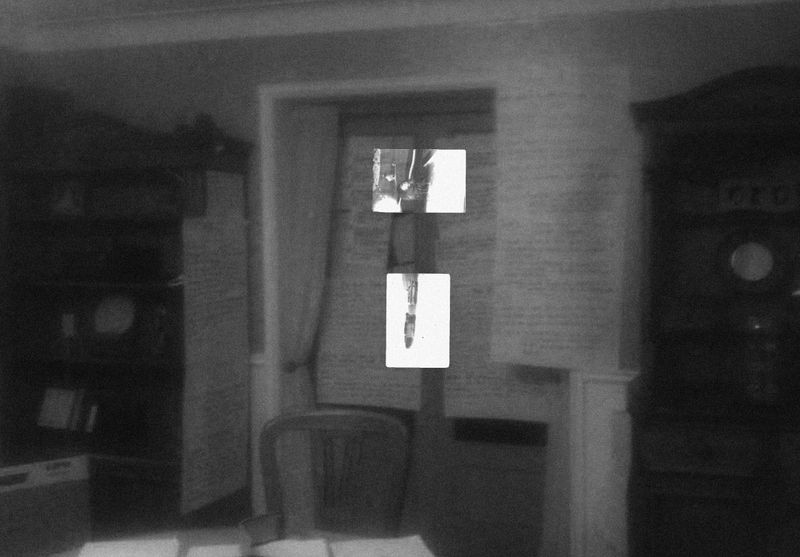
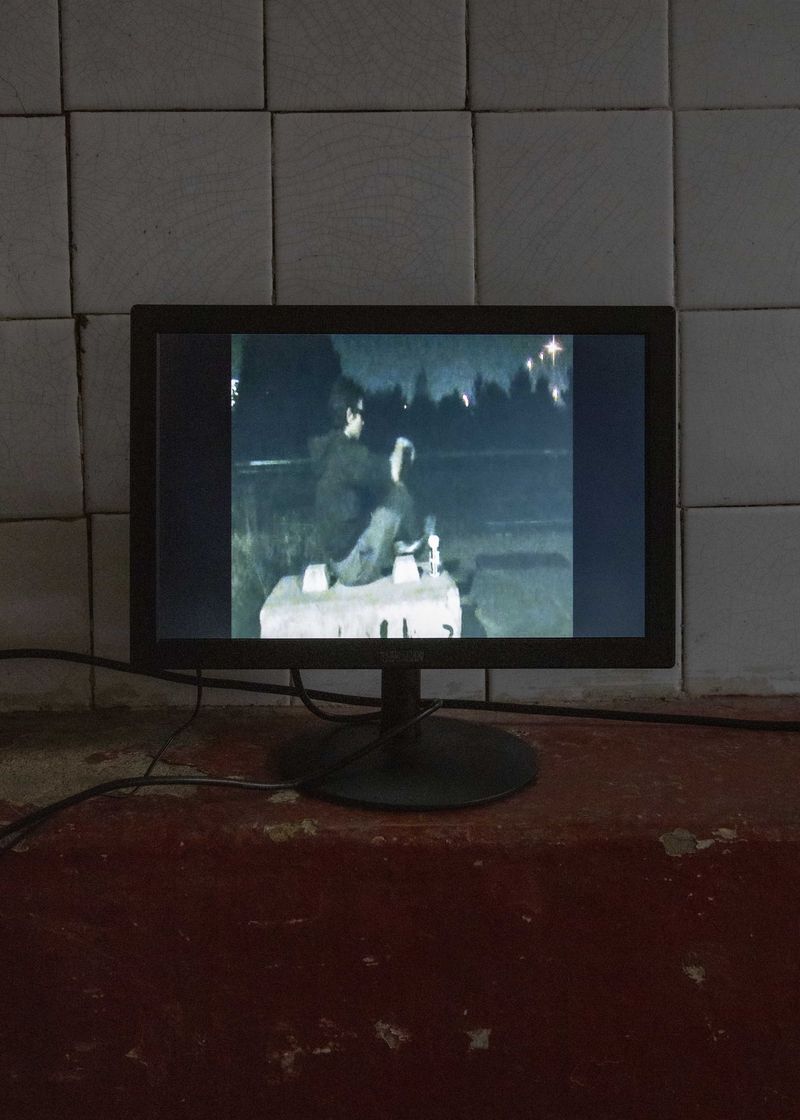
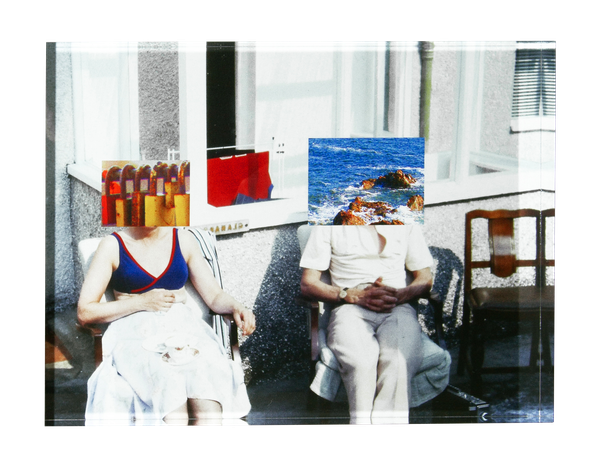
Lina A warns her viewers with this fraught relationship between ownership and authorship. By assembling this project with new photos and montages from forgotten SD cards and projector slides, the artist also builds upon the fascinating history of conceptual photography; and it resonates in the 2020s, when data mining and AI are accelerating upheavals across everything across labour, privacy and the global economy.
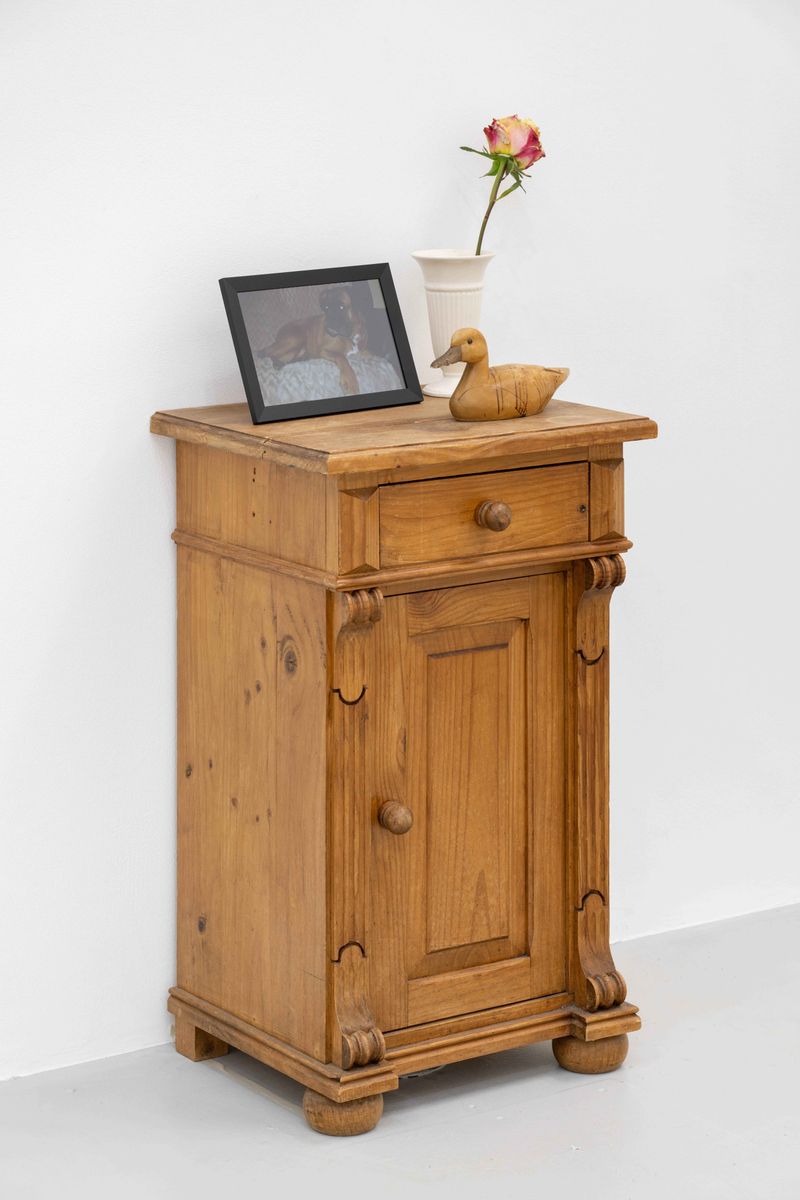
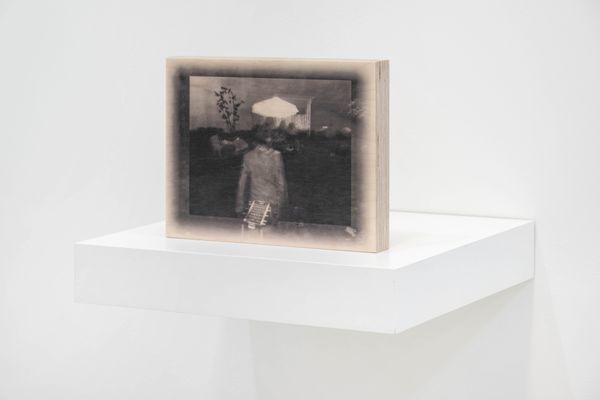
Like a home-decor anthropologist, she mounts her found photos in acrylic, on wood or in rotating digital frames to mimic the popular and sometimes kitsch gifts of the 2000s and 2010s for memory preservation. In a way, she is memorialising these analogue photos, which may vacillate feelings in viewers from the familiar to the alien – from one’s perception of warmth and merriment to grief and loss.
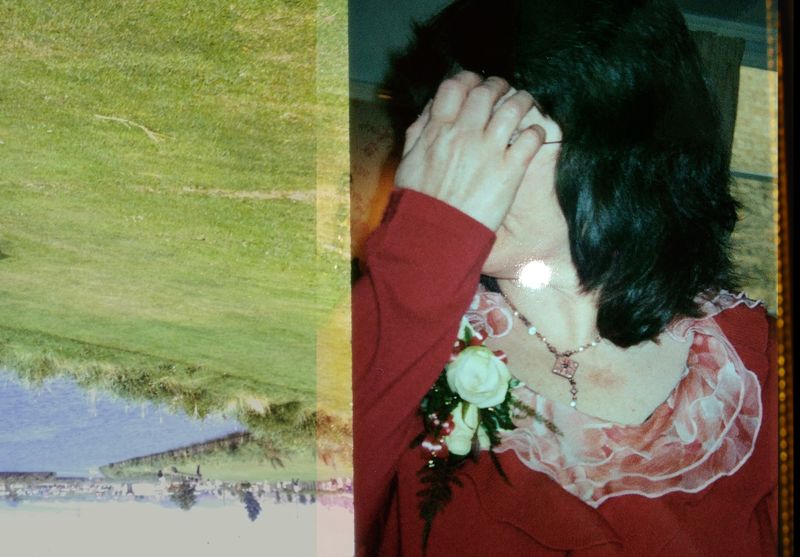
As such, the ‘forgotten data’ that the artist has sourced second- hand has been re-valued with new intent. The original, now-anonymous photographers and their ordinary subjects alike are still filled with vibrancy and complex agency, for us to unpick.
These photos and montages evoke such many-layered emotional narratives. The narratives manifest in their reception with us, the viewers, through our own associations and memories. Lina’s photos make a significant contribution to conceptual photography in how she re-contexualises the lost images as parafiction. If we consider the 1977 art-world-shifting project Evidence from American photographers Larry Sultan and Mike Mandel – in which incriminating images were de- and re-contextualised – Lina’s work does something similar but through more playfulness in her layered compositions. While Sultan and Mandel critiqued the authority of the US government in how they delineated criminal evidence using photos, Lina A is critiquing something that is even more opaque – our consumer culture at large, full of repeatable experiences, recyclable and discarded images.
Our experiences in the 2010s and ‘20s especially appear seamlessly intertwined with social media marketing, digital messaging and more, accelerating John Berger’s proposition also from the 1970s that consumerist capitalism, tied to visual culture, infiltrates our reality-checks and prunes our fallible memories.
Furthermore, in a time when AI can further exploit, deceive, and replace human discernment, the artist points to the inadequacy and incompleteness of institutional and personal photo archives. On one hand, depending on who’s doing the shaping and pruning, archives can tell us about the delicate idiosyncrasies that we have as humans, in our earnest image-captures, which indicate much of what we value: what we have, what we safekeep. On the other hand, under competing powers of consumer capitalism and governmental surveillance, archives could present subjects with a focused agenda – characters only to be interchanged.