Radiant Grounds

Radiant Grounds is about a highly controversial proposed rare earth/uranium mine in Southern Greenland. The projects long history is explored through traditional documentary photography as well as experimental approaches such as radiography.

The small town of Narsaq in southern Greenland has been caught up in geopolitics. Beneath the steep slopes of the surrounding fjords lies a treasure: vast quantities of rare earth elements but also uranium. The deposit on the Kvanefjeld Plateau is the world’s second-largest rare earth deposit and the sixth-largest uranium deposit at the same time.

The discovery has brought the region into the international spotlight: China sought to buy the mining licenses from the current license holders and U.S. President Donald Trump renewed his claim to the entire island state following the 2024 U.S. election. The Kvanefjeld deposit could help break China’s quasi-monopoly on rare earth metals on the global market, making it highly attractive to international actors such as the United States and the European Union.

For the local communities, who mainly rely on sheep farming and hunting, the planned open-pit mine poses an existential threat to their way of life. Their resistance has deep roots dating back to the 1970s. The colonial power Denmark considered using uranium from the deposit for its nuclear program until the mid-1980s, before abandoning the program for economic reasons.

Renewed protests against the planned rare earth mining beginning in 2015 contributed to a change of government in Greenland in 2021. The uranium law passed after the election effectively prohibits the extraction of rock containing radioactive components. However, the law remains controversial and can be renegotiated by any new government. At the same time, the license holder Energy Transition Minerals (formerly Greenland Minerals) has filed a $7.67 billion lawsuit against the state of Greenland, claiming that the law amounts to expropriation and deprives the company of its expected profits.

As Greenland continues to move toward greater independence from Denmark, the issue of mining and the anticipated revenues remains a central and contentious question for the country’s future.

In his work Radiant Grounds, photographer Jan Richard Heinicke explores this long-standing conflict through documentary photography, experimental methods such radiography and scanning electron microscopy and archival material.
© Jan Richard Heinicke - Image from the Radiant Grounds photography project
i

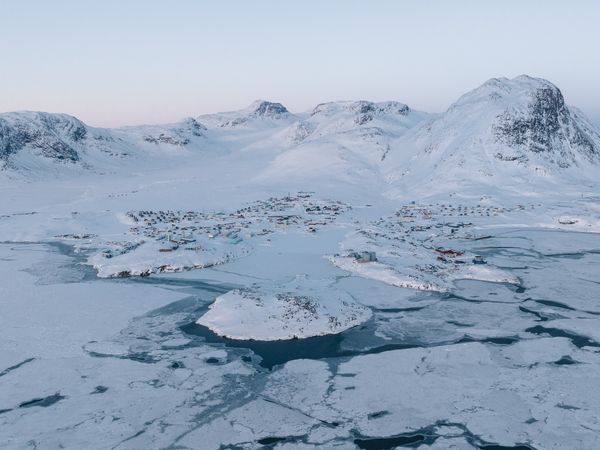
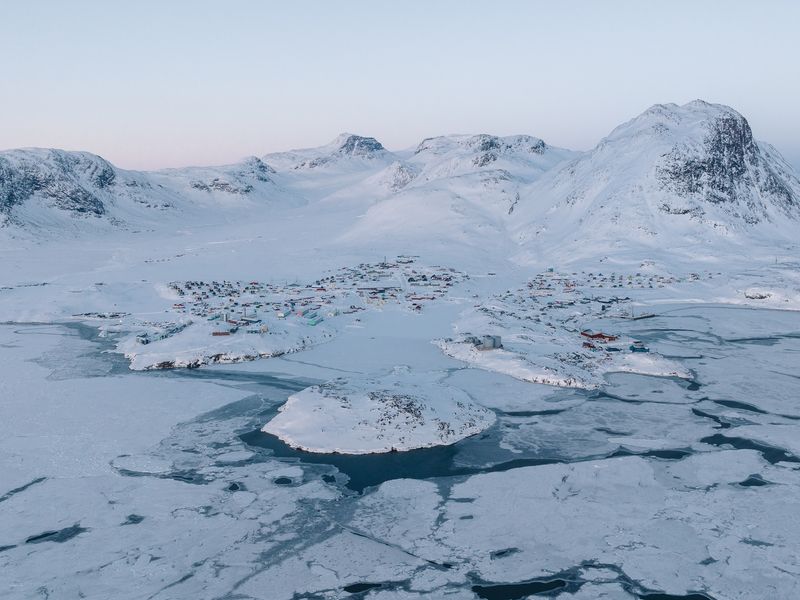
View over Narsaq in winter. The Kvanefjeld plateau, where an open-pit mine is planned, can be seen to the left of the center of the picture. It is located just under 6 kilometers from the town.

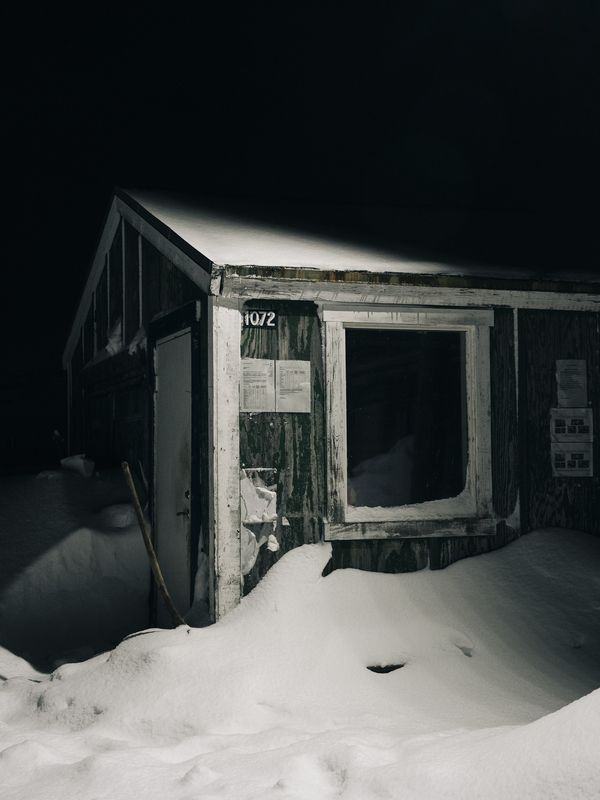
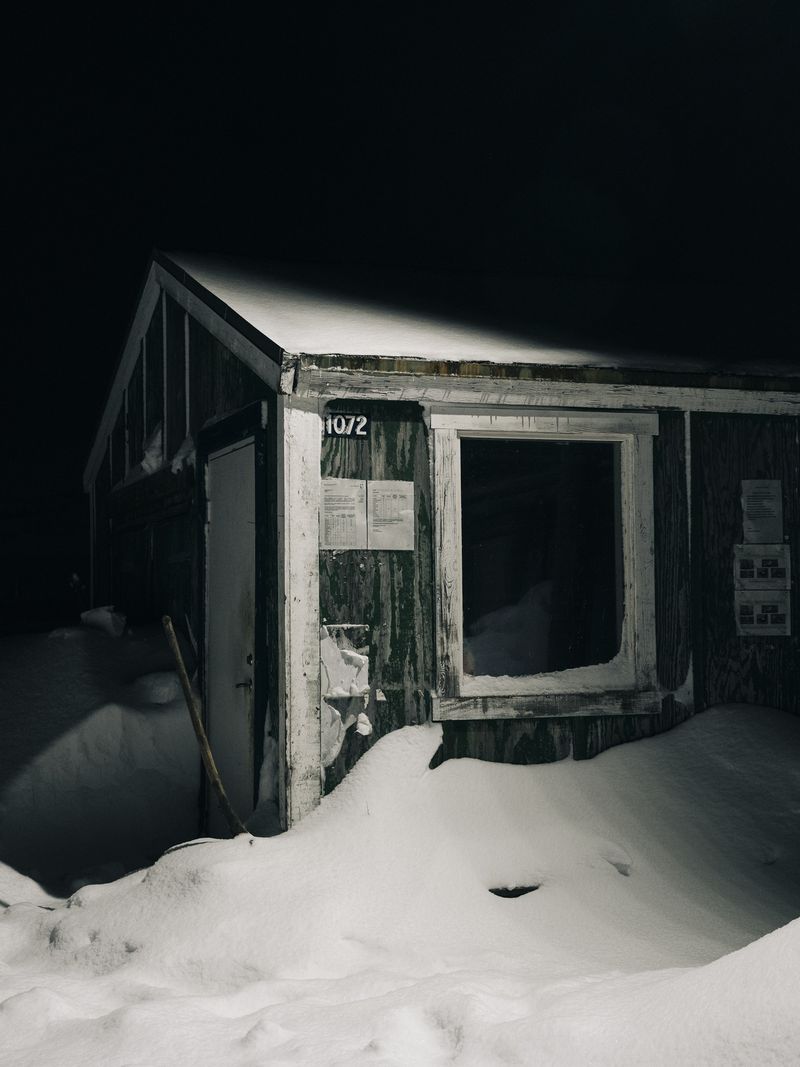
© Jan Richard Heinicke - A fishing hut in Narsaq.
i

A fishing hut in Narsaq.

© Jan Richard Heinicke - Image from the Radiant Grounds photography project
i

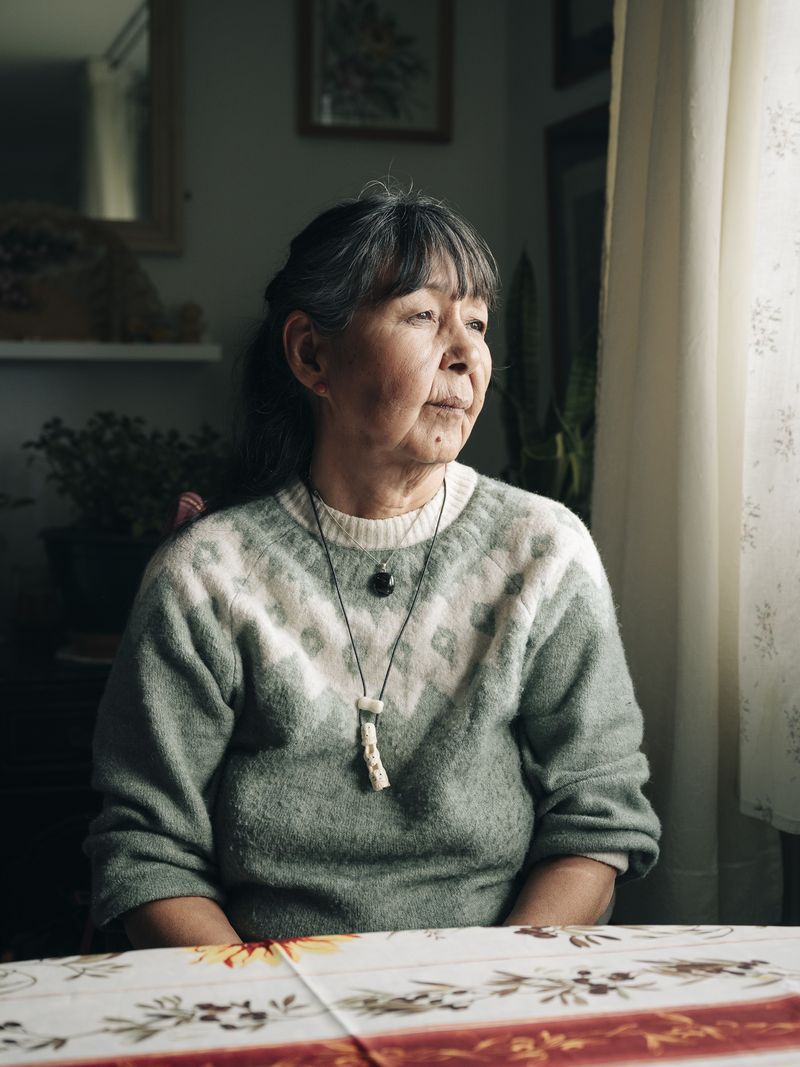
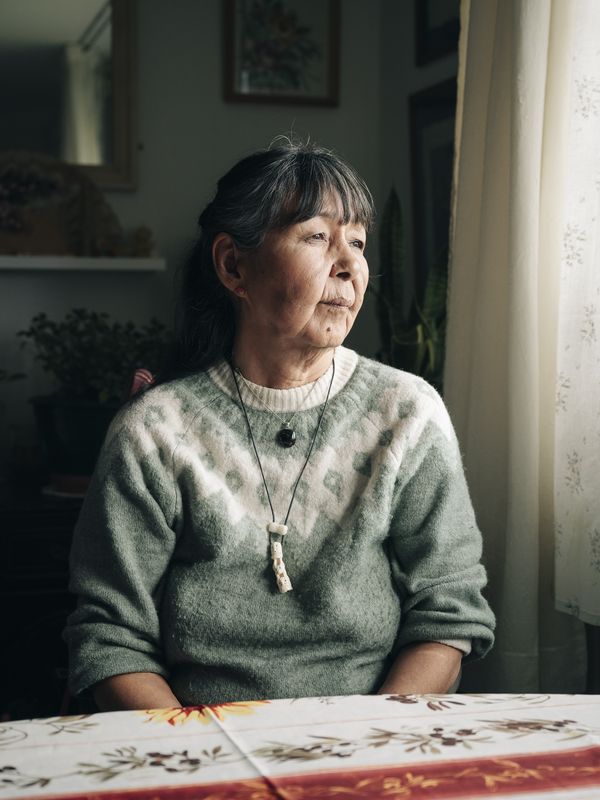
Ane Egede looks out of her window with concern. She was born and raised in Narsaq and then spent many years abroad. She returned to Narsaq with her partner in 2021, when Greenland Minerals' project seemed to be off the table due to the uranium mining ban passed by parliament. She strongly opposes the project because she fears it could harm her health. The uncertainty weighs heavily on her.

© Jan Richard Heinicke - Image from the Radiant Grounds photography project
i

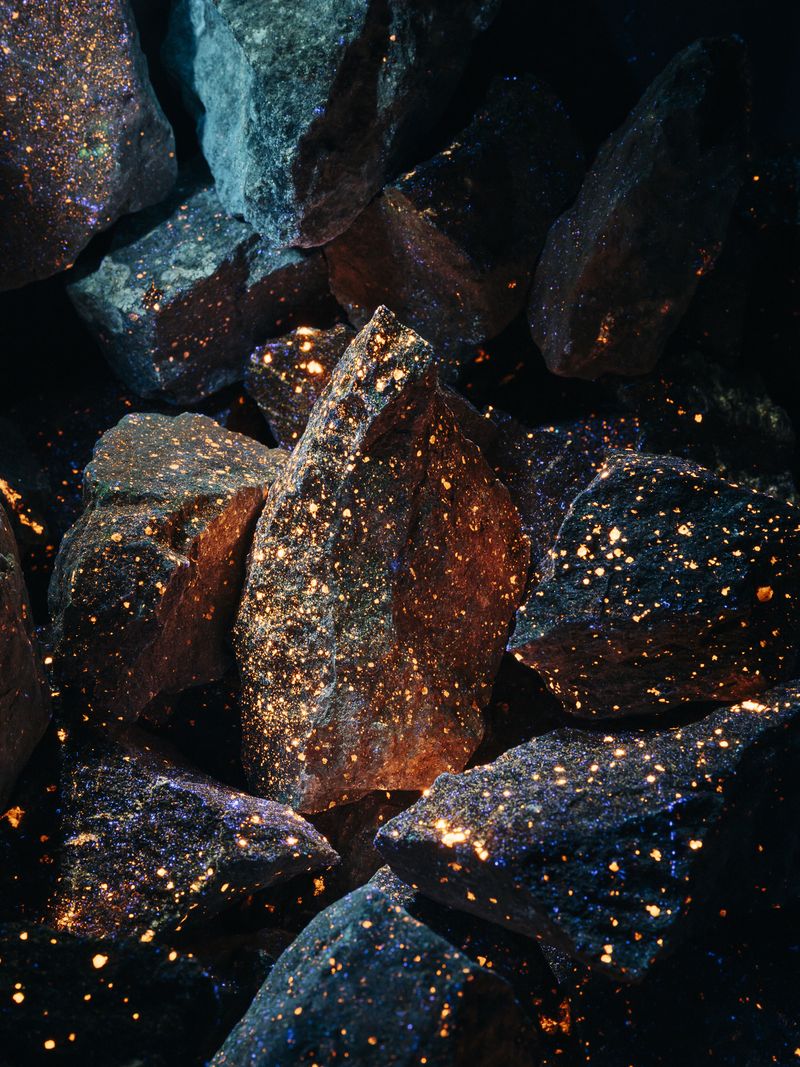
The rock on the Kvanefjeld plateau is rich in economically interesting elements such as uranium and rare earths, which are bound together in the mineral steenstrupine. It is therefore not possible to mine the rare earths without radioactive waste rock. The mineral sodalite glows orange under UV light.

© Jan Richard Heinicke - Image from the Radiant Grounds photography project
i

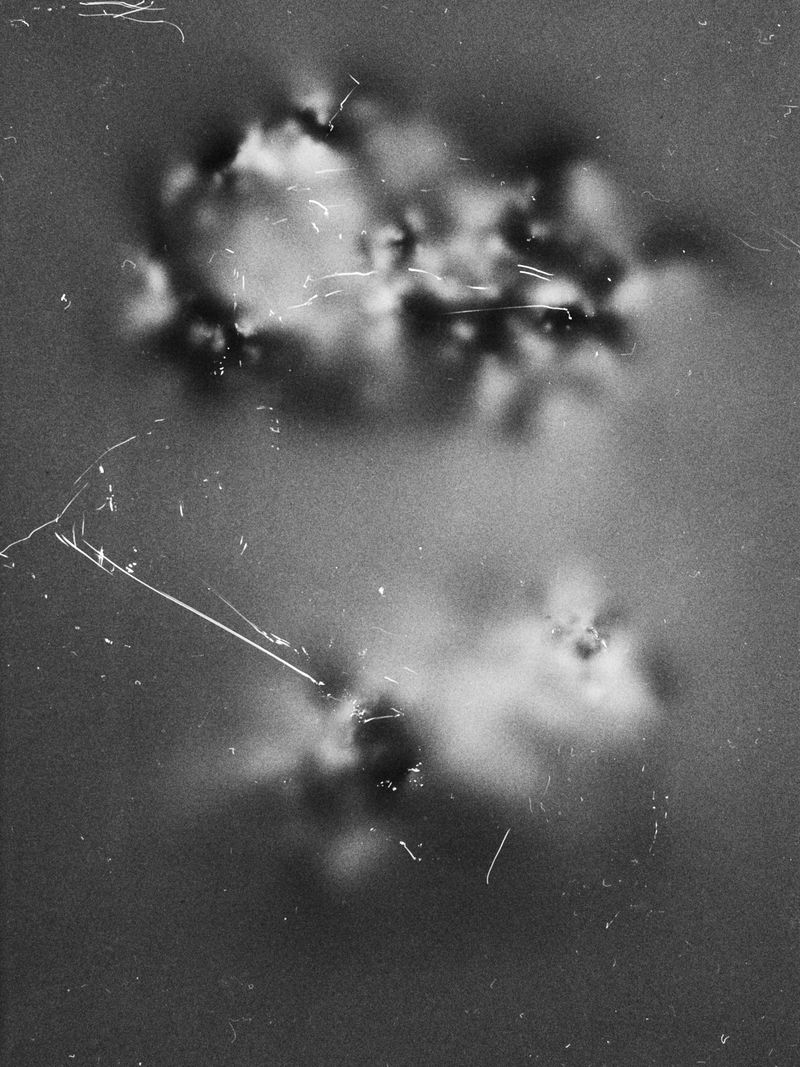
Autoradiographs of rock from the Kvanefjeld Plateau. The radioactivity emitted by the rock is sufficient to expose photographic film. The rocks were in contact with the film for around two weeks.

© Jan Richard Heinicke - Blood of a seal in the harbor of Narsaq.
i

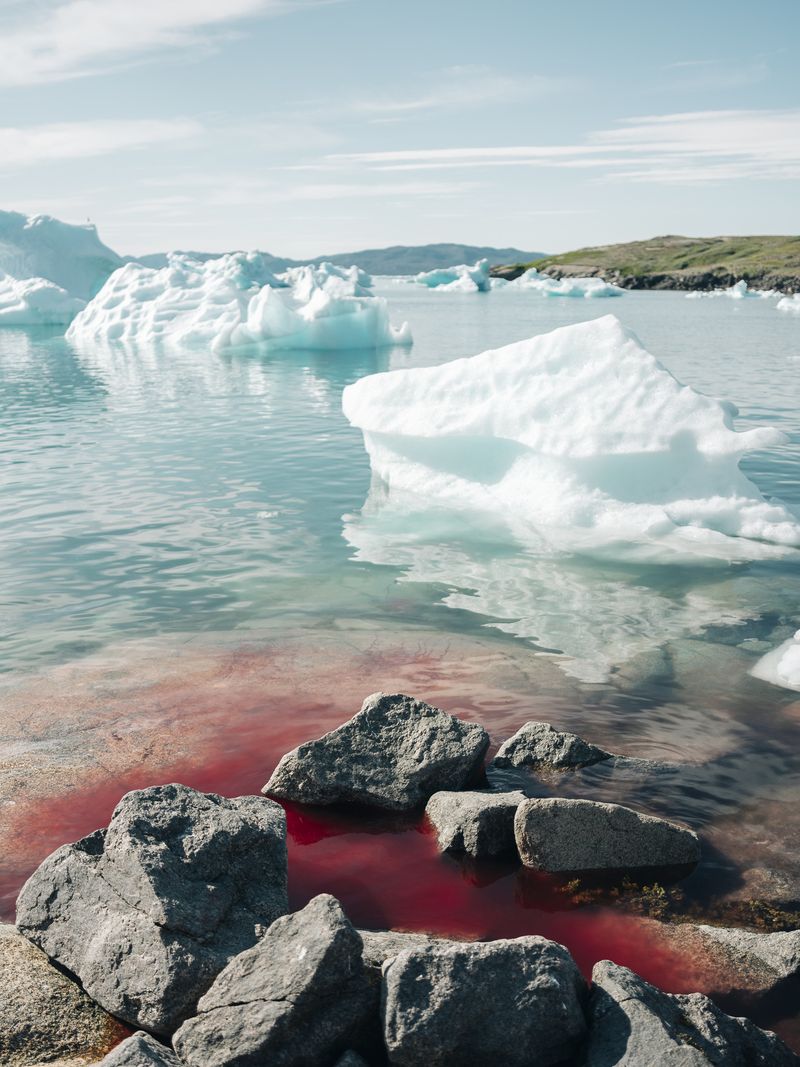
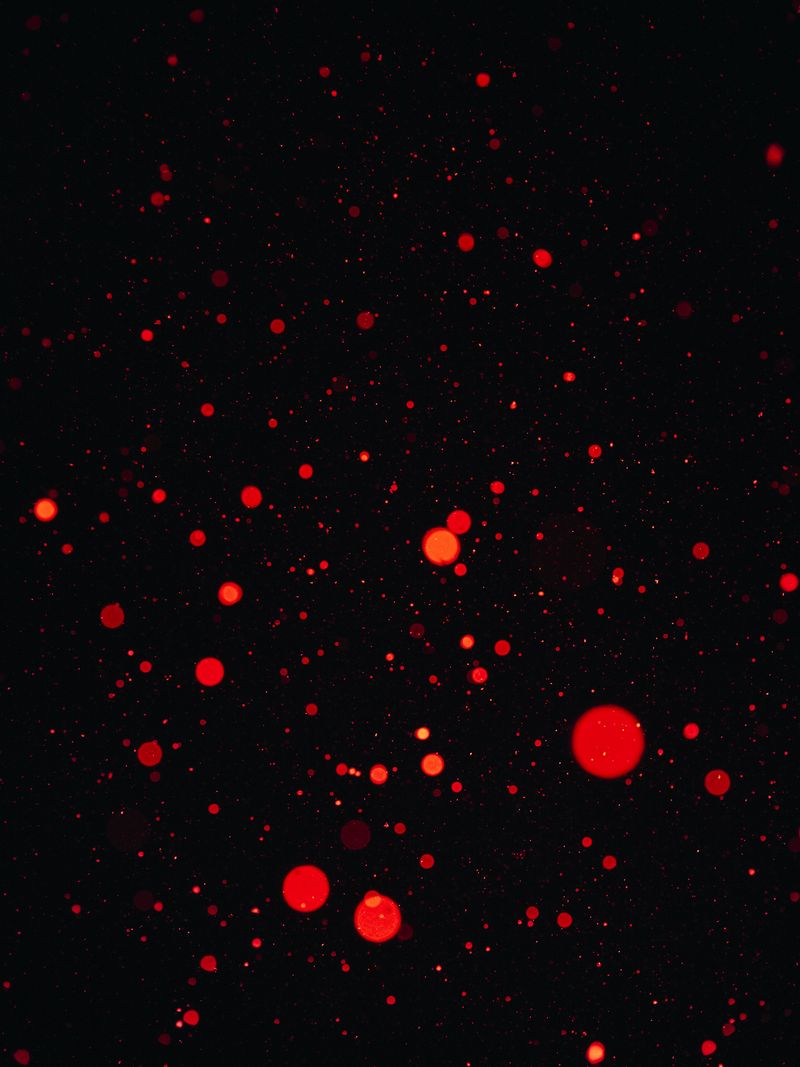
Blood of a seal in the harbor of Narsaq.

© Jan Richard Heinicke - Fishing nets drying in the harbor of Narsaq.
i

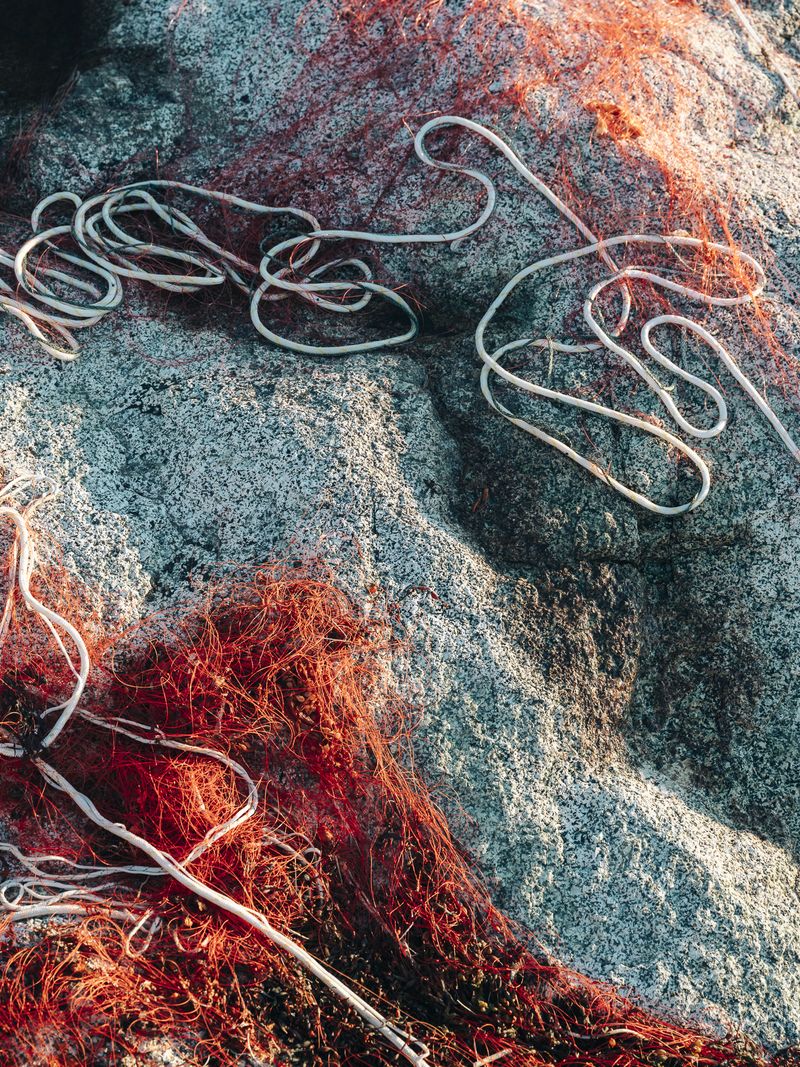
Fishing nets drying in the harbor of Narsaq.

© Jan Richard Heinicke - Image from the Radiant Grounds photography project
i

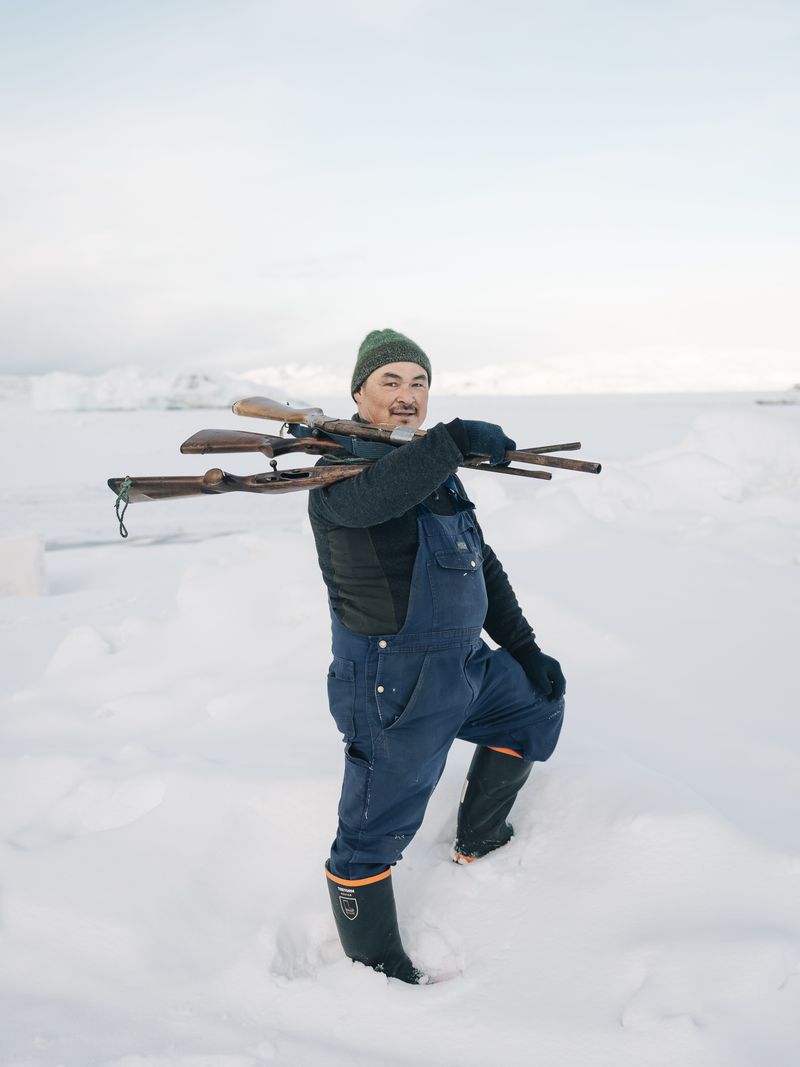
A hunter in the harbor of Narsaq. Many Greenlanders make their living from hunting and fishing. They fear that the mine's wastewater could poison the fjords, thereby destroying their livelihood.

© Jan Richard Heinicke - Snowstorm in Narsaq.
i

Snowstorm in Narsaq.

© Jan Richard Heinicke - Image from the Radiant Grounds photography project
i

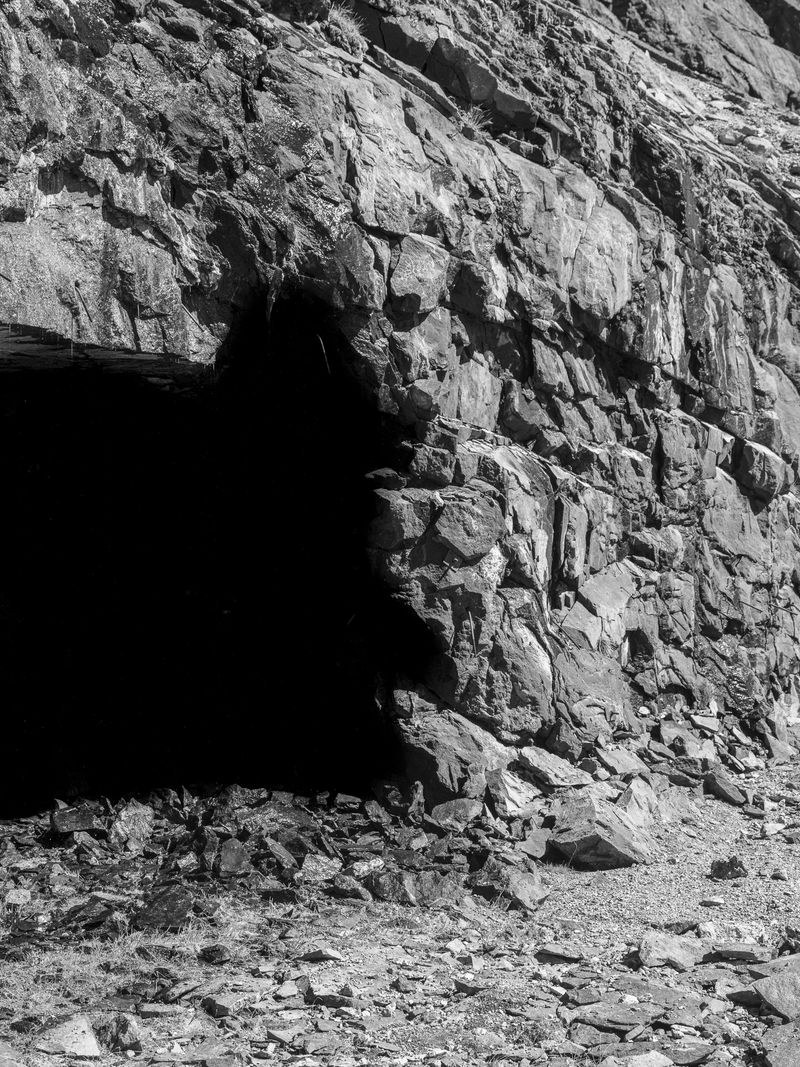
Entrance to the exploratory tunnel under the Kvanefjeld Plateau, which was constructed in 1979 by Danish geologists. They planned to mine uranium. Rare earths did not play an economic role at that time. Around 4,700 tons of rock were transported to Risø, Denmark.

© Jan Richard Heinicke - Image from the Radiant Grounds photography project
i

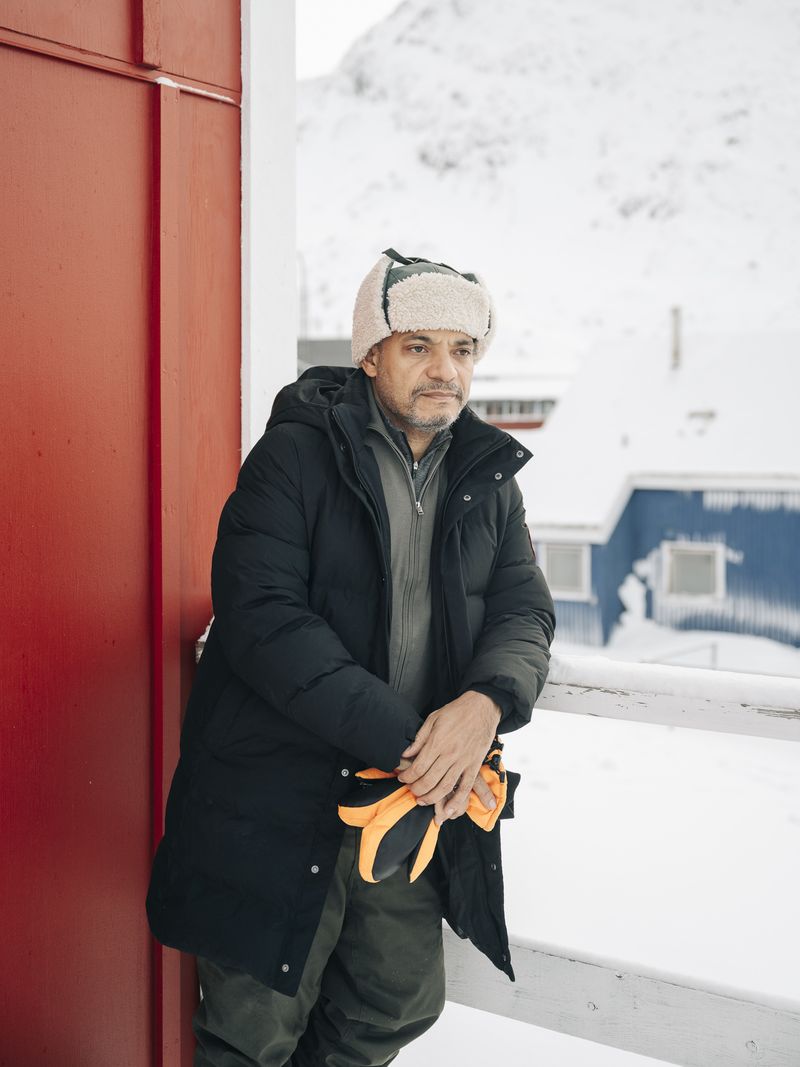
Daniel Mamadou-Blanco has been CEO of Greenland Minerals (today: Energy Transition Minerals/ETM) since 2021. He has been fighting the 2021 ban on uranium mining which applies to the Kvanefjeld deposit through legal channels to ensure that ETM still receives a mining license or that the company is compensated. The compensation demanded by the company amounts to around US$7.6 billion.

© Jan Richard Heinicke - Image from the Radiant Grounds photography project
i

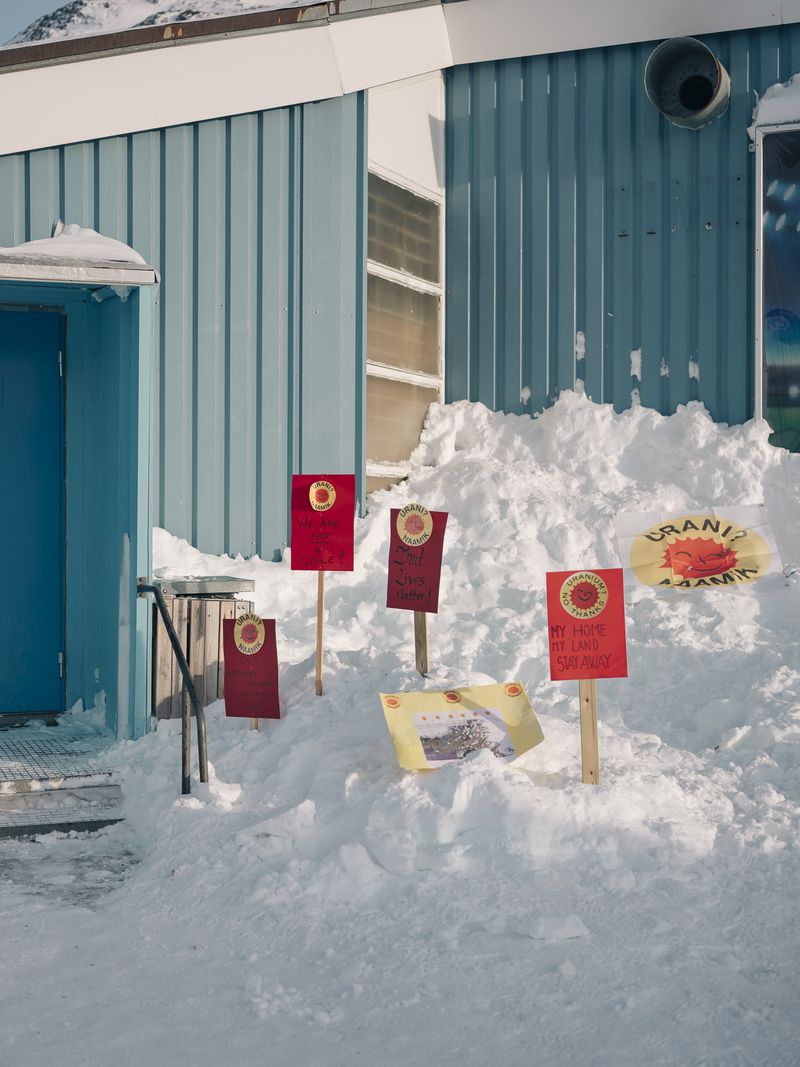
The ETM delegation was greeted at the airport by opponents of the project, who have been campaigning against mining since Danish explorations in the 1970s and 80s under the slogan "Urani Naamik" (Uranium – No Thanks).

© Jan Richard Heinicke - Ice floes in a fjord near Narsarsuaq.
i

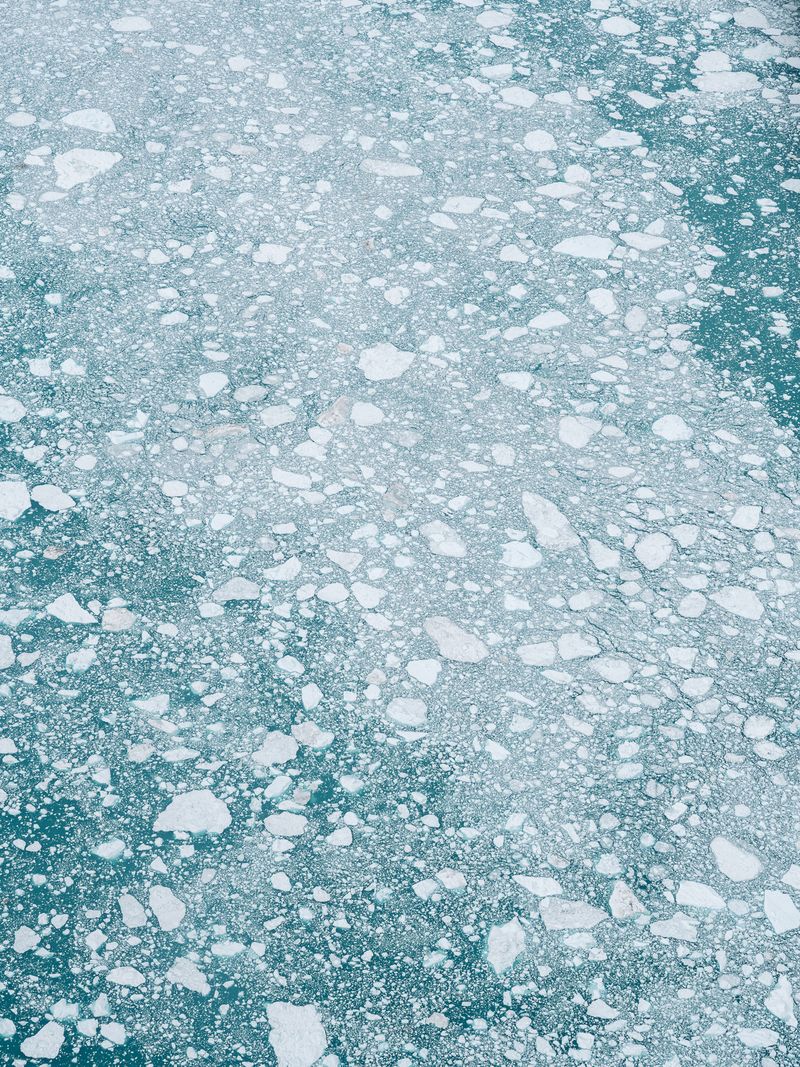
Ice floes in a fjord near Narsarsuaq.

© Jan Richard Heinicke - Thin section of a rock from Greenland.
i

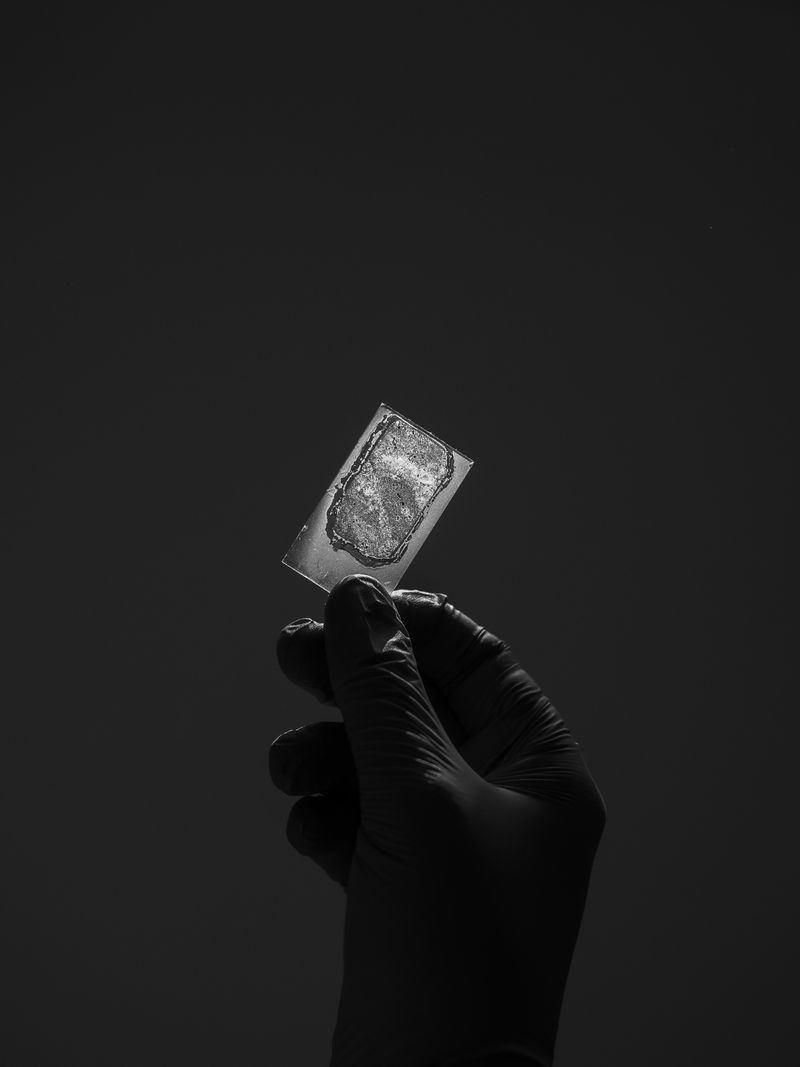
Thin section of a rock from Greenland.

© Jan Richard Heinicke - Image from the Radiant Grounds photography project
i

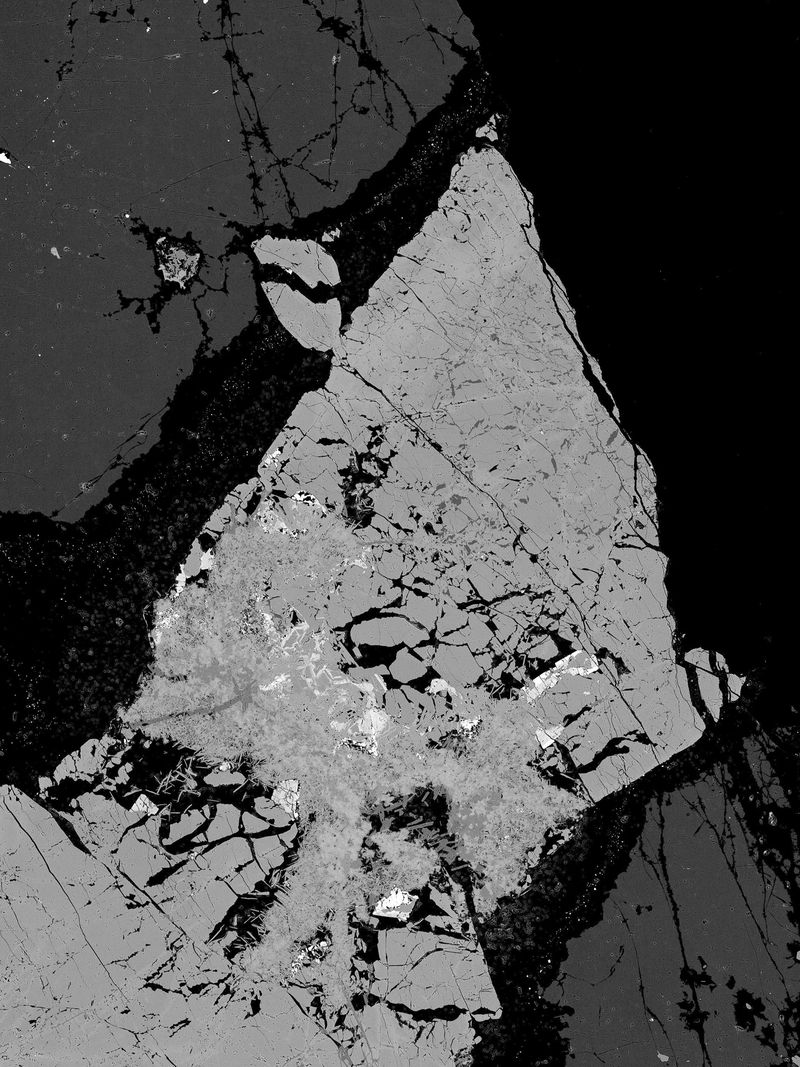
Scanning Electron Microscope image of a thin section made from a rock from the Kvanefjeld plateau. SEM's can help geologists to locate the relevant minerals in a sample.

© Jan Richard Heinicke - Drill hole in a rock on the spoil heap beneath the Kvanefjeld plateau.
i

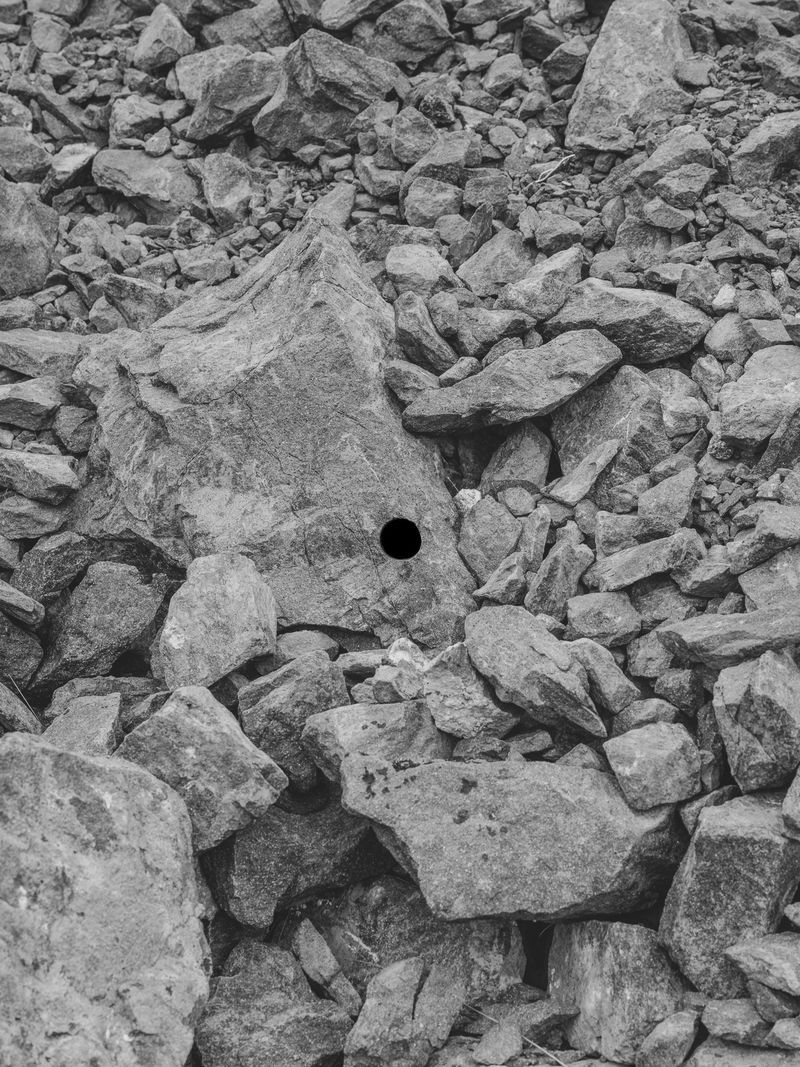
Drill hole in a rock on the spoil heap beneath the Kvanefjeld plateau.

© Jan Richard Heinicke - Image from the Radiant Grounds photography project
i

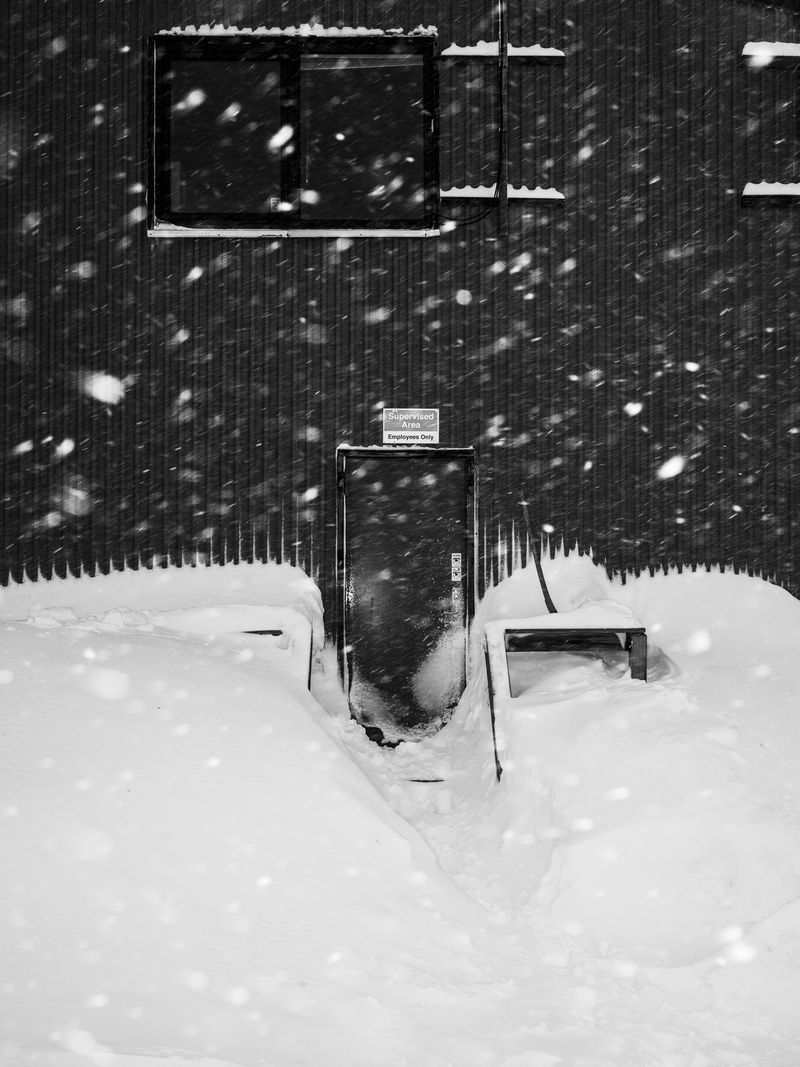
Entrance to the Greenland Minerals/ETM warehouse in Narsaq. This is where large parts of the drill cores that the company extracted for exploration purposes on the Kvanefjeld Plateau between 2007 and 2011 are stored. The company is a prominent feature of the townscape and serves as a constant reminder to residents of the unresolved conflict surrounding the mineral deposit.

© Jan Richard Heinicke - Drill cores in the Greenland Minerals/ETM warehouse in Narsaq.
i

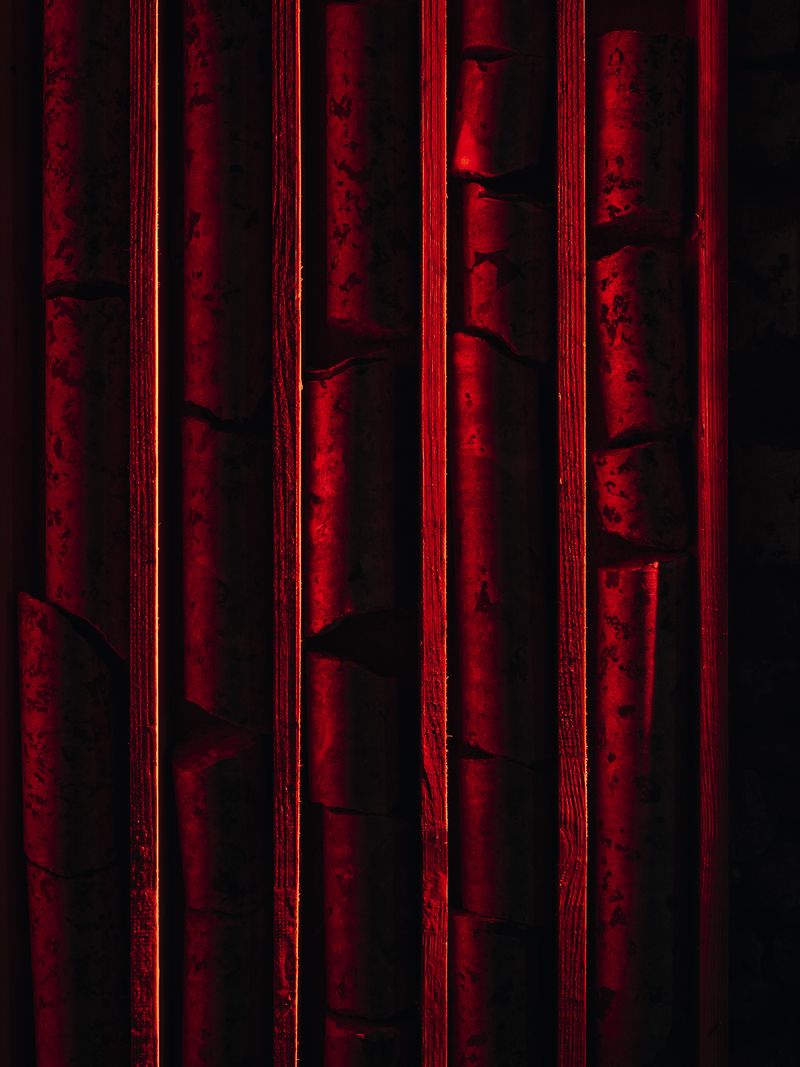
Drill cores in the Greenland Minerals/ETM warehouse in Narsaq.

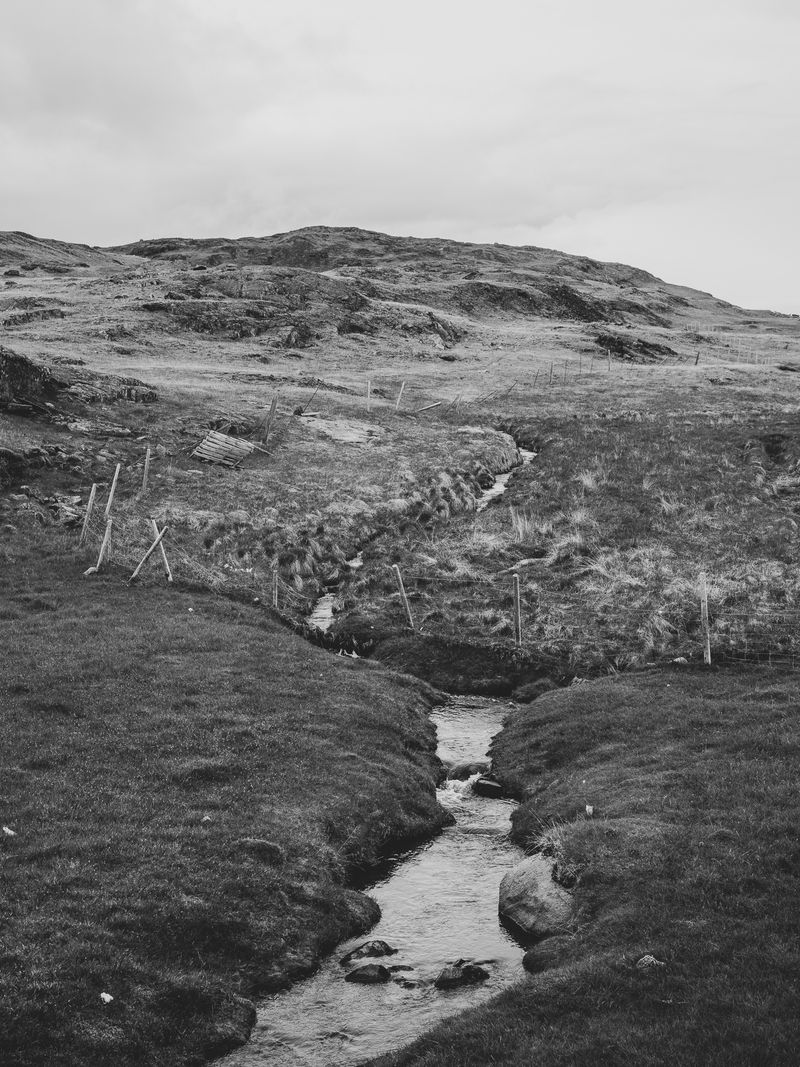
© Jan Richard Heinicke - A pasture near Qassiarsuq.
i

A pasture near Qassiarsuq.

© Jan Richard Heinicke - Image from the Radiant Grounds photography project
i

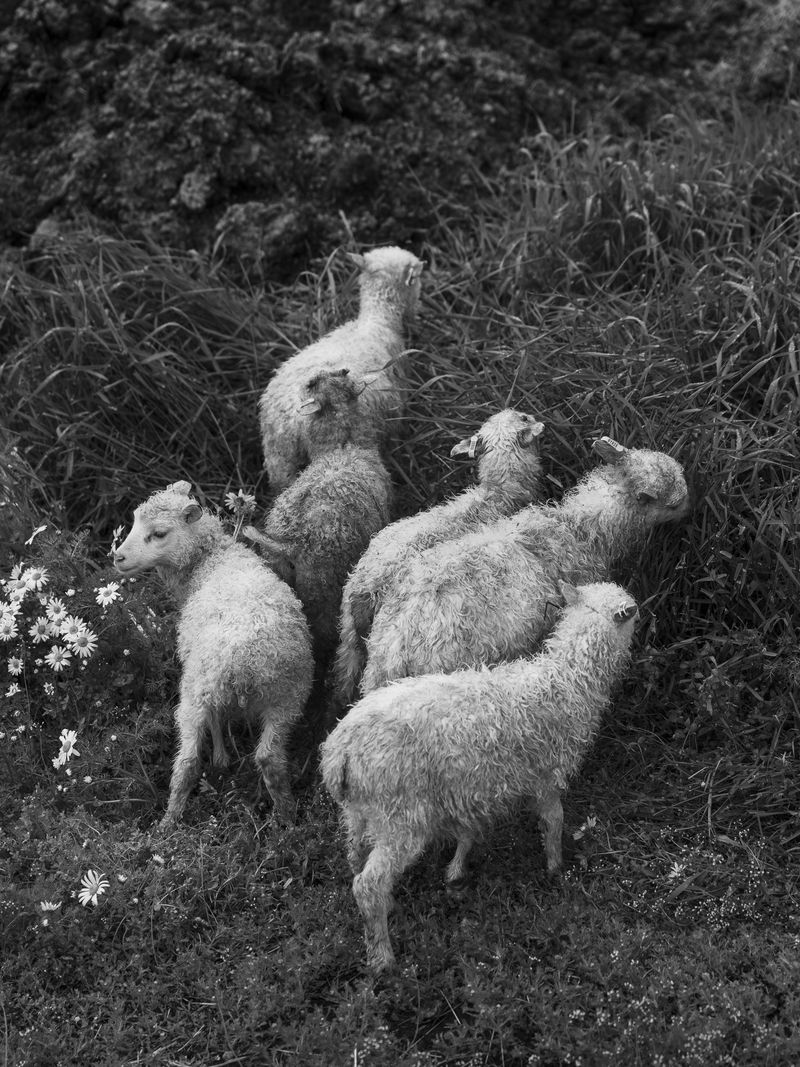
The region around Narsaq is known throughout Greenland for its lamb, which is sold all over the country. Shepherds fear that the mining project could damage their reputation and cause their sales to decline.

Radiant Grounds by Jan Richard Heinicke

Prev Next Close