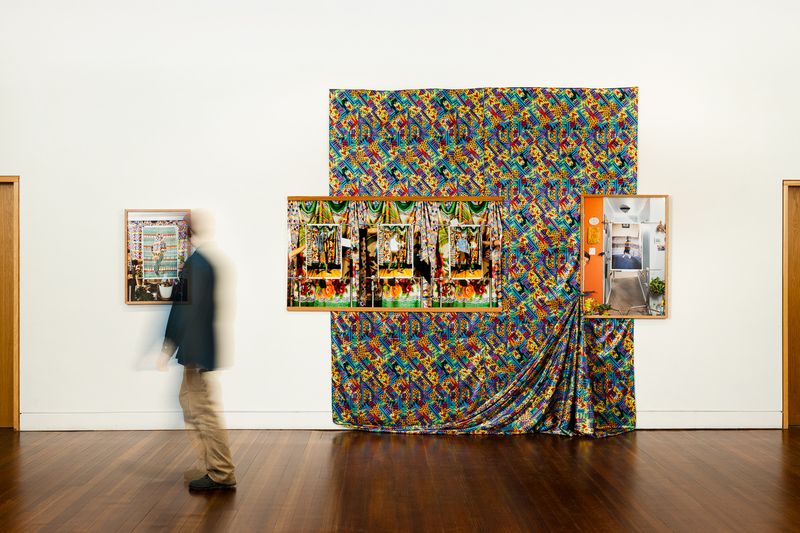
¿Qué dice tu corazón?
-
Dates2023 - Ongoing
-
Author
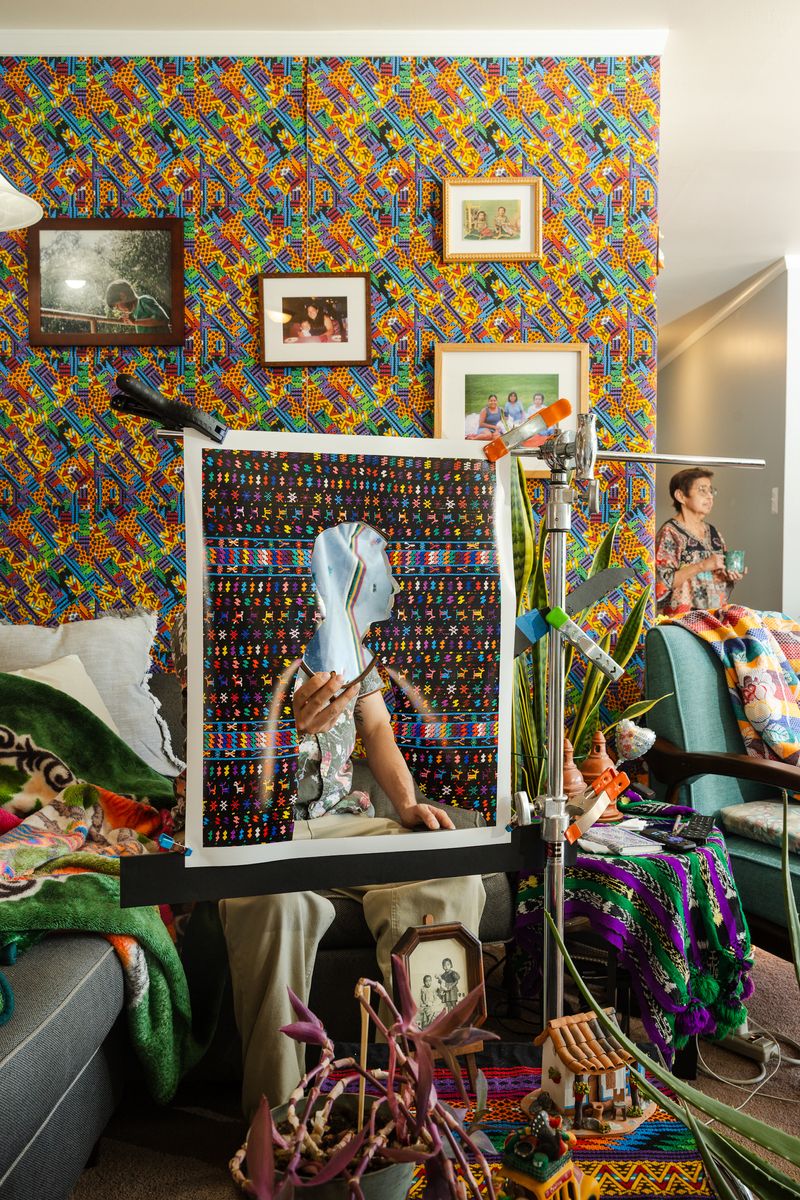
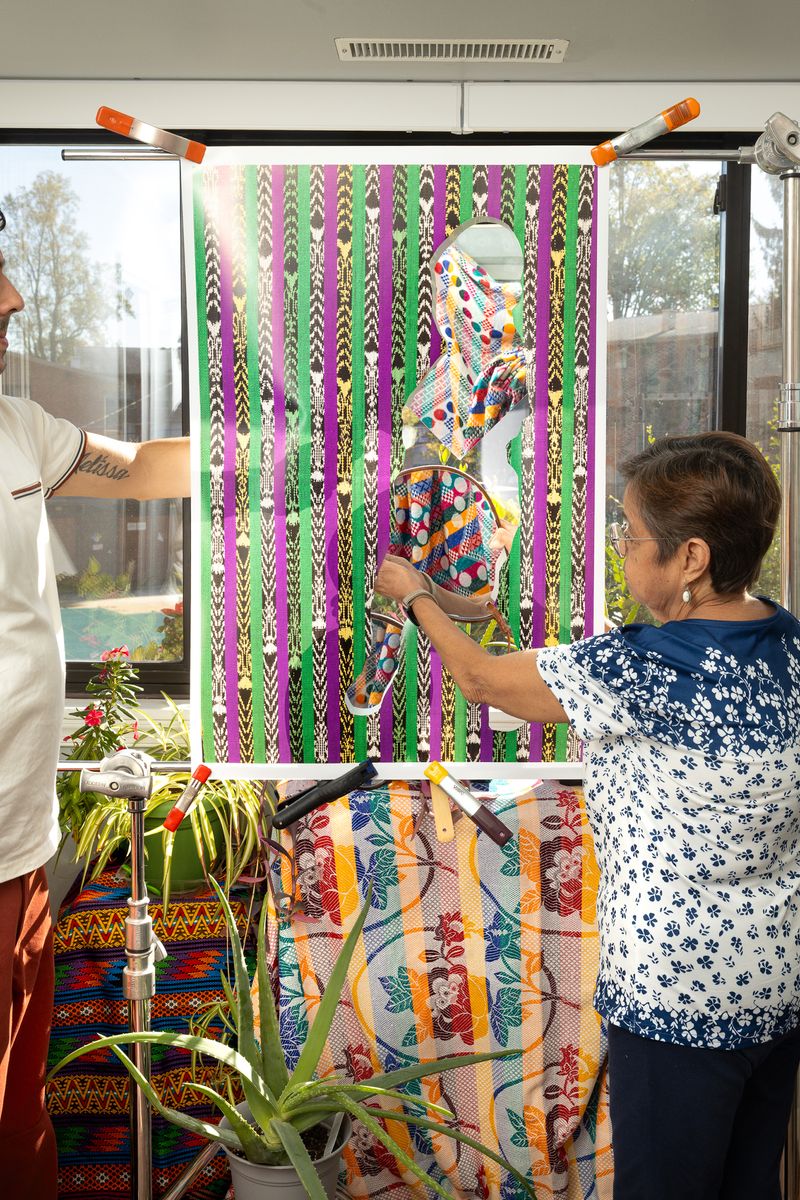
I playfully construct sets with my grandma, challenging conventional views of Latinx masculinity and subverting portraiture through silhouettes and mirrors. I explore how domestic spaces function as acts of staging and how objects influence our identity
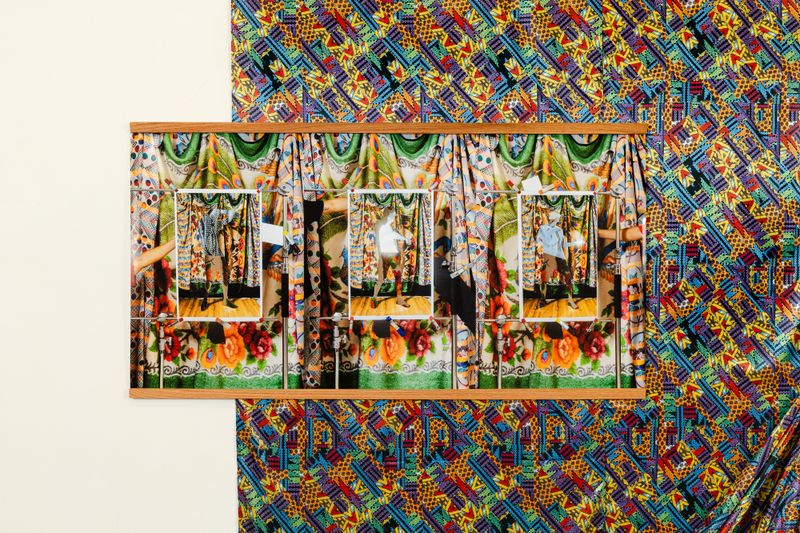
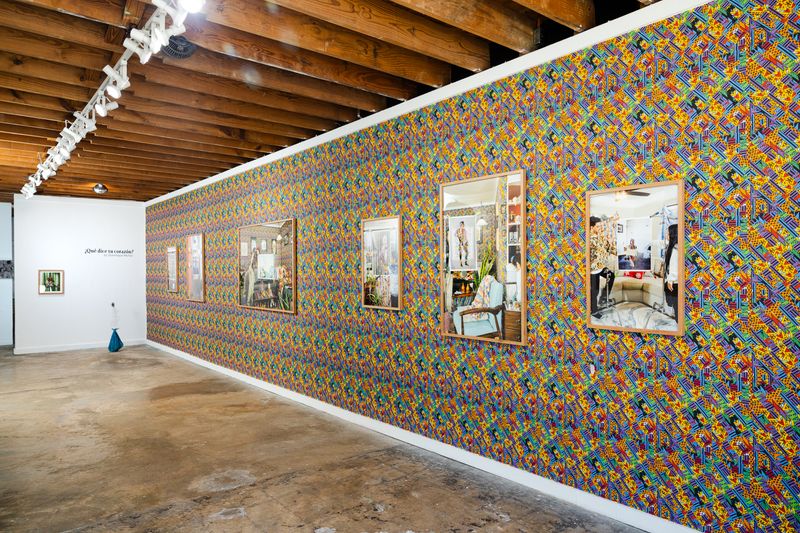
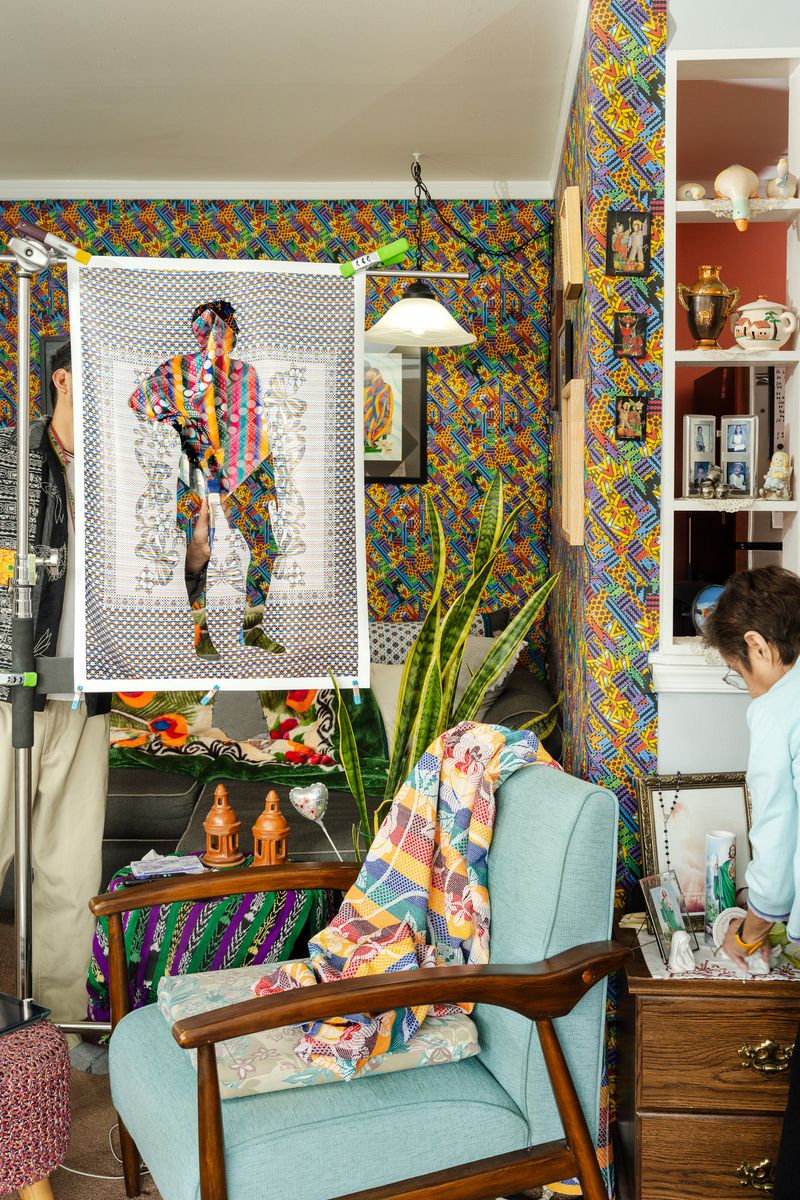
From birth, fabric cradles us—soft, worn, and imbued with care, a second skin that shields us from the world. I treat blankets and textiles as materials and vessels of memory carried across generations, borders, and homes. These textiles drape throughout the backgrounds of my compositions, filling the photographed spaces with vibrant, bold colors that shift the perspectives of the domestic space. Drawing from my Guatemalan heritage and family archives, I subvert the conventions of portraiture through silhouettes, challenging both the colonial and heteronormative histories of the photographic medium.
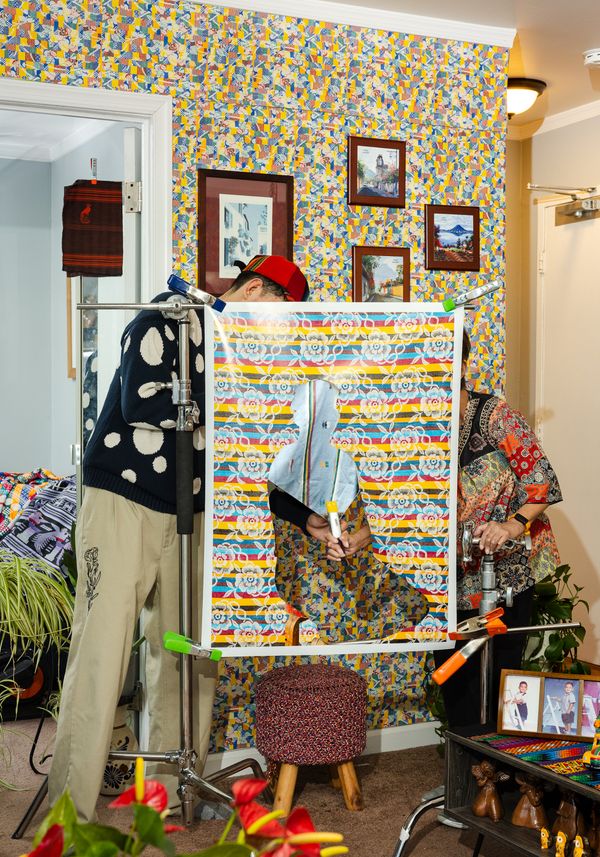
Portraiture, particularly within the colonial archive, has historically functioned as a mechanism of control, classifying, fixing, and framing subjects through the gaze of empire. My portraits refuse this way of looking. By obscuring the body with mirrors, I fragment perspectives. The body in my work is not captured; it is performing and reorienting while calling attention to the constructed nature of the photographic medium.
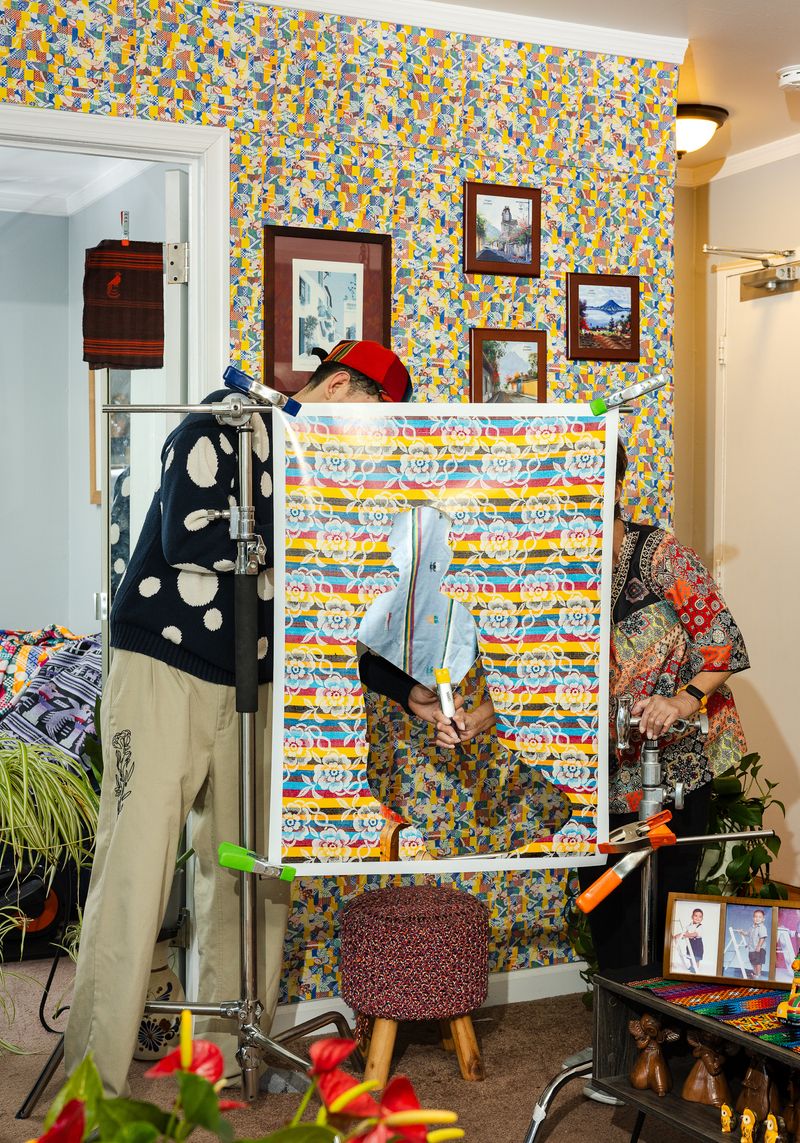
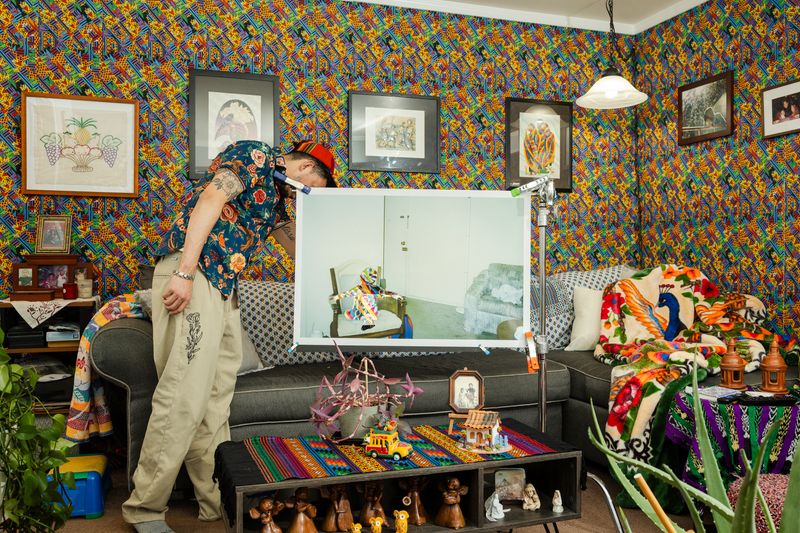
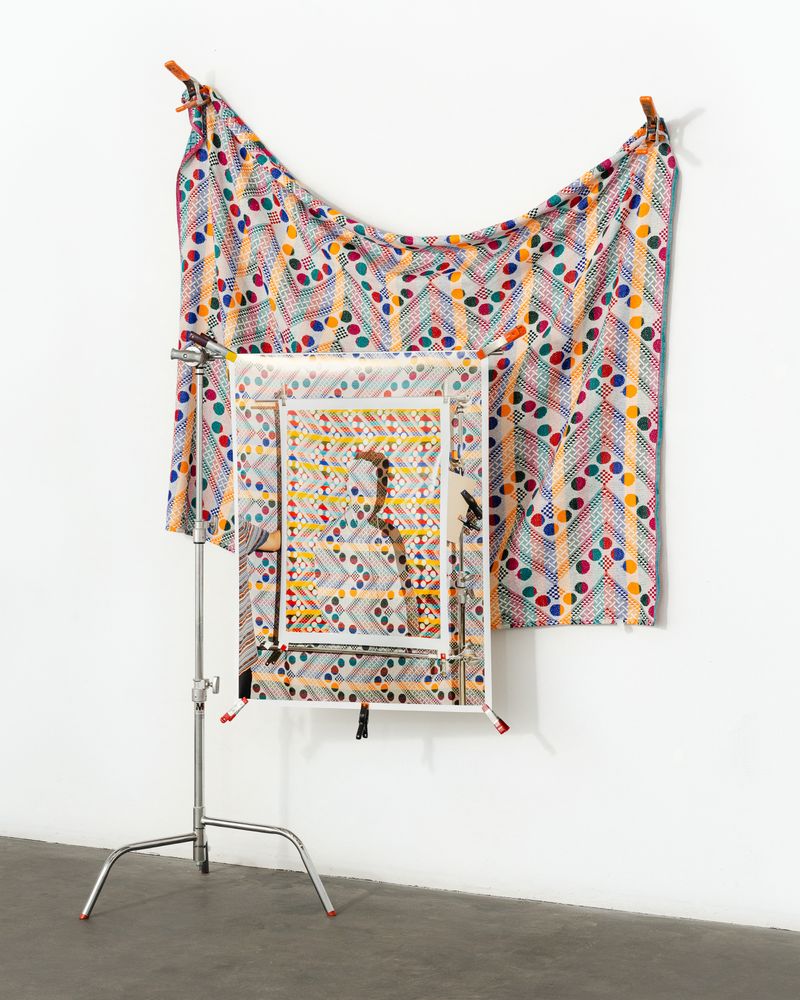
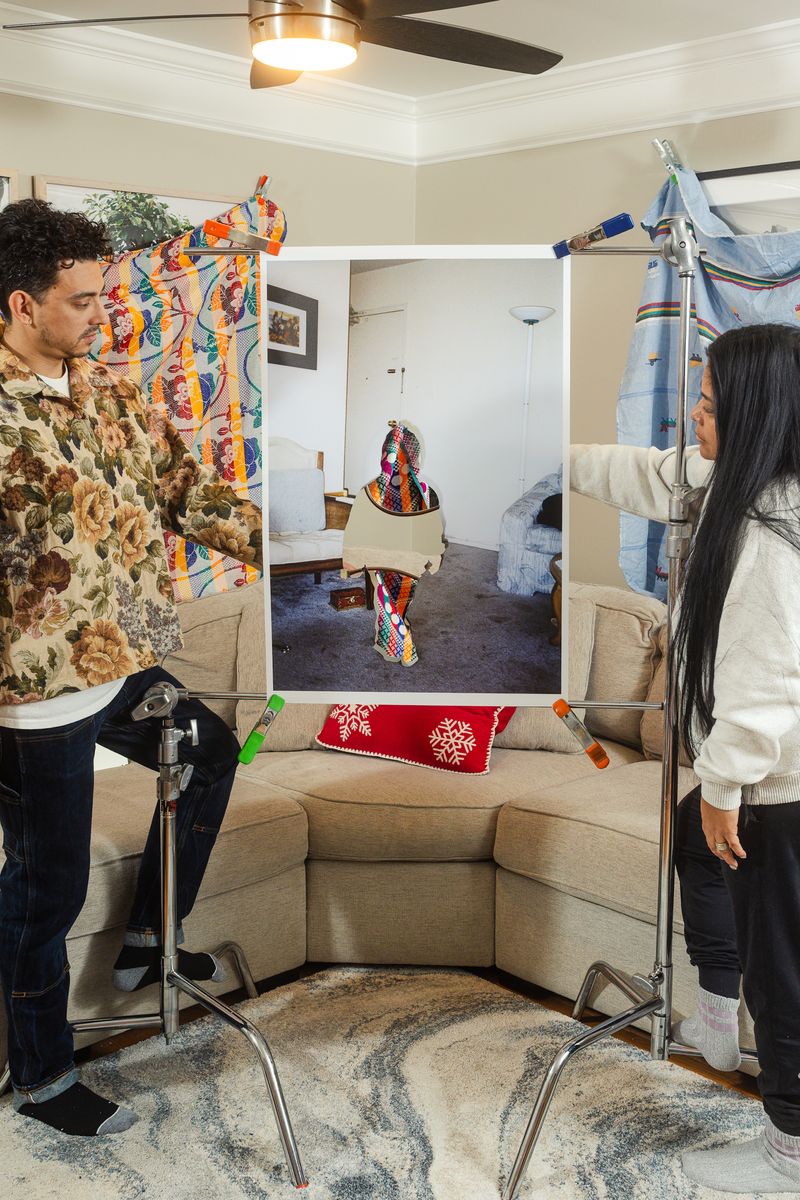
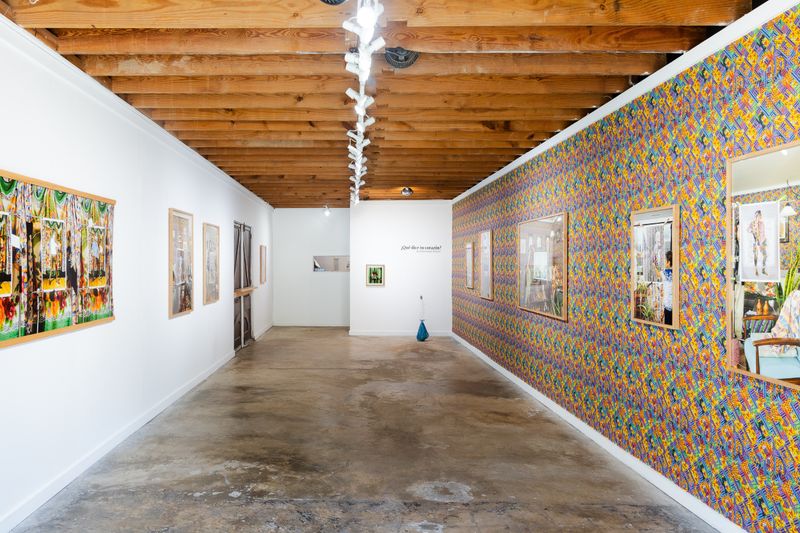
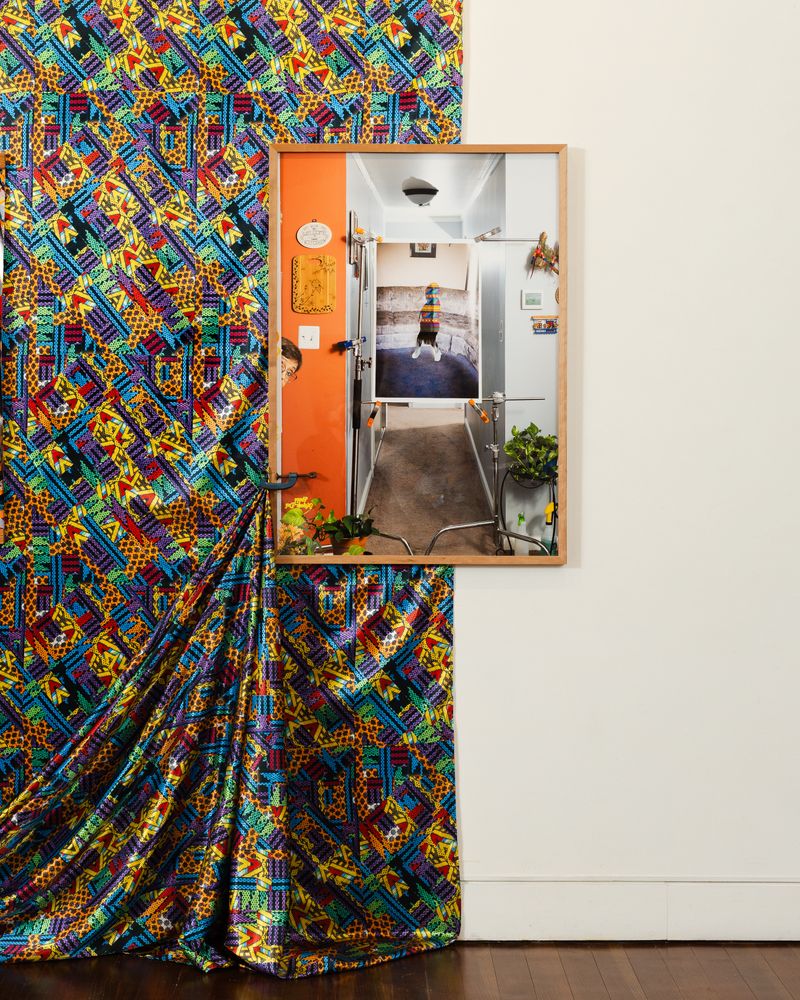
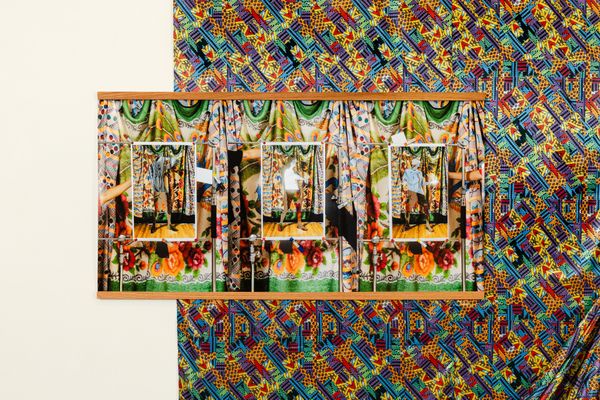
In collaboration with my family, I construct highly staged images within my studio and childhood homes, arranging blankets and their patterns in mesmerizing layers – queering the domestic space. These gestures become a political act of spatial reconfiguration. These textiles become architectural elements that transform rooms into fluid environments resistant to categorization. These environments raise questions about traditional gendered expectations, becoming sites of fluidity and play. The vibrant motifs embed Mesoamerican mythologies as a form of knowledge, preserving and remixing traditional Guatemalan symbols and patterns. By centering these textiles’ visual richness, I honor the generations of Guatemalan artisans who encoded cultural knowledge, spiritual beliefs, and communal histories into these textiles.
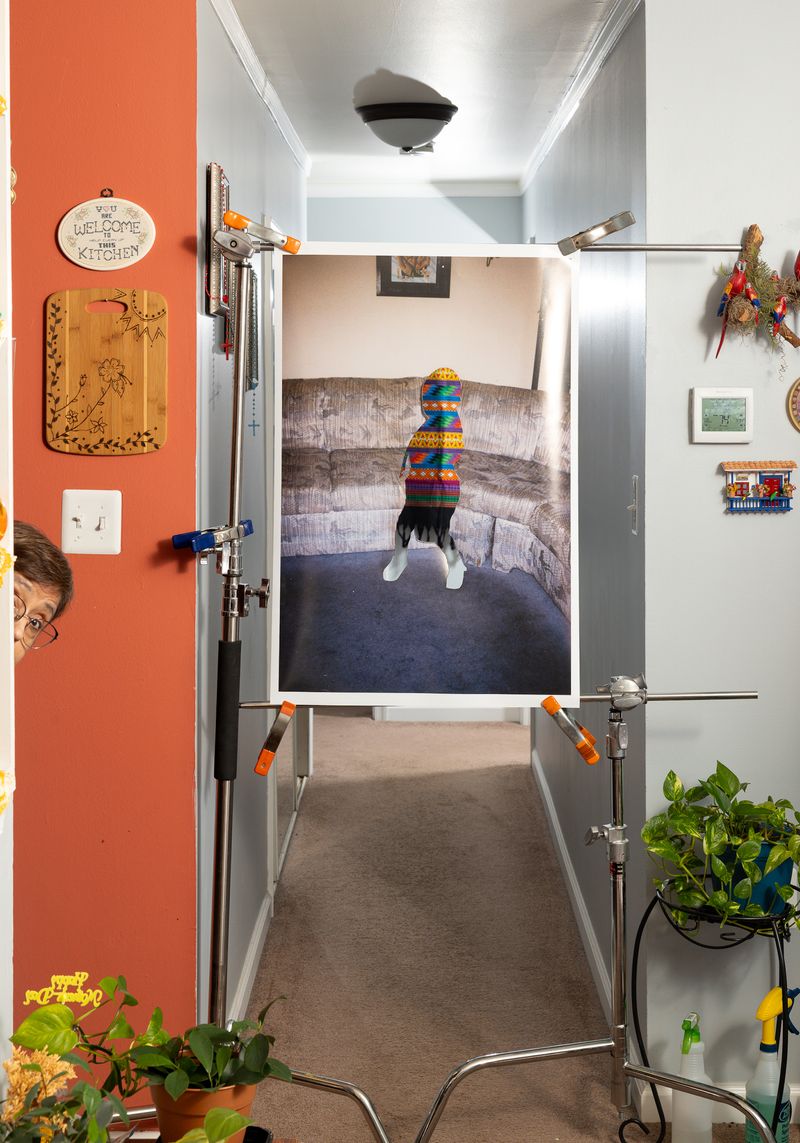
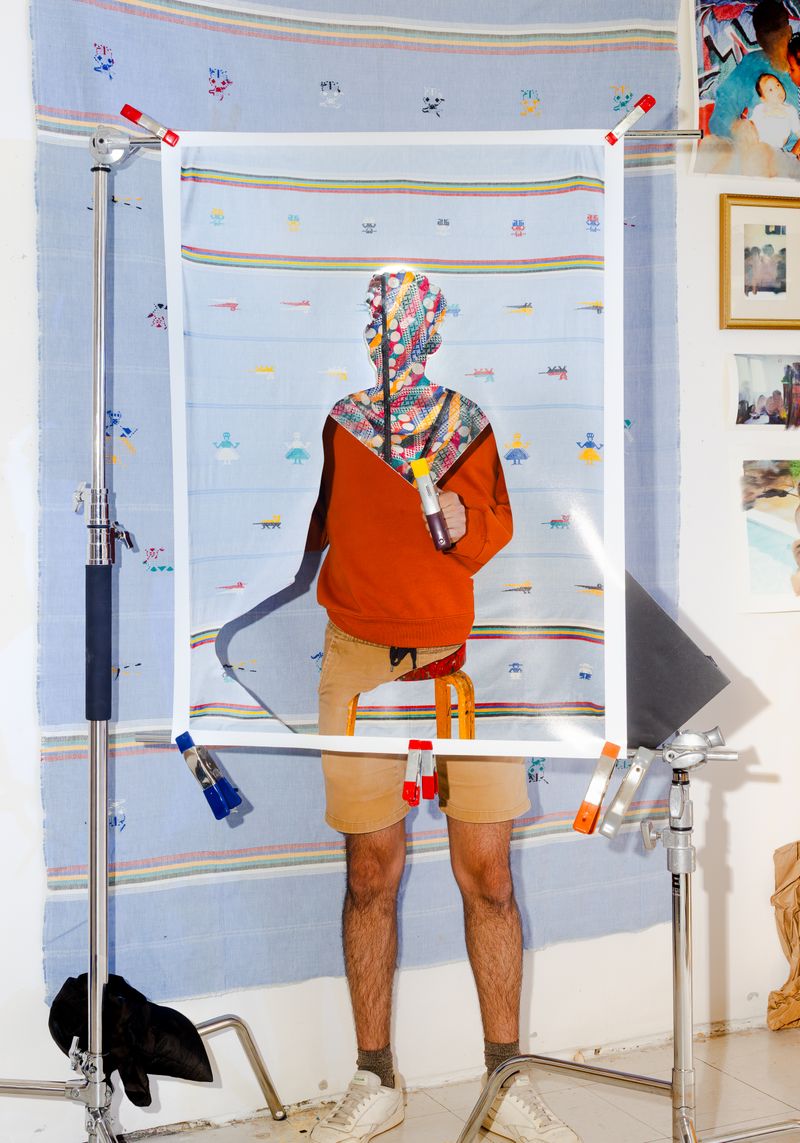
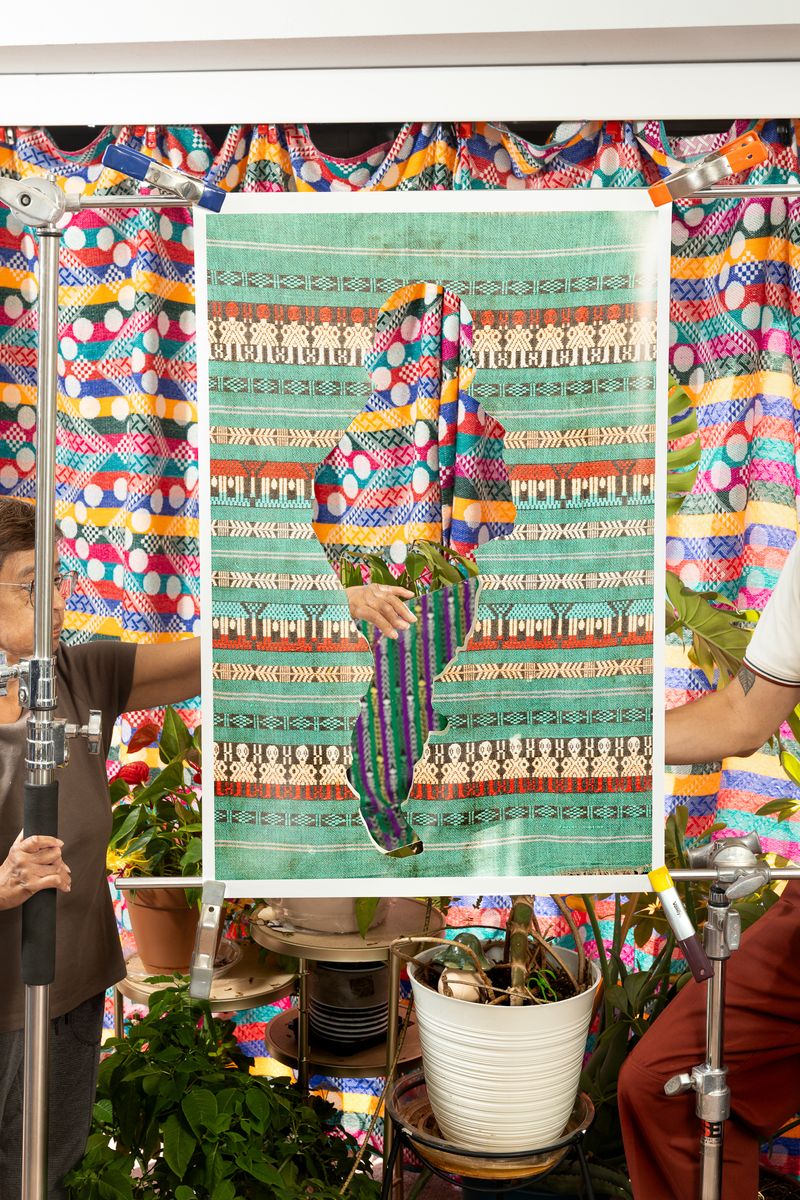
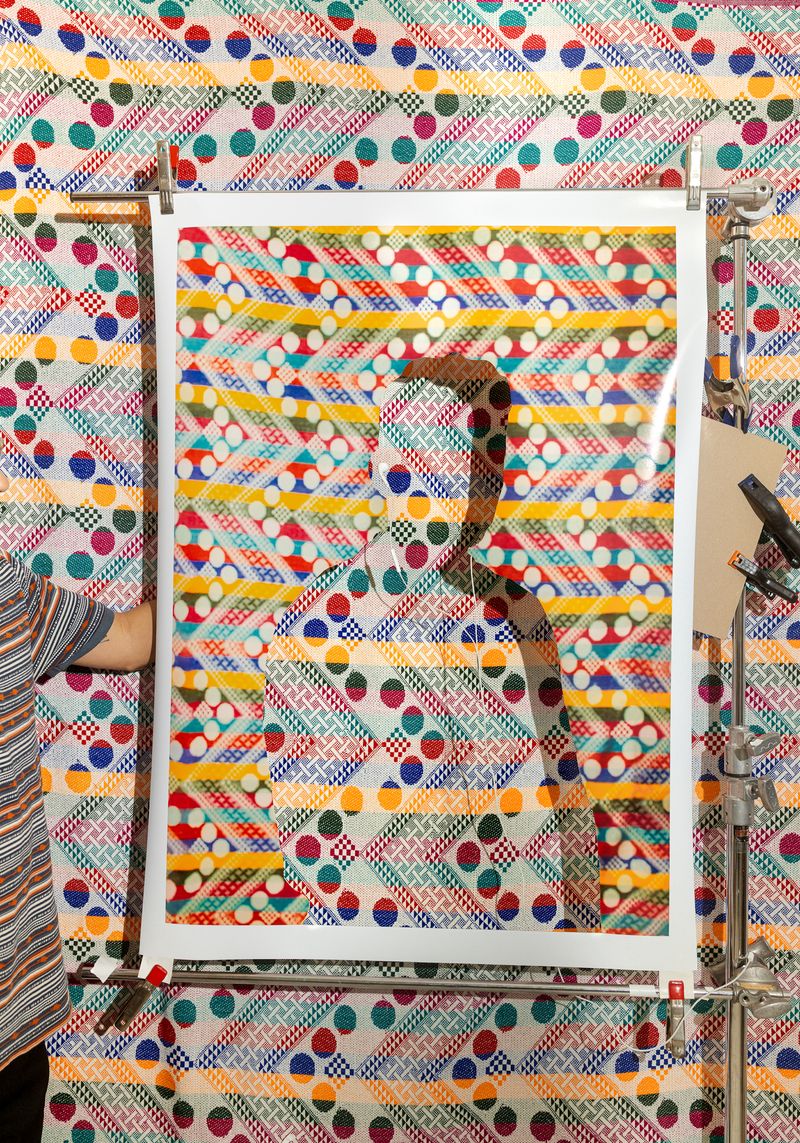
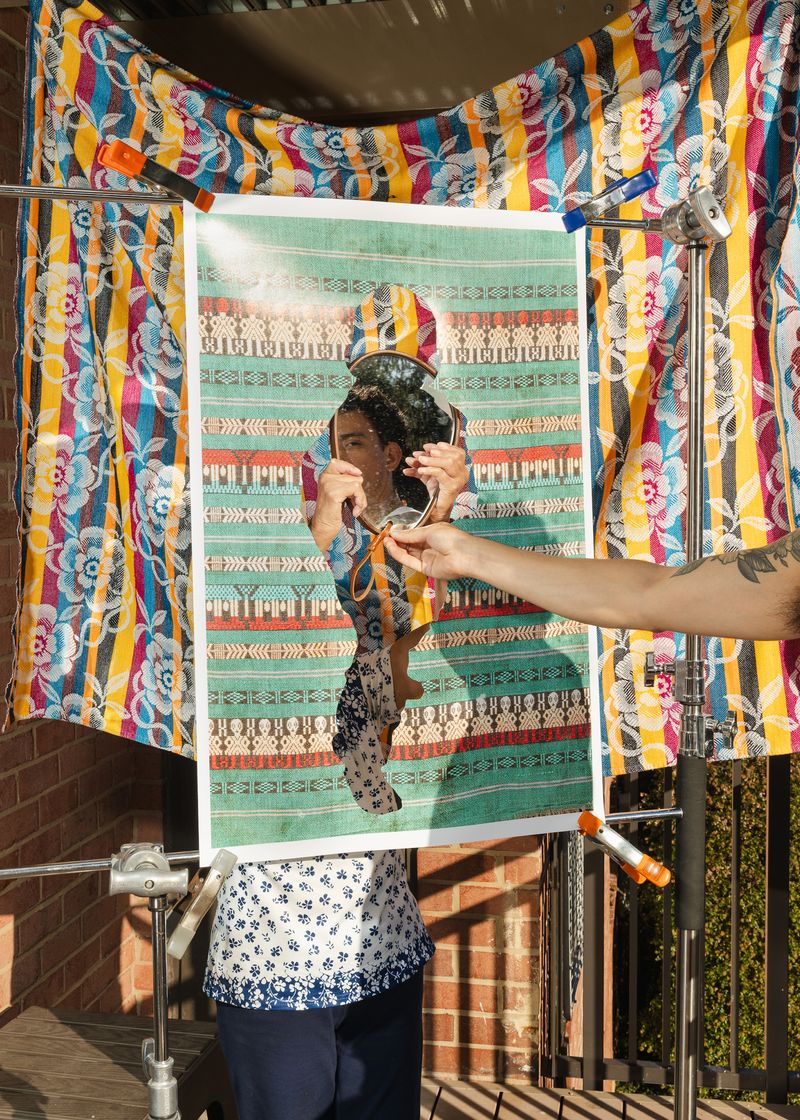
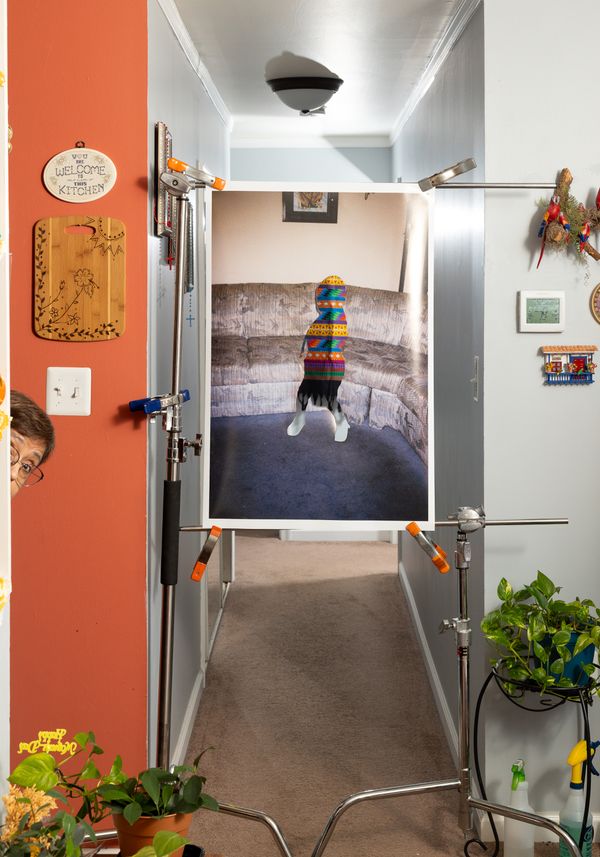
Photographic tools such as C-stands and spring clamps are left visible, exposing the mechanics of image-making and blurring the lines between authenticity and artifice. Mirrors, positioned behind the hand-cut silhouettes, shift the viewer’s perspective, revealing the textiles draped just beyond the camera’s gaze. Through this slight tilt of the mirrors, my images construct visual distortions of space. When viewers encounter a new pattern within the silhouettes, they see reflections of what exists beyond the camera’s line of sight. This visual destabilization invites viewers to question what they see and how they are seeing.
Within these transformed environments, silhouettes punctuate my compositions, allowing new patterns to emerge, echoing the fabrics that have shaped me. Silhouettes are forms that both conceal and reveal through outline and color. They create visual illusions, like our own shadows. One shadow comes to life by blocking light. But how can I make something come to life without dimming its light? I’m not seeking to erase their existence but to create a literal blind spot—one where they can no longer be visually subjugated. It’s a space of protection, of autonomy. The silhouette becomes a site where presence isn’t dependent on recognition. It gestures toward the figure without demanding an explanation.
I embrace excess, not as something to be tamed but as a mode of joyful resistance. These aesthetic choices assert the value of cultural expressions often dismissed as ‘tacky’ or excessive. The home becomes not a static repository of tradition nor a showcase for the contemporary, but a living threshold where my family’s blanket patterns speak to present-day questions of identity and belonging. This project examines how histories of care and migration shape identity, ultimately questioning how we continue to remake homes in ever-changing landscapes.