Portinerie Romane
-
Dates2016 - 2026
-
Author
Portinerie Romane explores a lesser-known element of Roman architecture, highlighting the artistry, inventiveness, and cultural relevance embedded in these small yet significant structures that continue to shape daily life in the city.
Portinerie Romane*
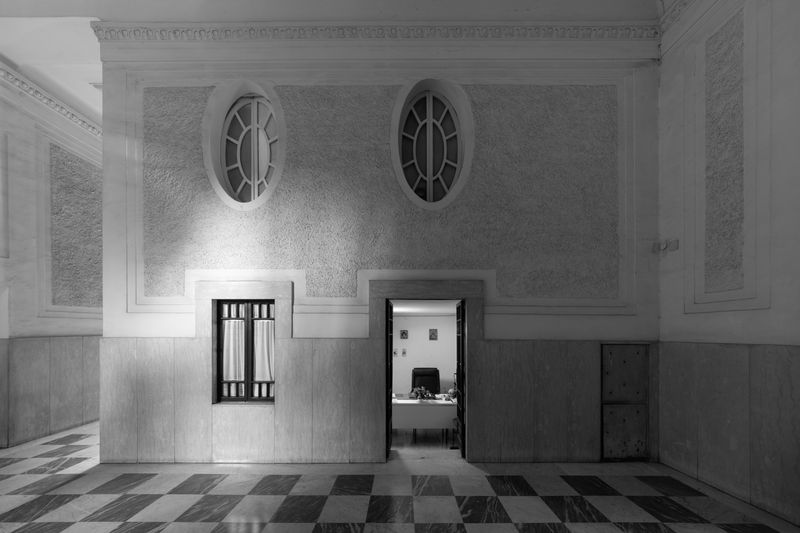
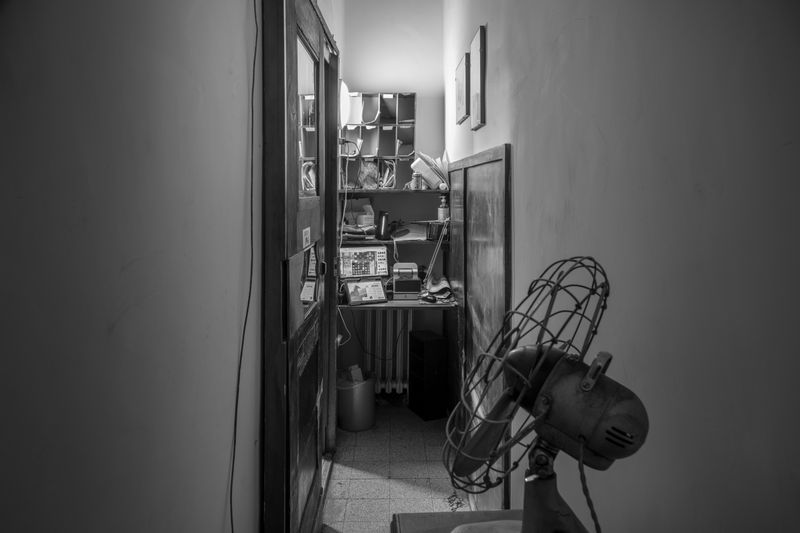
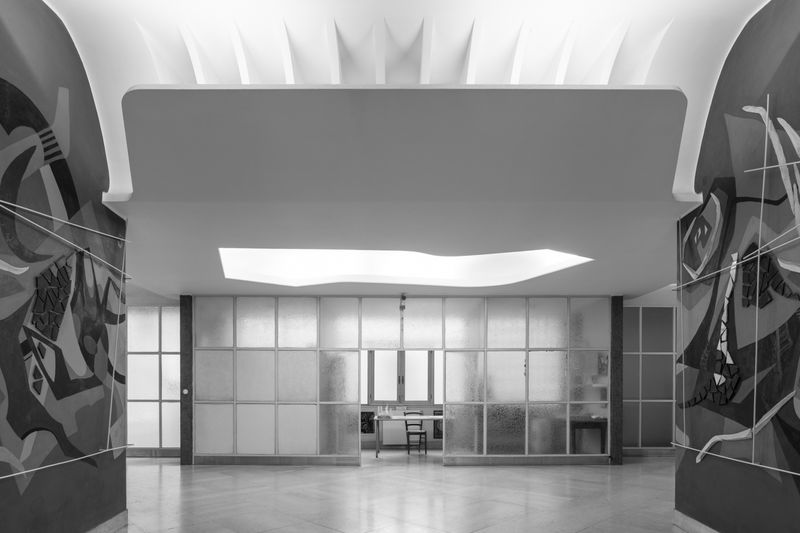
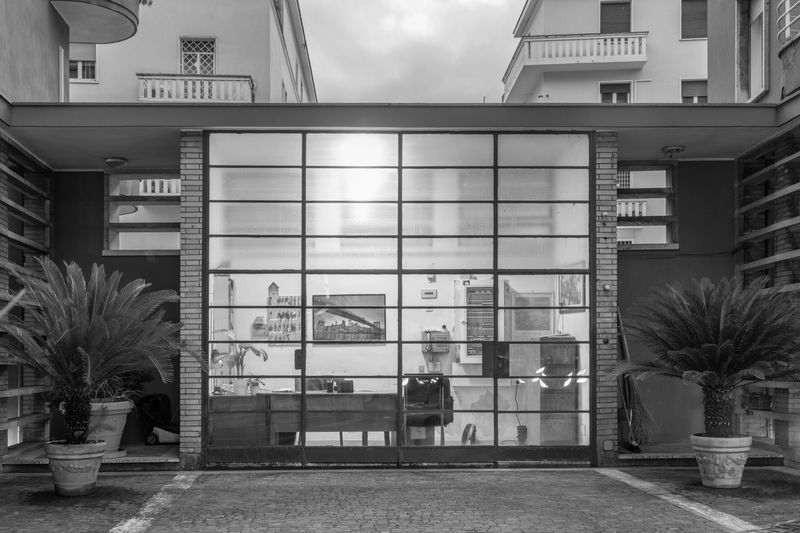
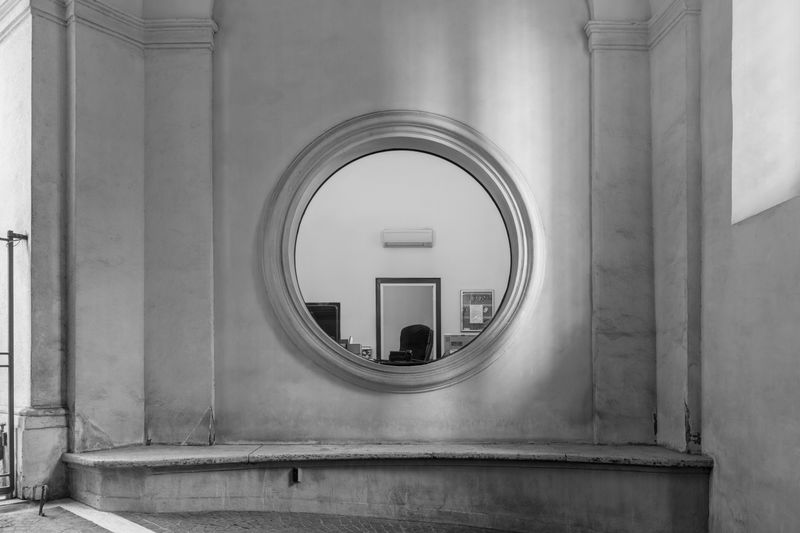
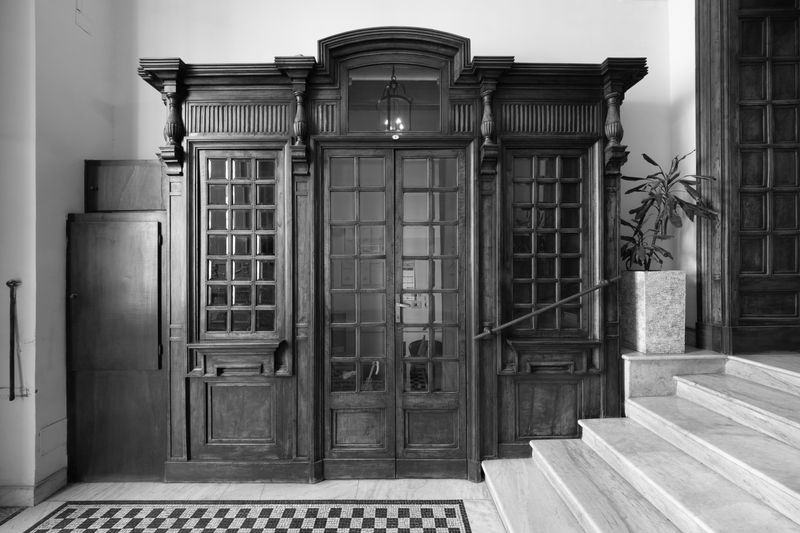
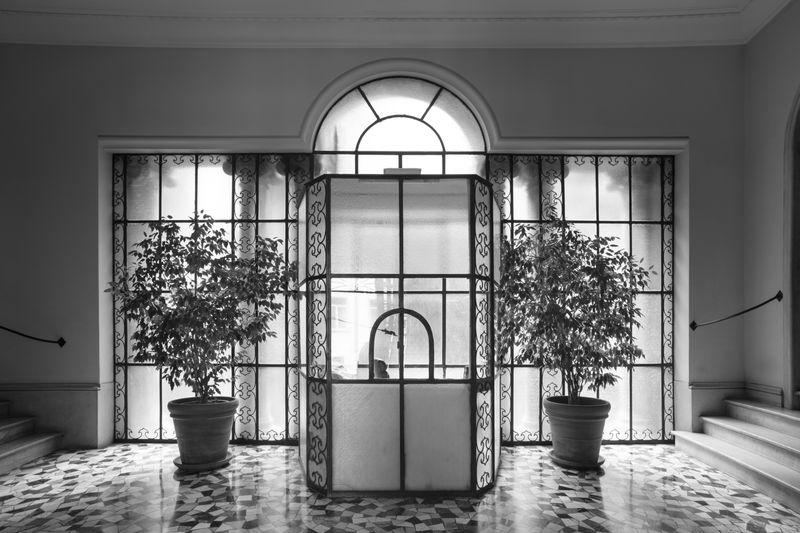
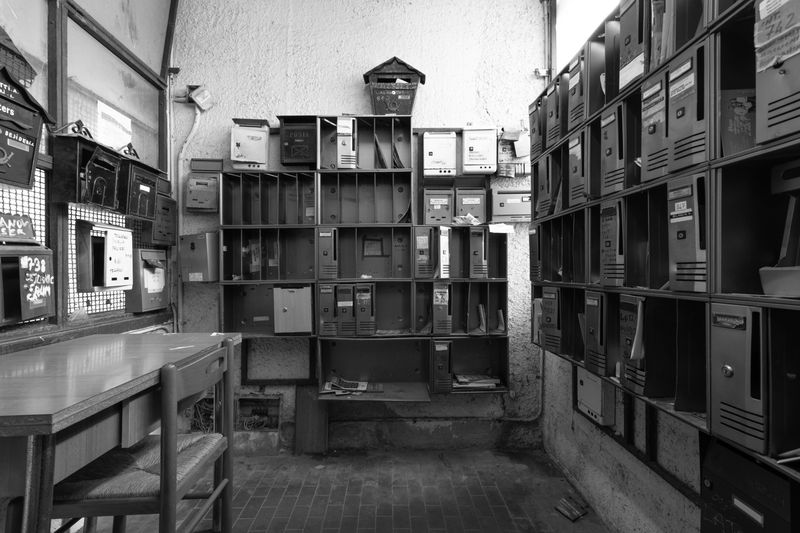
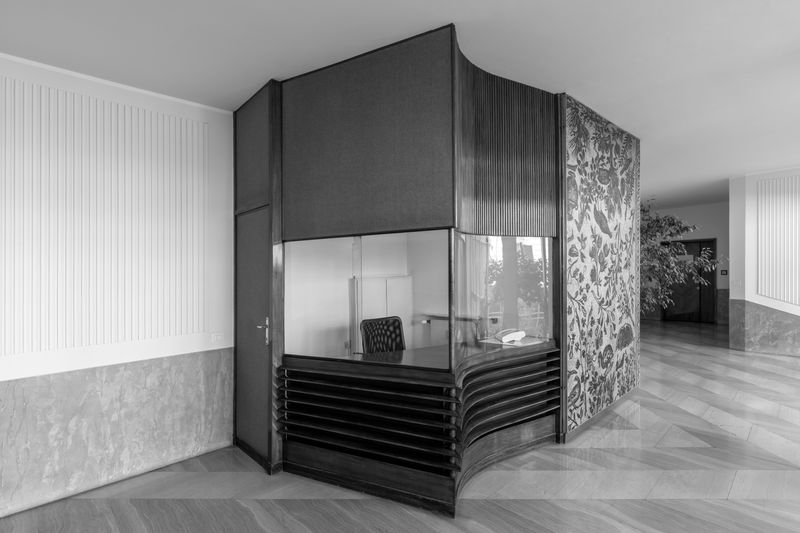
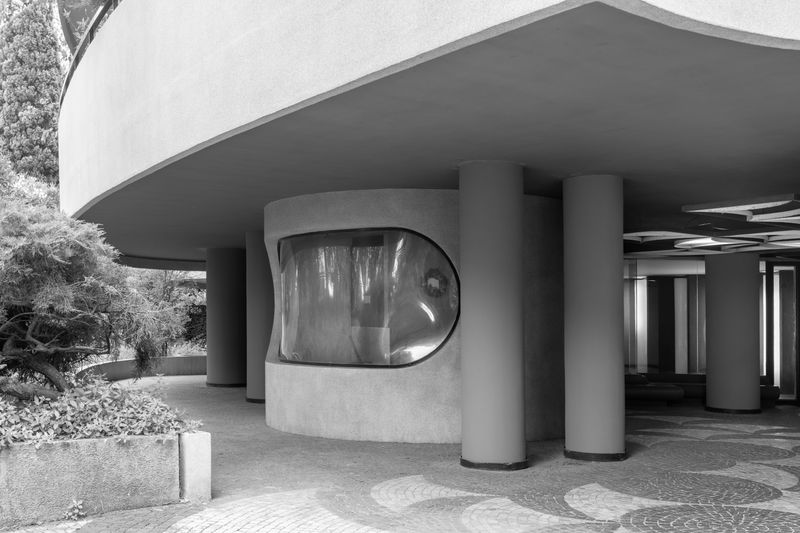
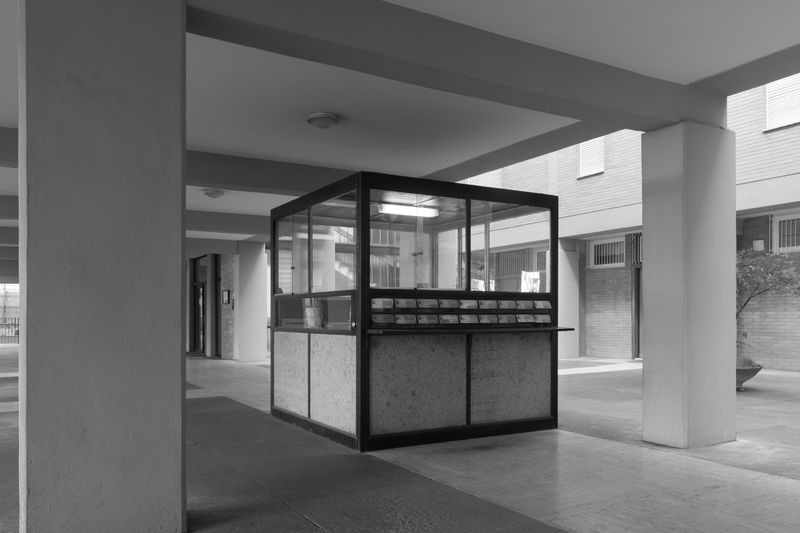
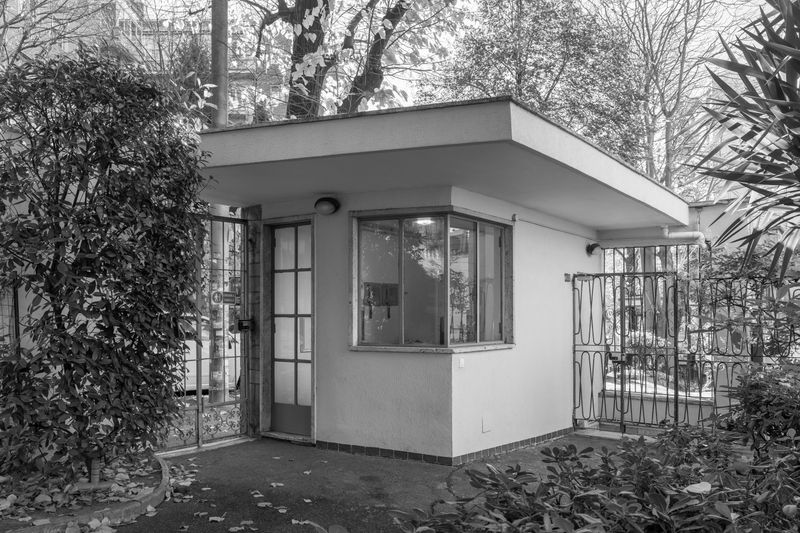
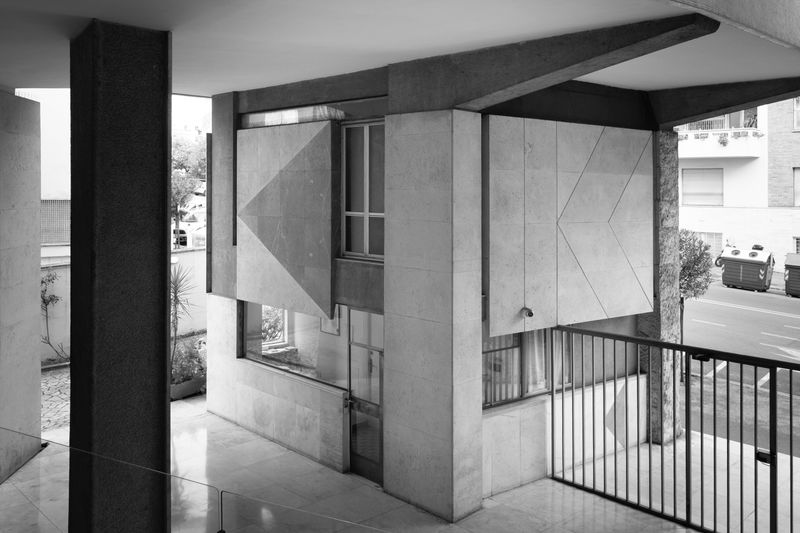
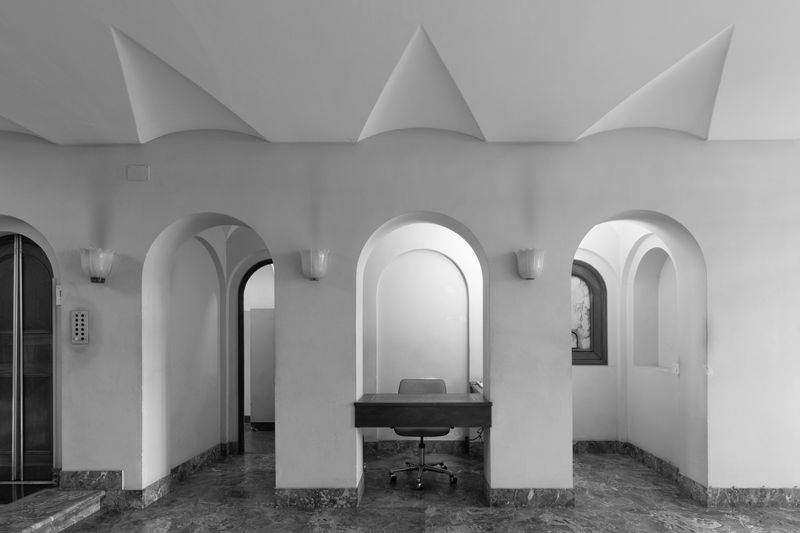
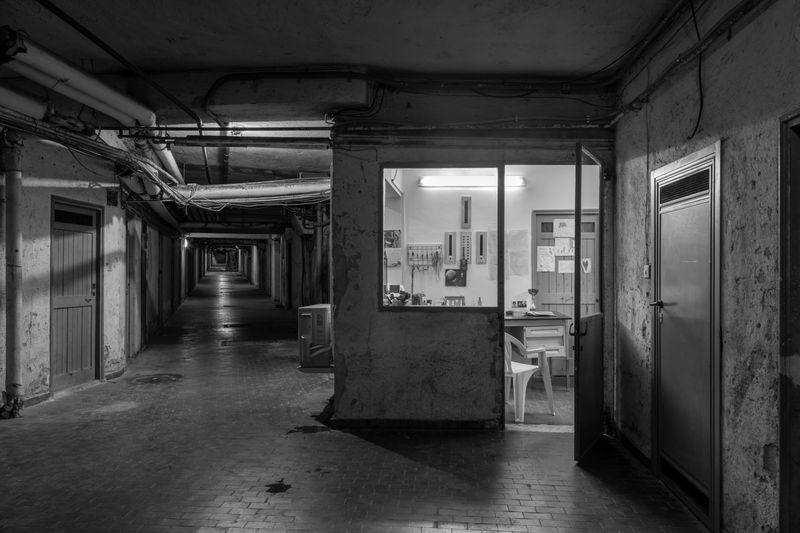
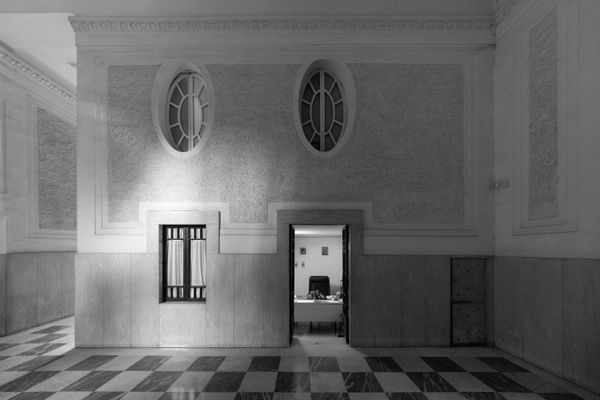
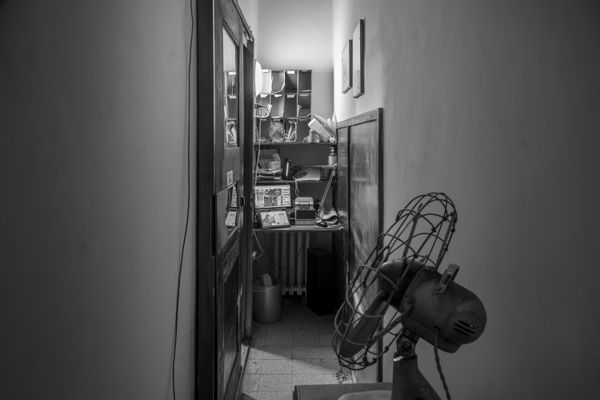
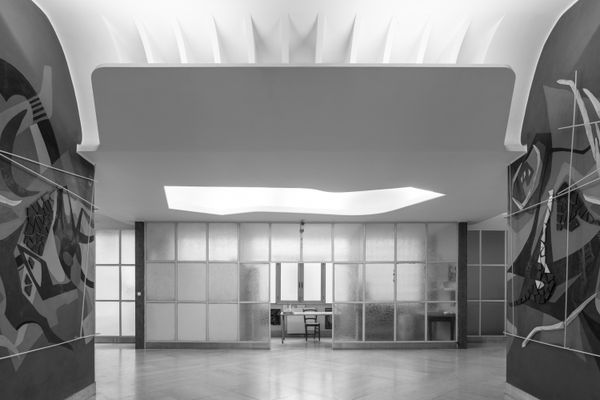
Spacious windows, antiquated desks, compact passageways, and architectures conceived as vetrines, display cases framing the threshold between public and private space.
Portinerie Romane explores a lesser-known element of Roman architecture, highlighting the artistry, inventiveness, and cultural relevance embedded in these small yet significant structures that continue to shape daily life in the city.
Conceived as a study of this peculiar architectural typology of the 20th century, the project began in 2012 with the support of the Faculty of Architecture “Valle Giulia” at La Sapienza University in Rome.
The research began by examining Palazzine (multi-unit building) designed by renowned Italian architects such as Moretti, Ridolfi, Libera, and Pellegrini. As the study progressed, attention shifted to documenting the wide spectrum of solutions employed by these architects: variations in form, materials, furnishings, decorative elements, and spatial arrangements. These Portinerie emerged as intimate laboratories of design, where functional needs intersected with experimentation, precision, and, at times, flashes of eccentricity.
Through this project, the Portinerie are recognized for their enduring significance, reaffirming their vital place within contemporary architectural discourse.
*Note
In Italian, the word portineria (plural: portinerie) broadly refers to the space, usually located at the entrance of a residential building, occupied by the portiere (the building’s caretaker or doorman). In English, the concept overlaps with several terms—porter’s lodge, gatehouse, or even a simple desk.