Pink Fantasy
-
Dates2025 - Ongoing
-
Author
- Topics Portrait, Social Issues, Contemporary Issues, Studio, Fine Art, Photobooks
- Location New York, United States
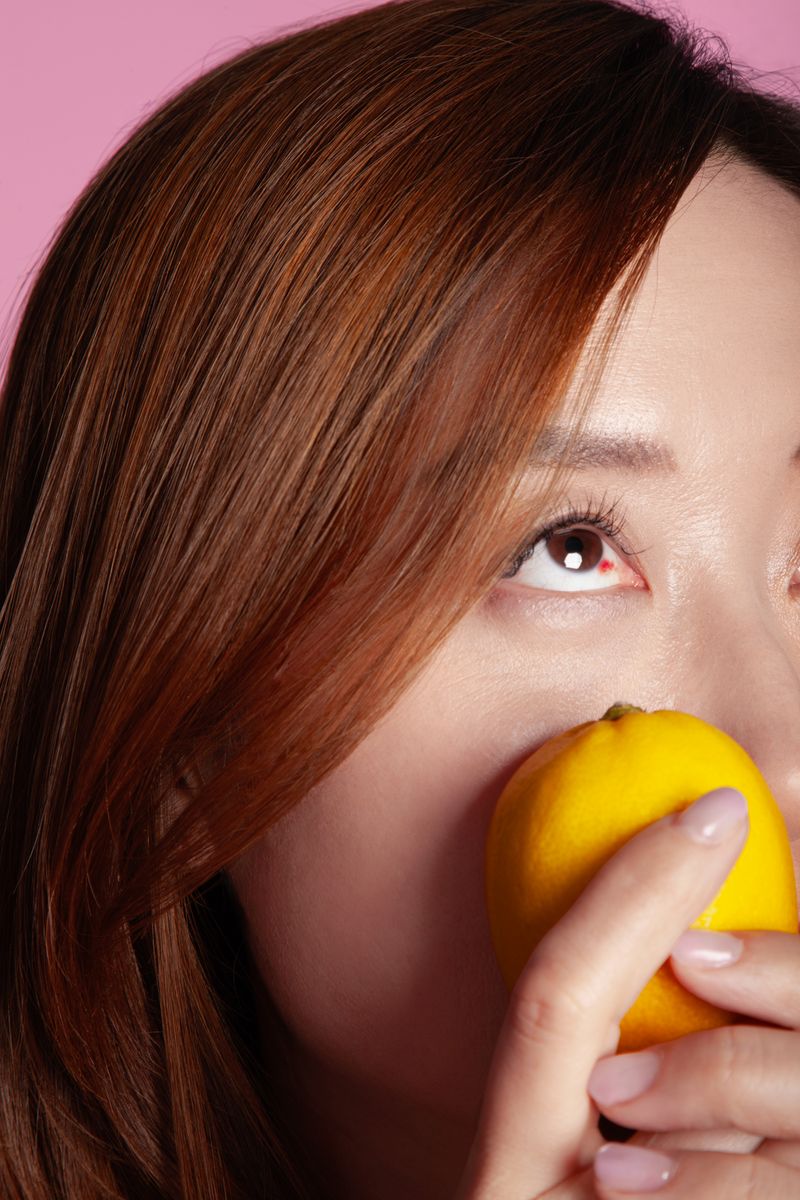
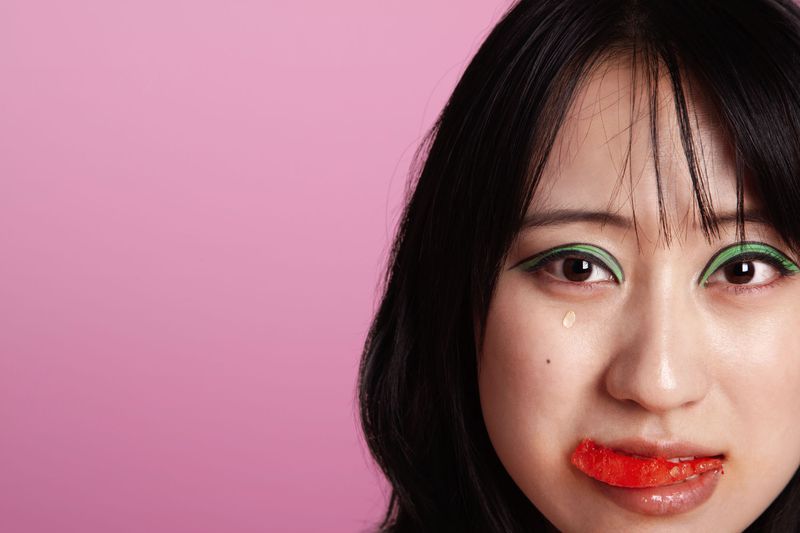
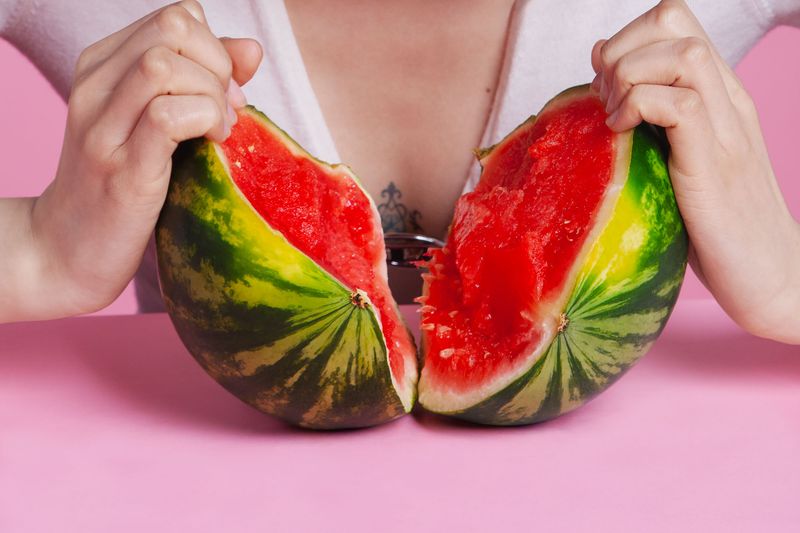
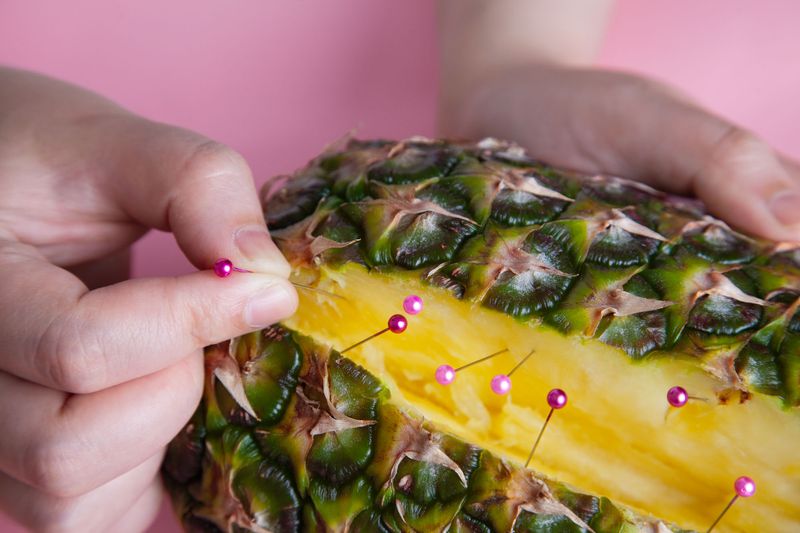
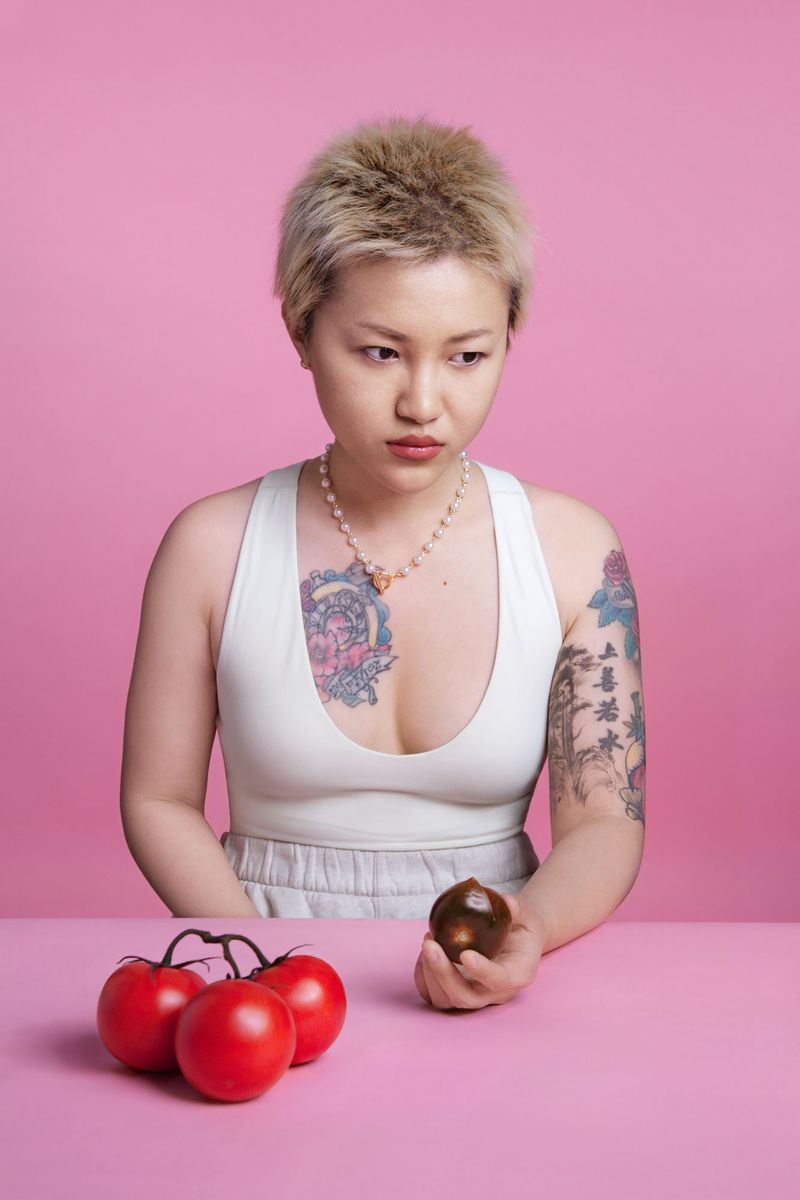
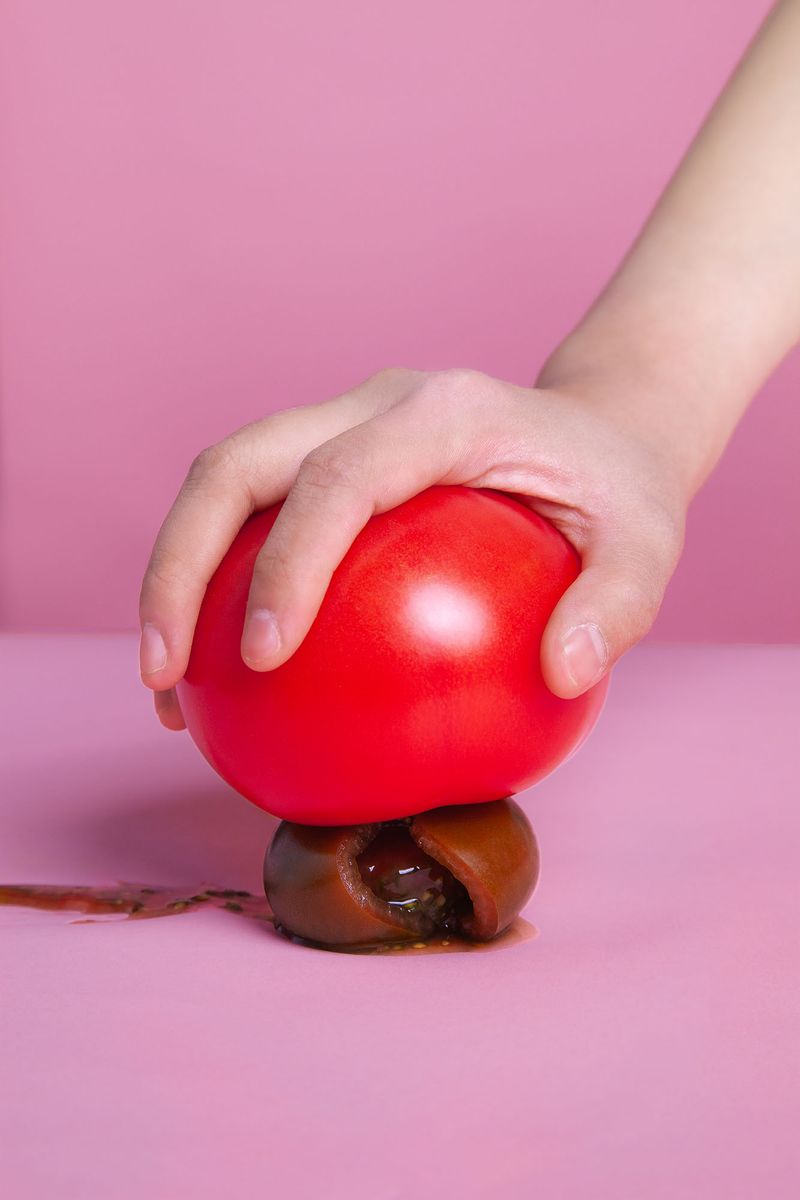
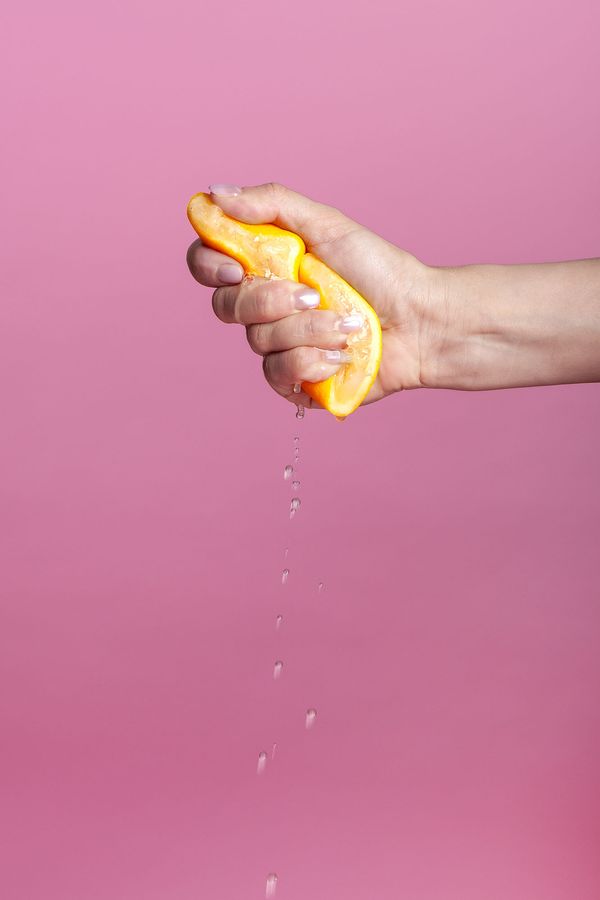
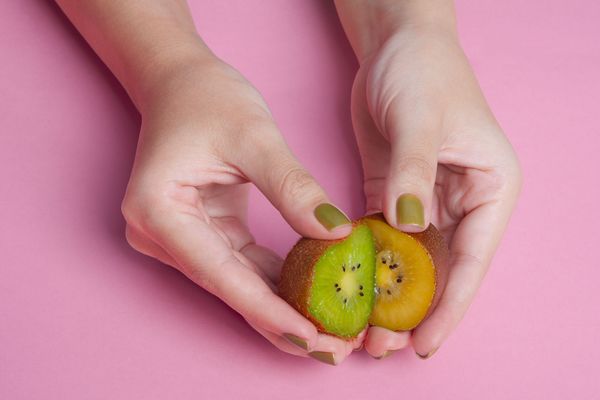
Pink Fantasy explores the gendered situation, identity and agency of East Asian women, especially Chinese women living in major cities abroad through portraits and close-ups, incorporating symbolic visual elements such as the color pink and various fruits
Pink Fantasy originates from Joy Island Lei’s own experience of migration and her experience as a woman. The project explores the gendered situations, identities, and agency of East Asian women—especially Chinese women—who migrate to major cities abroad. From a social and cultural perspective, East Asian women often face gender-related norms and structural constraints. When they leave familiar environments and enter new social, cultural, linguistic, and everyday systems in pursuit of new possibilities, these situations can become even more complex. Drawing on feminist scholar Chizuko Ueno’s statement, “Being a woman isn’t a gender, it’s a situation,” the project further explores the intersections between individual experience and gender, culture, and social structures. The artist is also part of this group and is therefore one of the subjects herself.
Pink Fantasy currently features multiple Chinese women born between 1960 and 2000 who currently live in New York City. Each participant’s personal experience engages with specific themes, such as family of origin, anxiety related to identity and career, marriage, intimate relationships, fertility, gender awareness, and cultural belonging.
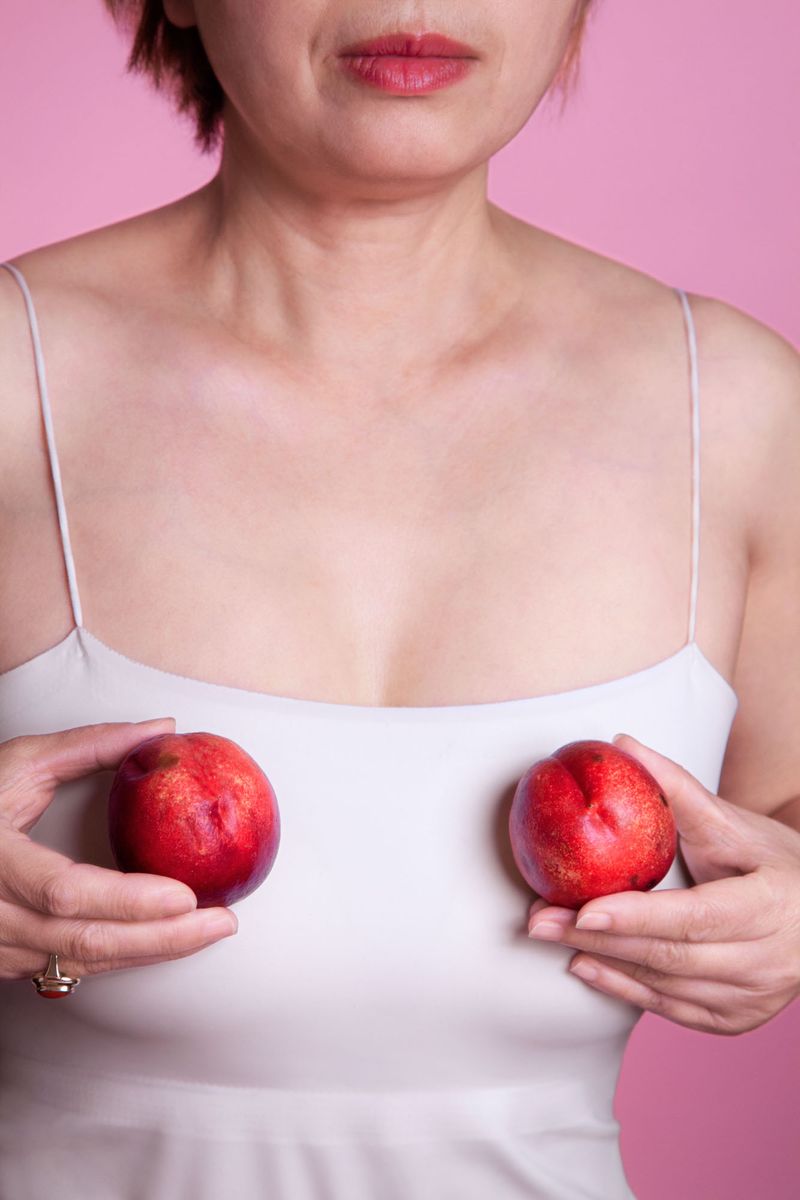
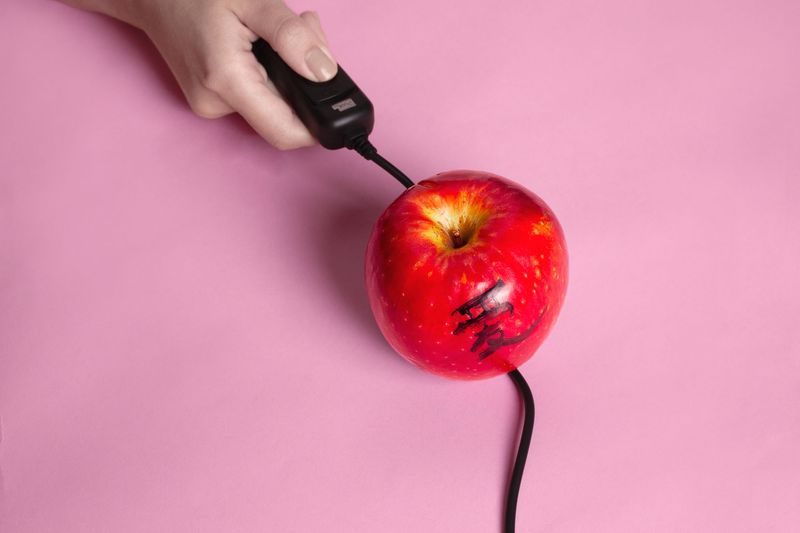
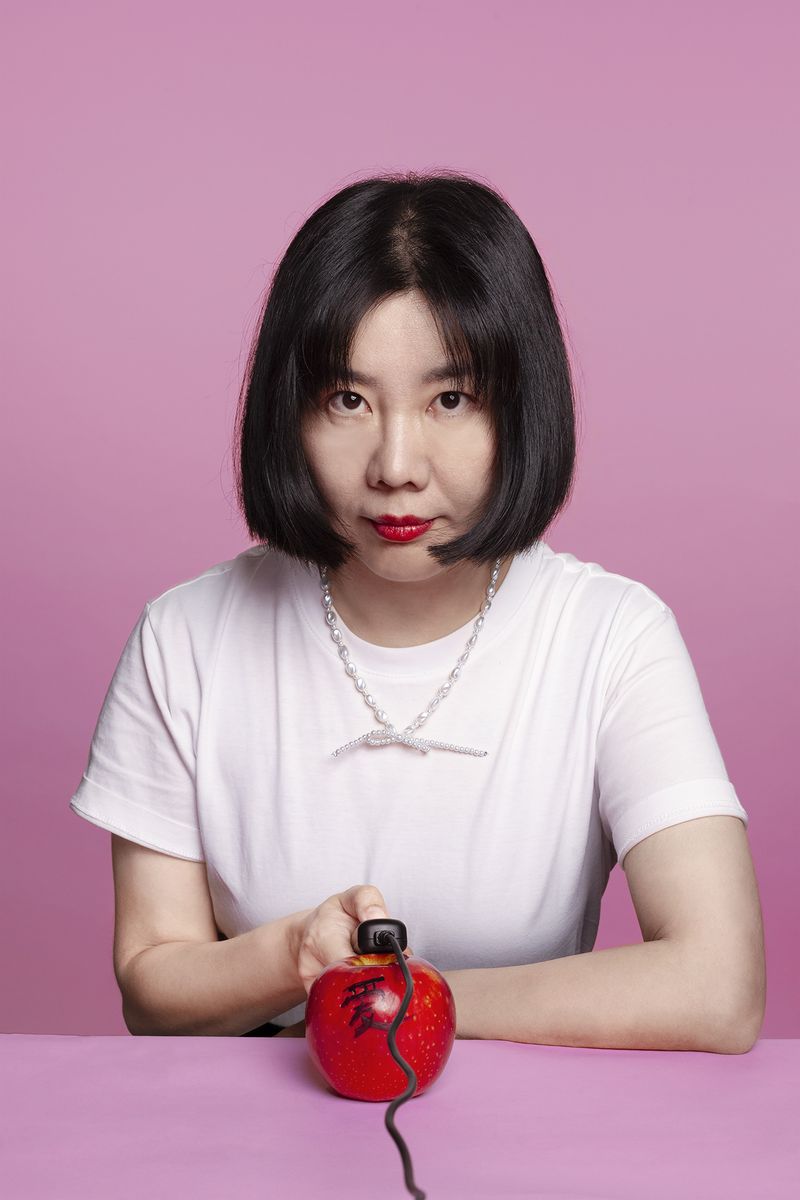
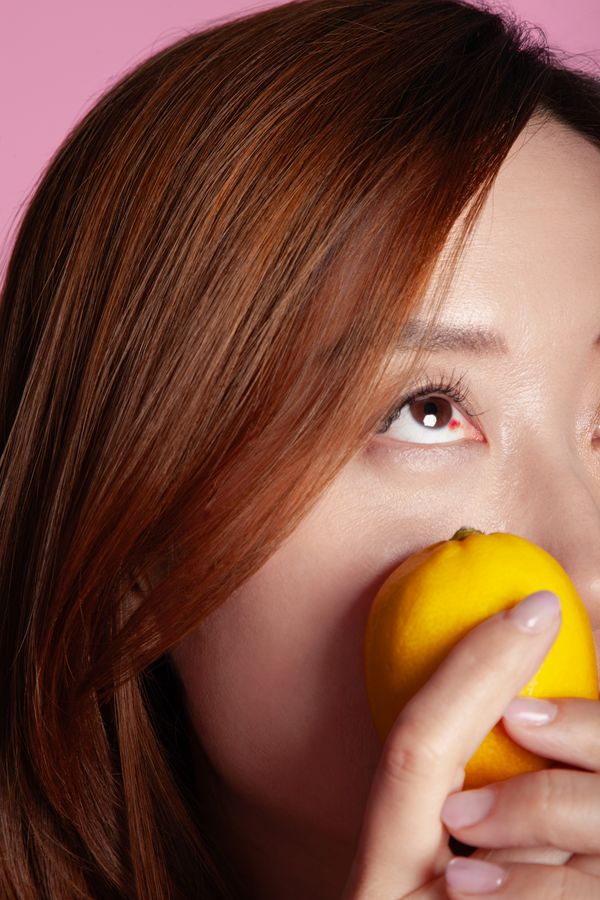
The project combines staged photography and constructed portraiture, and uses fruits, pink, and other metaphorical visual elements to develop a visual narrative. Joy Island invited each subject into the studio and conducted an in-depth conversation before the photoshoot. These conversations were subsequently edited into oral histories for the accompanying book. For her, the studio was not only a space for photography, but also a safe space where she could find stillness amid the major changes of her first year in New York. She therefore hopes that the photographic process can also become a space where both the artist and subject can temporarily step away from everyday life and care for one another.
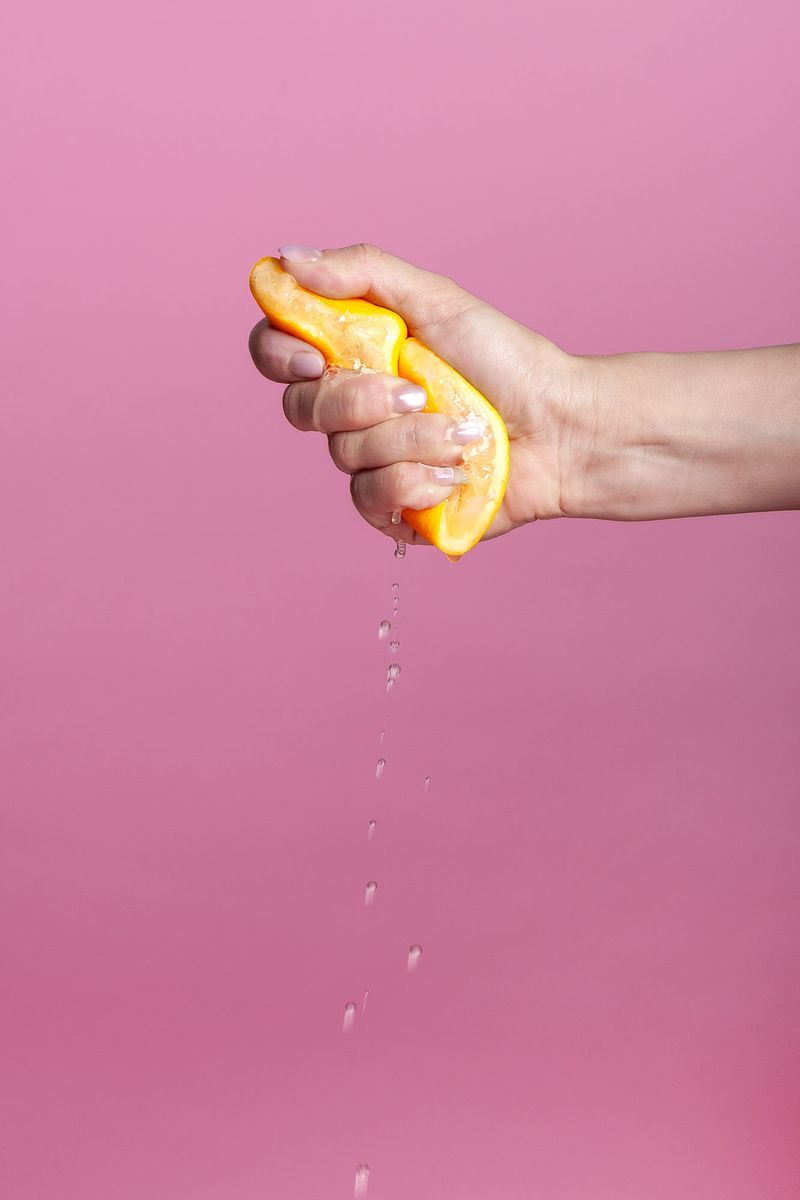
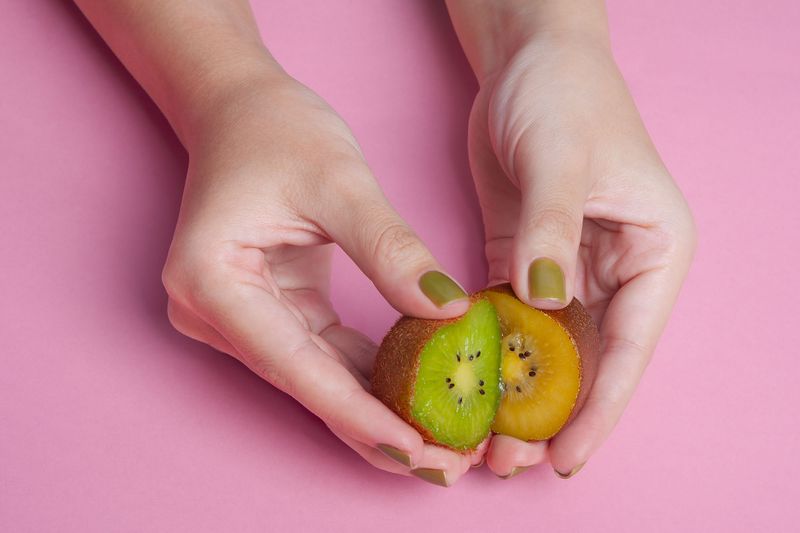
Along with portraits, she shot body close-ups, usually of their hands. She chose pink as the uniform background, exploring how a color so closely associated with gender can participate in the construction of female representation. She also asked each participant to choose a fruit that they felt represented themselves and incorporated it into the image. Like pink, fruit carries longstanding cultural associations with the female body; in literature, film, and everyday discourse, women are often compared to juicy, sensual fruits. By allowing participants to choose this imagery themselves, the project also opens up new possibilities for the relationship between women and these existing symbols.
The series is included in the accompanying book and exhibited at Chateau Gallery in New York, Cambridge Photography Gallery in the UK, Chania International Photo Festival in Greece, deadbooks Gallery in Osaka, and PHOTOFAIRS Shanghai, among others.