Photography, Matter, and Memory
-
Dates2020 - 2026
-
Author
- Locations London, Chile
A series of works exploring photography as a material, embodied phenomenon where image, matter, and memory form an archipelago of interconnected yet singular visual events, emerging through experimental processes that challenge reproduction and emphasize
The project “Photography, Matter, and Memory” sits at the intersection of artistic practice and research, exploring photography as a deeply material, affective, and embodied phenomenon. Through three bodies of work—Grandmother, Siblings, 1980, and Memory and Oblivion—the project expands photographic language toward the tactile and sensory, where image, matter, and memory form an archipelago of isolated yet interconnected visual fragments. In this context, memory is understood not as a fixed or continuous narrative, but as a constellation of discontinuous traces: dispersed, unstable, and constantly shifting.
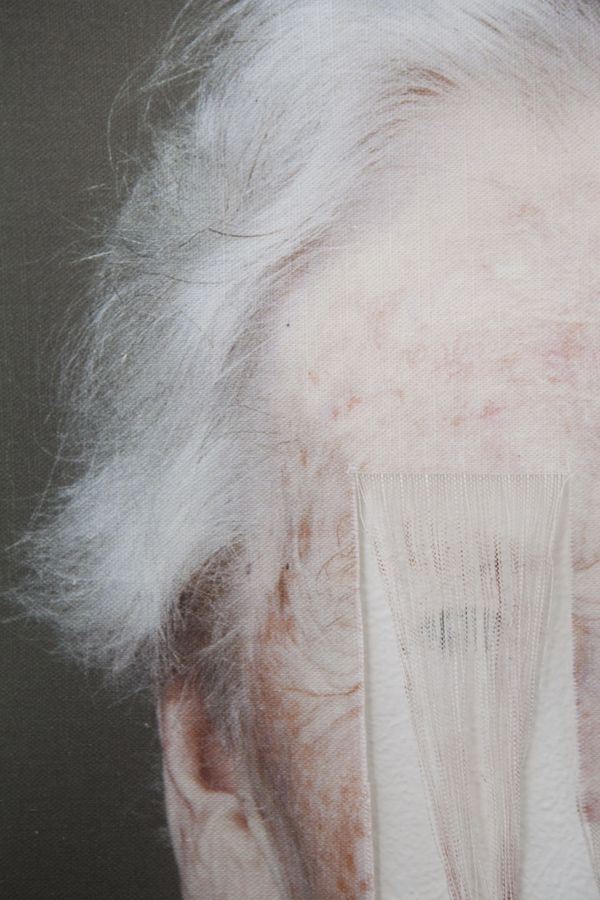
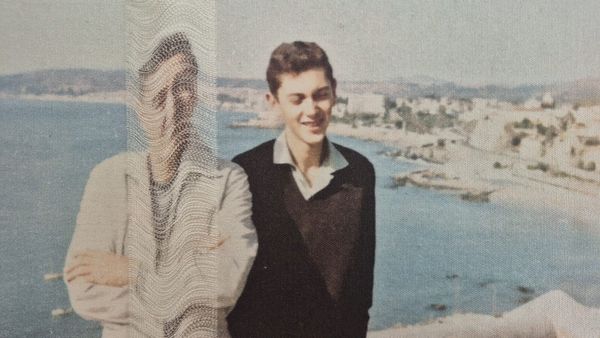
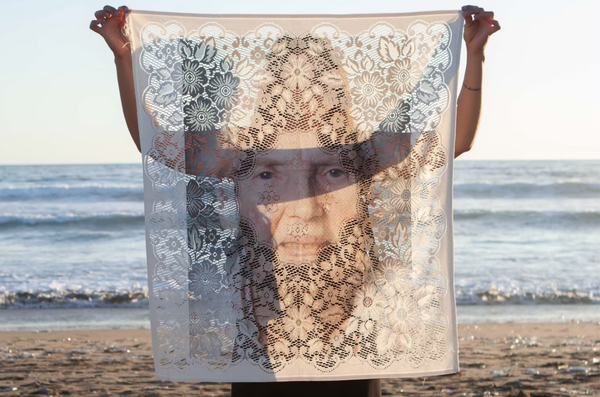
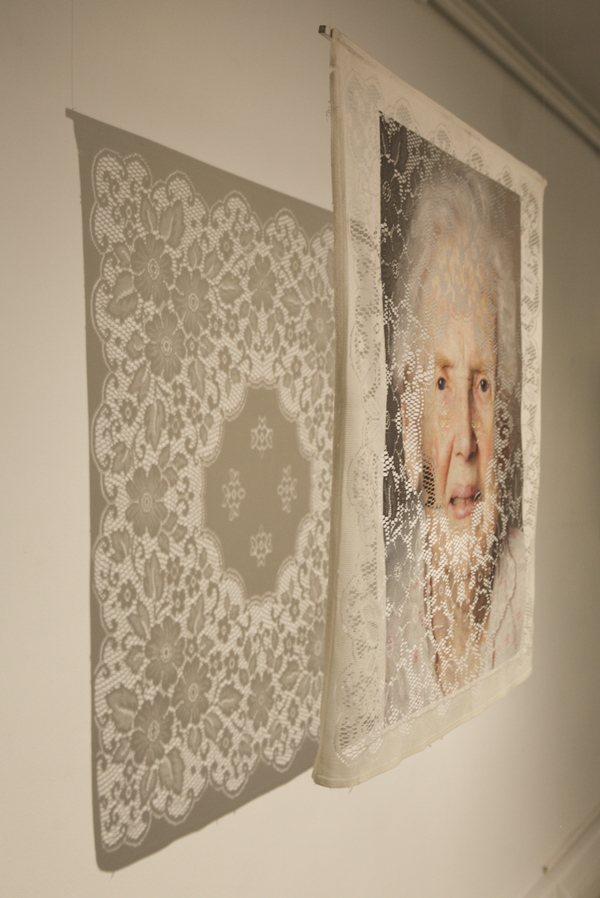
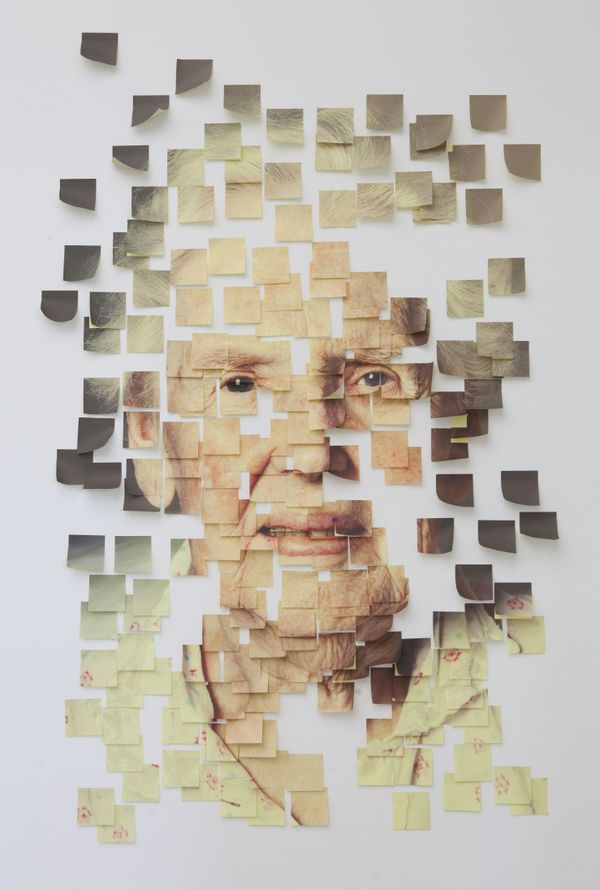
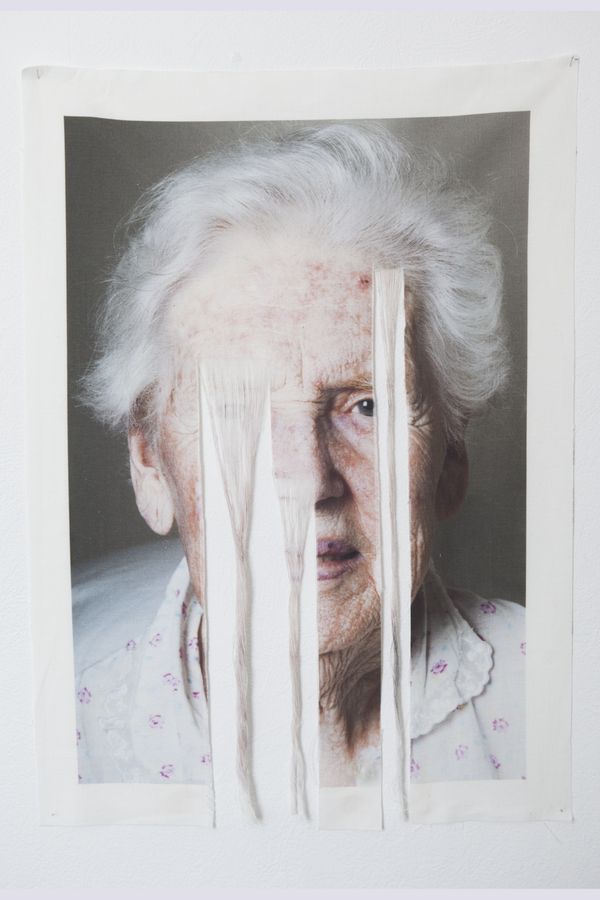
At the core of the project is Grandmother, a series of three portraits of my grandmother, each transformed through different material interventions. These works address the fragility of memory and the progression of Alzheimer’s disease, not through literal representation, but through the instability of the photographic image itself. Photography here no longer functions as a device for fixing time, but as a surface of erosion, accumulation, and transformation. Each portrait becomes an isolated fragment of remembrance that slowly unravels and reconfigures itself, revealing memory as something porous, discontinuous, and in permanent dissolution.
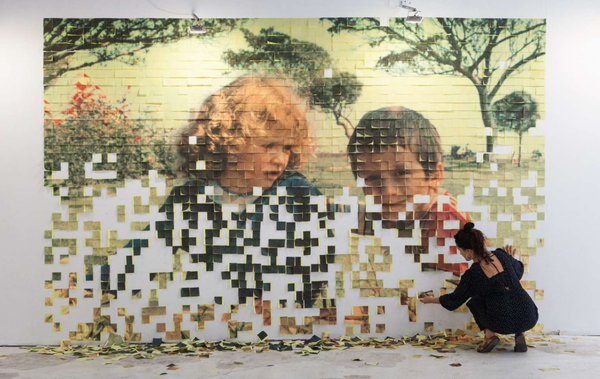
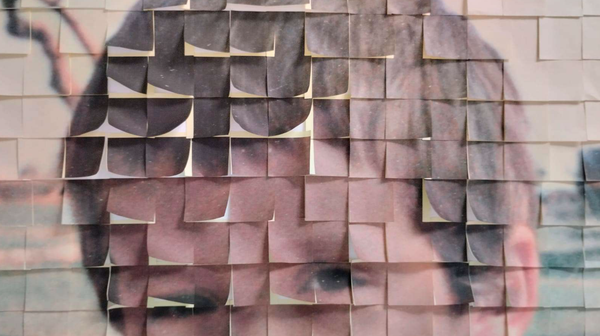
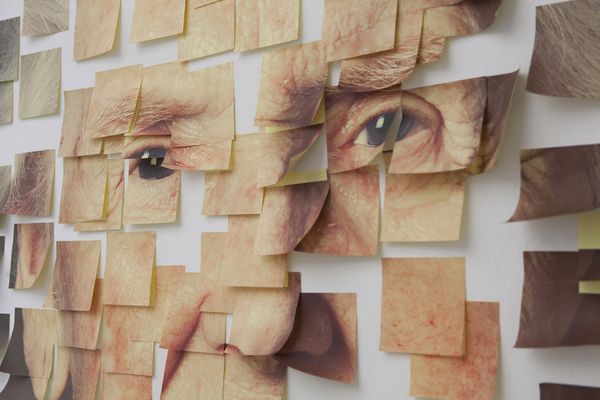
The second work, Siblings, 1980, is a large-scale piece constructed from more than 4,000 Post-it notes. These objects, commonly associated with reminders, transience, and disposability, become the material foundation of a photographic image. Their accumulation forms a fragmented visual surface that challenges photography as a stable record. Instead, the image emerges through repetition, layering, and disappearance, suggesting how memory is assembled through disconnected remnants that persist only temporarily before fading again.
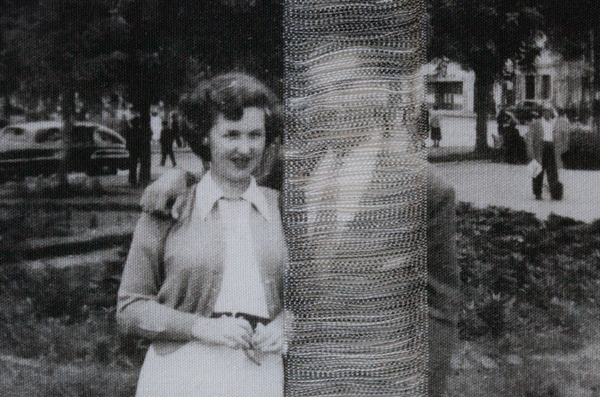
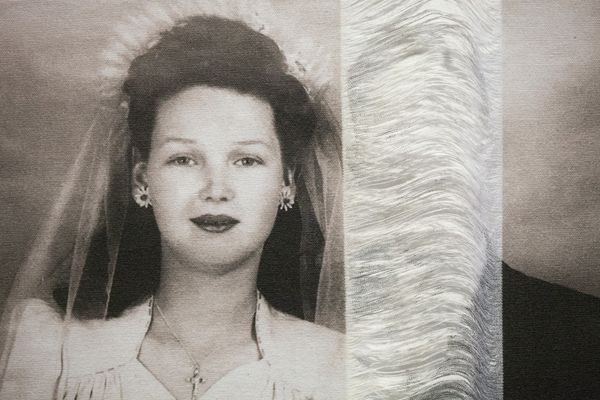
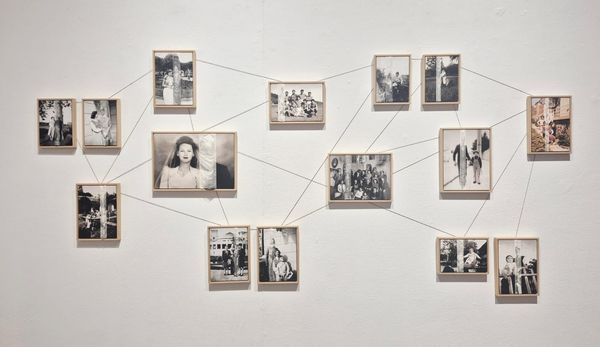
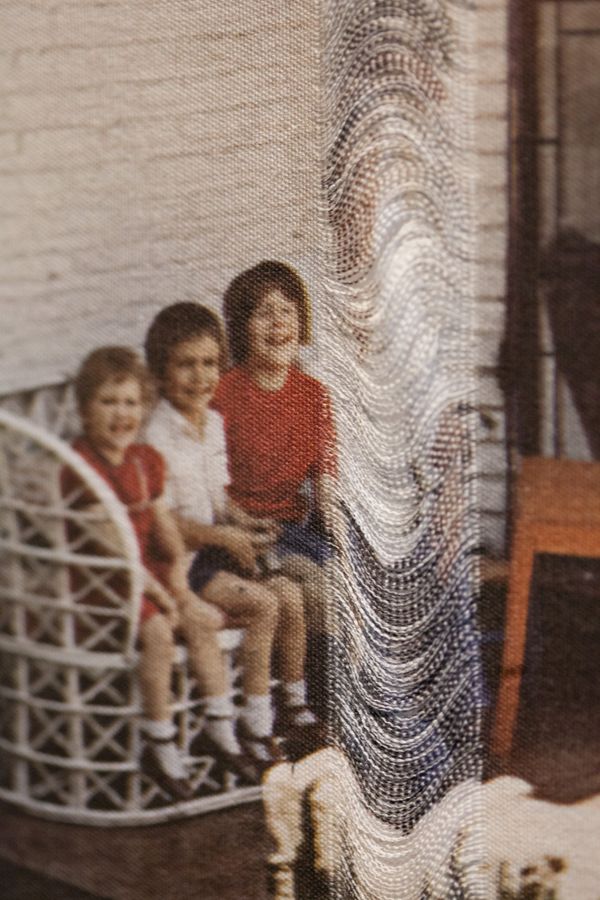
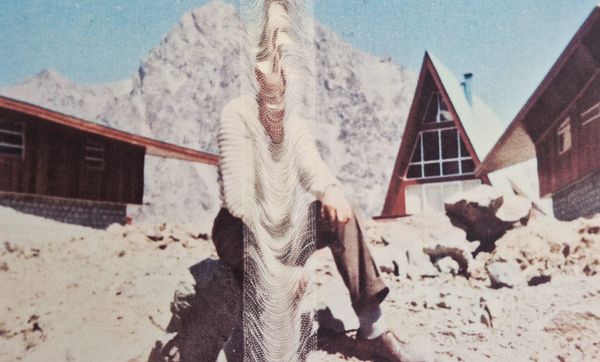
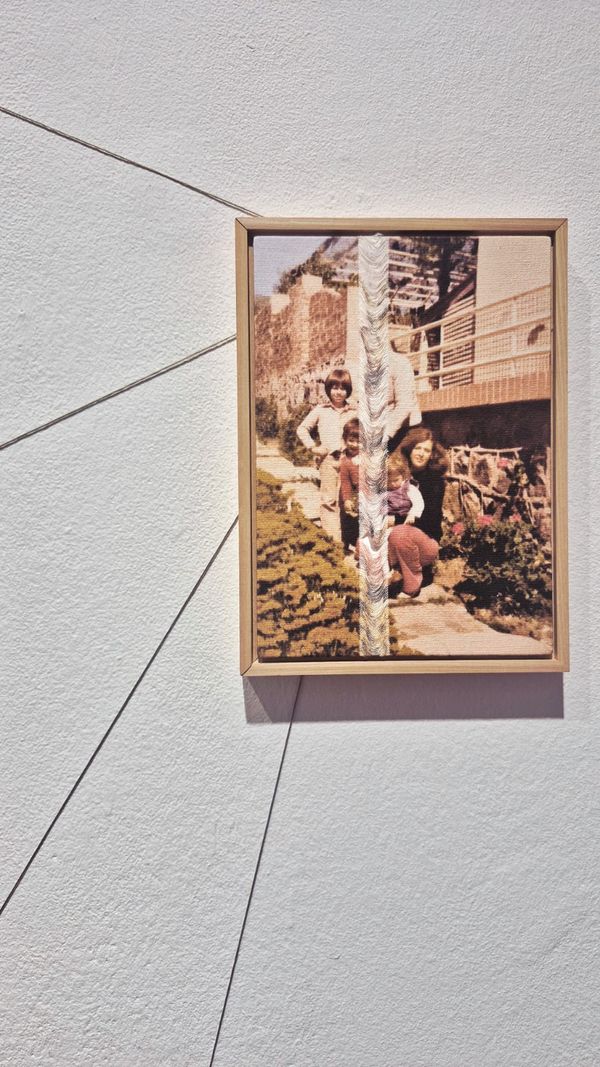
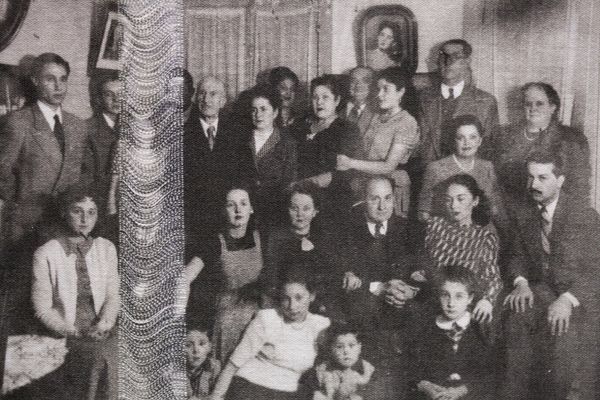
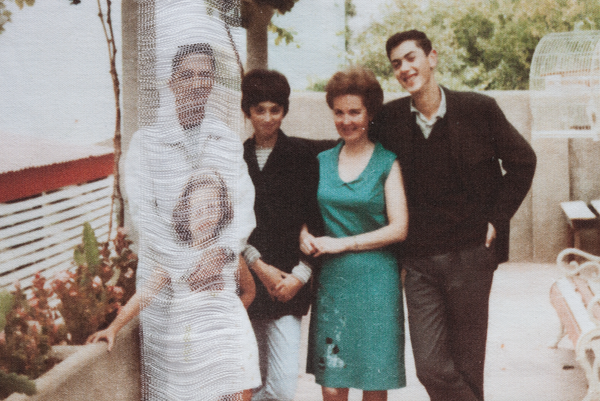
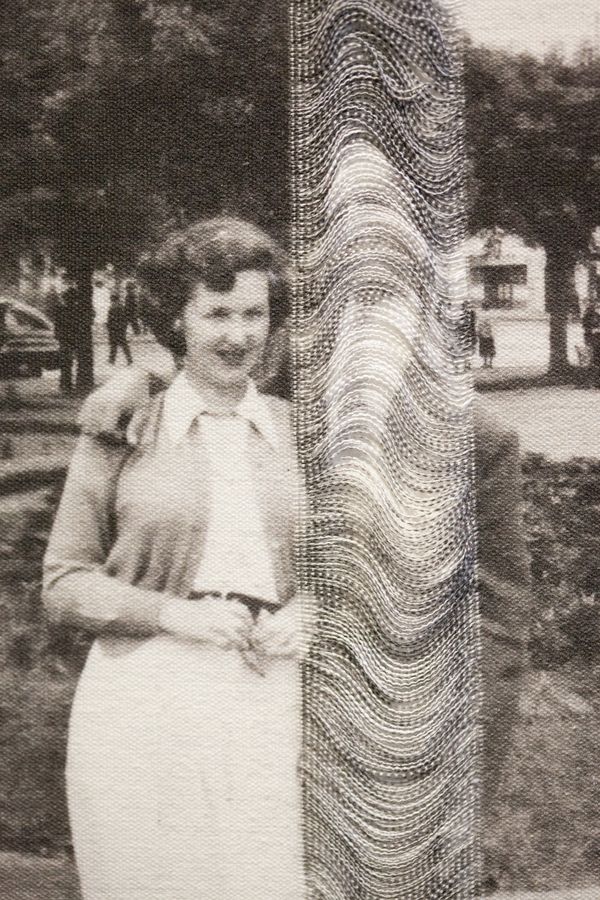
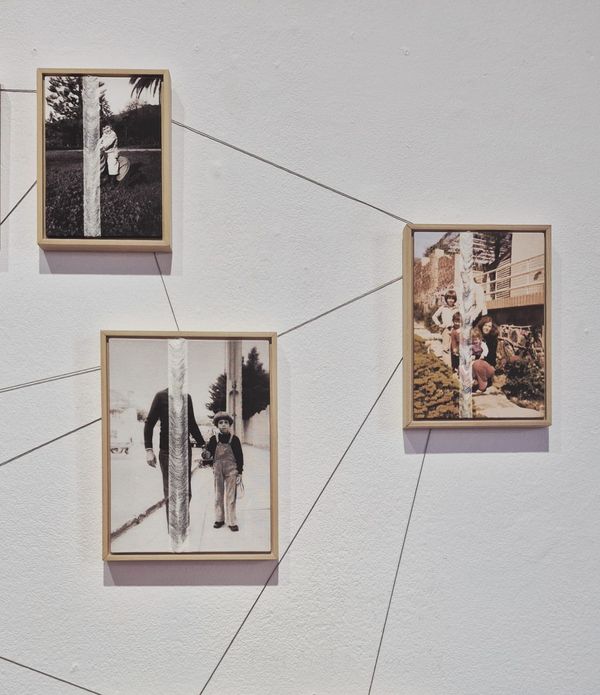
The third work, “Memory and Oblivion,” is a series of hand-altered textile photographs developed from 27 images found in a family archive, in which my grandfather appears after leaving the family home. The works explore memory as a fluctuating territory between presence and absence, where images surface only partially, like isolated recollections suspended in time. Through blurring, fragmentation, and material intervention, the photographs evoke the persistence of what remains while simultaneously pointing to its gradual disappearance. The textile support introduces a tactile and bodily dimension that shifts photography toward the vulnerable and ephemeral, emphasizing its singular and non-reproducible condition.
Together, these three bodies of work form an archipelago of images in which photography extends beyond its traditional function of reproduction and representation. Across their different materialities, the works present incomplete, diffuse, and fragmented visual experiences that echo the way memory itself operates: through isolated appearances, partial traces, and discontinuous moments that emerge and vanish over time. The photographic image is thus understood as a material and sensory event, where each piece exists as a singular territory of memory—autonomous yet connected to others through absence, affect, and lived experience. In this sense, the project proposes a rethinking of photography as an embodied and ephemeral practice situated between image, matter, disappearance, and remembrance.