Paper
-
Dates2023 - Ongoing
-
Author
- Location Lausanne, Switzerland
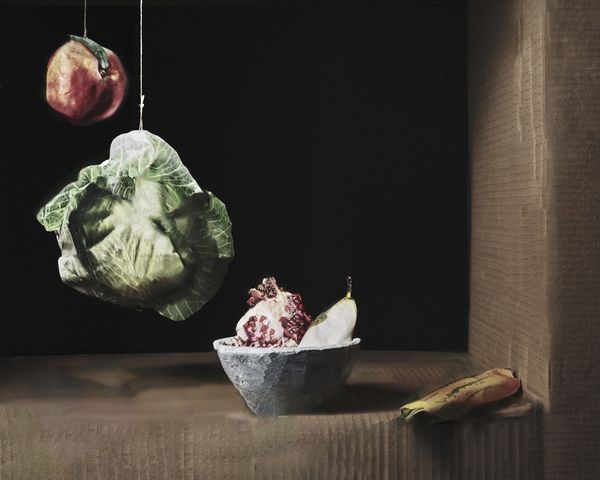
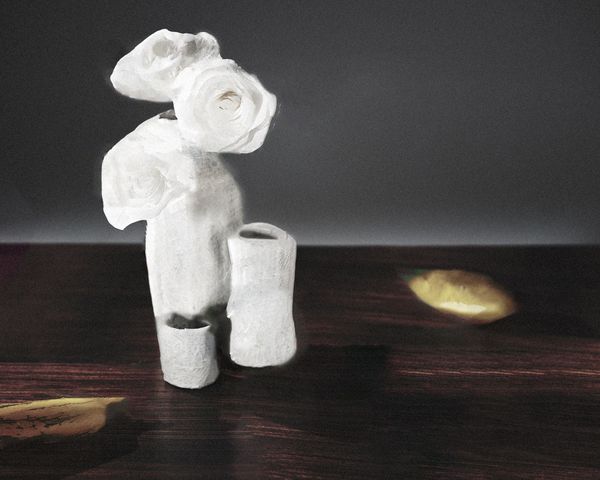
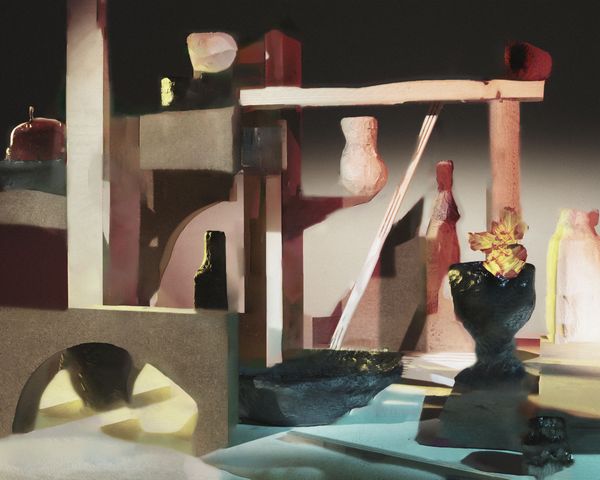
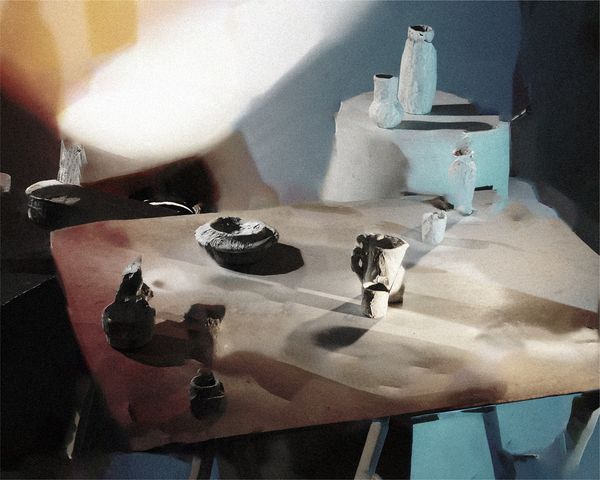
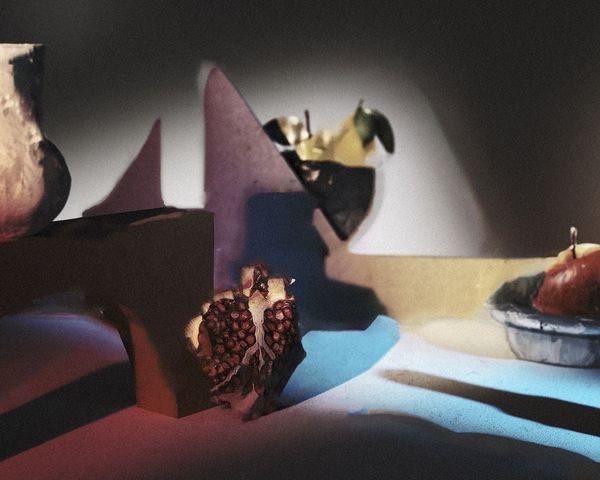
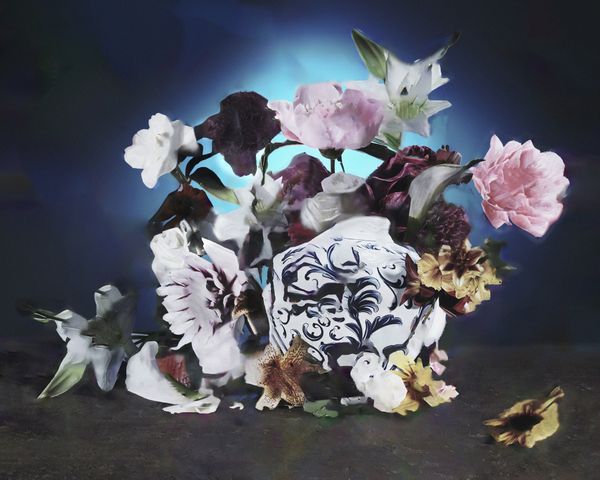
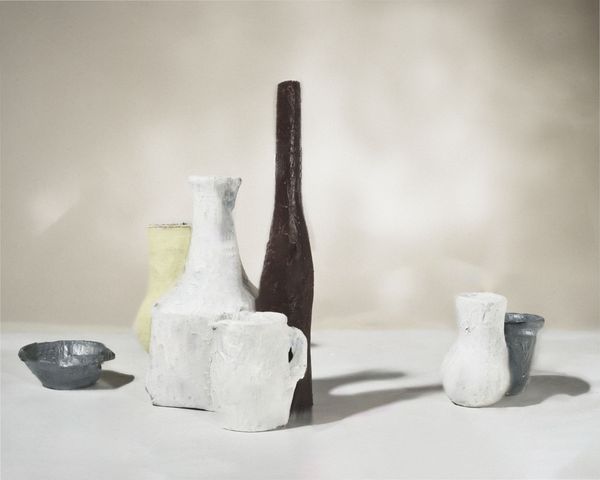
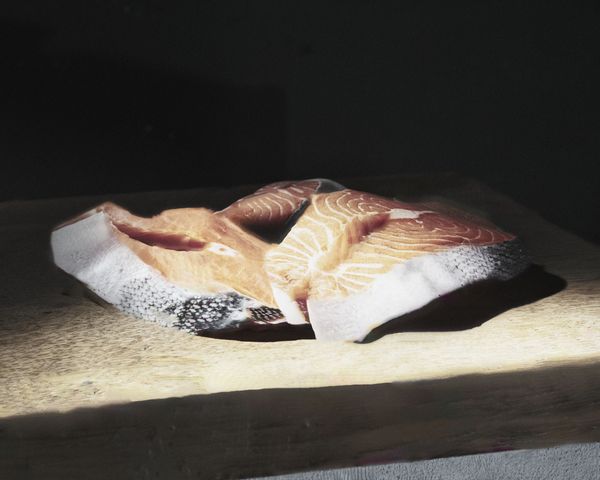
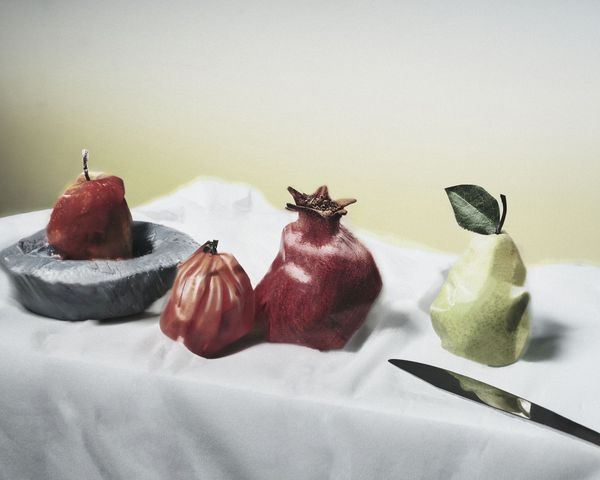
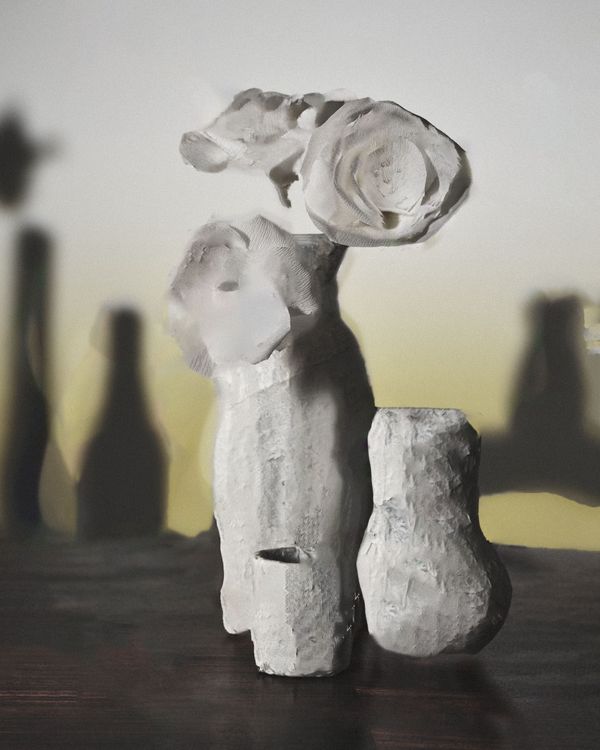
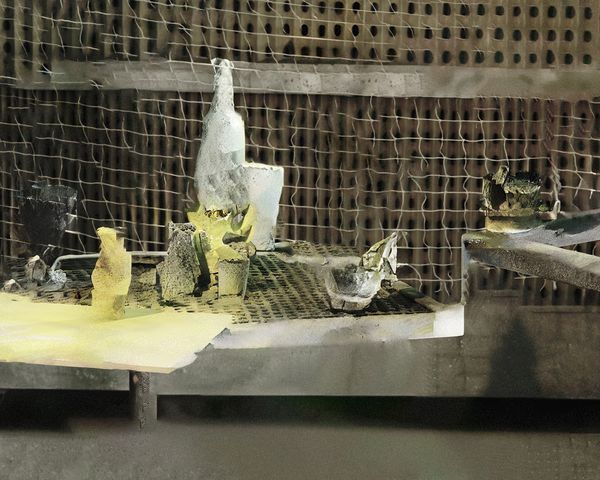
Inspired by Harman's "Object Oriented Ontology", paper decides to become the central subject of still life paintings by molding and shaping itself to recreate iconic artworks.
Drawing inspiration from Graham Harman's "Object Oriented Ontology," a concept portraying objects with consciousness and emotion that elevate them beyond mundane existence, the series titled "Paper" unfolds as a development of this philosophy. Initially sparked by the influences of Giorgio Morandi, Jan Groover, and Dan Gordon, paper takes center stage, purposefully stepping beyond its conventional role as a canvas for sketches and ideas. In a deliberate choice to recreate iconic still-life scenes – be it an apple, a vase, or a tablecloth – paper emerges as a conscious entity, transcending its utilitarian origins. This deliberate evolution positions paper as the very soul of the artwork, seamlessly intertwining the realms of tangible reality and metaphysical transcendence.
To accomplish the transformation from a mere attempt at replicating paintings to embodying the essence of the artwork itself, the newest AI-powered "remove tool" in Photoshop becomes the instrumental brush in this creative process. The tool delicately corrects and conceals the inherent imperfections associated with paper and the production techniques shaping the depicted objects, such as papier-mâché and cutouts.
Functioning akin to a digital painter's brush, the AI tool becomes an integral part of the artistic narrative. Stroke by stroke, it erases the imperfections, allowing a new texture to emerge. The resulting artwork captures not just a flawless image but a textured canvas born from the machine's earnest endeavor to comprehend, refine, and, in a paradoxical twist, perfect the very material it transforms – paper.