Palawan Seas

Palawan Seas is a long-term personal project exploring our human relationships with the ocean.

Palawan, is an archipelago of 1,780 islands in the far western Philippines. Isolated between the Sulu Sea and the West Philippine Sea, it lies at the heart of the Coral Triangle, a critically important bioregion with the highest marine biodiversity on our planet. In 1990 it was named a UNESCO Biosphere Reserve, a model and a microcosm for figuring out human relationships with the natural world.

The story of the peoples of Palawan is intricately connected to the life of the seas; its coral-fringed islands were among the first in South East Asia to be settled by humans around 50,000 years ago. The indigenous peoples of Palawan have always lived in keeping with the tides, moon, monsoon winds, and rains. Nature has defined every aspect of their existence, from the practical to the spiritual.

In recent years, the strains of the modern world have taken their toll. Industrial fishing and pollution are destroying ocean ecosystems. Climate change threatens coral reefs with extinction within our lifetime. Palawan is rapidly developing; with just 35,000 inhabitants at the turn of the Twentieth Century, it is now home to over a million people.

But there are movements to protect the archipelago’s extraordinarily rich natural resources. Palawan has become home to a growing number of environmental groups working on the conservation and rehabilitation of marine and coastal ecosystems.

For me, Palawan is home, and also a microcosm of the larger world around me. Palawan Seas is a long-term photographic project that captures the inter-relationships that have long defined life here. It is a unique visual narrative of a place and people on the verge of what may be irreversible change, but also a story of collaborations and connection that seeks to ensure a better future for Palawan and the planet.
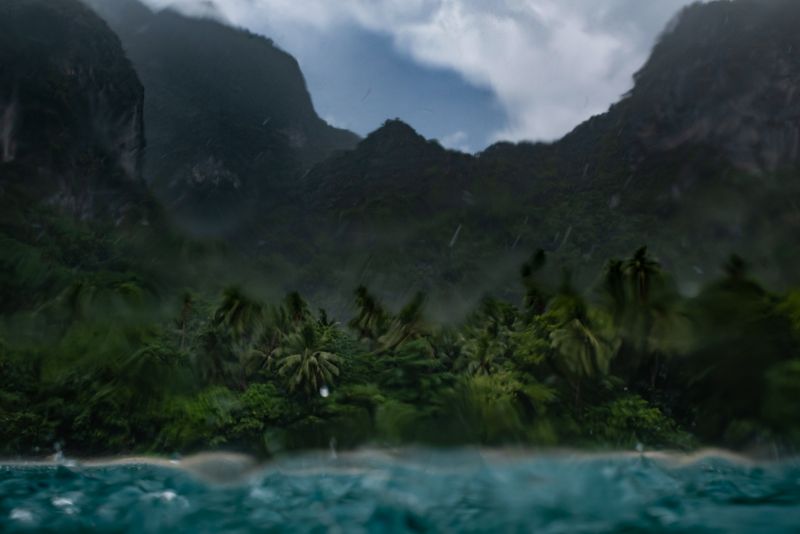
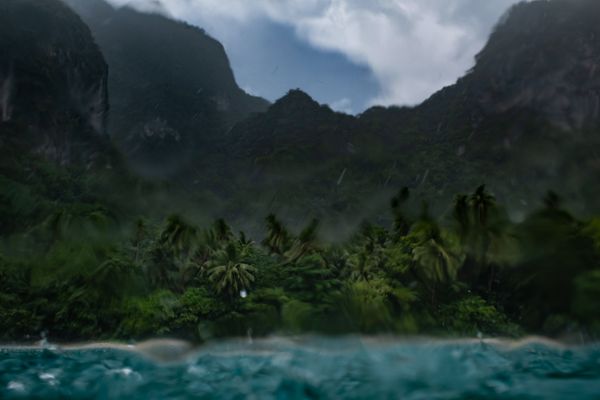
© Katherine Jack - Rainstorm on Cadlao Island. Palawan 2019
i

Rainstorm on Cadlao Island. Palawan 2019

© Katherine Jack - Image from the Palawan Seas photography project
i

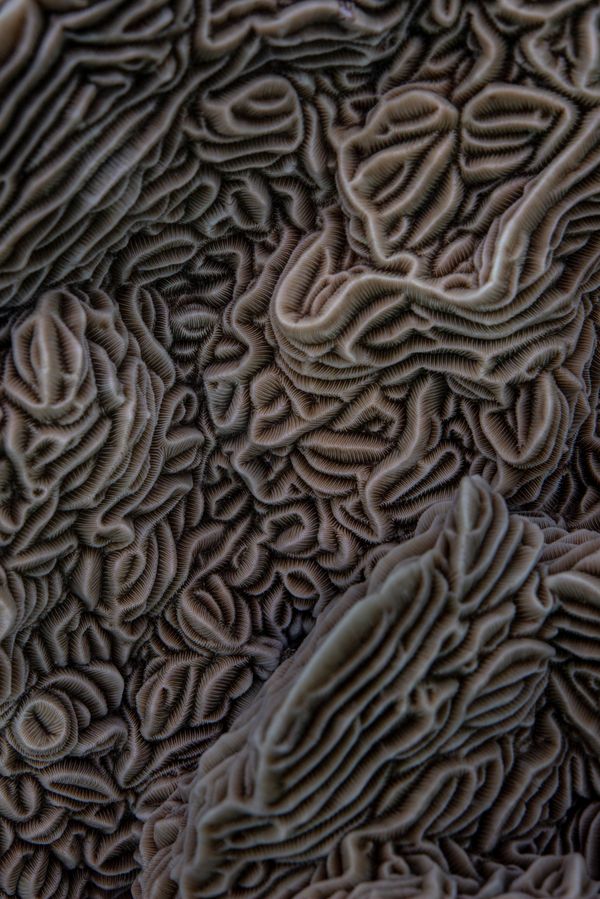
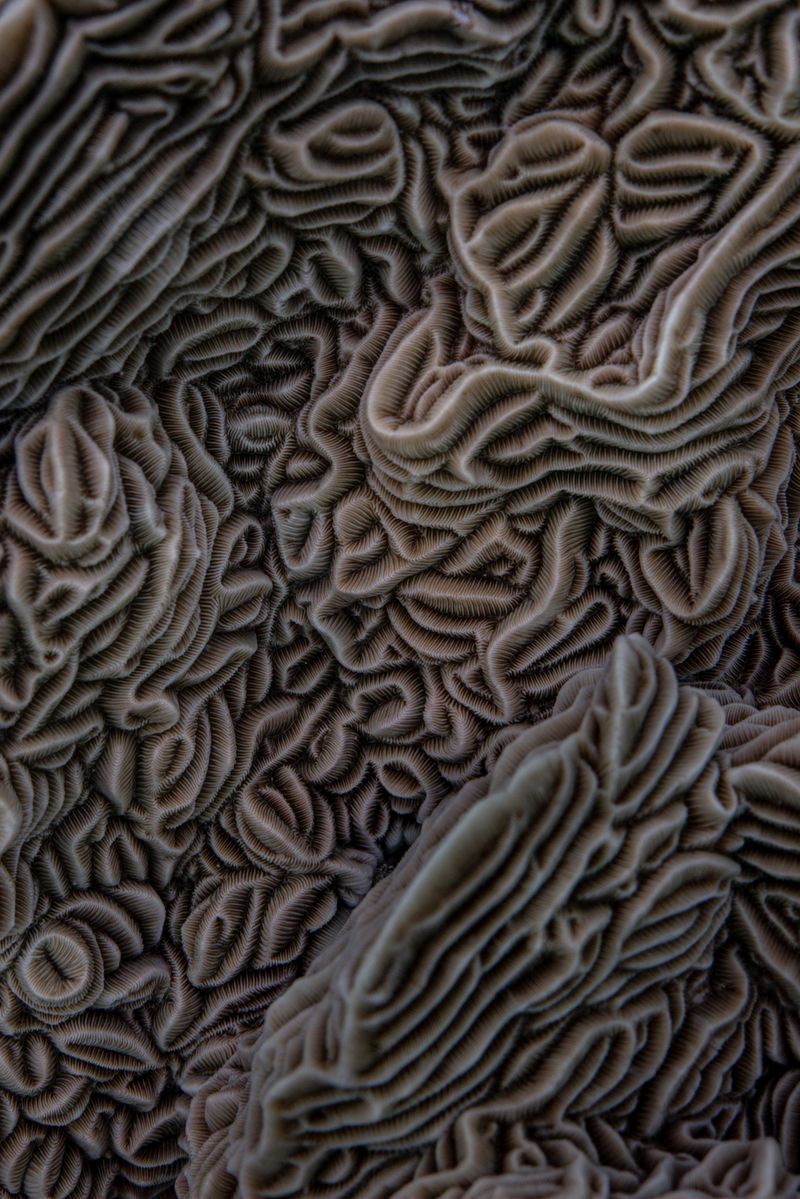
Coral structure. Northern Palawan has one of the highest diversities of reef-building corals within the Coral Triangle. Daracoton Bay, Palawan 2021

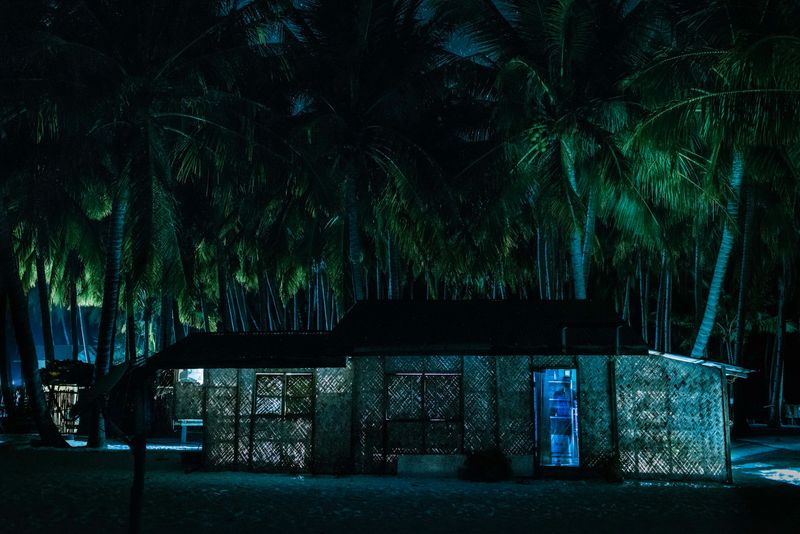
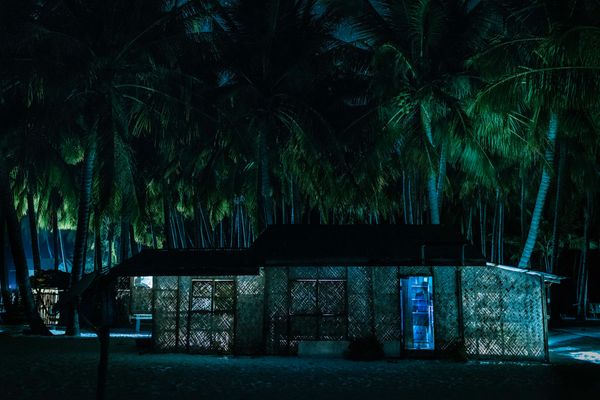
© Katherine Jack - A man stands in the doorway of his solar-powered home in Daracoton village. Palawan, 2017
i

A man stands in the doorway of his solar-powered home in Daracoton village. Palawan, 2017

© Katherine Jack - Image from the Palawan Seas photography project
i

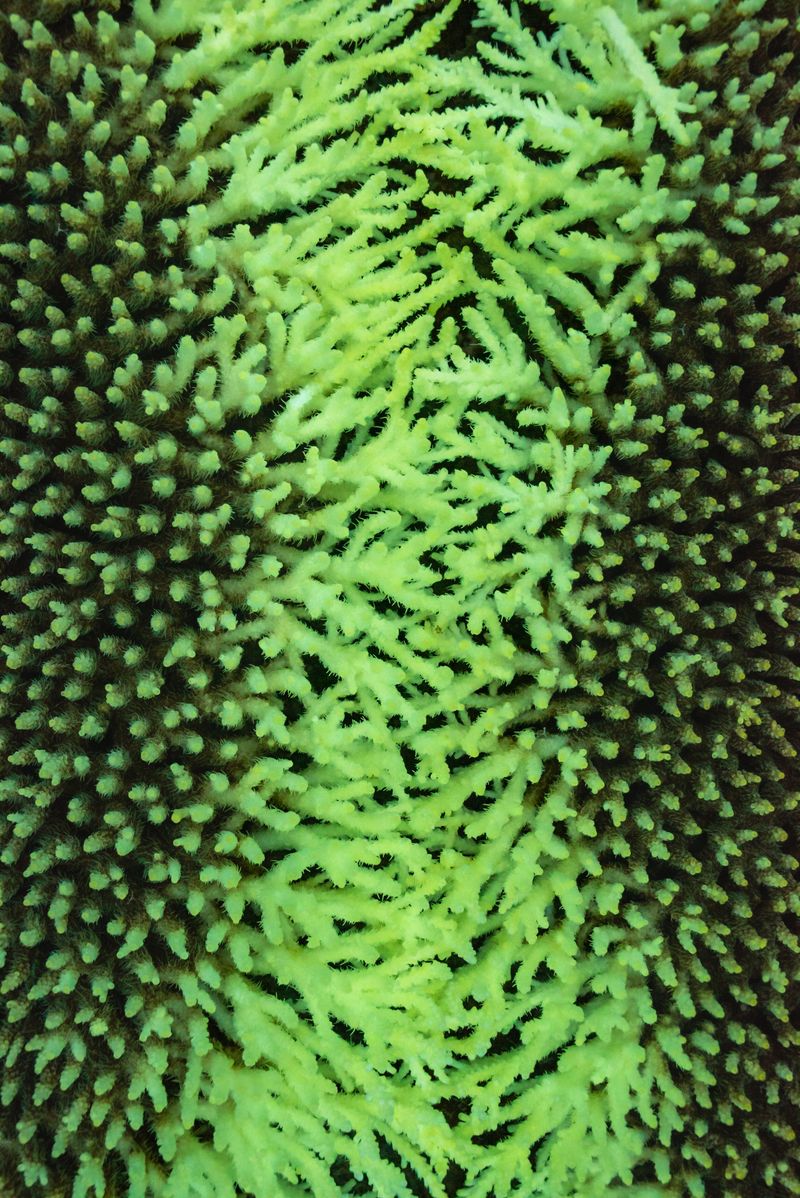
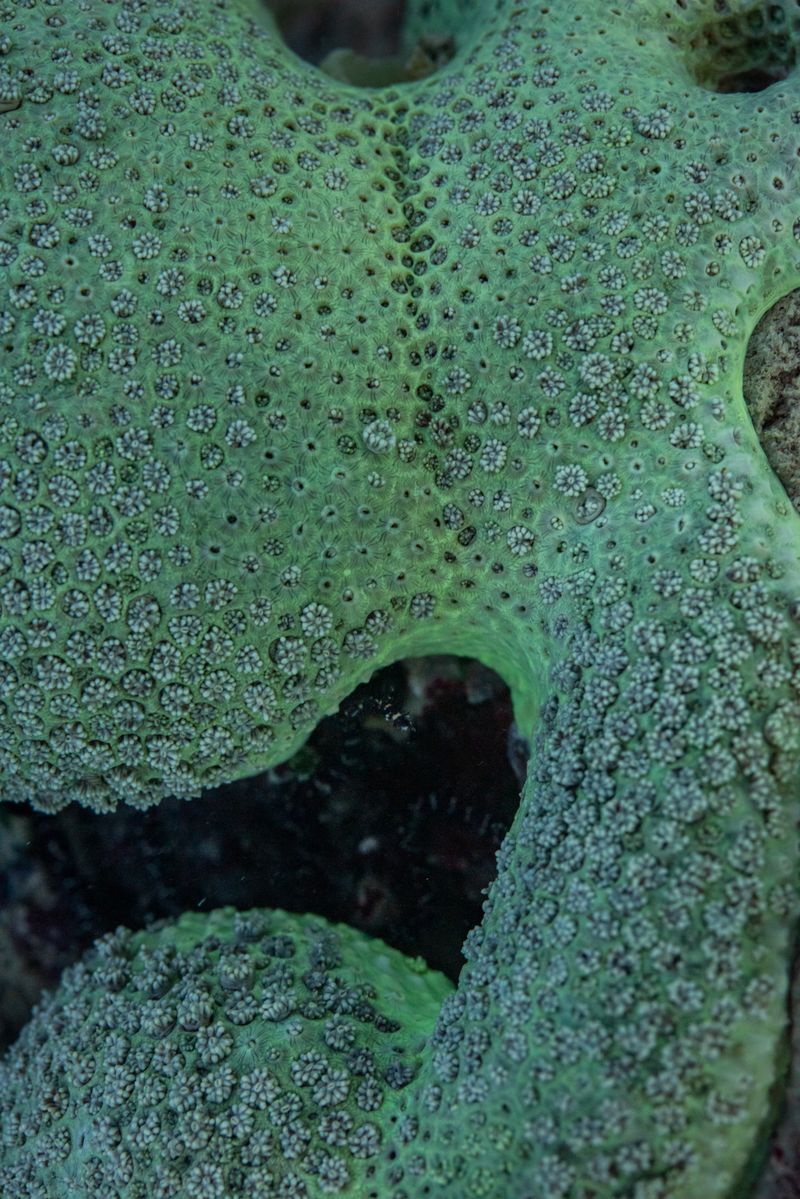
Acropora corals fluoresce in response to thermal stress during a marine heatwave. While previous bleaching events only occurred during El Niño warm phases, in 2020, Philippine reefs experienced mass coral bleaching during ENSO neutral conditions. Marine scientists view this as a precedent for more frequent bleaching events in the coming years. San Vicente, Palawan 2020

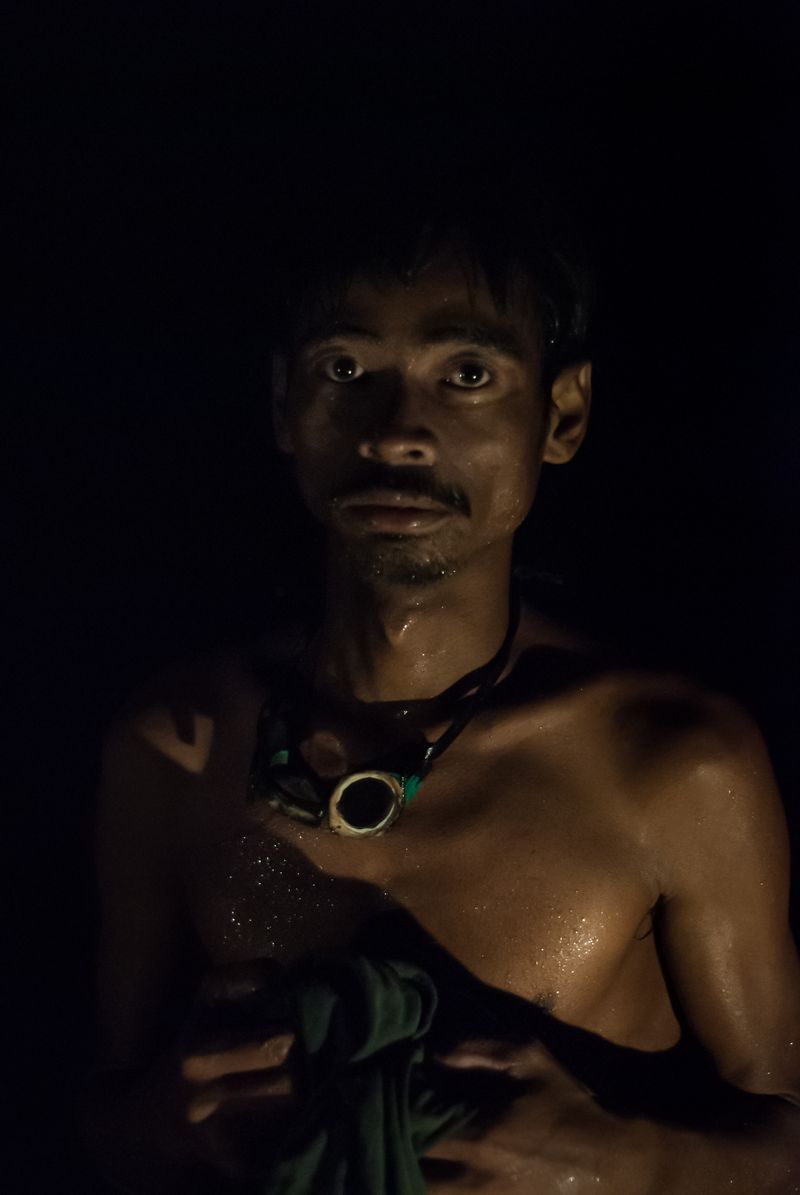
© Katherine Jack - An indigenous Calamian Tagbanua man feeling cold and tired after spear-fishing. Palawan 2008
i

An indigenous Calamian Tagbanua man feeling cold and tired after spear-fishing. Palawan 2008

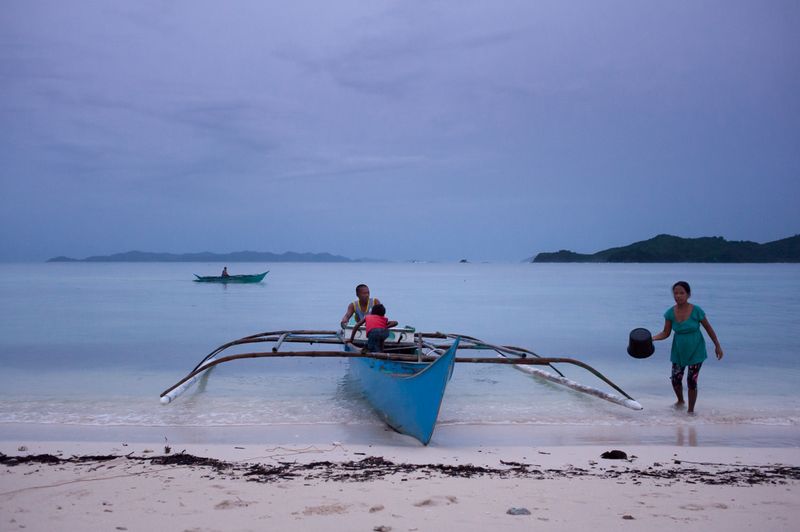
© Katherine Jack - A family returns home to Daracoton Island after a fishing trip. Palawan, 2016
i

A family returns home to Daracoton Island after a fishing trip. Palawan, 2016

© Katherine Jack - Image from the Palawan Seas photography project
i

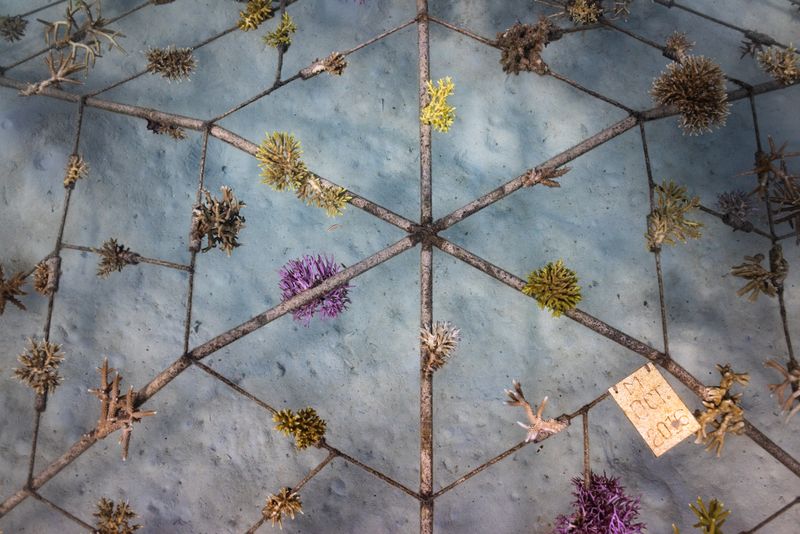
A hexagonal metal structure in the South Sea Reef Rehab coral garden supports growing coral fragments. Once mature, the corals will be transferred to the seabed, continuing to grow, reproduce and build up the reef. Palawan, 2017

© Katherine Jack - A young man dives for shellfish. Near Pangaraykayan Village, northeastern Palawan, 2016
i

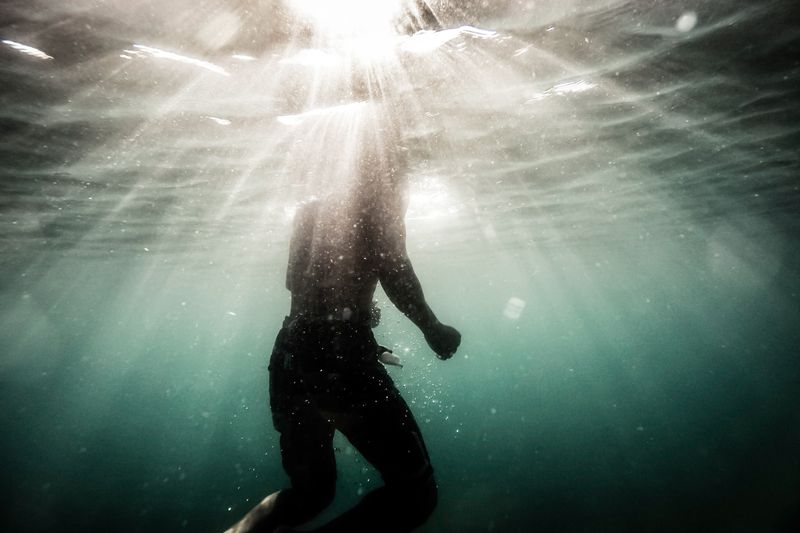
A young man dives for shellfish. Near Pangaraykayan Village, northeastern Palawan, 2016

© Katherine Jack - Image from the Palawan Seas photography project
i

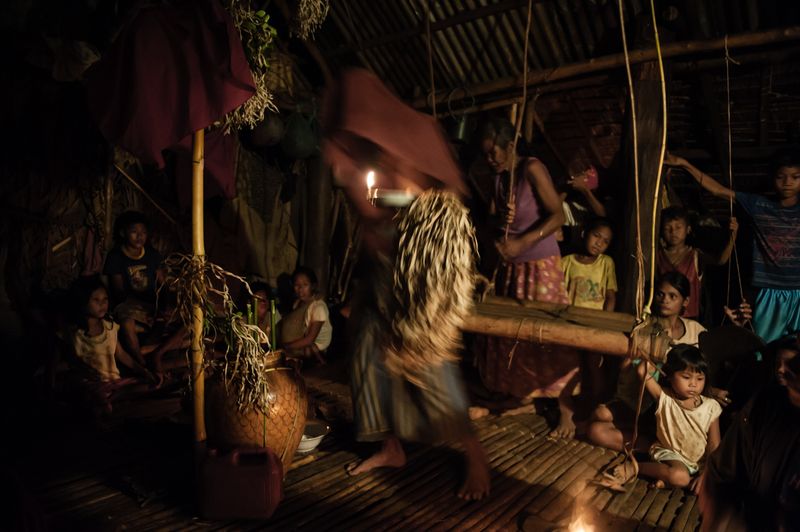
Domingo Bacaltos, an indigenous Tagbanua shaman performs a pagdiwata ritual during which he communicates with spirits of nature and of his ancestors. Palawan, 2010

© Katherine Jack - Damsel fish (Chromis viridis) shelter in the branches of an acropora coral. Tenegueban, San Fernando, Palawan, 2021
i

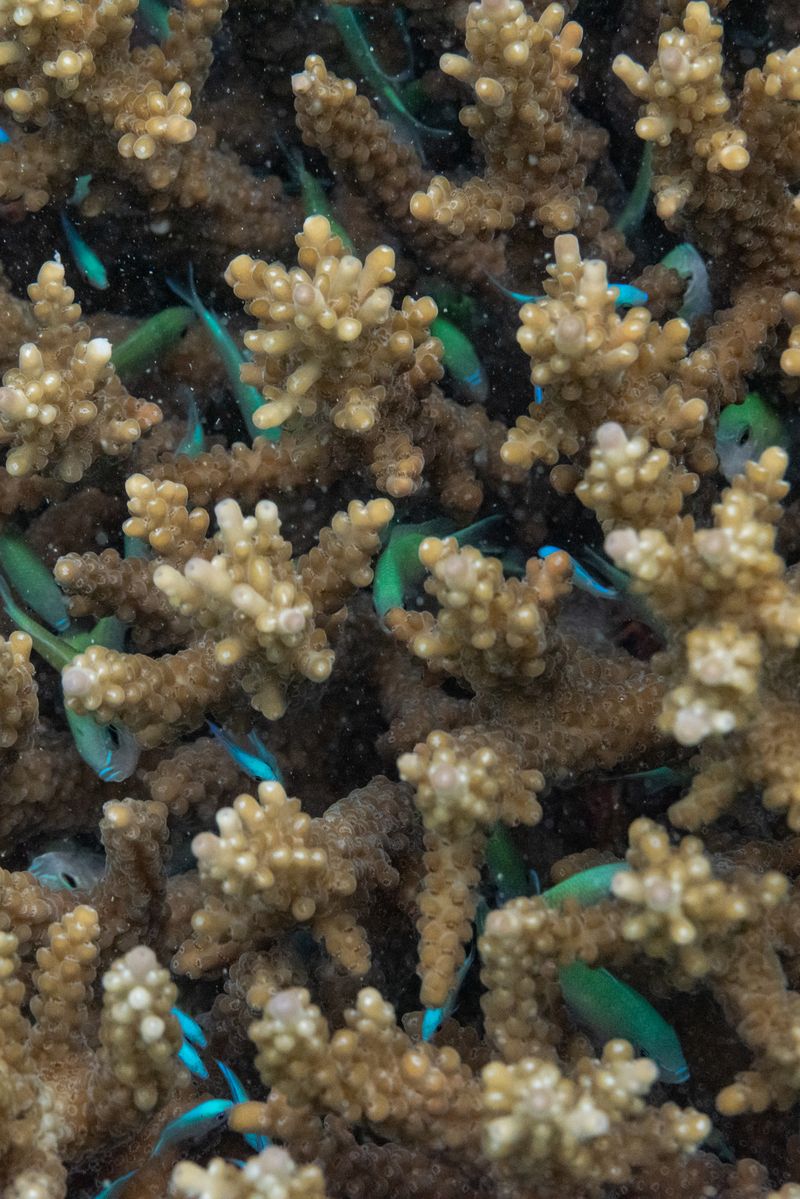
Damsel fish (Chromis viridis) shelter in the branches of an acropora coral. Tenegueban, San Fernando, Palawan, 2021

© Katherine Jack - Image from the Palawan Seas photography project
i

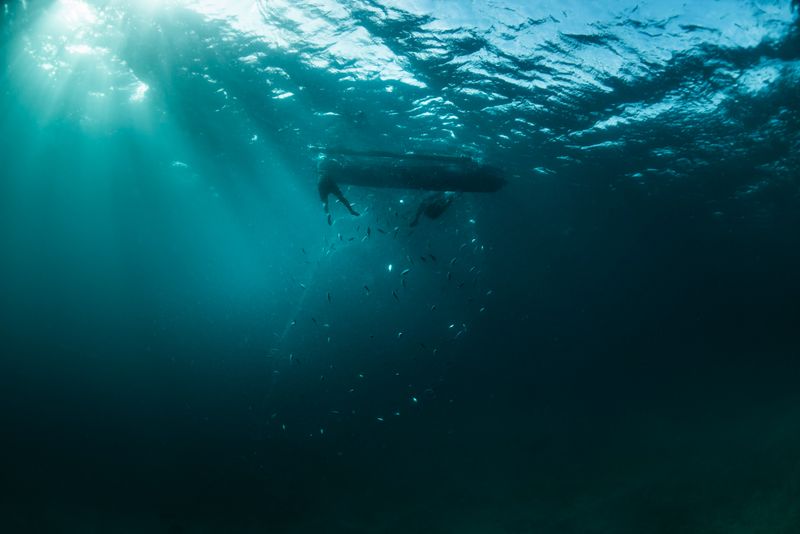
Local fishermen catch a school of bigeye scad (Selar crumenophthalmus). They have been monitoring this school of fish for weeks, waiting for the perfect time and conditions to catch it. Near Culion Island, Palawan, 2017

© Katherine Jack - Family photographs displayed in old rum bottles to keep off the sea air. 2018
i

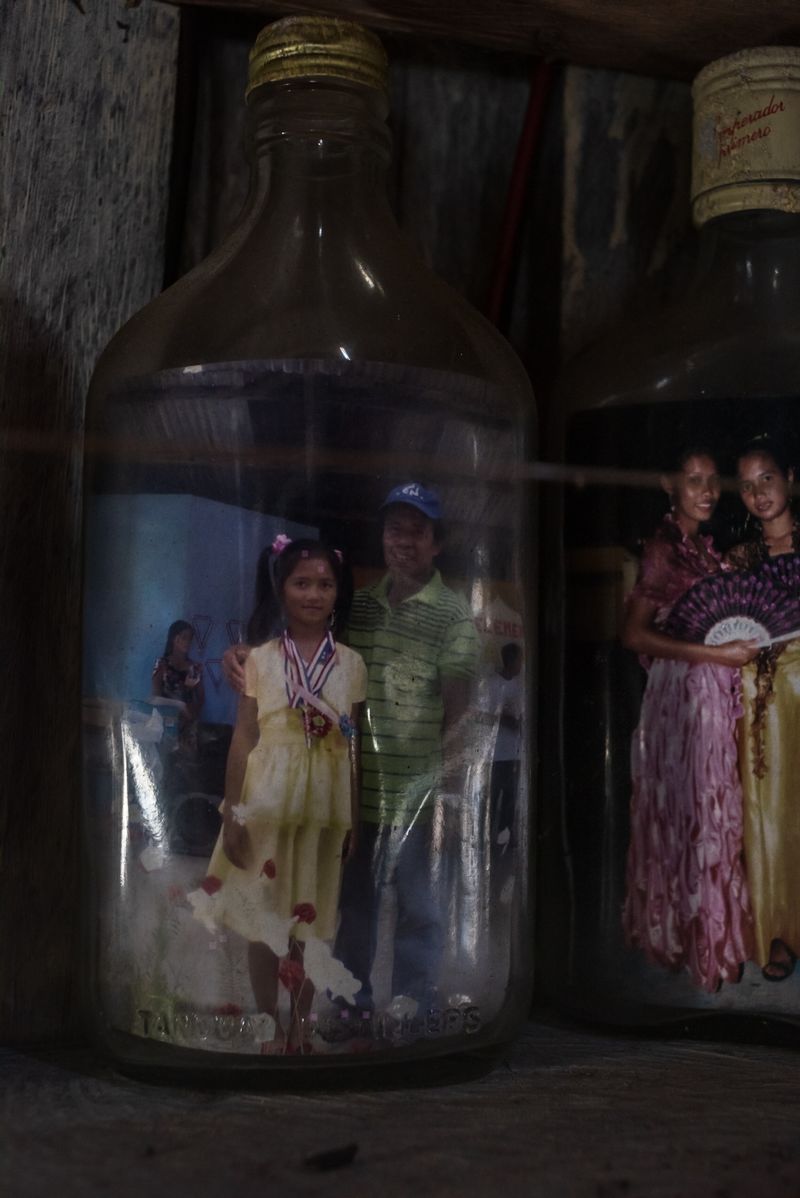
Family photographs displayed in old rum bottles to keep off the sea air. 2018

© Katherine Jack - Image from the Palawan Seas photography project
i

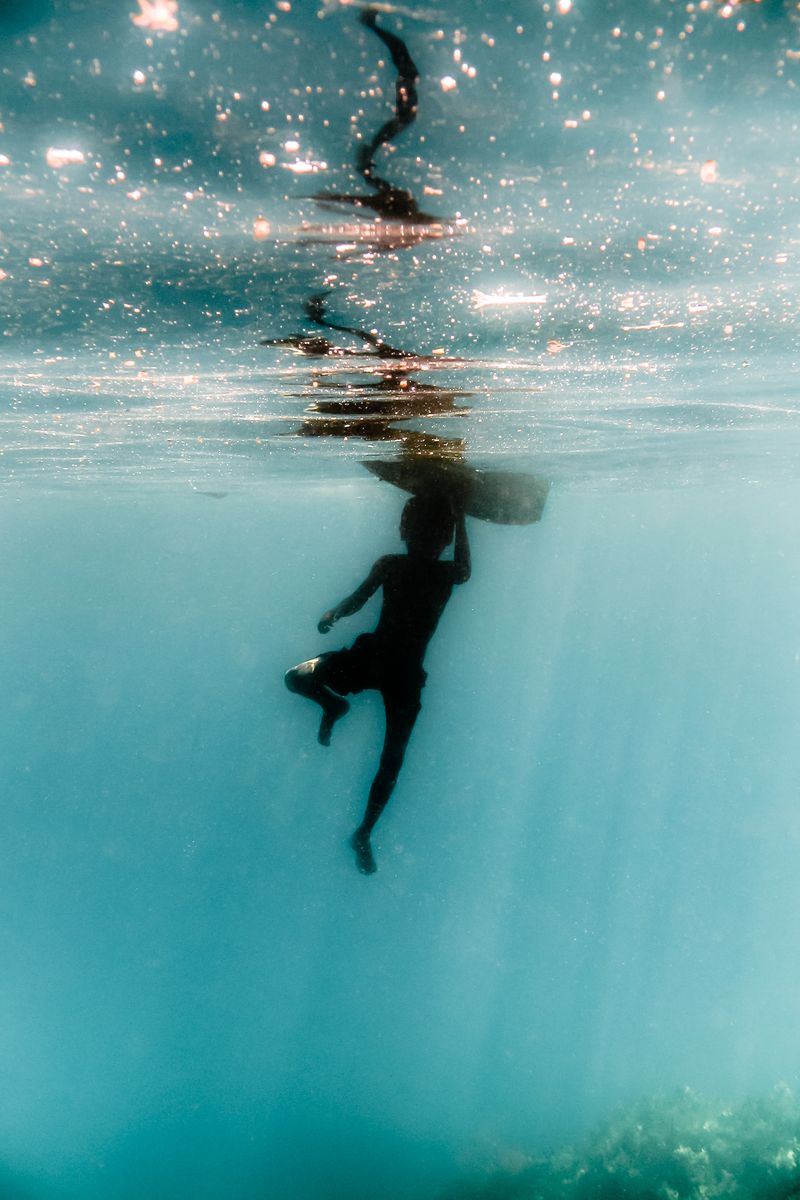
Pepoy, an indigenous Tagbanua boy, holds on to the underneath of his boat while watching his father spearfishing. Palawan 2007

© Katherine Jack - Image from the Palawan Seas photography project
i

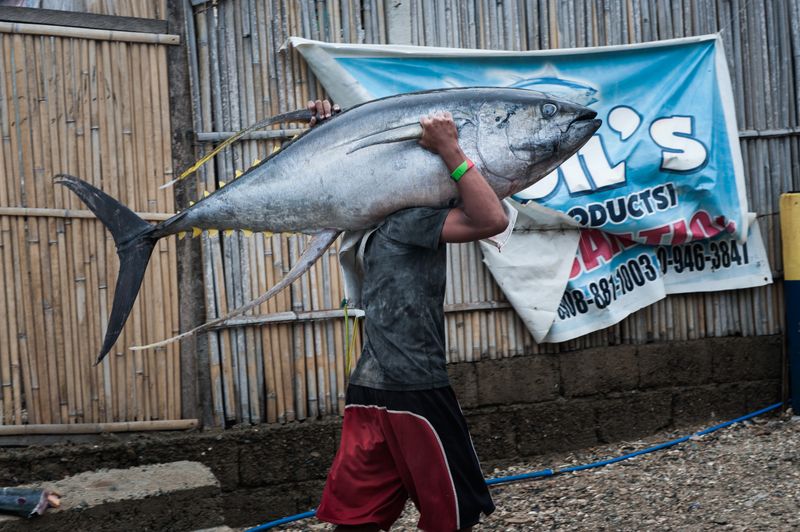
Freshly caught yellowfin tuna (Thunnus albacares) are brought ashore at Jacana fish port. Puerto Princesa City, Palawan, 2015

© Katherine Jack - Image from the Palawan Seas photography project
i

A hard coral extending its polyps during the daytime. Northern Palawan has one of the highest diversities of reef-building corals within the Coral Triangle. Daracoton Bay, Palawan 2021

© Katherine Jack - Image from the Palawan Seas photography project
i

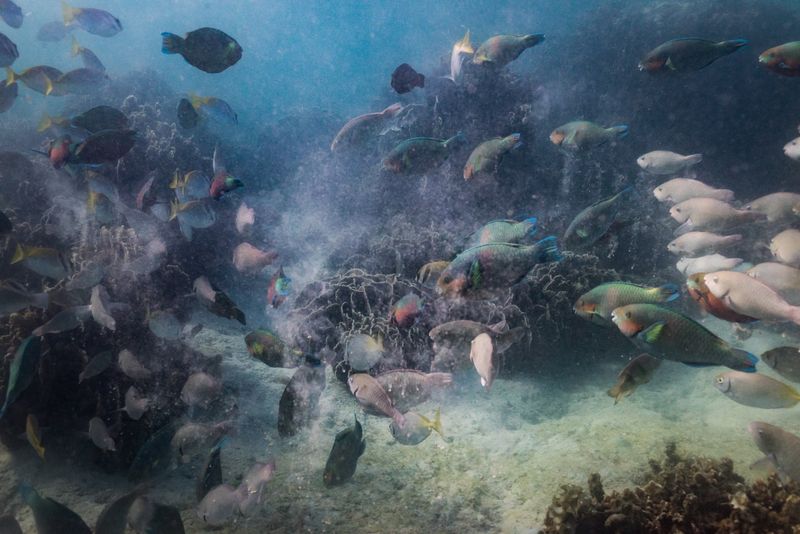
A school of herbivorous fish, mostly parrotfishes, graze and clean the reef in the South Sea Reef Rehab coral garden, a marine protected area in San Vicente. As they scrape up algae, they also ingest coral and rock, which they later deposit as sand. Palawan, 2018

© Katherine Jack - A baby sleeps in a seashore home. Puerto Princesa City, Palawan, 2016
i

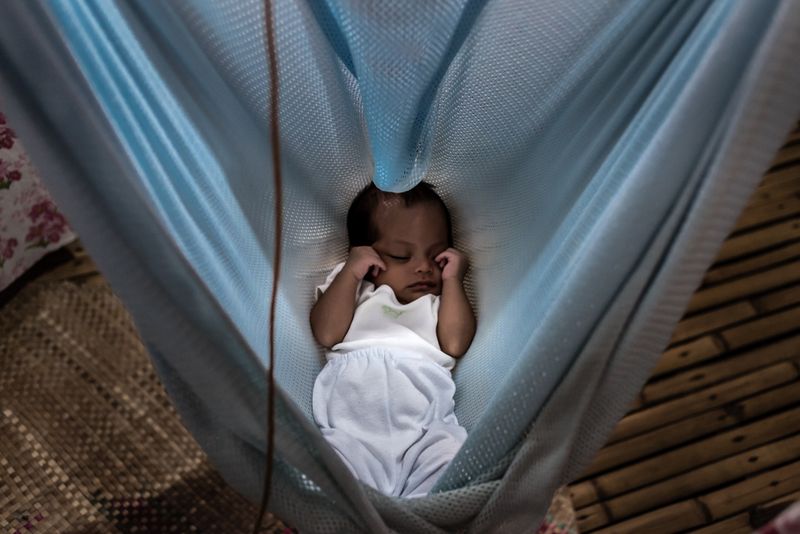
A baby sleeps in a seashore home. Puerto Princesa City, Palawan, 2016

© Katherine Jack - Image from the Palawan Seas photography project
i

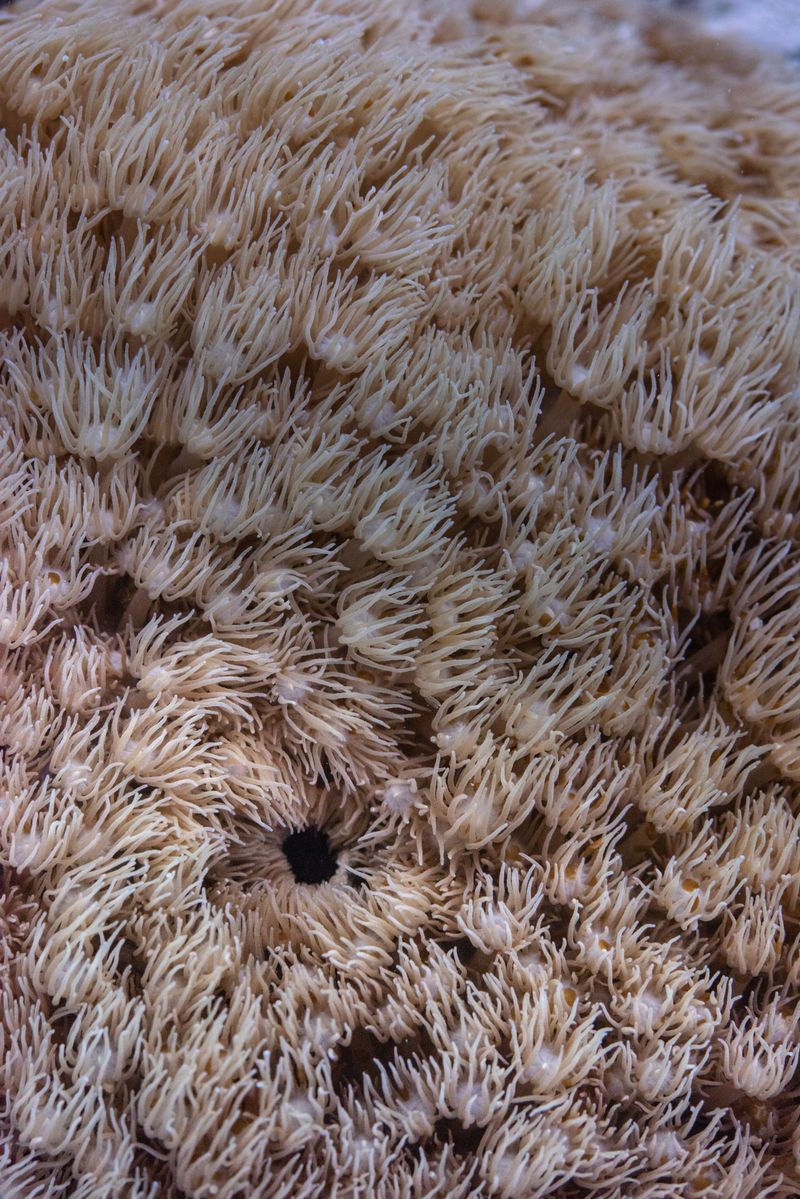
A hard coral (Goniopora genus) extending its polyps during the daytime. Northern Palawan has one of the highest diversities of reef-building corals within the Coral Triangle. Daracoton Bay, Palawan 2021

© Katherine Jack - Image from the Palawan Seas photography project
i

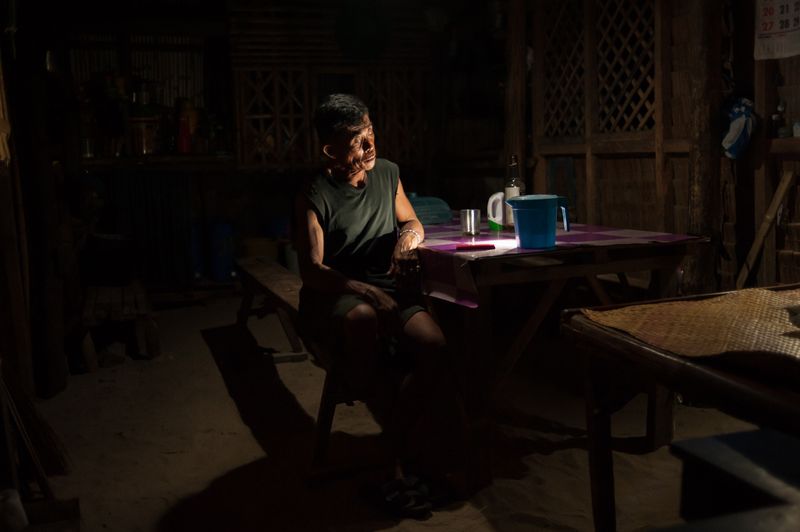
Tay Susing, a grandfather and community leader, sits at the kitchen table at the center of his family home. Daracoton Village, Palawan, 2016

© Katherine Jack - A whale shark (Rhincodon typus) dives deep into the plankton-rich waters of Puerto Bay. Palawan, 2017
i

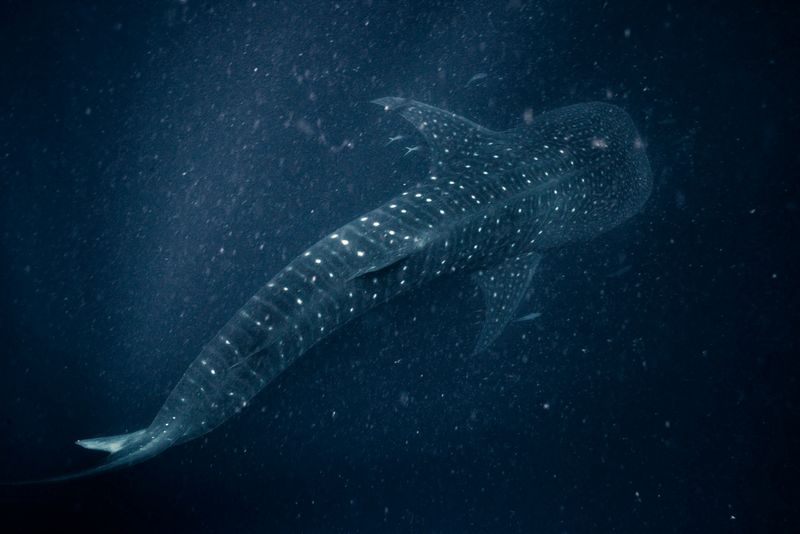
A whale shark (Rhincodon typus) dives deep into the plankton-rich waters of Puerto Bay. Palawan, 2017