Overseas
-
Dates2015 - 2017
-
Author
- Locations Philippines, Metro Manila, Palawan, Oriental Mindoro, Bohol
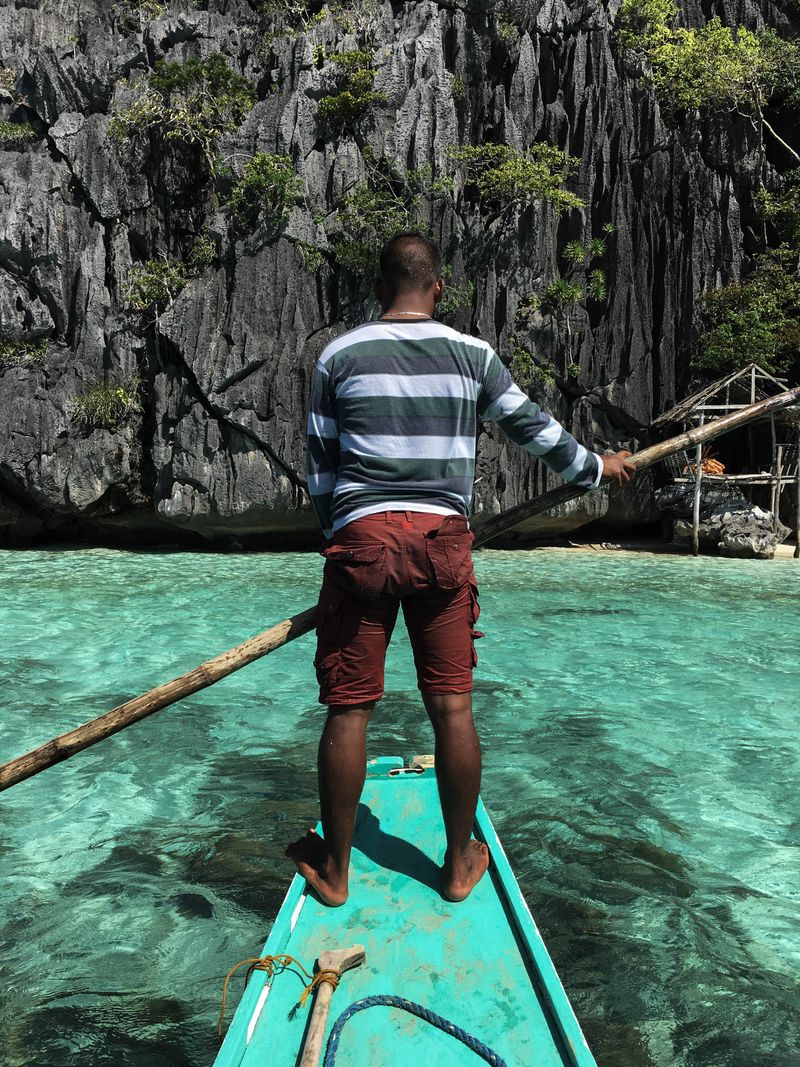
"Overseas" is a series of digital photographs made across the Philippine archipelago, 2015–2017, before emigration to Europe. Wild islands and their simulations, held with equal care. What does an archipelago look like when you are no longer inside it?
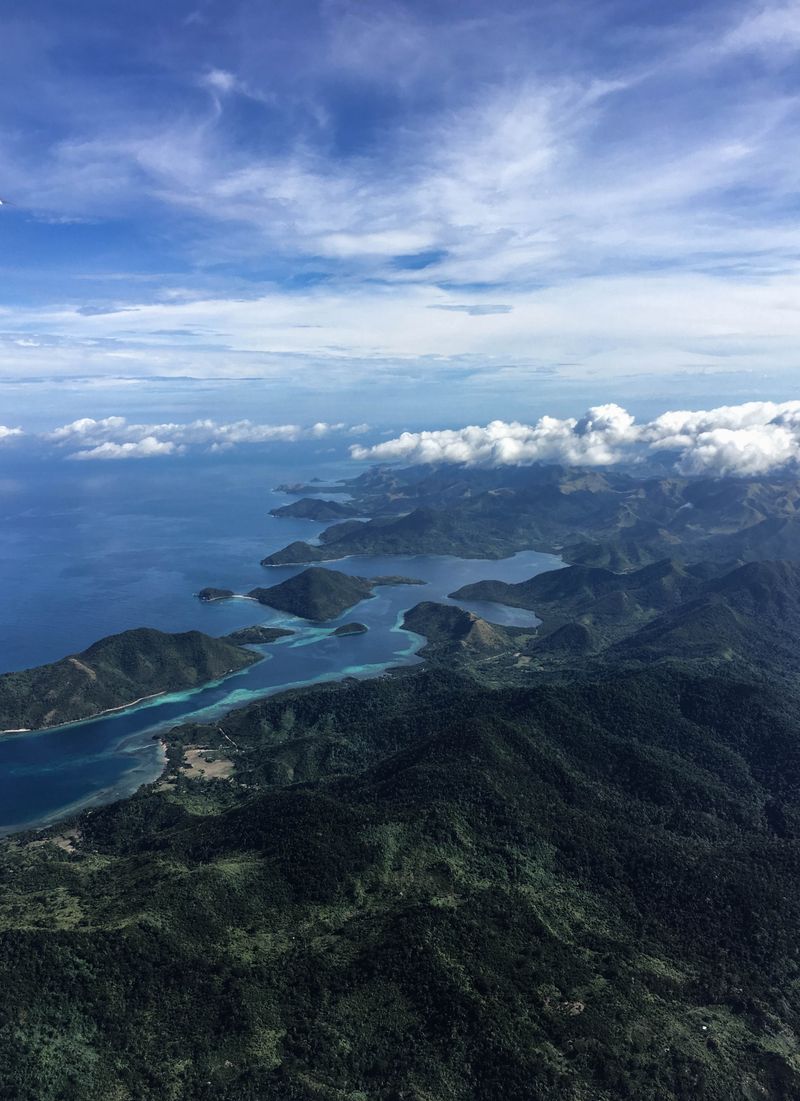
The Philippines is 7,641 islands held together by water. To move through it is to understand, from childhood, that separation and connection are the same condition.
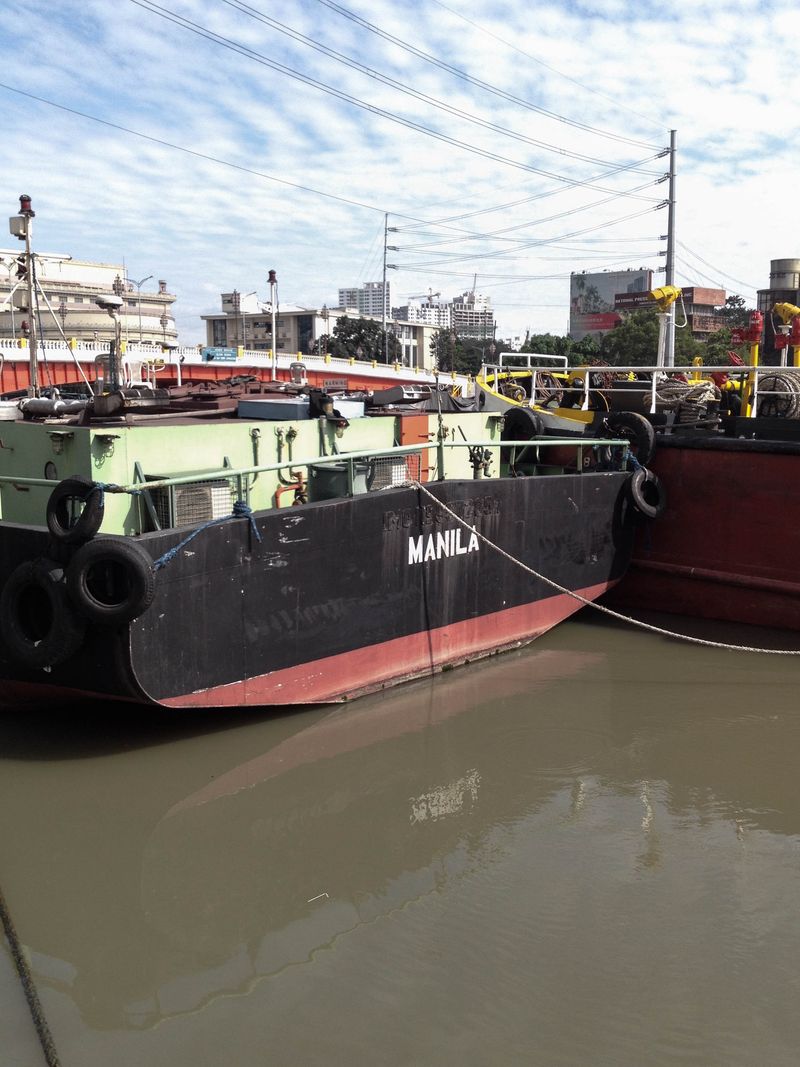
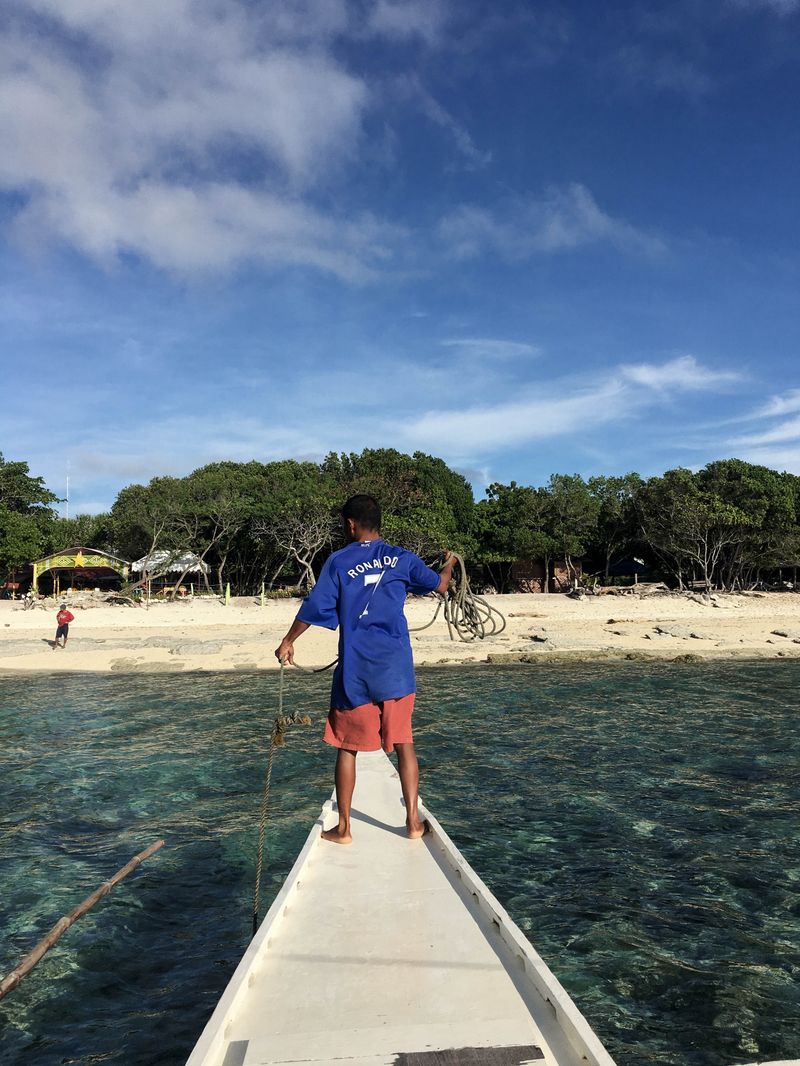
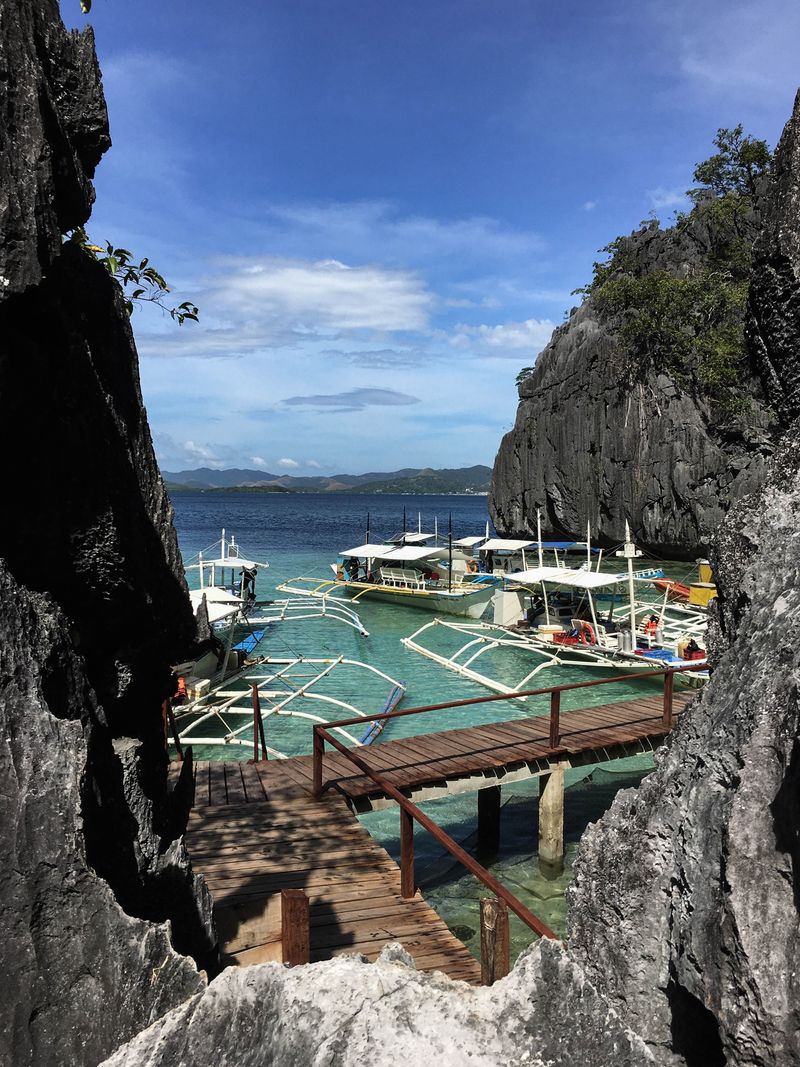
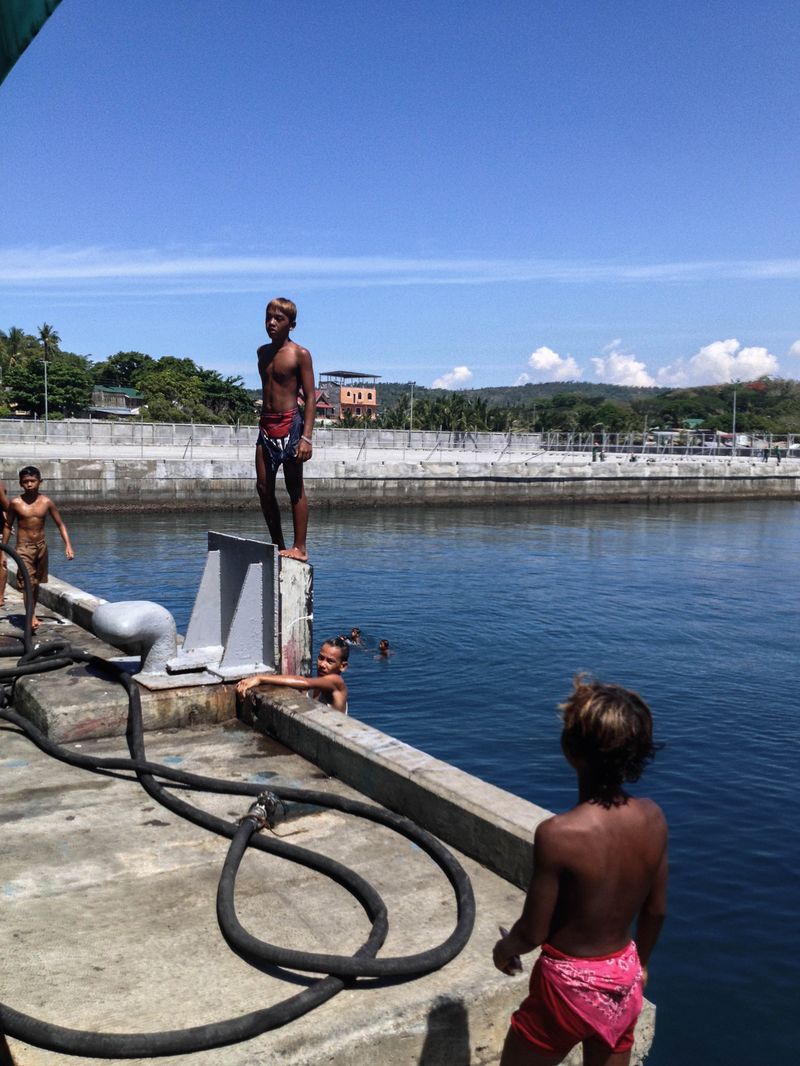
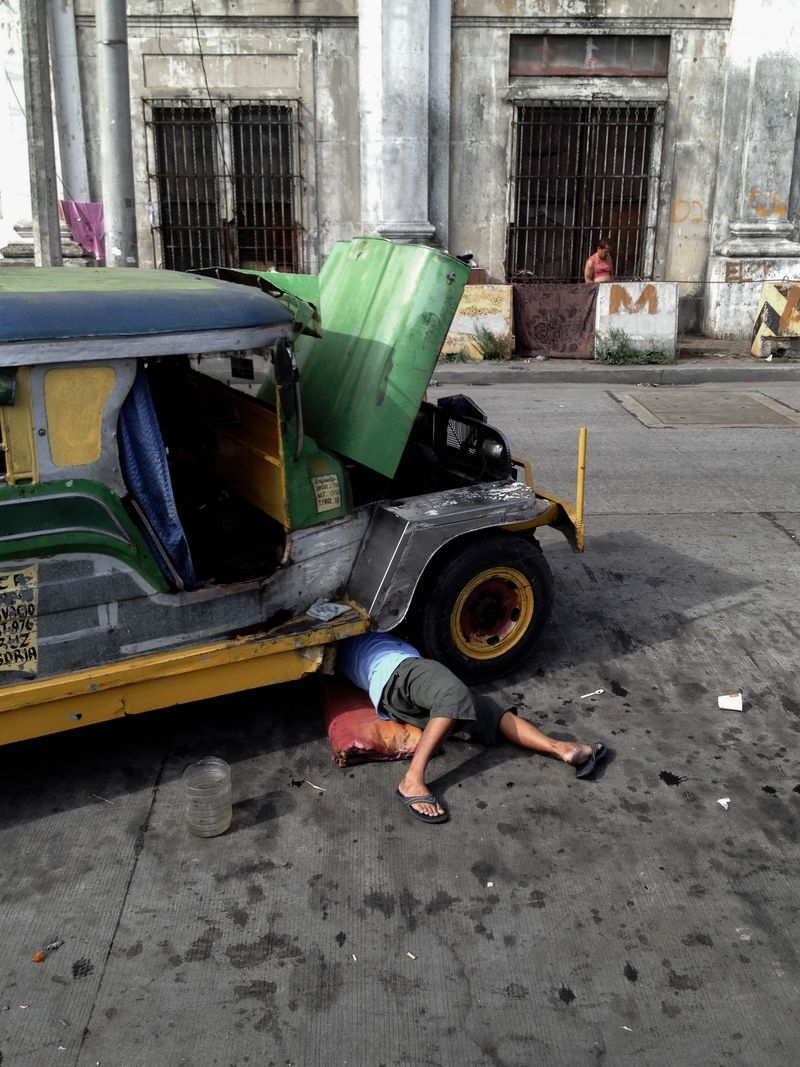
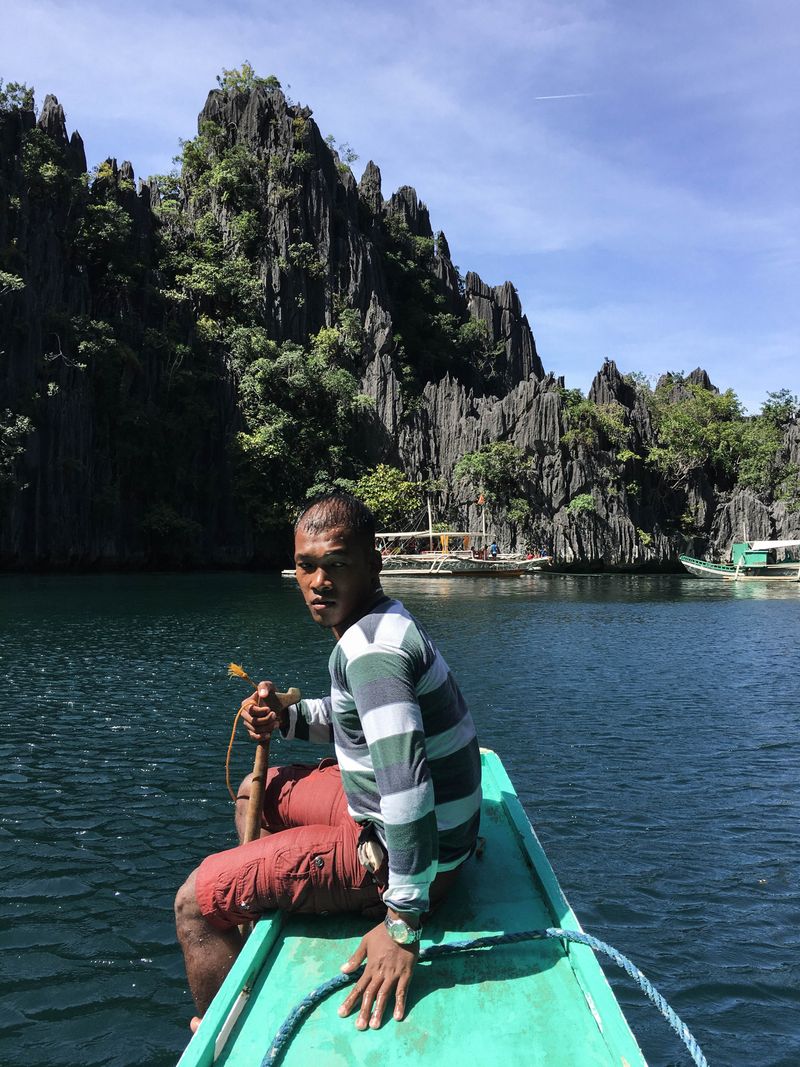
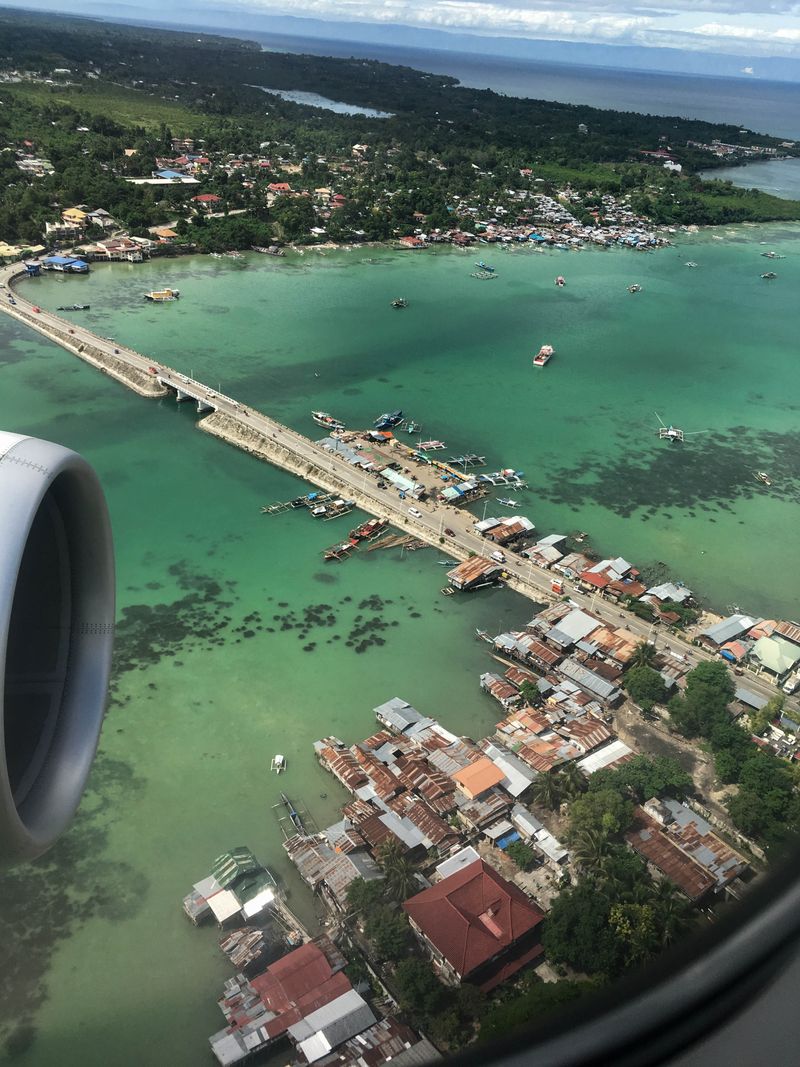
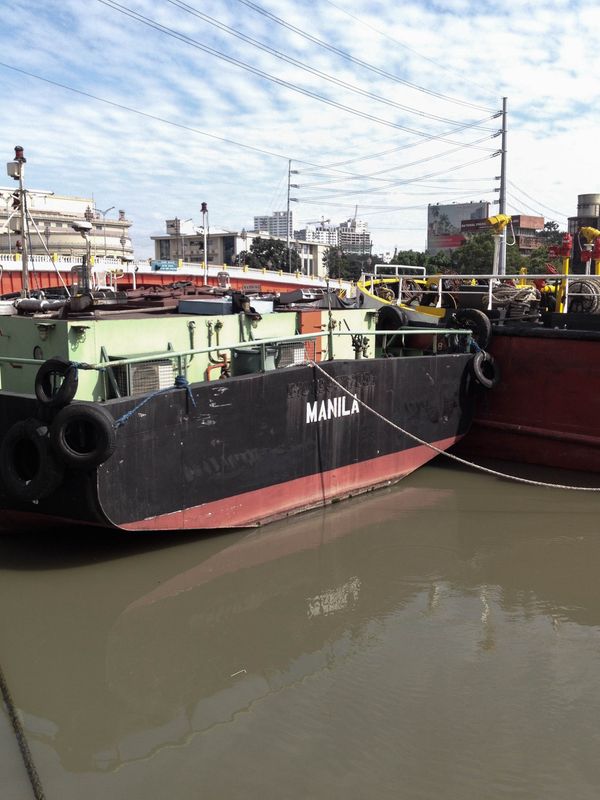
Between 2015 and 2017, I made vernacular digital photographs across the Philippine archipelago, from Manila, Mindoro, Bohol, to Palawan. A student trip. Family time. A date night at an ocean park. Ordinary movements through a geography heavily defined by fragmentation.
In 2018, I moved to Germany. The images traveled too. Device to device. Drive to drive. Degrading, corrupting, partially recovering. What remains is a partially damaged digital archive that looks exactly like what it documents: a place held in memory from the other side of distance. Compressed. Vivid in parts. Missing in others.
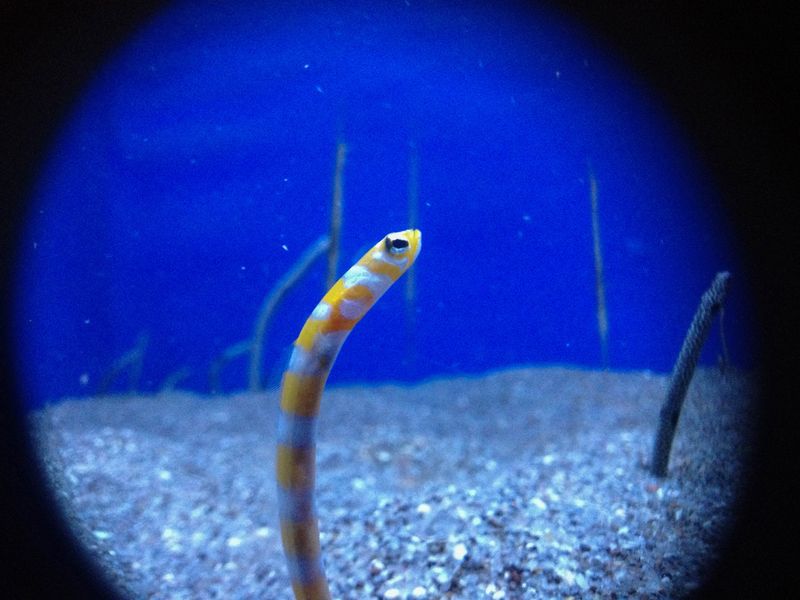
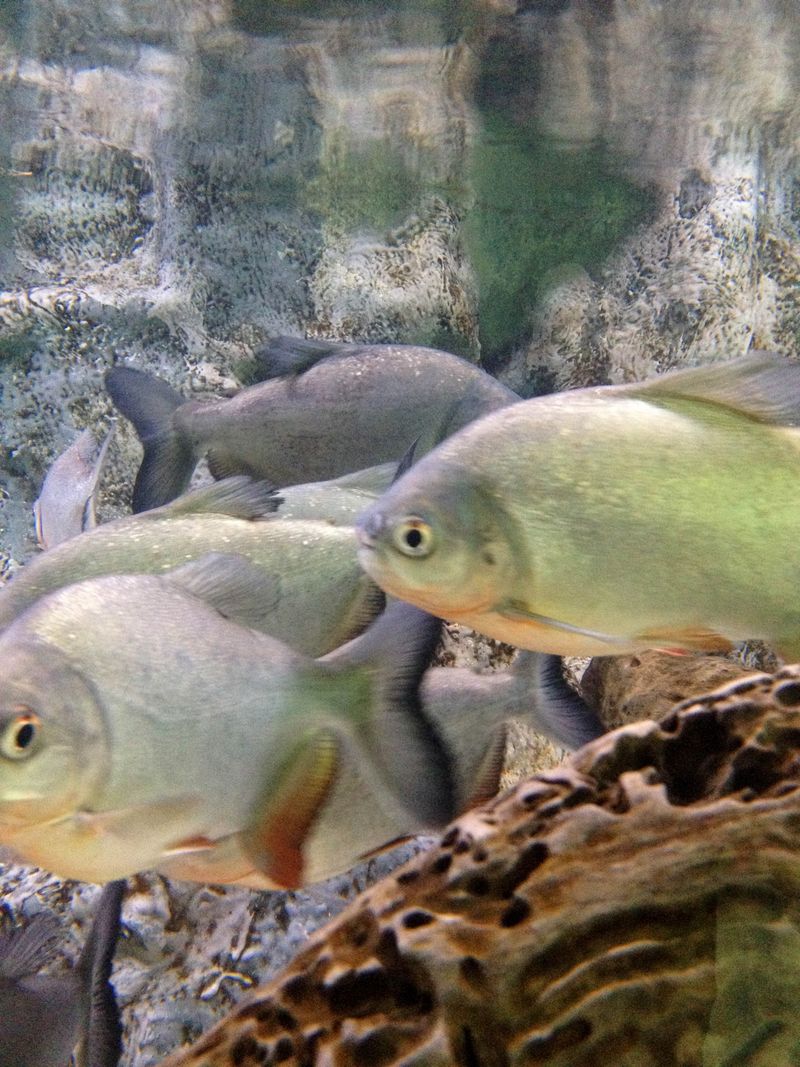
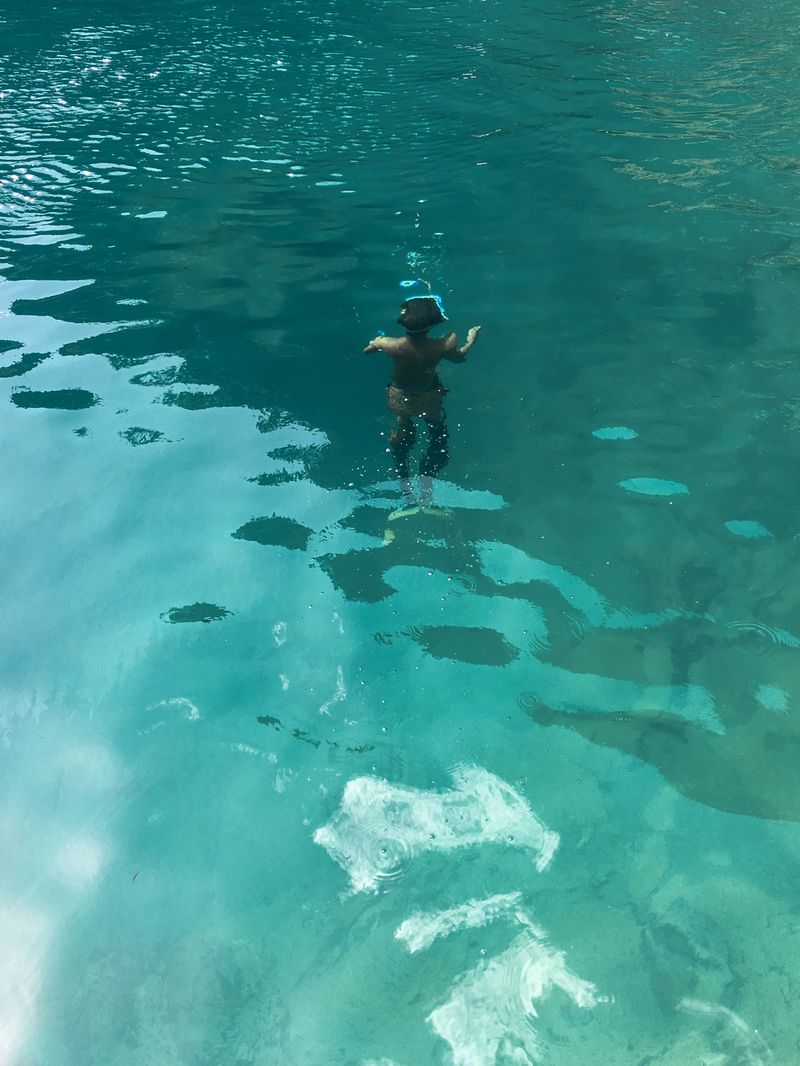
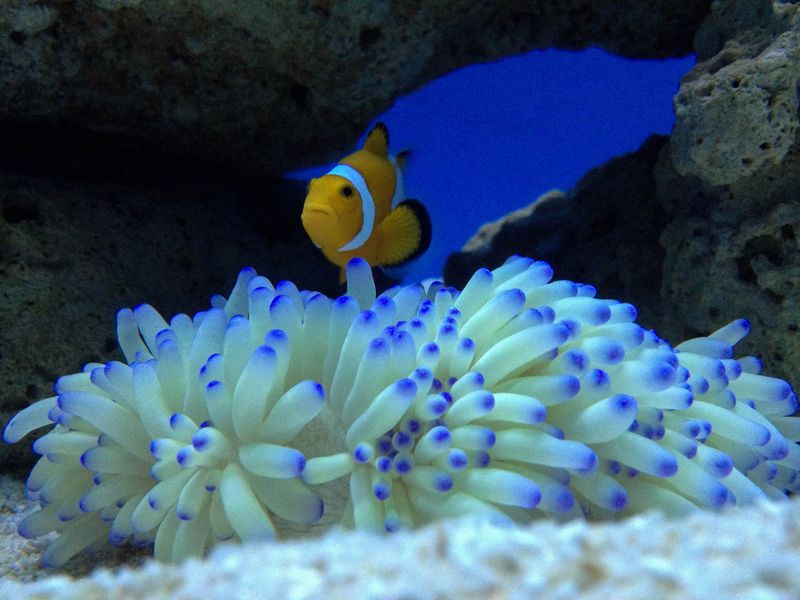
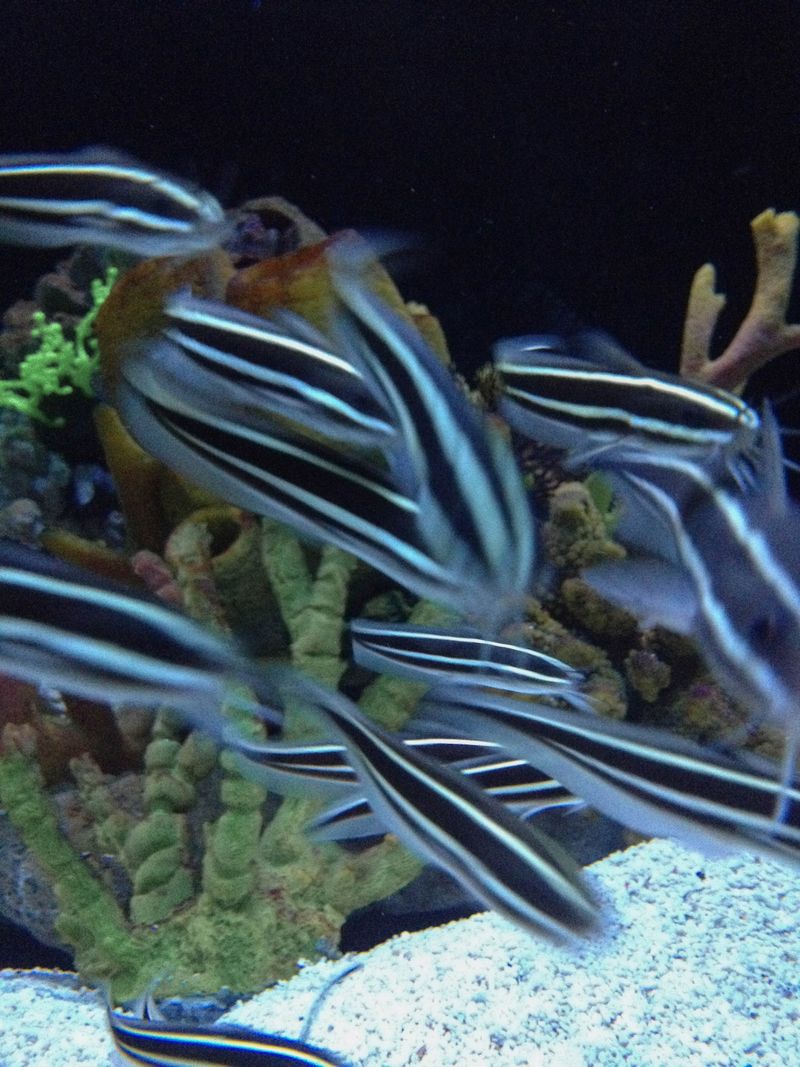
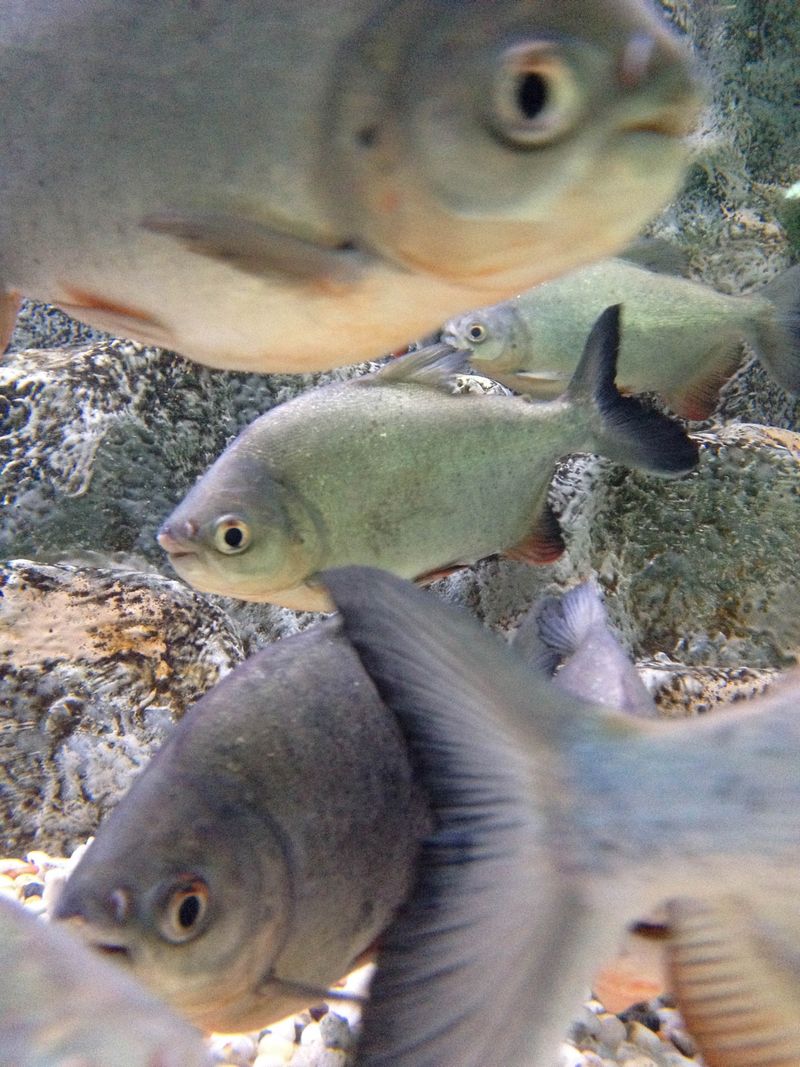
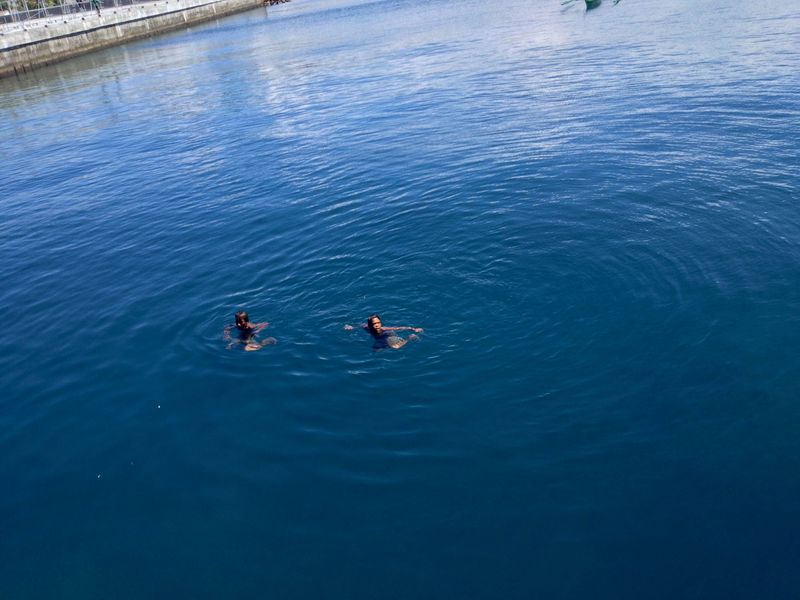
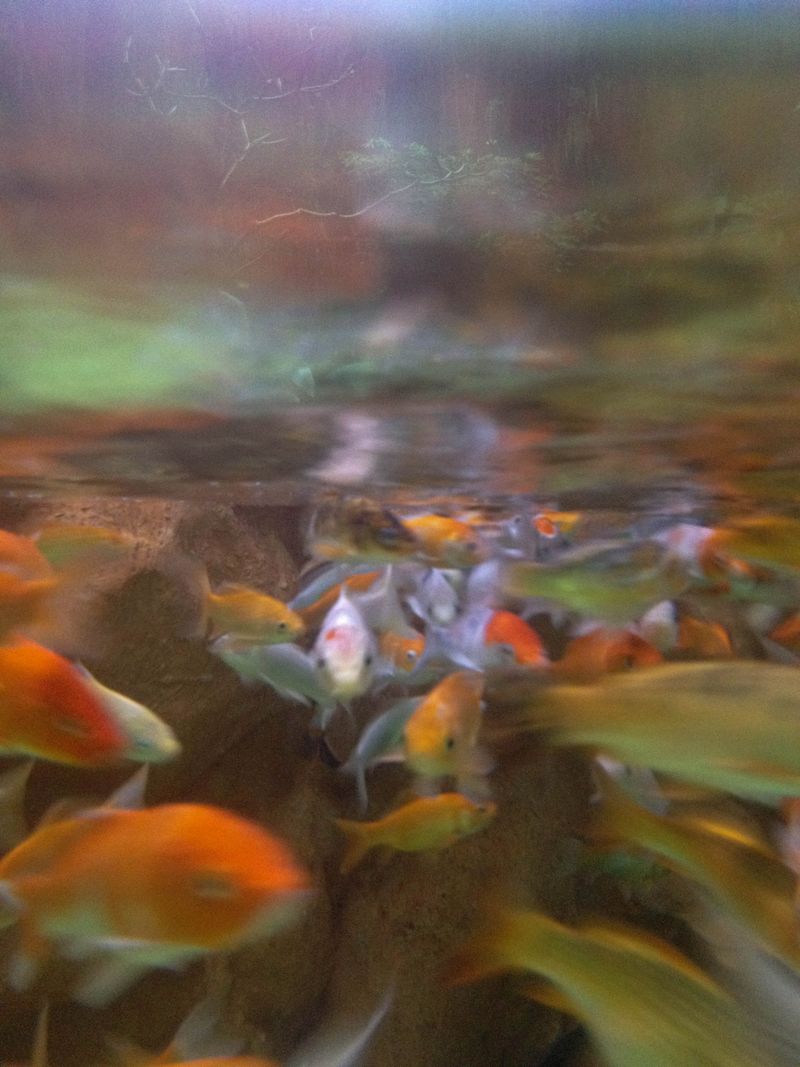
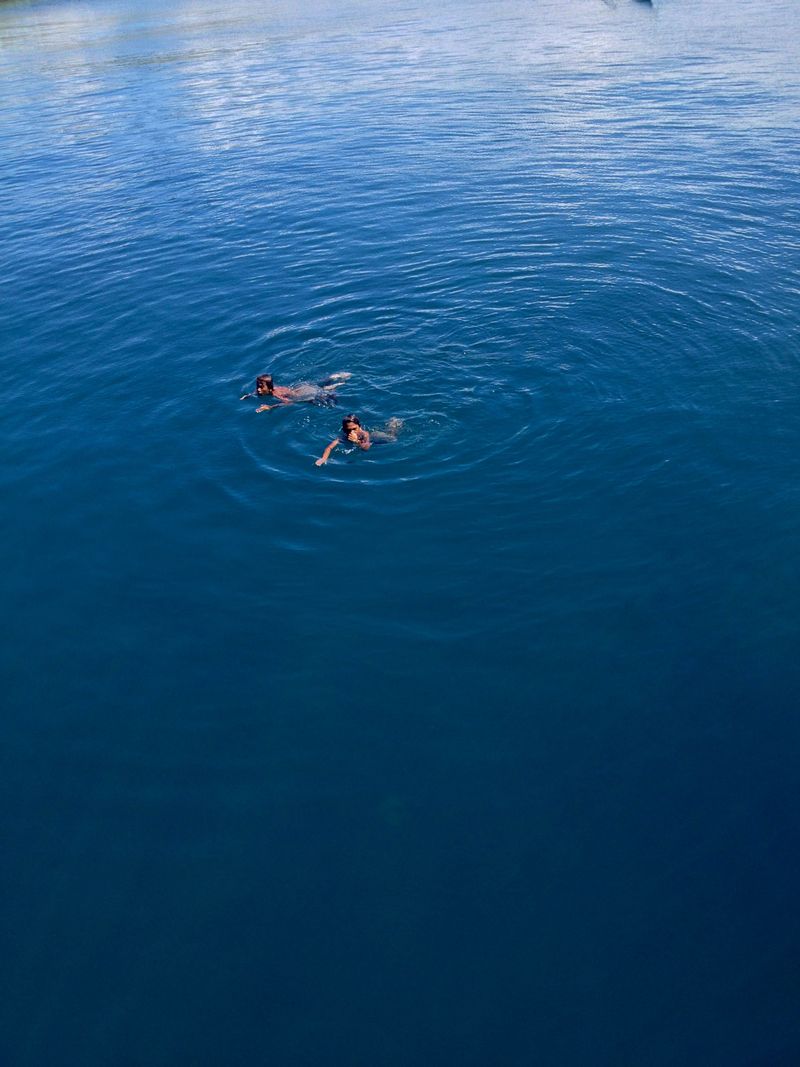
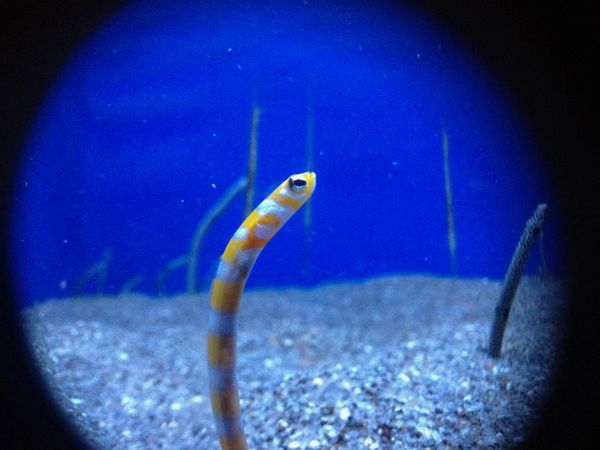
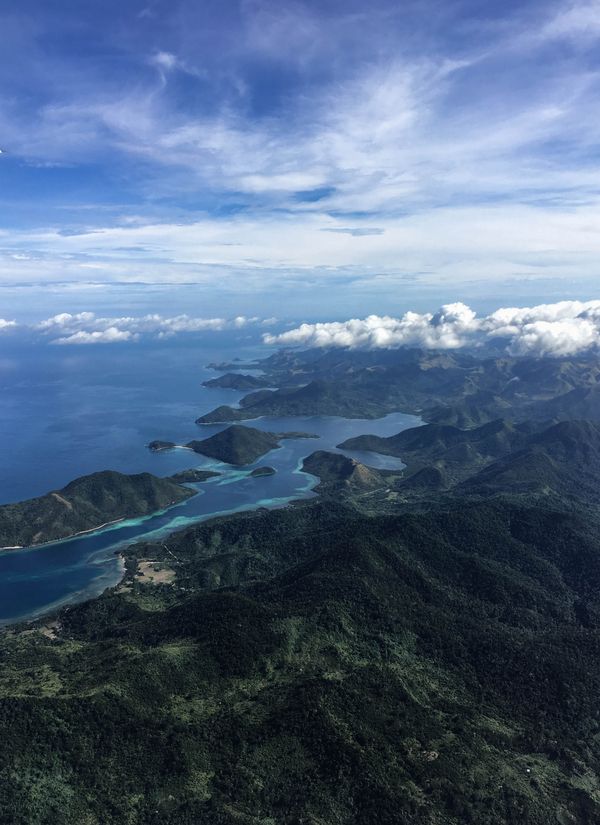
Inside this archive, the open sea and the aquarium tank sit side by side, made with the same device, given the same attention, held with the same weight. The wild reef in Palawan and the contained one at Ocean Park Manila. Both loved and photographed. The archive makes no hierarchy between them because the person making it made none. This is also an honest record of a particular relationship to place. The way a country is experienced as landscape, as reconstruction, as nature but as the human effort to hold nature close, to keep it visible, to build a tank when the sea feels too far.
From overseas, both images do the same work. They remind. Compress. They stand in for something larger than they can contain.
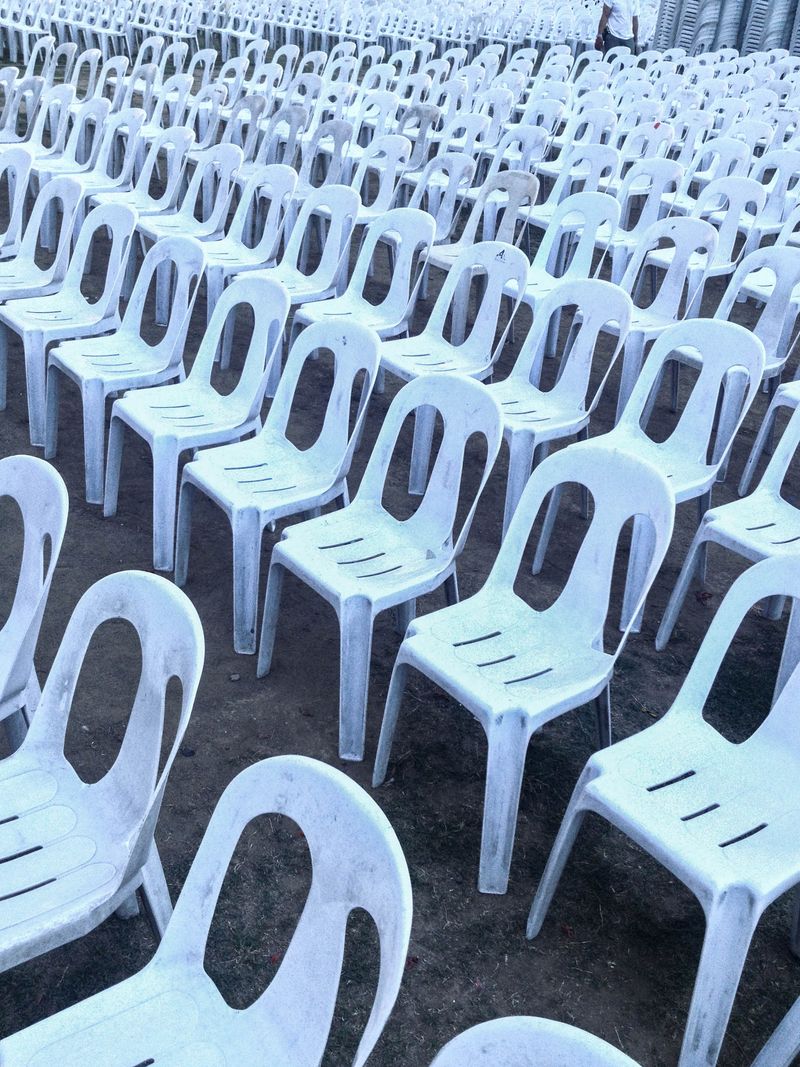
Overseas presents recovered images from this archive sequenced by visual temperature rather than geography. No image is labeled. The open water and the aquarium, the island and the interior, open water and glass, the lived archipelago and its simulation.
Cacciari writes that the islands do not exist despite the sea between them. They exist because of it. The water is not absence. It is the medium of relation.
This is what the archipelago looks like when you are no longer inside it.