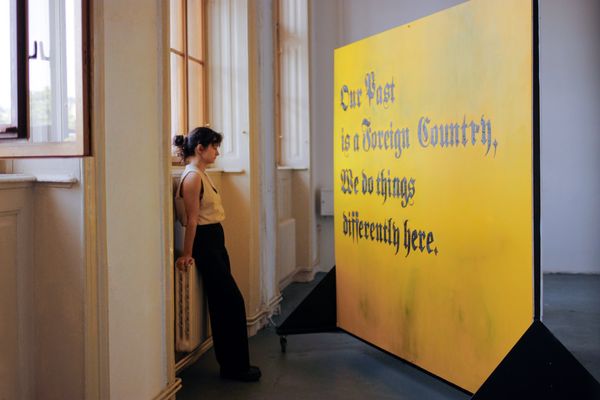
Our past is a foreign country
-
Dates2024 - 2026
-
Author
- Topics War & Conflicts, Social Issues, Contemporary Issues, Studio, Nature & Environment, Fine Art, Documentary, Archive
- Location Bavaria, Germany
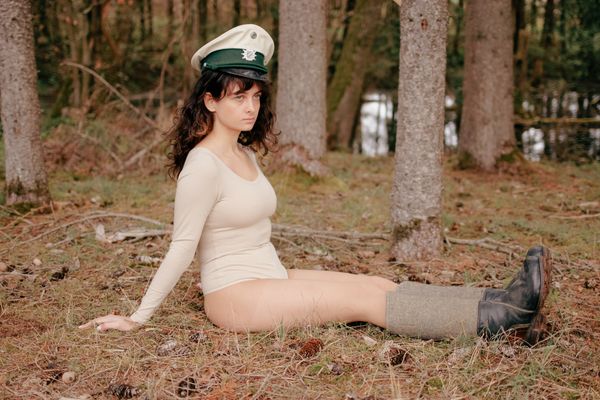
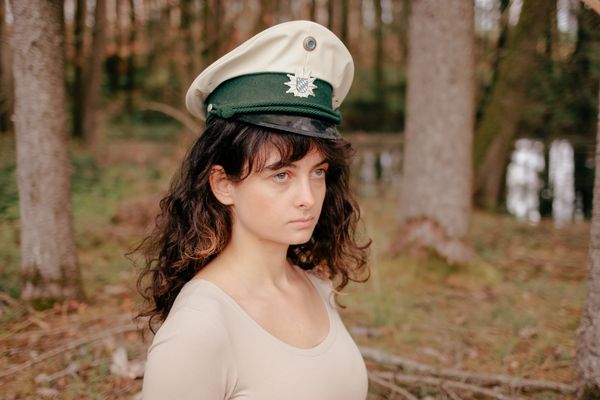
Our Past Is a Foreign Country explores how inherited memories, historical silence, and family archives shape contemporary identities across generations.
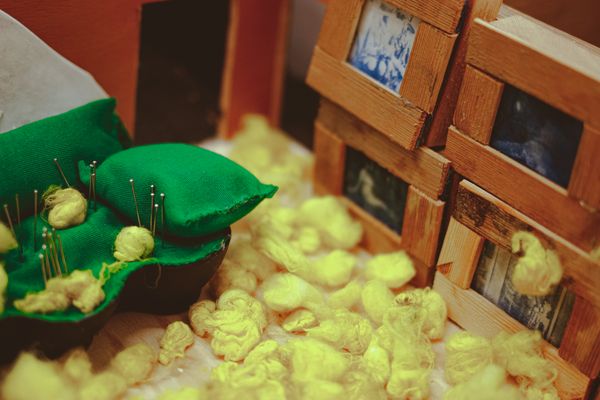
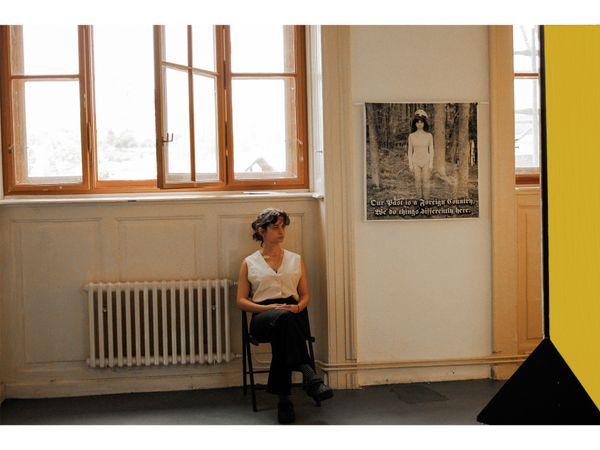
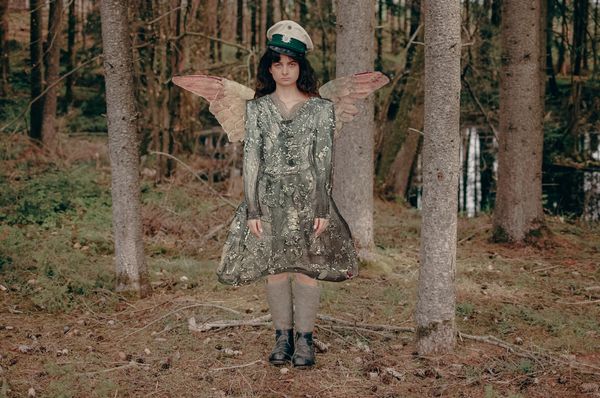
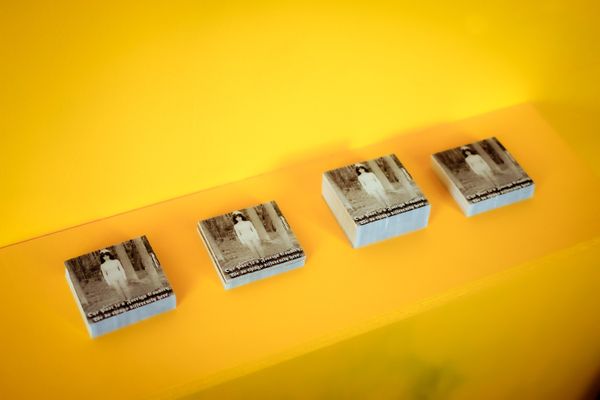
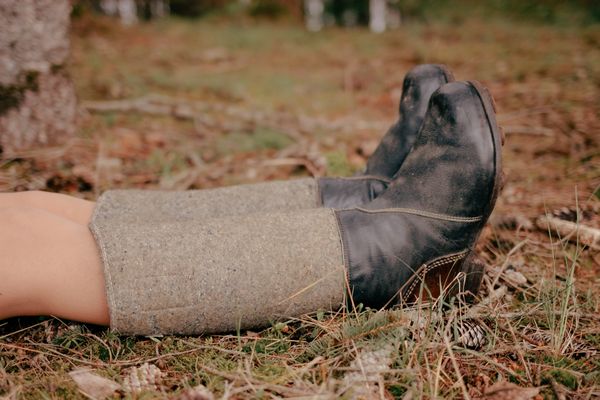
“Our past is a foreign country” is an ongoing visual project that investigates how inherited memory becomes embodied, fragmented, and reactivated across generations. Frequently working with my twin sister, I create performances in both neutral studio environments and site-specific settings, using the body as a site where history, silence, and intimacy intersect. Through minimal gestures, folded poses, and subtle physical tension, the performances explore how personal and collective histories manifest not only through narratives, but through posture, vulnerability, and gesture.
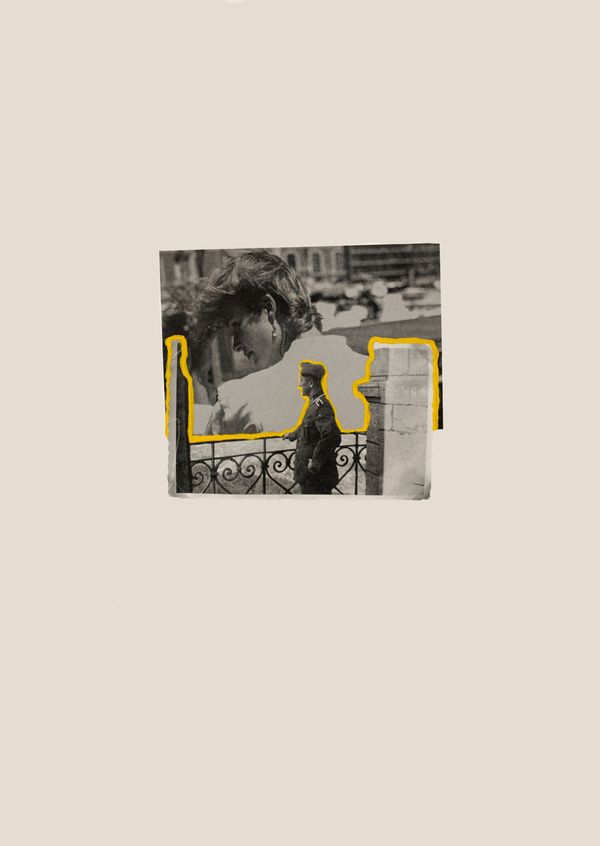
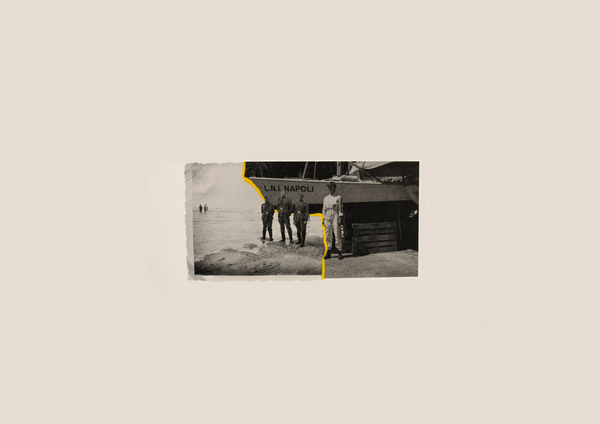
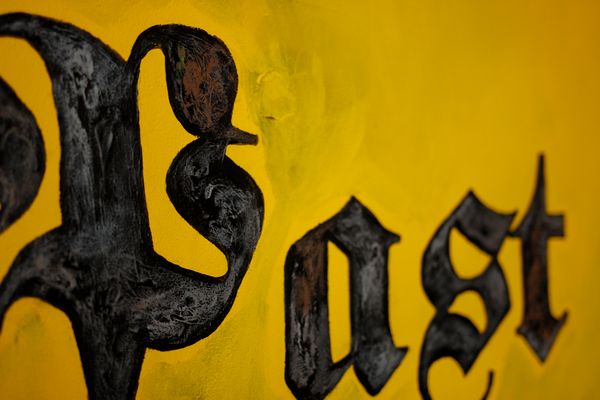
A central component of the project involves reworking original analogue photographs from a family archive in Bavaria, dating from the 1930s to the 1940s. These images — from a wartime photo album — carry markers of national identity, ideology, and inherited memory. Rather than presenting them as historical documents, I intervene directly in the material: cutting, layering, and marking the images with yellow acrylic paint. These interventions function as interruptions rather than illustrations, opening fractures in the visual record and destabilizing the authority of the archive.
Some of the collages integrate contemporary performance photographs I made in Napoli in 2024. The bringing-together of these two temporalities creates a layered visual language, where the past and present coexist in a shared, unsettled space. The juxtaposition of analogue and digital material acts as a bridge between embodied memory and historical image-making.
Across performance, photography, and collage, the project aims to challenge inherited narratives shaped by silence, tradition, and trauma. Instead of offering a linear account of history, it proposes a fragmented and intuitive form of remembrance — one that acknowledges the weight of the past while allowing for transformation. Ultimately, the work seeks to invite viewers into a space of reflection, responsibility, and critical engagement with the echoes that continue to shape contemporary identity.