Ordinary Gestures
-
Dates2021 - 2026
-
Author
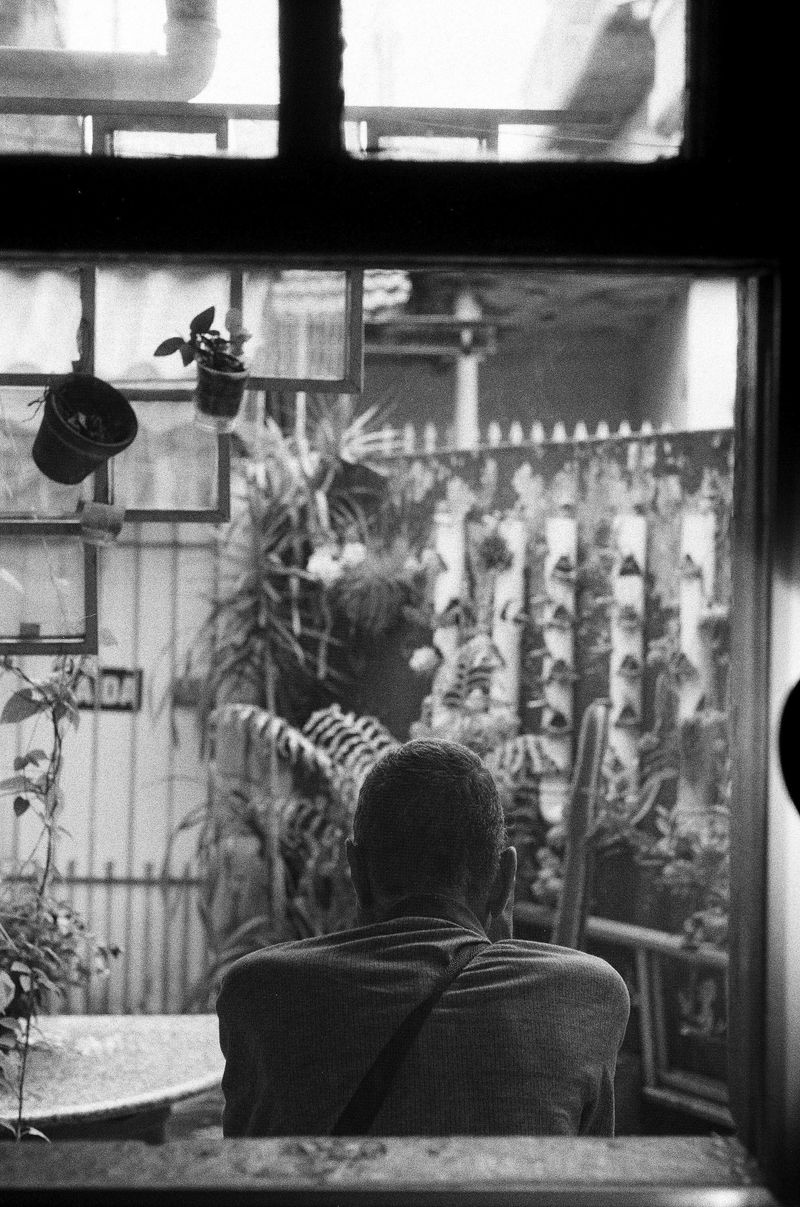
Ordinary Gestures began in the quiet space of waiting after my father’s terminal diagnosis in 2021. When he passed a few months later, I started to see the outlines of a man I had never truly known.
Ordinary Gestures
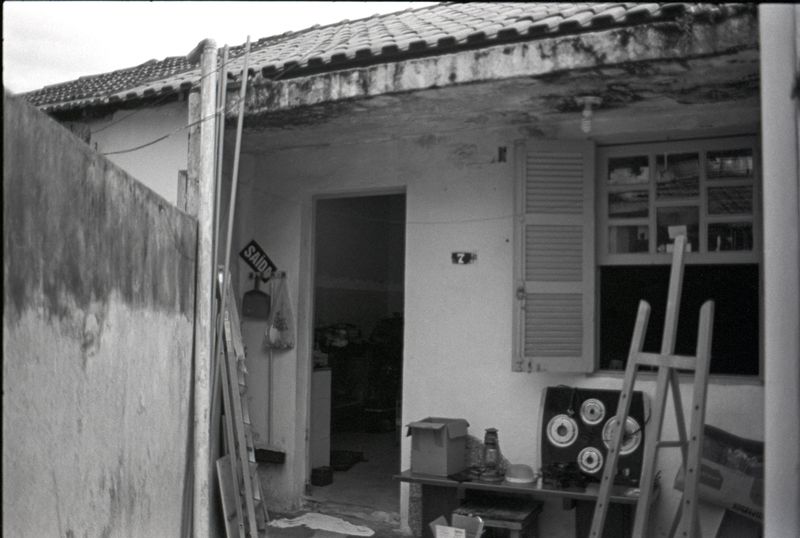
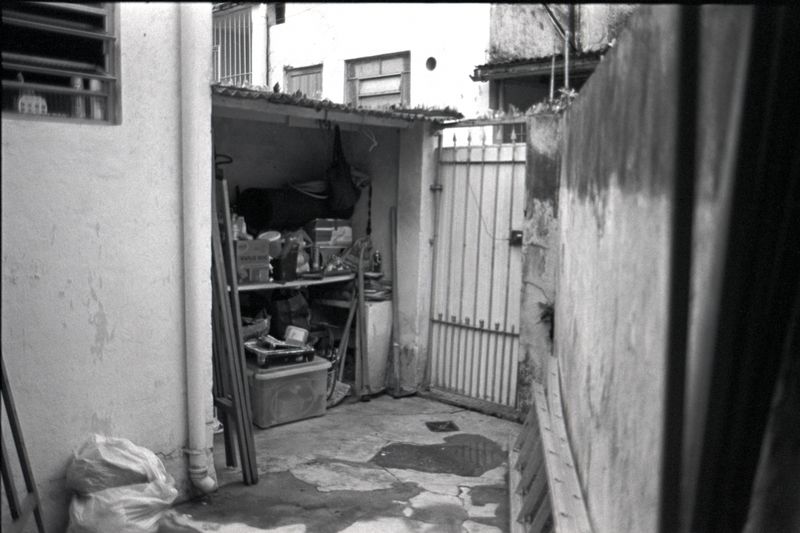
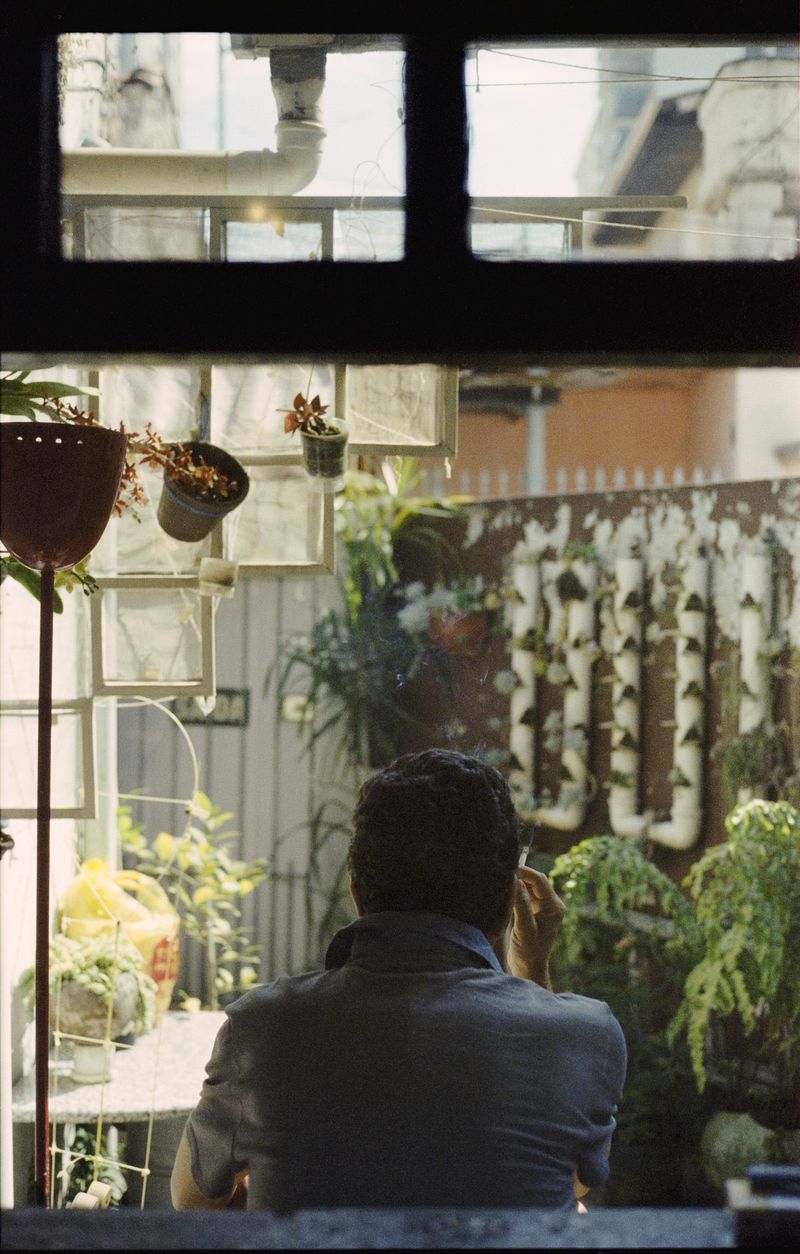
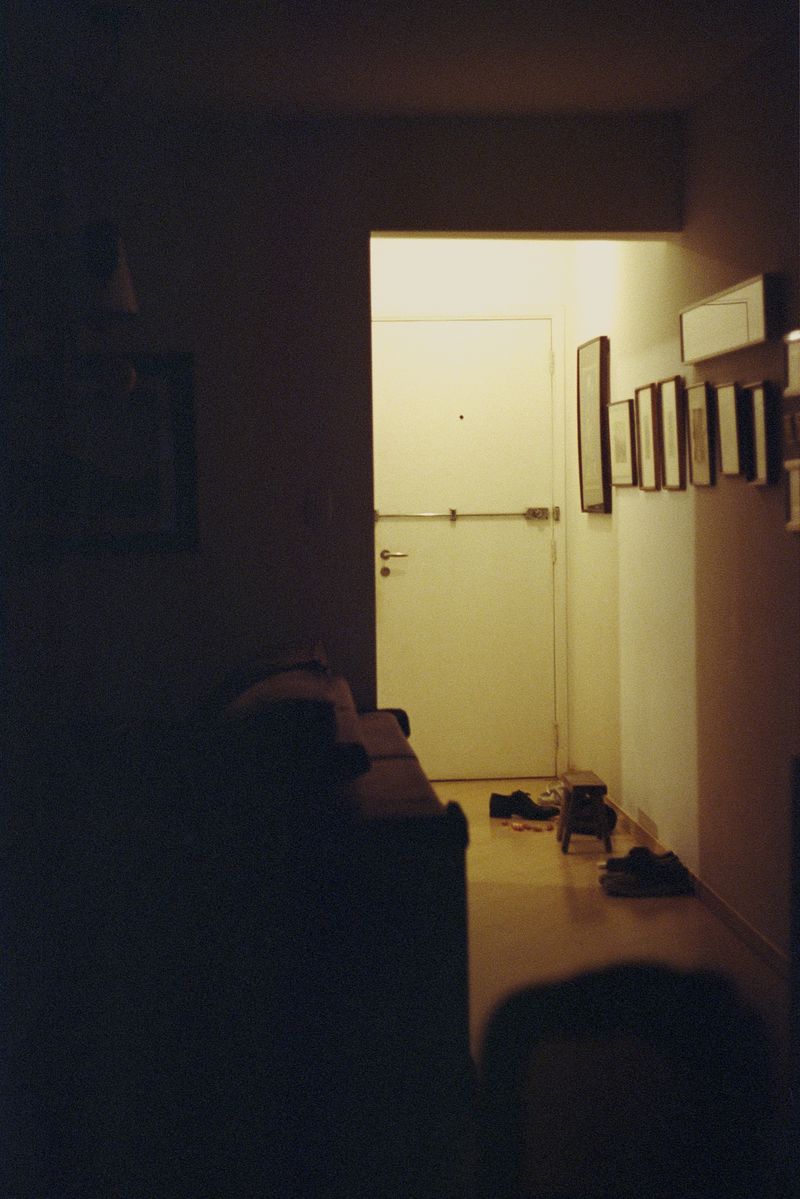
A house is not only walls and objects, but a shifting landscape of glances, absences, and repetitions.
Home is a labyrinth of secret passages, where tenderness and unease sometimes wear the same face, and each room conceals a new rabbit hole, especially for those moving through it with a child's uncertain wonder.
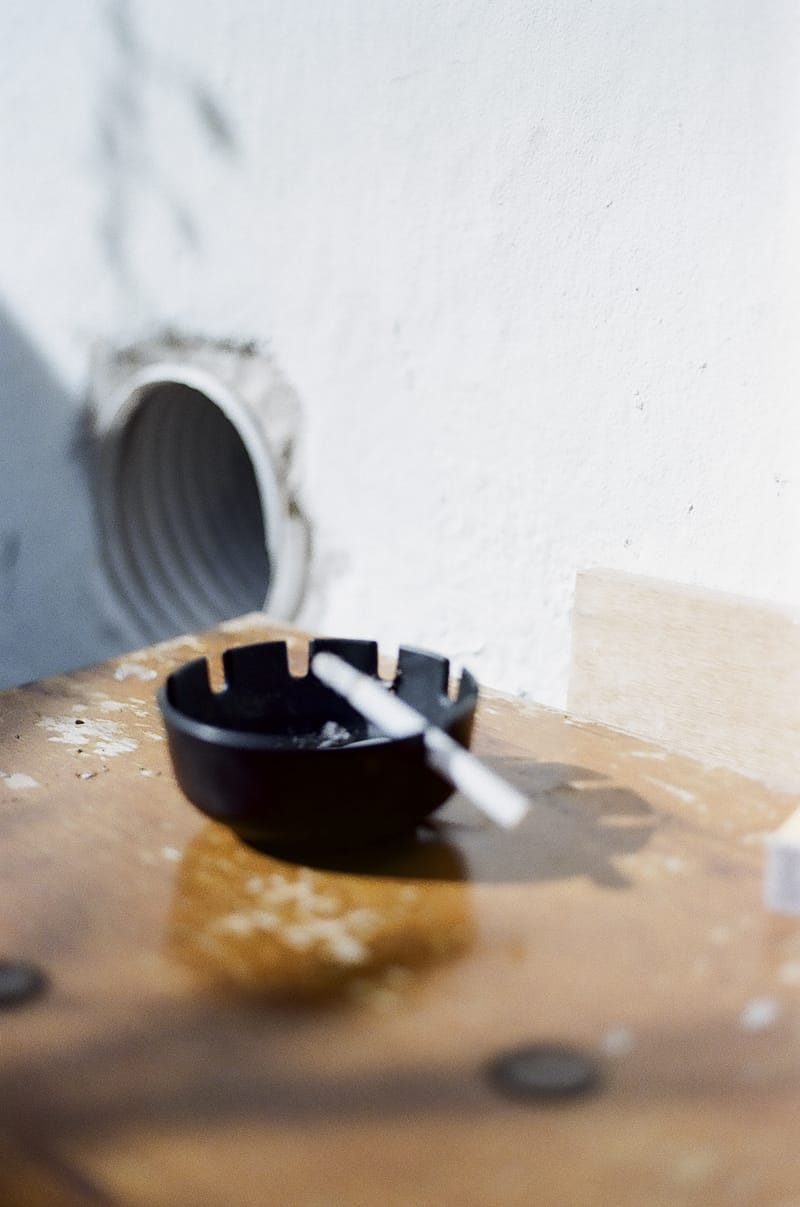
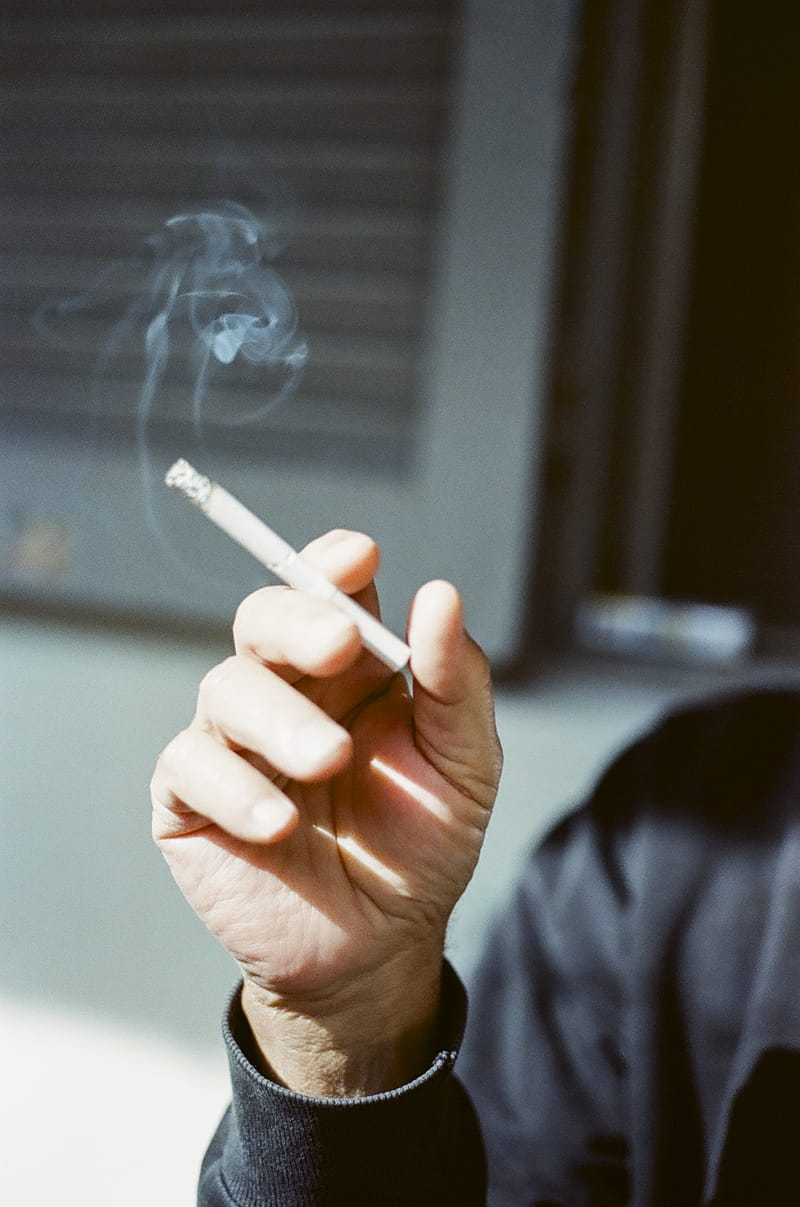
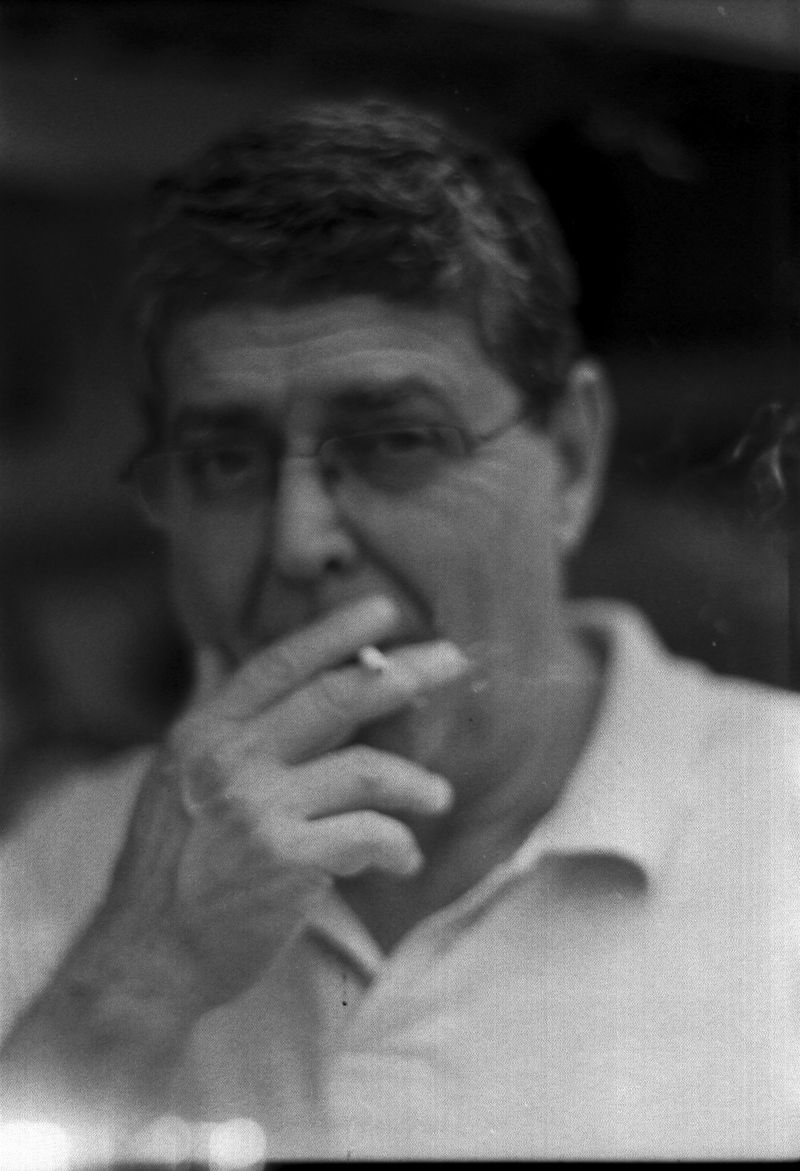
It is here, in the ordinary echo of footsteps and the silence that follows, that stories grow fractured. Never whole, only glimpsed in the half-light that shines through the smoke of a cigarette.
What encompasses a family is also what unravels it: the rituals, the half-spoken affections, the tension braided into daily life.
In scheduled days, borrowed hours, interrupted routines. Moments carved from necessity, half-formed conversations, brief connections stitched through the fabric of obligations.
Affection, in such a labyrinth, grows quietly and without certainty. It is never quite confidence, never quite permanence. It grows in shadows, nourished by longing and the precarious sense that time slips through the cracks in the walls.
Questions gather in the corners, unasked and unanswerable. They circle silently, lingering in the pauses, collecting in the silent aftermath of each goodbye, like dust settling in unused rooms.
They were never urgent enough to be asked. They lived between sentences, carried like stones in pockets, present but unspoken.
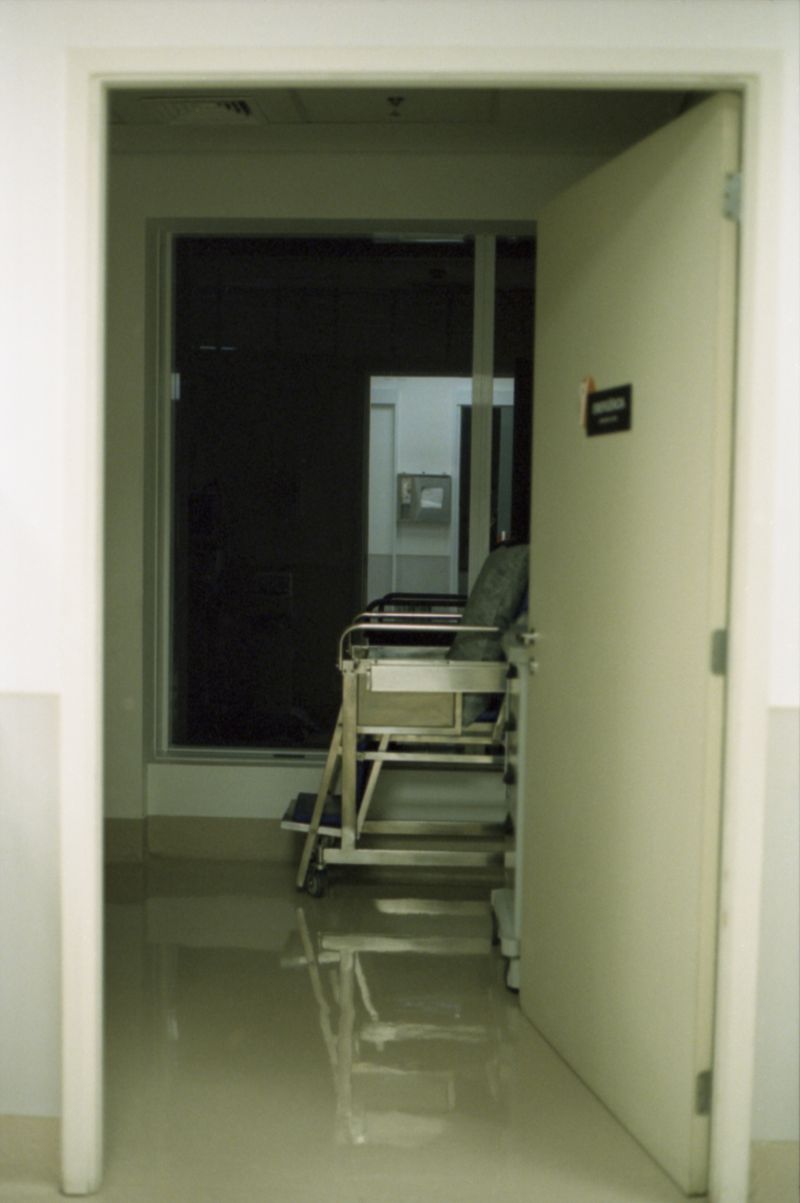
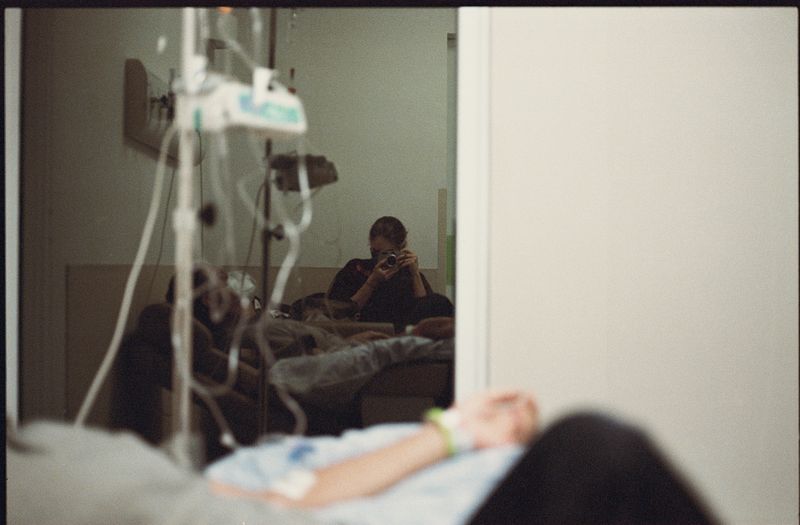
Illness arrived, a quiet intruder, rearranging the furniture of every day, reshaping time and attention. Certainty became a memory, and the air thickened with new rituals and unspoken fears.
It sought peace, yet also conflict. Rest was elusive, and every attempt at calm introduced a new tension, an undercurrent of struggle.
Internal and external. Pressure accumulated in places no one could reach, echoing in both body and home, the house itself absorbing and reflecting each struggle.
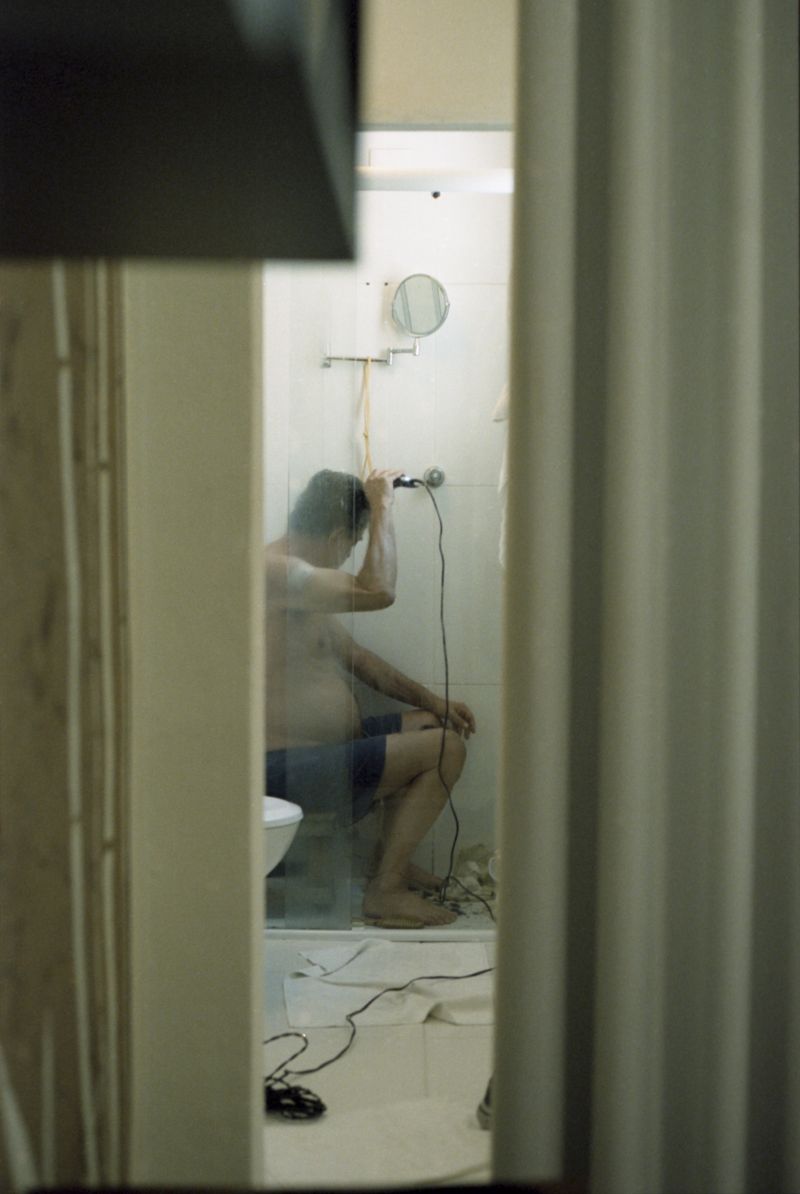
The body weakened. The rhythm changed. Sleep became uncertain, pain became the new normal. Each movement, once automatic, now required intention and care.
Hands learned new gestures. Bodies learned dependence. Vulnerability became a language, spoken in touches and glances, a grammar of need and trust, words exchanged in the labyrinth, never fully understood.
There was tenderness.
Small comforts became precious: the warmth of the first sunlight, a shared cup of coffee, the quiet act of simply being present together.
There was exhaustion. Fatigue pooled in the corners like water, making ordinary tasks feel insurmountable. Even hope sometimes echoed hollowly through the rooms, heavy and unmoving.
Time stopped behaving as expected. Hours stretched and shrank unpredictably, like hallways that lengthen and contract. The clock became unreliable, days blurring, each one a room with no clear door.
It dissolved into repetition. Each day mirrored the last, comfort and monotony intertwining until the past and present were indistinguishable.
Silence did not remain empty, it reorganized itself. It filled the house, seeped into the walls, and settled into the rooms with questions, memories, and the sound of breathing. It’s presence now a quiet, unsettling companion.
What had been hidden found language. Secrets, once walled in behind routine, surfaced in unexpected words, accidental confessions, or the aching need for understanding, as echoes moving through the labyrinth at night.
Ordinary gestures were reread. Every touch, every sigh, seemed to carry double meanings. Hope and fear, comfort and farewell, intertwining.
Old warmth acquired shadows. Familiarity became tinged with uncertainty, laughter growing fragile as if the walls themselves listened, remembering.
Even intimate scenes hesitated. Closeness paused at the threshold of worry, tenderness complicated by the knowledge of change.
A last name began to feel inaccurate. Identity no longer fit the architecture of inherited words or the echoing corridors of shared histories.
Slightly altered. Familiar. Unstable. Everything known was unsettled, rearranged in subtle ways. The ordinary made strange, as if the house itself had shifted overnight, but also as if now the puzzle for the labyrithn now makes sense.
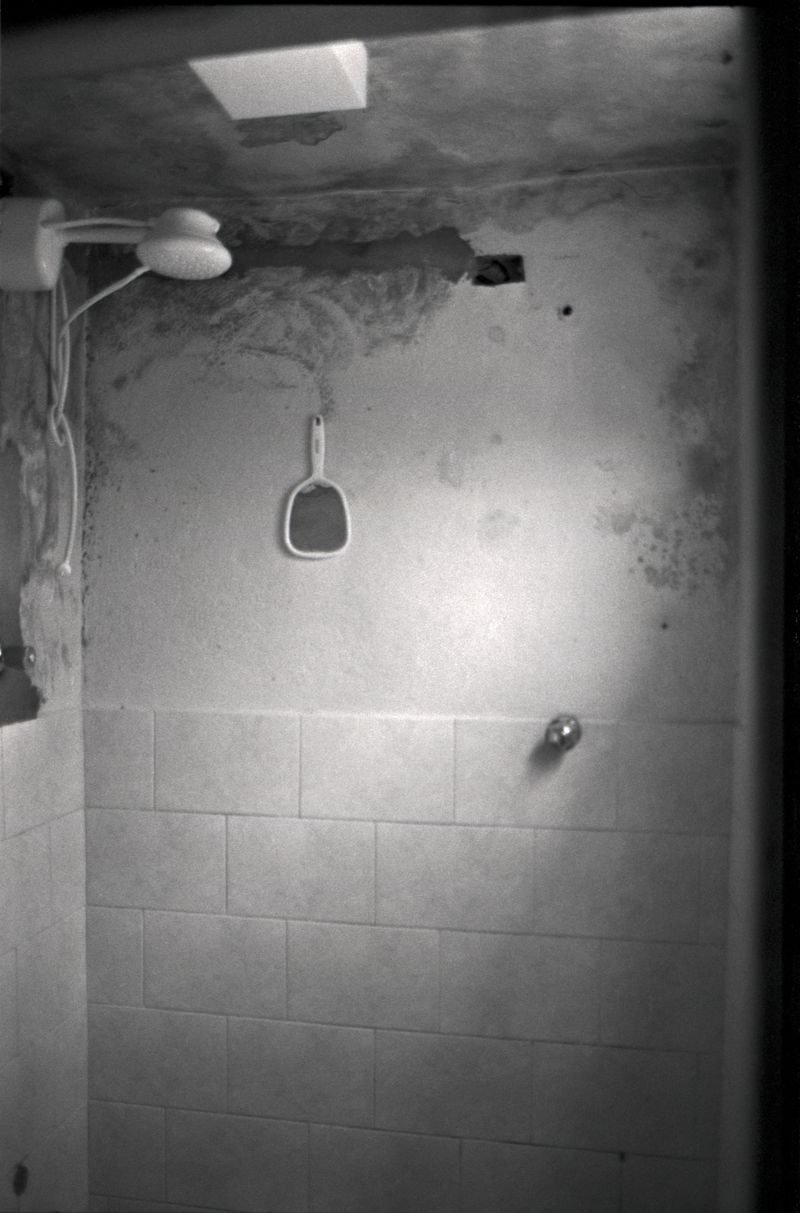
Like a house whose hidden rooms have been opened too late. Dust motes swirl in the light, the air thick with memories that cannot be reclaimed, violence and confusion drifting through, impossible to sweep away.
Thought protects itself: It invents reasons. Explanations form shields, softening the sharpness of reality, allowing the heart to keep moving forward.
It edits reality. Memory blurs edges, rearranges facts, painting over pain with gentler hues as a way to survive.
It prefers coherence to truth. Stories are retold, details omitted or changed, all to create a sense of continuity where none may exist.
My name is
Veronica Laminarca ̶B̶a̶r̶o̶n̶i̶
Perhaps this is how I learn to say goodbye.