Optical Error
-
Dates2024 - 2024
-
Author
- Locations Chernivtsi, Ukraine, Bratislava
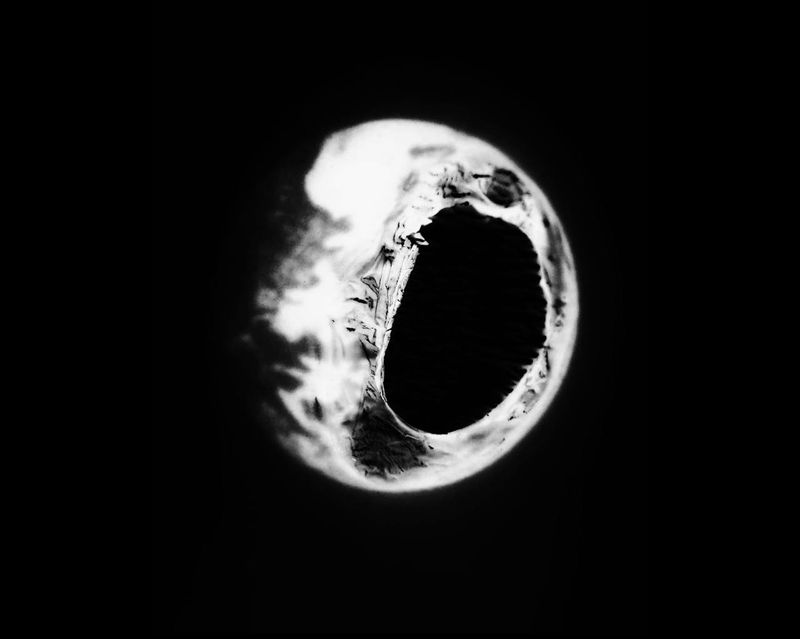
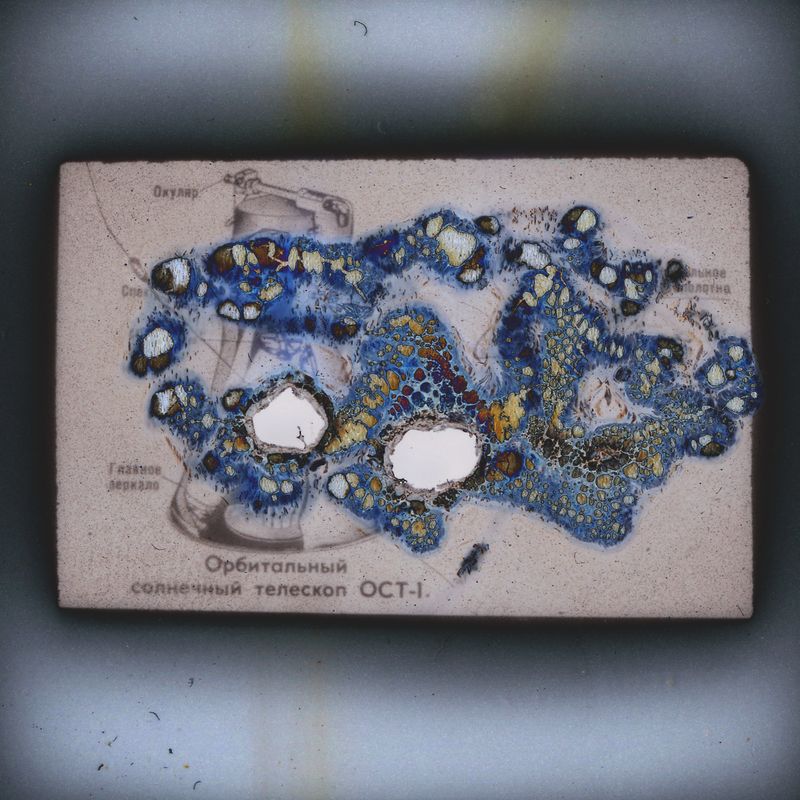
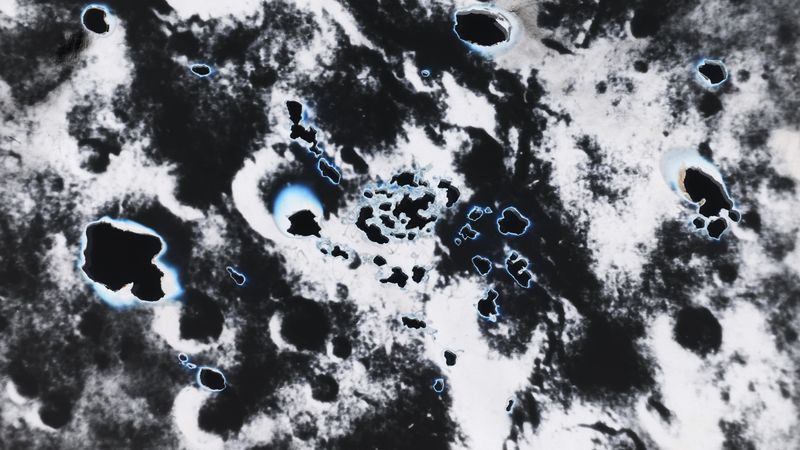
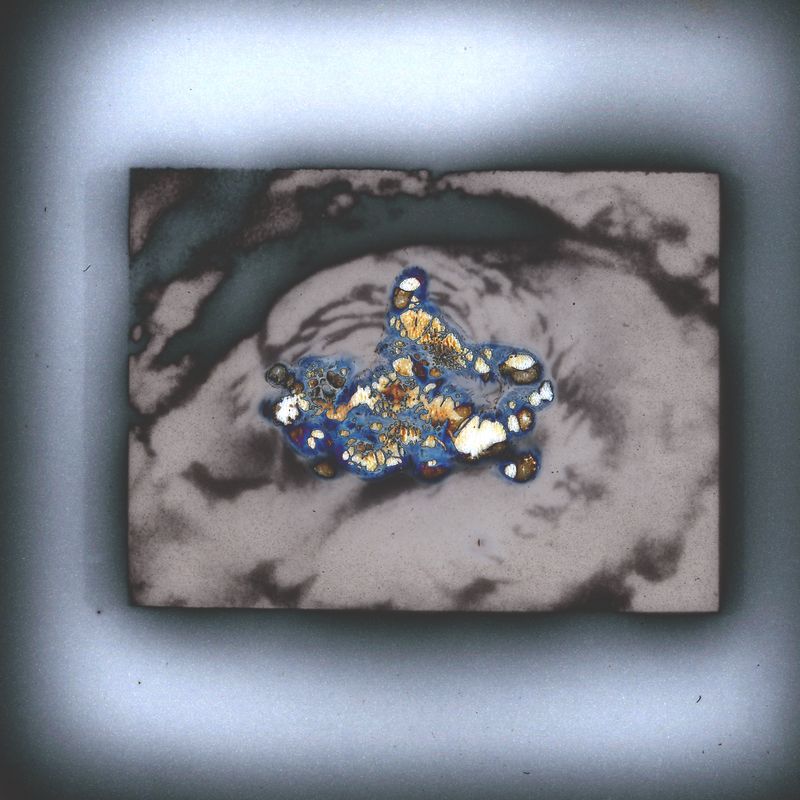
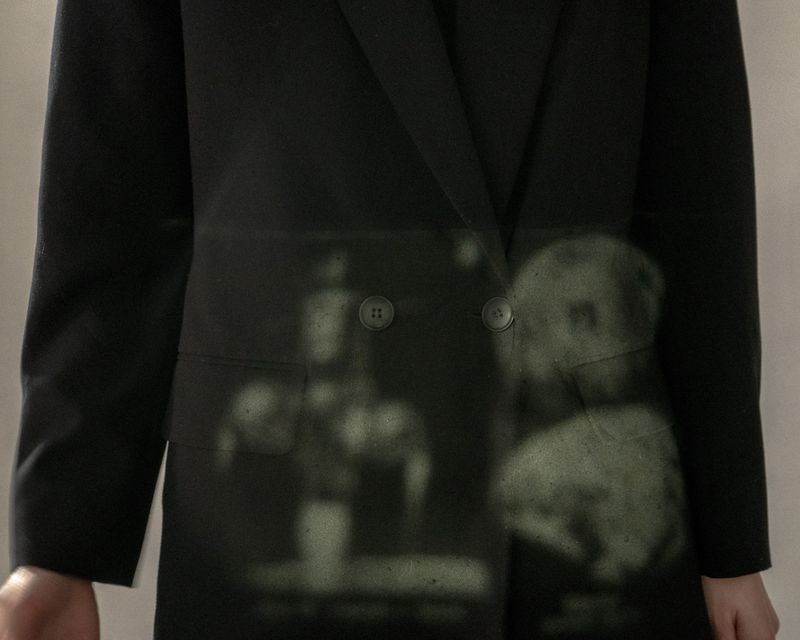
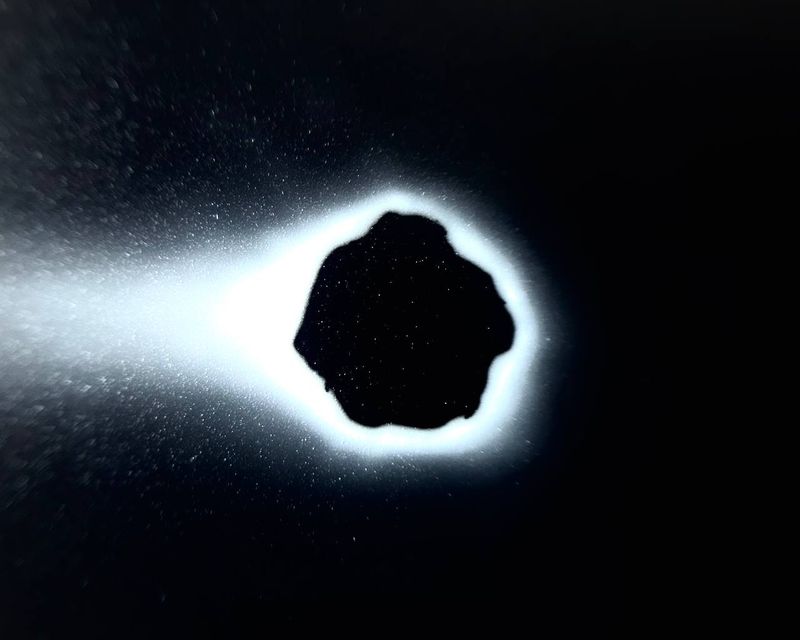
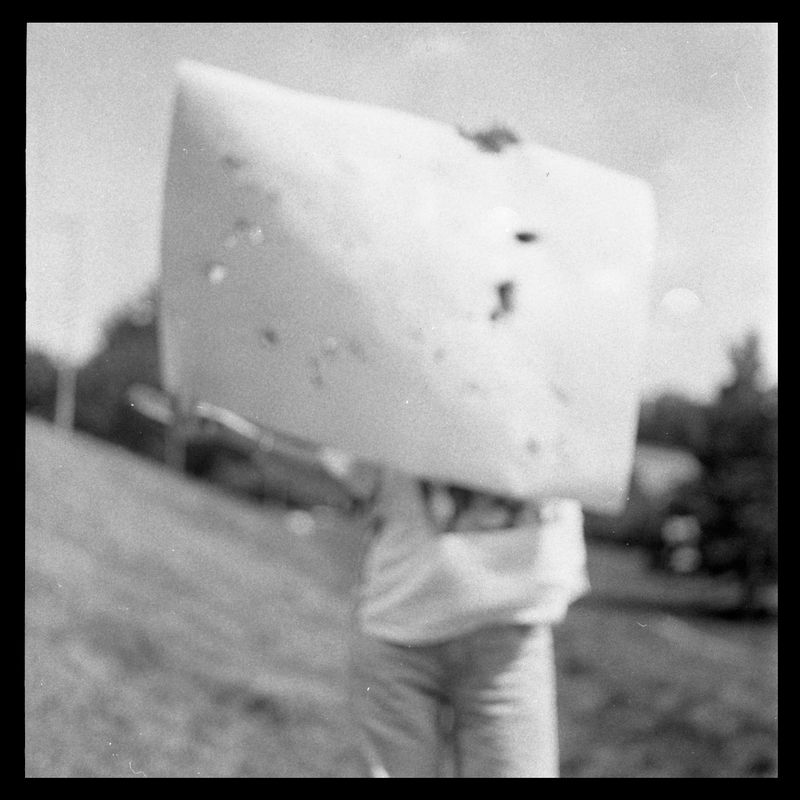
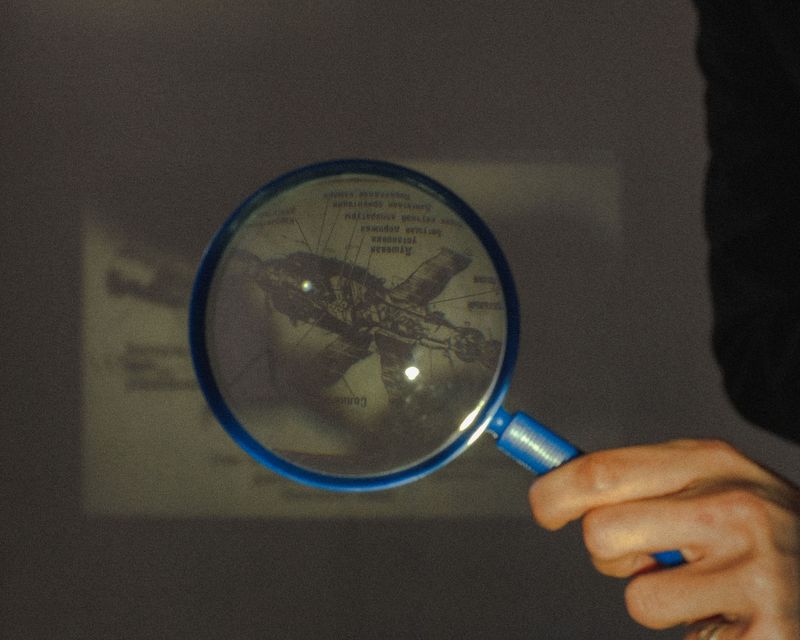
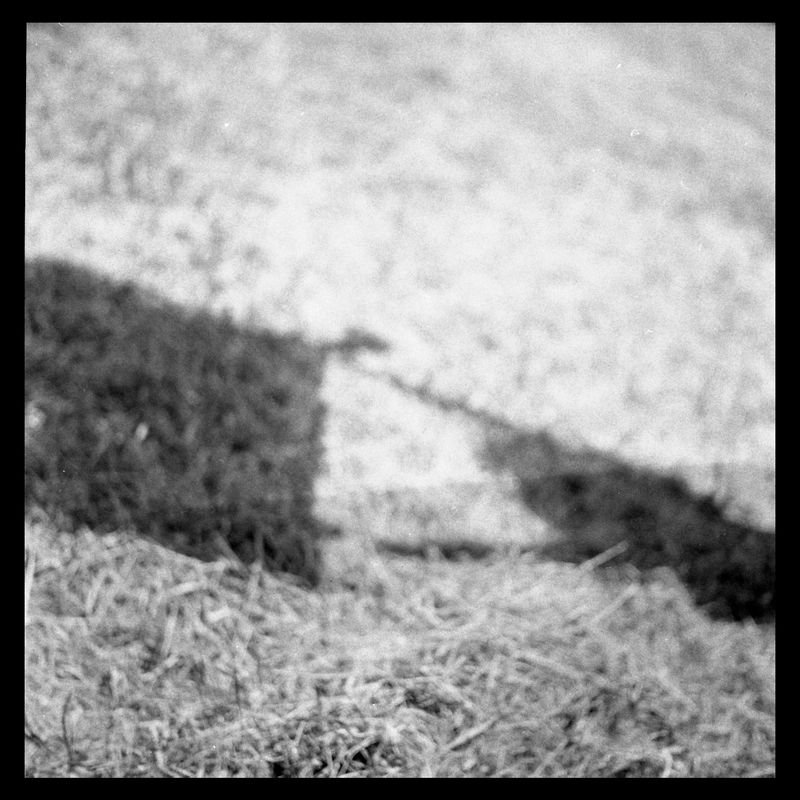
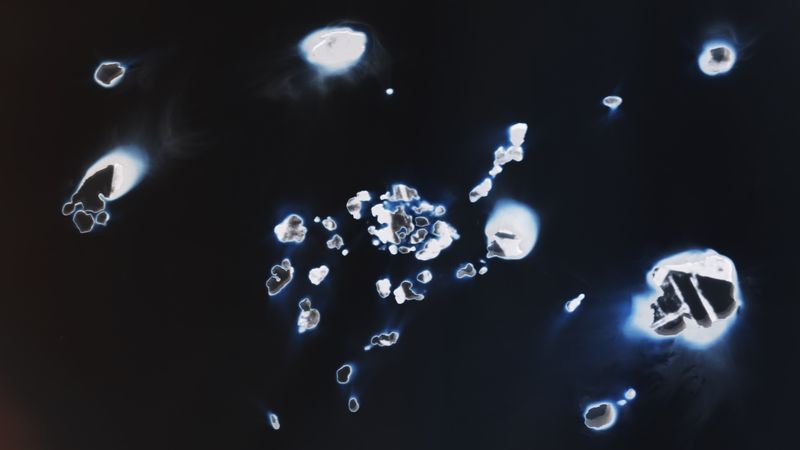
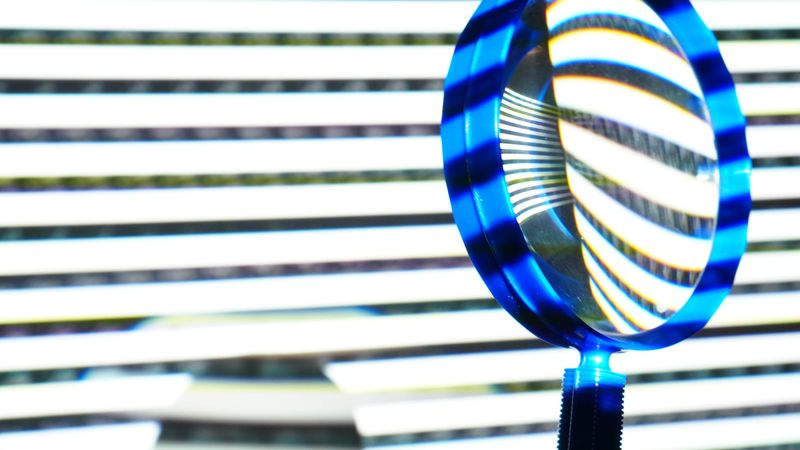
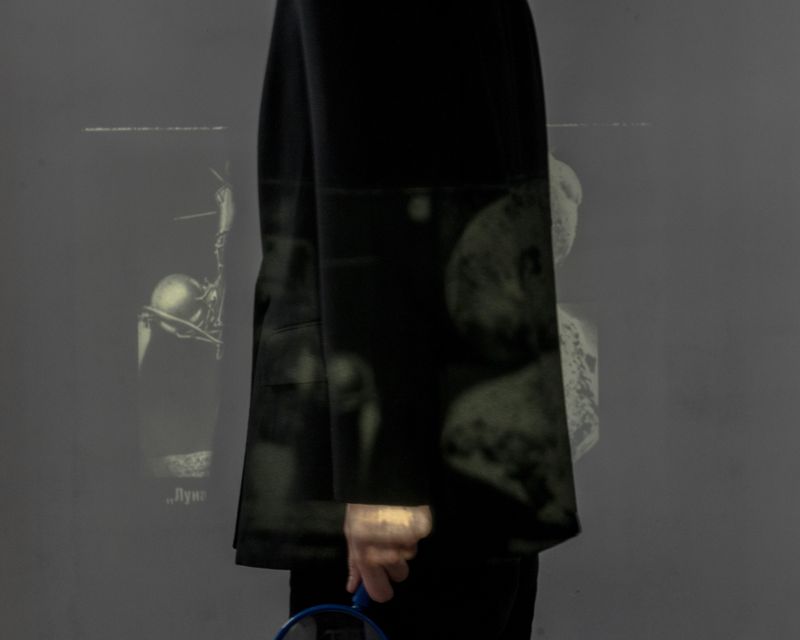
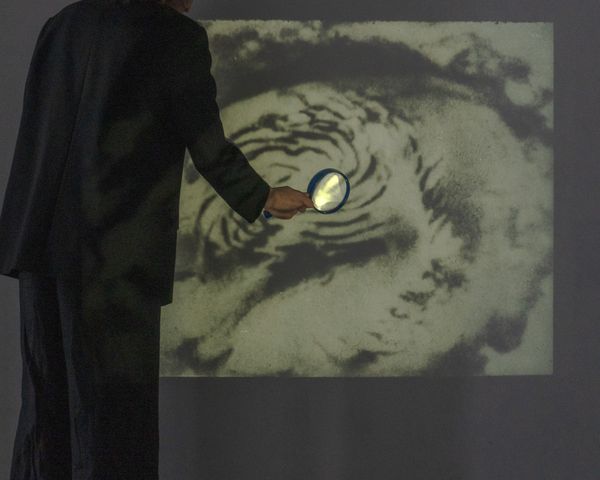
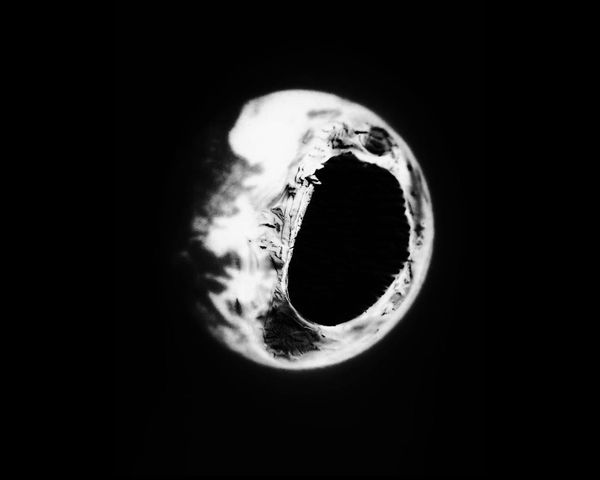
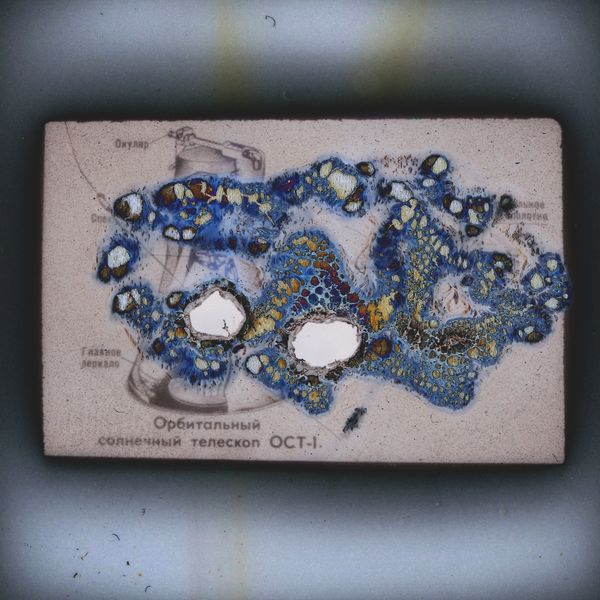
My work explores the role of optical distortions and errors in visualizing the contradiction between experience and memory. Using optical anomalies like aberration, distortion, etc., I aim to create visual artifacts that reflect identity conflicts.
The "Optical Error" project was driven by several questions that have increasingly unsettled me as I’ve matured. These questions gave rise to states that I will henceforth refer to as "errors," likening them to internal conflicts, contradictions, etc. In the process of identity formation, they created noticeable gaps and left a void. These gaps, which needed to be filled, laid the foundation for the development of internal discord that obstructed smooth growth, often leaving no room for peace or even a close understanding of what I truly needed. My work began as an attempt to capture this phenomenon more thoroughly, to describe and analyze it, and to find my place within this paradox.
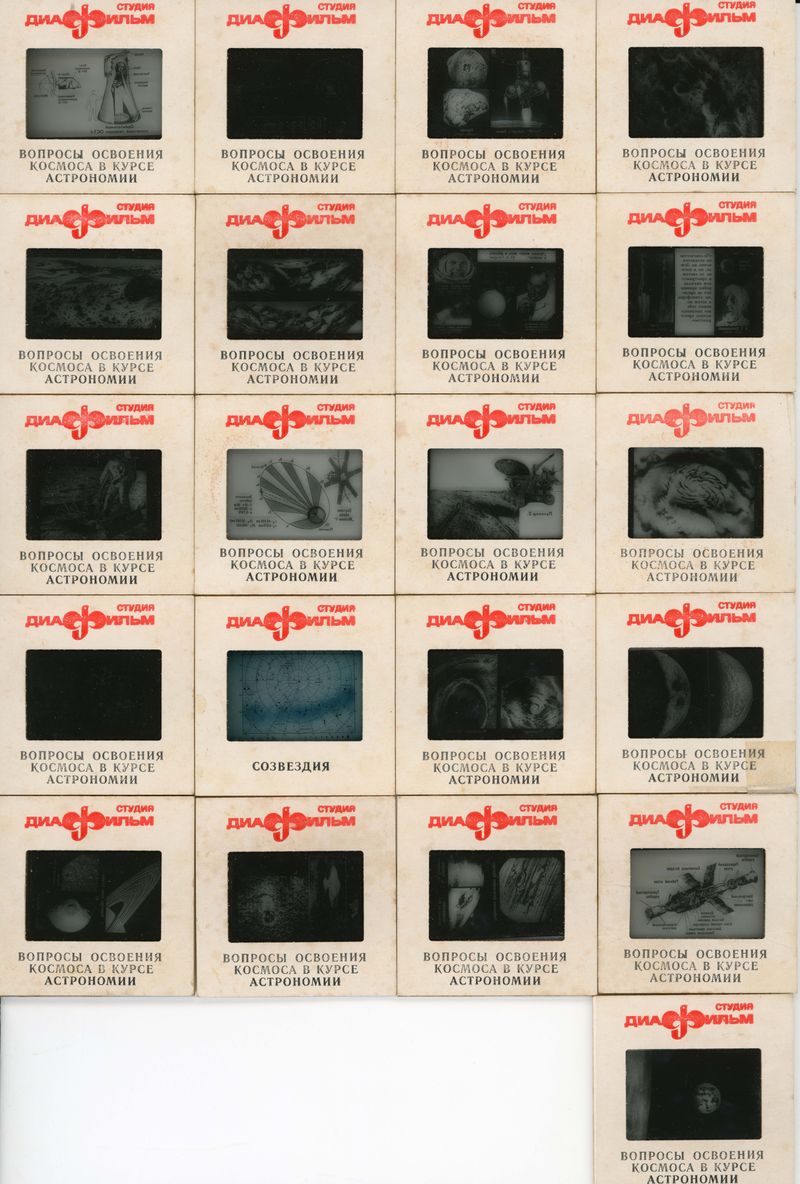
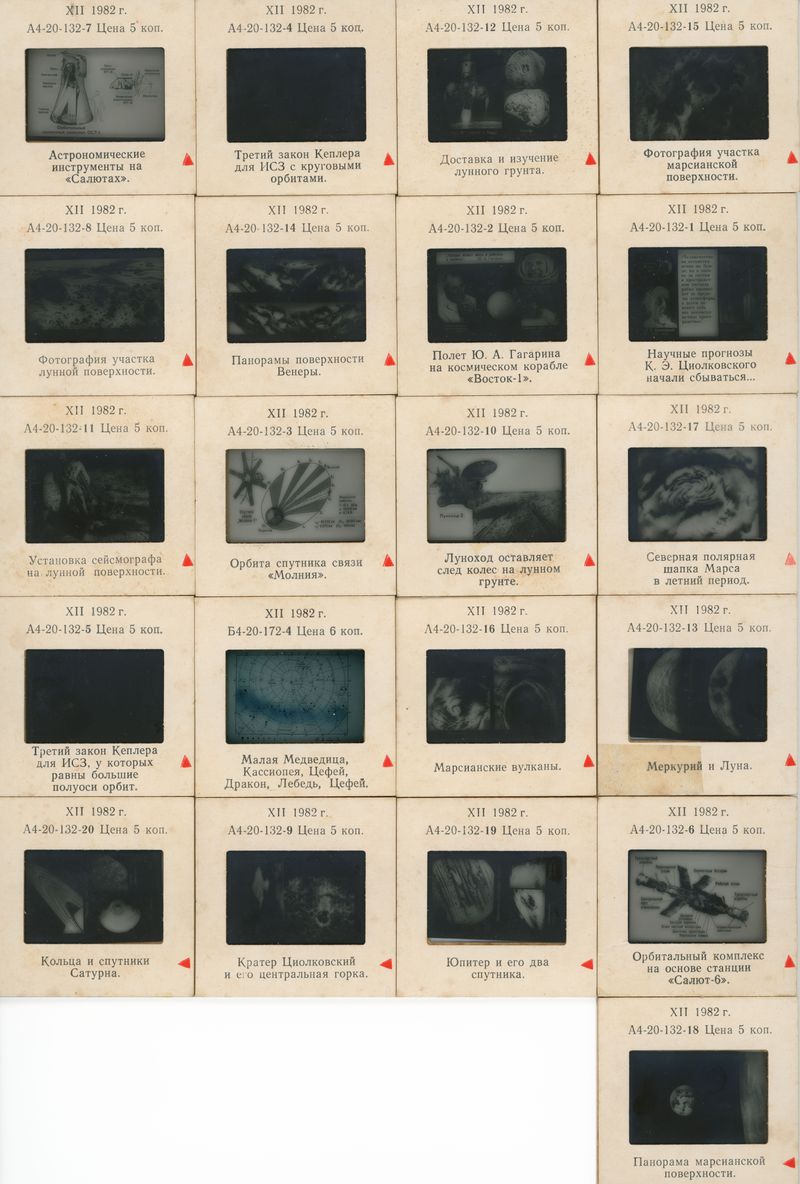
Photography has always held deep meaning for me, largely due to my family background. My grandfathers, both physicists, shaped my understanding of the world through discussions on science and the mysteries of the universe. Their influence sparked my interest in photography and its optical principles, but for me, it’s not just about technical curiosity. It’s about preserving fleeting moments, especially after their loss and my separation from home.
The inner contradictions I intend to present through optical distortions and errors will be at the core of this study. Special focus will be given to the phenomenon of identity blending and the eternal problem of self-identification in the context of voluntary migration. While my departure from home in 2019 (on my own at my 17 yrs) wasn’t directly influenced by political events, the current situation has made me more aware of its impact. Losing both of my grandfathers and the changing social landscape in my country deepened my sense of disconnection. I’ve often tried to bridge this gap by revisiting memories of immanent realities through photography or creating visual artefacts as images of a non-existent original in the context of reading an elusive reality.
Although I could debate at length about the moment that marked the point of no return in losing—or conversely, gaining—my authenticity, for me, the decisive factor was the chasm between expectations and reality and the ways in which I try to fill these gaps in my life. My personal history plays a significant role in how I extrapolate personal experiences into the realm of photographic art and visual media, which opens new perspectives and significantly differentiates my research from typical popular-scientific generalizations. Instead, it addresses profound questions of self-understanding of identity and uses an optical approach as a tool for addressing them.
While working on this project, I’ve realized that the conflicts caused by different interpretations of reality are a constant part of our lives. What’s fascinating is that many of these ideas about understanding the world are likely just stories our brains create to make sense of things.
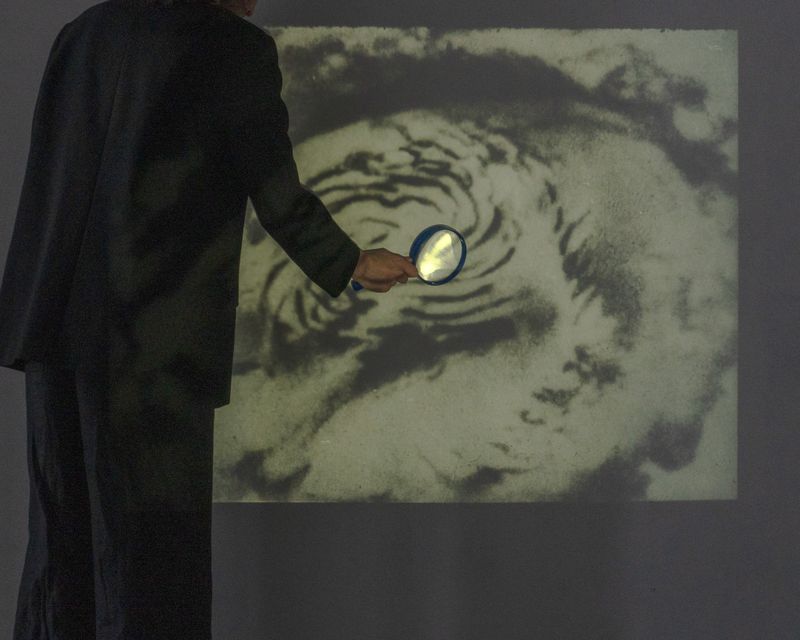
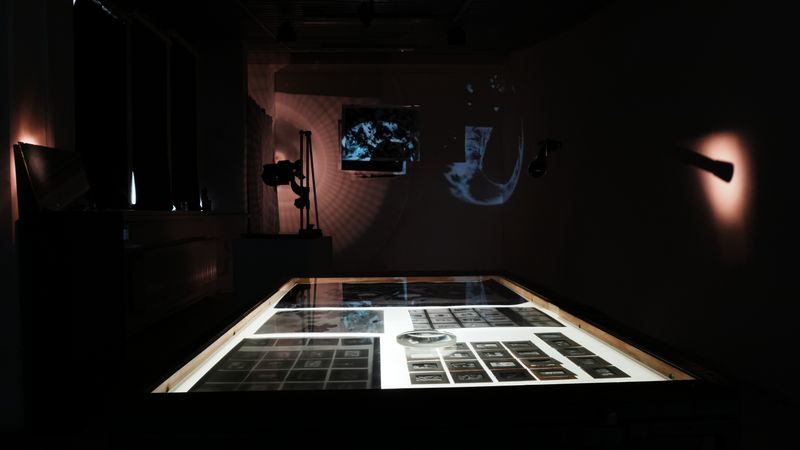
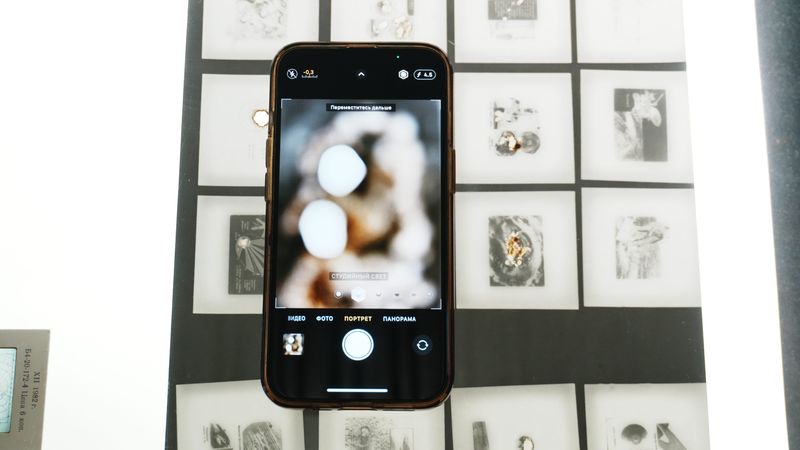
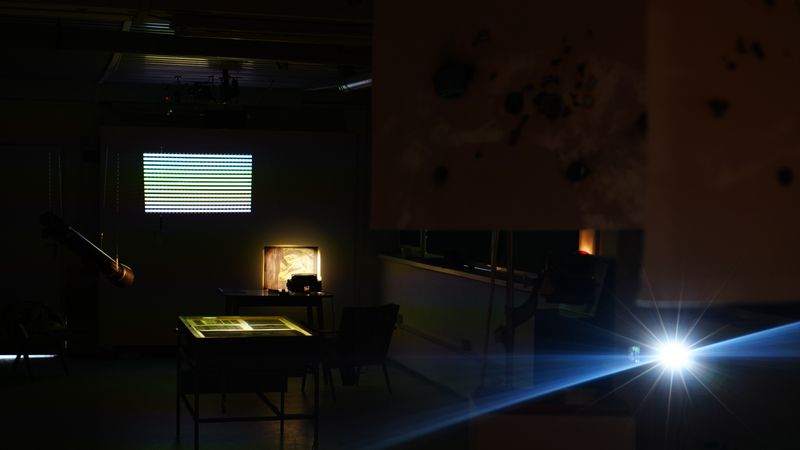
My usual goal is to turn visual experiments into interactive installations that let viewers dive into the world of optical distortions. I simulate various optical illusions and create a space that's not only visually interesting but also thought-provoking, encouraging reflection on how we perceive reality. These installations serve as a bridge between the art of photography and the science of optics, using visible distortions to explore how subjective our perception can be and sparking discussions about the nature of reality and illusion.