One Million Years

  • Dates
    2020 - Ongoing
  • Author
  • Location Germany, Germany

27,000 cubic meters of highly radioactive waste—produced by a few people in a short period of time. The German government is searching for an underground repository that will keep humanity safe from this nuclear waste for one million years.

27,000 cubic meters of highly radioactive waste—produced by a few people in a short period of time. The waste emits deadly radiation and will outlast future generations. The German government is searching for an underground repository that will keep humanity safe from this nuclear waste for one million years.

One million years. This time span reaches far into the future of humanity and is comparable to evolutionary scales. It will be necessary to communicate the location of this repository and the nature of its contents over this period of time.

With the current search for a nuclear repository, nuclear waste has become part of our modern heritage. Nuclear waste is cultural heritage. What conclusions will future generations draw about our societal self-image? When will we become aware of the present that was once ours?

one million years, a collaboration between Jann Höfer and Martin Lamberty, is a photographic exploration of the nuclear legacy of our time.
It is an attempt to make the limits of the imaginable—as well as an invisible danger—visible.
© Jann Höfer - Image from the One Million Years photography project
i

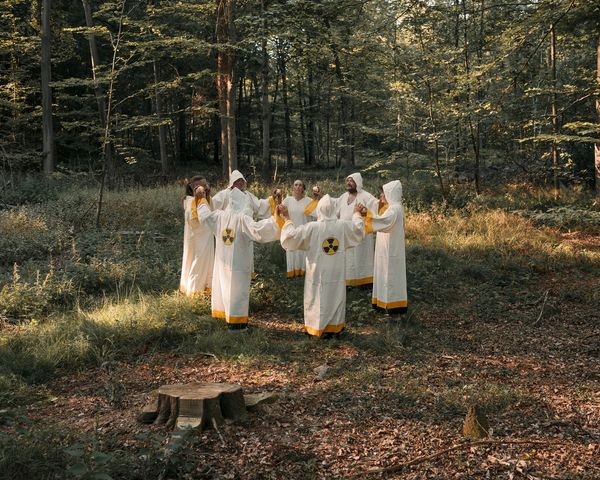
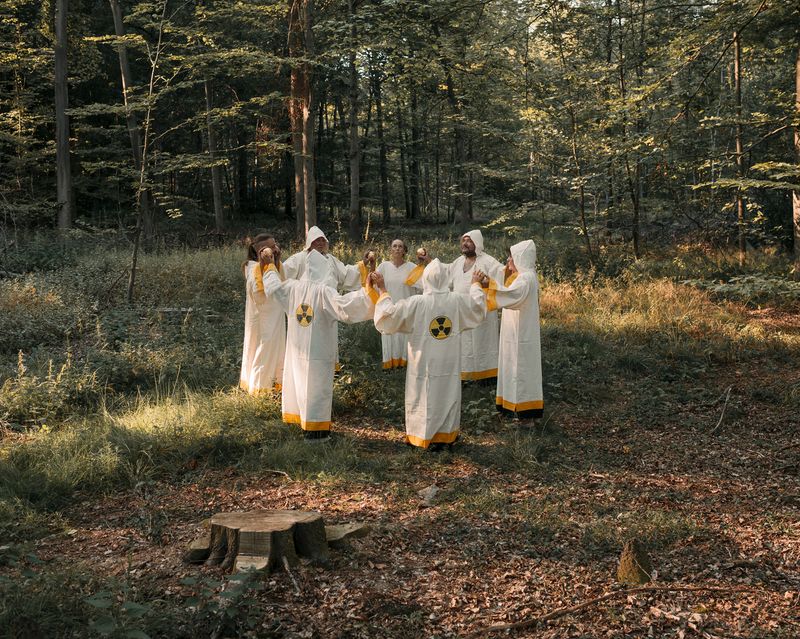
03 Legden-Asbeck, 08/2020 The Atomians, a protest group from Münsterland, integrate aspects of atomic semiotics into streettheater and performances during anti-nuclearprotests. Atomic semiotics is an interdisciplinary field that studies communication strategies for conveying information about nuclear materials and their long-term storage.

© Jann Höfer - Image from the One Million Years photography project
i

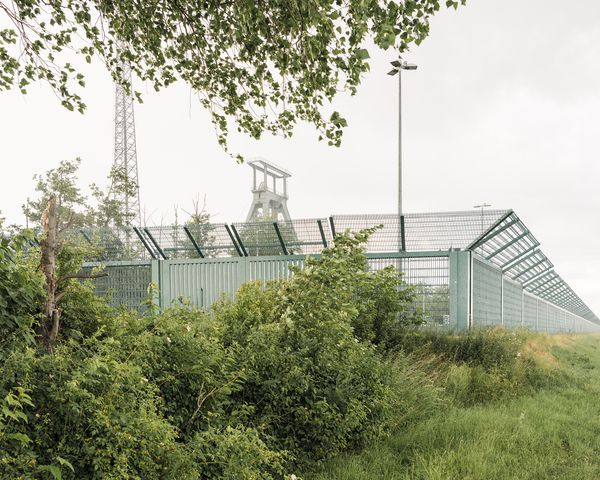
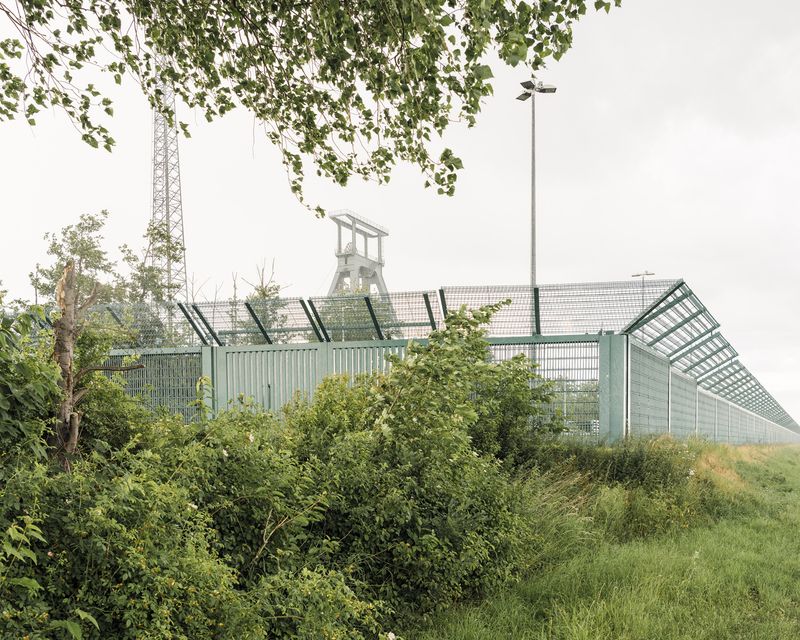
13 Salzgitter, 06/2022The “Schachtanlage Konrad”, a disused iron oremine in Salzgitter, converted into the first repositoryfor low- and intermediate-level radioactive wastein Germany in accordance with nuclear regulations. It is envisaged that the converted iron ore minewill be ready to store 303,000 cubic meters of wastefrom the early 2030s.

© Jann Höfer - Image from the One Million Years photography project
i

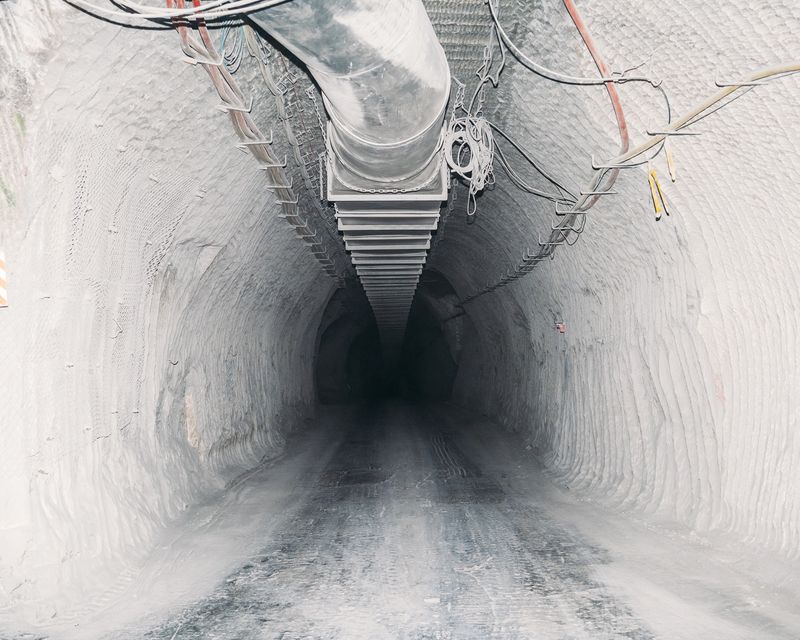
10 Morsleben, 02/2023At a depth of around 480 meters, the Morslebenrepository contains around 37,000 cubic meters oflow- and intermediate-level radioactive waste. As the first German repository to be decommissionedin accordance with the provisions of nuclearlaw, the waste will remain at the site.

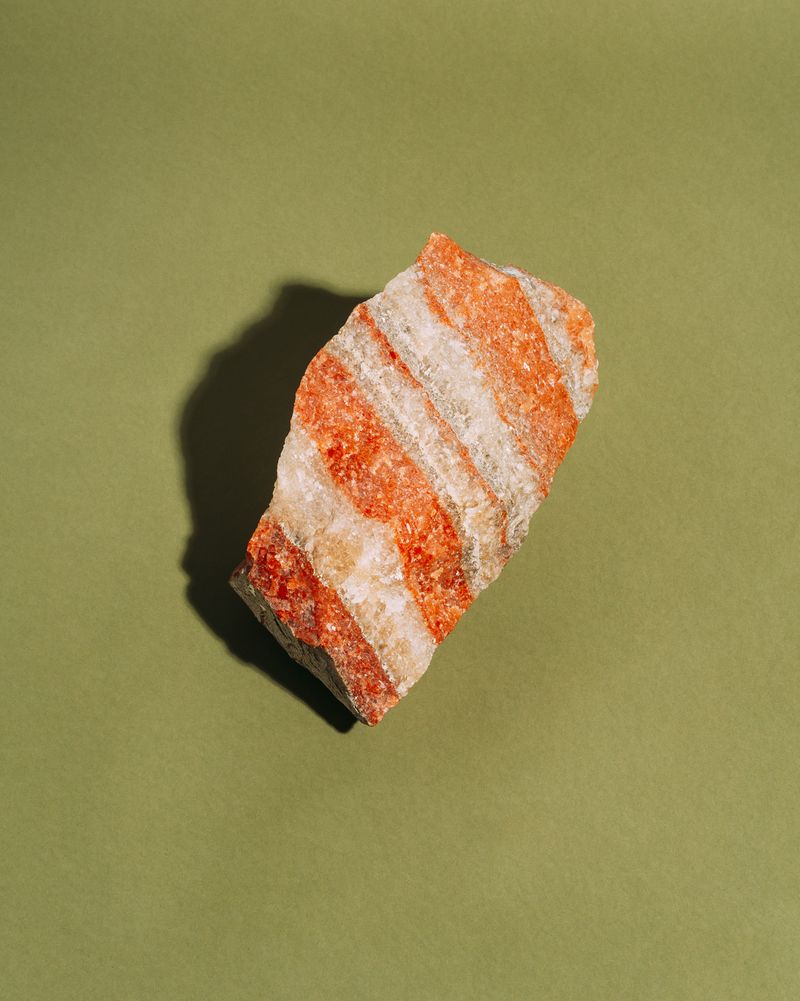
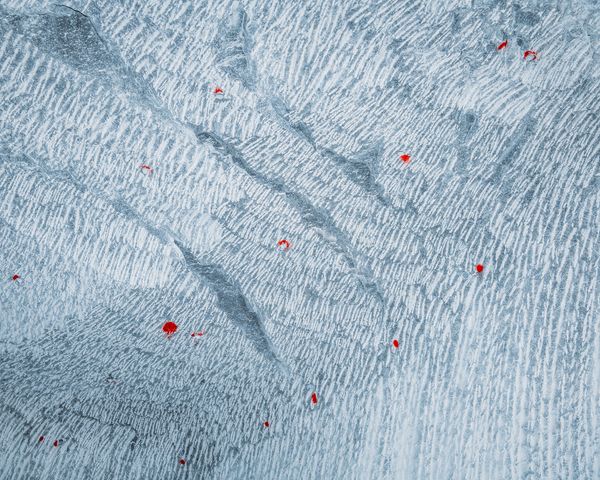
© Jann Höfer - 07 Cologne, 05/2020Potassium salt—one of the potential host rocks fora nuclear repository.
i

07 Cologne, 05/2020Potassium salt—one of the potential host rocks fora nuclear repository.

© Jann Höfer - Image from the One Million Years photography project
i

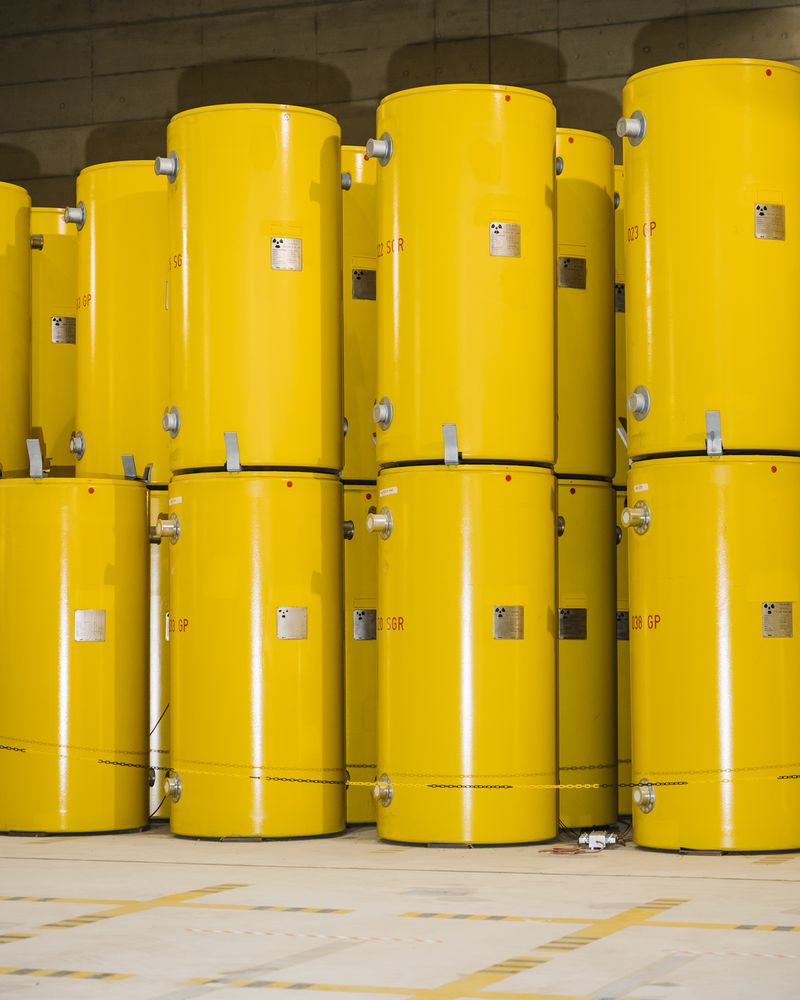
29 Ahaus, 03/2024CASTOR THTR casks loaded with irradiated fuelelements from the decommissioned Thorium High-Temperature Reactor (THTR) in Hamm-Uentrop instorage area II of the Ahaus Transport Cask StorageFacility. This is an interim storage facility until a final repository is found.

© Jann Höfer - Image from the One Million Years photography project
i

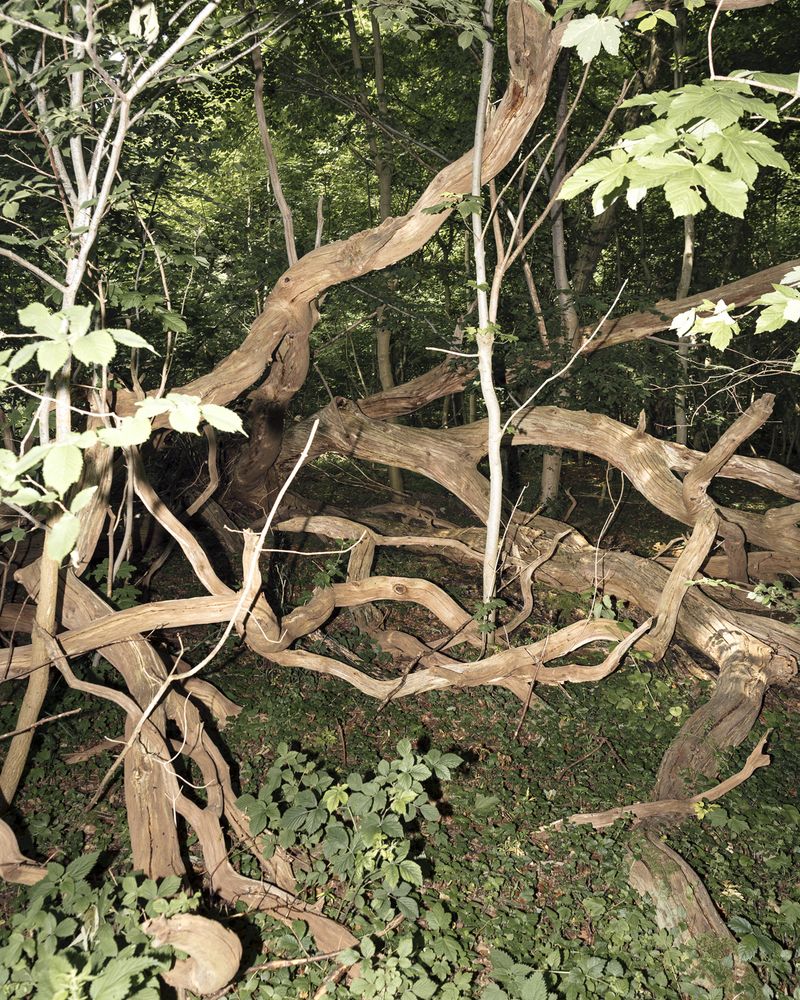
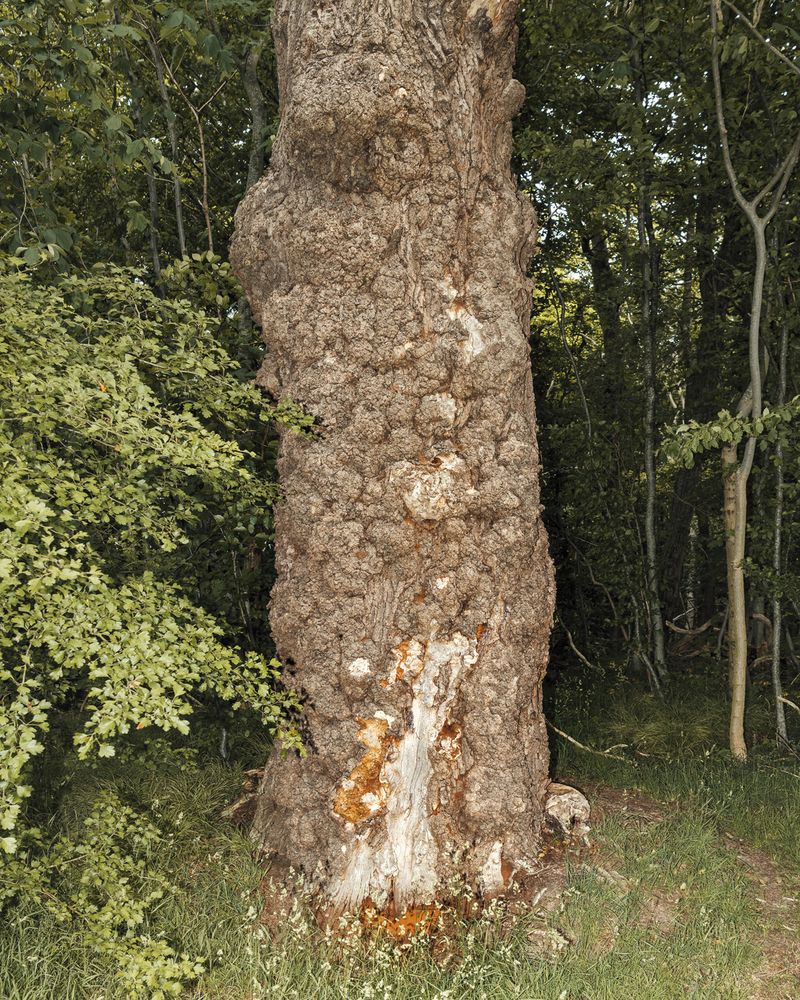
15 Vilm, 06/2022The old-growth forest on the island of Vlim off the coast of Rügen in the Baltic Sea has been left to its own devices for almost 500 years, after the last major logging operation took place there in 1527. Some of the trees in this forest are as much as 650years old.

© Jann Höfer - Image from the One Million Years photography project
i

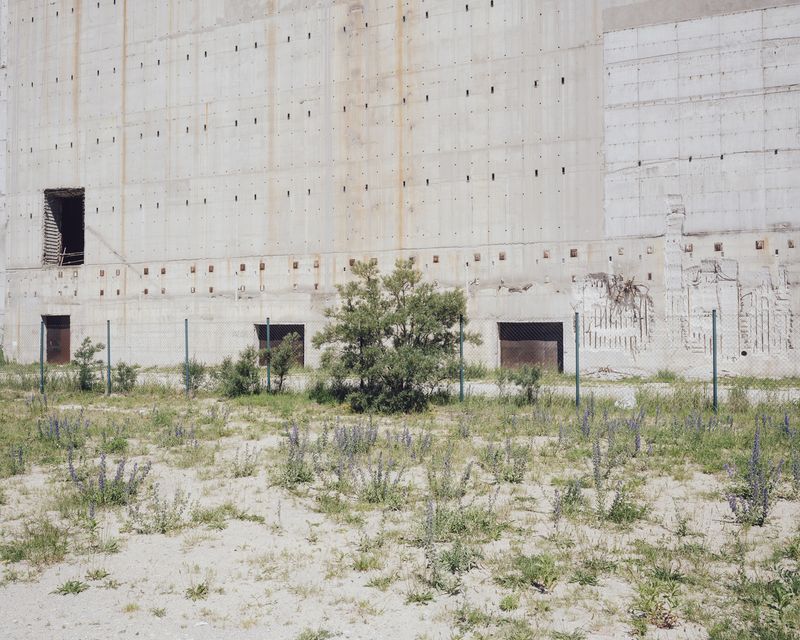
04 Lubmin, 06/2022 Unit 8 of the decommissioned Greifswald Nuclear Power Plant, where dismantling has been underway since 1995. Unit 8 was never operational.

© Jann Höfer - Image from the One Million Years photography project
i

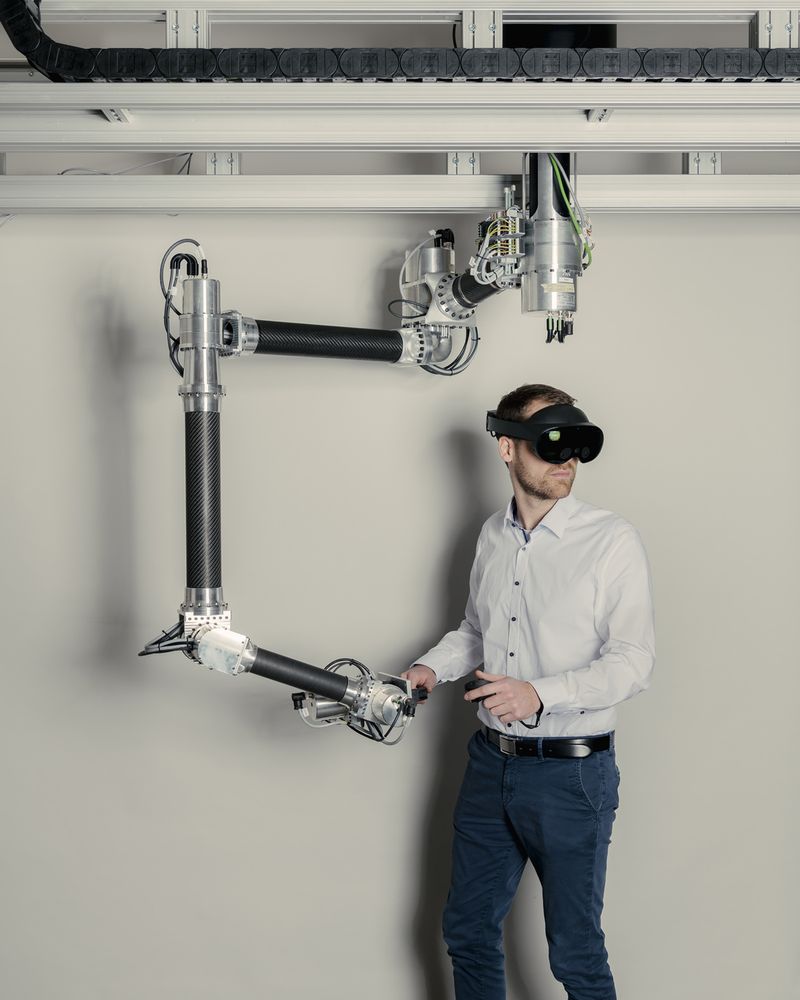
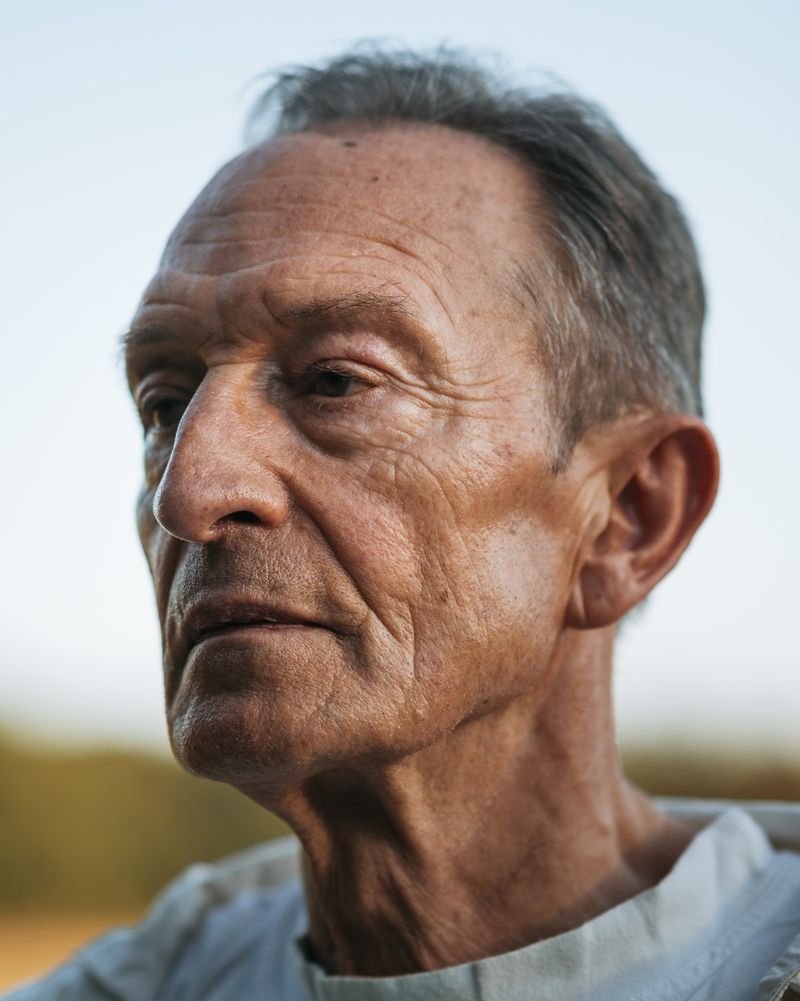
23 Karlsruhe, 01/2023Michael Fennel, research associate and doctoralcandidate in the Department of Intelligent-Sensor-Actuator Systems (ISAS) at the Karlsruher Instituteof Technology (KIT).

© Jann Höfer - Image from the One Million Years photography project
i

24 Remlingen-Semmenstedt, 07/2023Low- and intermediate-level radioactive waste wasstored at Asse II for research into the final disposal of radioactive waste. However, the mine is an unsuitable repository as it is unstable and has cracks through which salty water is able to penetrate. The waste will be retrieved and the mine will be shut down.

© Jann Höfer - Image from the One Million Years photography project
i

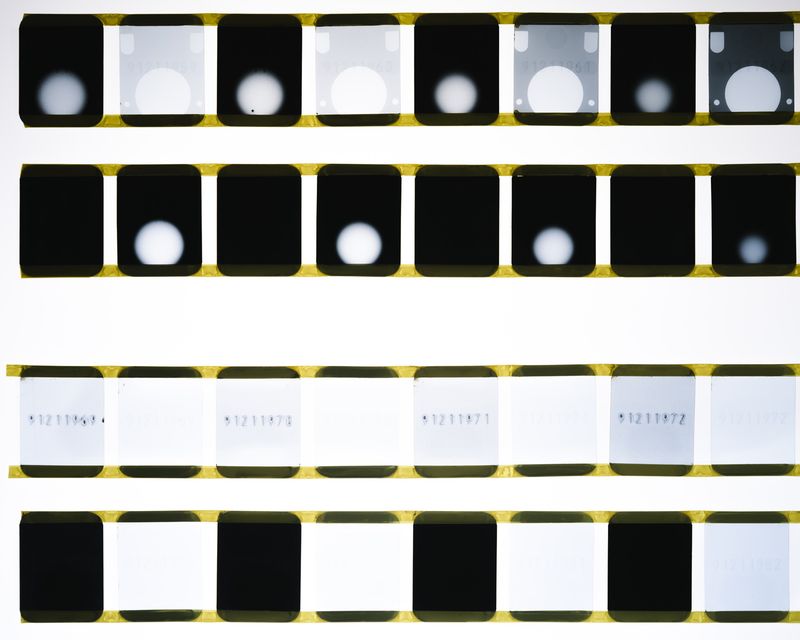
12 Dortmund, 11/2023Evaluated films from dosimeters at the North Rhine-Westphalia Materials Testing Office: conclusionscan be drawn about the direction of radiationand a person’s wearing habits.

© Jann Höfer - Image from the One Million Years photography project
i

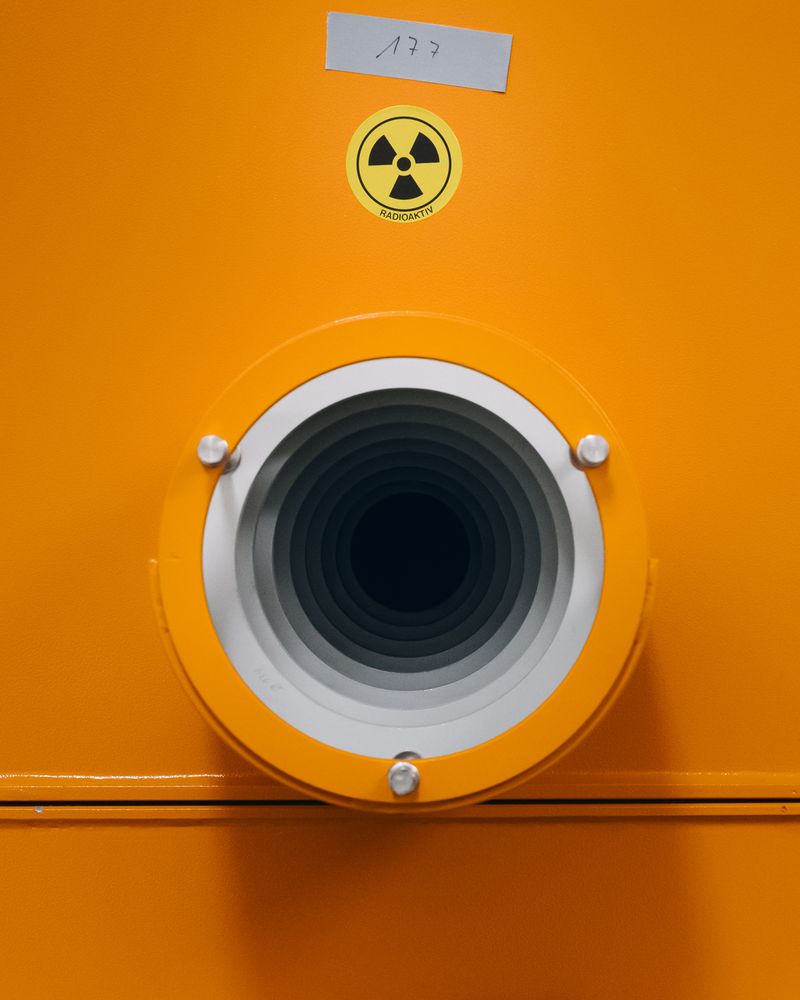
21 Dortmund, 11/2023A caesium irradiation facility for calibration and product development at the North-Rhine-Westphalia Materials Testing Office.

© Jann Höfer - Image from the One Million Years photography project
i

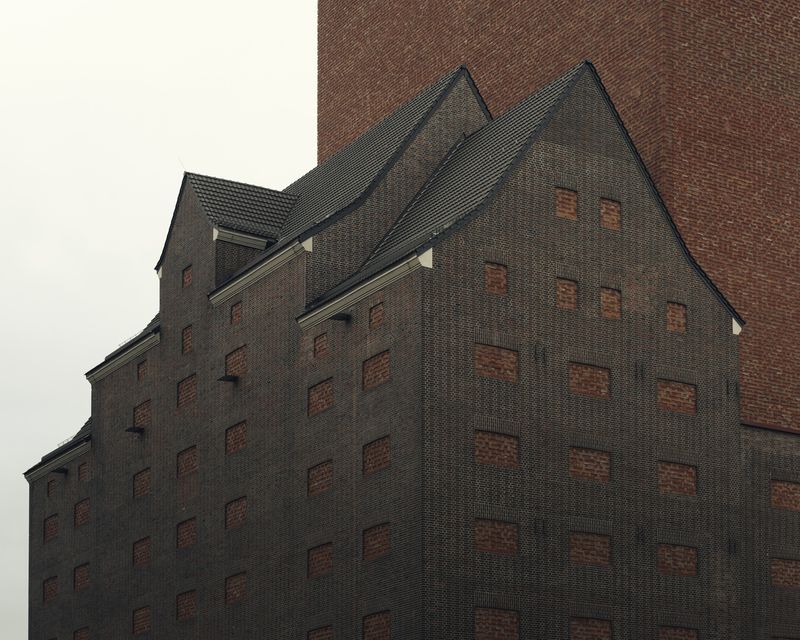
28 Duisburg, 01/2024 The State Archives of North-Rhine-Westphalia contains items dating from the seventh century to the present day.It comprises a wide range of documents, including deeds, files, official records and maps, and is continually being supplemented by photographs, films and audio documents.

© Jann Höfer - Image from the One Million Years photography project
i

03 Legden-Asbeck, 08/2020The Atomians, a protest group from Münsterland,integrate aspects of atomic semiotics into streettheater and performances during anti-nuclearprotests. Atomic semiotics is an interdisciplinaryfield that studies communication strategies forconveying information about nuclear materials andtheir long-term storage.

© Jann Höfer - Image from the One Million Years photography project
i

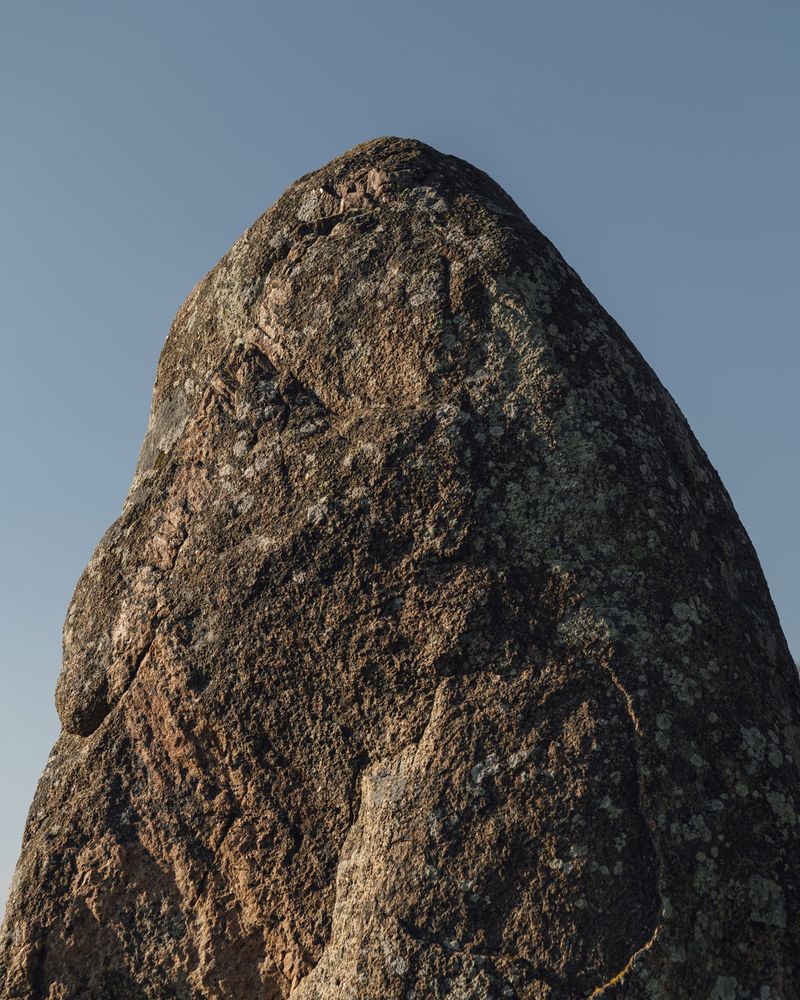
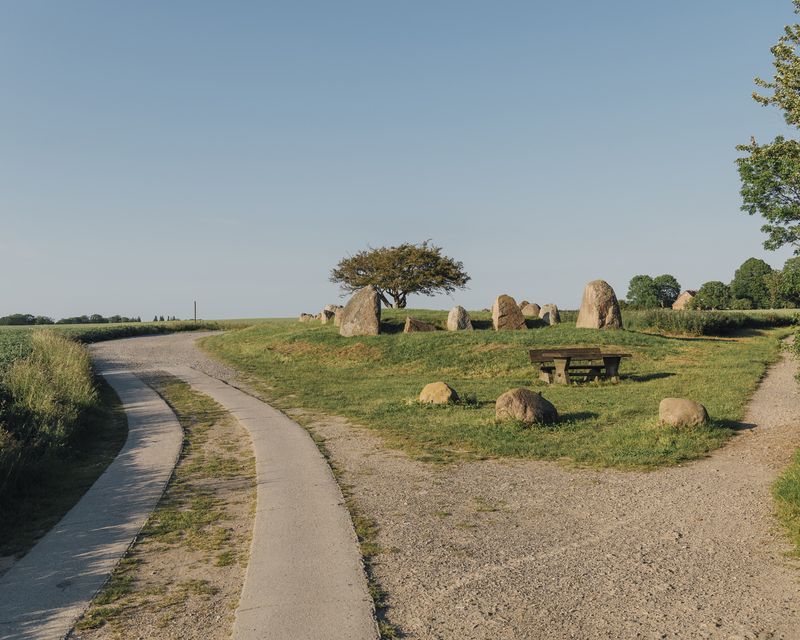
02 Rügen, 06/2022 Nobbin megalithic tomb.Built from boulders, this megalithic site dates back to the Neolithic period on Rügen. It is one of the largeststone tombs in northern Germany. Archaeologicalinvestigations were conducted in 1970 underthe direction of Professor Ewald Schuldt.

© Jann Höfer - Image from the One Million Years photography project
i

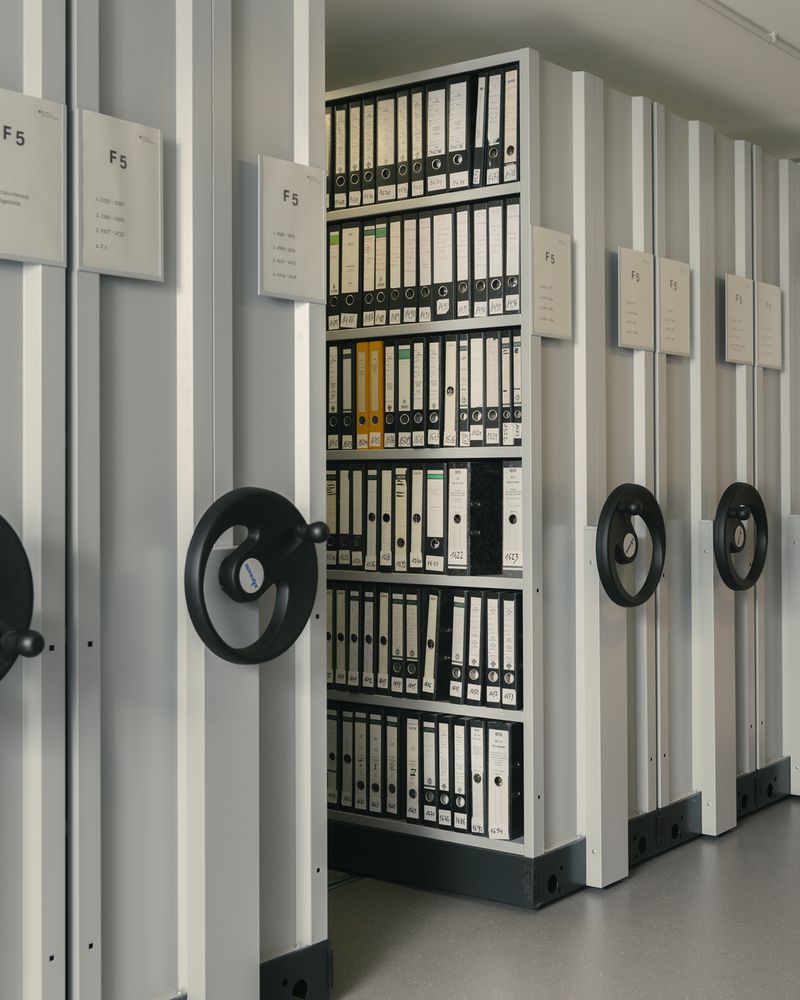
48 Salzgitter, 02/2023Archives of F5, the department for long-term documentationat the Federal Office forthe Safety of Nuclear Waste Management (BASE).

© Jann Höfer - Image from the One Million Years photography project
i

30 Vilm, 06/2022 The old-growth forest on the island of Vlim off the coast of Rügen in the Baltic Sea has been left to its own devices for almost 500 years, after the last major logging operation took place there in 1527.Some of the trees in this forest are as much as 650 years old.

© Jann Höfer - Image from the One Million Years photography project
i

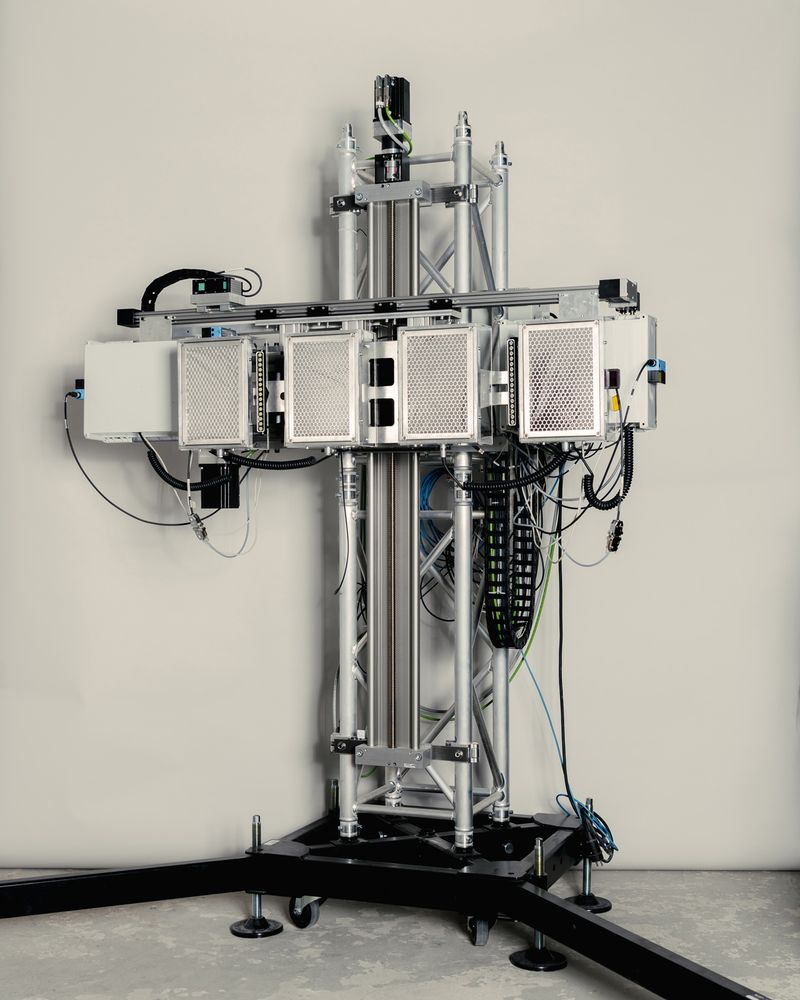
14 Karlsruhe, 01/2023 A measuring robot designed to be used for the initial exploration of potentially contaminated areas during the dismantling of nuclear facilities.It was developed during research into robotic systems for decontamination in hostile environments(robdekon) at the Karlsruher Institute of Technology(KIT).

© Jann Höfer - Image from the One Million Years photography project
i

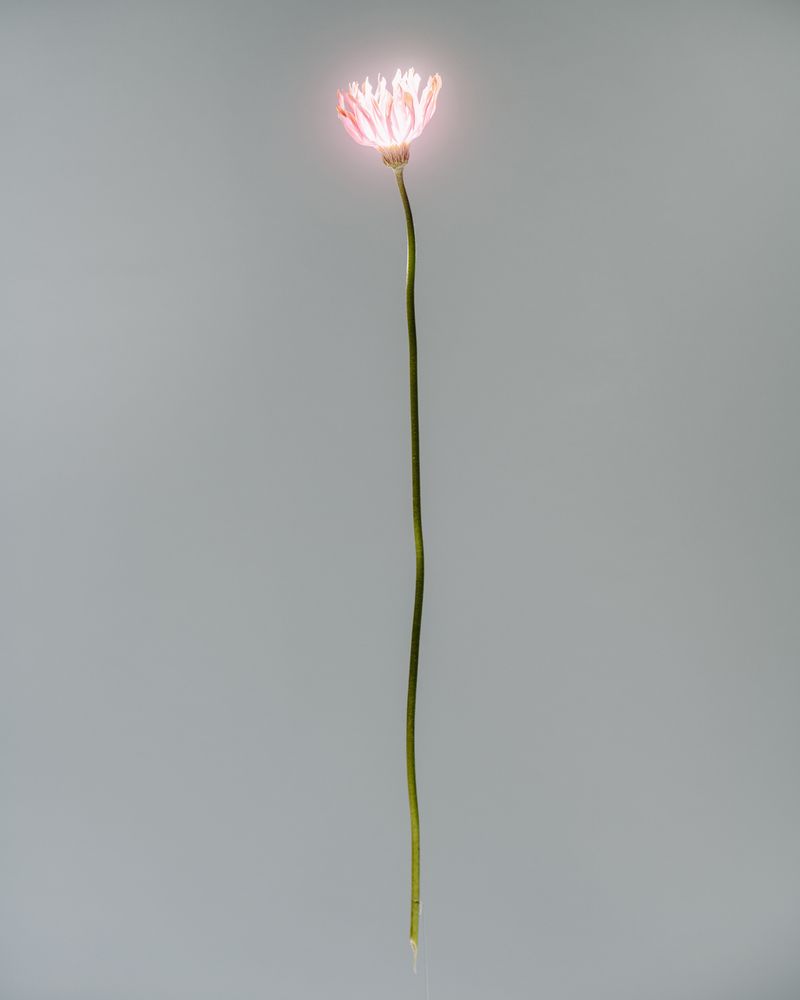
39 Cologne, 06/2022 Polish philosopher Stanislaw Lem suggested that an “atomic flower”, which thrives near radioactive waste, could be used in atomic semiotics, the study of communication strategies relating to the longterm storage of atomic materials.

© Jann Höfer - Image from the One Million Years photography project
i

22 Rügen, 06/2022 Nobbin megalithic tomb. Built from boulders, this megalithic site dates back to the Neolithic period on Rügen. It is one of the largeststone tombs in northern Germany. Archaeologicalinvestigations were conducted in 1970 underthe direction of Professor Ewald Schuldt.

One Million Years by Jann Höfer

Prev Next Close