Oblivio

  • Dates
    2012 - Ongoing
  • Author
  • Locations Russia, Poland, Italy, Bulgaria, Romania, Moldova, Kosovo

Populations with a common tongue, culture and traditions are nowadays in danger in Europe. They are at risk of cultural extinction.

Forced inclusion, poverty, migrations to richest countries, political persecution, mixed marriages caused the loss of identity for dozens ethnic minorities. Populations with a common tongue, culture and traditions are nowadays in danger in Europe. They are at risk of cultural extinction. They are starting to leave their culture for the prevailing one because they are splittered into small and far from each others areas. "Oblivio” is a photographic project born with the intent to tell the story of the European ethnic minorities that are going to disappear.

This project is documenting through photography these populations hidden in between the European history. These communities and their past are going to be forget in the next years. Seven countries, seven minorities. I travelled through Europe from north to south discovering old populations with different history, languages, traditions, religions, points of view respect the country where they have been settled hundreads of years ago.

Csàngò (Romania), Gorans (Kosovo), Sami Kola (Russia), Lipka Tatars (Poland), Pomaks (Bulgary), Arbëreshë (Italy), Gagauzes (Moldova)
© Stefano Marzoli - Image from the Oblivio photography project
i

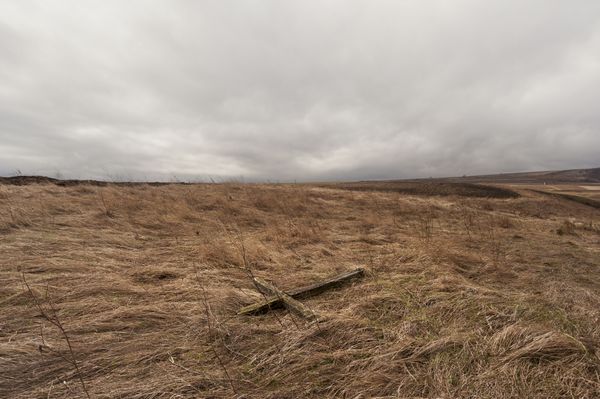
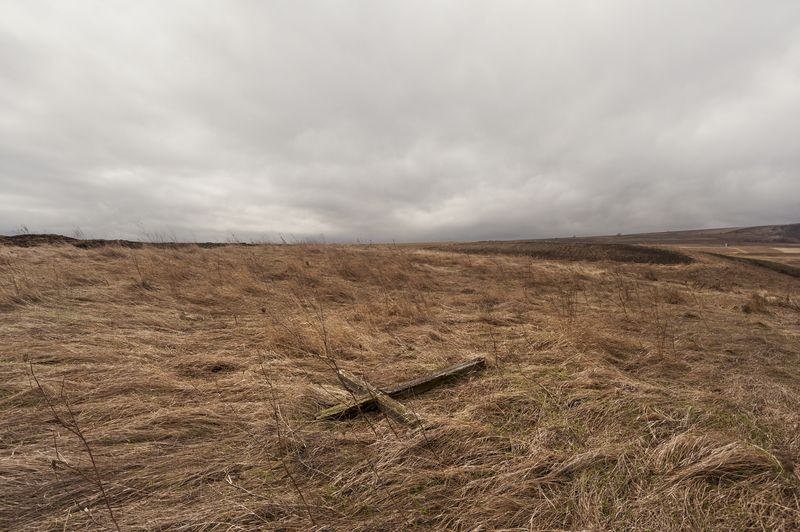
Romania, Valea-Seacă (Bacău county). A wooden cross on the ground. An old Hungarian minority, of Catholic religion, is facing extinction in the modern Orthodox Romania. Csángó are the heirs of the Magyar conquest of Romanian Moldova of the Middle Ages. The Csángó of the thirteenth century have preserved a language which, although influenced by Slavs and Romanians, still sounds as a kind of archaic Hungarian. here begins the great Eurasian steppe which – as a great highway of peoples and cultures – links China to the Hungarian Plain. Nowadays the traditional villages are becoming increasingly rare and are isolated by the government.

© Stefano Marzoli - Image from the Oblivio photography project
i

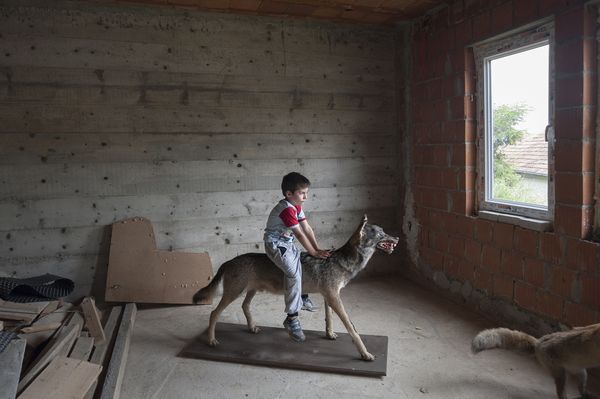
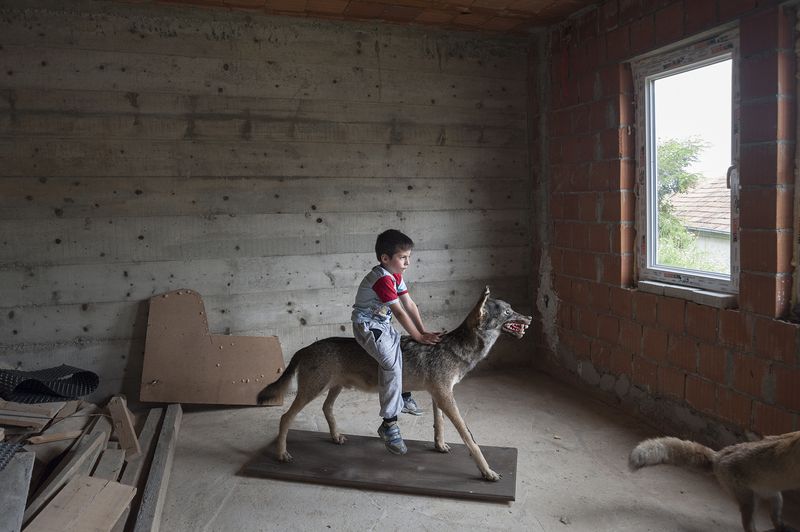
Kosovo, Donja Rapca (Gora region). Portrait of a hunter's son. The Gorani are a slavic muslim population inhabiting the Gora region – the triangle between Kosovo, Albany and Republic of Macedonia. They speak a South Slavic dialect, part of the transitional Torlakian dialects, called Našinski. The ethnonym Gorani, meaning “highlanders”, is derived from the Slavic toponym gora, which means “mountain”. Most Gorani state that the unstable situation and the economic issue drives them to leave Kosovo. There is also some mention of threats and discrimination by the ethnic Albanians. The UN administration in Kosovo, UNMIK, has redrawn internal boundaries in the province in such a way that a Gorani-majority municipality no longer exists.

© Stefano Marzoli - Image from the Oblivio photography project
i

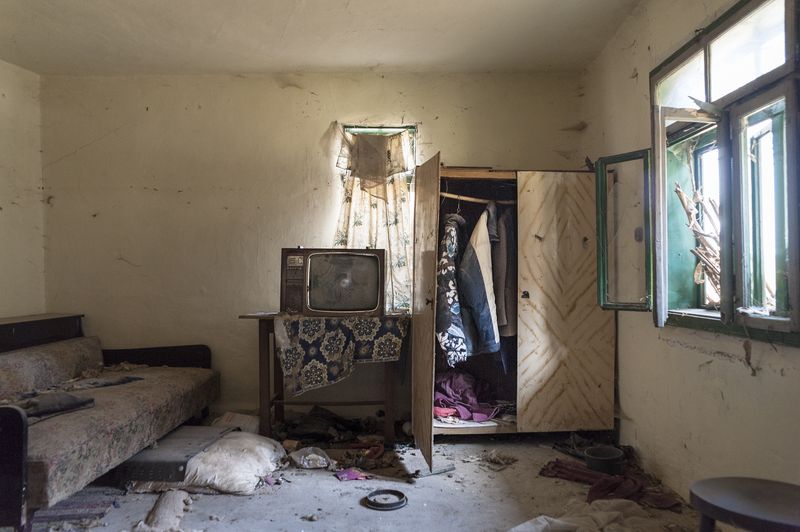
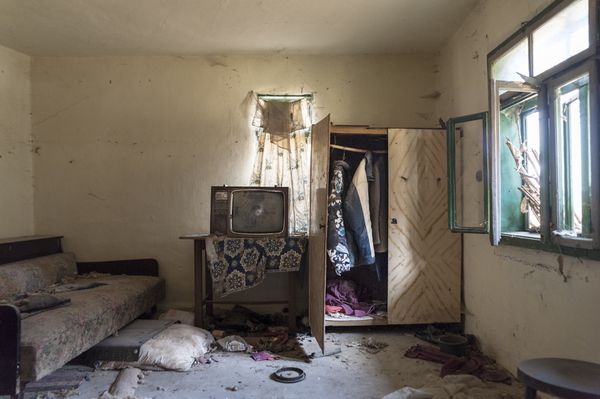
Romania, Ciucani (Bacău county). Abandoned house. The family who used to live here moved abroad looking for work. An old Hungarian minority, of Catholic religion, is facing extinction in the modern Orthodox Romania. Csángó are the heirs of the Magyar conquest of Romanian Moldova of the Middle Ages. The Csángó of the thirteenth century have preserved a language which, although influenced by Slavs and Romanians, still sounds as a kind of archaic Hungarian. here begins the great Eurasian steppe which – as a great highway of peoples and cultures – links China to the Hungarian Plain. Nowadays the traditional villages are becoming increasingly rare and are isolated by the government.

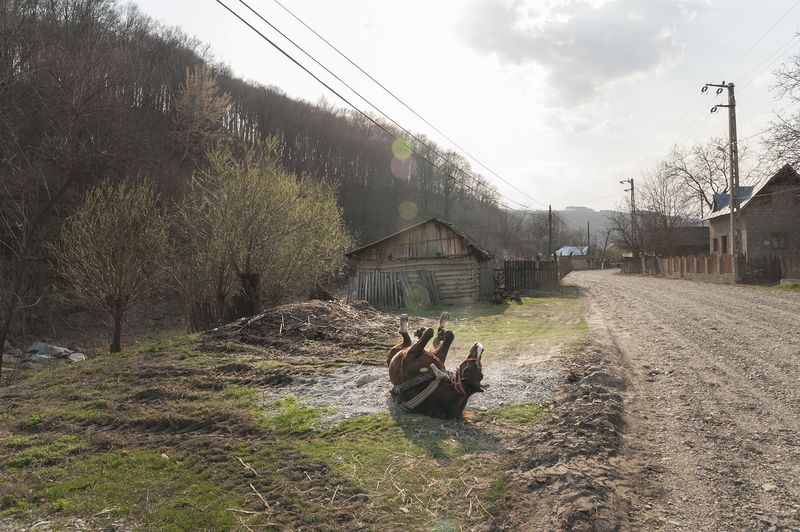
© Stefano Marzoli - Romania, Ciucani (Bacău county). A horse scratching his back on the ground.
i

Romania, Ciucani (Bacău county). A horse scratching his back on the ground.

© Stefano Marzoli - Image from the Oblivio photography project
i

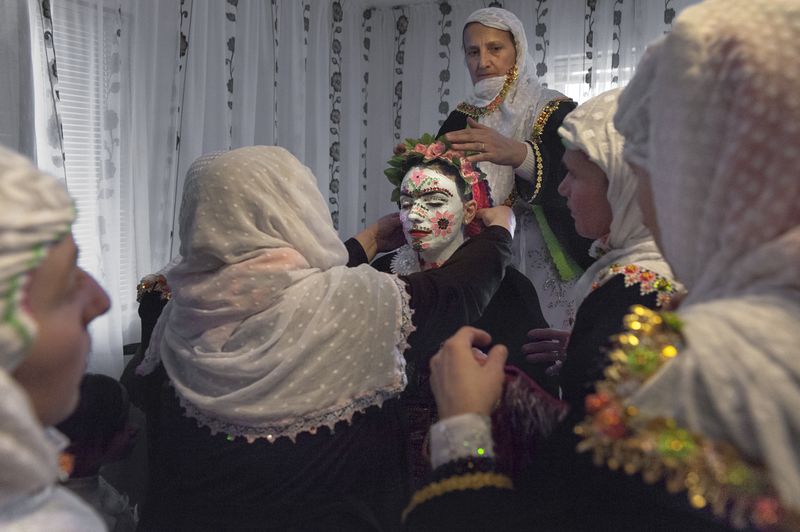
Ribnovo (Bulgary). Before the wedding the bride is made up only by the women of her family with a white cream and colorful sequins transforming her into “ghelina” (bride). In the city of Ribnovo, in Bulgary, every winter is repeated an ancient tradition. The marriage of the Pomaks. They are Bulgarians of Muslim religion and they live on the border with Greece Rhodope Mountain. Marriages of the Pomaks are celebrated only from November to February. It is a ritual that lasts for two days. Processions, banquets, group in the square and the traditional dance called “horo”. Before the closing ceremony, the bride is made up only by the women in her family with a white cream and colorful sequins transforming her into “ghelina” (bride). Outside, the country party awaits the woman and her future husband. The guests leave their wedding gifts to the bride’s dowry that is left on show in front of the house. The woman in the procession clutching a mirror. Tradition has it that she can no longer more looking back. Spread across only the reflection of the mirror the woman will look even his birth place while it has gone away forever.

© Stefano Marzoli - Image from the Oblivio photography project
i

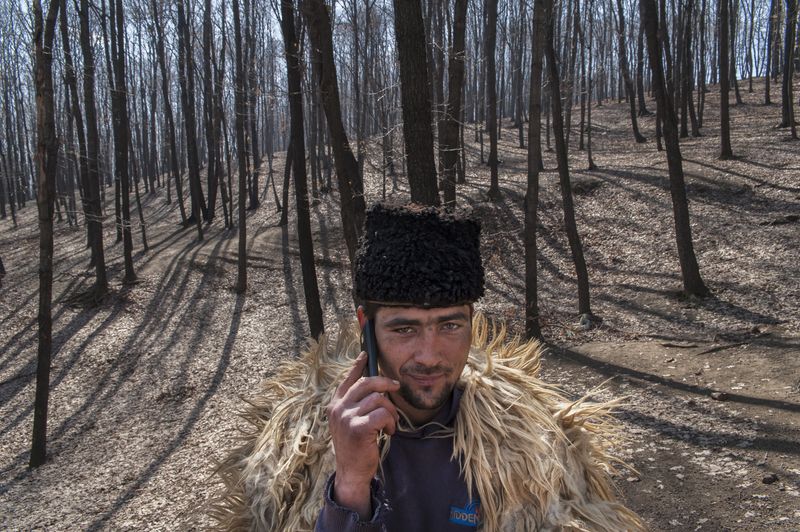
Romania, Ciucani (Bacău county). Csángó shepherd calls with a mobile phone. An old Hungarian minority, of Catholic religion, is facing extinction in the modern Orthodox Romania. Csángó are the heirs of the Magyar conquest of Romanian Moldova of the Middle Ages. The Csángó of the thirteenth century have preserved a language which, although influenced by Slavs and Romanians, still sounds as a kind of archaic Hungarian. here begins the great Eurasian steppe which – as a great highway of peoples and cultures – links China to the Hungarian Plain. Nowadays the traditional villages are becoming increasingly rare and are isolated by the government.

© Stefano Marzoli - Image from the Oblivio photography project
i

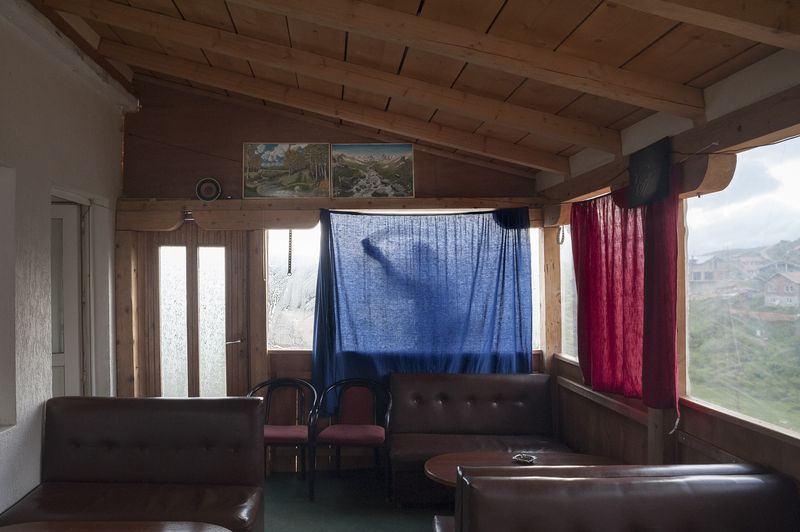
Zlipotok (Gora region). Cafeteria interior The Gorani are a slavic muslim population inhabiting the Gora region – the triangle between Kosovo, Albany and Republic of Macedonia. They speak a South Slavic dialect, part of the transitional Torlakian dialects, called Našinski. The ethnonym Gorani, meaning “highlanders”, is derived from the Slavic toponym gora, which means “mountain”. Most Gorani state that the unstable situation and the economic issue drives them to leave Kosovo. There is also some mention of threats and discrimination by the ethnic Albanians. The UN administration in Kosovo, UNMIK, has redrawn internal boundaries in the province in such a way that a Gorani-majority municipality no longer exists.

© Stefano Marzoli - Image from the Oblivio photography project
i

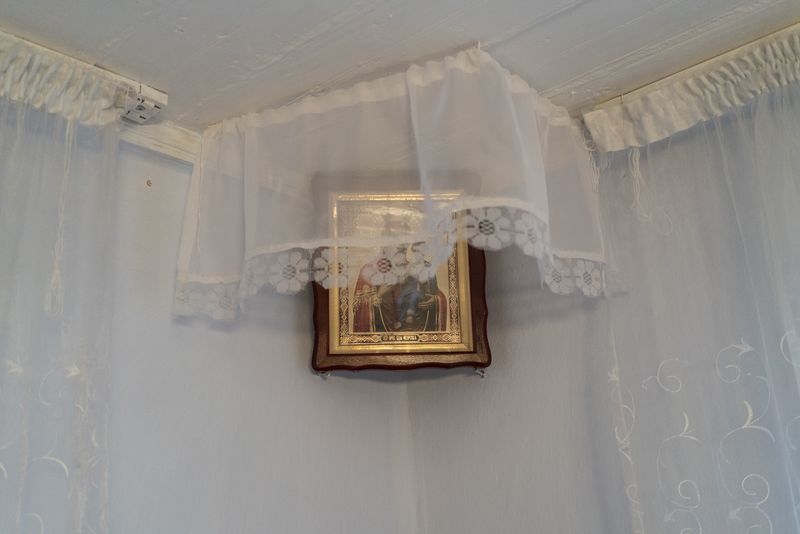
Orthodox icons are hung in the corners of the rooms in every gagauz houses. Avdarma, Gagauzia (Moldova). This is a journey into the small autonomous region of the Republic of Moldova. Here lives an ancient Turkic minority but of orthodox faith. The population has about 135,000 inhabitants. Gagauzia was born in the Bessarabia region after the political and military clash between the Russian Empire and the Ottoman Empire. They are opposed to joining the European Union. The Găgăuzia looks to the east and remains firmly linked to Moscow and Vladimir Putin's foreign policy.

© Stefano Marzoli - Image from the Oblivio photography project
i

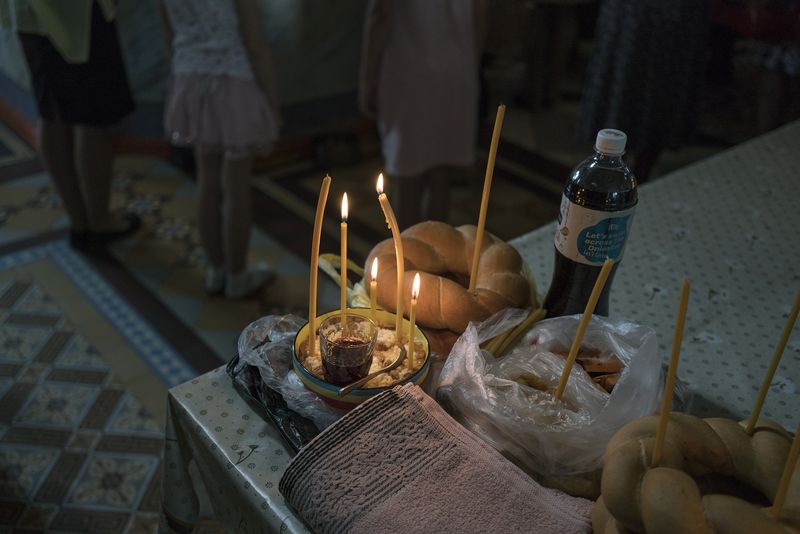
Foods and drinks in the Orthodox Church. During the fasting believers bring food into the church for the blessing. Comrat, Gagauzia (Moldova). This is a journey into the small autonomous region of the Republic of Moldova. Here lives an ancient Turkic minority but of orthodox faith. The population has about 135,000 inhabitants. Gagauzia was born in the Bessarabia region after the political and military clash between the Russian Empire and the Ottoman Empire. They are opposed to joining the European Union. The Găgăuzia looks to the east and remains firmly linked to Moscow and Vladimir Putin's foreign policy.

© Stefano Marzoli - Image from the Oblivio photography project
i

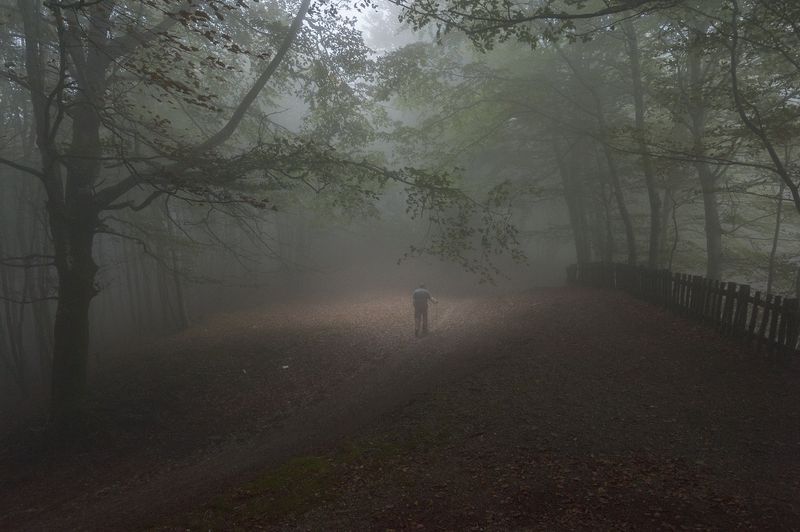
Italy, San Benedetto Ullano (Province of Cosenza). A man is walking into the fog nearby the village. The Arbëreshë are a linguistic and ethnic Albanian minority community living in southern Italy, especially. They settled in Southern Italy in the 15th to 18th centuries AD in several waves of migrations, following the death of the Albanian national hero George Kastrioti Skanderbeg and the gradual conquest of Albania and throughout the Byzantine Empire by the Ottoman Turks. The Arbëreshë have their own distinct culture and have been able to preserve the original Albanian identity. Their culture is determined by the main features, still jealously preserved, with the awareness of belonging to a specific ethnic group. The Arbëreshë speak Arbërisht, an old variant of Albanian spoken in southern Albania.

© Stefano Marzoli - Image from the Oblivio photography project
i

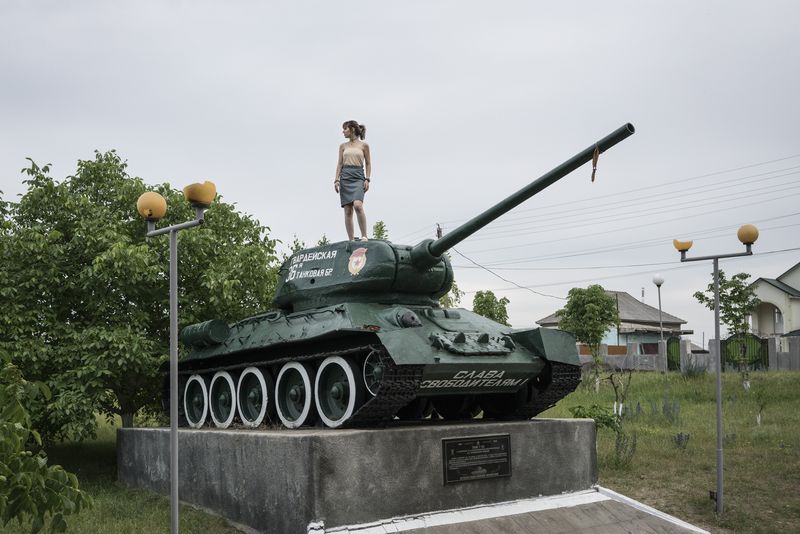
Girl on a tank. The T34 Red Army Tank is a Second World War monument and it's located into a public city park. It fought against the Nazi invasion in 1941. Comrat, Gagauzia (Moldova). This is a journey into the small autonomous region of the Republic of Moldova. Here lives an ancient Turkic minority but of orthodox faith. The population has about 135,000 inhabitants. Gagauzia was born in the Bessarabia region after the political and military clash between the Russian Empire and the Ottoman Empire. They are opposed to joining the European Union. The Găgăuzia looks to the east and remains firmly linked to Moscow and Vladimir Putin's foreign policy.

© Stefano Marzoli - Image from the Oblivio photography project
i

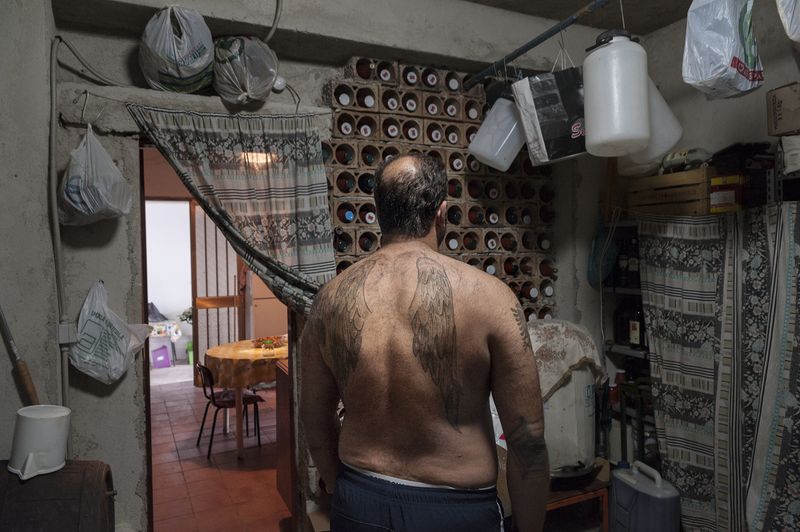
Italy, Santa Sofia d'Epiro (Province of Cosenza). The symbol of Albania tattooed over a young policeman's arm. The Arbëreshë are a linguistic and ethnic Albanian minority community living in southern Italy, especially. They settled in Southern Italy in the 15th to 18th centuries AD in several waves of migrations, following the death of the Albanian national hero George Kastrioti Skanderbeg and the gradual conquest of Albania and throughout the Byzantine Empire by the Ottoman Turks. The Arbëreshë have their own distinct culture and have been able to preserve the original Albanian identity. Their culture is determined by the main features, still jealously preserved, with the awareness of belonging to a specific ethnic group. The Arbëreshë speak Arbërisht, an old variant of Albanian spoken in southern Albania.

© Stefano Marzoli - Image from the Oblivio photography project
i

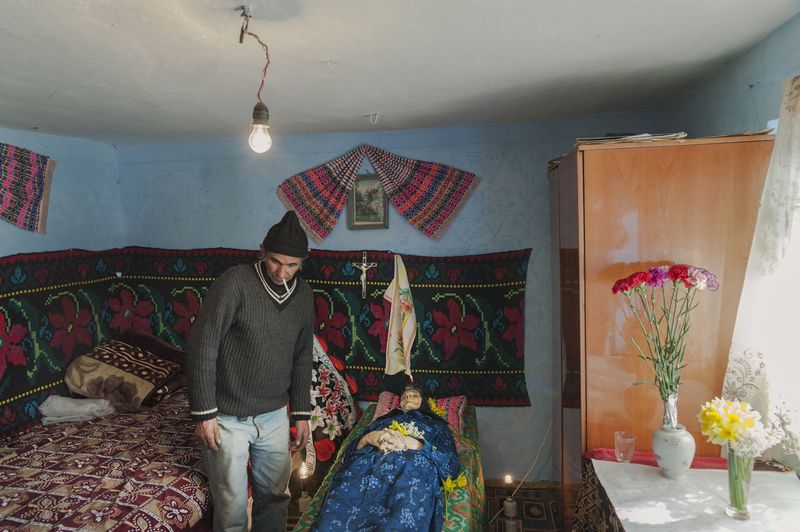
Romania, Ciucani (Bacău county). Wake before the funeral. An old Hungarian minority, of Catholic religion, is facing extinction in the modern Orthodox Romania. Csángó are the heirs of the Magyar conquest of Romanian Moldova of the Middle Ages. The Csángó of the thirteenth century have preserved a language which, although influenced by Slavs and Romanians, still sounds as a kind of archaic Hungarian. here begins the great Eurasian steppe which – as a great highway of peoples and cultures – links China to the Hungarian Plain. Nowadays the traditional villages are becoming increasingly rare and are isolated by the government.

© Stefano Marzoli - Image from the Oblivio photography project
i

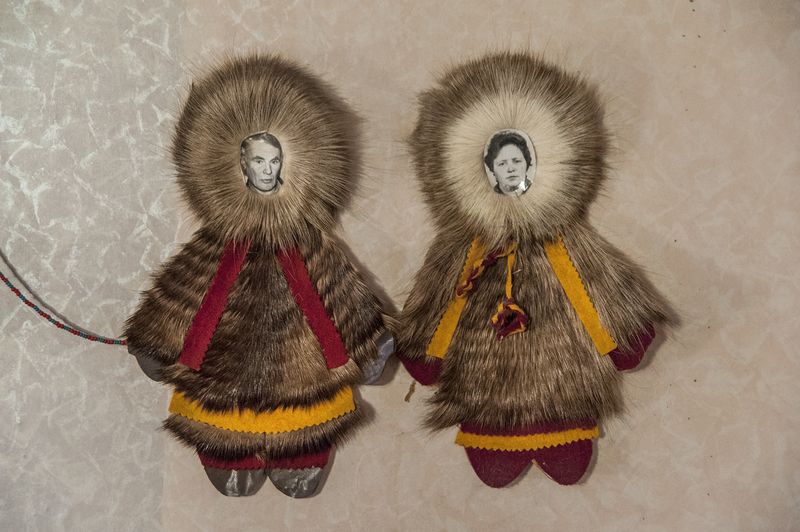
Lovozero, Murmansk Oblast (Russian Federation). Russian souvenir for lovers The Saami Nationality has arisen on the territory of Scandinavia and Kola Peninsula in the second and first millennium BC as a result of merge of Finno-Ugric tribes, that arrived here from northern Ural with the tribes from the country between the two rivers, Oka and Wolga, that arrived earlier on Kola Peninsula, somewhere in the beginning of third millennium BC. The ancestors of the modern Saami are called Proto-Lapps. About two and a half millenniums of isolated life were finished at the end of the first millennium of the Common Era, when Russian and Finnish traders began penetrating on Kola Peninsula and Norwegians began to grow roots at the Barents Sea coast. The active and much more aggressive southerners have quickly subordinated the Saami and forced them to render tribute. At the same time, despite of the prevalence of newly arrived nations, the culture and the way of life of the Saami were so unusual and remembered that very soon all the area populated by Saami began to be referred to as Lapland. Long time the borders between Swedish, Russian and Norwegian Lapland were determined by tribute collectors.

© Stefano Marzoli - Image from the Oblivio photography project
i

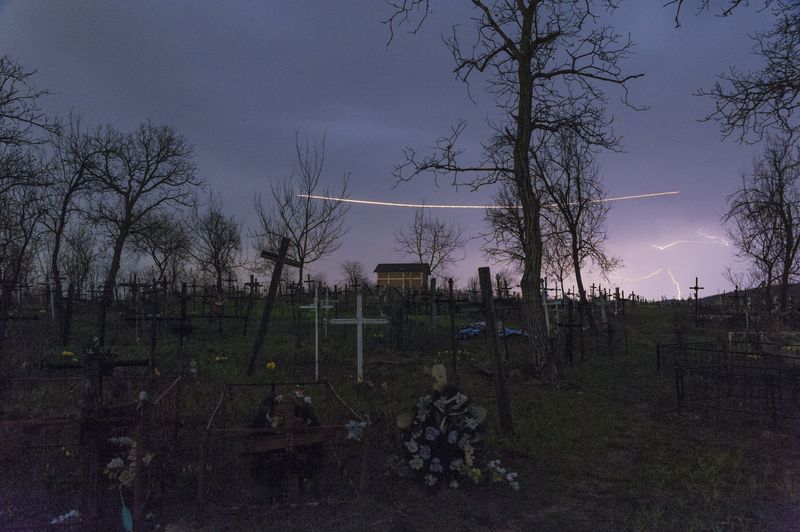
Romania, Cleja (Bacău county). The shining path of a plane views from the old cemetery. An old Hungarian minority, of Catholic religion, is facing extinction in the modern Orthodox Romania. Csángó are the heirs of the Magyar conquest of Romanian Moldova of the Middle Ages. The Csángó of the thirteenth century have preserved a language which, although influenced by Slavs and Romanians, still sounds as a kind of archaic Hungarian. here begins the great Eurasian steppe which – as a great highway of peoples and cultures – links China to the Hungarian Plain. Nowadays the traditional villages are becoming increasingly rare and are isolated by the government.