Not The Same Anymore
This project documents unplanned urbanization in Bhaktapur, tracing the shift from farmland to urban spaces. Using narratives and data, it highlights the socio-economic and environmental impacts of rapid commercialization on indigenous land.

Not The Same Anymore
I still remember the early mornings spent with my dad in the fields, harvesting vegetables to sell. Farming was our way of life, and we grew a lot. Traders would come to our hometown, collecting truckloads of vegetables harvested by farmers like us. Back then, more than half of the community relied on agriculture as their main income source, including my family. Those were bustling days, filled with the sights and sounds of a thriving farming community. Now, it feels like a distant memory.

Today, my father often tells us to focus on finding a stable, permanent job or even a government position—something more secure than farming. I understand what he means; times have changed, and farming no longer provides the stability it once did. Growing up in Bhaktapur, I spent my childhood exploring this beautiful city, racing through its narrow alleys and taking in the charm of the traditional brick buildings and resting spots, or "falcha," where locals would gather. Watching people tend to their fields, planting paddy and other crops, was once a familiar, everyday sight.

Similarly, the sound of birds chirping and rustling leaves would wake me up every morning. I wonder where did the birds go now? The greenery birthed by stair-step farming and farmers working in these fields was what I used to see every day from the window of my room. These farmers would greet me ‘hi’ while I used to return home from school. However, this scenario has changed over the years.

I now wake up to the sound of chickens clucking and bricks clashing with each other. The land in which terrace farming was once done has been turned into a plotting area and brick factories and now the farmers are rarely seen working in their fields.

At present, Bhaktapur, which is well known for its well-preserved traditional Newari architecture, temples, and rich cultural heritage, can be regarded as a rapidly urbanizing city. The city I once knew has been completely transformed. It is now difficult to find arable land across the city that has a long history of agricultural production. In the places where farmers used to plough their fields and plant crops, all I can see now is bulldozers clearing the land.

It is quite obvious that a city has to change along with the time. With modernization, people here gradually changed their way of living. Most of the farmers began to shift to other occupations leaving agriculture. Rather than tolling hard day and night in their fields, these farmers wanted their children to pursue different occupations where they could simply work from computers and earn more. Similarly, the trend of building houses on personal land and renting out rooms and spaces has providedthe people of Bhaktapur with a stable income. As a result, traditional brick buildings are being replaced by concrete structures, leading to urbanization. While this transformation is happening, the sense of community that once flourished is also gradually diminishing. In the past, the entire community would come together to help each other plant crops, making every planting season feel like a celebration. I remember participating in my neighbors' fieldwork. Unfortunately, this sense of companionship is now rare. With the limitations of agricultural work, farmers tend to hire outside laborers instead of relying on community support.

While witnessing these changes is saddening in itself, but what I find truly disheartening is hearing people talk about the need for development while justifying the reckless urbanization happening here. I acknowledge the necessity of development; the blacktopped roads around my home area, which replace what used to be muddy paths during rainfall, make traveling much easier. However, in the guise of development, the fertile lands are being turned into plots for building houses. Constructing roads without proper studies has led to a lack of water in stone spouts, and an increasing number of brick kilns has degraded the air quality. Is this the development we want?

I remember watching this place from a nearby hill. I would be mesmerized by the beauty of the place; greenery all around, traditional houses adding splashes of brown to the green landscape, and farmers with their family members working, laughing, and eating together. The whole surrounding seemed to breathe fresh air, instilling in me a sense of hope and warmth of home simultaneously. While the road to reach the hill was messy and muddy, the experience would be amazing.

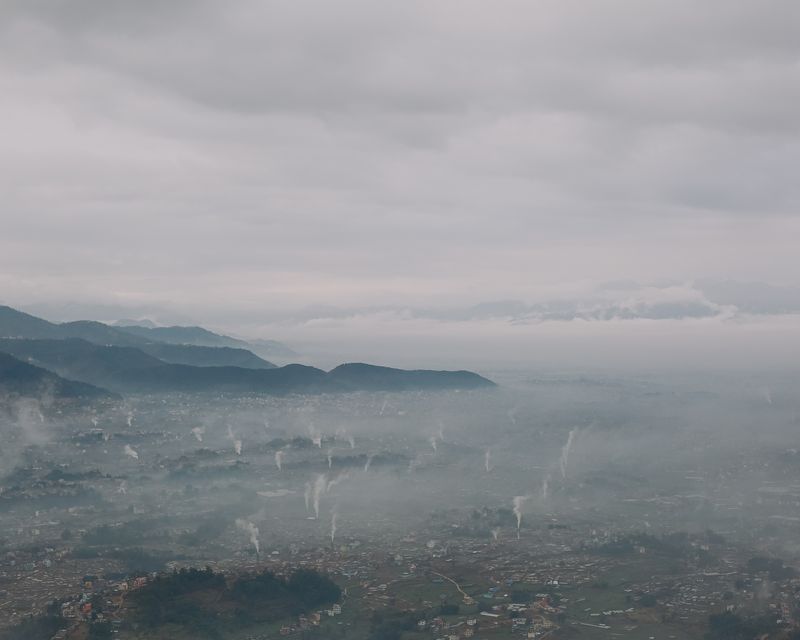
Now, the road is blacktopped, making it easy to reach the hill. However, the hill itself, once full of trees, is being the green hill has turned parceled out for land. The once-green has turned into a bare, deserted land. From there, all I can see now is land being plotted for houses and brick kilns. I can no longer breathe in the fresh air; instead, I see this place is gasping for air amidst the smoke, noise, and pollution.

Thus, ‘Not the Same Anymore’ depicts the story of how my hometown, became a victim of unplanned urbanization. Once the city of farmers and their fields, it has now changed into a hive of brick kilns and plotting of land. With rapid population growth and commercialization, the city I once knew has been completely transformed and I believe that after 10 years maybe this place will be nothing but a concrete jungle.
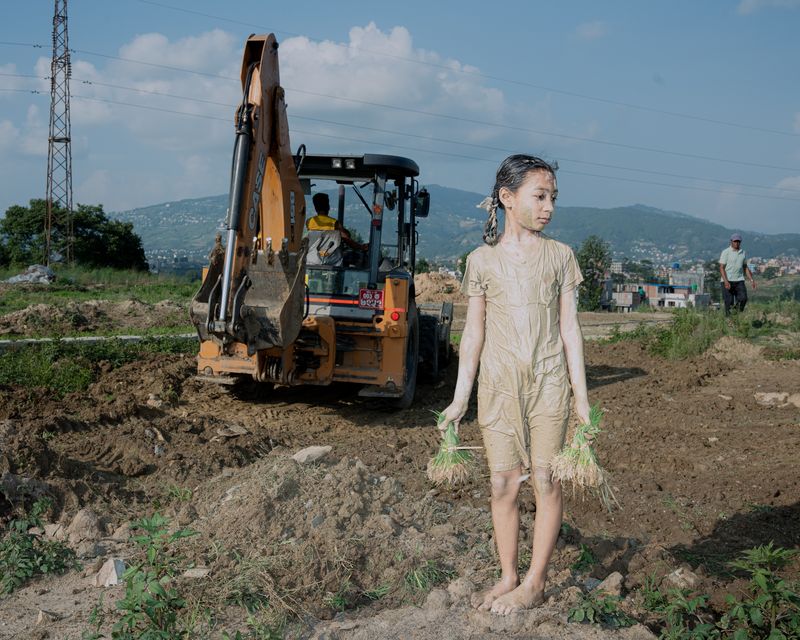
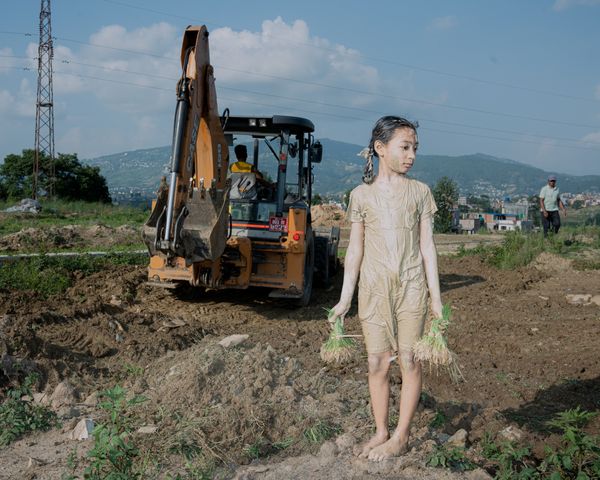
© Amit Machamasi - An excavator makes way for land plotting even as a child prepares to plant rice saplings in Bhaktapur's Sipadol, Nepal.
i

An excavator makes way for land plotting even as a child prepares to plant rice saplings in Bhaktapur's Sipadol, Nepal.

© Amit Machamasi - Image from the Not The Same Anymore photography project
i

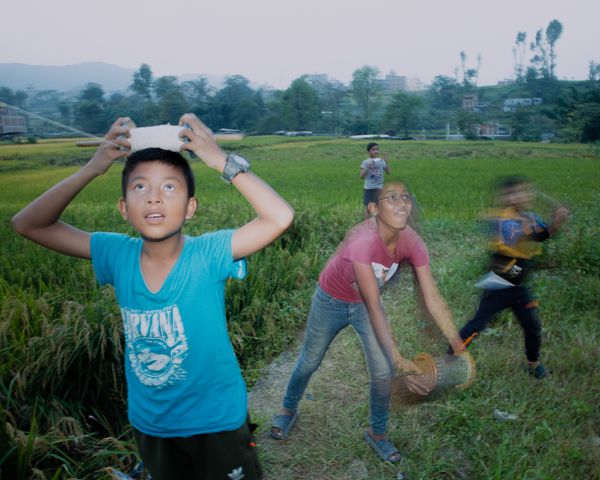
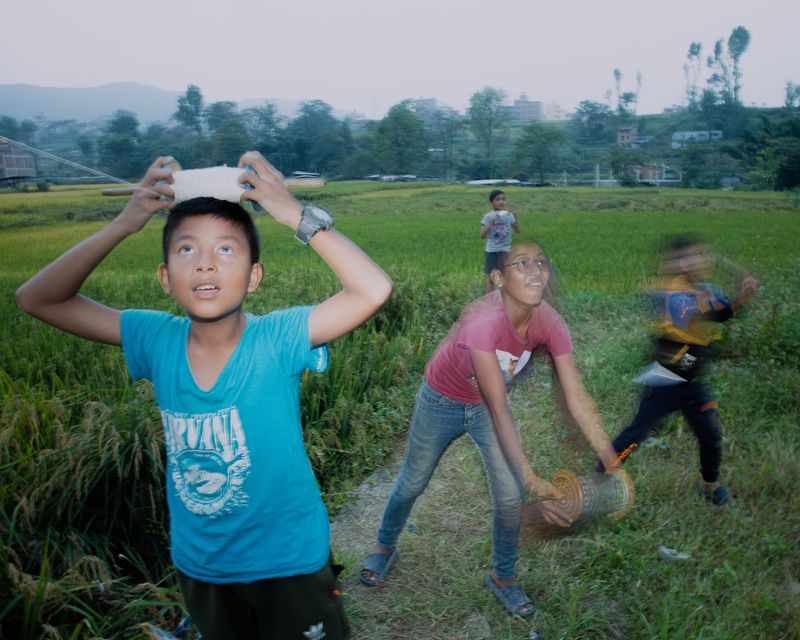
Young boys fly kites in a field during the Dashain festival in Sipadol, Bhaktapur. Kites are a common sight during Dashain. However, due to the lack of open spaces, children and young people often play on unused, barren land. In case the landowner decides to plant crops or use the land for building houses, these children are left to play on the roads instead.

© Amit Machamasi - Image from the Not The Same Anymore photography project
i

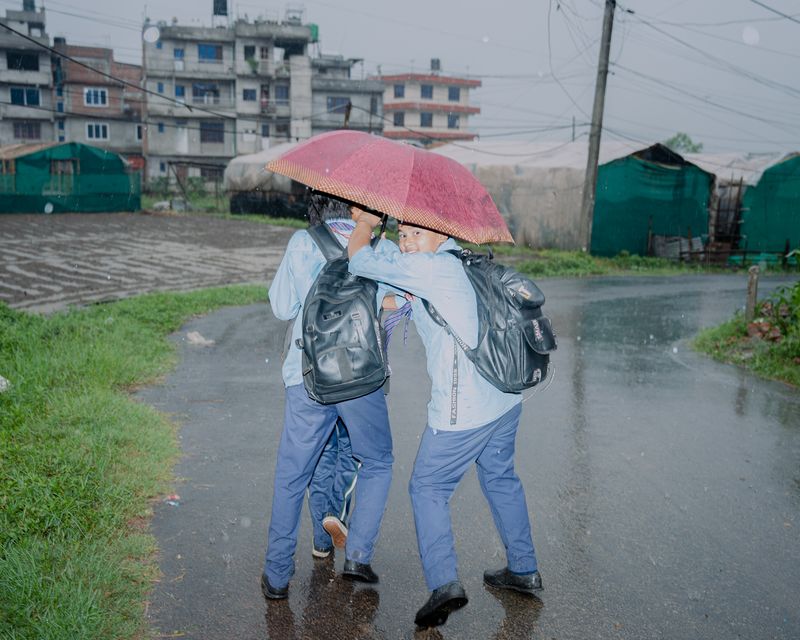
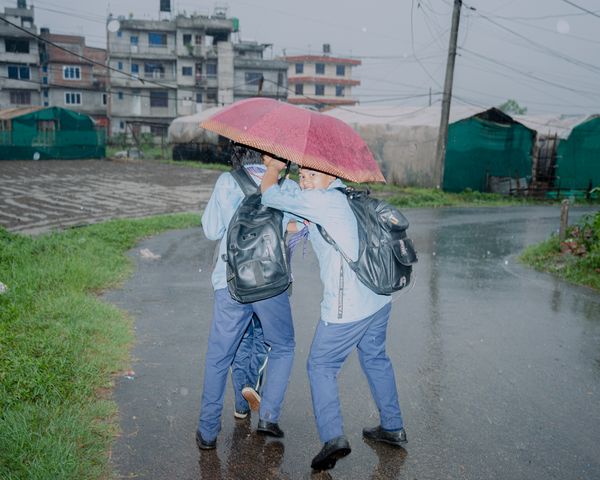
Three young boys share an umbrella as they head home from school during the monsoon season. The monsoon is vital for crops, for the paddy fields in Bhaktapur, as farmers rely on the rain for their growth. However, due to the ongoing climate crisis, incessant rainfall has become a challenge for these farmers.

© Amit Machamasi - Image from the Not The Same Anymore photography project
i

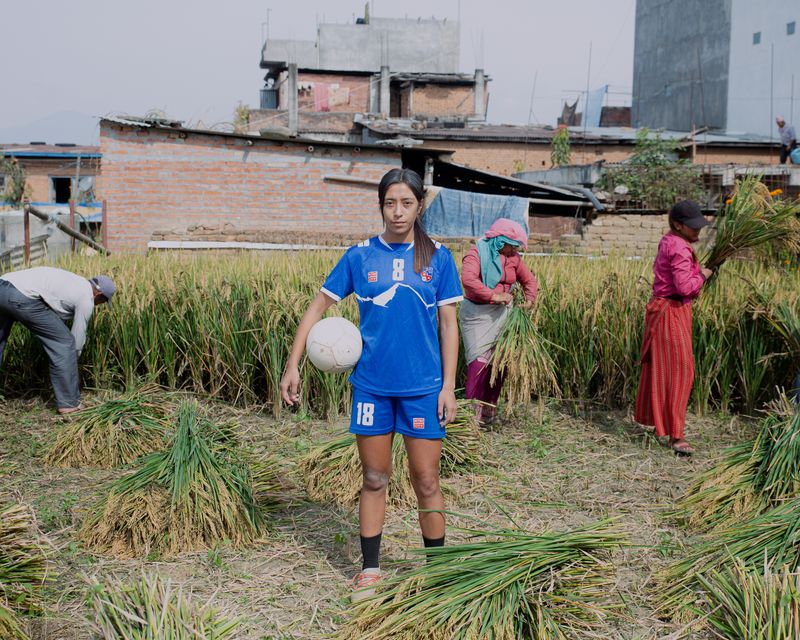
A football player poses for the camera amidst the bustling scene of farmers harvesting paddy in Sipadol, Bhaktapur. Paddy is a vital crop, not only in Bhaktapur but throughout Nepal. In the past, the country was self-sufficient in rice production; however, as more people shift their focus to occupations outside of agriculture, Nepal now imports rice from other countries.

© Amit Machamasi - Image from the Not The Same Anymore photography project
i

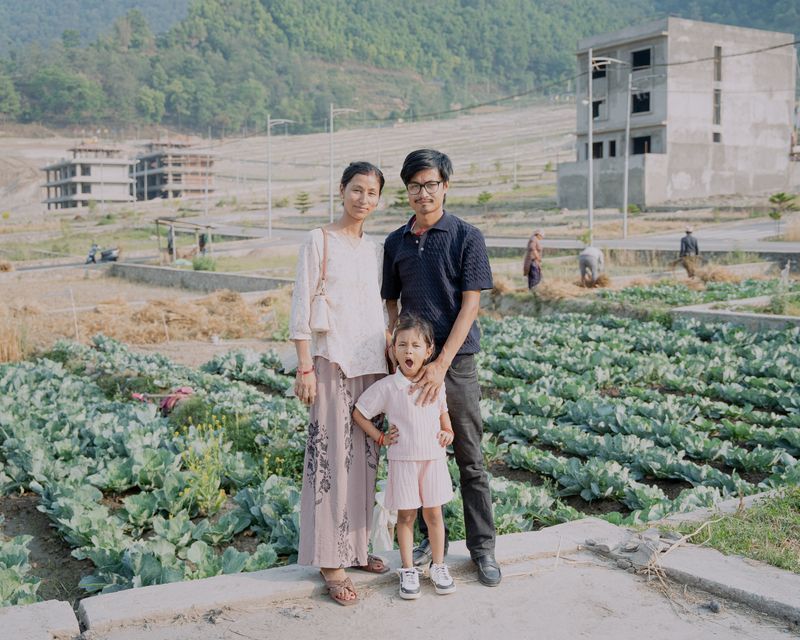
A portrait of Sujan Shrestha and his family in front of their land, where cabbage is planted. After returning to his birthplace after six years, Sujan finds a vast difference in his hometown. The once green landscape, filled with growing crops, has now been transformed into barren land for plots, with some fields already converted into housing complexes.

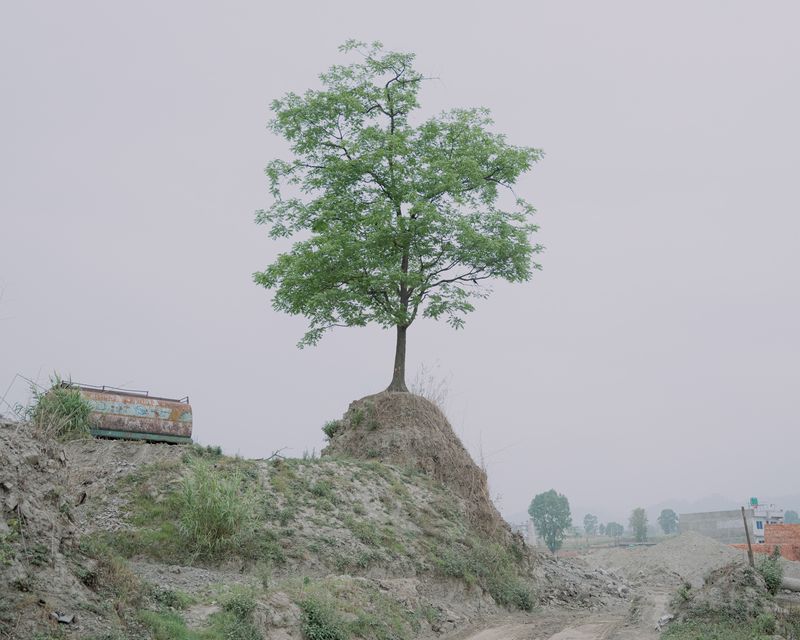
© Amit Machamasi - A lone tree stands among the debris, once fertile farmland now turned barren due to brick kilns and residential development.
i

A lone tree stands among the debris, once fertile farmland now turned barren due to brick kilns and residential development.

© Amit Machamasi - Image from the Not The Same Anymore photography project
i

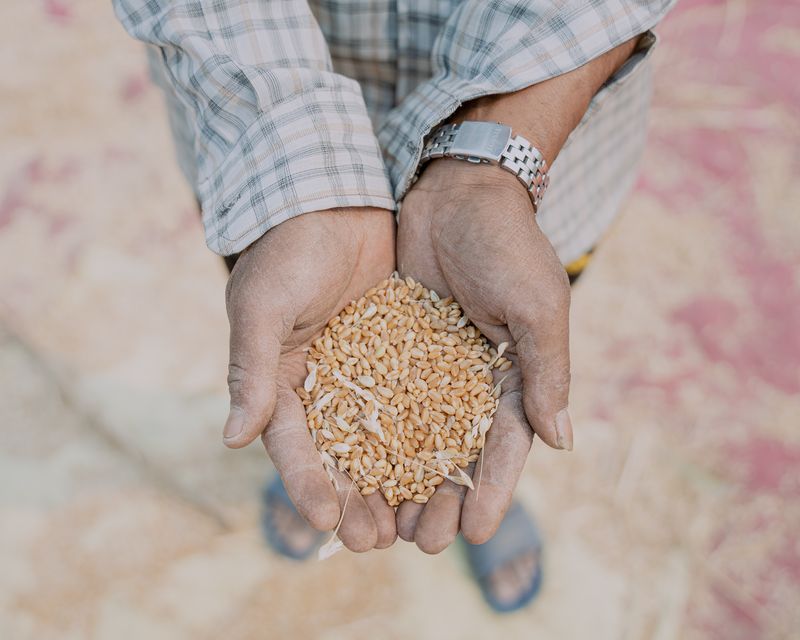
A farmer displays a handful of wheat he just harvested. He complains that due to the decreasing fertile land, which is disappearing rapidly because of urbanization, both the quality and quantity of wheat are declining.

© Amit Machamasi - Image from the Not The Same Anymore photography project
i

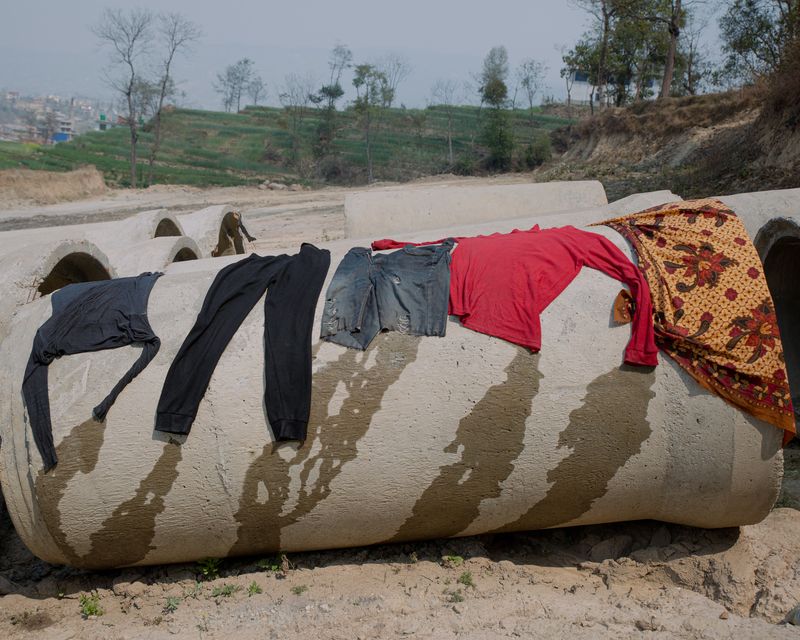
Workers at the brick kilns hang their clothes to dry over concrete pipes. Their living conditions are often cramped and lacking basic facilities. Most of these workers come from the Terai region and India, spending six months at a time working in the brick factories.

© Amit Machamasi - Image from the Not The Same Anymore photography project
i

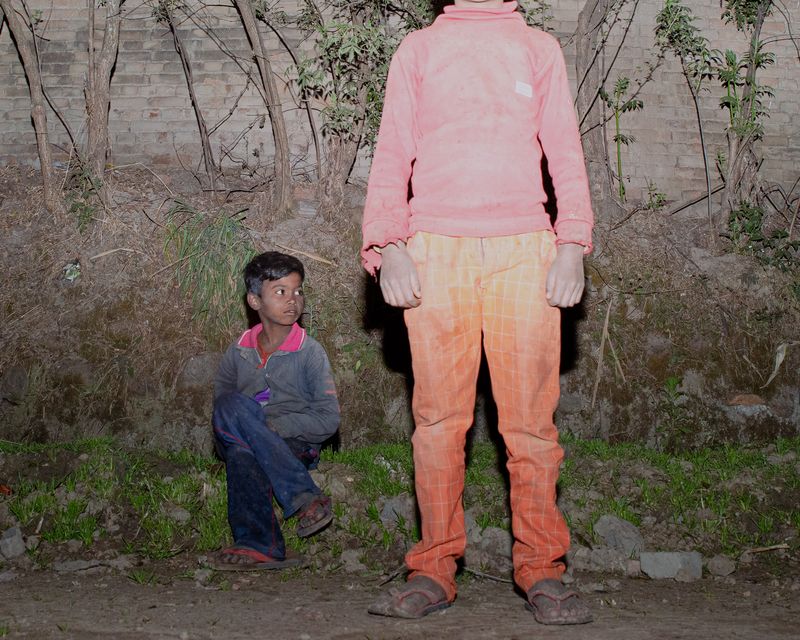
Amidst the setting of a brick factory in Sipadol, Bhaktapur, a young boy sits on the ground while another stands brightly illuminated in the foreground. These boys are part of the workforce in the factory, where people from the Terai region and India come to work for six months.

© Amit Machamasi - A view of a brick kiln from a dilapidated and abandoned farmhouse.
i

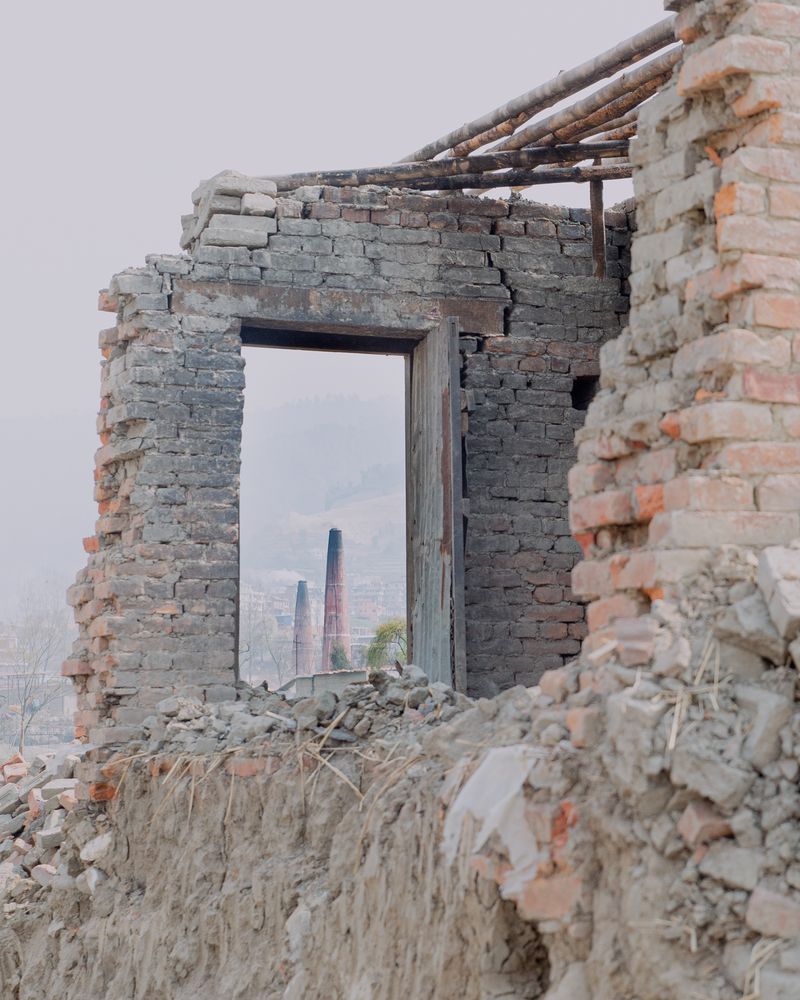
A view of a brick kiln from a dilapidated and abandoned farmhouse.

© Amit Machamasi - Image from the Not The Same Anymore photography project
i

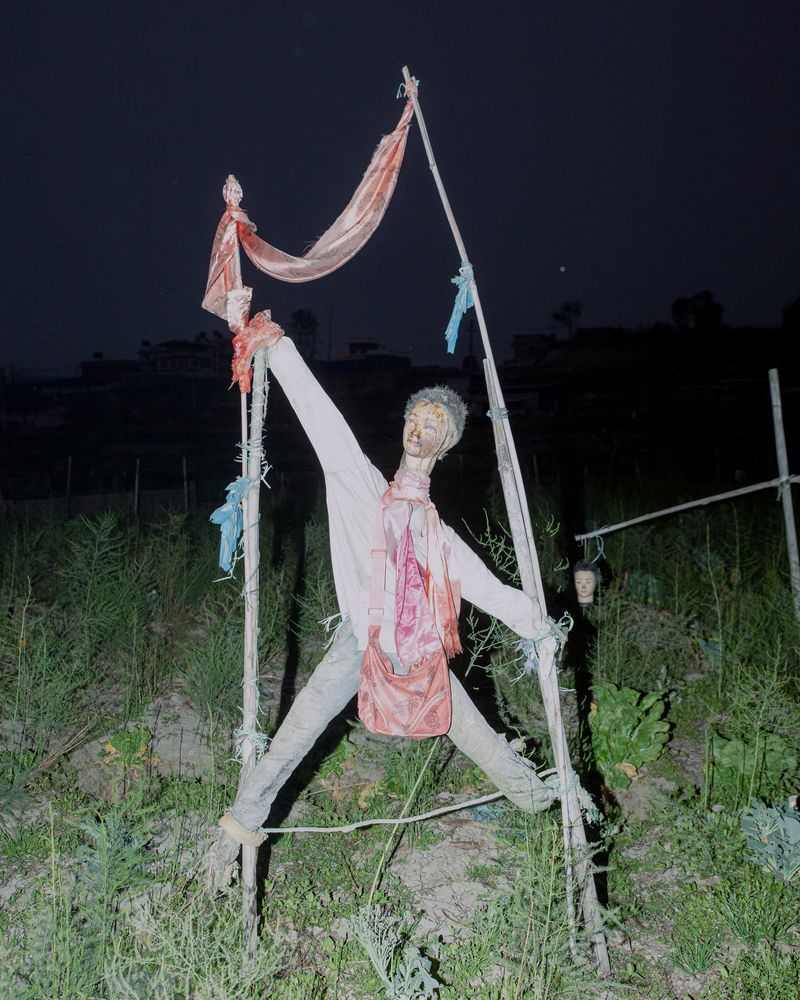
A puppet is set up in a field to scare away birds that come to feed on the crops. Throughout most of the field, these types of puppets are visible, effectively helping to protect the crops from being eaten by the birds.

© Amit Machamasi - Image from the Not The Same Anymore photography project
i

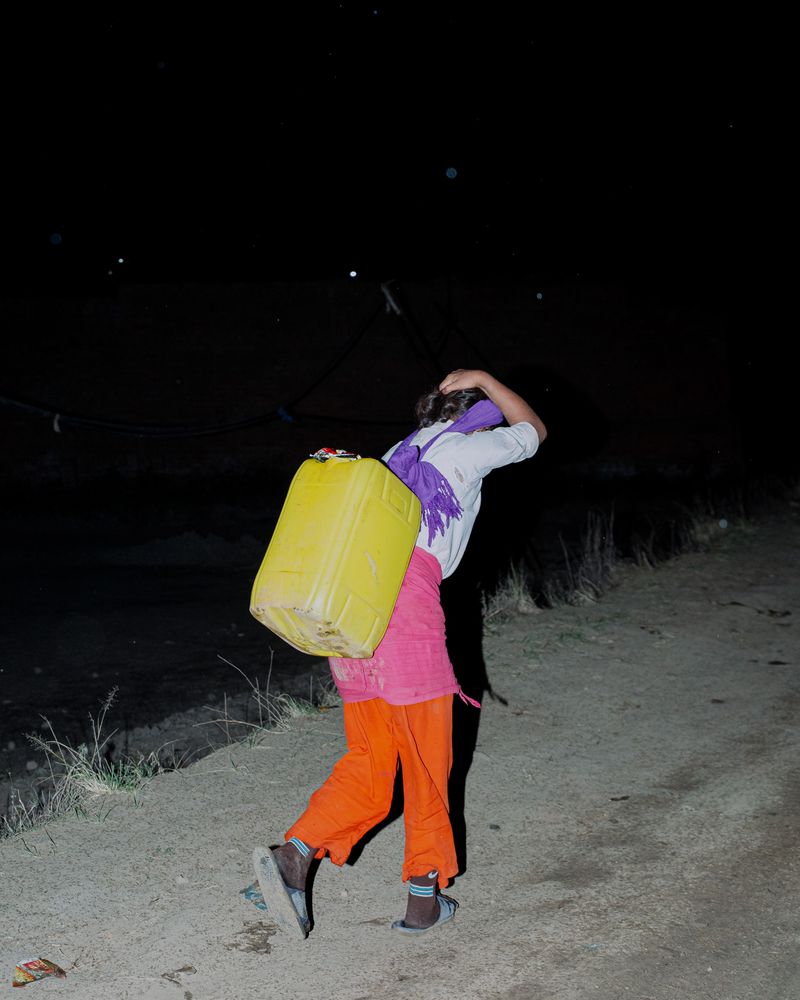
A young migrant worker, laboring tirelessly in a brick kiln, makes her way home with a jar of water balanced on her back. Due to the scarcity of drinking water, migrant workers often have to walk long distances or wait in line for their turn to fill their jars. They come here during the winter season to work for six months before returning home.

© Amit Machamasi - Image from the Not The Same Anymore photography project
i

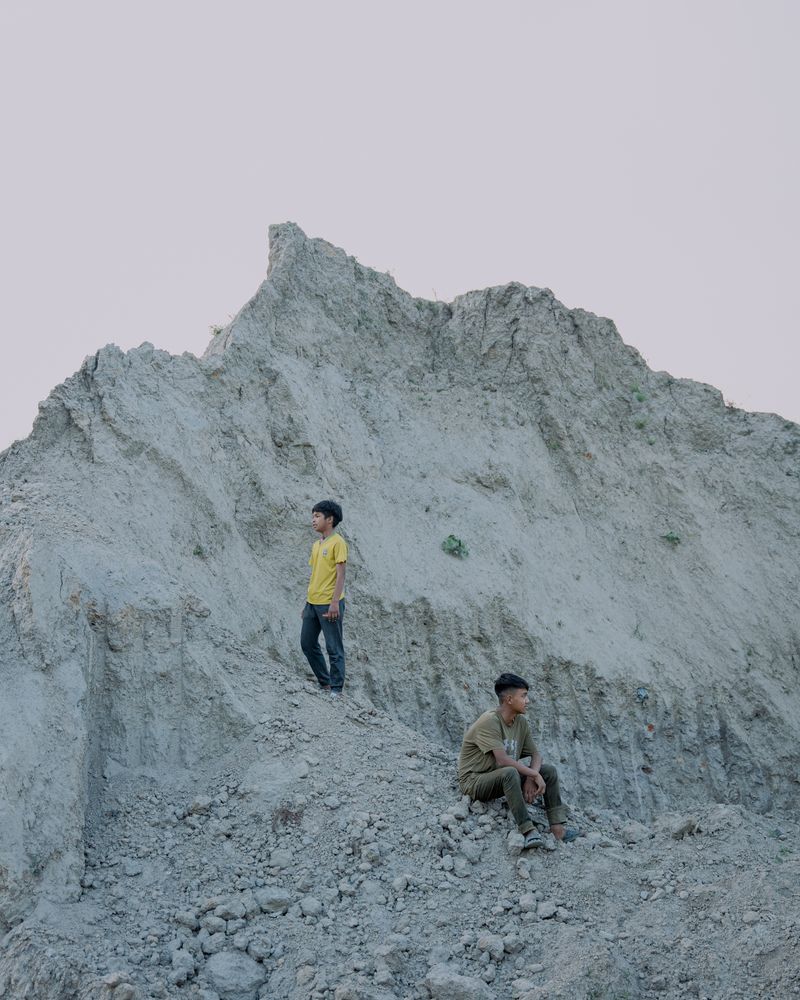
Two kids wander around a pile of debris in Sipadol, Bhaktapur. The once-fertile lands of the area are gradually being converted for commercial purposes, such as housing. With rapid urbanization, many people are leaving agriculture behind and constructing houses on their land for a more accessible source of income.

© Amit Machamasi - Image from the Not The Same Anymore photography project
i

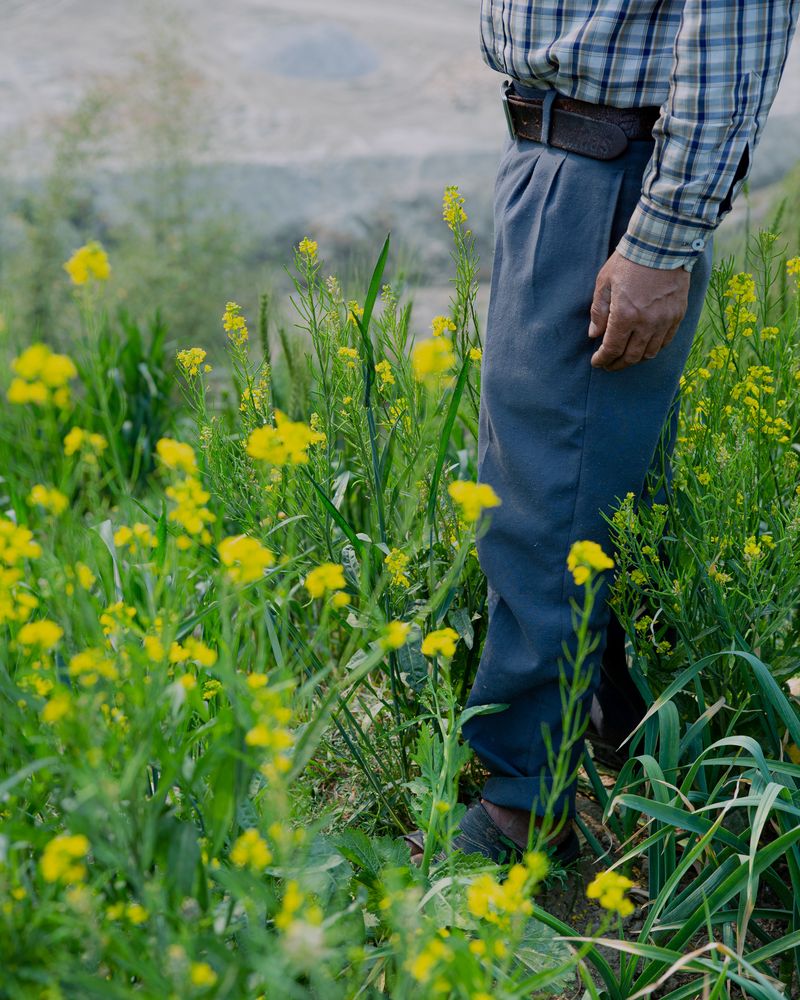
A man stands in his mustard field in Sipadol, Bhaktapur. With rapid urbanization, many people are leaving agriculture behind and constructing houses on their land for a more accessible source of income.

© Amit Machamasi - Farmers burn the remaining dry wheat seedlings after harvesting, as it serves as fertilizer for the field.
i

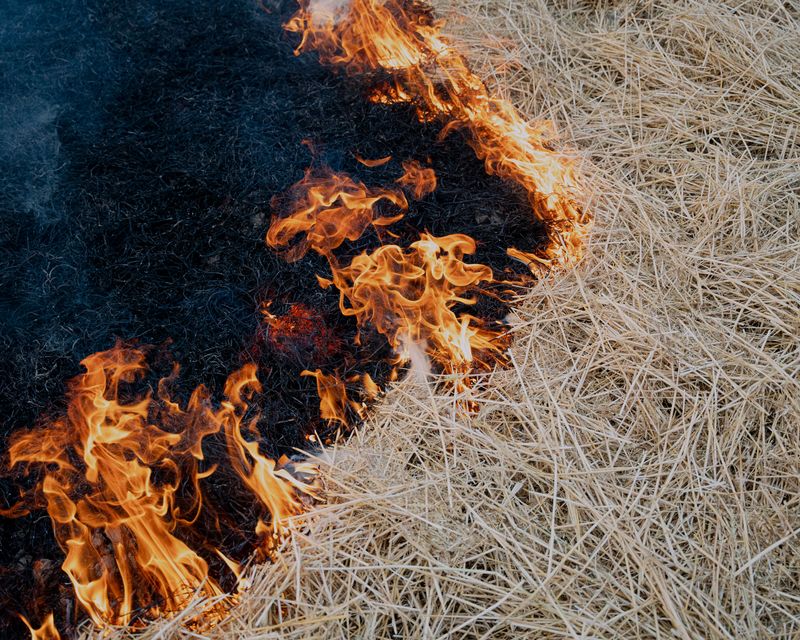
Farmers burn the remaining dry wheat seedlings after harvesting, as it serves as fertilizer for the field.

© Amit Machamasi - Image from the Not The Same Anymore photography project
i

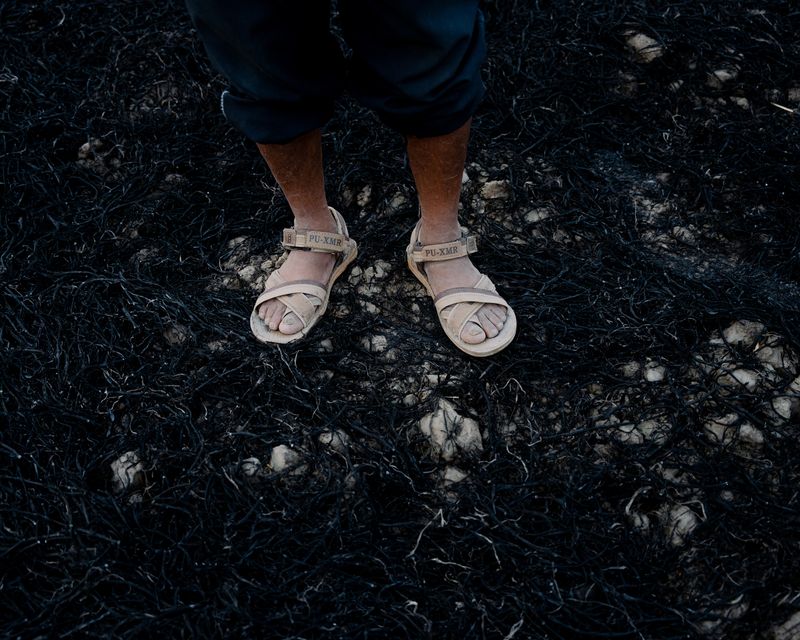
A close-up of a man standing on the charred ground in Sipadol. After the wheat harvest, farmers burn the leftover stubble, which is left in the fields. These burnt remnants are believed to act as a natural fertilizer for the next crop planted in the fields.

© Amit Machamasi - Light illuminates the raindrops as the first rainfall of the monsoon season begins in Sipadol, Bhaktapur
i

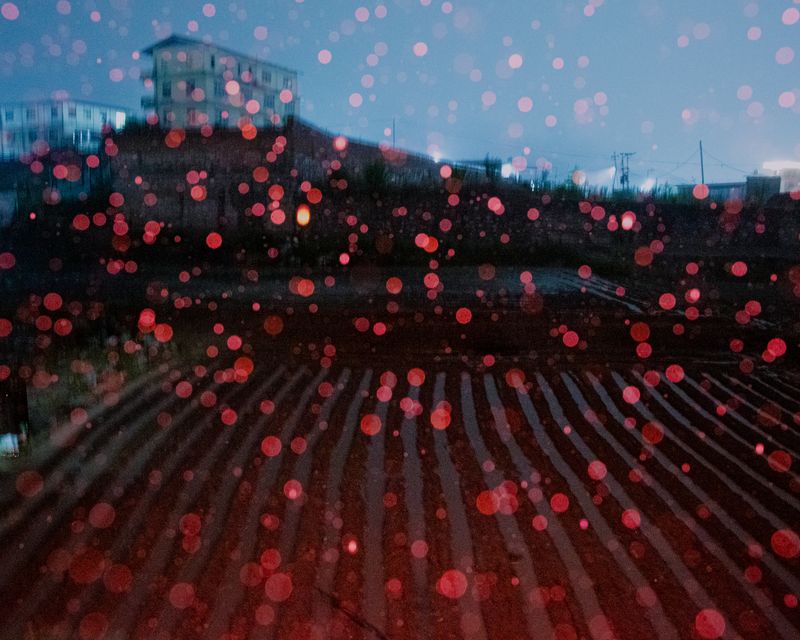
Light illuminates the raindrops as the first rainfall of the monsoon season begins in Sipadol, Bhaktapur

© Amit Machamasi - Image from the Not The Same Anymore photography project
i

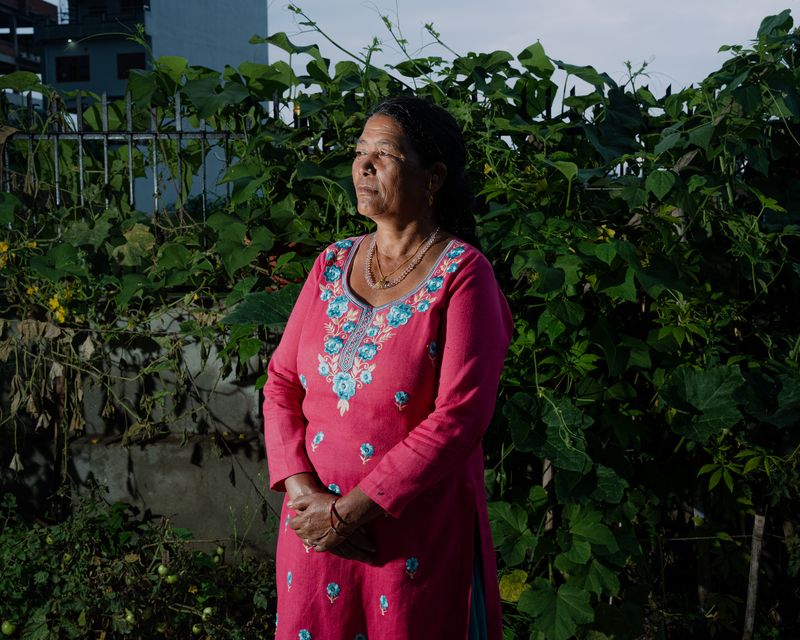
Kamala Sejwal poses for a photo in the front yard garden of her house right after she finishes singing a folk song. The folk song, known as ‘Asarey Bhaka’ in Nepali, is traditionally sung during the paddy plantation season, which typically begins from mid-July. However, these songs are slowly disappearing more people move away from agriculture and farmlands are being converted into plots for build

© Amit Machamasi - Image from the Not The Same Anymore photography project
i

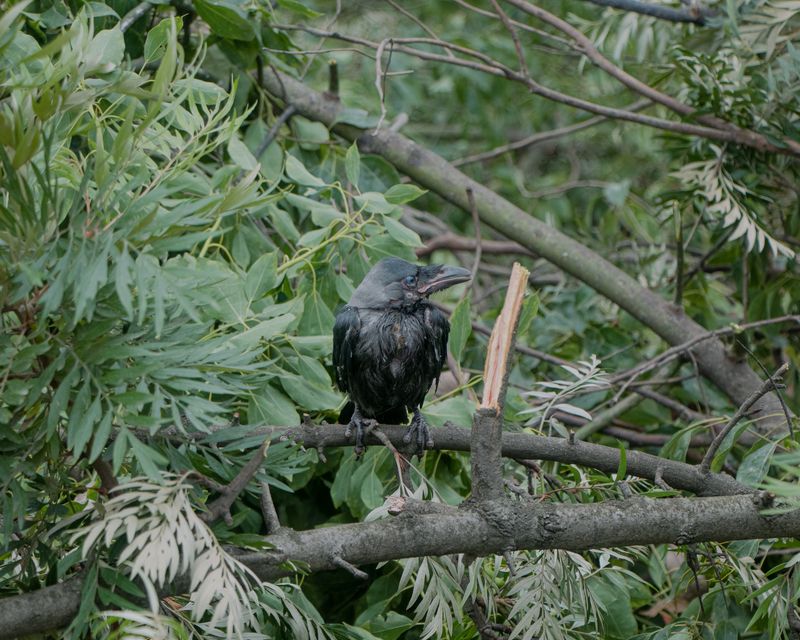
A baby crow perched on the branches of a tree in Bhaktapur, a city facing rapid urbanization and increasing deforestation. The haphazard cutting of trees is displacing birds and animals, leading to the loss of their natural habitats. Over time, this disruption threatens to have a severe impact on the city's ecological balance.

© Amit Machamasi - Image from the Not The Same Anymore photography project
i

A top-down view of brick kilns around Bhaktapur, in operation since early morning. The outskirts of this ancient city are dominated by brick kilns, which continuously emit gasses and smoke, contributing to pollution in the surrounding atmosphere.