North Country Wheels
-
Dates2024 - Ongoing
-
Author
- Location Italy, Italy
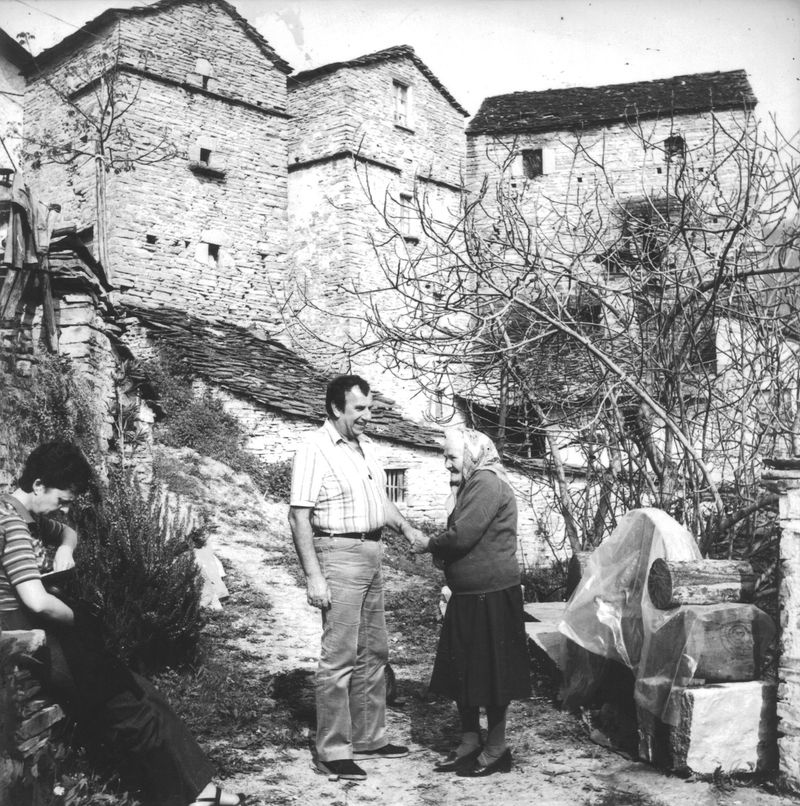
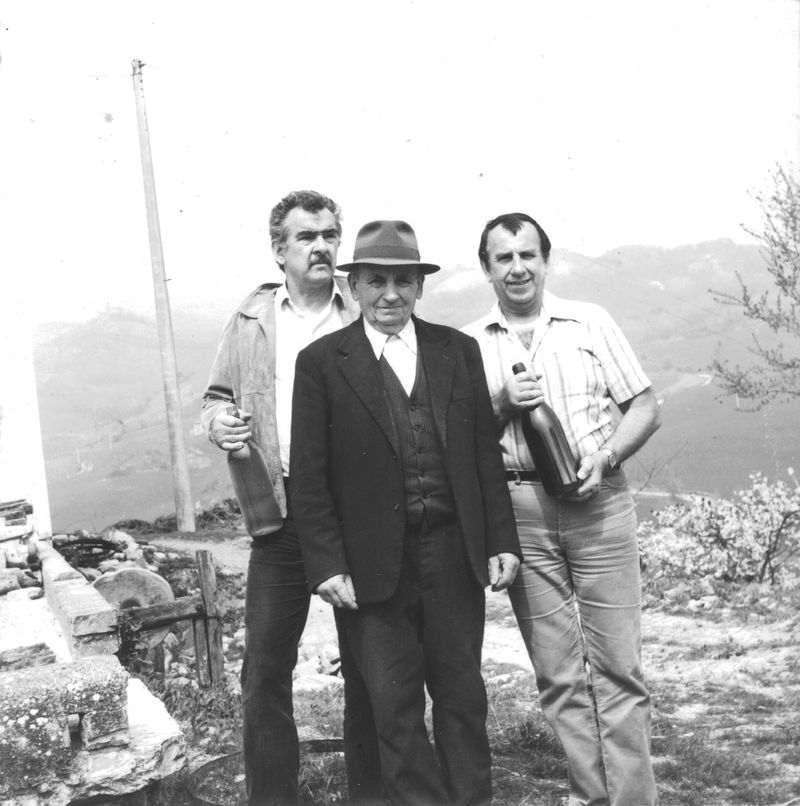
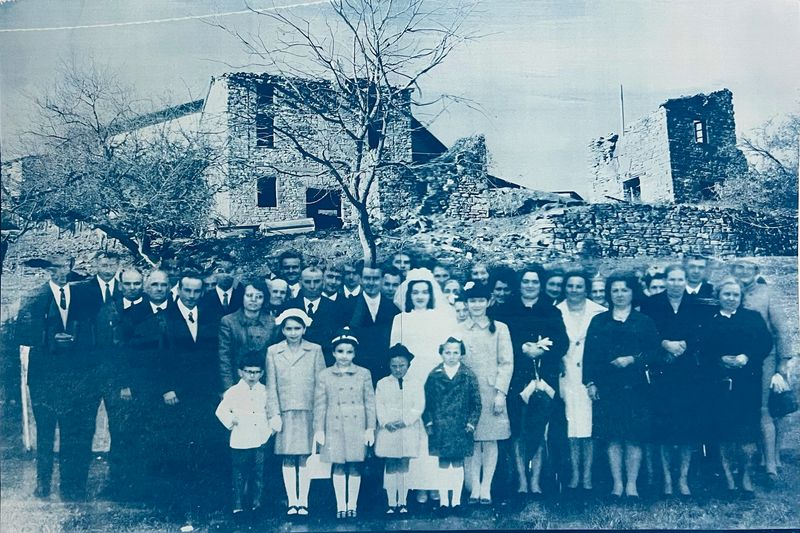
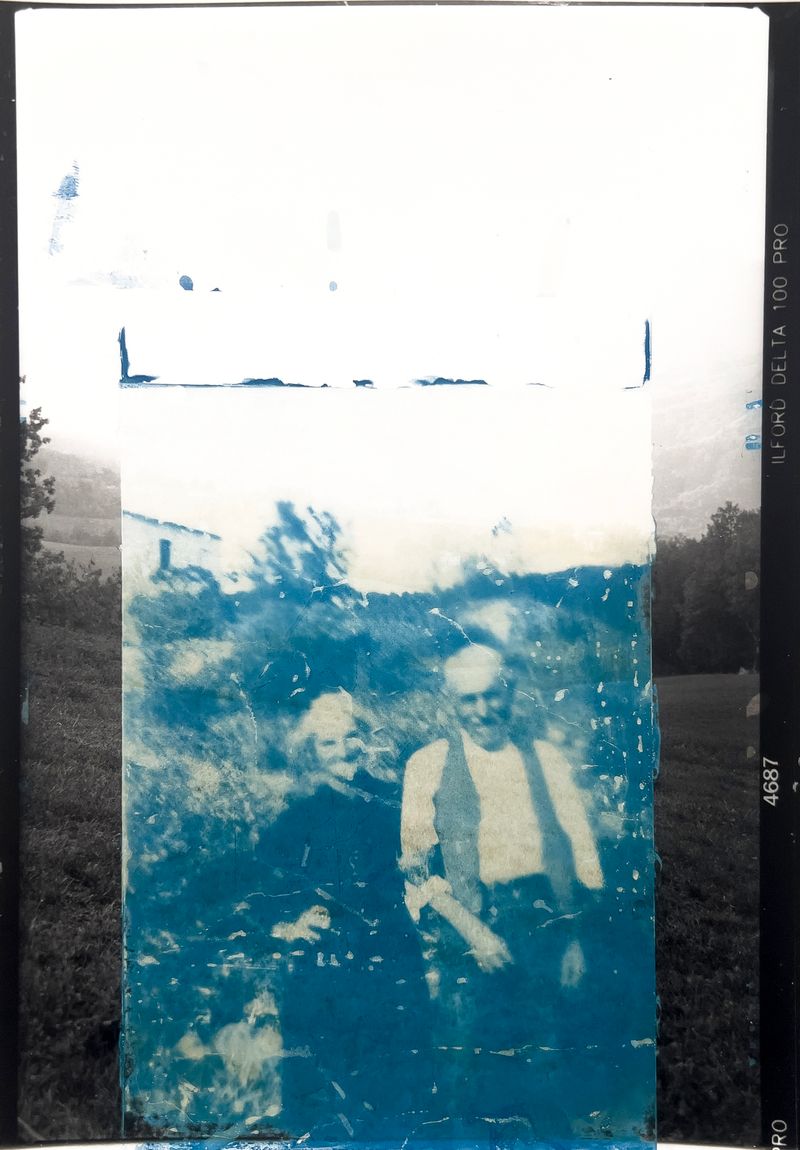
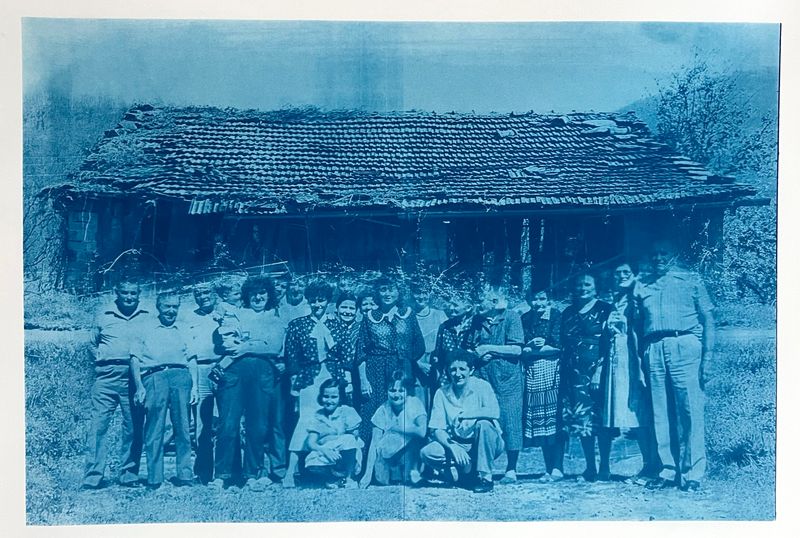
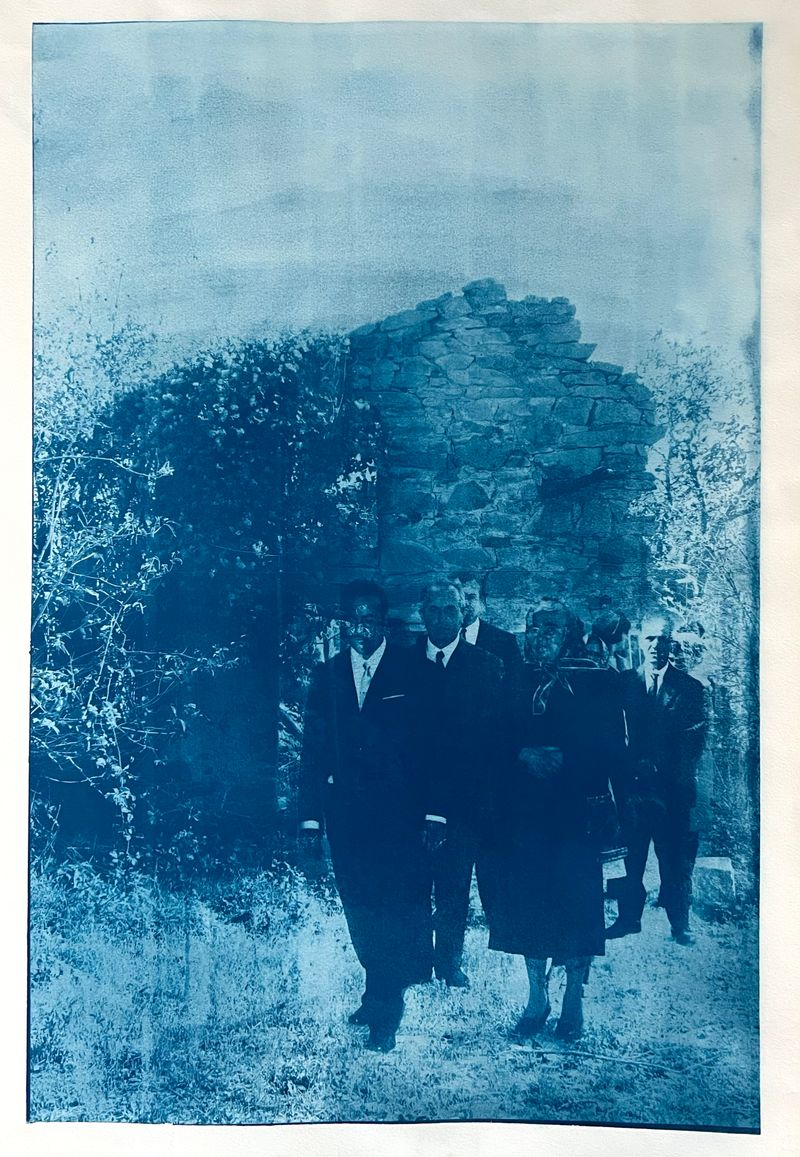
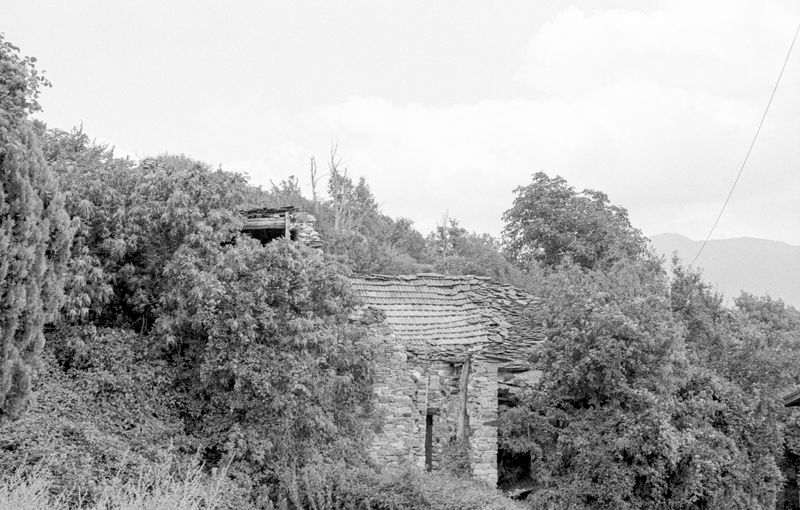
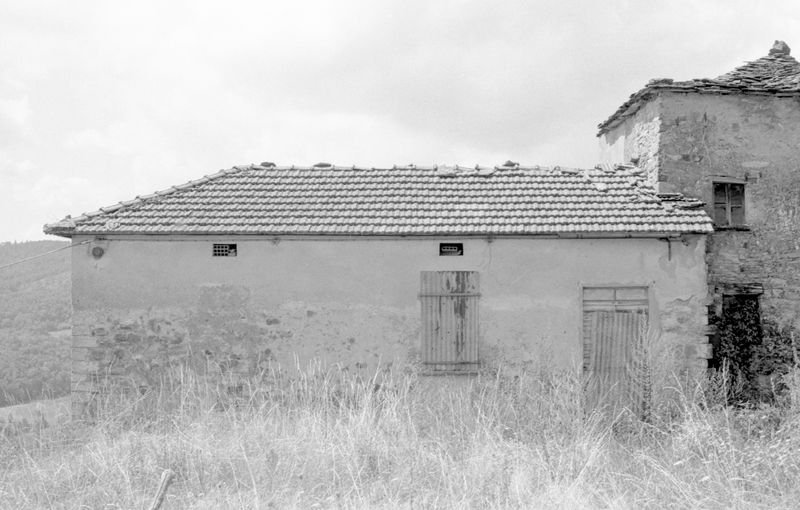
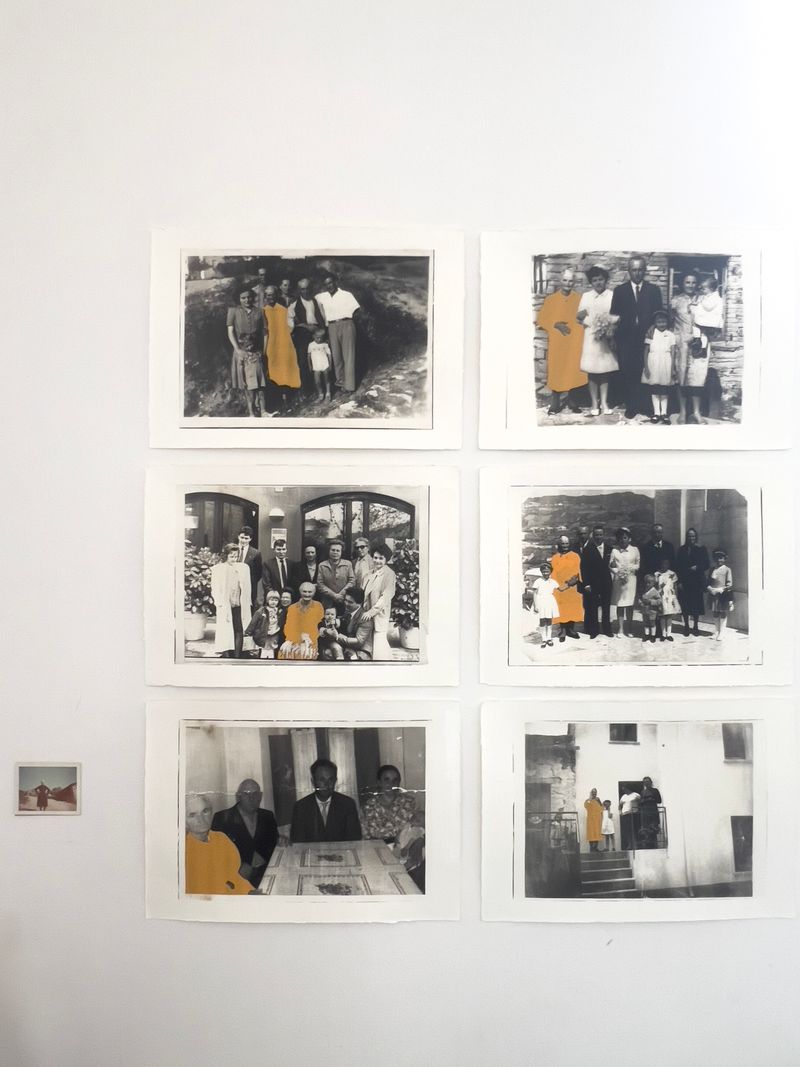
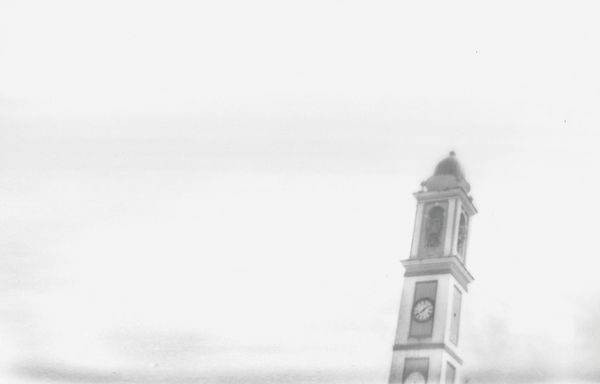
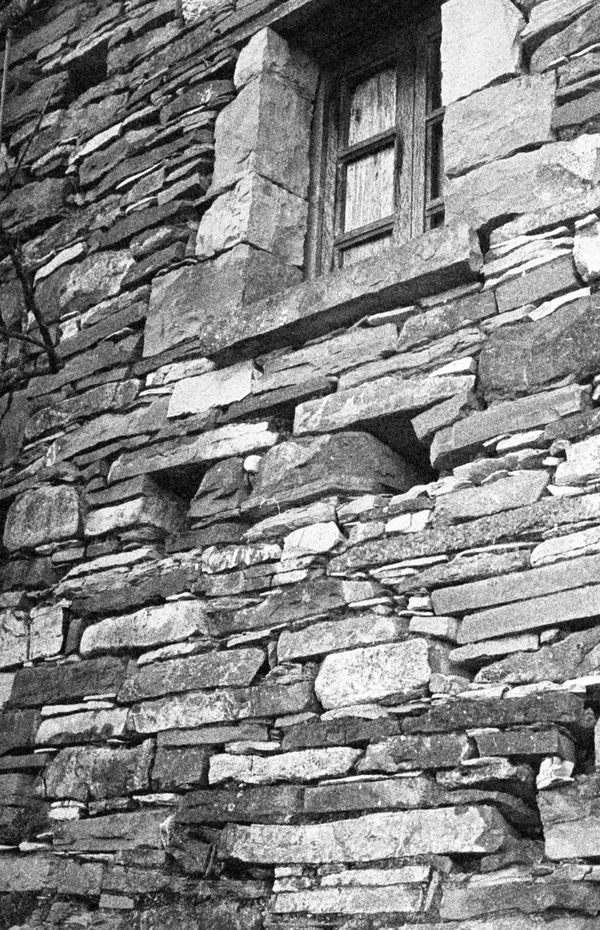
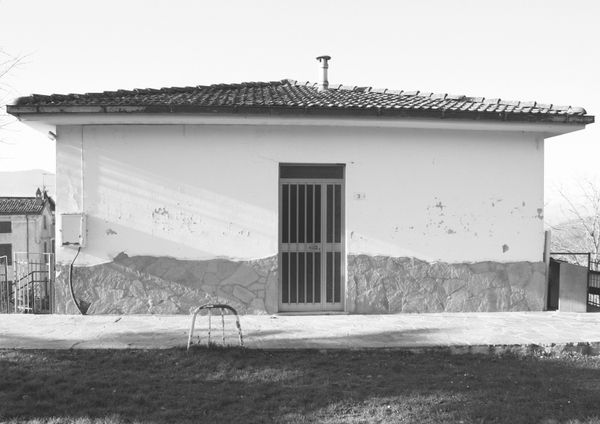
The project explores personal and collective memory through archival images in dialogue with current ruins. Analog printing techniques reflect on the loss of place and the abandonment of mountain areas, bridging past and present through landscape transfor
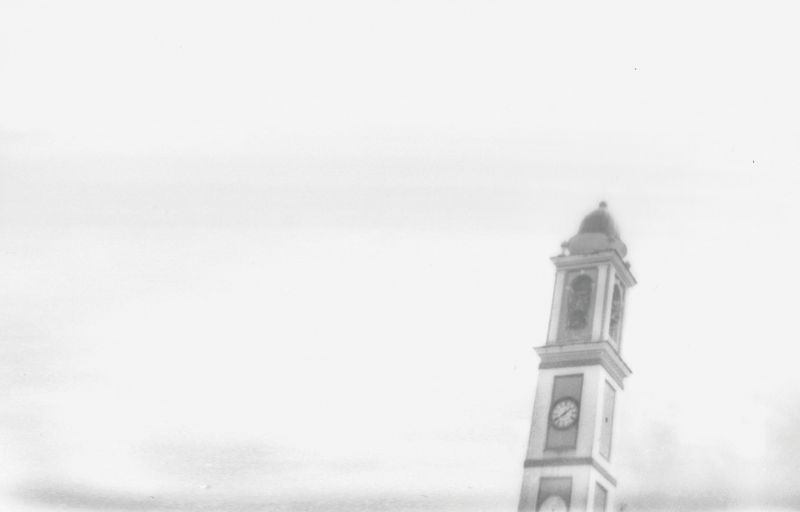
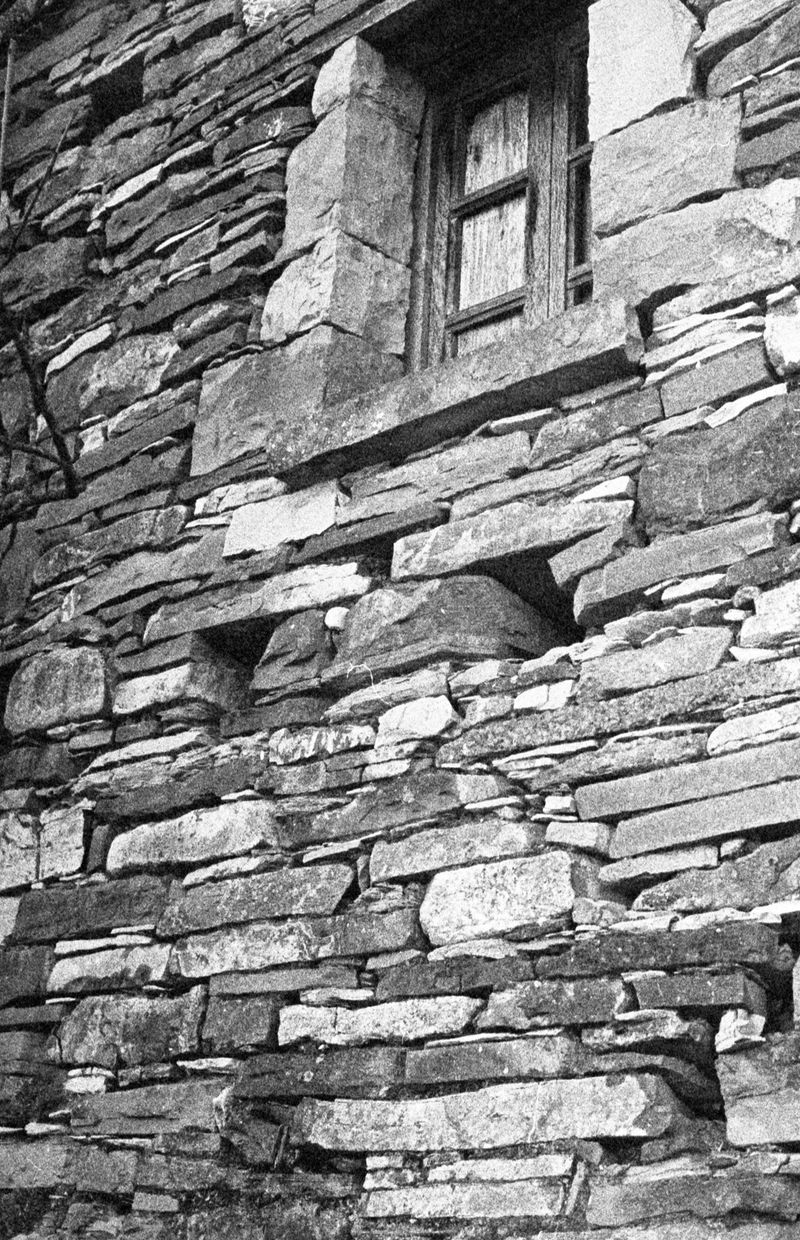
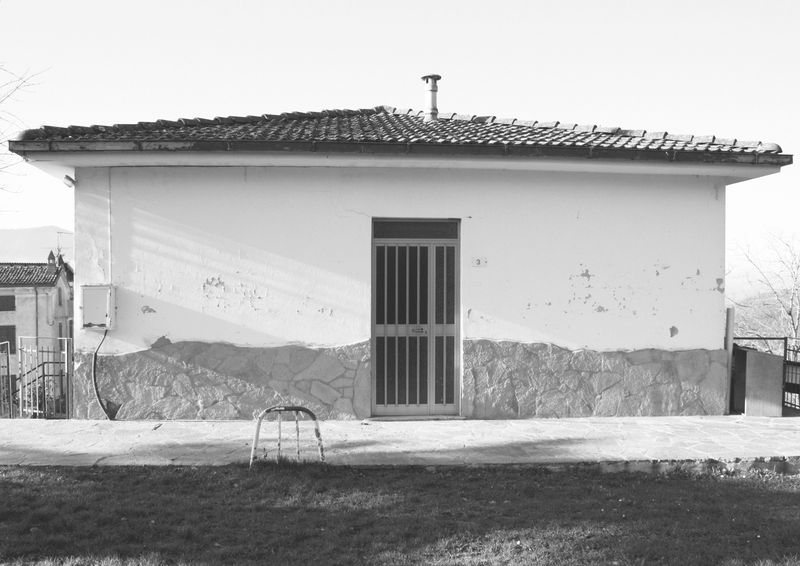
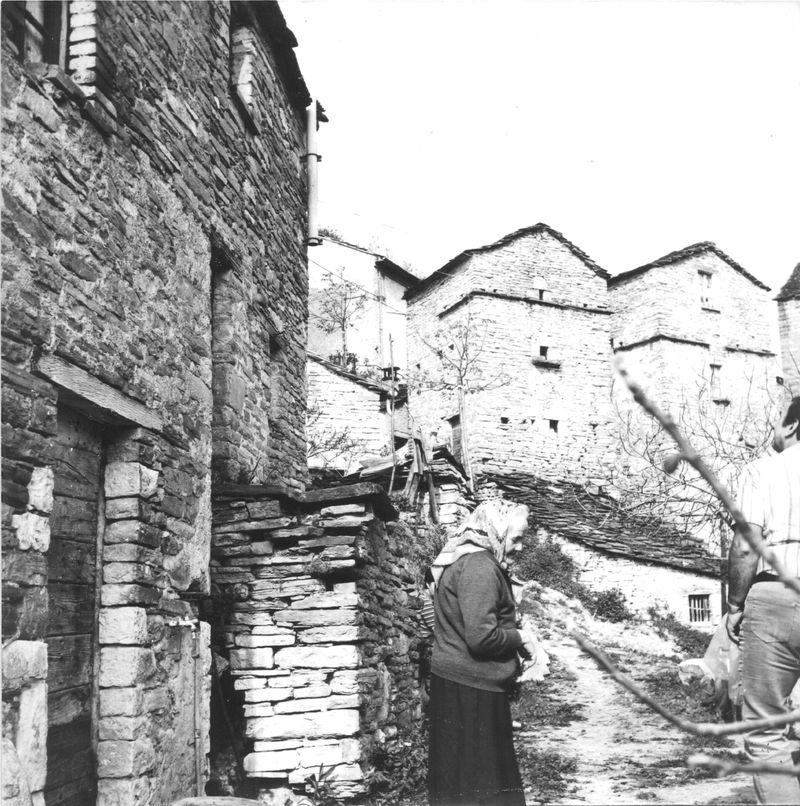
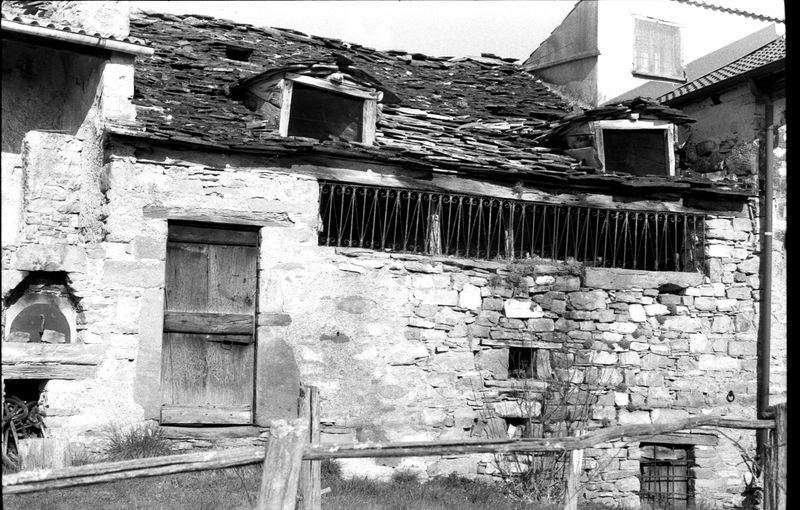
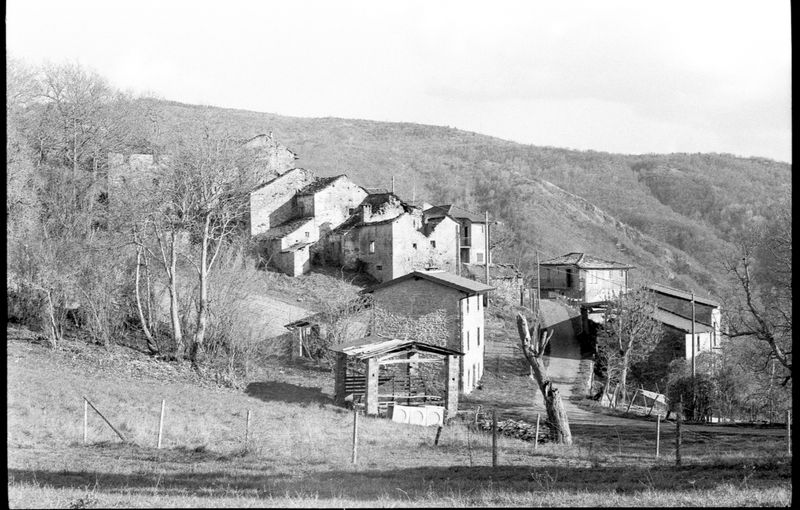
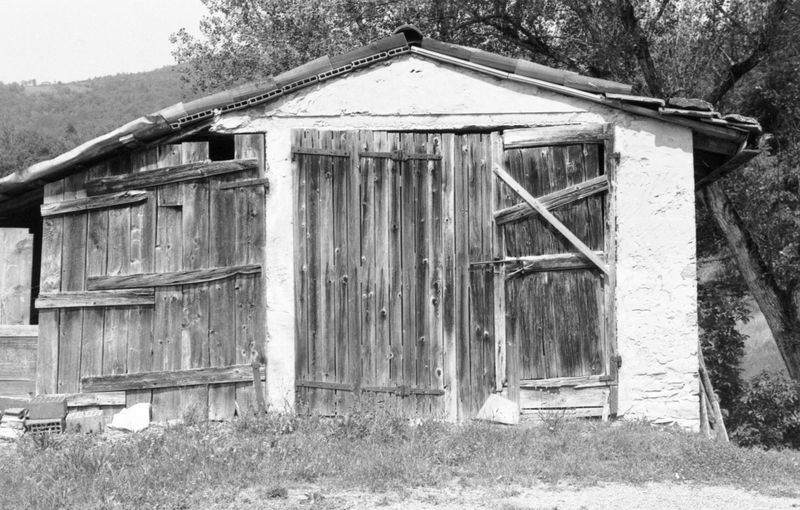
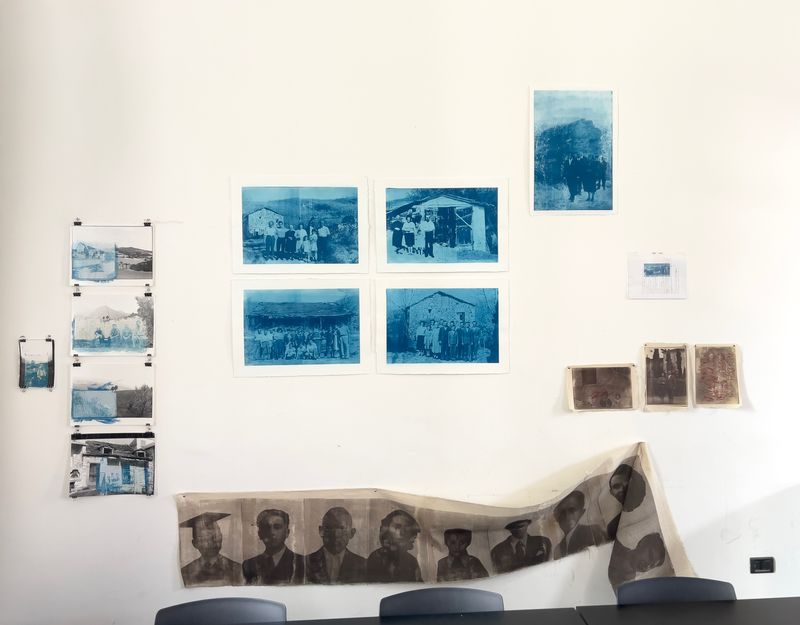
The project originates as a reflection on memory, understood not only as recollection but as a living trace capable of questioning the present and suggesting visions for the future. Its starting point lies in a personal dimension: the reactivation of a memory the artist perceives as intrinsic, yet partly inaccessible. From here unfolds a visual investigation that moves beyond the individual sphere to open onto a collective dimension, in which places and people become repositories of a memory sedimented within the territory itself. The works establish a dialogue between archival images and fragments of the present: on one side, portraits and materials tied to a cultural imagery embedded in shared memory; on the other, the current ruins and traces of the investigated sites. This superimposition generates a visual tension between what once was and what remains, evoking the sense of loss of a place and the irreversible transformation of the territory. The mountainous and rural landscape—recognizable yet marginal—thus becomes a device through which to read time, absence, and change. The use of analog printing techniques and manual processes is not merely a formal choice, but an integral part of the work’s meaning. Working with materiality, reproduction, and the reappropriation of archival material allows the images to be removed from a private, familial dimension and made accessible to a collective gaze. In this passage, the archive is transformed: from an intimate testimony into a shared reflective tool, capable of activating new readings and imaginaries. The project takes shape as a visual investigation of the territory, understood in a broader sense: an assemblage of places, people, and temporal stratifications that reveal the effects of abandonment and the gradual decay of more marginal areas. Without resorting to didactic narration, the work assumes a critical stance, visually conveying the consequences of this phenomenon on places and on those who inhabit—or once inhabited—them.Conceived as a solo exhibition, the project brings together several series, differing in subject matter and modes of production, yet united by a common thread: the loss of a place as a shared experience, inscribed in the irreversible flow of time. The viewer is invited to enter this journey, to recognize something already familiar and, at the same time, to question established conventions of memory. In this way, the exhibition proposes itself as a space of encounter between individual and collective memory, inviting reflection on the relationship between human beings and territory, and on the transformations time imprints on both.