No horizon
-
Dates2025 - Ongoing
-
Author
- Location Colombia
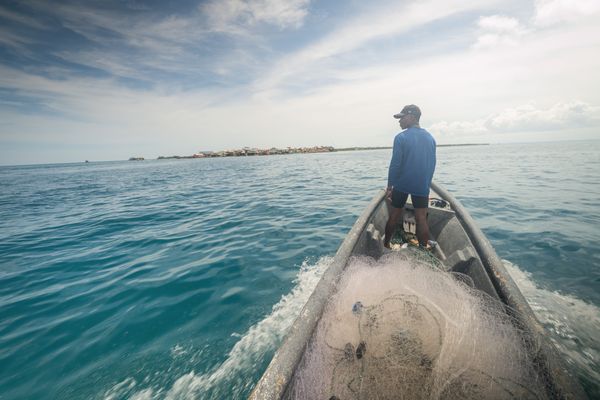
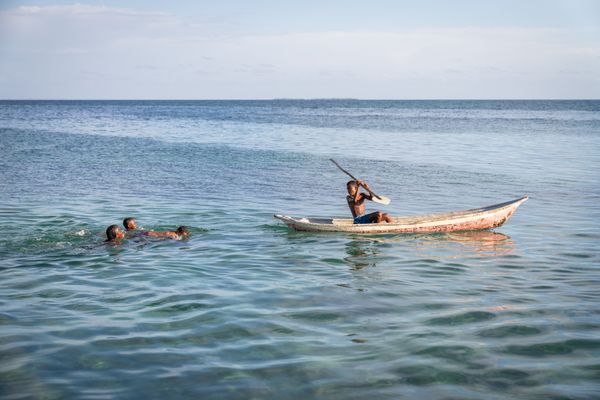
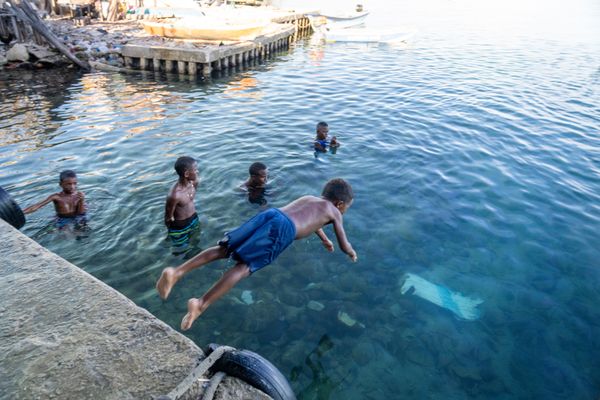
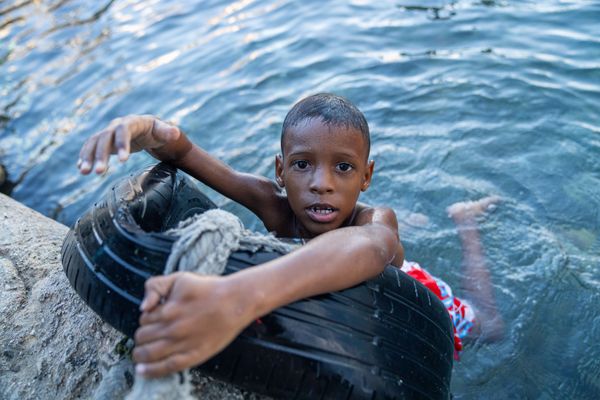
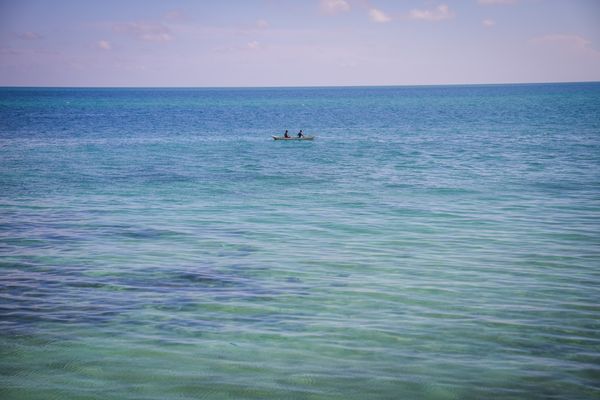
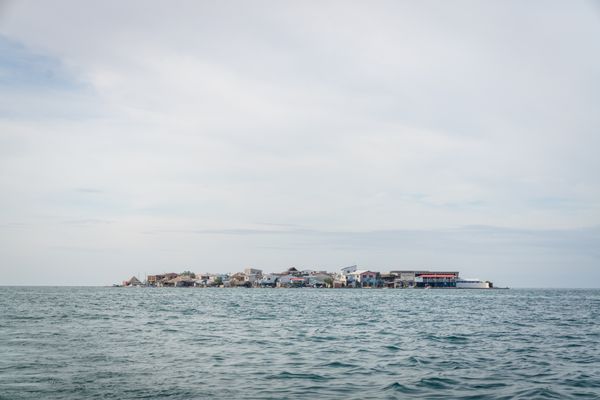
Less than a hectare, 800 people, no water, no electricity, no authority, no garbage collection. A community that monetizes its own crisis while resisting any transformation of it. Surrounded, sustained and trapped by the ocean.
Santa Cruz del Islote sits within Colombia’s San Bernardo Archipelago, a coastal zone increasingly shaped by tourism development, hotel infrastructure, and ecological pressure. The archipelago once counted sixteen islands. Today there are eight. The mangroves that held them together were cut down over decades, not only by the island’s own community but across the entire zone, as tourism expansion consumed the coastline and its natural barriers disappeared.
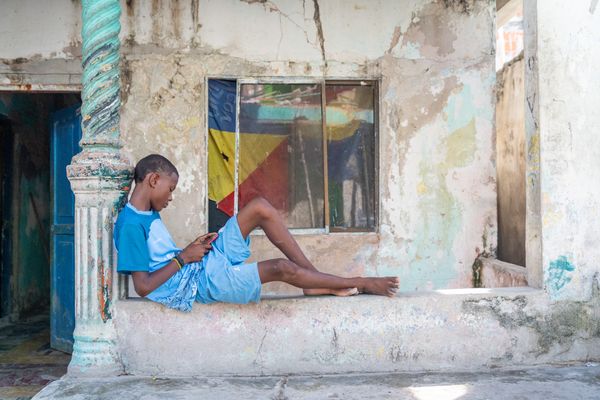
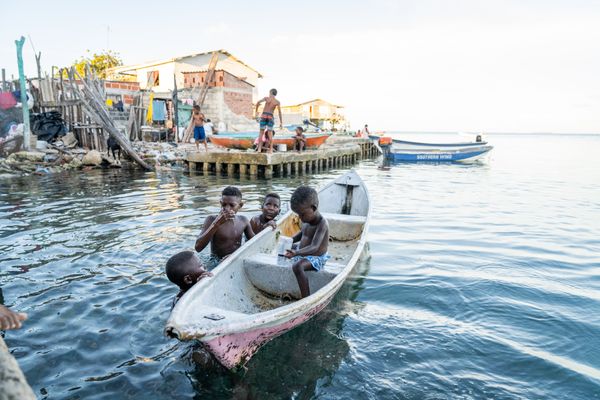
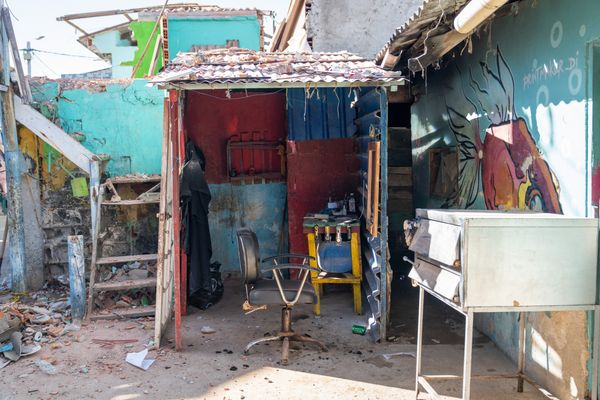
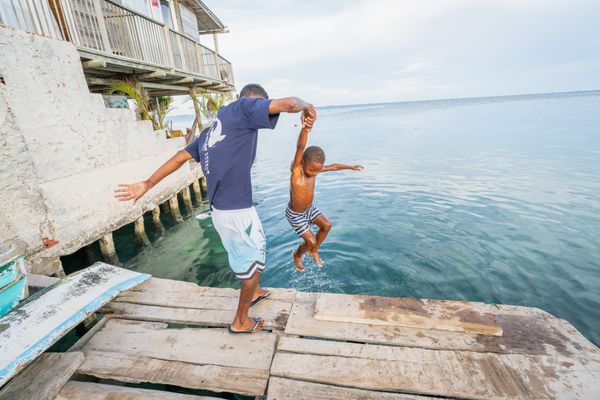
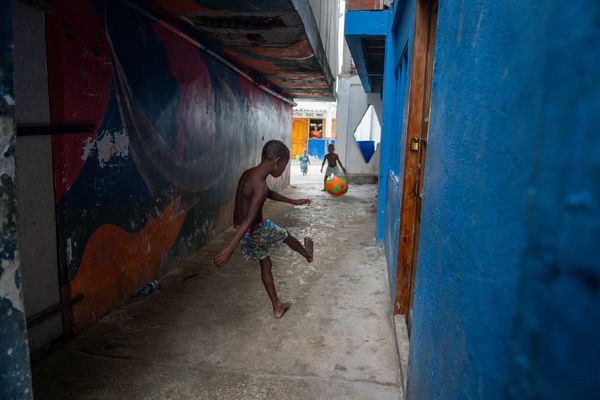
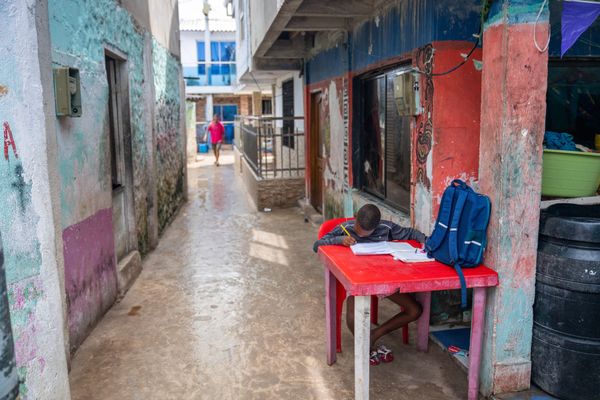
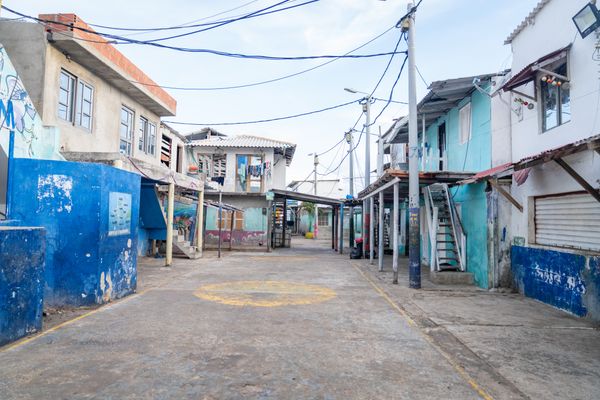
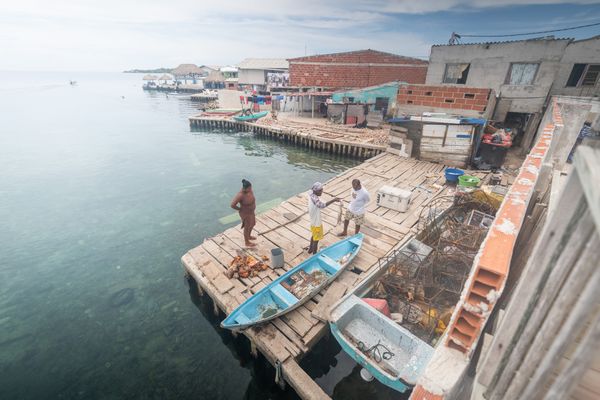
The island was settled approximately 200 years ago by Afro-Colombian fishing families who built on an uninhabited sandbank and gradually expanded it. What began as open land with green space was slowly covered as the community grew, cutting vegetation and building outward until every available surface became housing. Today less than a hectare holds around 800 people, connected by corridors barely wide enough for two people to go through.
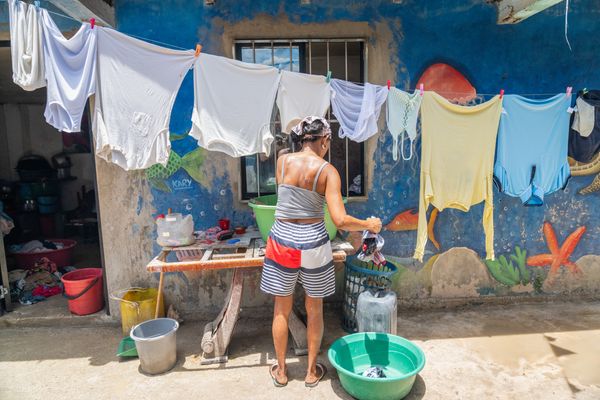
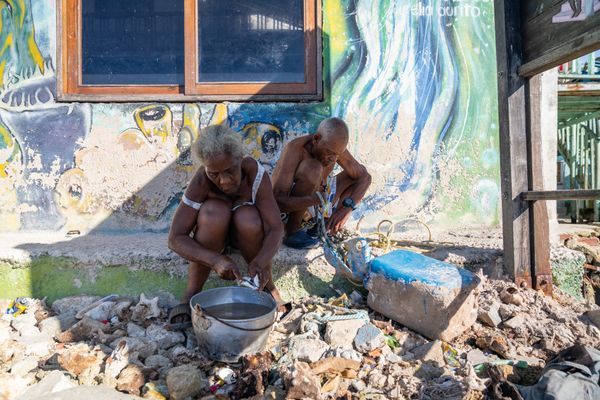
The islote is where the workers live. The people who staff the nearby hotels, ferry tourists between islands, and sustain the hospitality economy of the San Bernardo coast return each night to this same patch of land. No running water. No electricity beyond a few hours of generator power at night. No garbage collection, leaving the island buried in waste. No formal authority, no police, no taxes, no institutional structure of any kind.
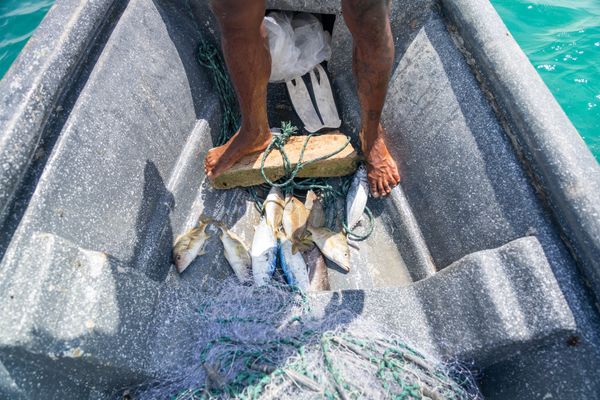
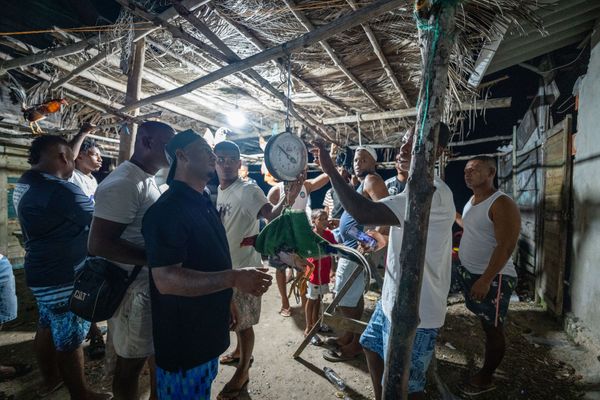
The community survives through a combination of fishing, which grows harder every year as stocks decline and fuel costs rise, and tourism, including visitors who come to the island itself to see how its people live. The spectacle of the conditions is part of the attraction. Animals are kept in captivity for tourists to swim with. Cockfighting, illegal on the Colombian mainland, happens openly here. The noise of generators, music, and roosters is constant and inescapable.
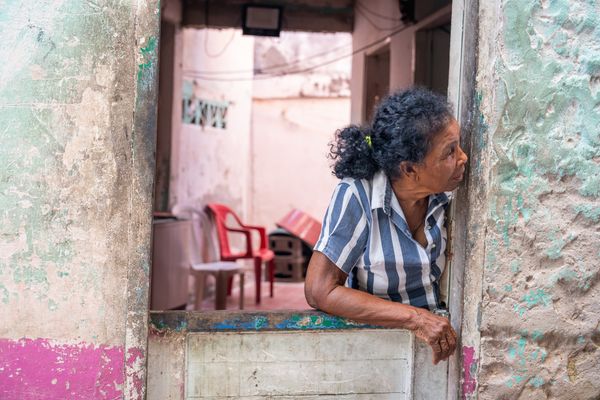
What makes Santa Cruz del Islote compelling beyond its material conditions is what it reveals about social organization in the absence of the systems we take for granted. It functions, but on its own terms. There is a powerful sense of community, of belonging, of collective life built in extremely close proximity. And yet that same social fabric resists transformation. The priority is survival and the present moment. The future is not a common project.
This is not simply a story of government abandonment, though abandonment is real and structural. It is a portrait of a society improvised over generations, shaped by isolation, sustained by informal economy, and increasingly caught between the pressures of a growing tourism industry around it and the slow erosion of the natural and social foundations beneath it.
The photographs move between the intimate and the systemic, tracing the texture of daily life on the island while holding the larger context in frame. Surrounded, sustained, and trapped by the ocean, an island that holds 800 people and the weight of its own contradictions, on very tiny piece of land.