Night At the Museum
-
Dates2023 - Ongoing
-
Author
- Location New York, United States
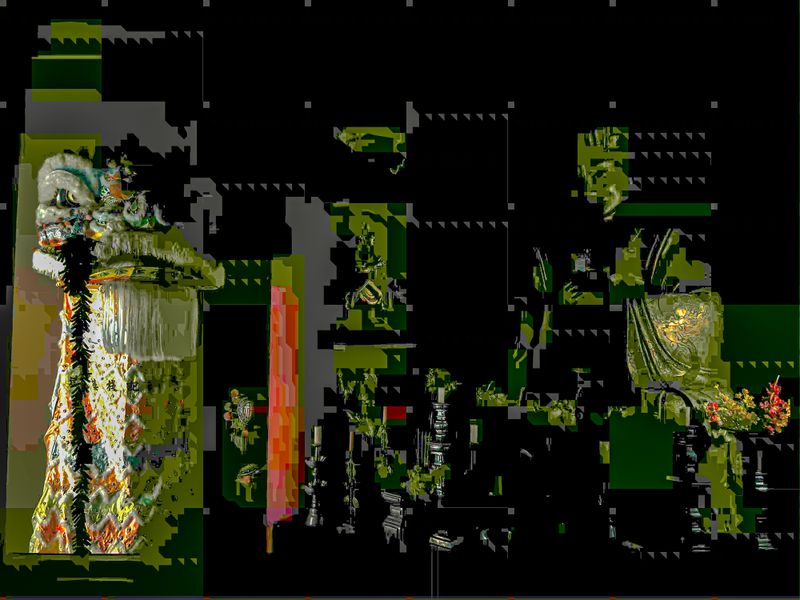
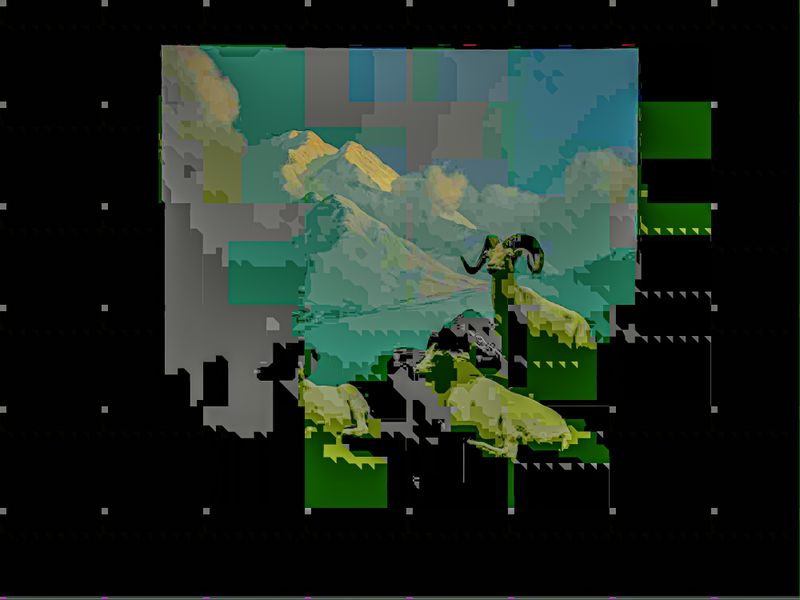
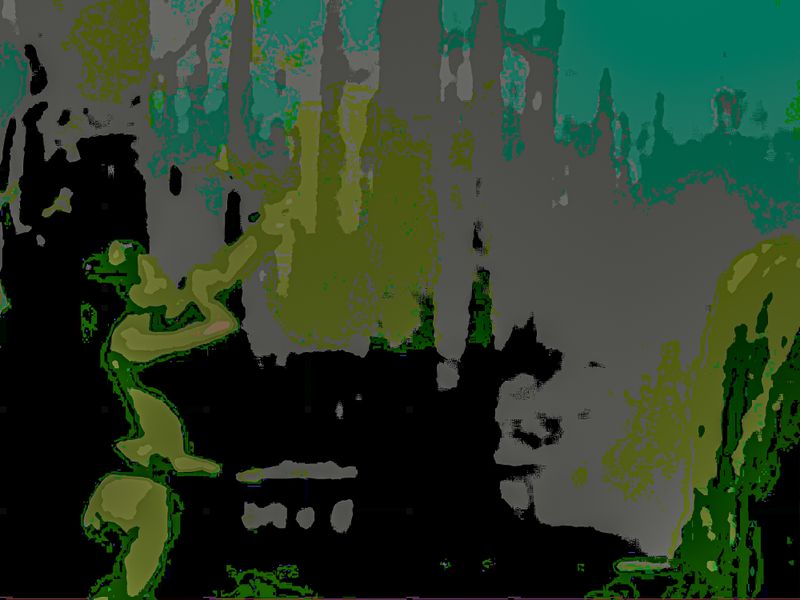
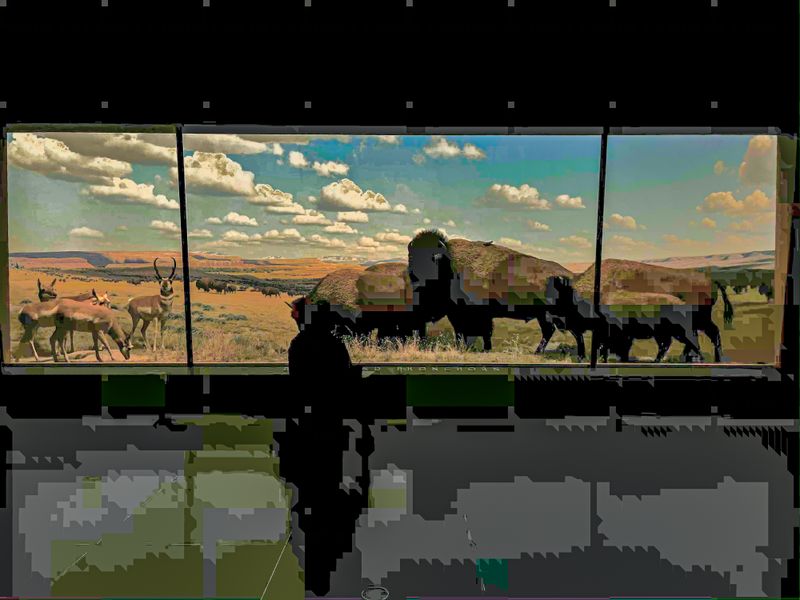
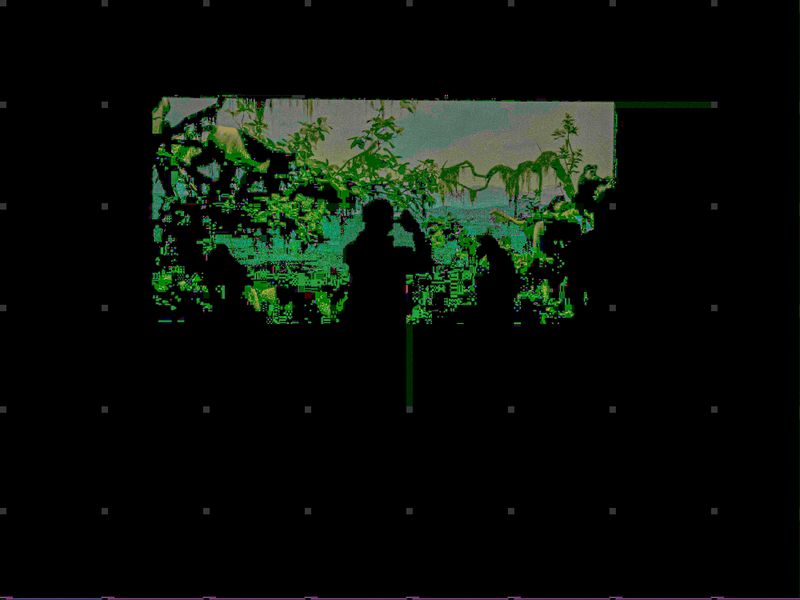
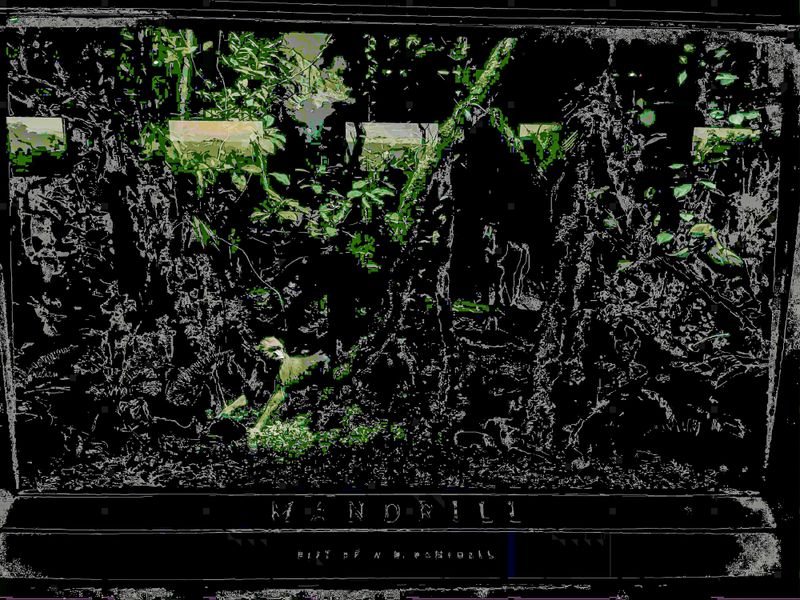
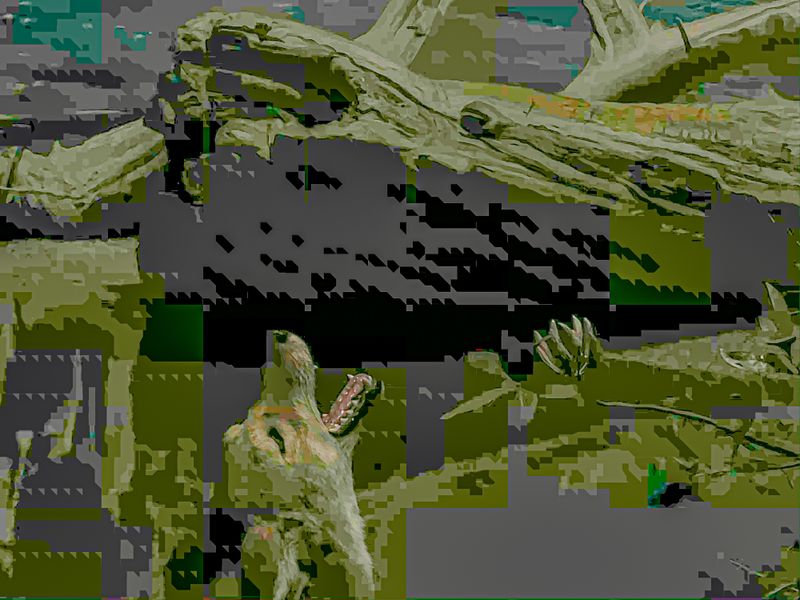
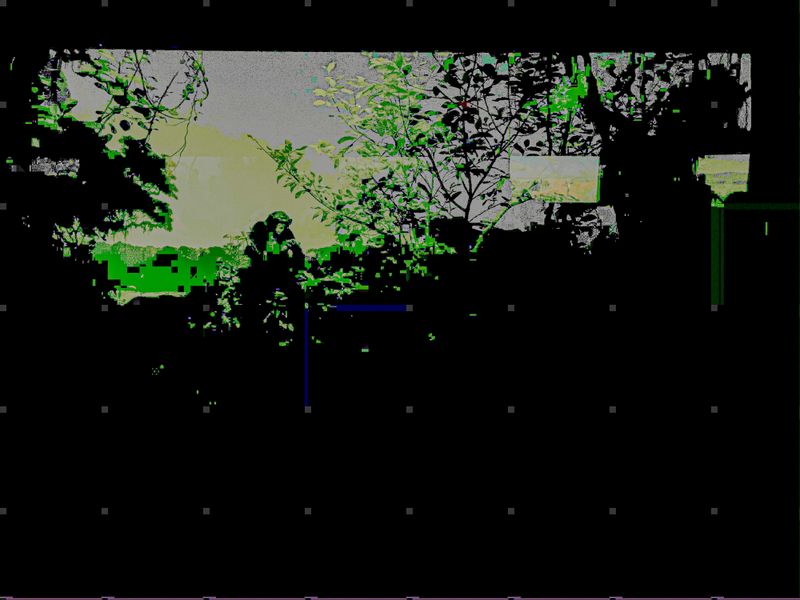
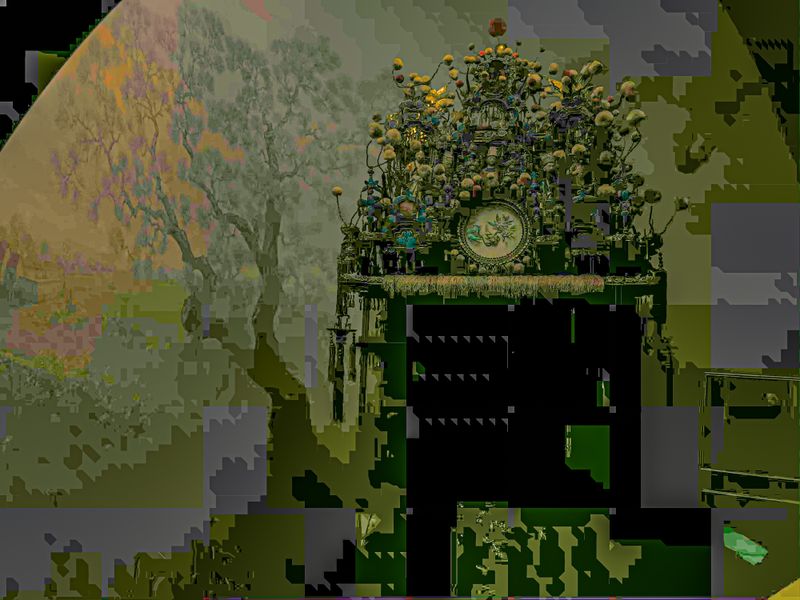
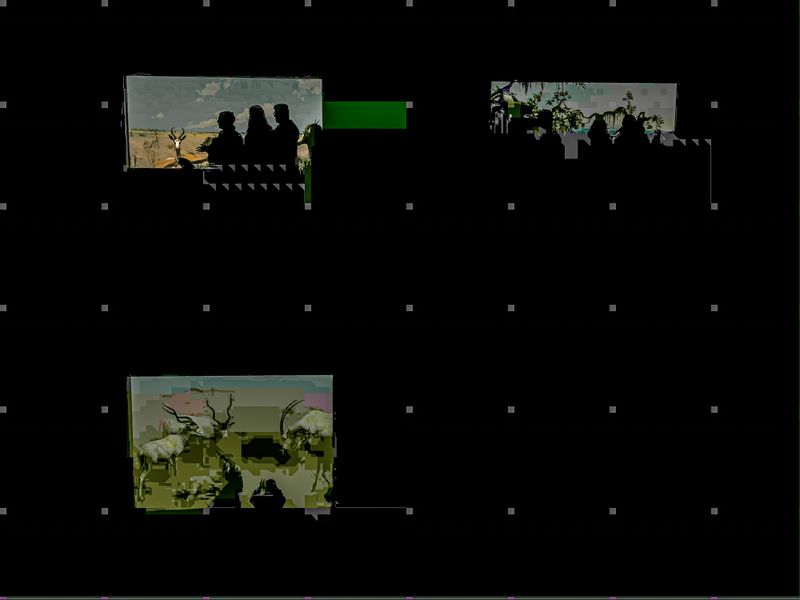
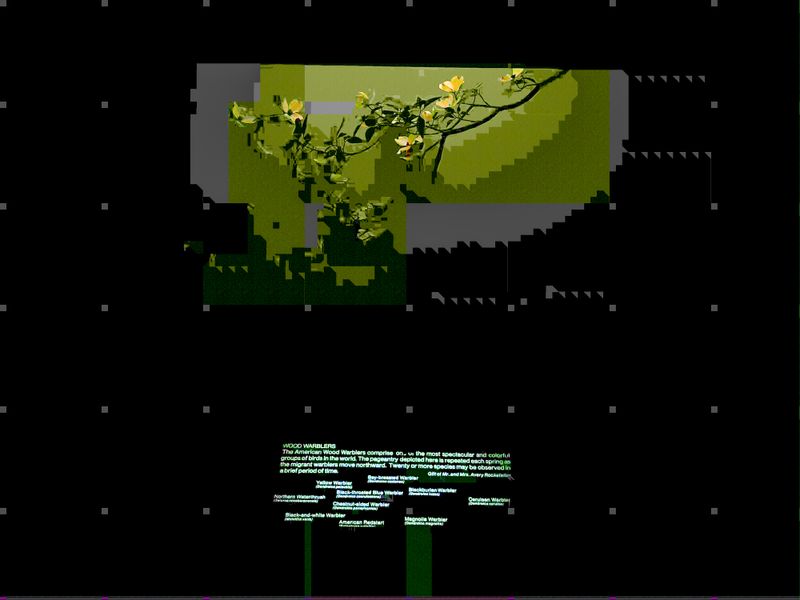
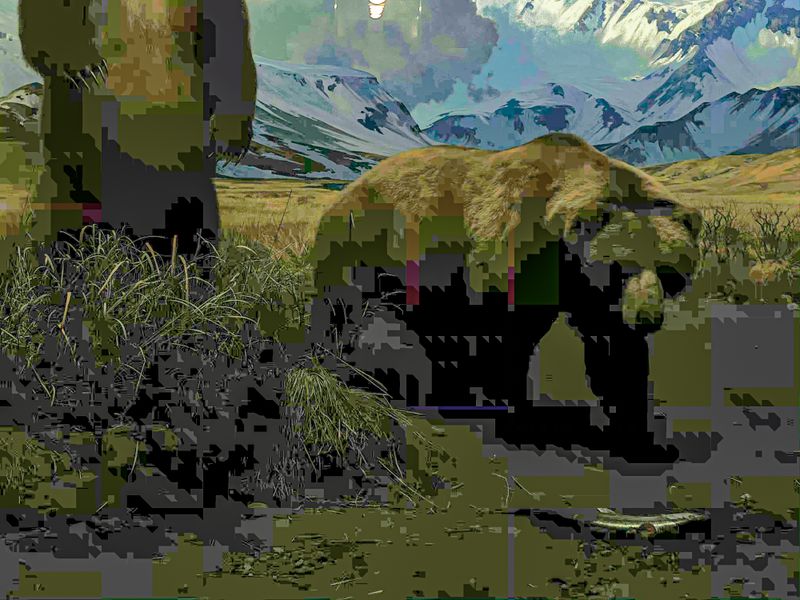
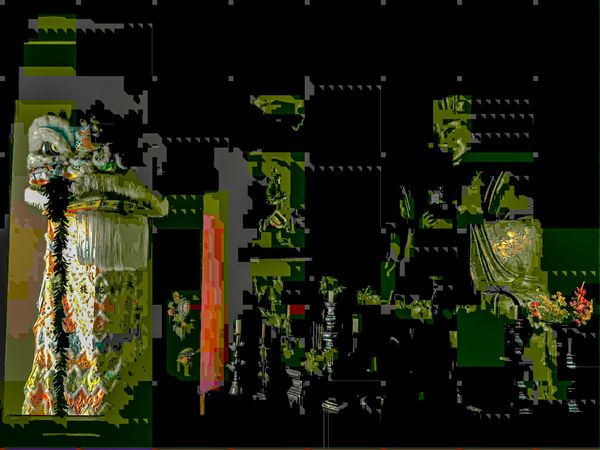
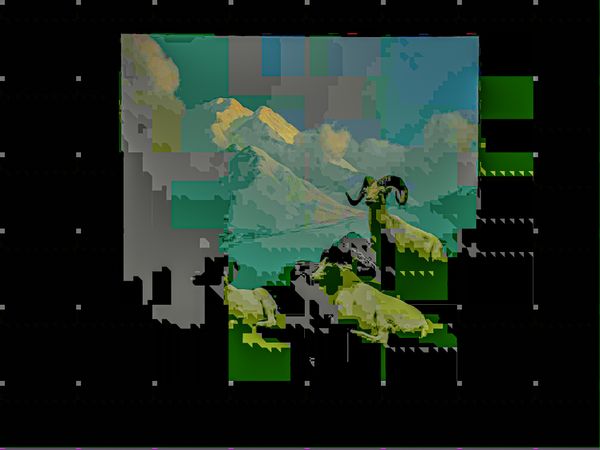
It is about the cultural bias from dioramas at American Museum of Natural History, where embrace the limitations of digital sensor. In low light situations, digital camera cannot reproduce reality. I discover something special behind the darkness.
The subject of this project is the dioramas at the American Museum of Natural History, where I embrace the limitations of the digital sensor in low light.
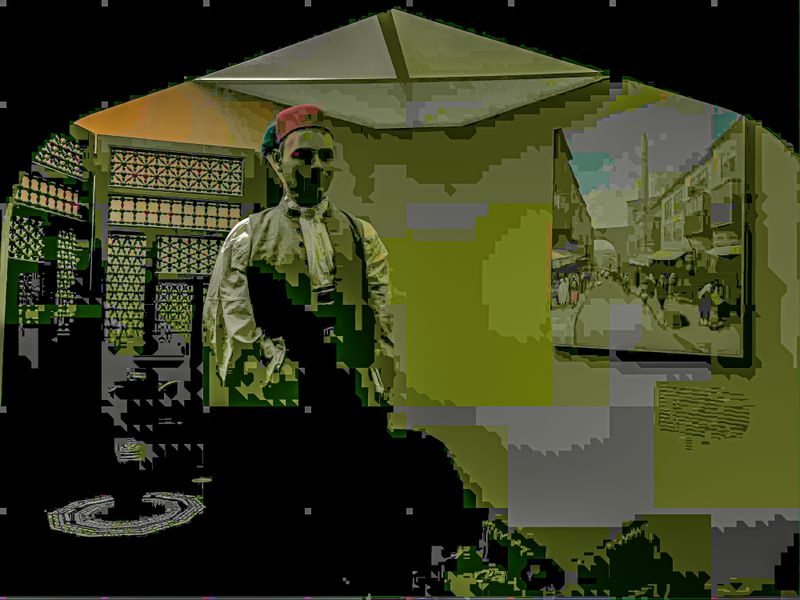
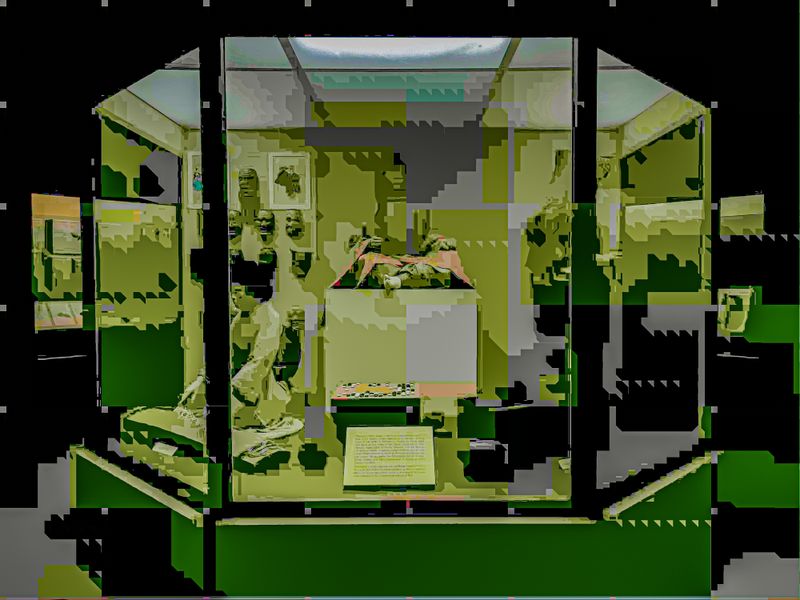
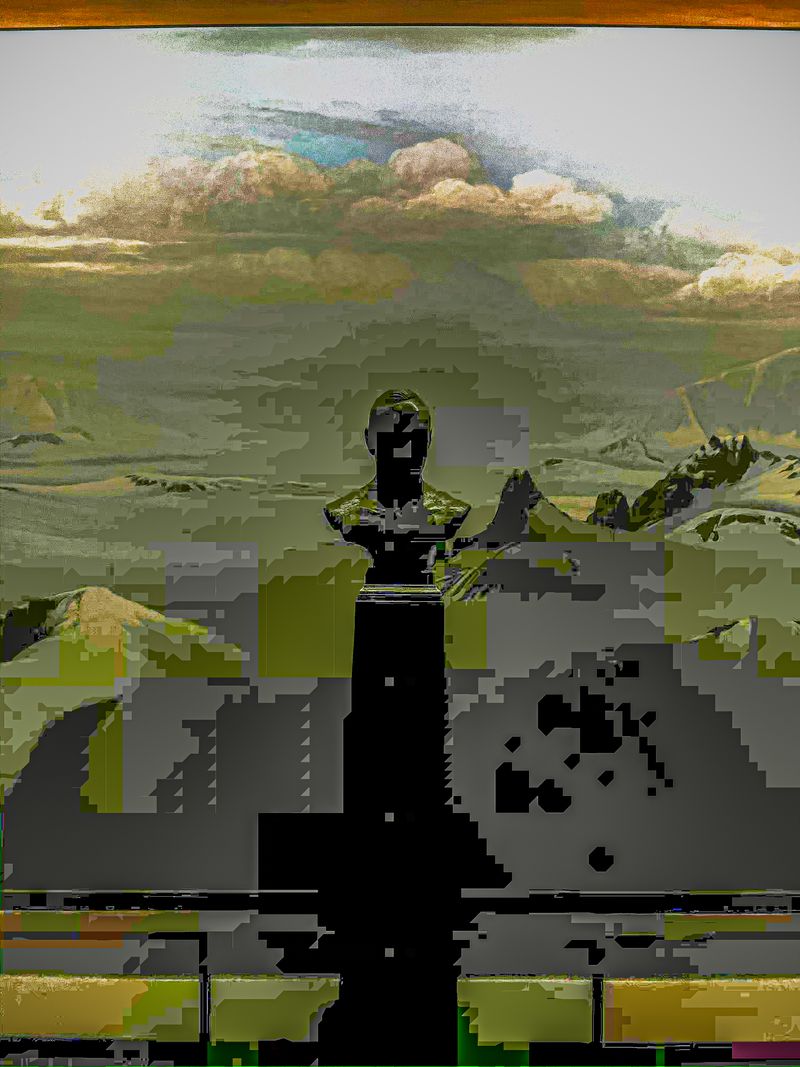
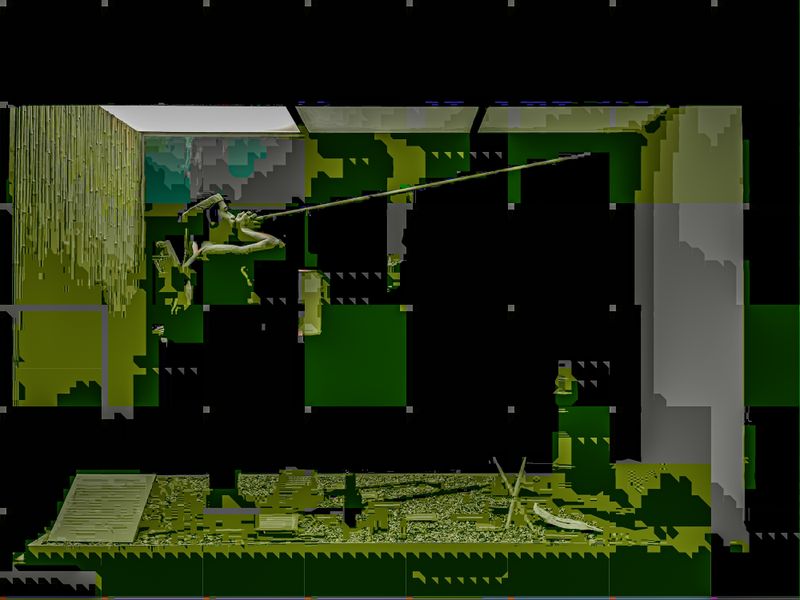
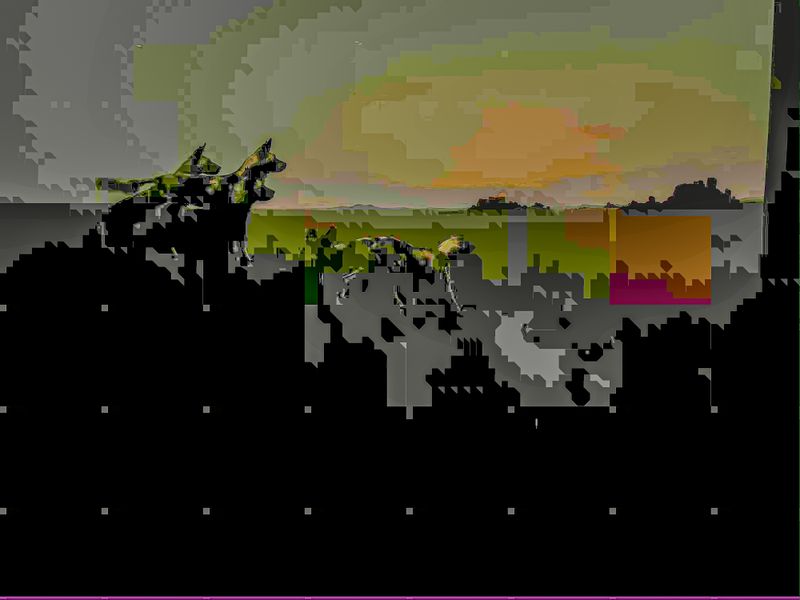
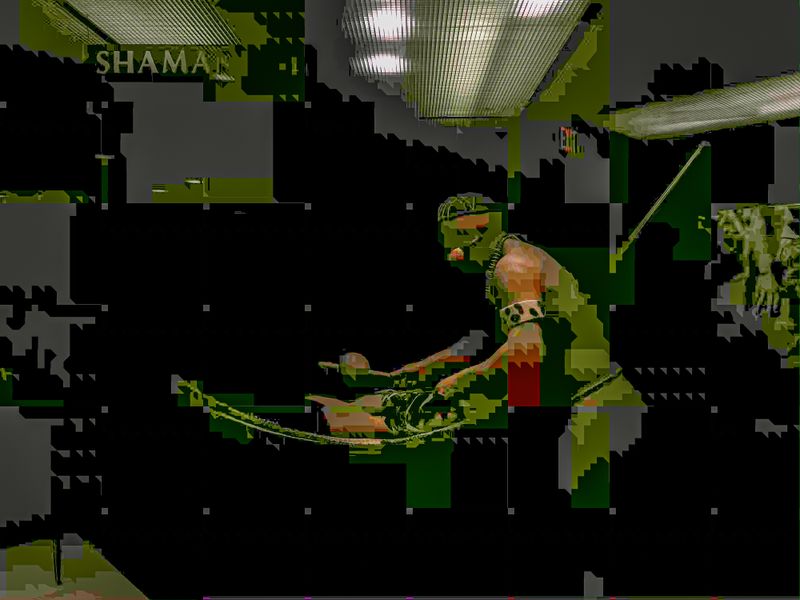
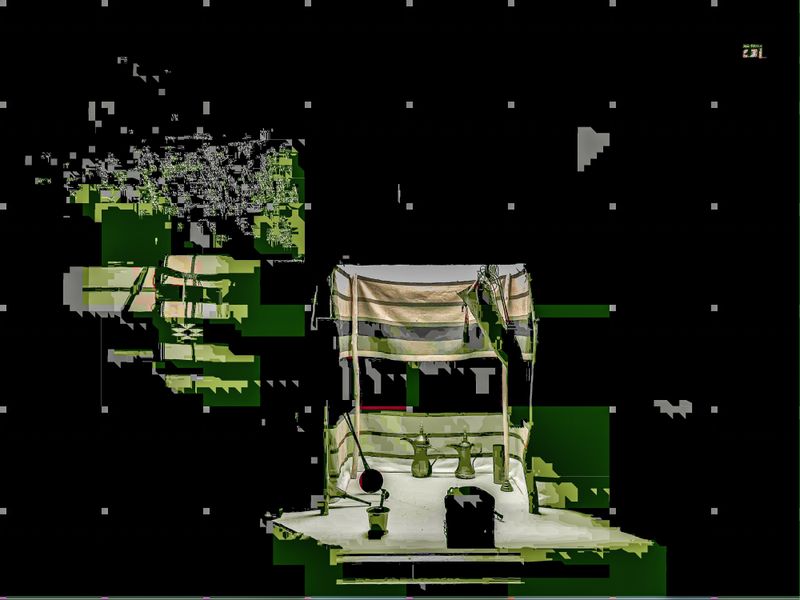
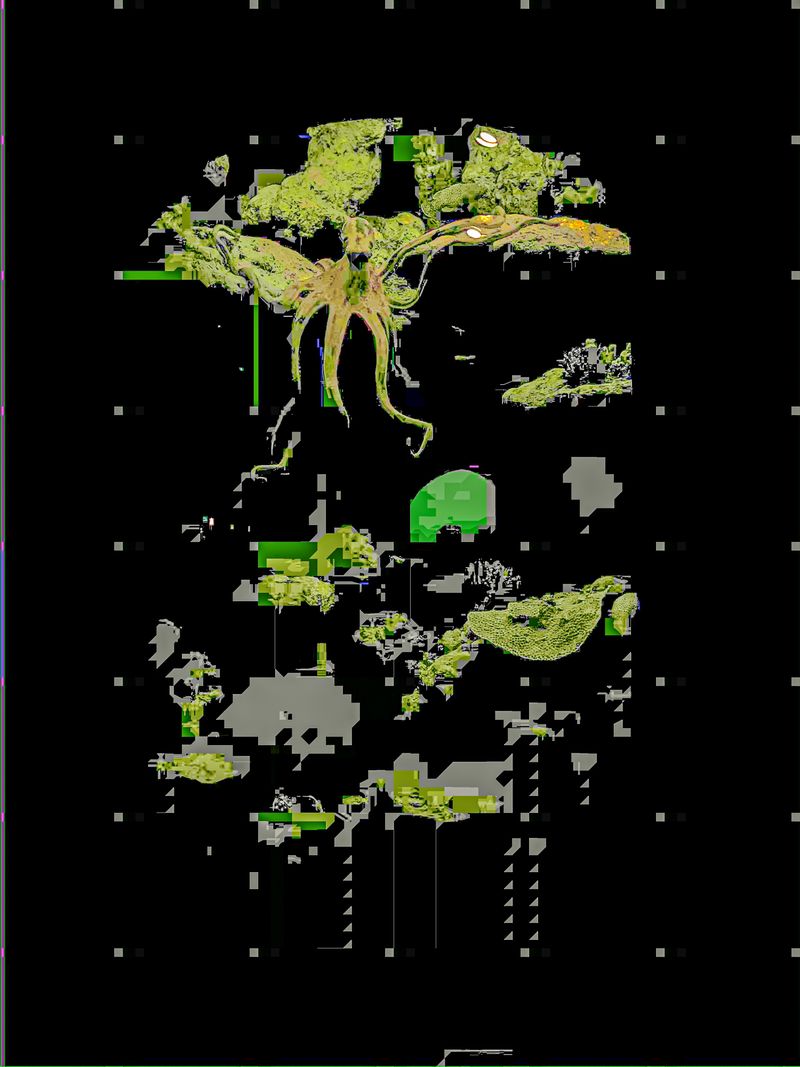
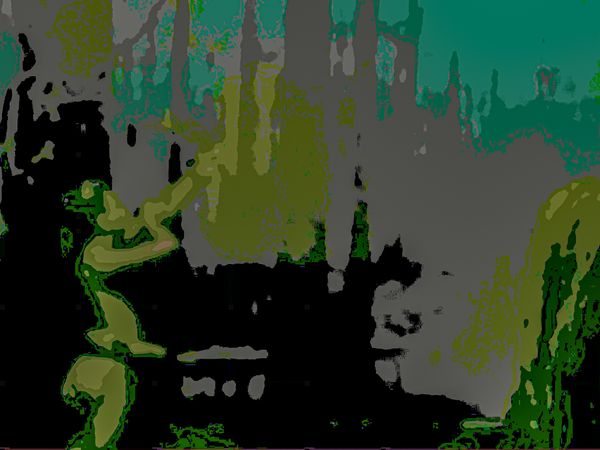
With a small digital camera in these low light situations, there is not enough light to faithfully reproduce these worlds. The images are underexposed and almost black. With editing, I’ve been discovering something beyond what I perceived in this darkness: abstract figures and flat planes, color fields and complex arrangements of form, as well as an isolation of details I would have missed had everything been clearly described.
When I first visited this Museum, I went to photograph the dinosaur fossils for my inflatable dinosaur costume. With the strict security and dim lighting in the Akeley Hall of African Mammals, I found it impossible. Instead, I was drawn to the dioramas. All the creatures and nature scenes are reproduced vividly, creating a museum that is like a trophy treasure box. When describing the picture postcards in “Les Carabiniers” Susan Sontag in ‘Plato’s Cave’ said that ‘we have reconstructed the four-dimensional earth into three-dimensional dioramas”.
Speaking about nature and animals, we automatically assign ourselves to the human collective and gain a primitive sense of physical belonging. With our human intelligence, we can take nature into our pockets and store this in our museums. Standing in front of these dioramas, this control seems to be above all earthly things. The feeling for me is overwhelming, sublime and uncanny. Our descendants will still be able to see the mammouths from the Ice Age or the sharks from the deep ocean. Here the world is our oyster.
As I explore this "human intelligence", I see human beings: Asian People hiding behind Asian animals, African People hiding behind African animals. They are putted up strange look to show their cultures and lives. Its overly refined meaning has excluded me from the definition of "human" as a species. The sense of belonging was again denied by culture bias. A Chinese man's shrine appears at the entrance. In our culture, this is supposed to be a private. If someone’s shrine is photographed, he will no longer be eligible for reincarnation. I heard a little boy shouting to his mother “Let's go see that weird Asian man again”. Although I don't know much about Central America culture, I'm sure they don't want to see their ancestors standing in a tent with sad faces behind the glass. I will never belong to the place where the American Museum of Natural History is located. Rather, I see myself in the Mountain Gorilla at the entrance. From their perspective, my culture is the same as the fur of the North American brown bear and the teeth of the whale in the window. It is something that needs to be shown? Or is it not necessary to look into it?
When the day arrives where human being disappear from this earth, how will we be looked at and perceived? What will the attitude be to see the world we ‘created’? Will we become another one of these dioramas? Can these future ‘mechanical eyes’ see red, green and blue with their 576 million pixels? What will we leave behind?