My Iran: The Journey of Womanhood
"Zanan" began in 2013 to explore womanhood in modern Iran, and reveal the often-overlooked complexities of the country. The project is divided to three chapters, each focusing on different themes: daily life, generational tensions, and emigration.

Since the 1979 Islamic Revolution, women's rights have been heavily restricted—mandating hijabs, stripping custody rights, and limiting public roles. Ever since, global media has depicted Iranian women as veiled and oppressed, influenced by government propaganda.

My project seeks to shed light on how Iranian women live and lead social change, yet their culture and struggles are often misunderstood. For instance, many abroad confuse Persian with Arabic, mistake the hijab forms in Iran for the burqa, and view the "Woman, Life, Freedom" movement as just another Middle Eastern protest tied to the region. However, this movement symbolizes the fight for women's rights, equality, and bodily autonomy—issues that women around the world have faced throughout history and continue to face today—calling for international solidarity.

Zanan is divided to three linked chapters:

In Chapter One, I focused on providing a general view of what it’s like to live in Tehran, following women in their daily routines—universities, parties, streets, ceremonies, and love stories.

The second chapter shifts focus to the generational tensions within families. Through interviews, I saw how deeply women are influenced by their mothers and how these tensions shape their identities. This chapter explores the dynamics between mothers and daughters and asks, “If each generation builds on the one before, how do these gaps influence young women’s identities? And how can bridging these gaps help them reclaim more gender equality?
Chapter Three explores the trend of emigration that surged after the massive arrests and killings during the “Woman, Life, Freedom” movement. Since the 2022 uprising, where women led the fight, more are leaving in search of opportunities unavailable at home. I followed a group of women leaving Iran to study abroad and pursue their dreams. With the support of this grant, I will be able to take the first steps toward publishing a book.

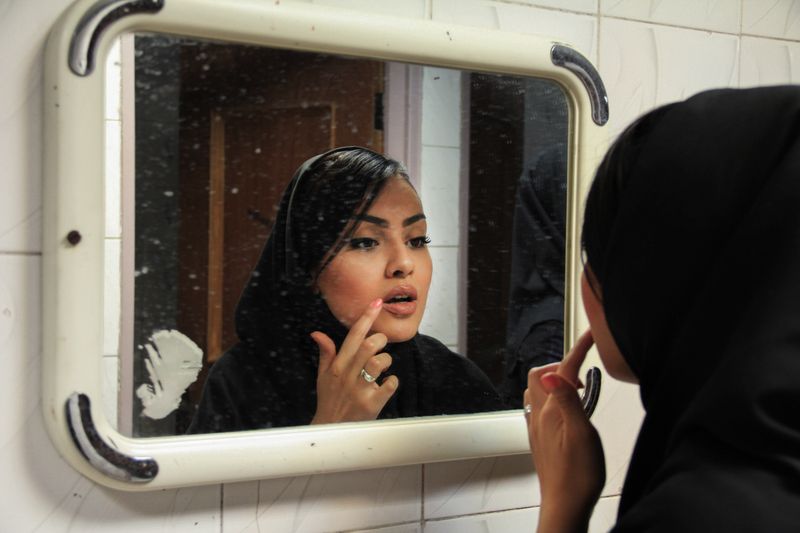
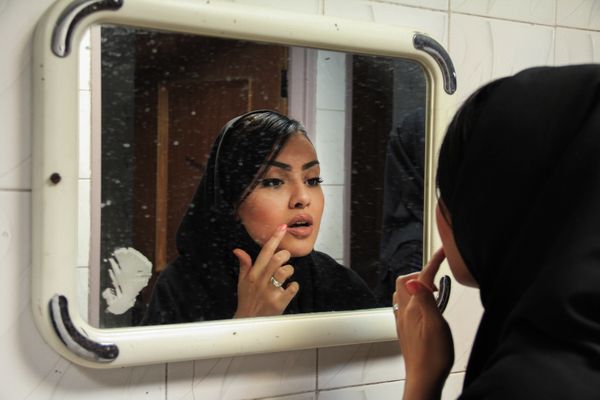
© Mojgan Ghanbari - A female university student is looking at the mirror in the university bathroom. 2013
i

A female university student is looking at the mirror in the university bathroom. 2013

© Mojgan Ghanbari - Image from the My Iran: The Journey of Womanhood photography project

i

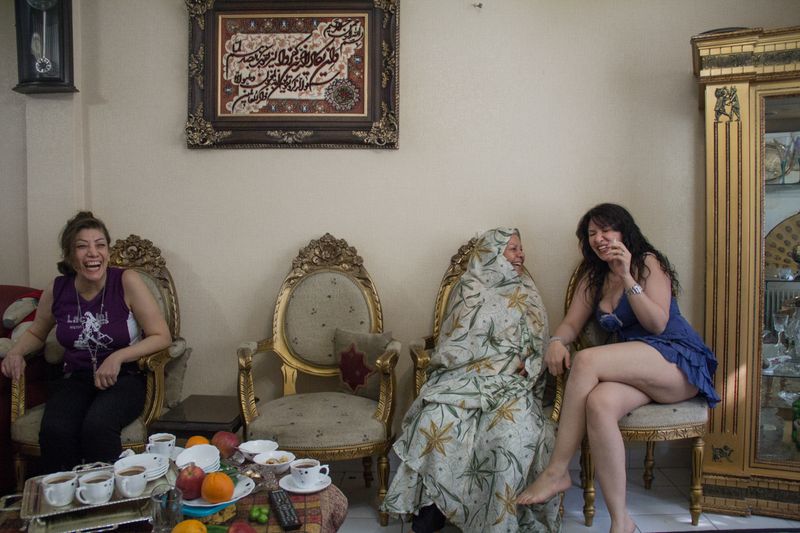
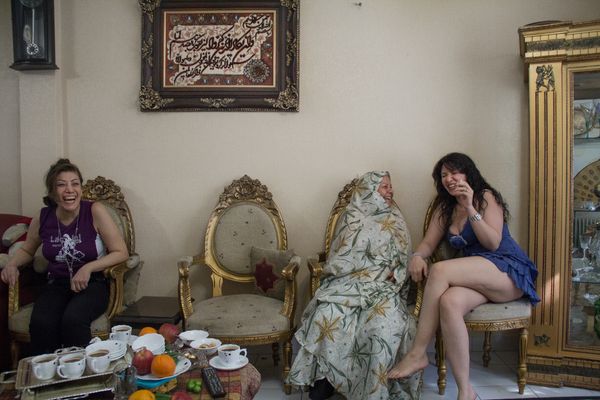
Women are laughing and enjoying a female gathering in Tehran, Iran on May, 2013. Such gatherings are seasonal or monthly and most popular between married women which gives its female attendees a chance to support each other and take a break from their routines.

© Mojgan Ghanbari - Image from the My Iran: The Journey of Womanhood photography project
i

Young people enjoy a pool party in Karaj, a Tehran suburb, in May 2014. In Iran, mixed-gender gatherings with alcohol are illegal due to strict sex segregation laws. However, many young Iranians defy these rules in private homes and villas, where weekend parties with drinking, dancing, and sunbathing are common. Villas are often located far from residential areas to avoid police raids.

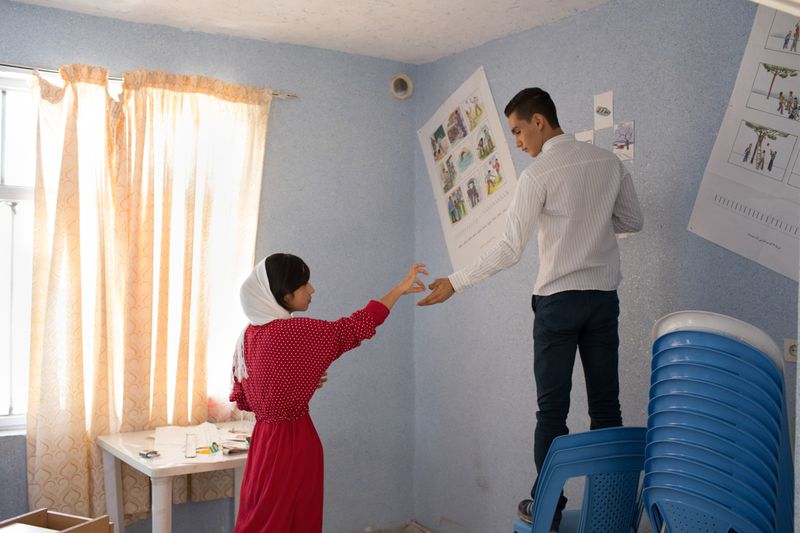
© Mojgan Ghanbari - Teenagers decorating a classroom for an NGO in Tehran, Iran on July, 2014.
i

Teenagers decorating a classroom for an NGO in Tehran, Iran on July, 2014.

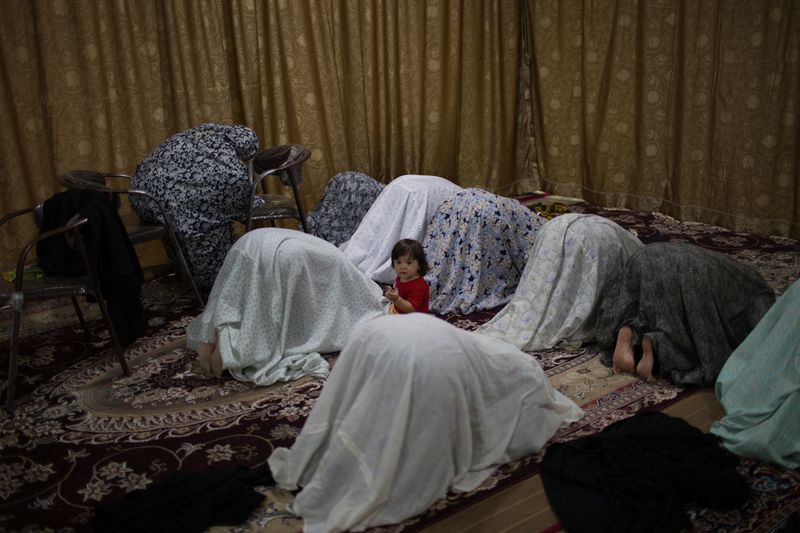
© Mojgan Ghanbari - Women praying at a local mosque in Tehran, Iran on July, 2013.
i

Women praying at a local mosque in Tehran, Iran on July, 2013.

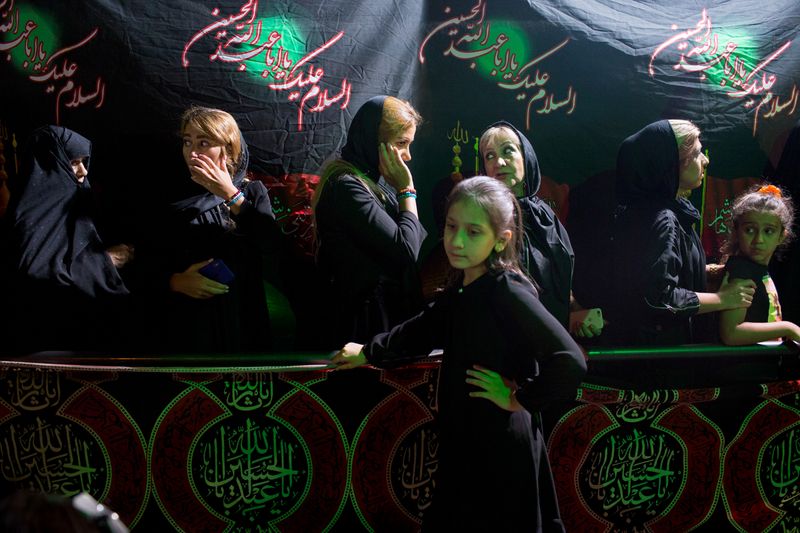
© Mojgan Ghanbari - Muslim woman stands at the street and mourns during Ashura ceremony in Tehran, Iran, 2019.
i

Muslim woman stands at the street and mourns during Ashura ceremony in Tehran, Iran, 2019.

© Mojgan Ghanbari - Image from the My Iran: The Journey of Womanhood photography project
i

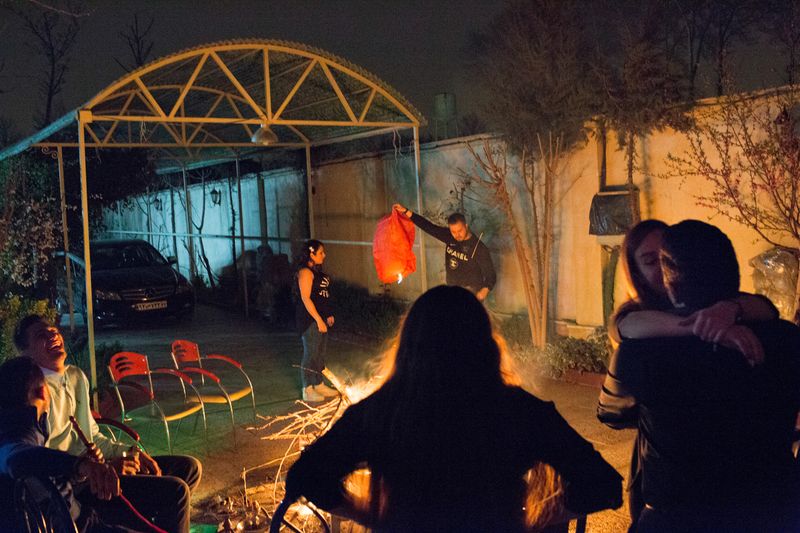
young people dancing together and having enjoyed a party during the Persian Festival of Fire, one of the ancient persian festivals. Karaj(Suburb area of Tehran), Iran on March, 2016.

© Mojgan Ghanbari - Image from the My Iran: The Journey of Womanhood photography project
i

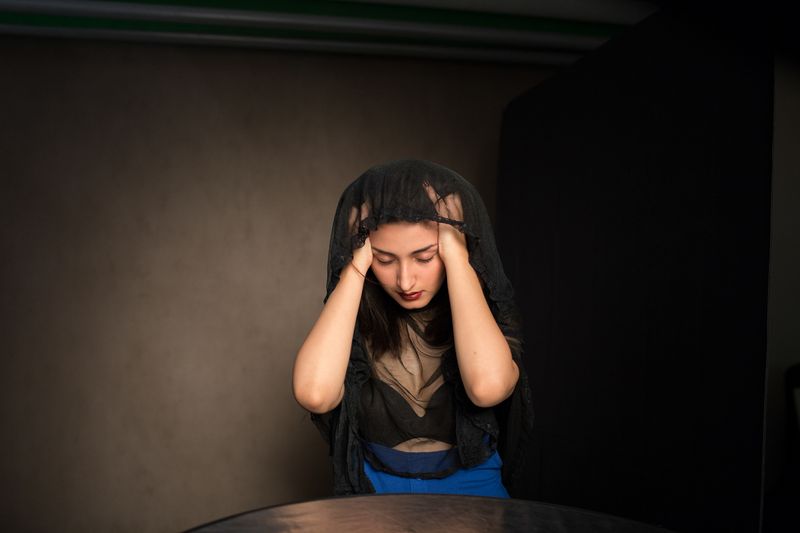
A young woman poses for a friend's fashion portfolio in a studio in Tehran, May 2014.In 2016, the government arrested a number of female models for doing un-Islamic acts of posing without hijabs and posting those pictures on social media.

© Mojgan Ghanbari - Image from the My Iran: The Journey of Womanhood photography project
i

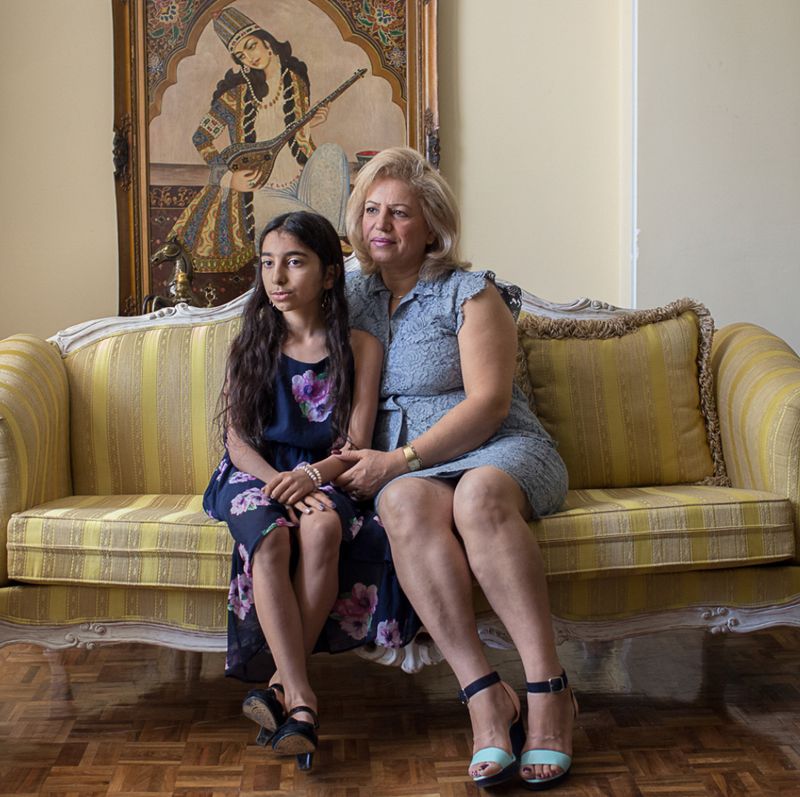
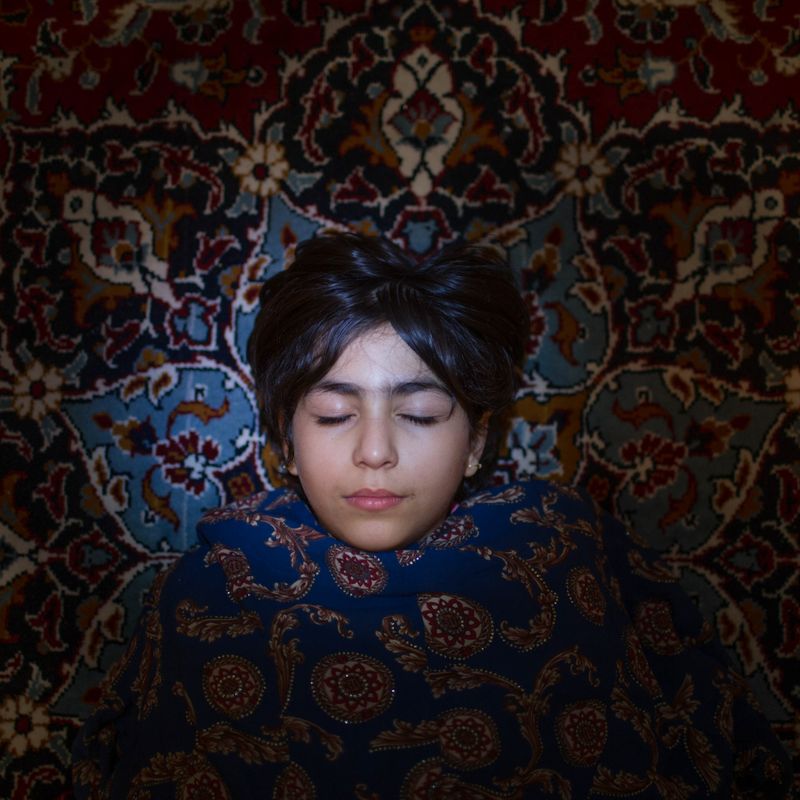
10-year-old Maya and her Mother Azar, set for a portrait in Tehran, Iran, 2017. They live in Sweden and visit Iran almost every year. Azar says: "Maya was born and raised in Sweden and adopted Swedish culture so obviously she experiences a different childhood compare to mine. When I was a kid, families were bigger and valuing children’s expectations and desires wasn’t like we do now."

© Mojgan Ghanbari - 8-year-old Hasti playing around in her grandmother's house in Tehran, Iran, 2017.
i

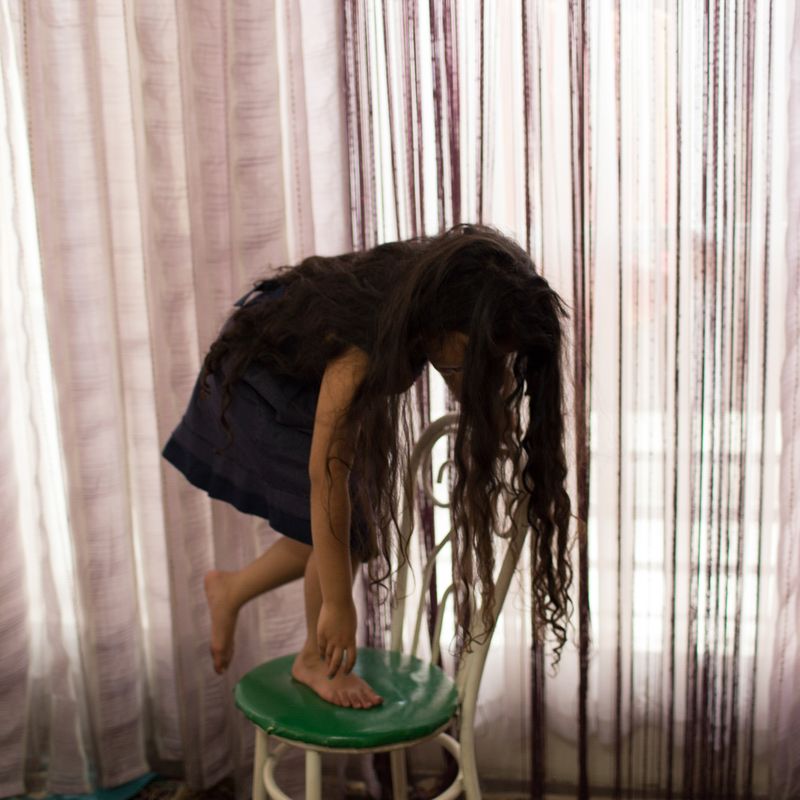
8-year-old Hasti playing around in her grandmother's house in Tehran, Iran, 2017.

© Mojgan Ghanbari - Image from the My Iran: The Journey of Womanhood photography project
i

In her bedroom in Tehran in 2017, 14-year-old Melika reflects, "Women of the past generation were more traditional, but today’s women seek freedom. The last generation wants us to follow in their footsteps, but I don’t. My mom studied law but is a housewife. I want to work, be independent, and have my own income."

© Mojgan Ghanbari - Image from the My Iran: The Journey of Womanhood photography project
i

25-year-old Roya and her Mother Azam, posing for a portrait in Karaj, Iran, 2017 Azam says: "When I was in Roya’s age, I’ve already got married and cuddled her in my arms. That time, many girls coming from middle-class or poor families loved to get married before the age of 25 maybe because unlike outdoor freedom, we didn’t experience much freedom and relax life inside the family."

© Mojgan Ghanbari - Image from the My Iran: The Journey of Womanhood photography project
i

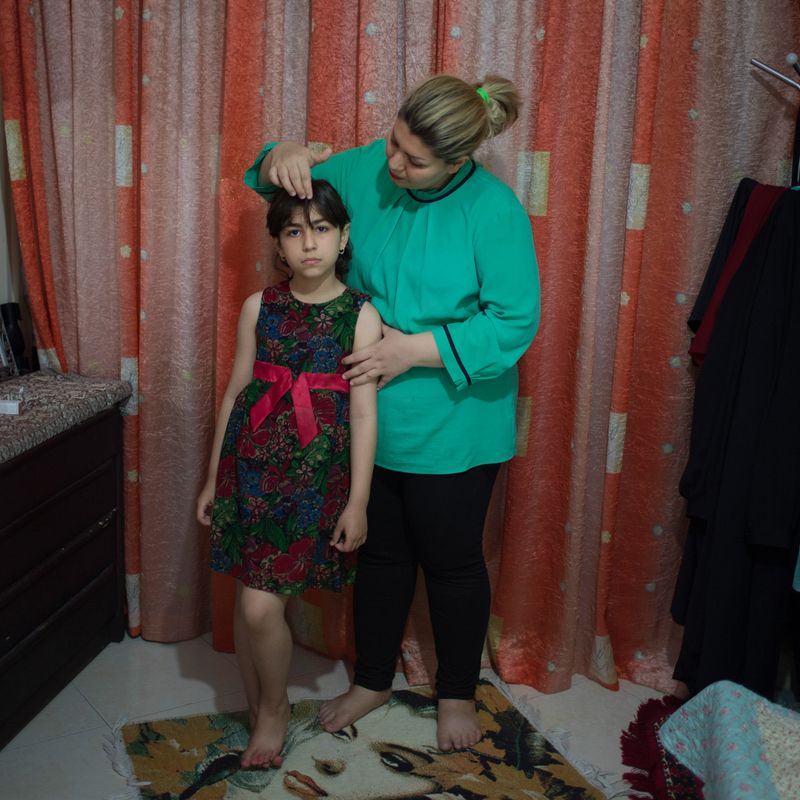
7-year-old Setayesh and her Mother Ashraf, posing for a portrait in Ashraf's bedroom, in Tehran, Iran, 2017. 32-year-old Ashraf, a housewife, reflects, "At Setayesh's age, I see how confident these young girls are, caring less about judgments of others. I am happy about it and hope they can drive big changes for all women."

© Mojgan Ghanbari - Image from the My Iran: The Journey of Womanhood photography project
i

25 years old Roya's Sewing Machine. She studies fashion designing and wishes to become one day. Tehran, Iran, 2017. There are stories of my craziness with my friends that I don't tell mom not to hide anything just because I don’t want to be judged or make her worried. She always says that I trust you but I don’t trust the society. I guess that's because she is so protective of me.

© Mojgan Ghanbari - Image from the My Iran: The Journey of Womanhood photography project
i

7 years old Setayesh poses in her grandmother's house in Tehran, Iran. Setayesh says: "I want to become a dentist when i grow up. I know dentists makes a lot of money"

© Mojgan Ghanbari - Image from the My Iran: The Journey of Womanhood photography project
i

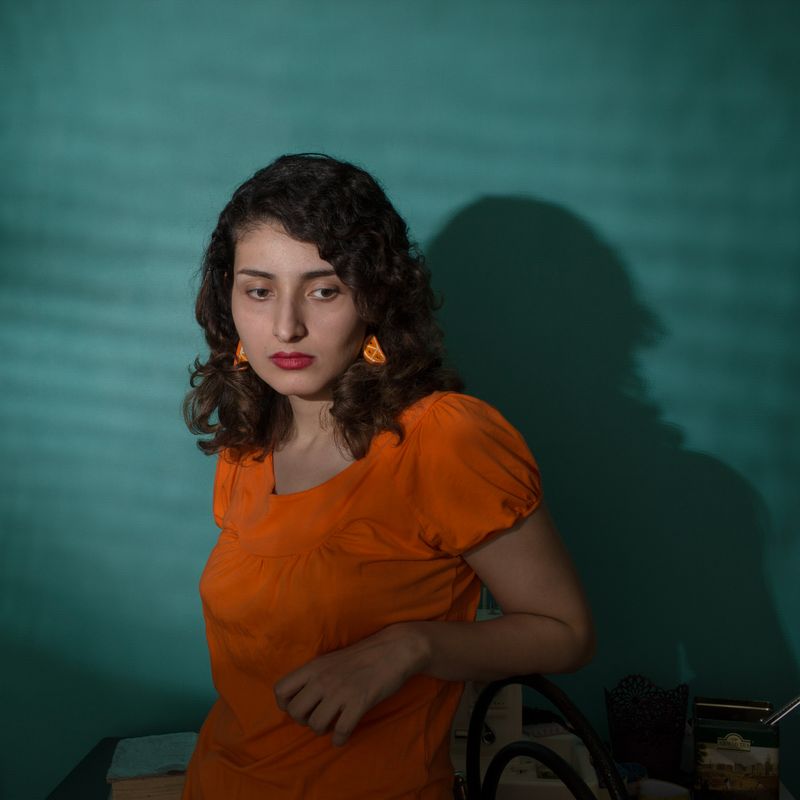
Erphane, 26, an award-winning film director, is leaving Iran for Germany in a few weeks. “I’m tired of censoring myself and the women in my films. I want to explore topics without fear of political labels.” Delayed by bureaucracy, she says, “Last year's events of 2022 uprising showed me how urgent leaving is. Getting my visa is a relief, but it saddens me to leave my country and younger sister.”

© Mojgan Ghanbari - Image from the My Iran: The Journey of Womanhood photography project
i

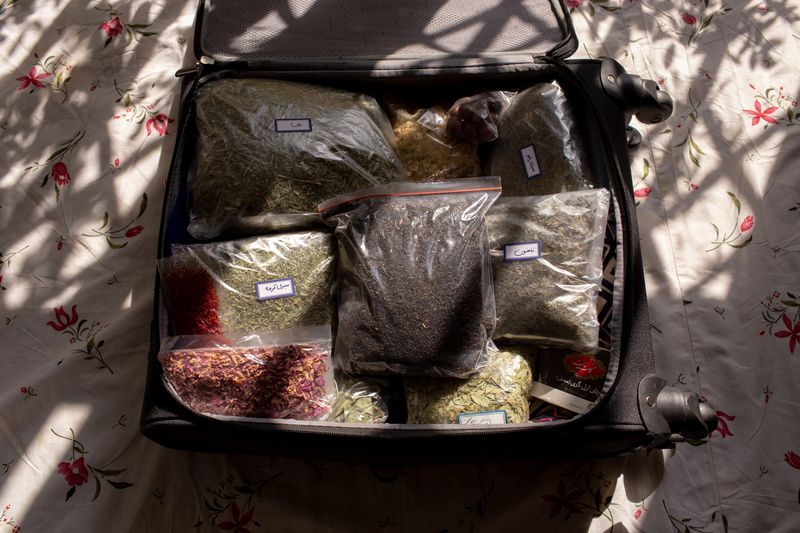
As I awaited my student visa for Italy, my mother filled my suitcase with Persian herbs, tea, and dried plants to take the taste of home with me. Like many Iranian emigrants, dedicating a part of the suitcase to Iranian flavors allows me to cook familiar dishes abroad. Tehran, Iran, October 8, 2023.

© Mojgan Ghanbari - Image from the My Iran: The Journey of Womanhood photography project
i

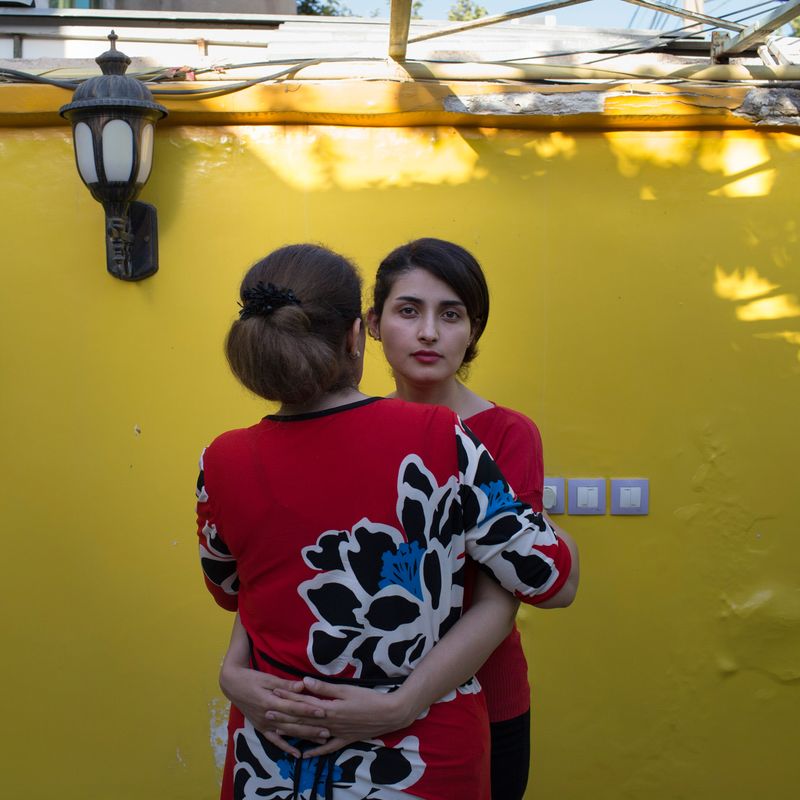
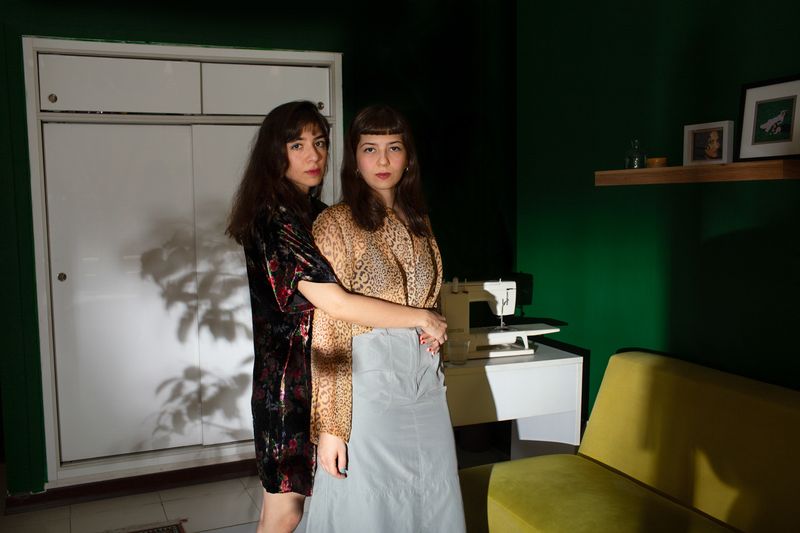
Erphane, 26, and Mastaneh, 22, cuddled at their home in Tehran.Both are preparing to emigrate—Mastaneh to France, and Erphane, an award-winning film director, to Germany. “I’m tired of censoring myself and the women in my films,” Erphane said. “It’s a relief to get my visa, but leaving my country and sister is heartbreaking.”

© Mojgan Ghanbari - Image from the My Iran: The Journey of Womanhood photography project
i

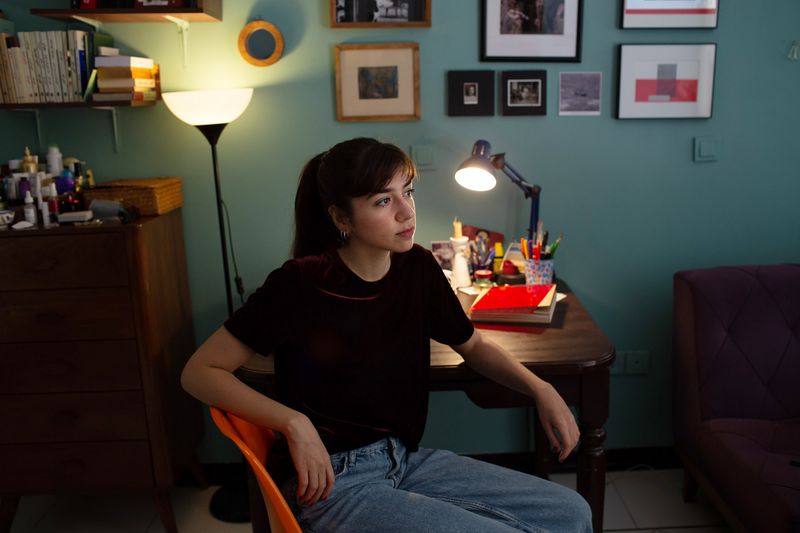
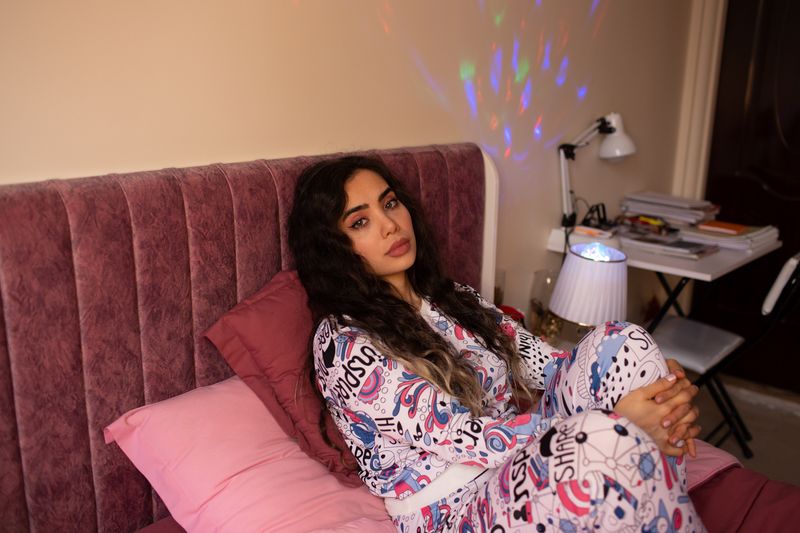
27-year-old Shakiba, an undergraduate in Tehran, poses in her bedroom. “I’m studying for the IELTS to apply to a university in Canada with my boyfriend. We hope for citizenship and a new passport in case of war in Iran.”Amid uncertainty, many Iranians seek new passports, as Iran's 89th-ranked passport allows visa-free access to only 44 countries, causing long lines and rejections.

© Mojgan Ghanbari - Image from the My Iran: The Journey of Womanhood photography project
i

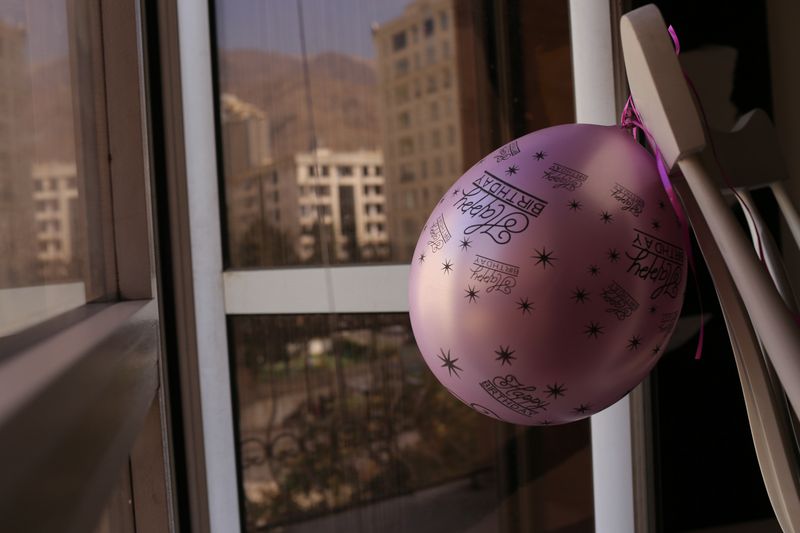
In my Tehran apartment, a birthday balloon from last week hangs on a chair as I prepare for my journey to Italy on a student visa. The past two birthdays were marked by deep sadness—last year, I skipped the celebration amid protests and violence, and this year, I can hardly believe I’m leaving my beloved country after everything we've endured.