MUNDUS
-
Dates2018 - Ongoing
-
Author
- Topics Social Issues, Contemporary Issues, Documentary
- Location Iran
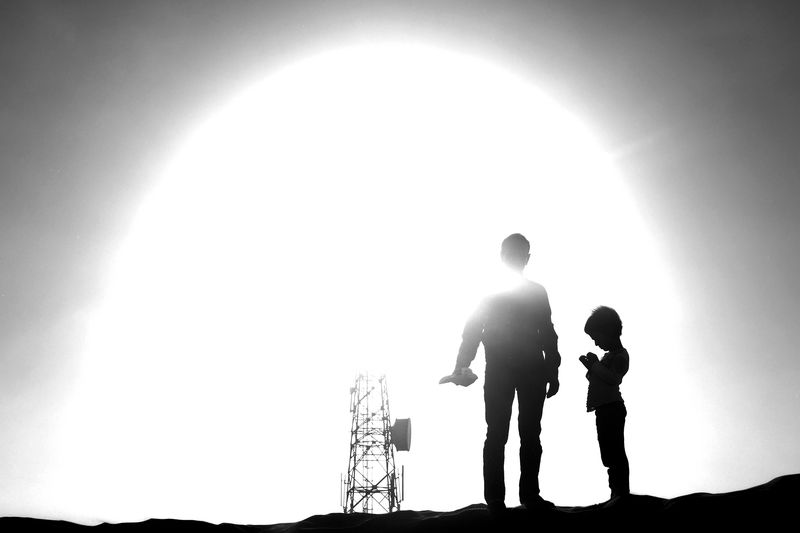
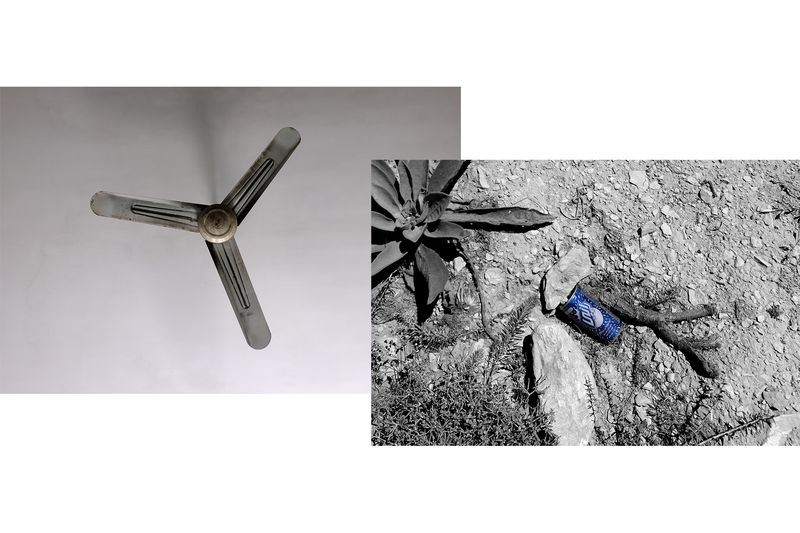
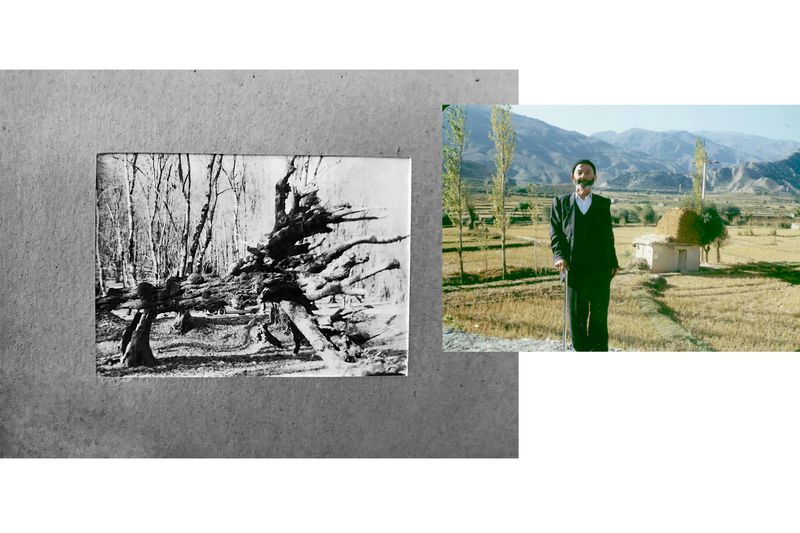
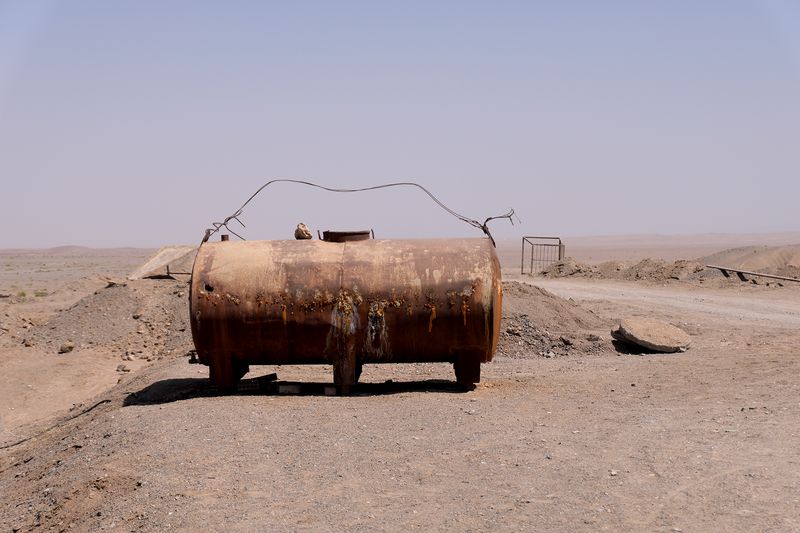
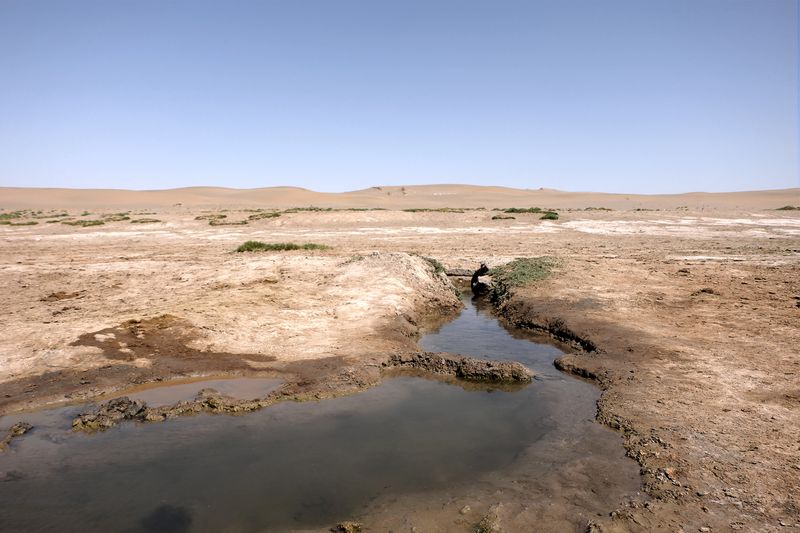
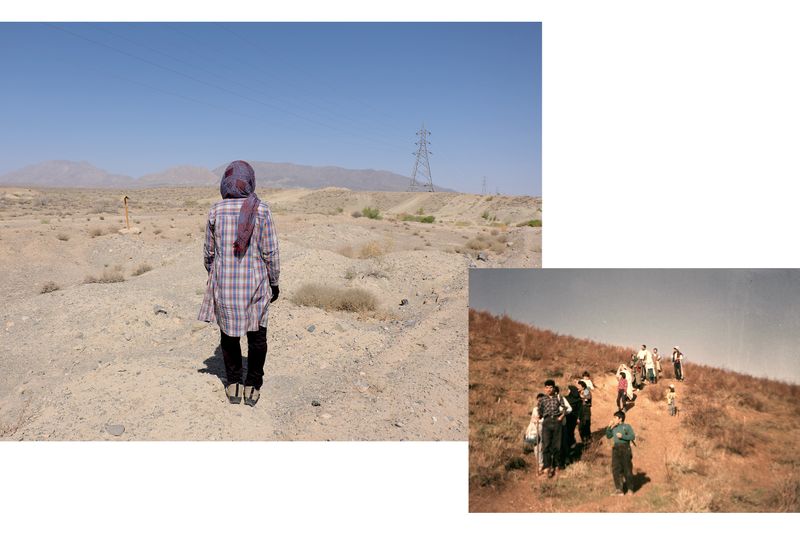
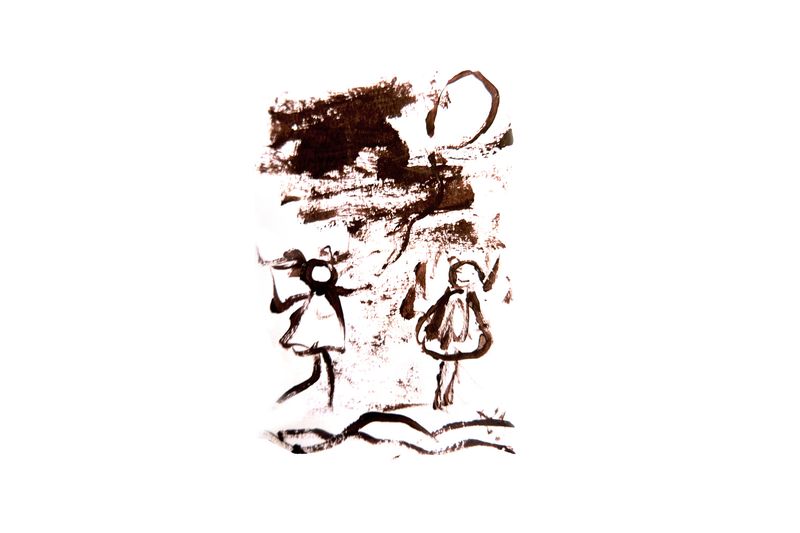
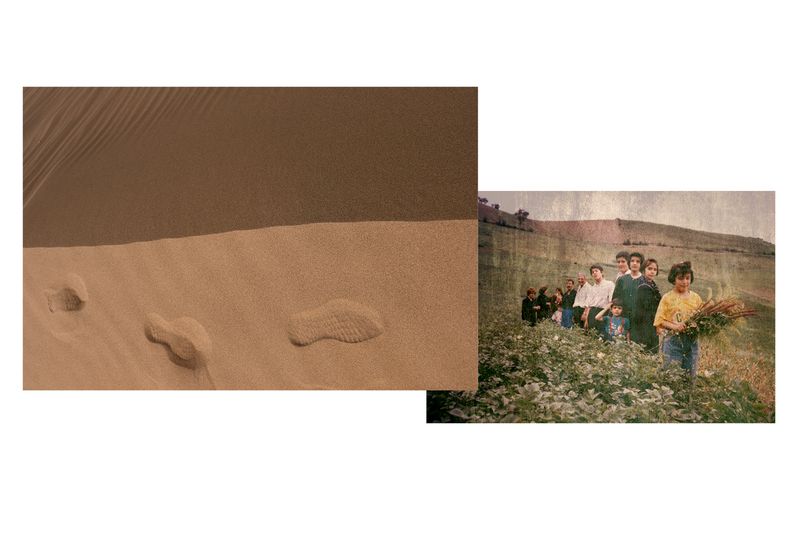
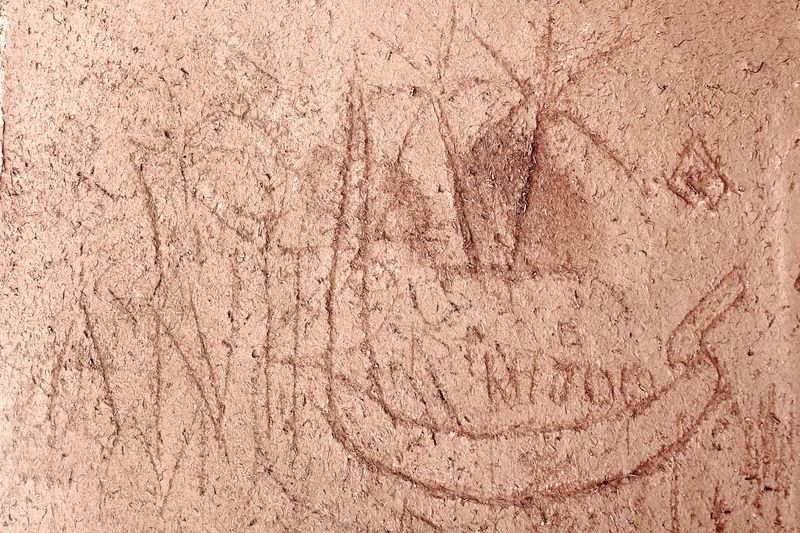
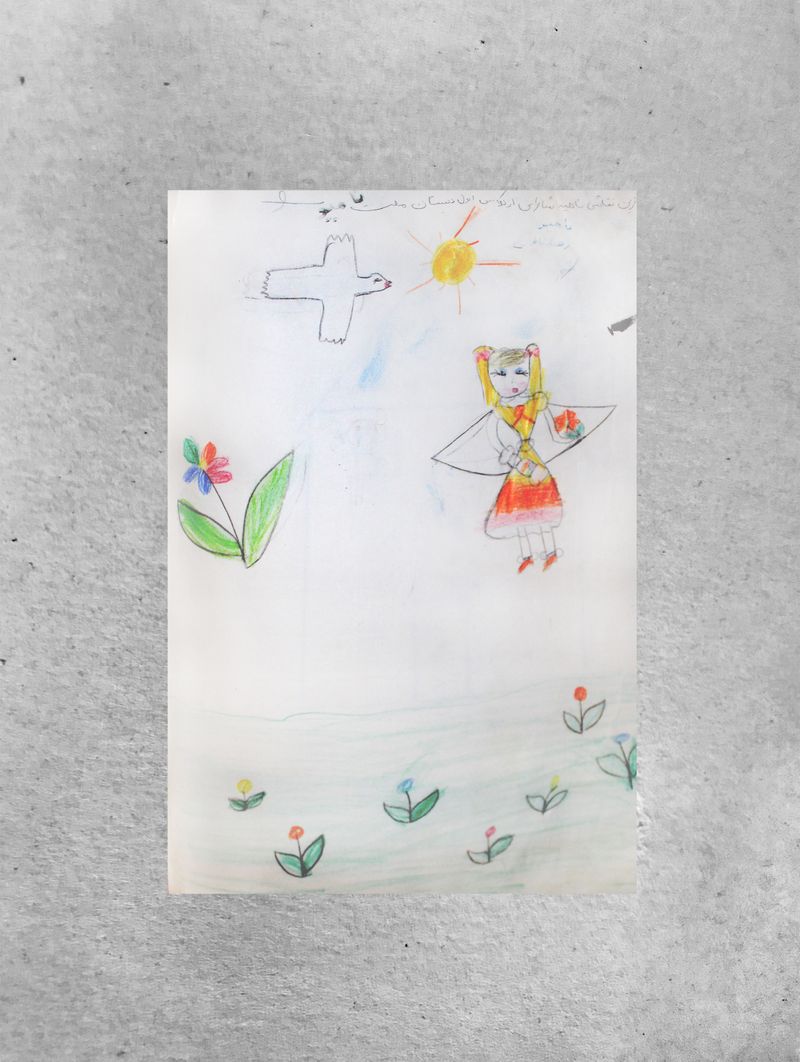
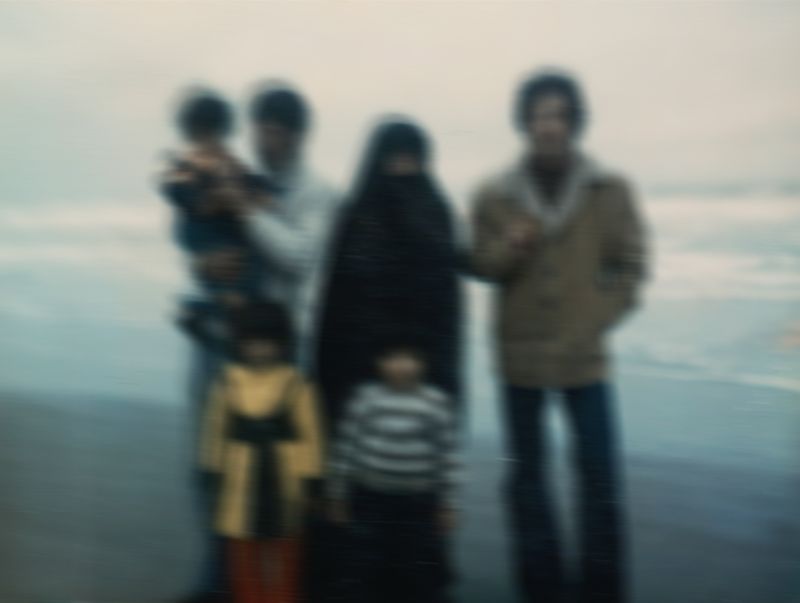
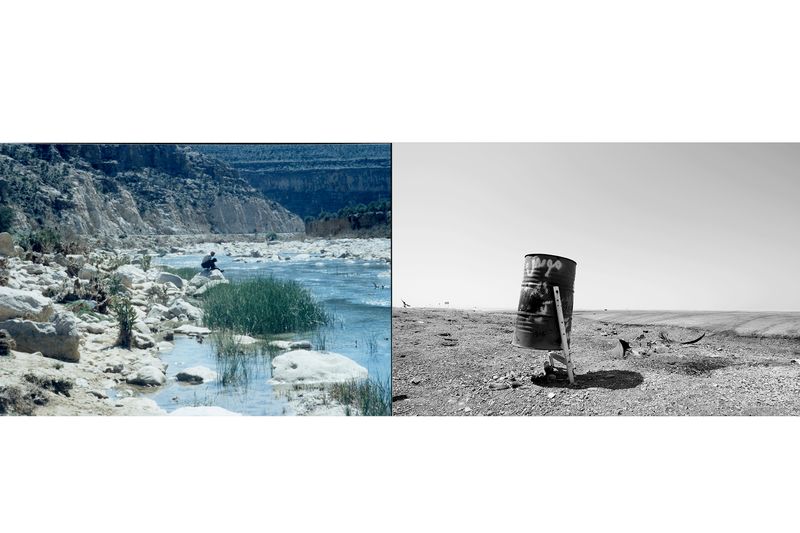
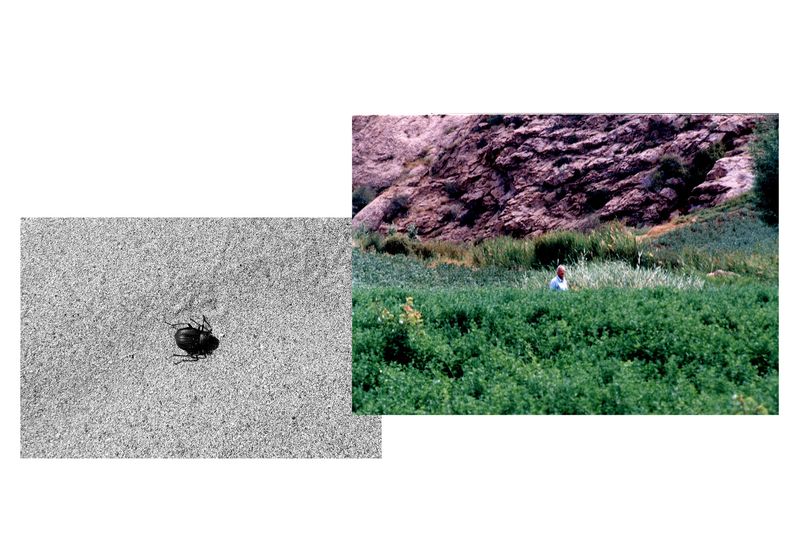
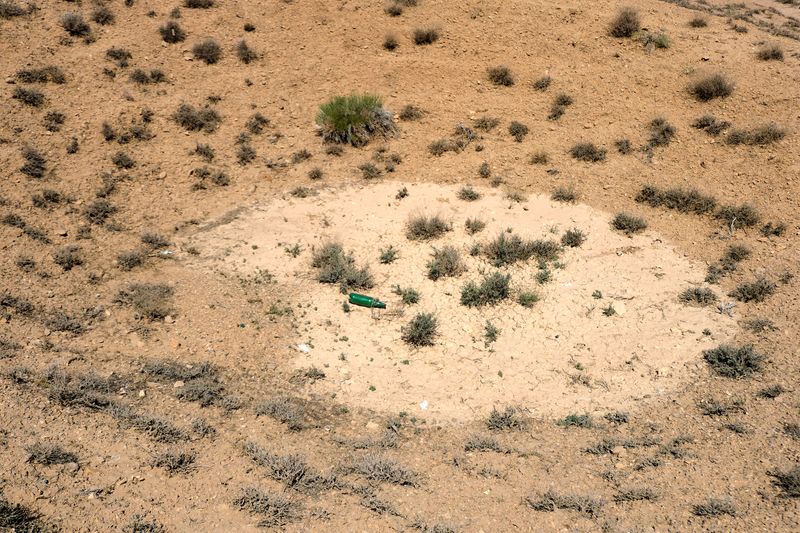
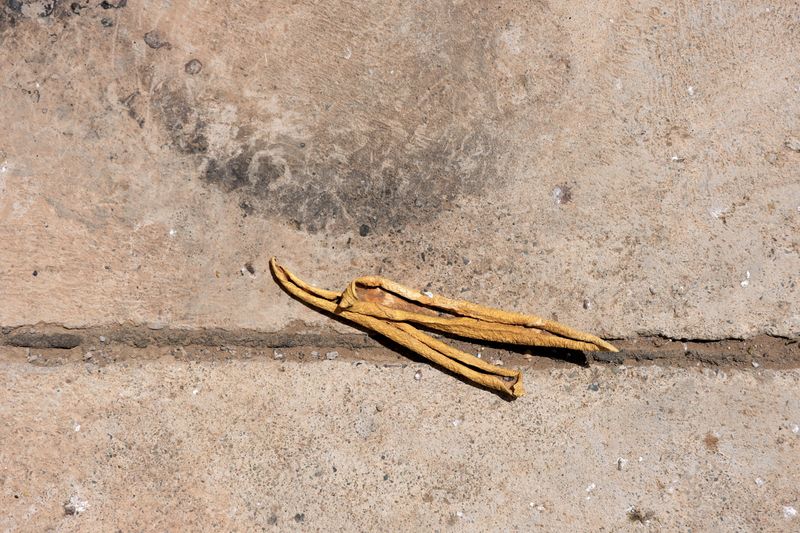
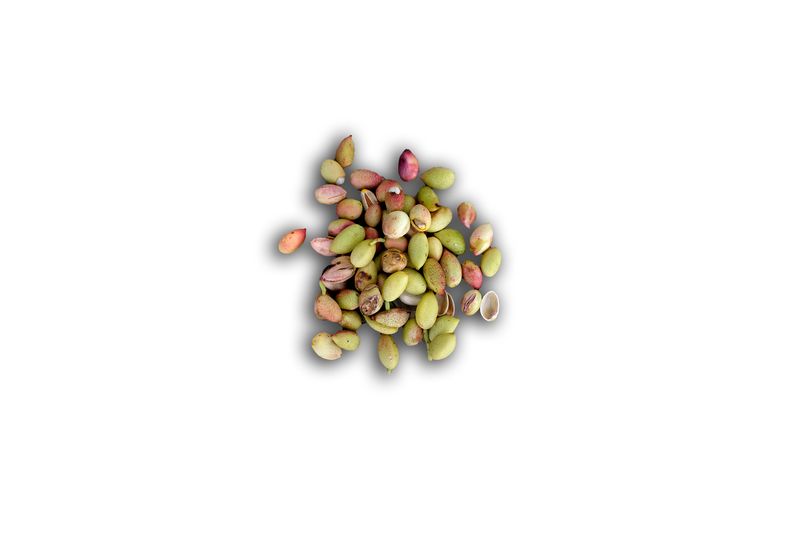
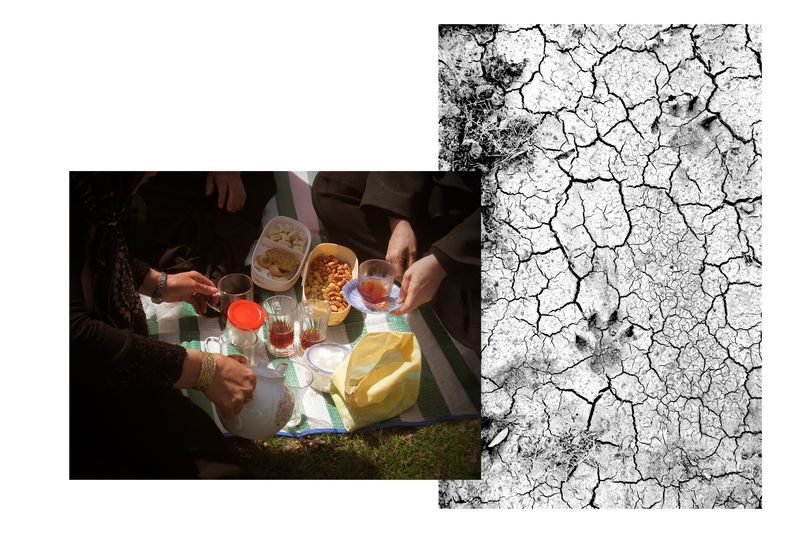
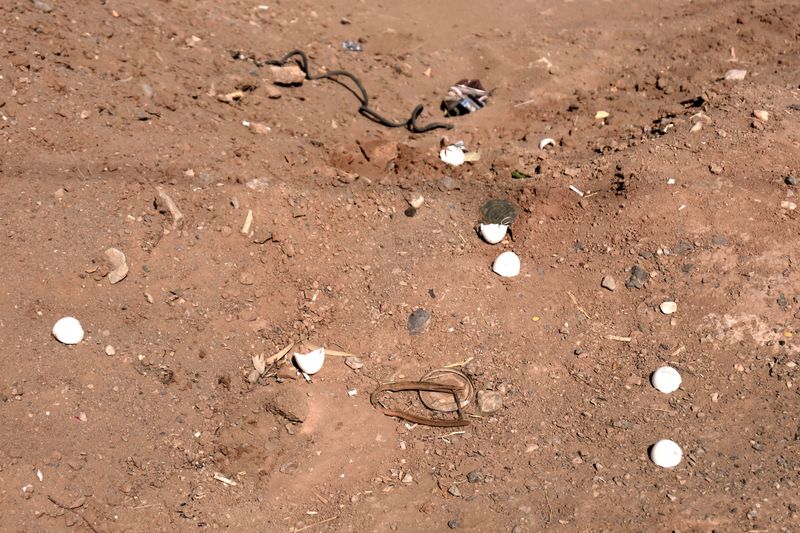
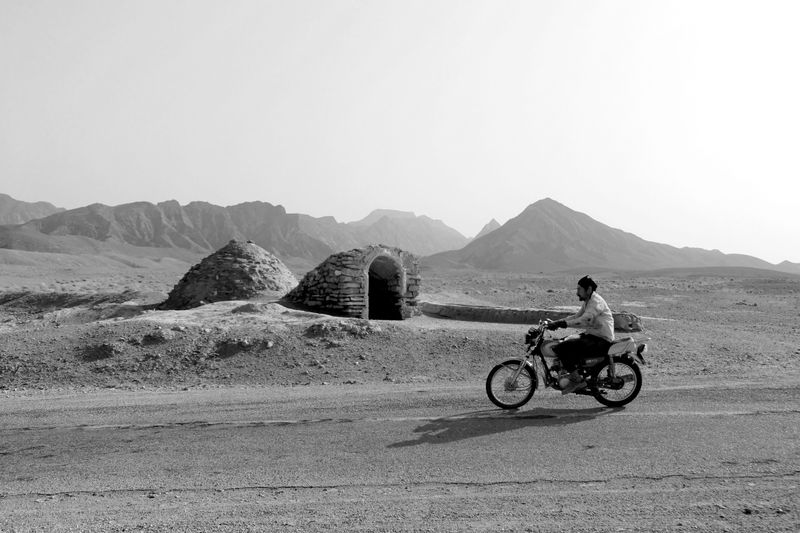
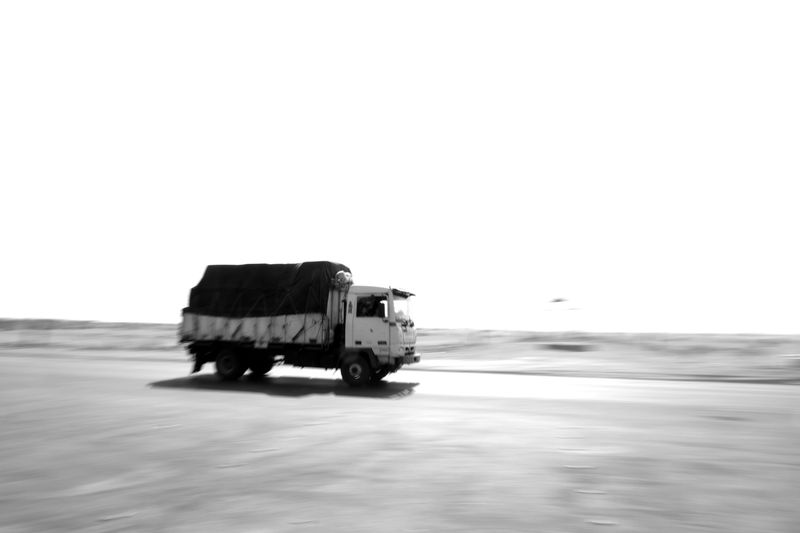
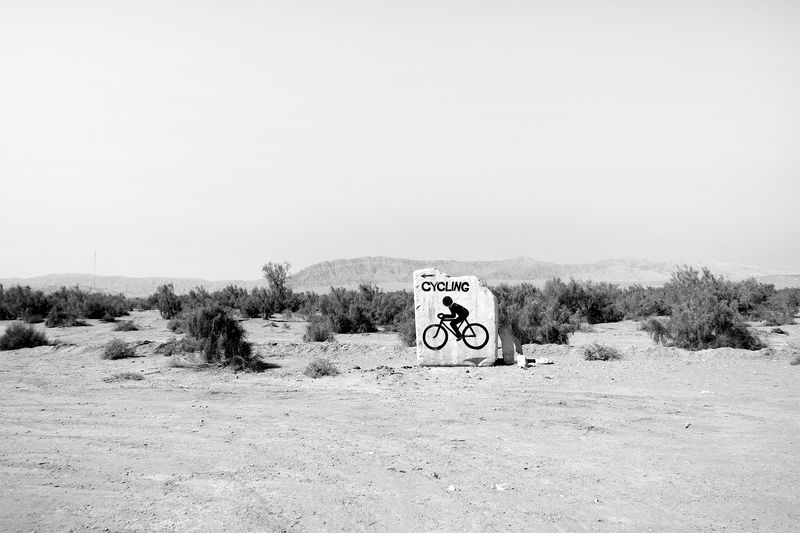
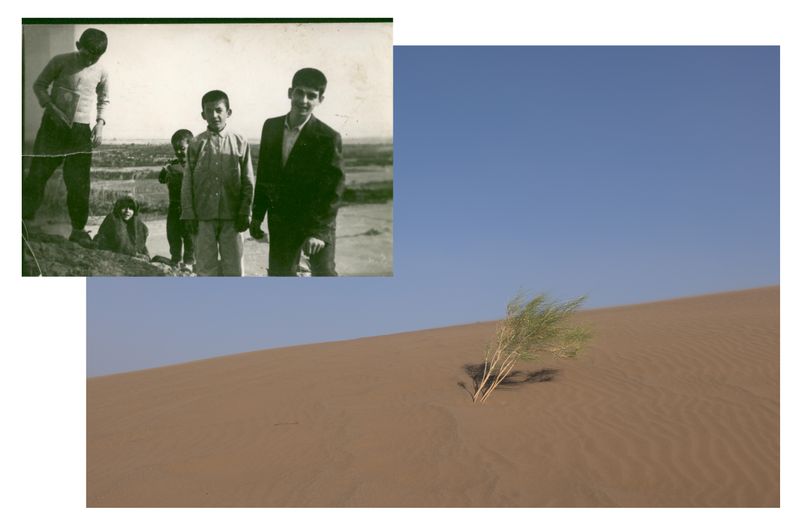
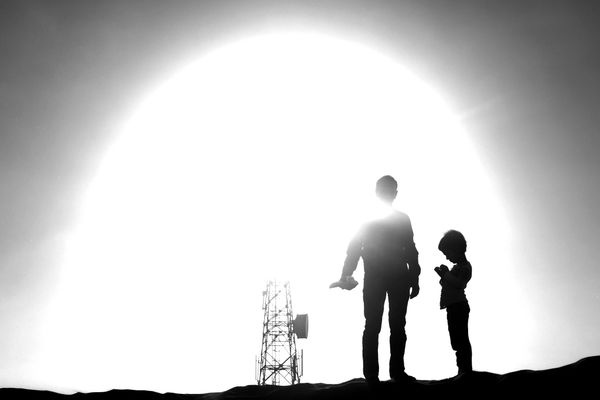
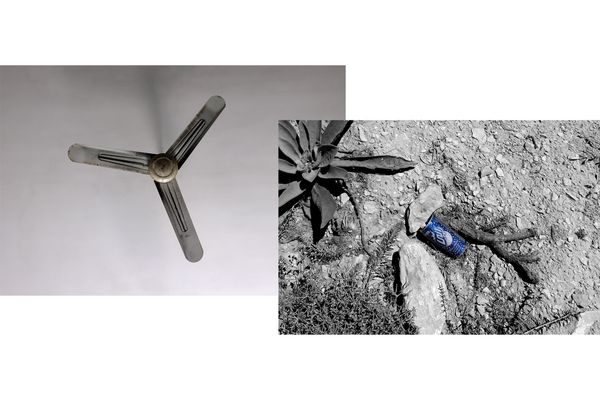
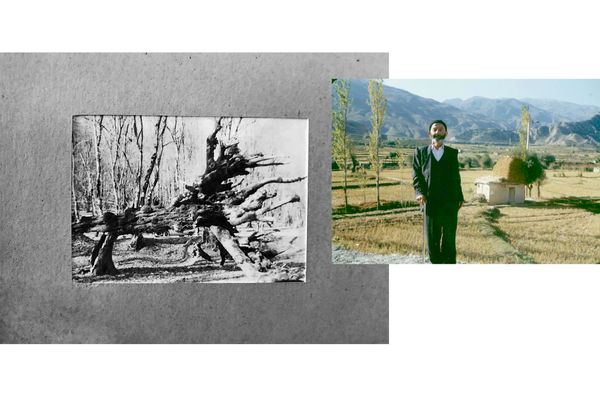
The project Mundus tells about the memory and perception of a changing landscape in Iran due to desertification, with archival photos, childish drawings and contemporary shots.
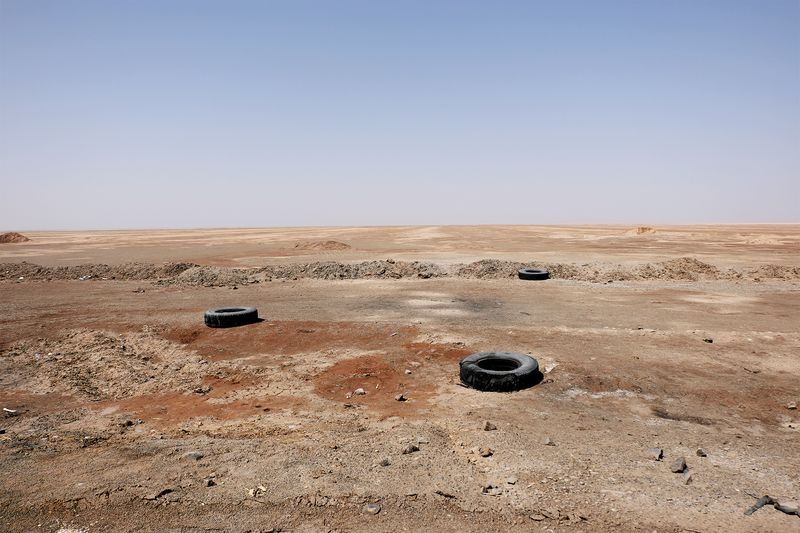
In 2015, Iran started work on one of the most impressive water works in the Middle East: a tunnel to divert water from the Gulf of Oman towards the desert regions of the country to try to stem the problem of drought. In the last few decades more than 8,000 villages have been abandoned by farmers due to desertification. In the coming years, entire regions of the country could be transformed into almost completely uninhabitable areas. Lakes and rivers are dying and the country's aquifers are being depleted due to the growing population and needs of the agricultural sector.
The Iranian plateau, surrounded by two huge mountain ranges and subjected to a harsh semi-arid climate, is cultivated and inhabited thanks to the water that every spring descends from its mountains to melt snow, thus filling underground aquifers and qanats, the ingenious traditional water systems that for millennia have allowed water to be transported and stored in arid areas. Now the few rains are not enough to regenerate the slopes and the country is now consuming a good part of its reserves. Waste, dated irrigation techniques, pollution and global warming of the climate contribute dramatically to the phenomenon of desertification.
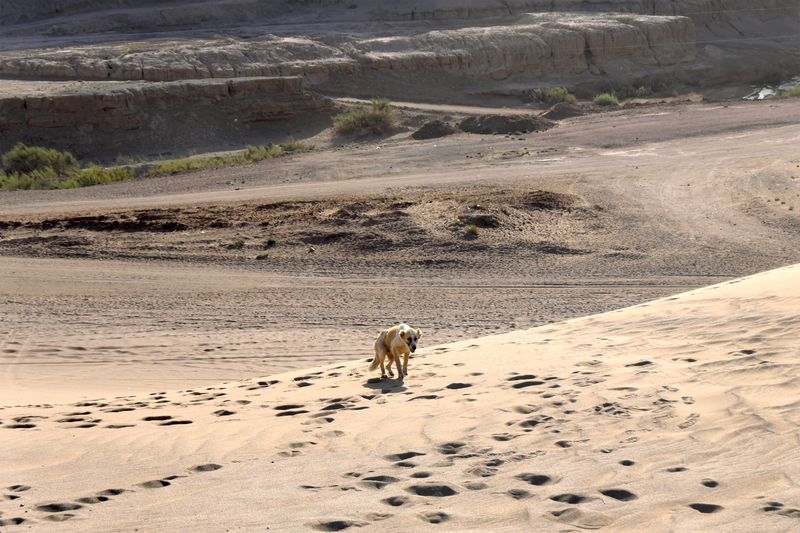
In summer in southeastern Iran, temperatures even exceed 43 degrees in the complete absence of rain. In June 2017, Ahvaz, near the Persian Gulf, recorded one of the highest temperatures ever: 53.7 degrees Celsius. In May the Lavar rises cyclically, a warm wind, known as the 120-day wind, which sweeps the semi-arid plains and covers the entire territory with sand, while animals like deer and leopards are dying out.
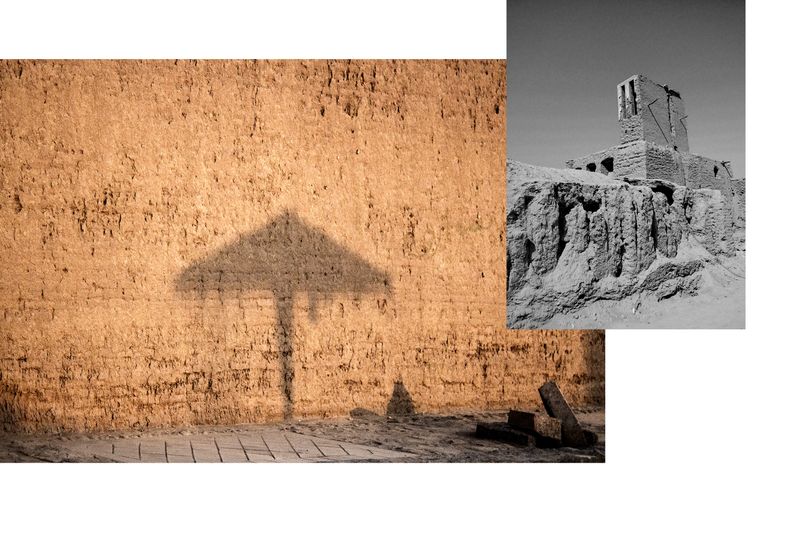
The Urmia and Bakhtegan lakes have largely disappeared and in Isfahan the famous bridge of Khaju appears for most of the year suspended in the void due to the lack of water on the bed of the Zayandeh river. Many are the villages destined to be abandoned, while others struggle to survive by becoming improvised reception points for sporadic visitors.
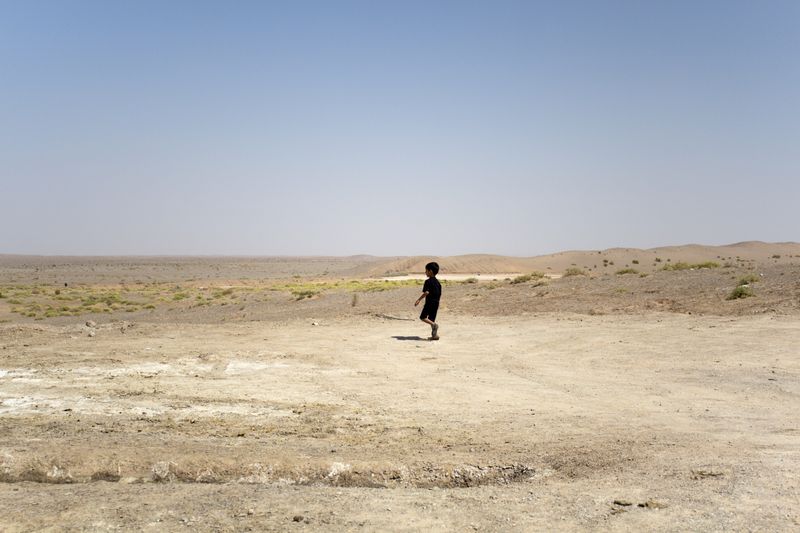
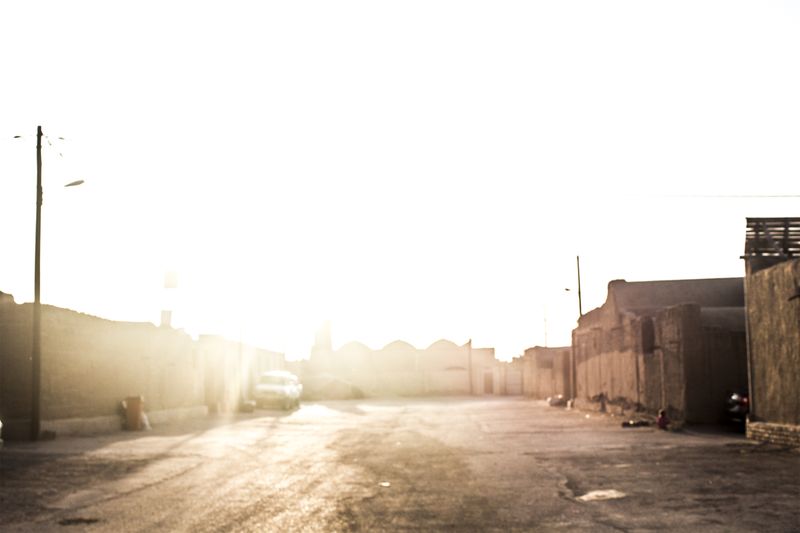
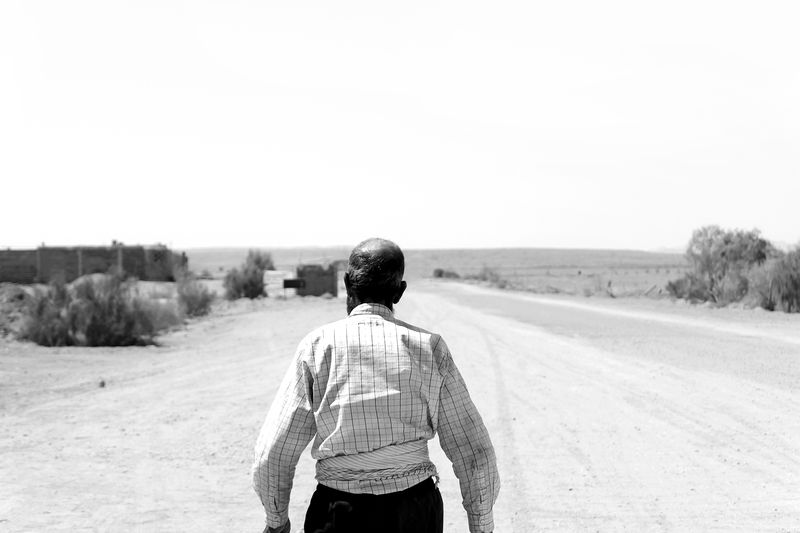
The Mundus project wants to tell all this by focusing on the dizzying change of the territory and its perception. Archive photos and children's drawings tell the memory and perception of a lived and living landscape - a private family lexicon where the landscape is configured as an anthropological and affective background - in contrast and dialogue with recent images that testify to the ongoing desertification and change which concerns not only the landscape with its climatic and physical factors, but also and above all our perception of it which is becoming more and more dystopic. The landscape, as the social sciences remind us, is always an anthropological place, a semantic container made up of relationships, memories, history and identity, so in the face of ecological emergencies and such dramatic changes that one lives is first of all a personal cultural Apocalypse, the end of a world, the crisis of a presence that no longer finds a solution and salvation in any symbolic-ritual destorific mechanism.
The uninhabitable desert advances and the wind blows away the memories and traces of a world that has been.
"Sulle sabbie del deserto come sulle acque degli oceani non è possibile soggiornare, mettere radici, abitare, vivere stabilmente. Nel deserto come nell’oceano bisogna continuamente muoversi, e così lasciare che il vento, il vero padrone di queste immensità, cancelli ogni traccia del nostro passaggio, renda di nuovo le distese d’acqua o di sabbia, vergini e inviolate" A.Moravia
©SARAB COLLECTIVE, Nahid Rezashateri, Gianluca Ceccarini