MORE (among the Memory/oversaturated)
-
Dates2024 - Ongoing
-
Author
- Topics Archive, Contemporary Issues, Landscape, Photobooks
An ongoing research project exploring screenshots from the smartphone galleries of more than 50 people from different countries as a collective archive of everyday life — a “digital sea” of oversaturated images reflecting memory and visual coexistence.
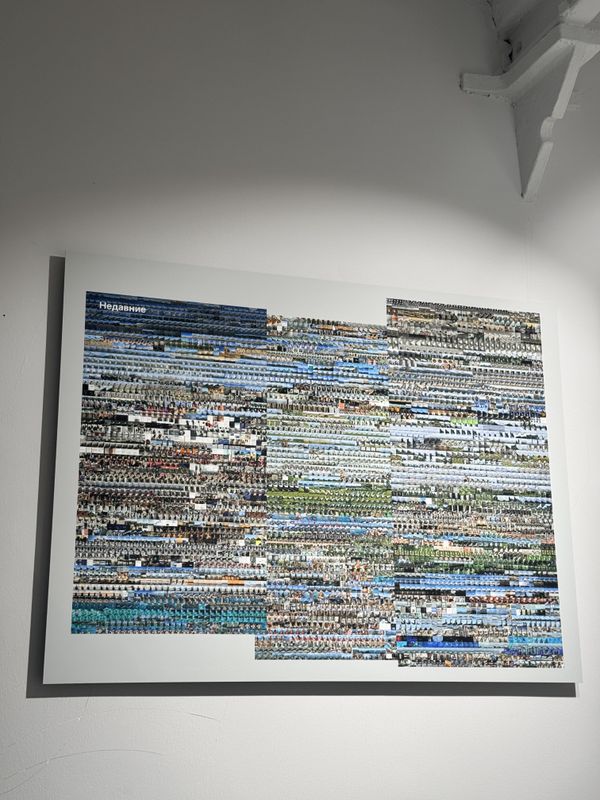
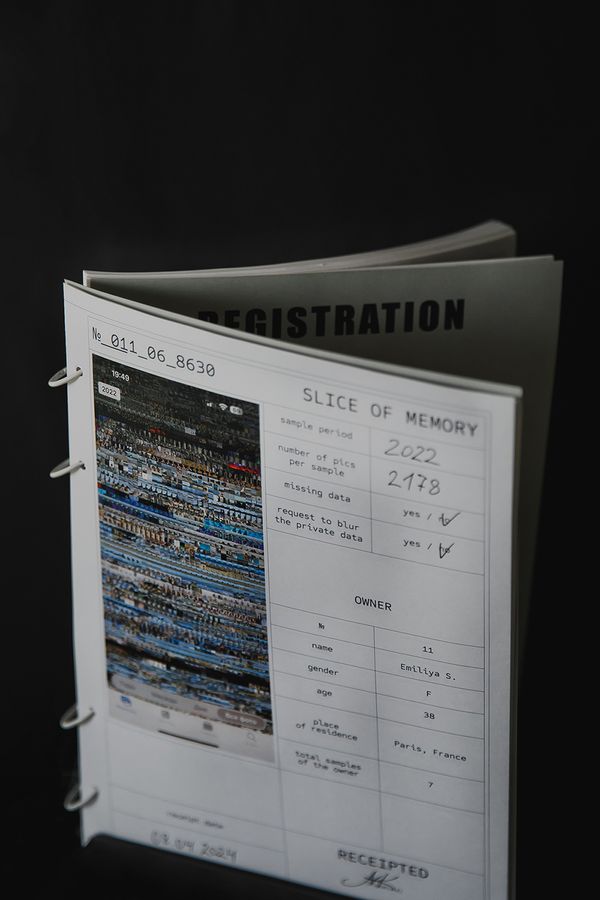
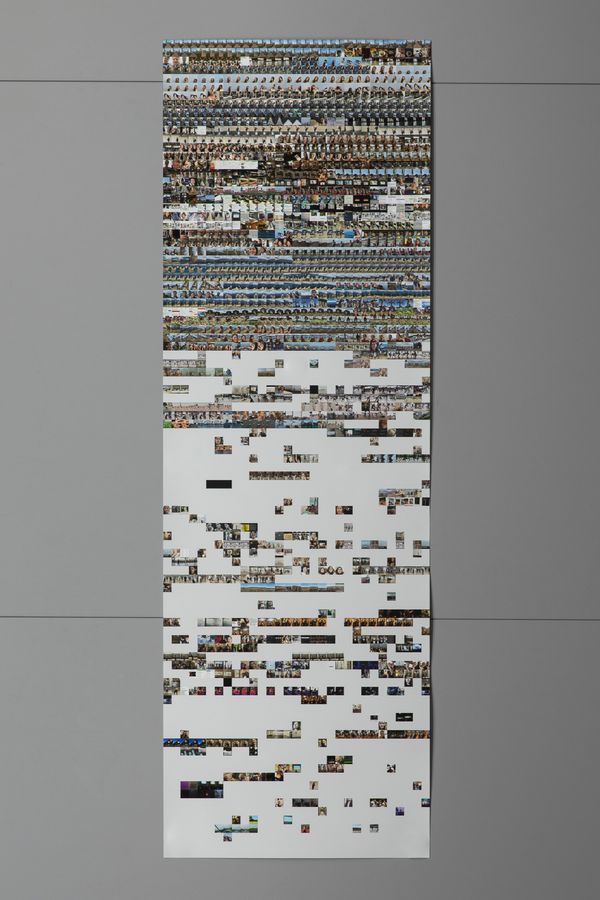
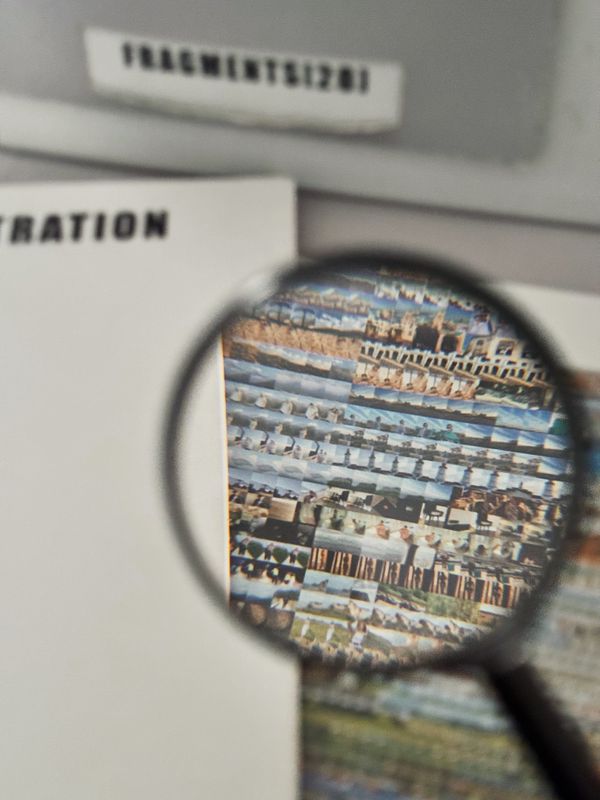
Memory/Oversaturated is an ongoing research-based project centered on screenshots of smartphone galleries provided by more than 50 participants aged between 7 and 65 from different countries, including France, Russia, Germany, the United States, Ukraine, Thailand, and Italy. By diving into these uncombed digital archives of everyday life, the project invites viewers to witness the contemporary landscape of collective memory.
In the current digital era, smartphones have become an extension of the human body — expanding memory, perception, and emotional experience into digital space. Everyday photography functions not only as documentation, but also as a form of legitimization: if an image is taken, the moment becomes worthy of preservation. Through this endless accumulation of images, contemporary visual habits and collective ideas of the “photogenic” are constructed.
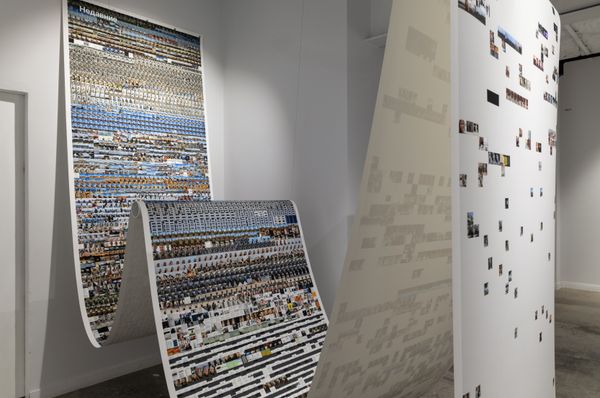
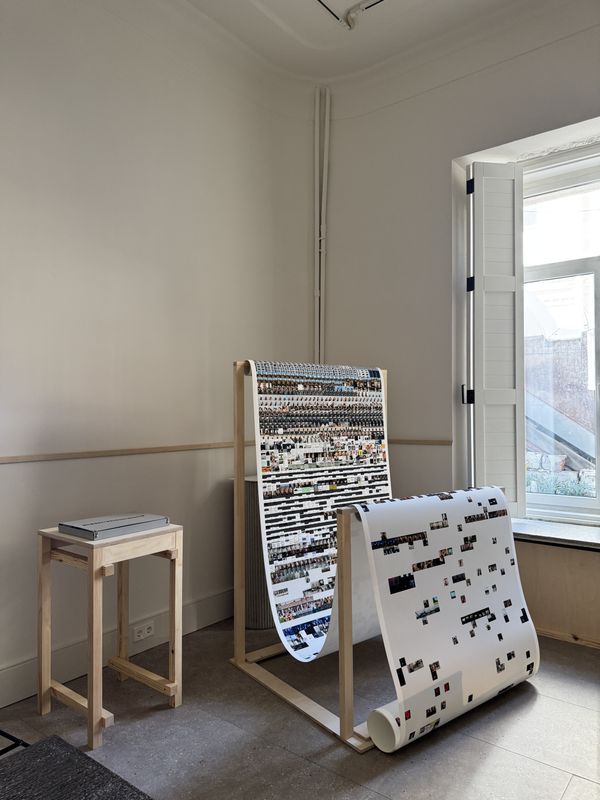
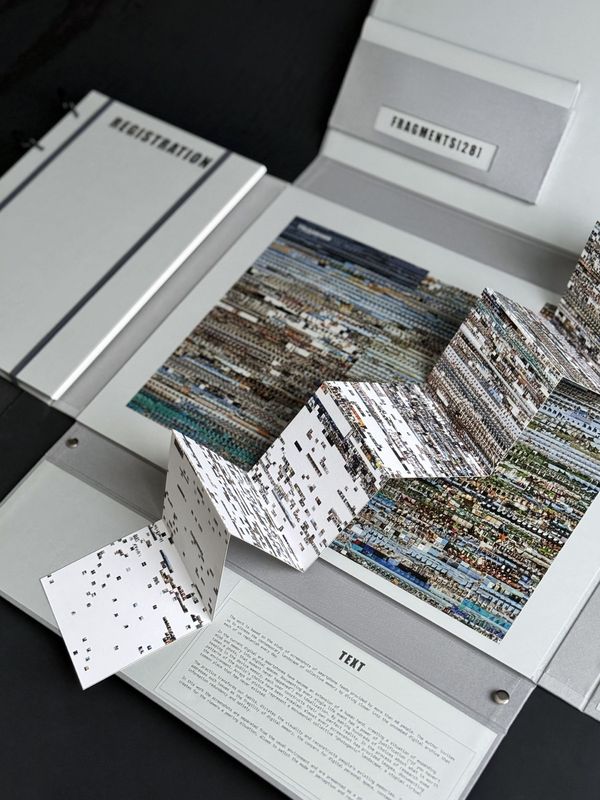
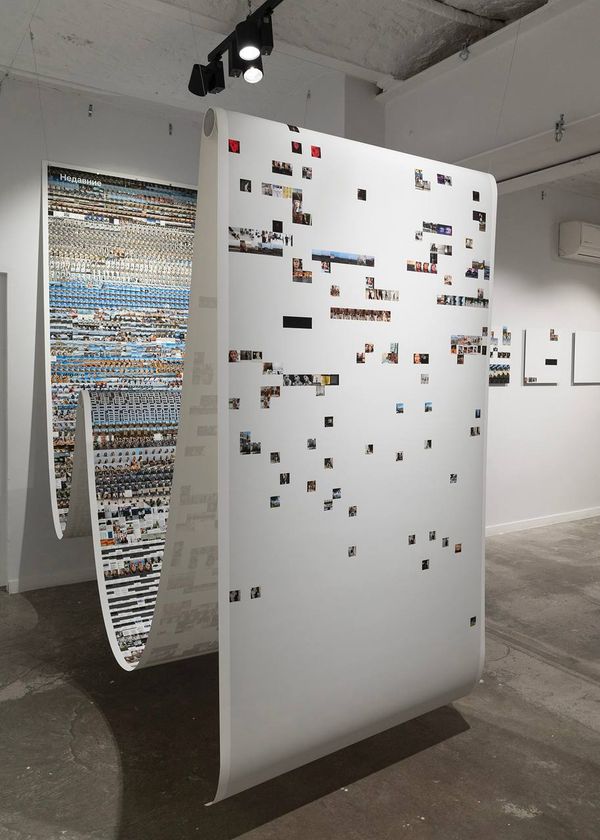
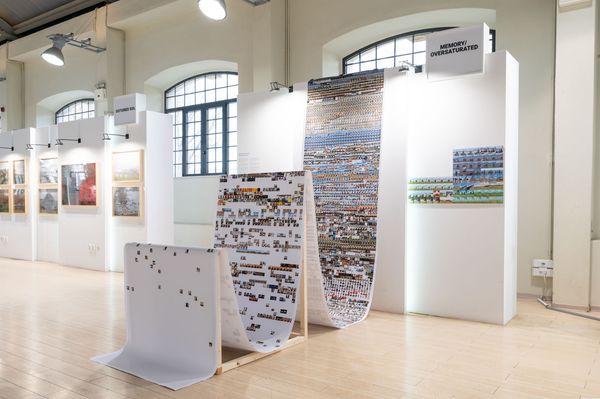
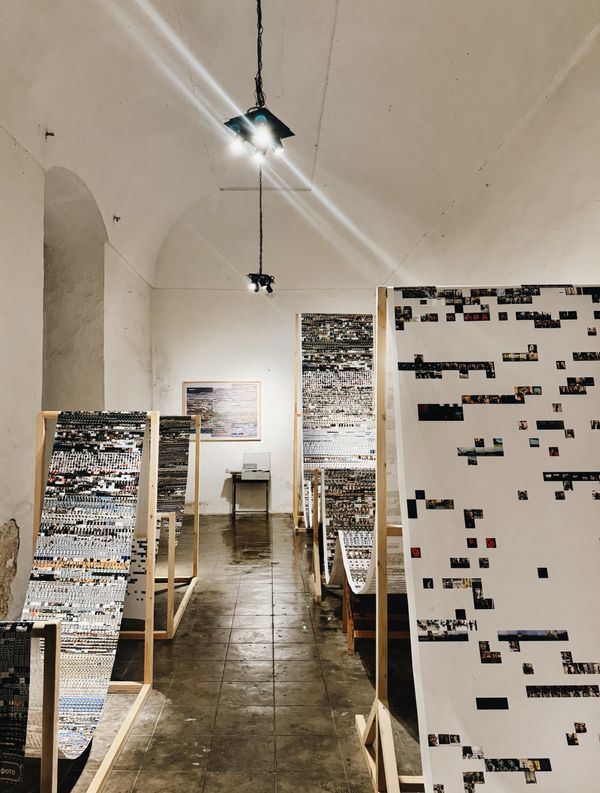
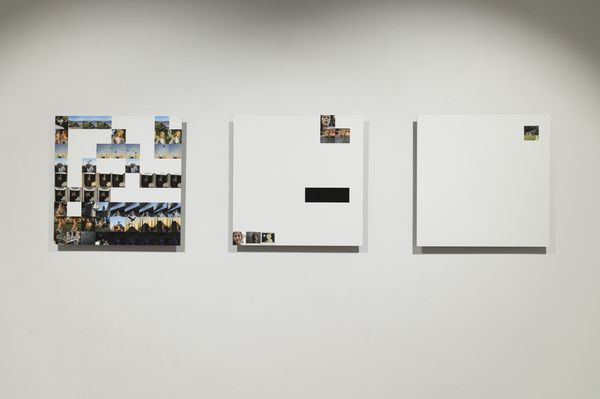
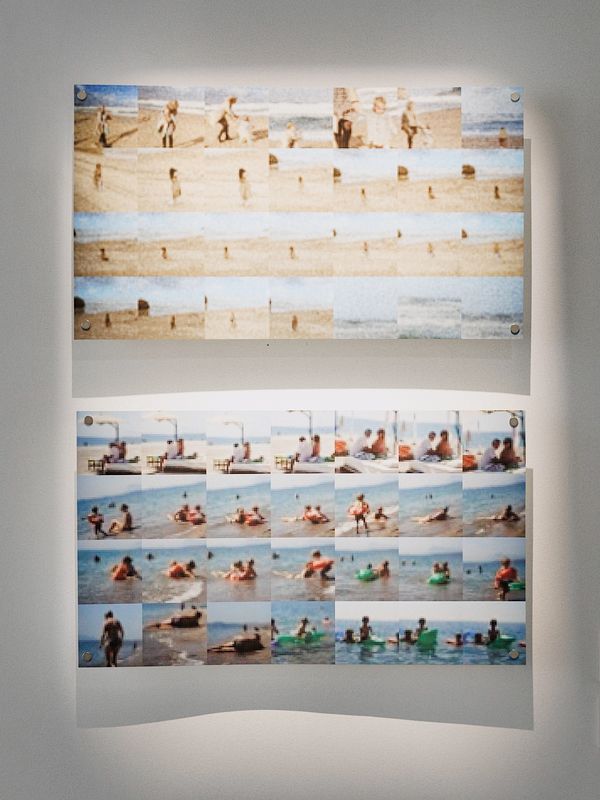
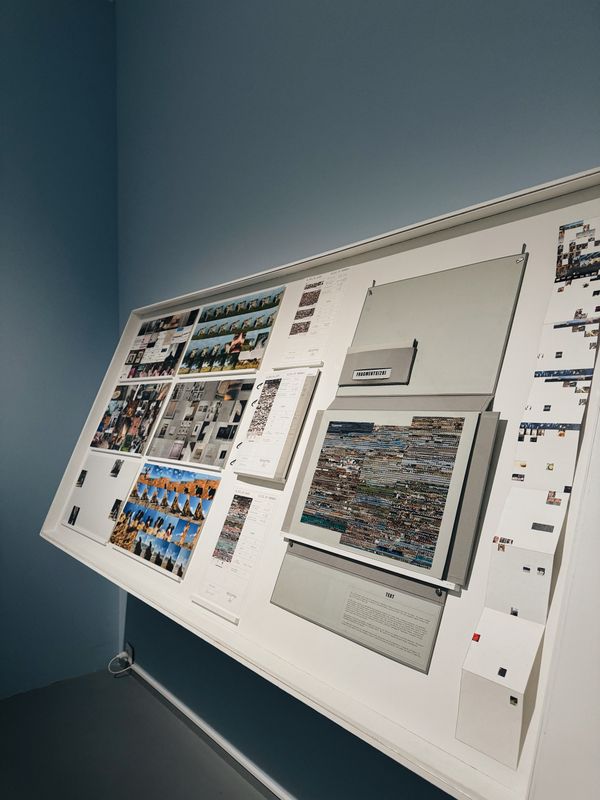
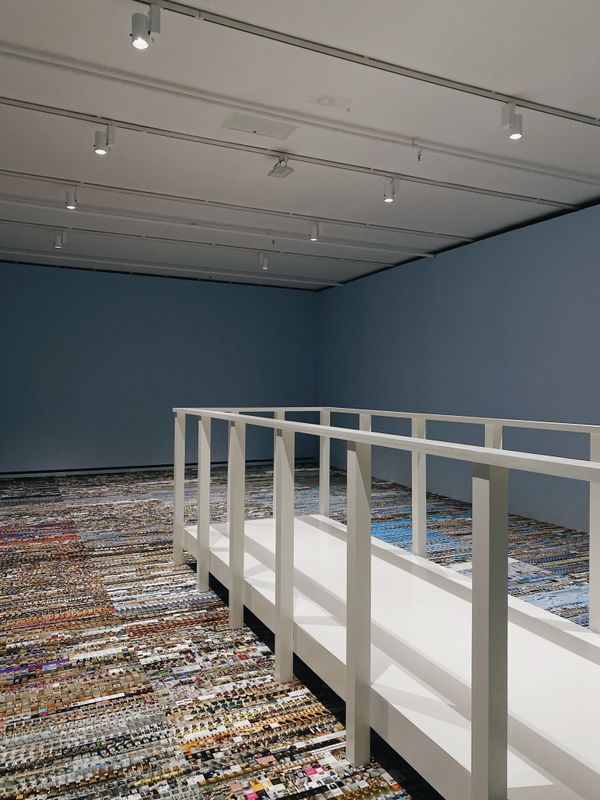
Across different iterations, Memory/Oversaturated has been presented through large-scale photographic prints, artist books, archival installations, and participatory formats. By translating screenshots into physical space, the project shifts everyday digital imagery into a mode of slow observation and collective reflection. The series Fragile focuses on screenshots in which parts of the data have been lost through technological glitches, compression, or fragmentation. The works reflect on the instability of digital memory and the vulnerability of personal archives. Landscape series investigates how we encounter the environment through the screen. Repeated fields of blue and green point to the landscape as a form of collective “photogenic” — not a specific place, but a recurring gesture of documentation.
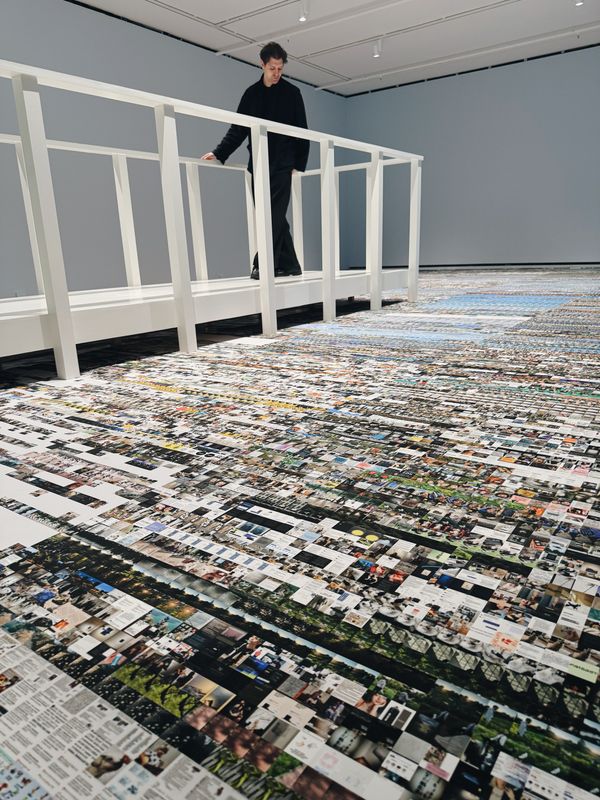
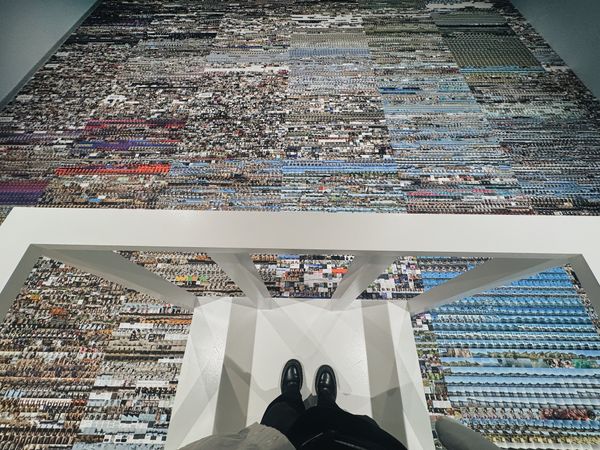
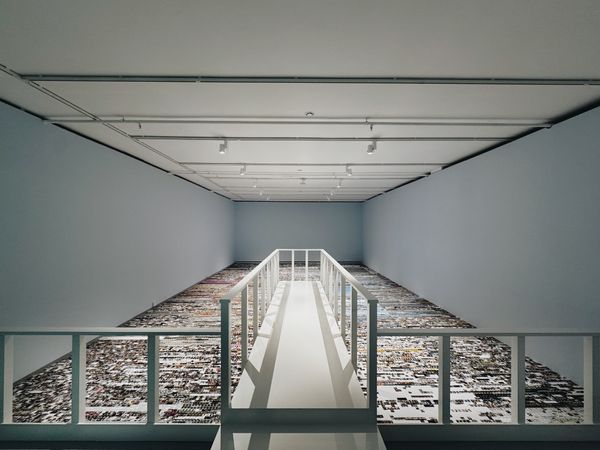
For PhMuseum Days 2026 Photography Festival, the artist proposes the installation MORE, a total environment unfolding as a “digital sea” composed of smartphone screenshots and oversaturated flows of everyday imagery. Visitors find themselves positioned on a pier above this excessive visual landscape, observing endless streams of images and contemporary practices of storing, navigating, and archiving memory.
The title contains a bilingual play on words: while MORE in English suggests excess and endless accumulation, its reading through Russian transliteration evokes the word “МОРЕ” (“the sea”) — the central visual metaphor of the installation.
Within the context of ARCHIPELAGO, the project reflects on digital images as one of the few visual territories that continue to connect people across fragmented political, cultural, and geographical realities. Despite differences in language, age, and location, smartphone galleries reveal recurring gestures, desires, landscapes, and ways of remembering. Individual archives begin to form a collective visual ocean — a fragile system of islands connected through shared patterns of seeing and recording everyday life.
Following Nadia's artist talk held during PhEST in Monopoly in November 2025, new participants from Italy contributed their own smartphone screenshots to the archive, becoming part of the evolving research itself. In this way, the project continues to grow through encounters, dialogue, and the integration of new visual experiences into its collective body.