Monsters of Bosphorus: a journey of silent current
-
Dates2025 - Ongoing
-
Author
- Location Istanbul, Türkiye
Monsters of Bosphorus investigates the Bosphorus as a fluid archipelago where marine remains, pollution, currents, and urban memory accumulate beneath Istanbul’s iconic surface. Combining photography, sculpture, and sound, the project explores fragmen
Monsters of Bosphorus: A Journey of Silent Currents
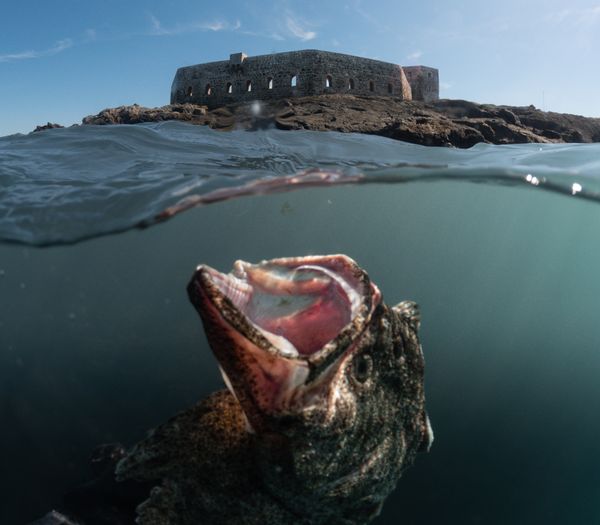
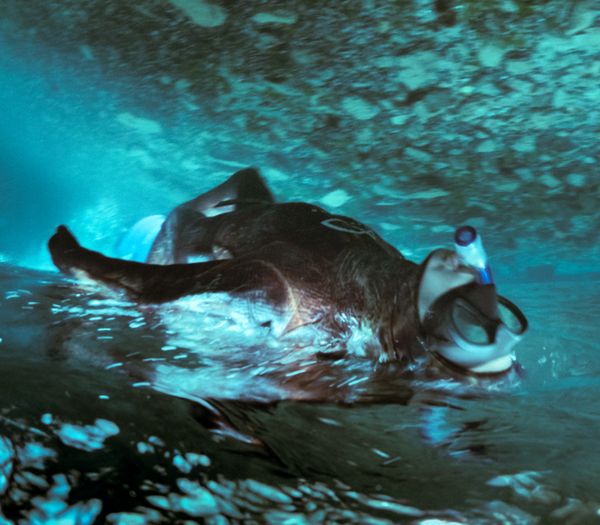
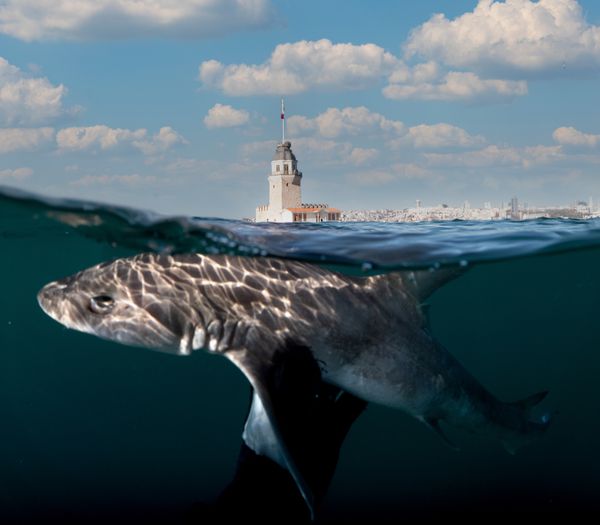
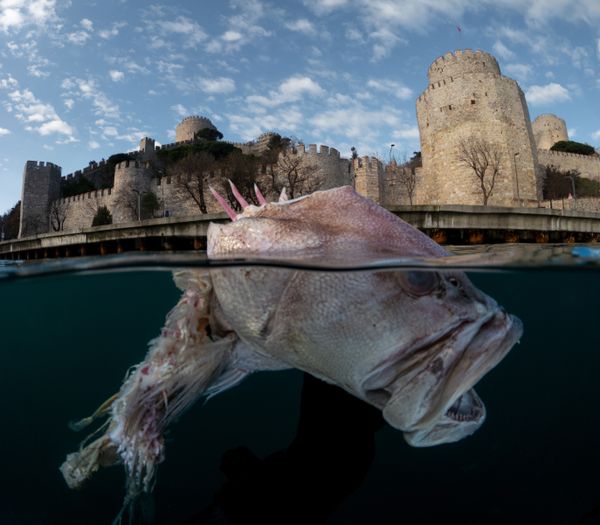
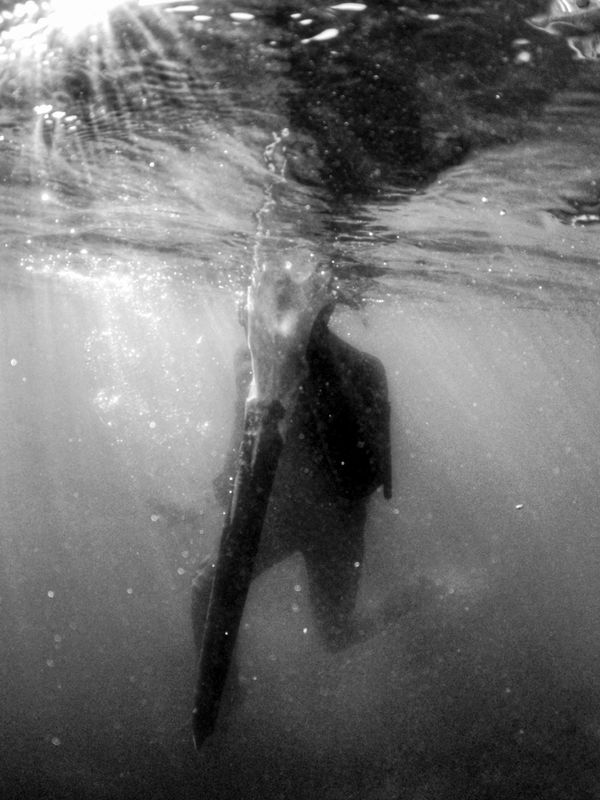
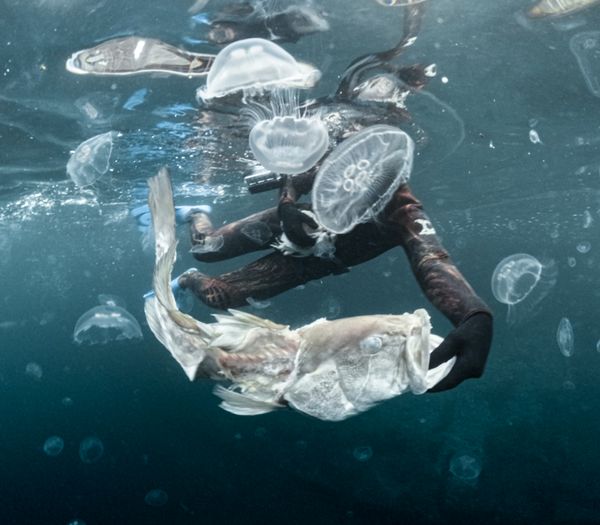
Monsters of Bosphorus approaches the Bosphorus not as a passage between two continents, but as a fragmented living organism composed of interconnected ecological islands. Through underwater observation and freediving practices conducted in areas of strong currents, the project investigates how marine remains, urban waste, architectural structures, and living organisms drift, accumulate, and coexist within invisible systems beneath the city.
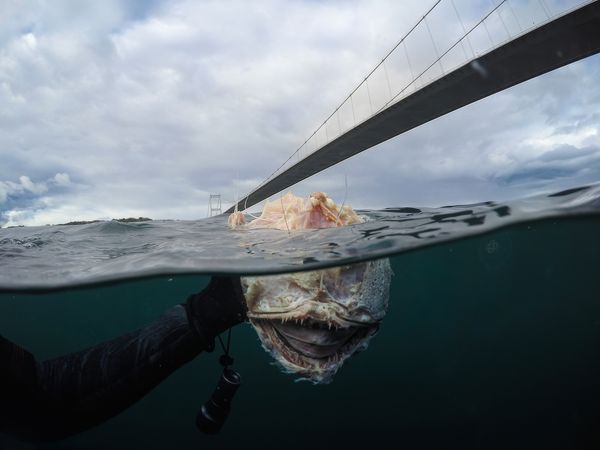
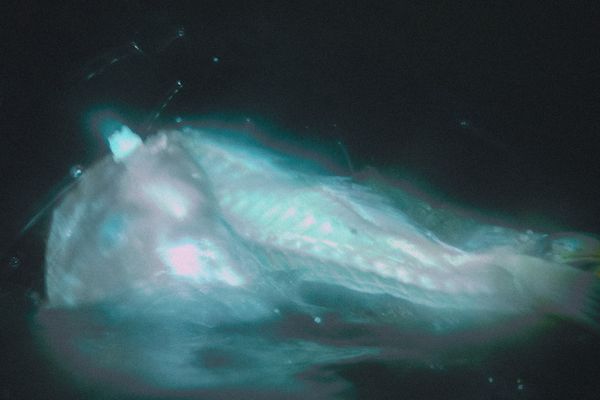
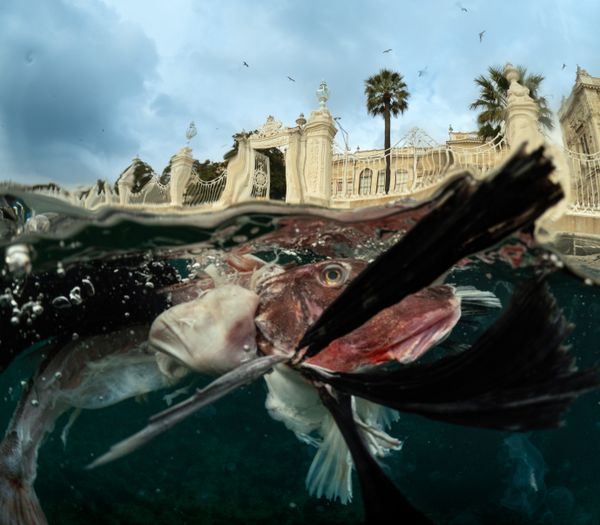
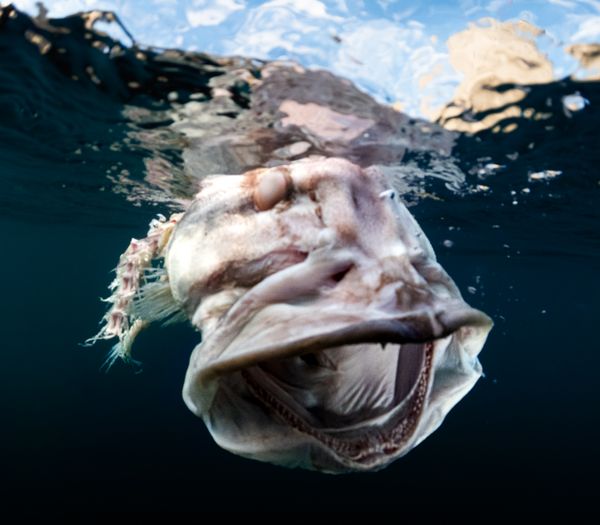
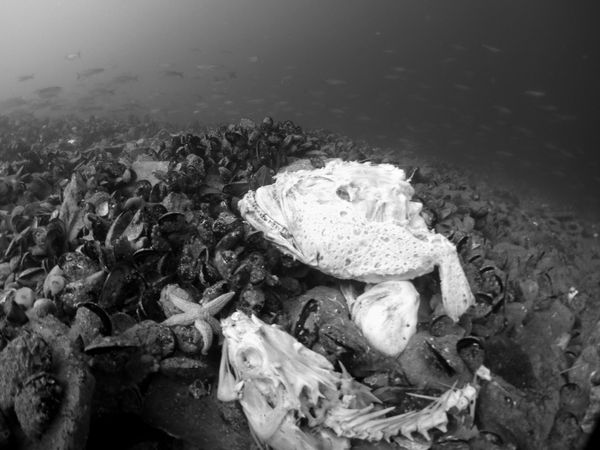
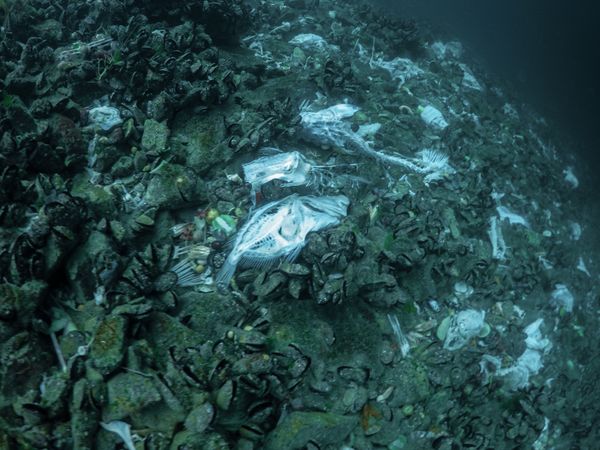
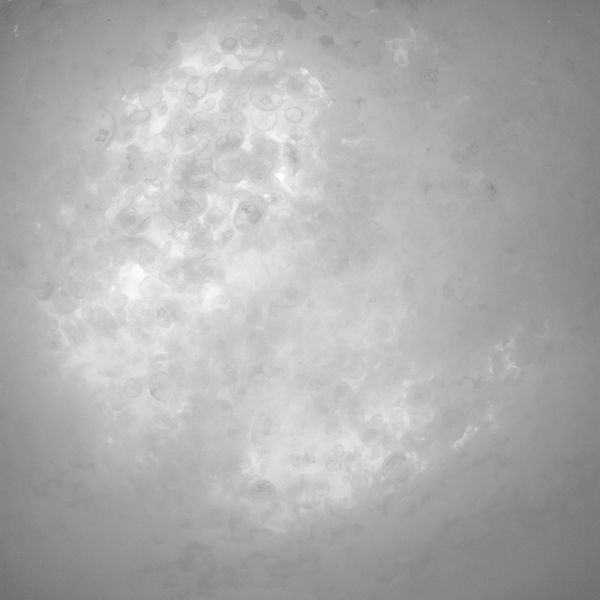
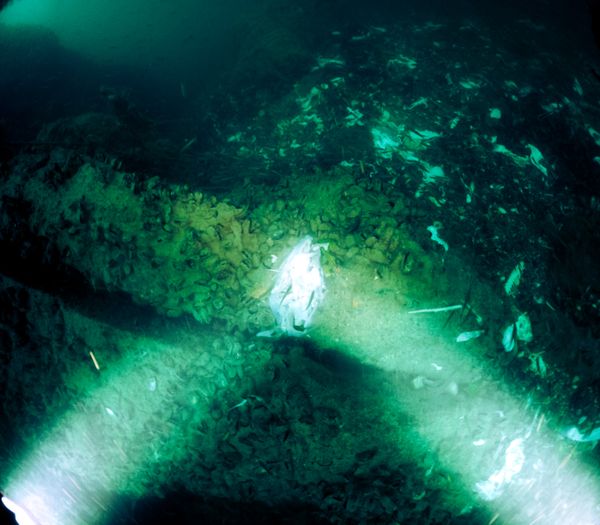
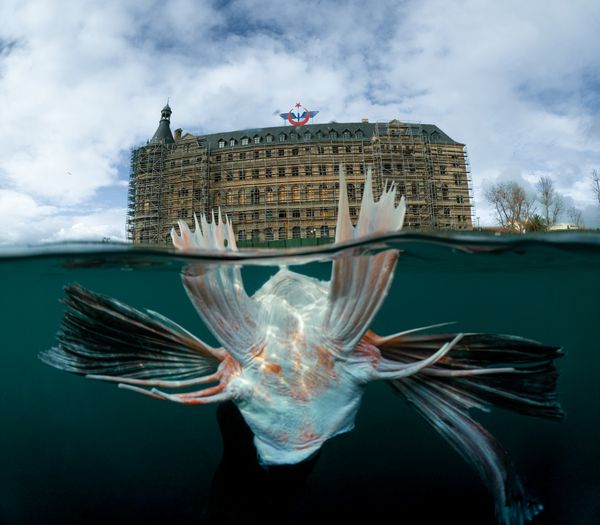
Throughout the dives, recurring underwater accumulations were observed across multiple locations in Istanbul. Fish skeletons and decomposing marine remains repeatedly appeared gathered within certain current zones, forming dense underwater concentrations resembling submerged graveyards. These remains are believed to originate from multiple overlapping systems: restaurant waste discarded into the sea, fish trapped and abandoned in fishing nets, illegal fishing practices, and the broader ecological consequences of pollution and urban consumption. Rather than isolated incidents, these formations appeared as recurring conditions distributed across different parts of the Bosphorus, connected through the movement of water itself.
Within the context of ARCHIPELAGO, these accumulations can be understood as fragmented yet interconnected territories. The Bosphorus itself becomes a fluid archipelago: a geography composed not of islands of land, but of isolated ecological conditions continuously connected through underwater currents. Species, debris, architectural memory, consumption, and decay circulate between these invisible zones, forming unstable relationships of coexistence. The project reflects on how contemporary life increasingly exists within such fragmented systems — politically, ecologically, socially, and psychologically — where separation and connection operate simultaneously.
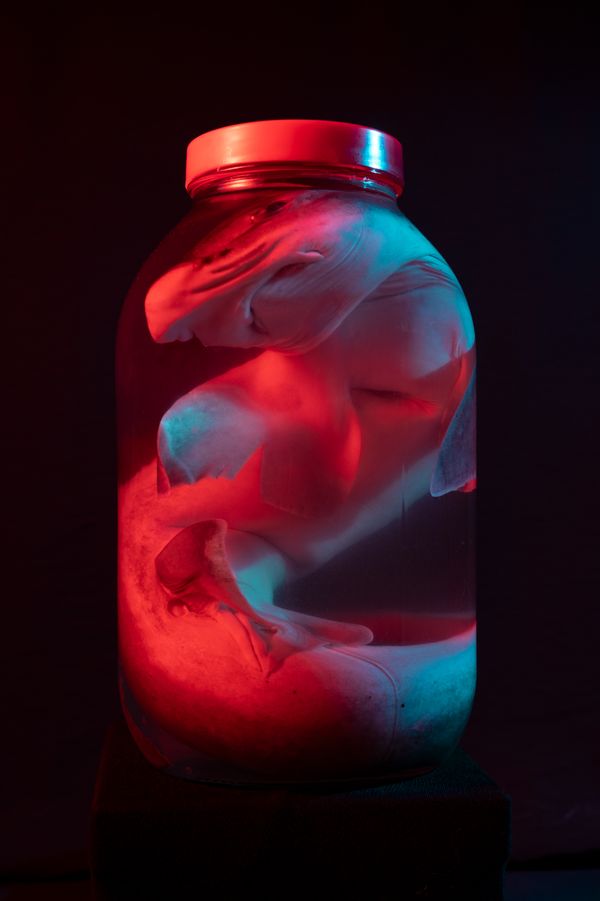
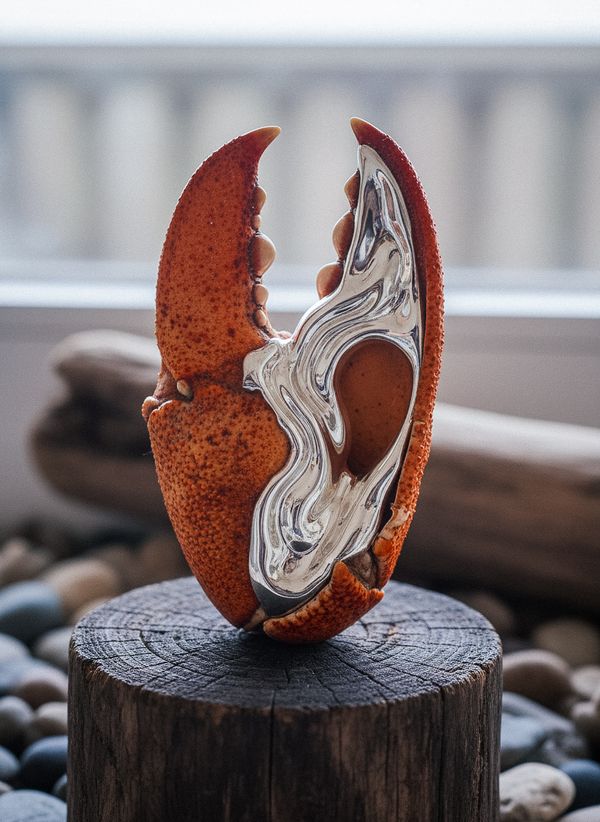
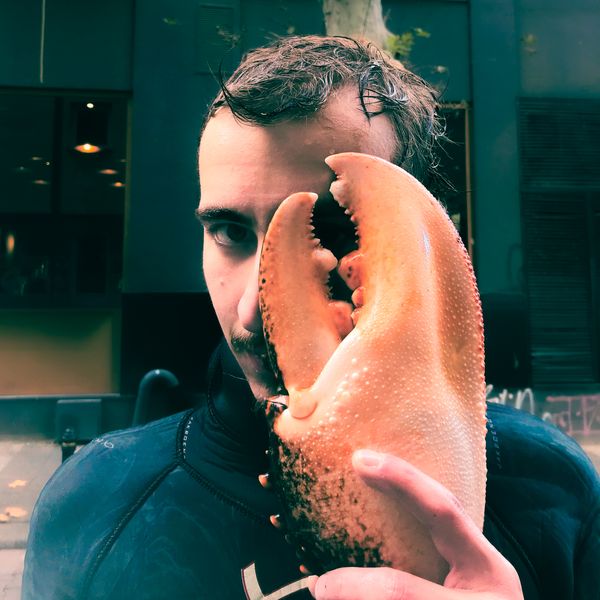
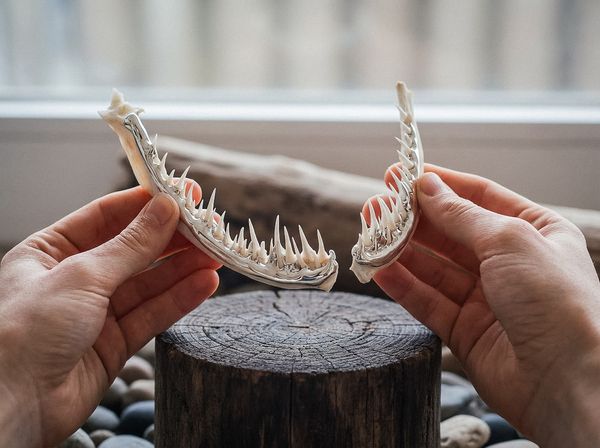
The project expands beyond photography into sculpture, sound, and moving image installation. Sculptural forms produced from collected marine remains translate underwater discoveries into physical objects occupying the exhibition space. Aluminum-coated fish remains, preserved biological fragments, and vitrined organic materials transform into speculative bodies situated between scientific artifact, memorial object, and fictional creature. These forms extend the photographic work into three-dimensional space, allowing the ecosystem itself to appear as both evidence and apparition.
Sound also plays a central role within the installation. During the dives, underwater audio recordings were collected alongside the photographic process. Currents, distant ship engines, metal vibrations, marine movement, breathing rhythms, and low-frequency underwater disturbances are diffused throughout the exhibition space as a continuous sound environment. The sound is intentionally difficult to localize, creating an unstable spatial perception in which visitors encounter the sea not only visually but physically and psychologically.
The title Monsters of the Bosphorus does not refer to singular creatures hidden beneath the water, but to the hybrid systems humanity continuously produces and leaves behind. The “monster” emerges through accumulation: through consumption, pollution, memory, extraction, urban transformation, and ecological adaptation. In this sense, the work proposes the monster not as an external threat, but as a condition generated collectively by contemporary life.
Rather than presenting the sea as a passive victim of human intervention, the project approaches it as an active and transforming entity — a living body that absorbs, reshapes, and responds to the traces imposed upon it. Through photography, sculpture, sound, and installation, Monsters of the Bosphorus invites viewers into a space of silent witnessing where the visible city and its submerged realities coexist within the same unstable ecosystem.