Suzanne, Long Road
-
Dates2020 - 2025
-
Author
- Topics Documentary
- Locations France, Morocco
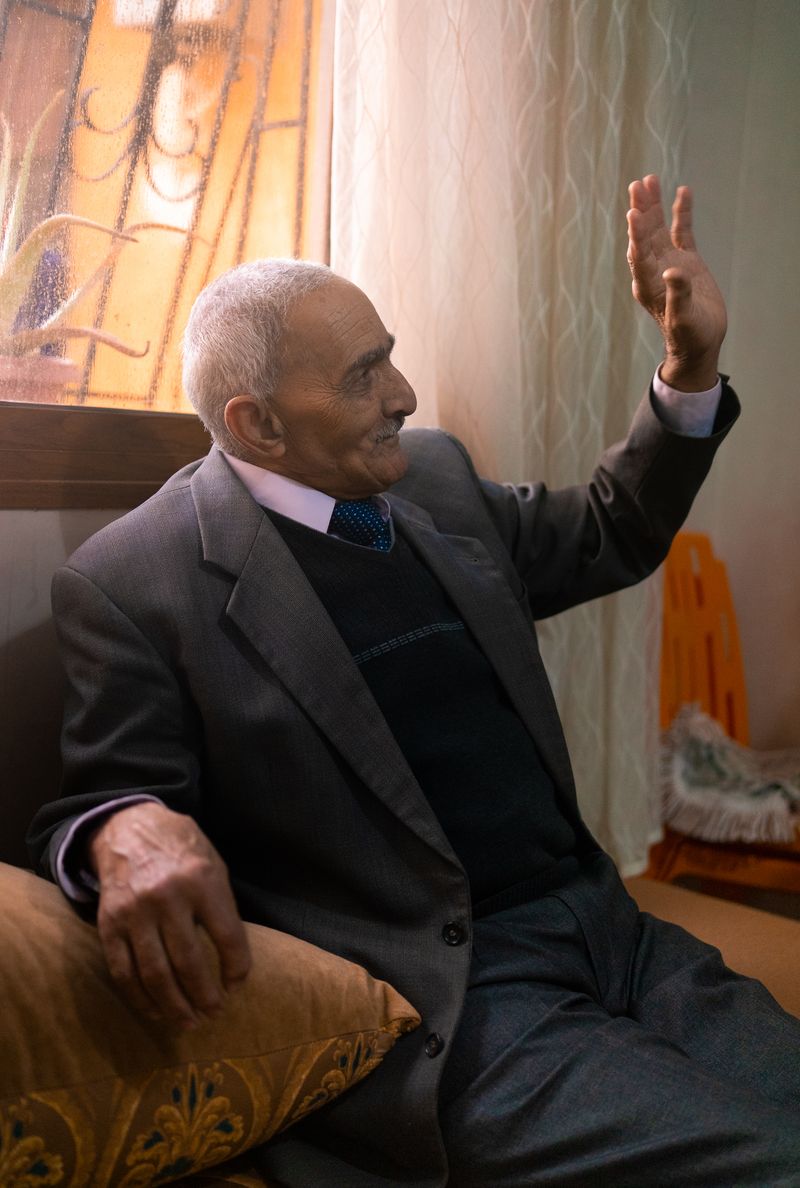
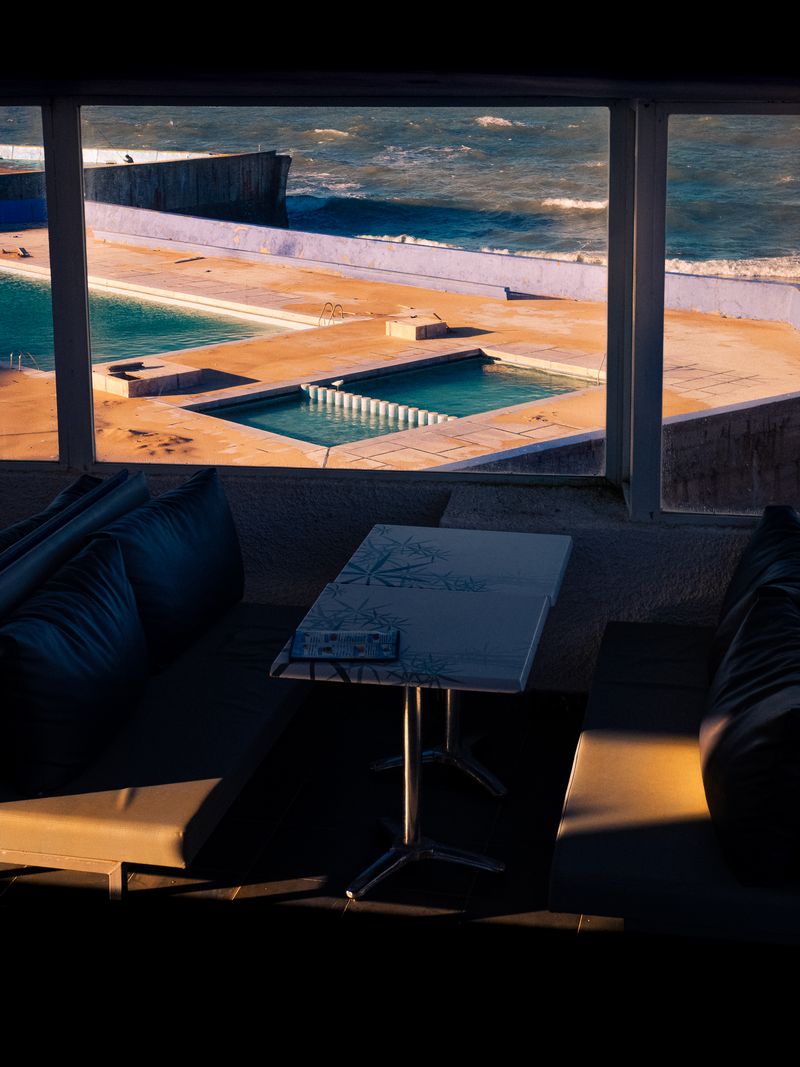
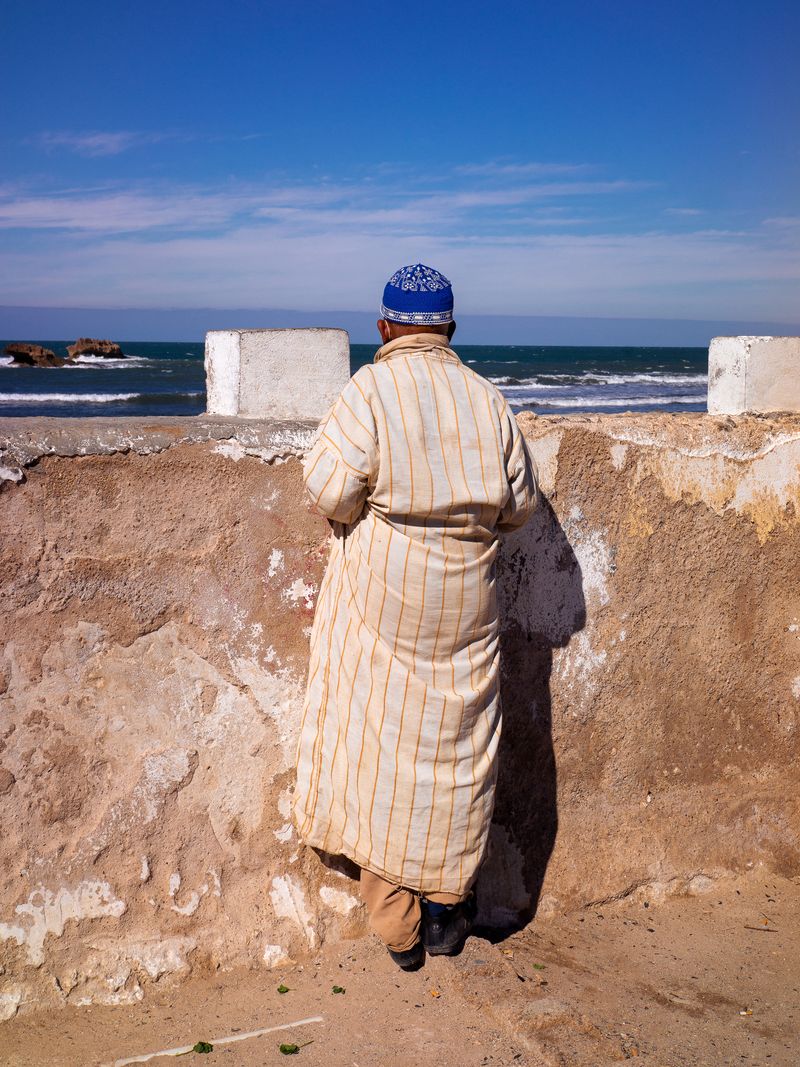
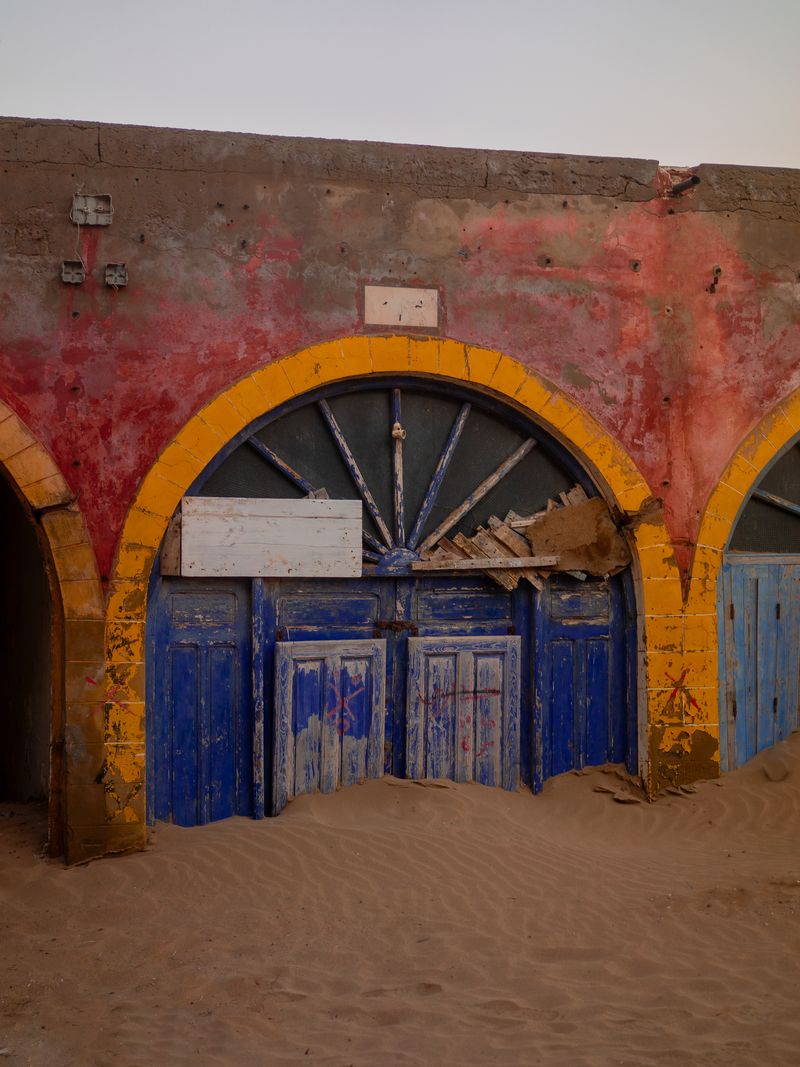
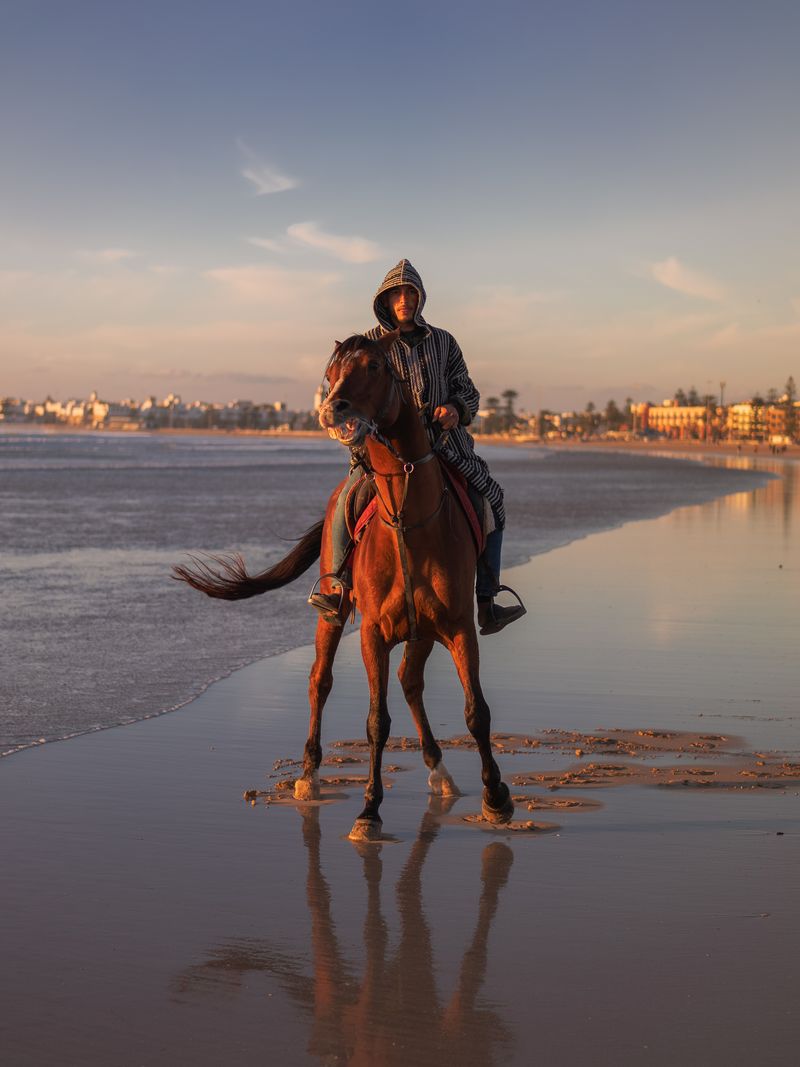
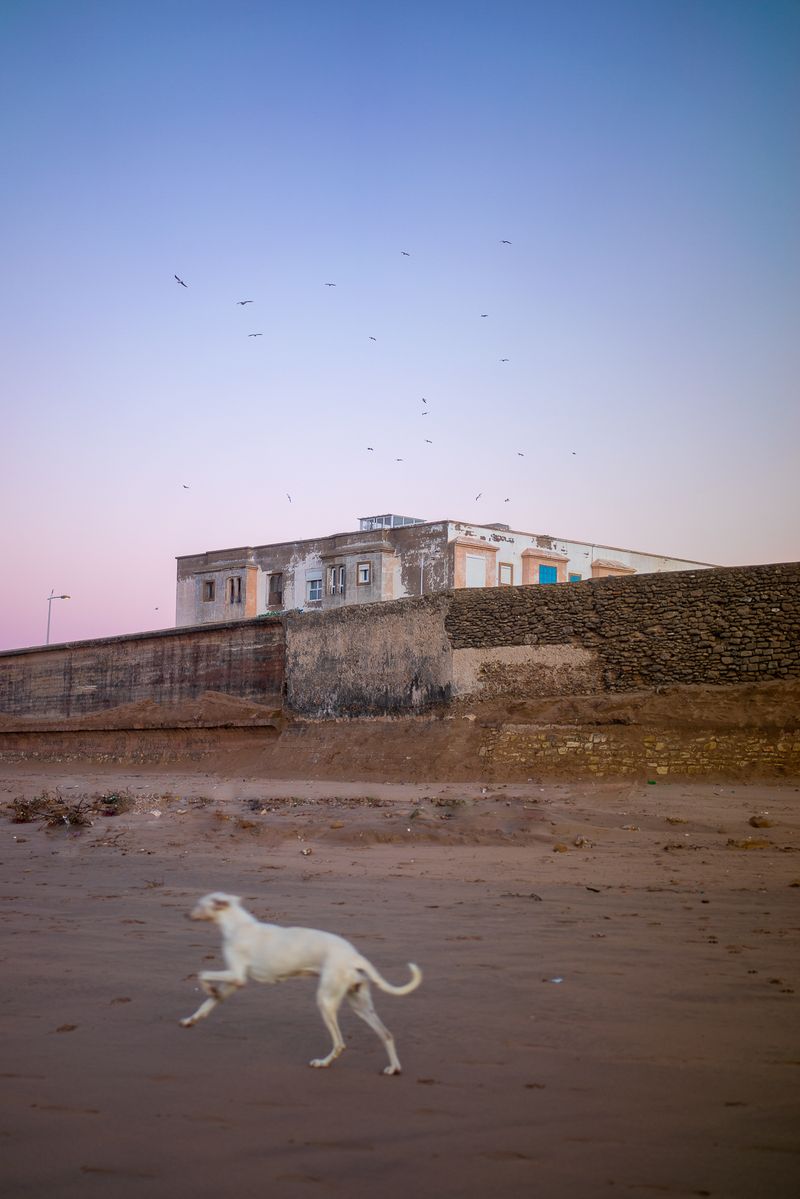
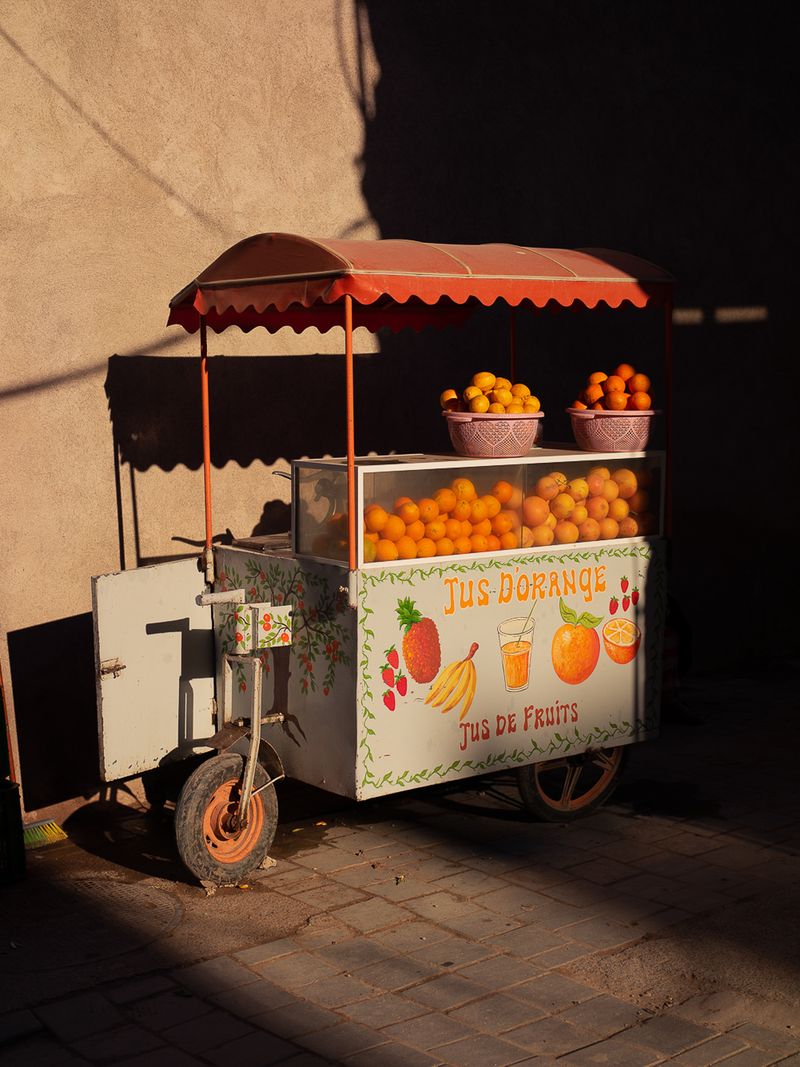
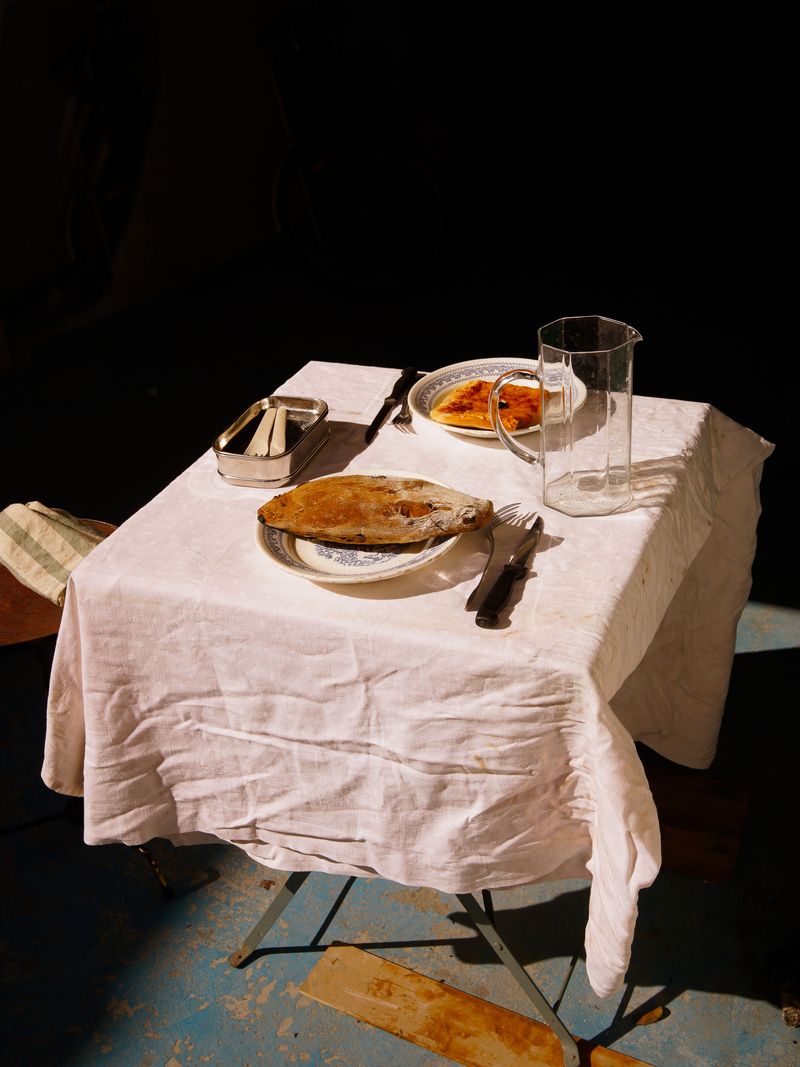
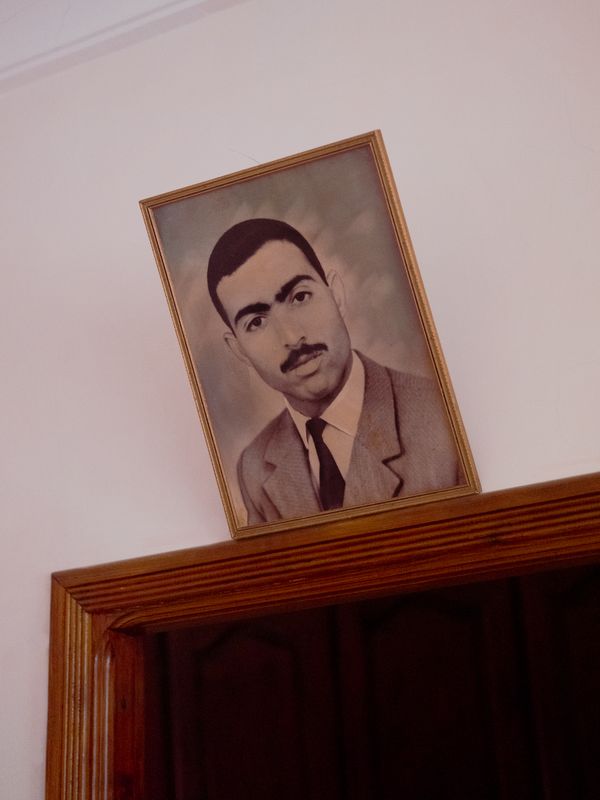
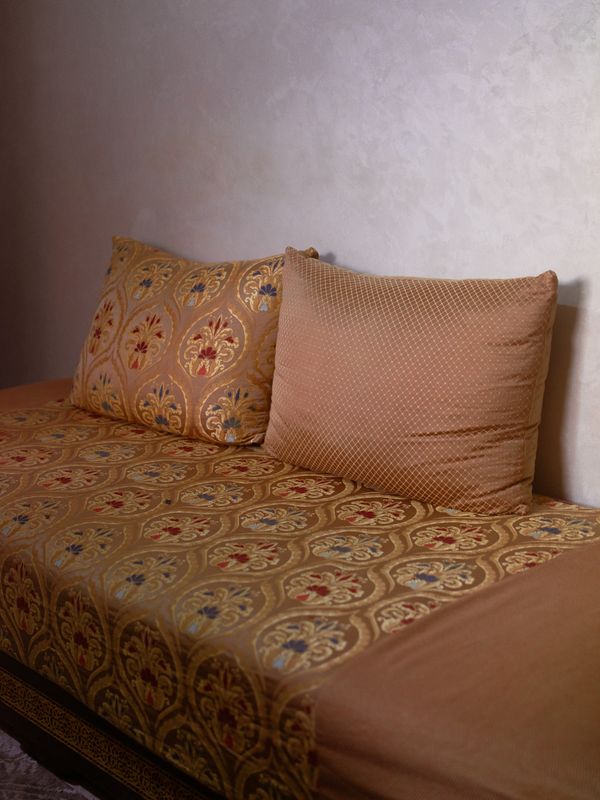
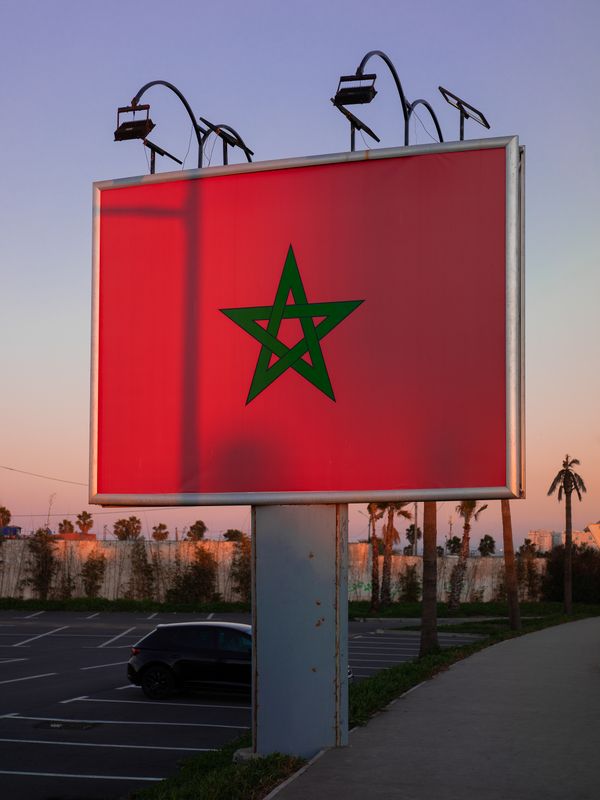
Suzanne, Long Road explores bi-national identity, inherited longing, and imagined belonging through layered photographs. It reflects on identity as fiction, where images hold desire, absence, and the fantasy of a home that never was.
Three days in a camper van: that was the time it took, each summer, for my child’s body to undergo its yearly shedding, travelling from the deep volcanic forests of Auvergne to the winding, arid roads of Morocco. A transformation imposed by the accident of birth, allowing me to exist, for a few weeks, in a place where I understood neither the language nor the customs. As the hours passed, the landscape beyond the window began to merge with the imagined territories of the dozens of novels I read to pass the time. As reality and fiction slowly slipped into one another, and as France and Morocco blurred together, the world seemed to split, giving way to an in-between space.
It is there, within that gap, that I built my sense of home, made of overlapping landscapes, magical tales, and strange presences. For several years now, I have been developing Mille-Feuille, a project that explores memory, dual belonging, and the ways in which identity is constructed through fragments. Photography plays a central role in this work, not as a tool for proof or documentation, but as a way of revealing what escapes: sensations, displacements, blurred zones.
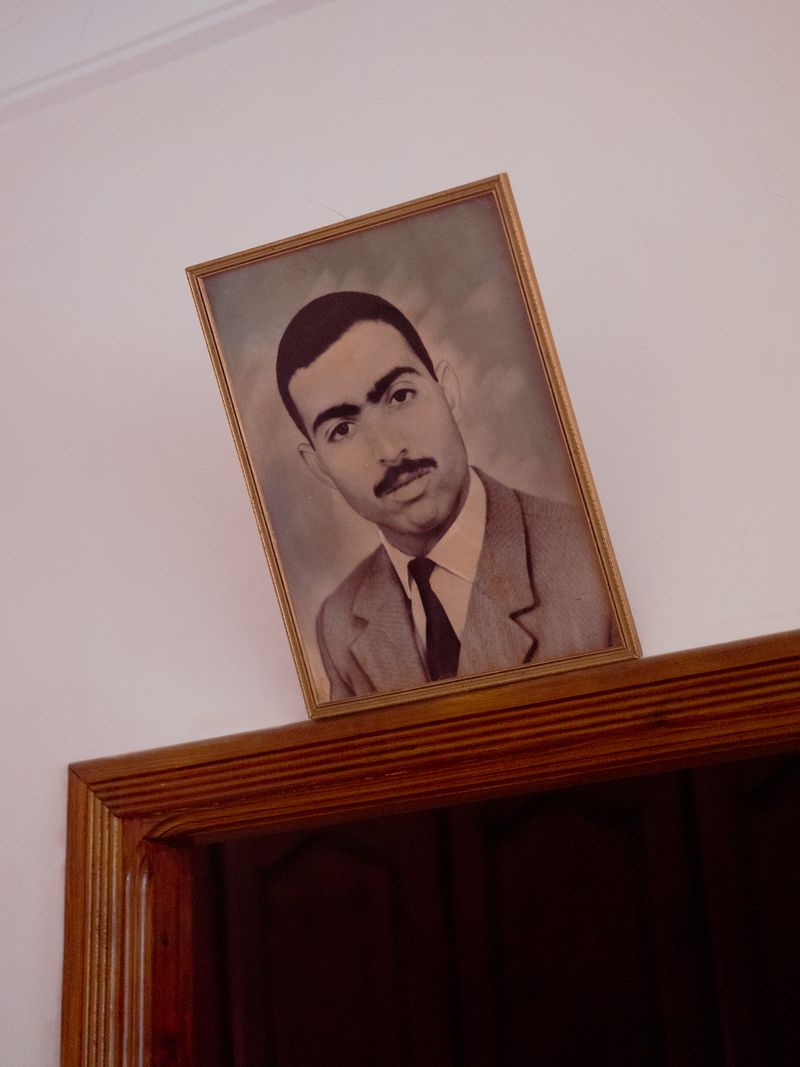
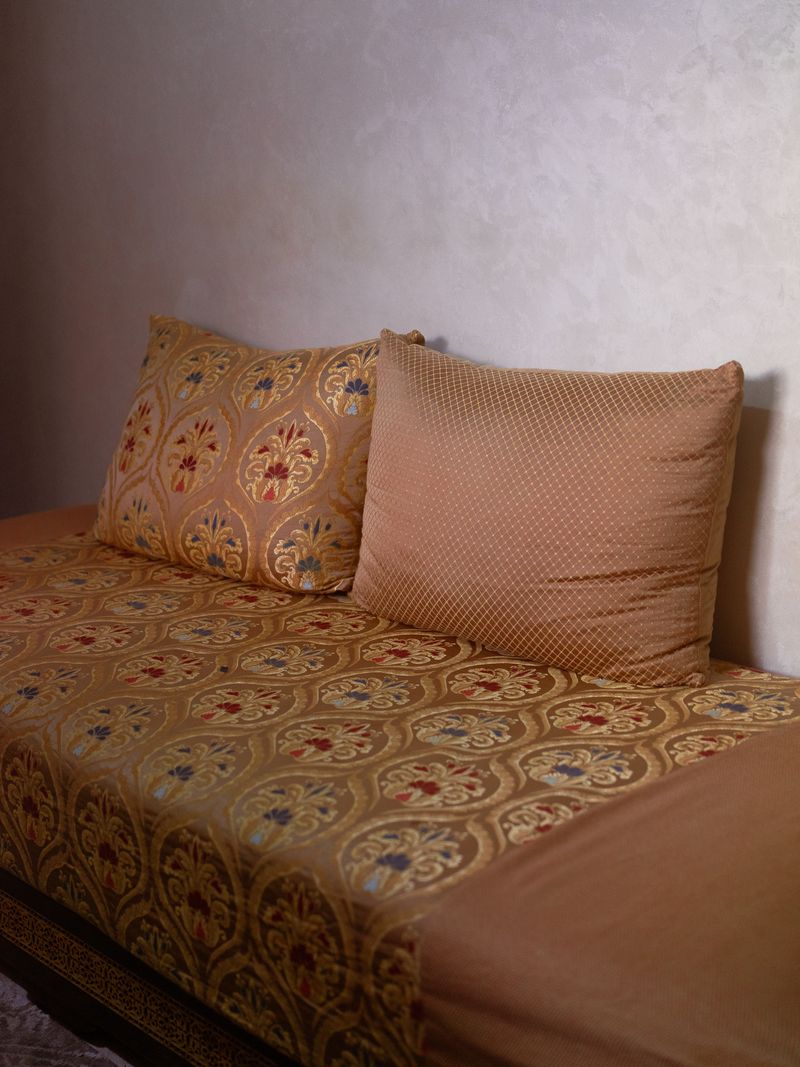
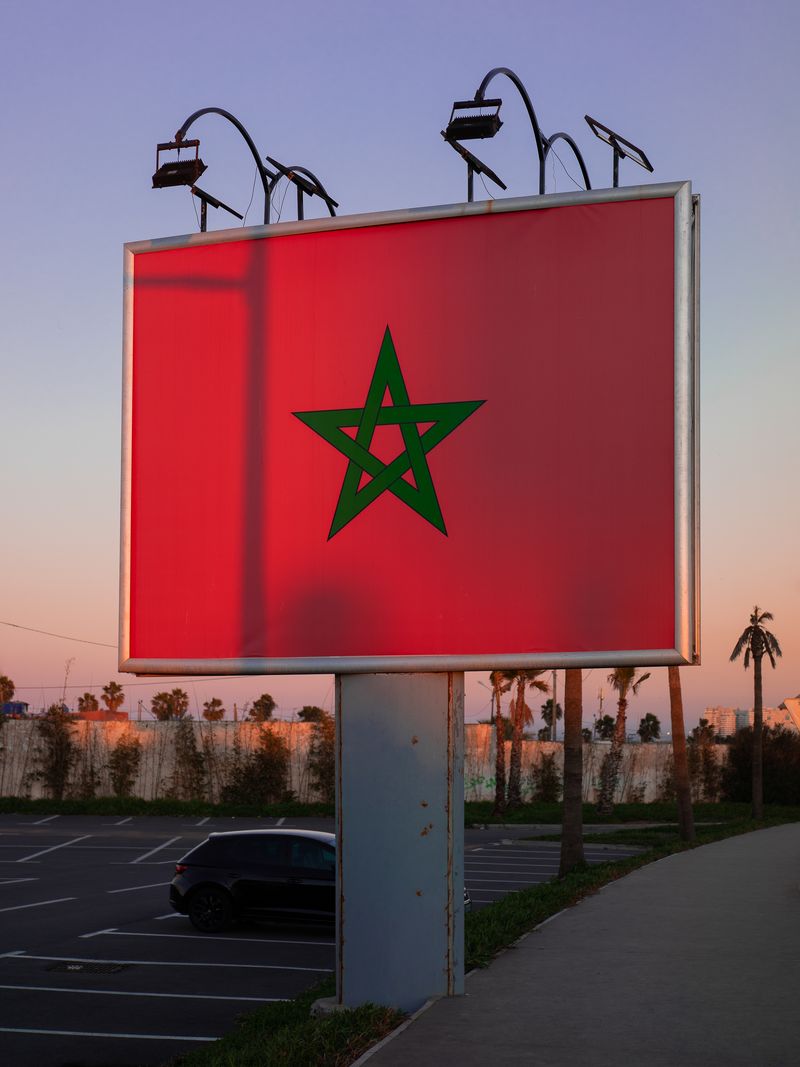
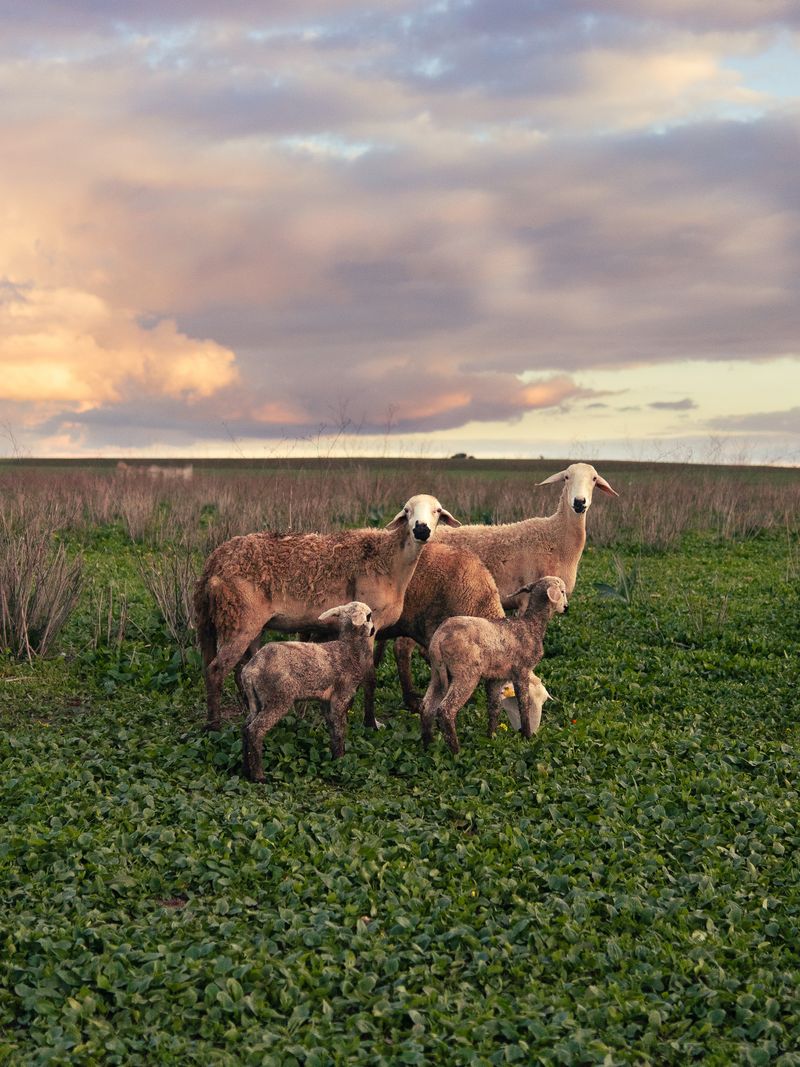
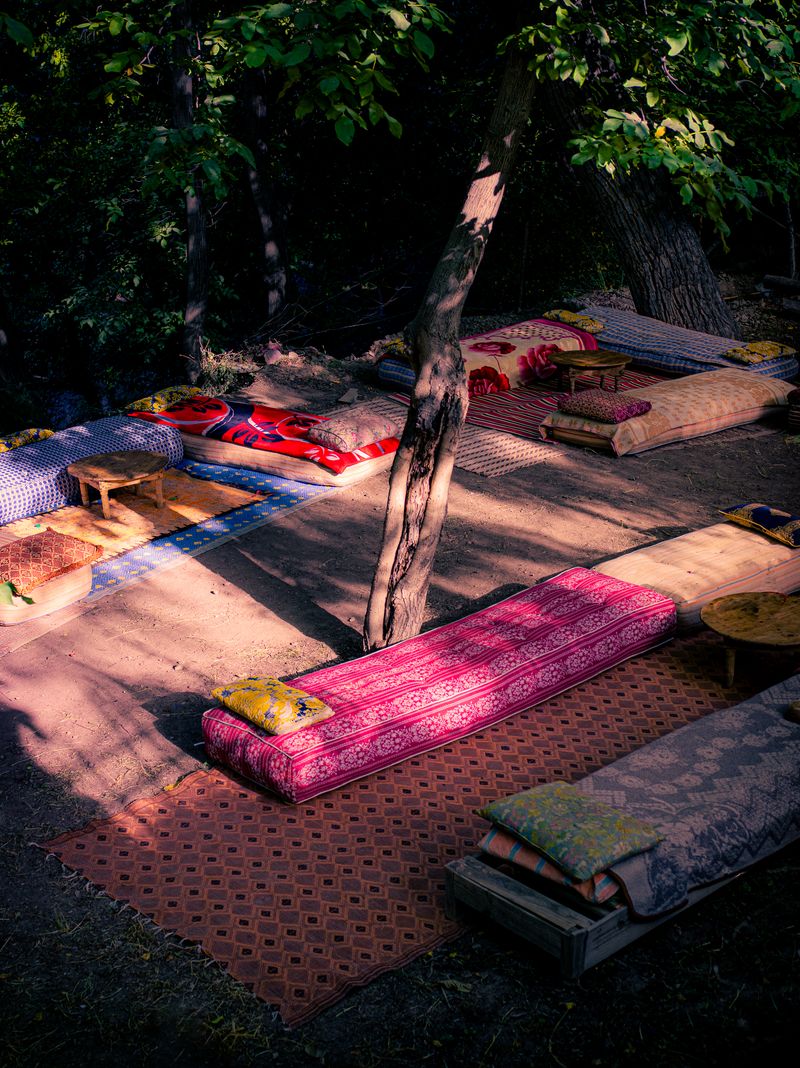
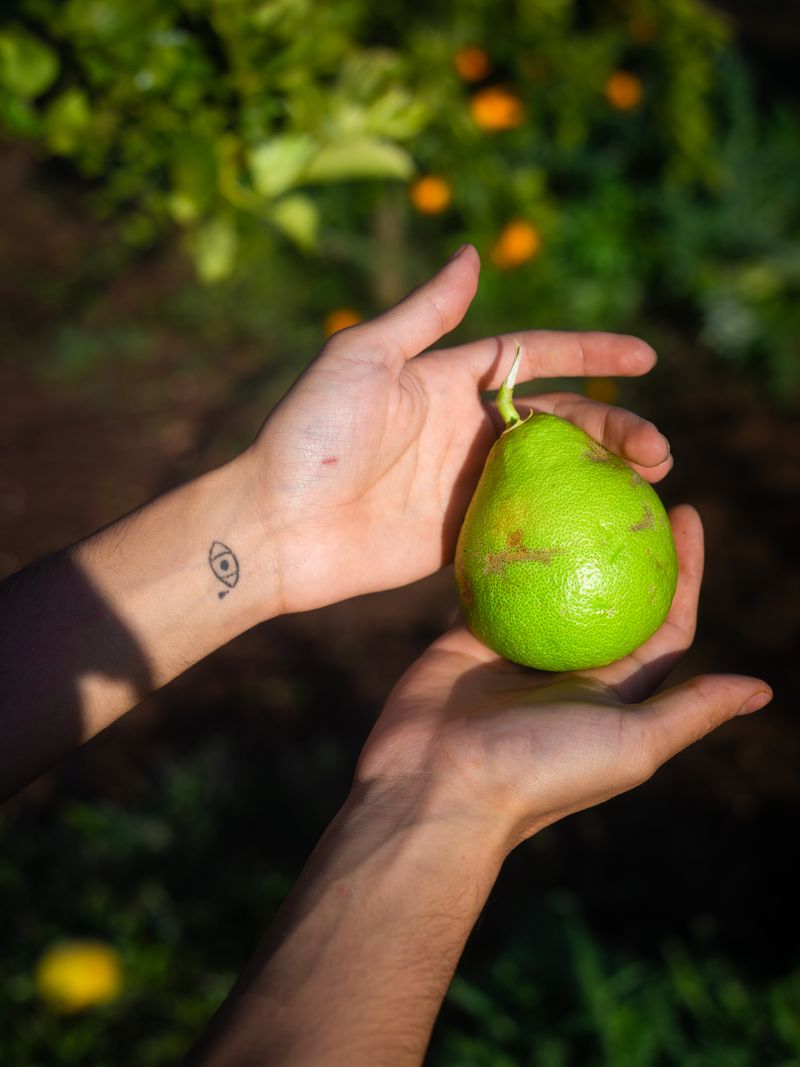
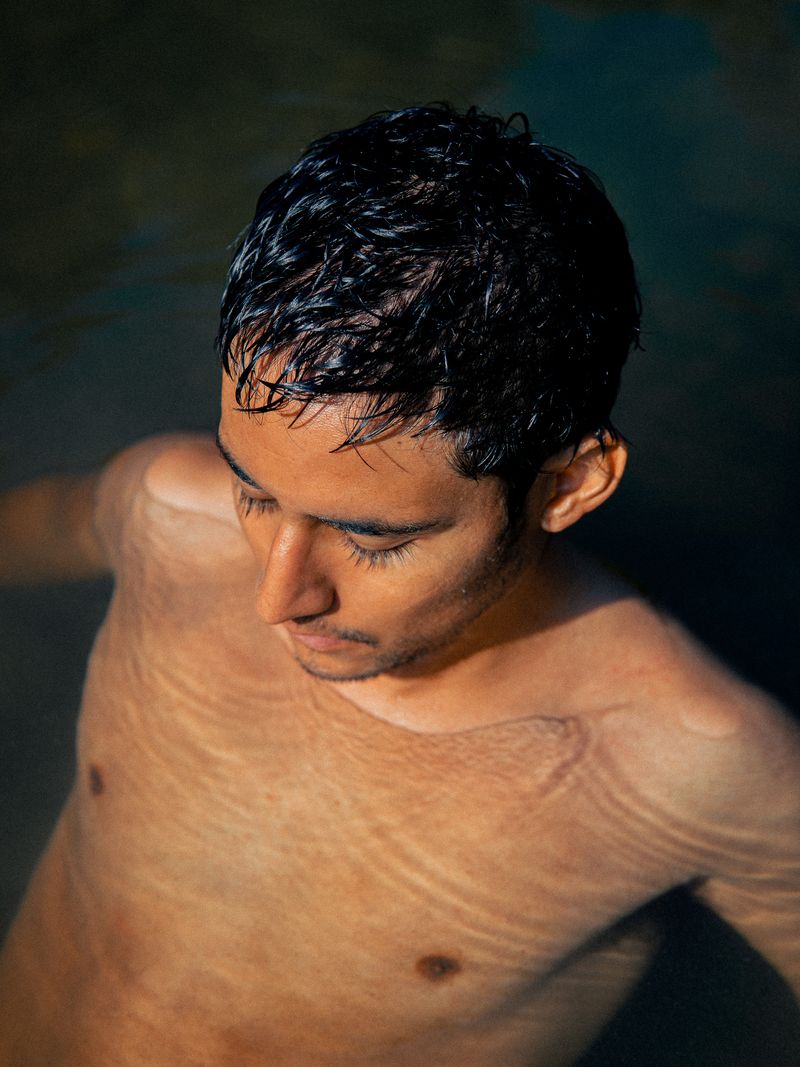
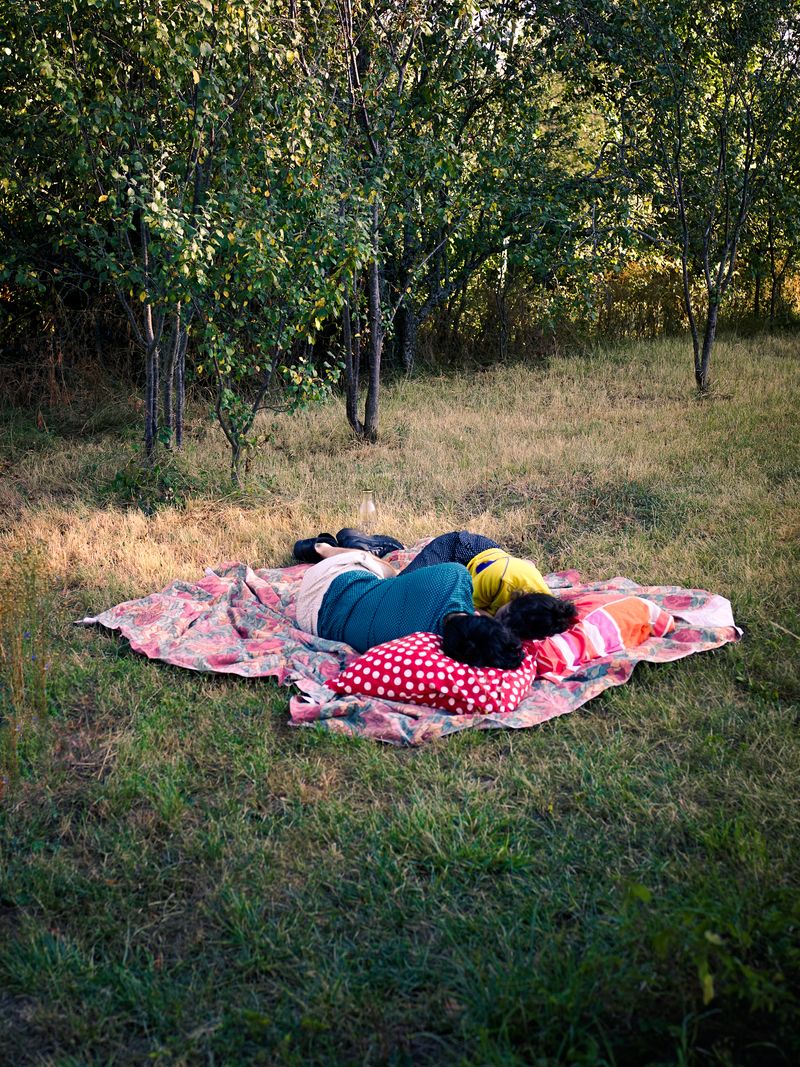
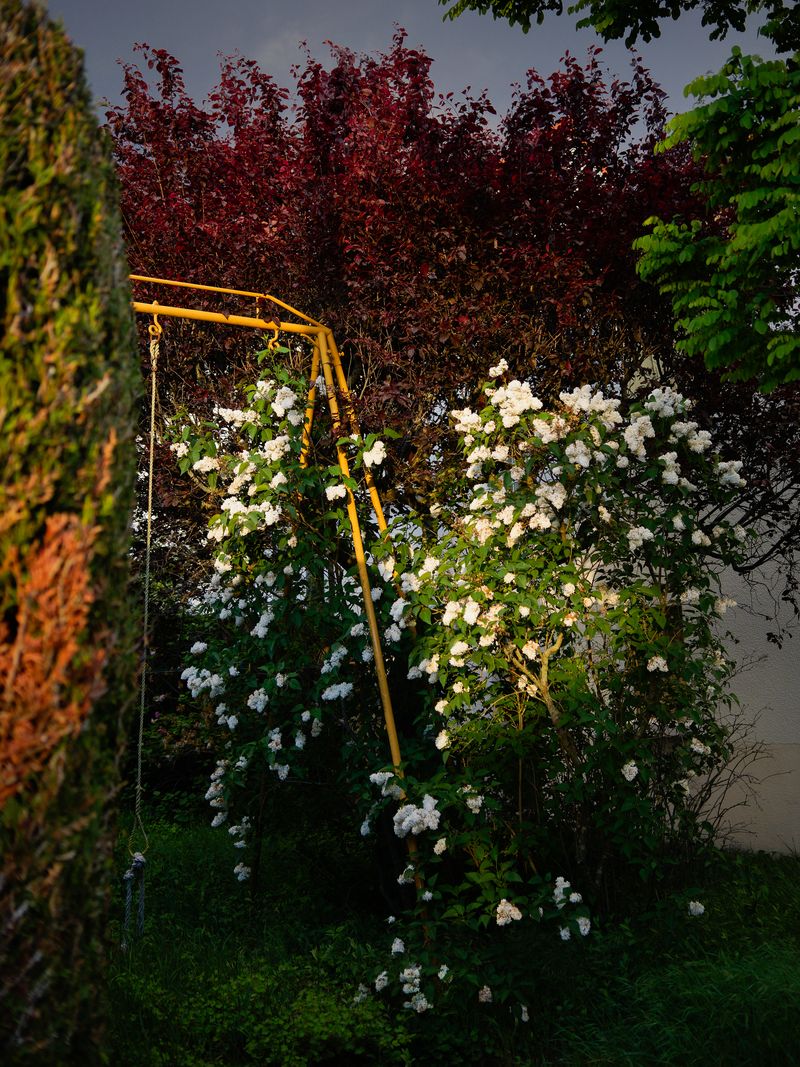
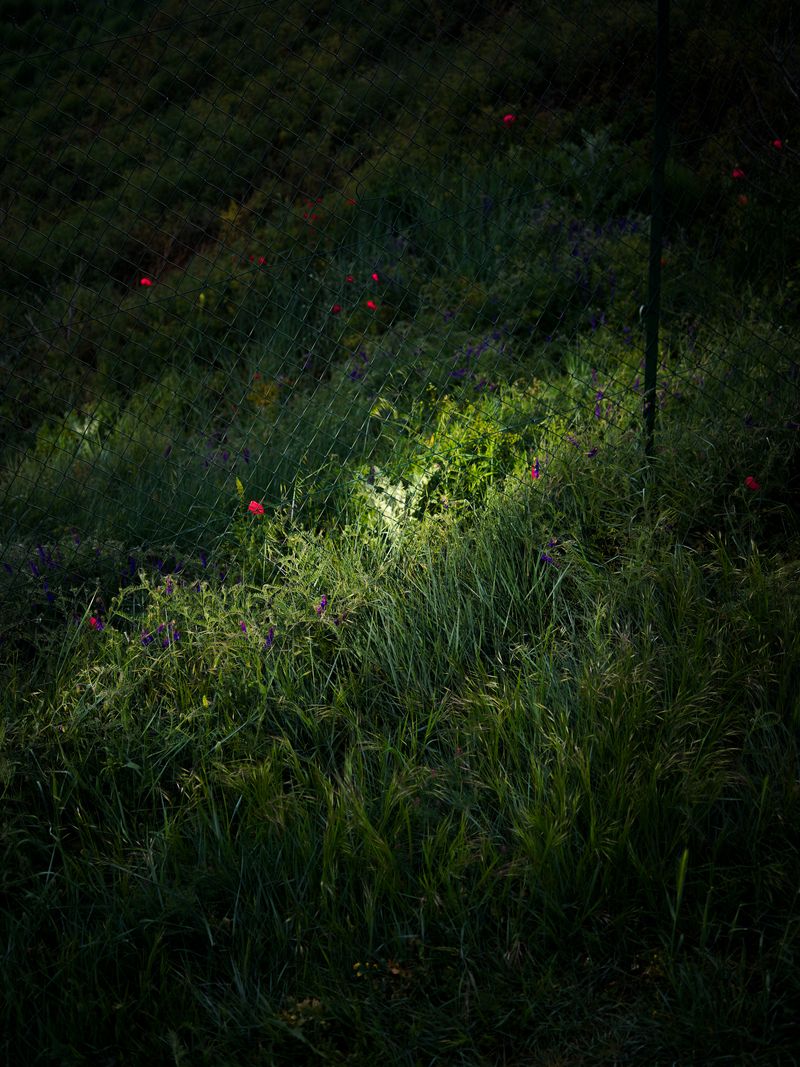
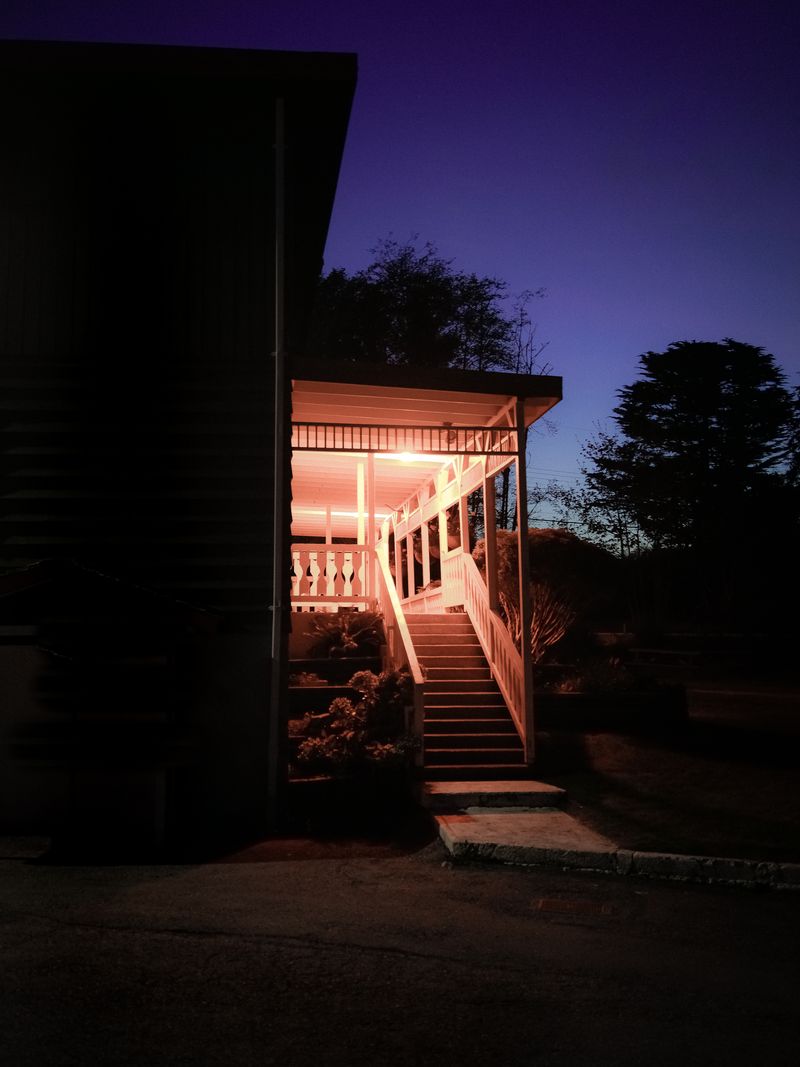
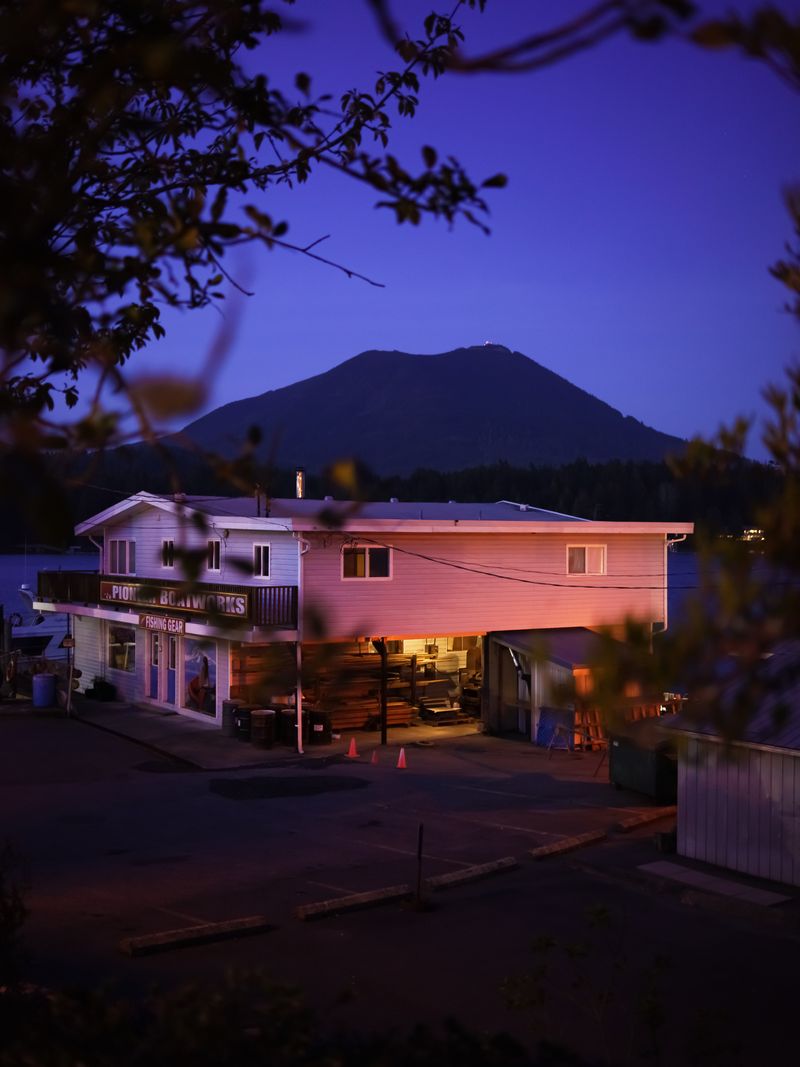
The series Suzanne, Long Road is part of this ongoing research. It was created between France and Morocco over several journeys. The images are presented without captions, without a fixed order. I am not trying to explain where we are or what is happening. What interests me is that moment of hesitation, where something remains open.
The title comes from the song Suzanne by Leonard Cohen, which my father used to play on repeat during these trips. Even today, hearing it immediately takes me back to those moments, to the road, to the intimacy of the journey, to that feeling of being between two places without fully belonging to either.
This project is also a way of questioning photography itself. It has long been seen as a medium of truth. Yet it has also been used to construct narratives, sometimes violent ones, particularly in colonial contexts.I try instead to approach it as a subjective, situated space, a language shaped by my gaze, my history, and my contradictions. There are many things that remain outside the frame in these images. Invisible elements, but essential ones: the complexities of representation, the histories of colonization, the mechanisms of exoticization.
Ultimately, I am not trying to tell a clear story. I make images from the in-between, where reality and fiction blur, and identities remain unsettled. When the idea of home becomes too elusive to grasp, it turns into a kind of fiction - something imagined, assembled, and projected. These images emerge from that search: an attempt to understand how a home can be constructed, not as a fixed place, but as something we continuously piece together.