Men in Grey Suits



-
Dates2010 - 2025
-
Author
Anthropological study of the man in the grey suit through four categories derived from observation: home, dance, friendship, and love.
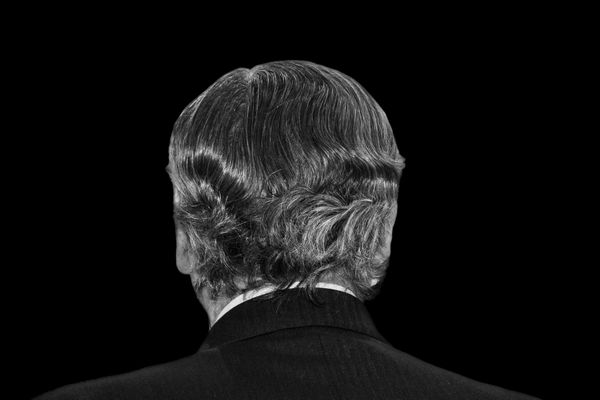
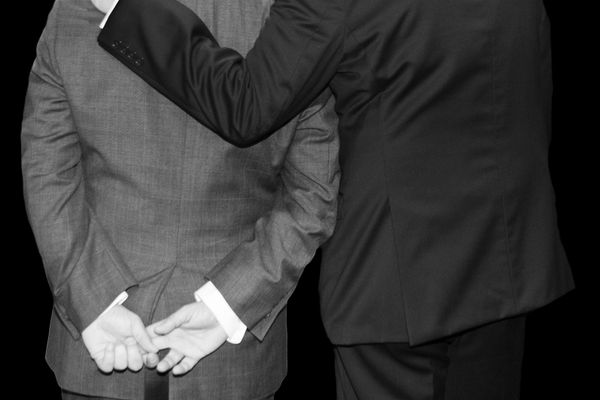
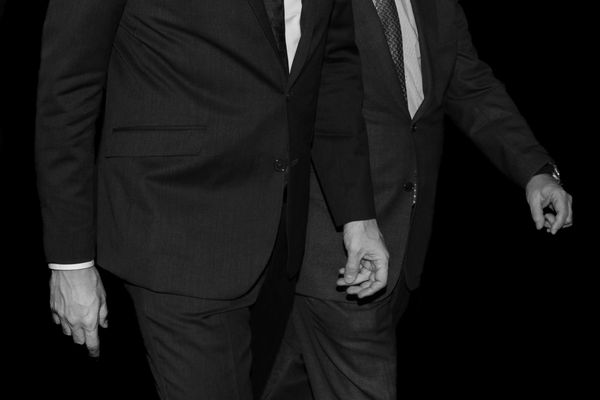
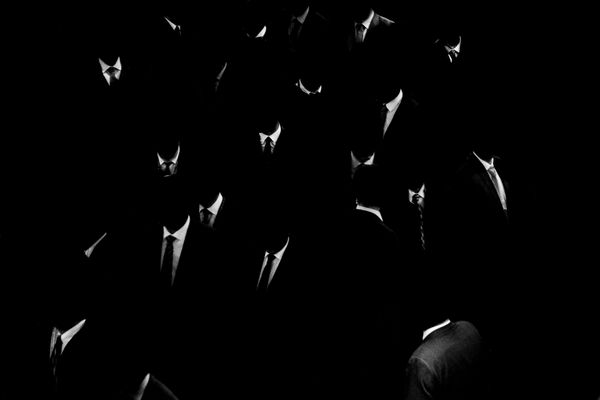
The Man in the Grey Suit: An Anthropological Study of a Species. The man in the grey suit does not belong to a specific era or political system. He reproduces in cycles, adapts to economic and technological transformations, and maintains his behavioral codes intact. He is an anonymous figure, indispensable for the continuity of power. He can be found at all levels of the organization, sharing the same rituals and acting as both observer and observed. Cameras and surveillance are part of his nature, controlling and at the same time being controlled. The research is developed through four categories derived from observation, which allow the analysis of his social and affective practices as mechanisms that maintain and perpetuate the system to which this anonymous army belongs.
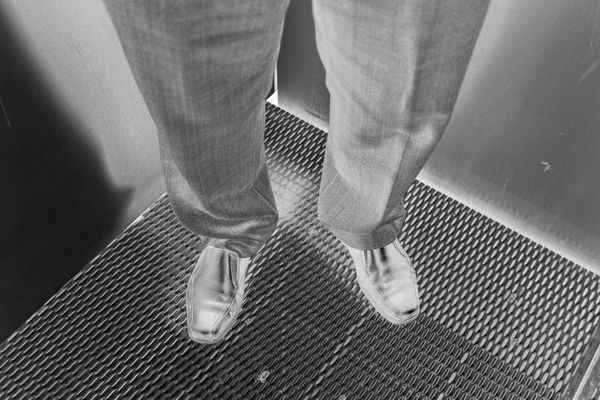
THE HOME: The home of the man in the grey suit is not an intimate space but the place where he works for most of his life. Offices, skyscrapers, and corporate environments replace traditional housing. There he finds belonging, identity, and purpose. It is a monitored, regulated, and normalized space, assumed as both refuge and destiny.
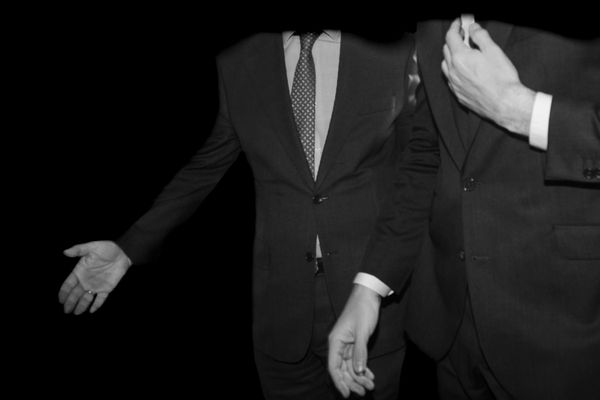
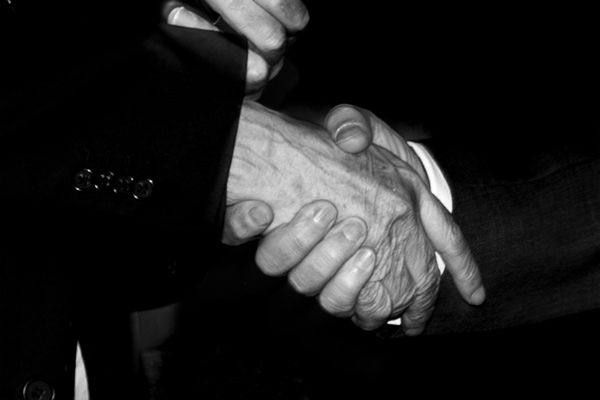
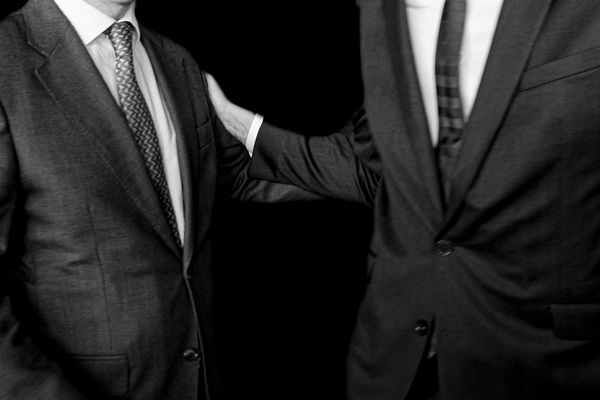
THE DANCE: Outside the home, the man in the grey suit relates to other members of his species. These encounters function as a social ritual where power, recognition, and hierarchy are activated. Like a precise choreography, gestures and distances are carefully coded. Each movement reinforces and acknowledges the hierarchy of command.
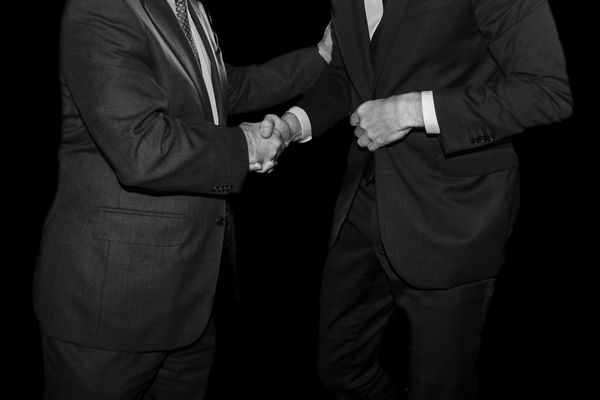
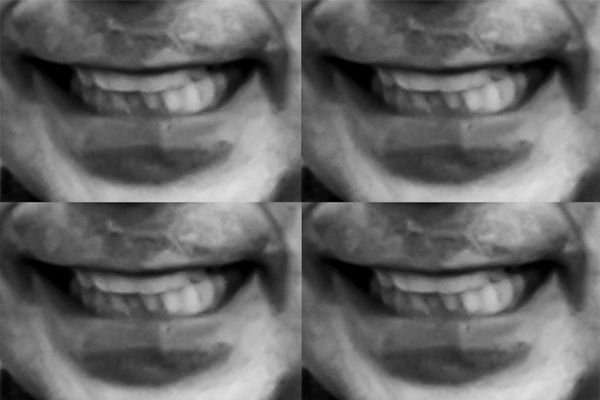
THE FRIENDSHIP: Friendship appears as a functional construct. These are bonds marked by convenience, sustained by rehearsed smiles, forced gestures, and strategic cordiality. In this ecosystem, loyalty is fragile and reversible; the other is always a potential ally, but also a competitor.
THE LOVE: Love is not directed toward another individual but toward an abstract entity: the leader, the company, or the brand. It is unconditional love, fueled by the promise of belonging and promotion. This affection replaces other forms of bonds and acts as a mechanism of cohesion and obedience.
Through this analysis, I aim to reveal the forms of relationship of the man in the grey suit that usually remain invisible: his codes, rituals, and hierarchies. This research is based on personal experience accumulated over more than thirty-five years in corporate environments inhabited by men in grey suits. Not being considered a threat to access positions of power because I am a woman, I was able to observe more clearly how, beyond individual people, the same behaviors, gestures, and relationships are repeated, responding to an inherited pattern. The man in the grey suit does not act individually but as part of a species that learns, adapts, and perpetuates itself within a machinery that never stops.