Memory/oversaturated
-
Dates2024 - Ongoing
-
Author
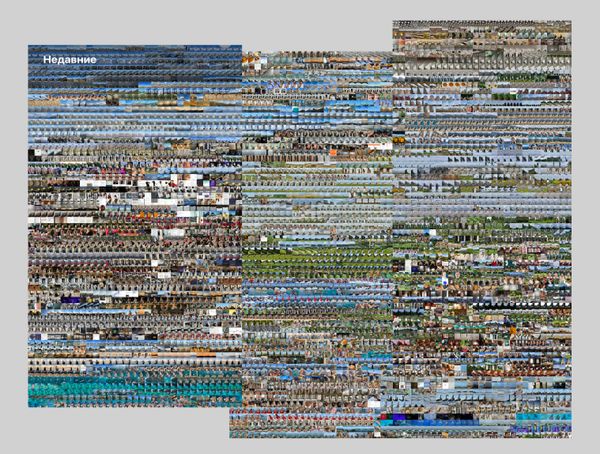
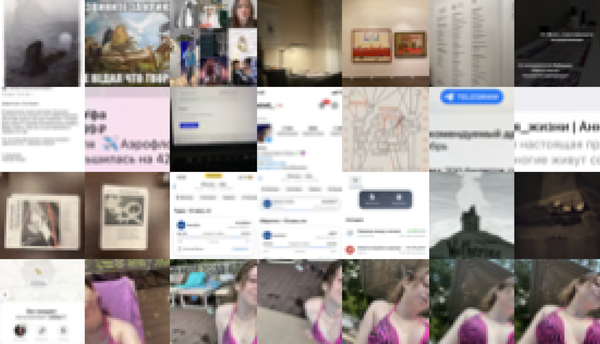
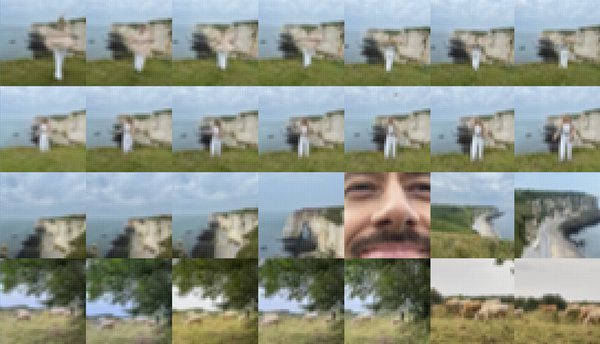
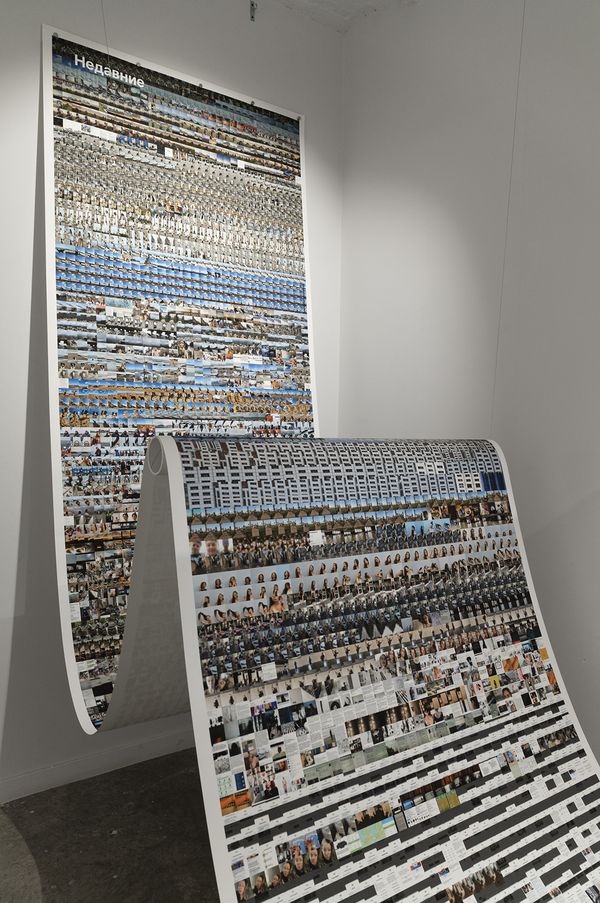
Memory/oversaturated is based on the study of screenshots of smartphone feeds provided by more than 40 people. Diving closer into the uncombed digital archive of everyday life allows us to witness the contemporary landscape of collective memory.
Memory/oversaturated is based on the study of screenshots of smartphone feeds provided by more than 40 people. The artist invites us to witness the contemporary landscape of collective memory by diving closer into the uncombed digital archive that each of us replenish every day.
In the current digital era smartphones have become an extension of a human hand, creating a situation of expanding mind and memory into digital spaces. The practice of documentation has a power of justification: if you took a photo, you considered the moment to be worth keeping in memory. The huge scale of capturing everyday life, possible with the help of mobile photography, is beginning to radically change the situation. The practice dictates the visuality and the way our era will be imprinted, transforms our habits and reconstructs people’s existing memories.
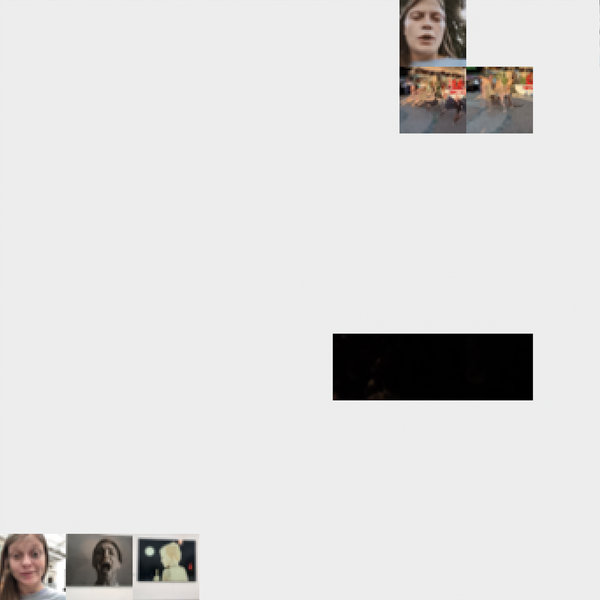
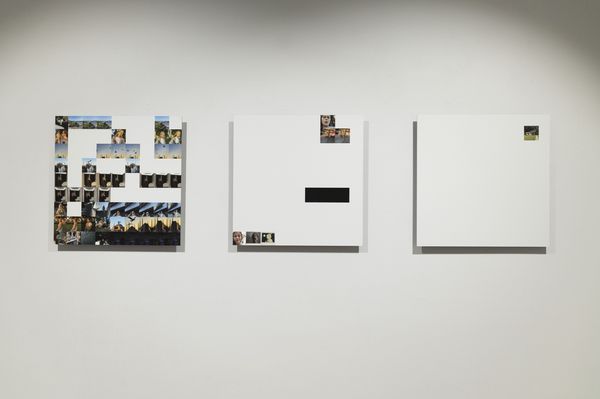
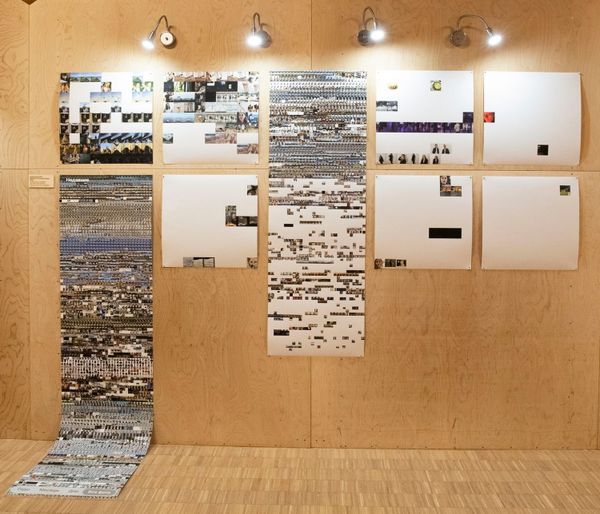
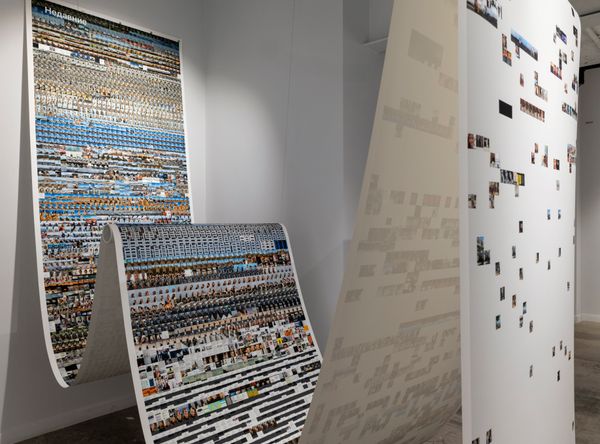
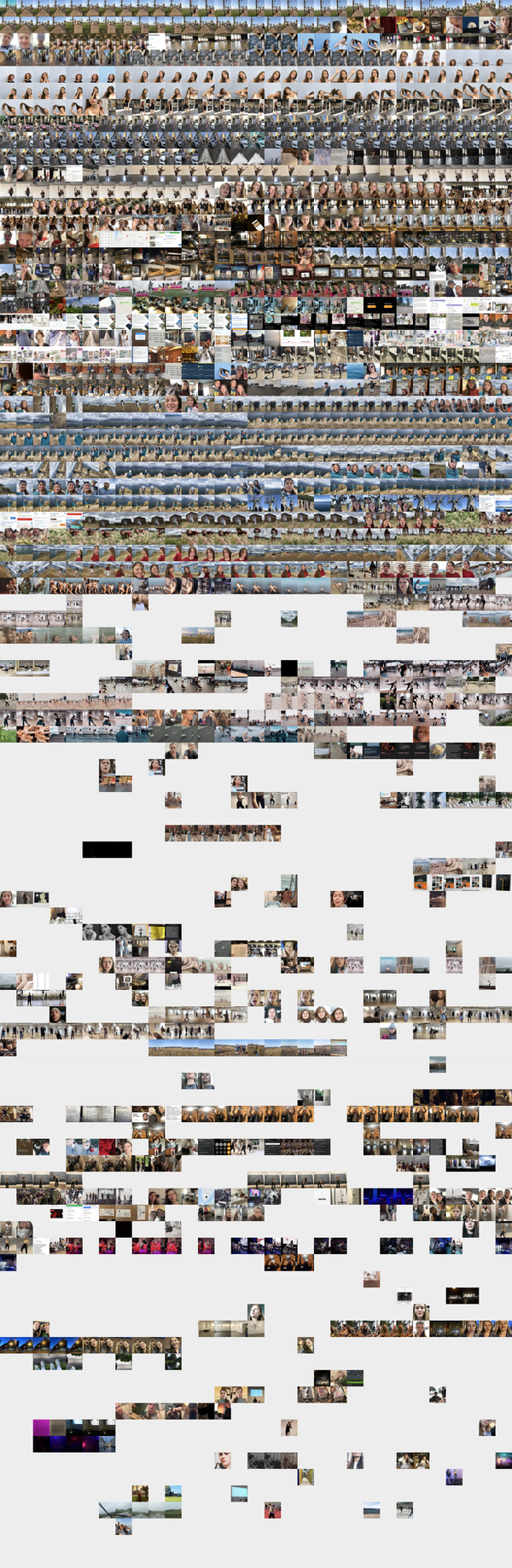
The Fragile series contains screenshots where some of the data was lost. Fragments of arrays are dissected simultaneously by accidental technological failure and cropping of the artist. Echoing the constructive and fragmentary nature of memory, the slices expose its instability and fragility, as well as raise the concern for digital personal space: the possibility of digital memory to be damaged, viewed and stolen by other people.
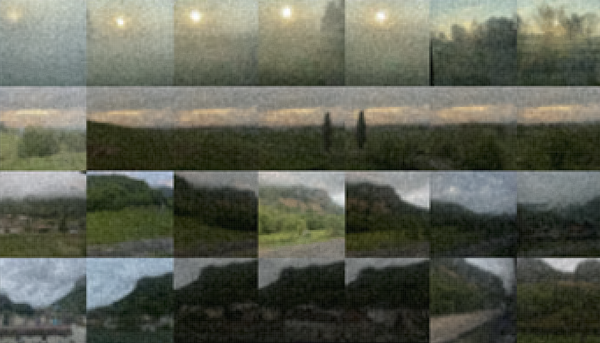
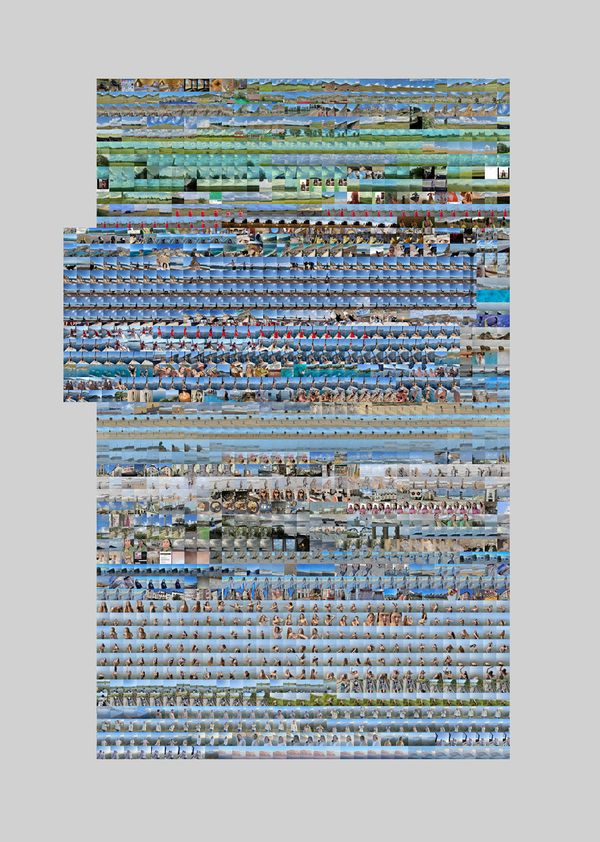
In the process of research some patterns of the public’s choice have been revealed: almost every screenshot has provided images, documenting the environment. In the series Landscape arrays of pictures represent a monumental collective “photogenic” landscape, a utopian virtual common place that has never existed. The screenshots are separated from the usual environment and are presented as a physical object. It creates for the viewers a peering situation, allows to switch the mode of perception and reveal the code of modernity.
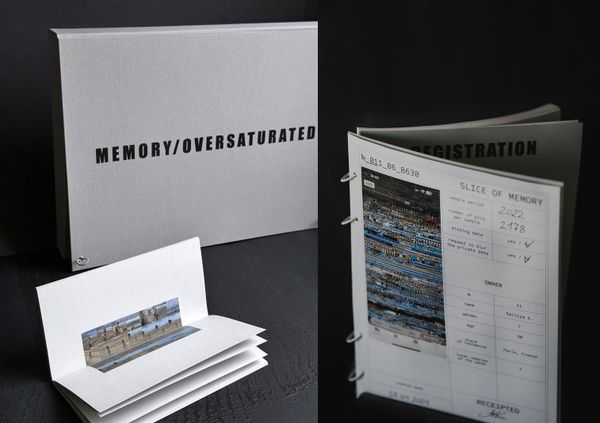
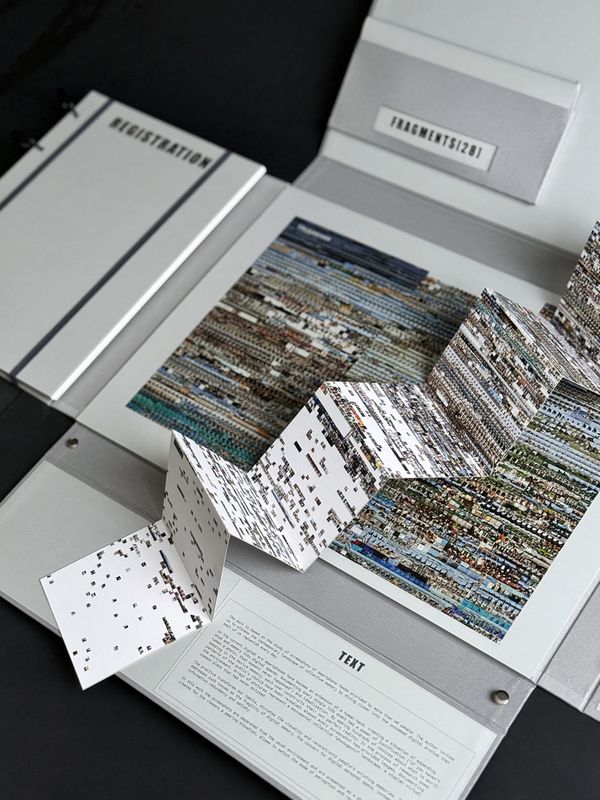
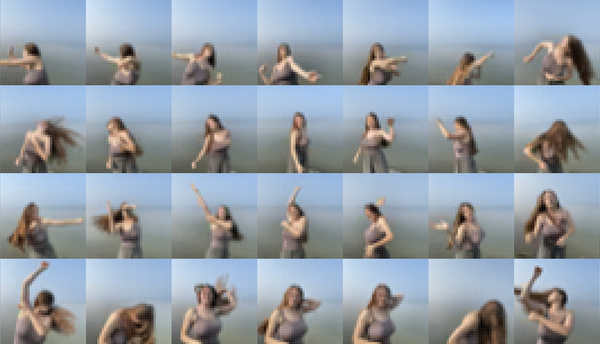
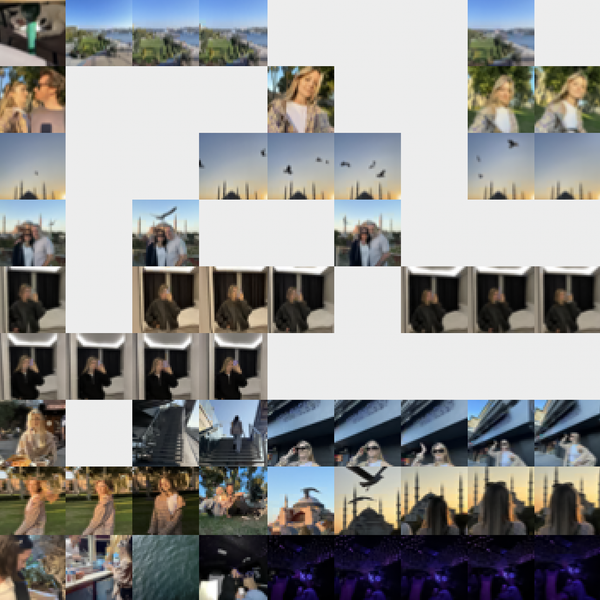
The work exposed also in the form an artistbook Memory/oversaturated – an archive folder with several dummy books, a printed art-work and a magnifier. In the Registration dummy book, each received “slice of memory” is registered (including the data about the owner that helps to decode the patterns; or such parameters as missing data/request to blur the private data that leave more space for interpretation). Concertino book Fragility addresses the fragility of digital memory, the possibility to lose it. A magnifier poses an ethical question to the audience by revealing the possibility for digital memory of being stolen and viewed by other people. The Fragments[28] dummy book includes close-ups from slices of memory (28 images each) and refers to the unity and diversity of the collective "photogenic" images.