Matriz
-
Dates2025 - Ongoing
-
Author
- Location Portugal
Matriz presents an exploration of the biological and symbolic complexity of womanhood. By drawing parallels between the cycles of nature and the transformations of female life, the work uses the body’s matrix as a framework for reflecting on menopause.
Matriz was born from a desire to look more closely at a stage of women’s lives that is often spoken about in medical terms, but rarely through the language of intimacy, vulnerability, and personal experience.
Menopause is a profound transition. It changes the body, the way we perceive ourselves, and sometimes the way we relate to the world around us. Yet it is still surrounded by silence, discomfort, and a sense of invisibility. Through Matriz, I wanted to create a space where these changes could be seen, felt, and acknowledged.
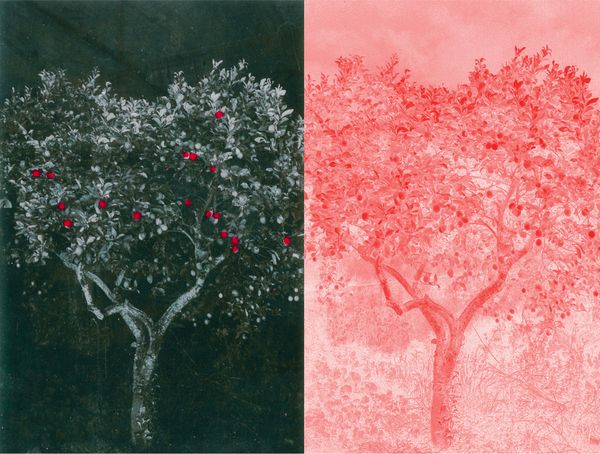
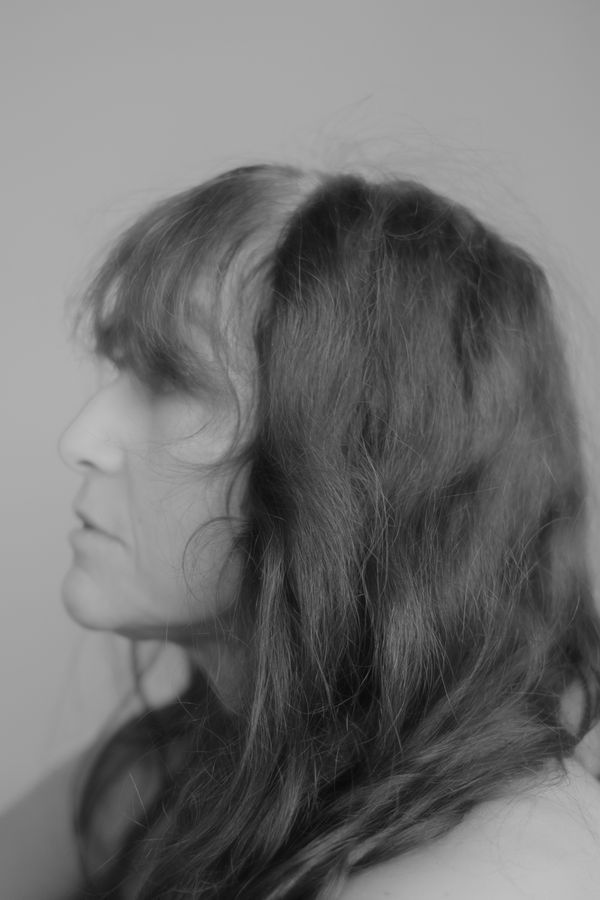
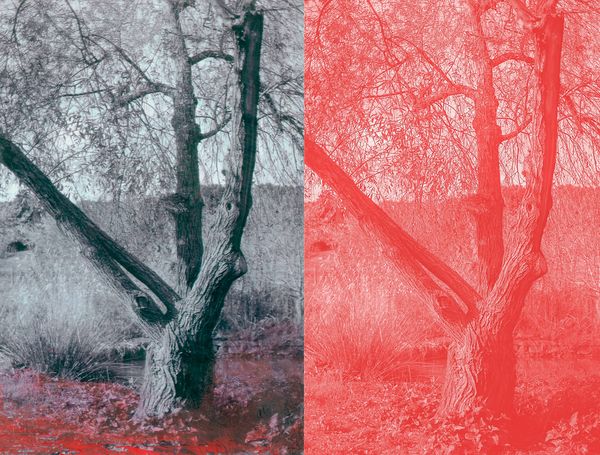
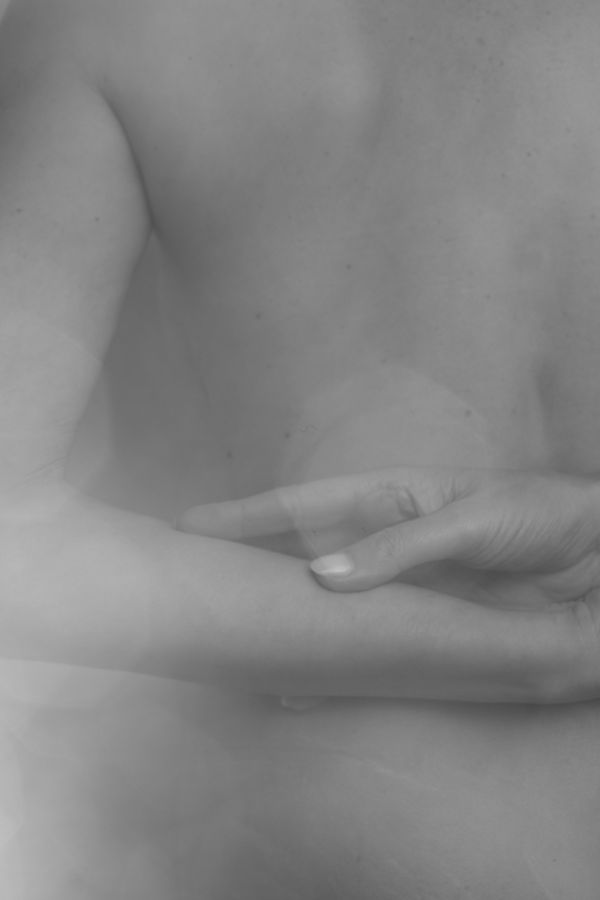
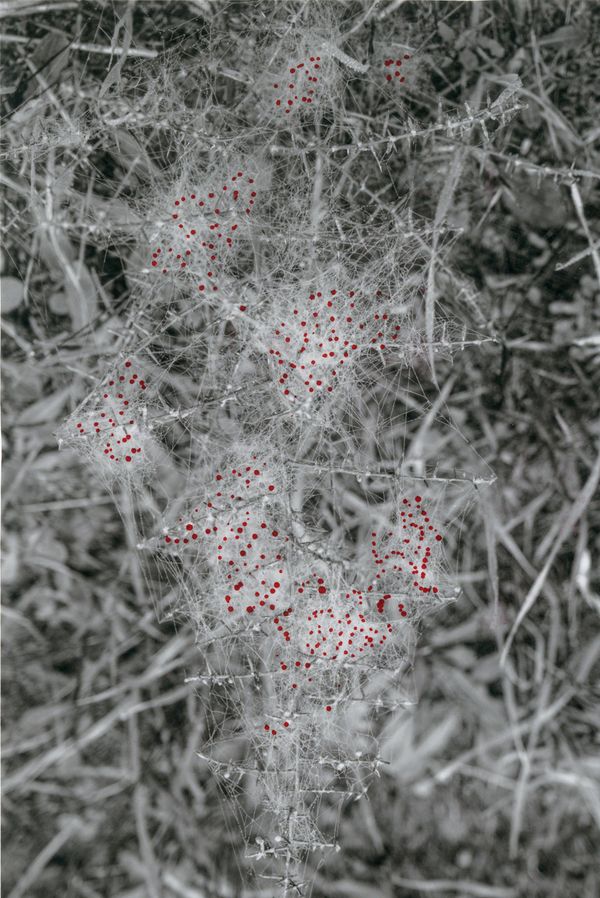
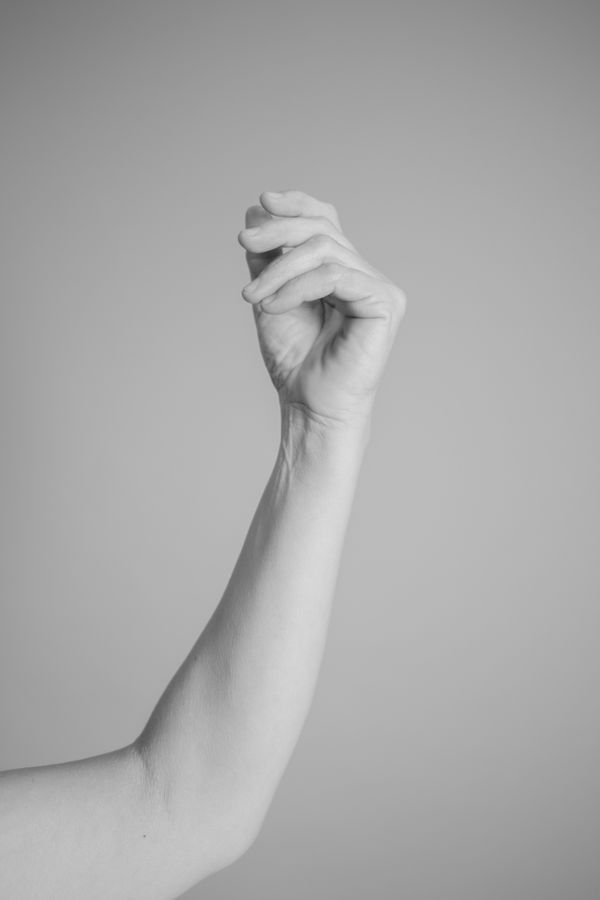
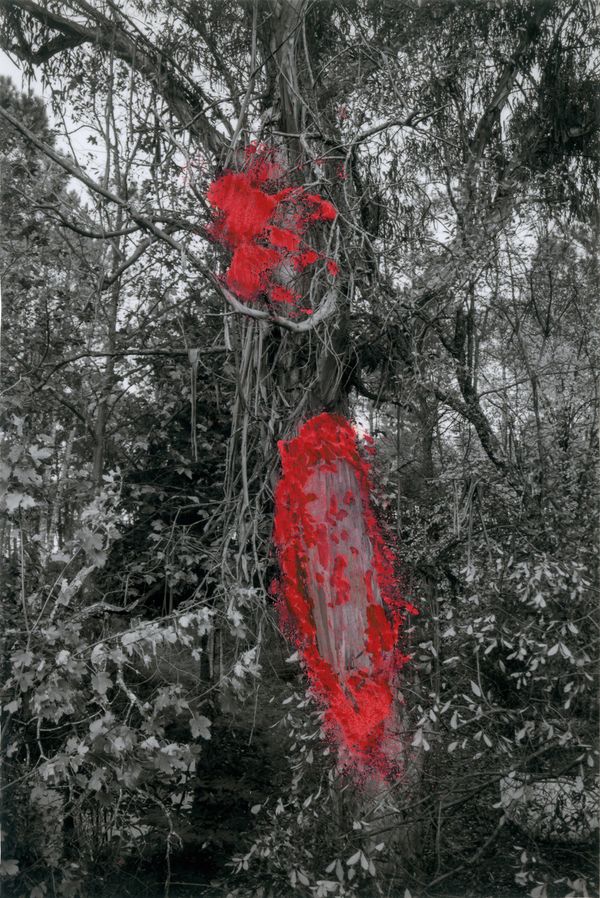
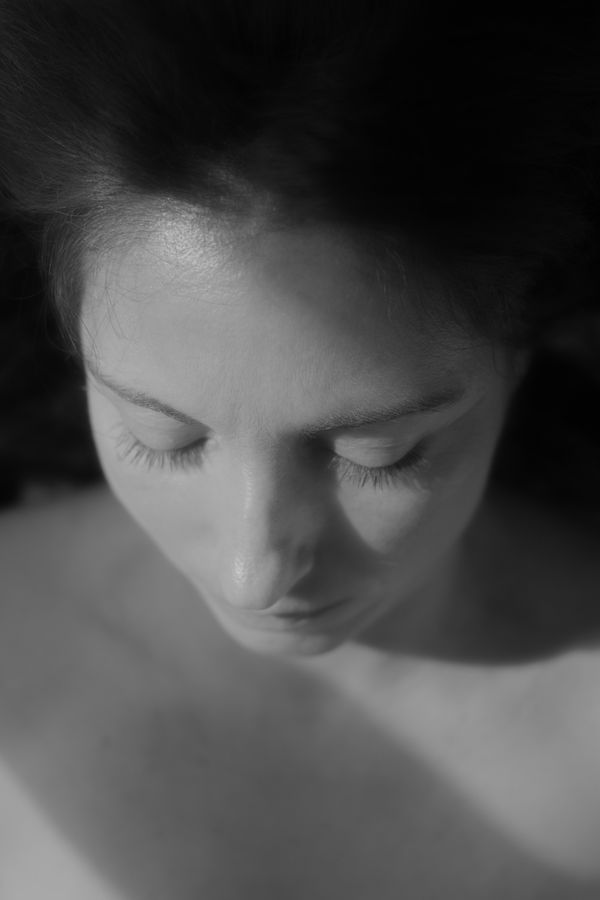
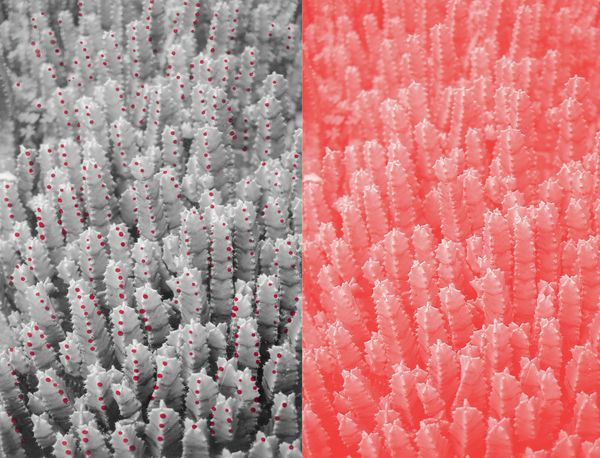
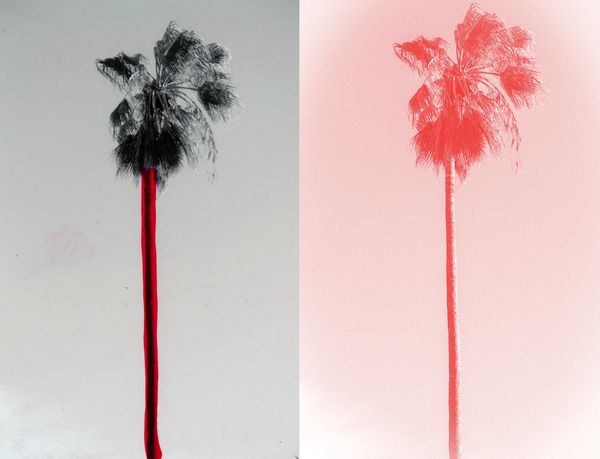
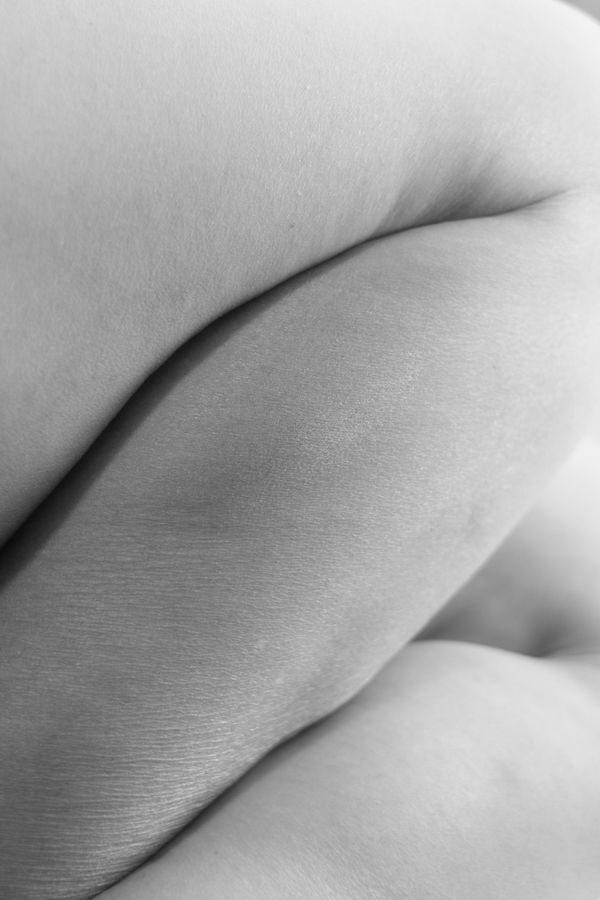
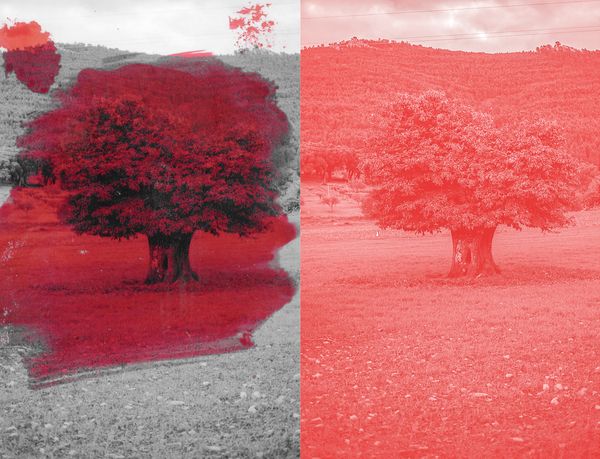
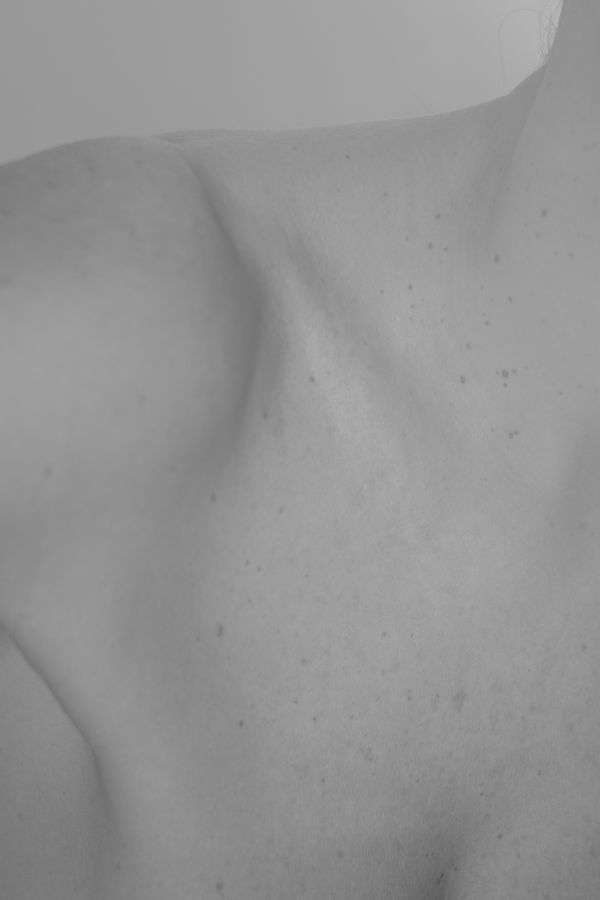
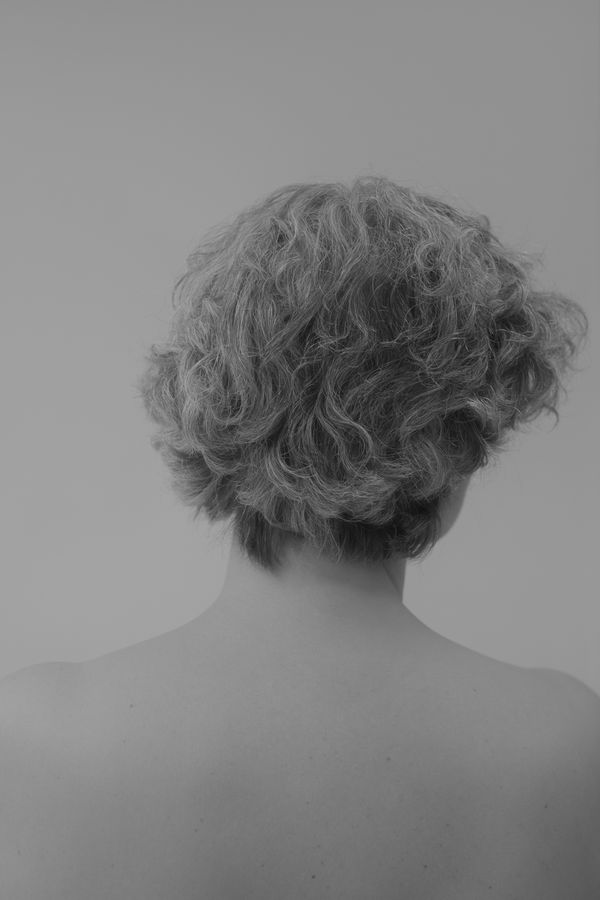
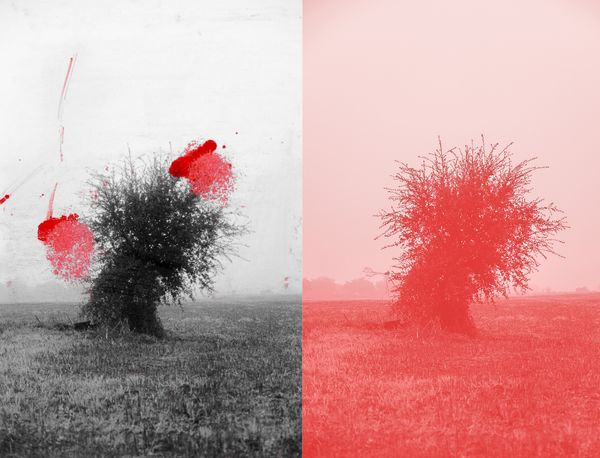
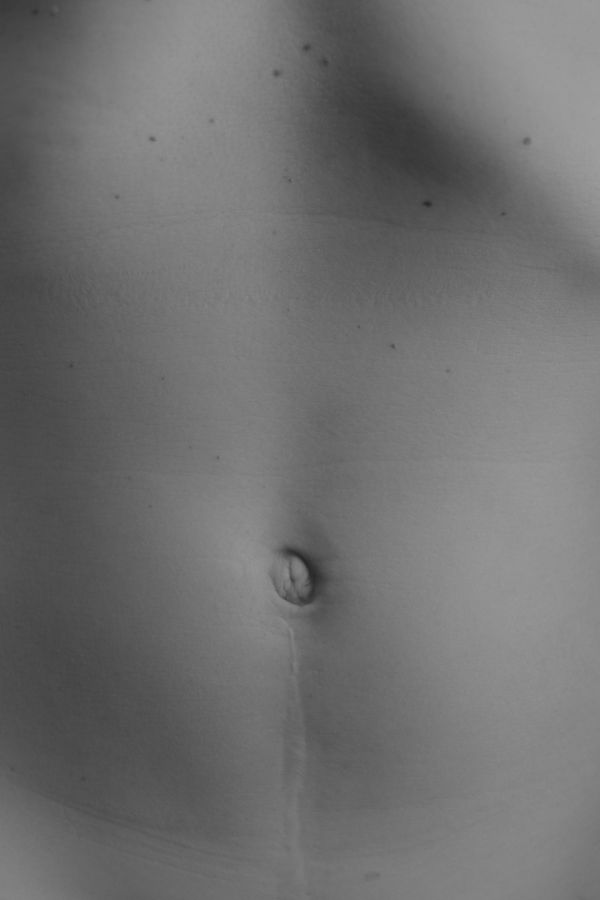
The photographs are presented as diptychs, creating a visual dialogue between the before and the after — between the reproductive stage of a woman’s life and the moment that follows it. Rather than representing menopause as a definitive ending, these pairings explore the tension between continuity and transformation: what changes, what remains, and how identity is reshaped when fertility is no longer at the centre of the female body.
I approach the body as both a personal and symbolic landscape. The intimate portraits are placed in dialogue with images of nature, drawing a parallel between the cycles of the natural world and the transformations that take place within the female body. The red interventions that move between body and landscape represent what emerges during this transition: energy, rupture, tension, but also continuity. Red becomes a trace of something that is changing rather than disappearing.
This project comes from my own curiosity about what happens to women when a biological cycle that has defined their bodies for much of their lives comes to an end. I am interested in the emotional and physical complexity of that passage, but also in the space it opens up. What does it mean to inhabit a body after its reproductive phase? What remains when one of the most culturally defining aspects of womanhood is no longer possible?
With Matriz, I want to challenge the idea of menopause as an invisible ending. Instead, I see it as a threshold — a territory of profound change where vulnerability can coexist with strength, and where the body continues to carry memory, desire, identity, and meaning.
Ultimately, Matriz is an attempt to make visible something that is often experienced in silence: the passage from one stage of womanhood to another, and the possibility of finding presence, identity, and vitality beyond the reproductive body.