Maktub

This dummy explores identity through a Dutch-Moroccan lens, inviting readers to question fixed definitions. With vivid collages and a reversible format, it encourages a personal, non-linear journey through the fluid nature of identity.

In this publication, Touzani explores the concept of identity through the lens of her own unique experience of being Dutch and Moroccan. Having lived outside of the traditional confines of identity, she questions its validity and invites the reader to do the same. Through the use of vivid imagery and collages, the book allows the reader to create their own journey, experimenting with different combinations of images and breaking free from a linear narrative.

The innovative approach of a book that can be read both ways, highlights the multiplicity of identity, emphasising that it is not fixed but rather a fluid and ever-changing concept.

Project Description
fill in the gaps where words fall short

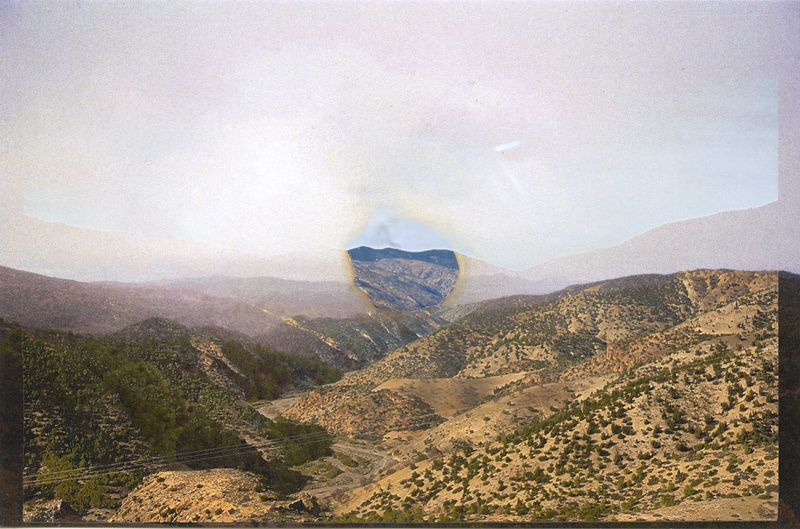
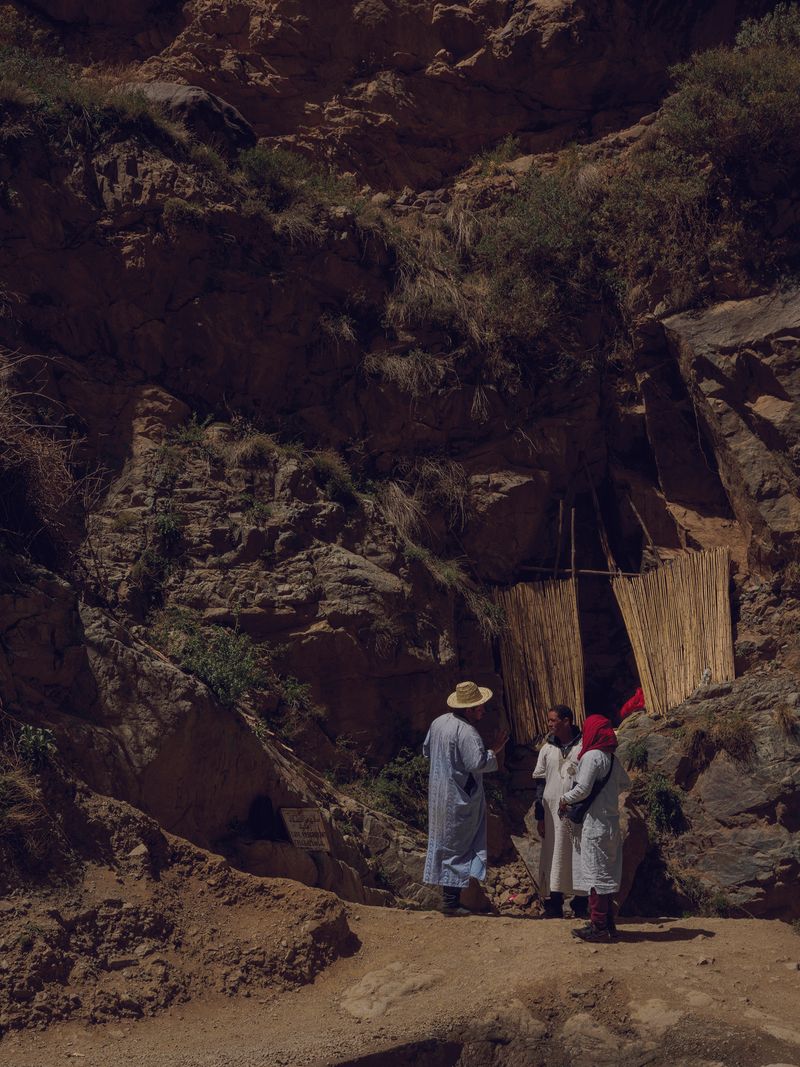
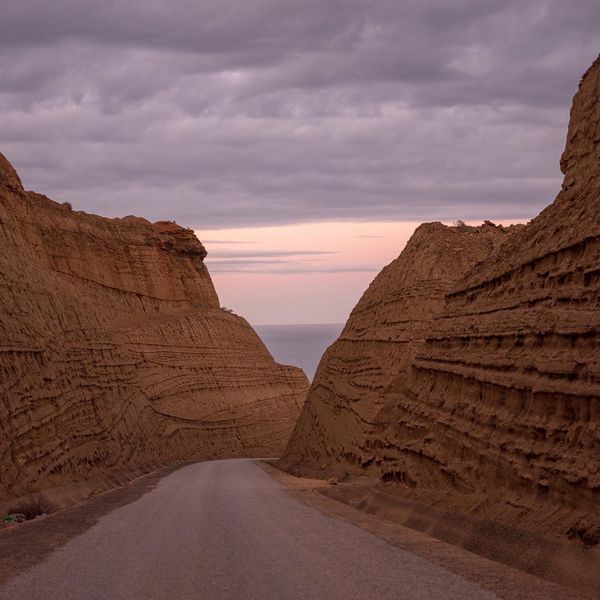
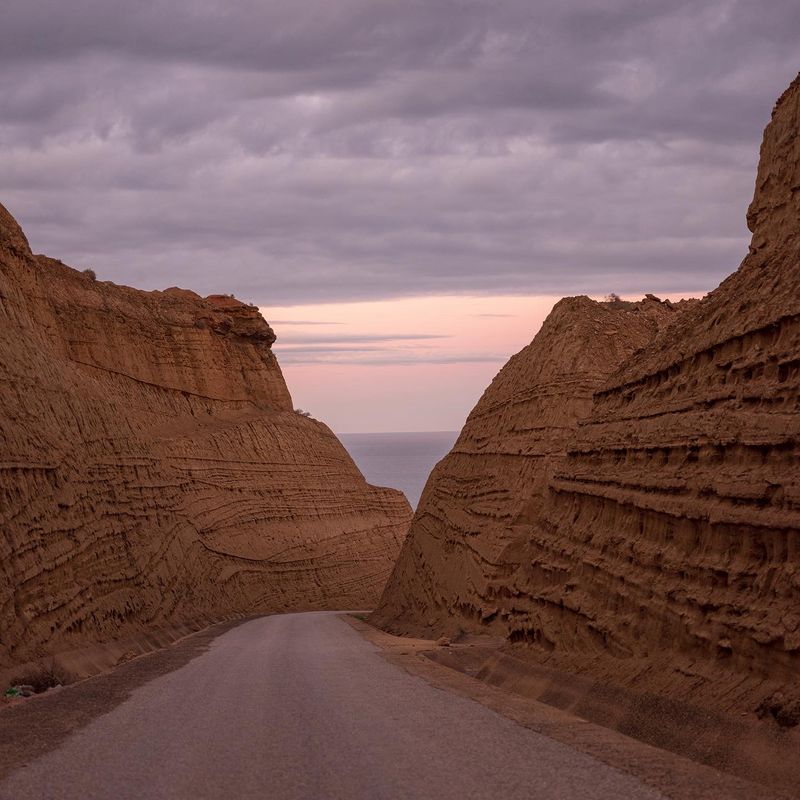
‘’It is odd, but only deep in the mountains, on the crest of a hill where my grandmother's hometown is located. Whereas for women like me, their lives end at the front porch door. Every time I go there, the guilt returns. But I am not them and not from there; I can almost reach for the clouds. Because I am so small in this place. If only I had been born there, everything would have been easier..‘’


The starting point of this project stems from the frustration of the feelings of (dis)placement. There is an Arabic word الغربة (pronounced Al-Ghorba) that can be translated as being 'away from home.' Moroccan immigrants often use it to express their feeling of estrangement mixed with nostalgia. I grew up listening to stories of departures and people leaving home searching for a better future. Moroccans in Europe bear a double burden. They have suffered racism, bigotry, and Islamophobia since childhood. And still: we try to juggle between finding a place of belonging in our birth countries without discarding our heritage.

Embracing your culture and heritage can be conflicting when it's fraught with tensions between loving the country you are born and raised in. Since its invention, photography has been conceived as an extension of human perception, a tool to sample evidence to search for traces. The camera breaks down and stops time for a particular moment. By pointing the camera towards 'home' as a third-generation migrant it searches thechallenges of displacements. By immersing myself in this atmosphere, I use the significance of my familial roots and how they connect with the Dutch society. 

It challenges the notion of being regarded only as a migrant through the prism of the dominant culture. By questioning myself and my experiences on my own terms, I hope to move away from simplistic narratives and instead depict the complexities and nuances of migrant identities. Through symbols, text, and image collages, a poetic approach emerges to entangle these issues. My aim with the project is not to tell that this is the diasporic identity or to provide a linear story. But to take the viewer on a journey without clear answers but instead ambiguous questions.
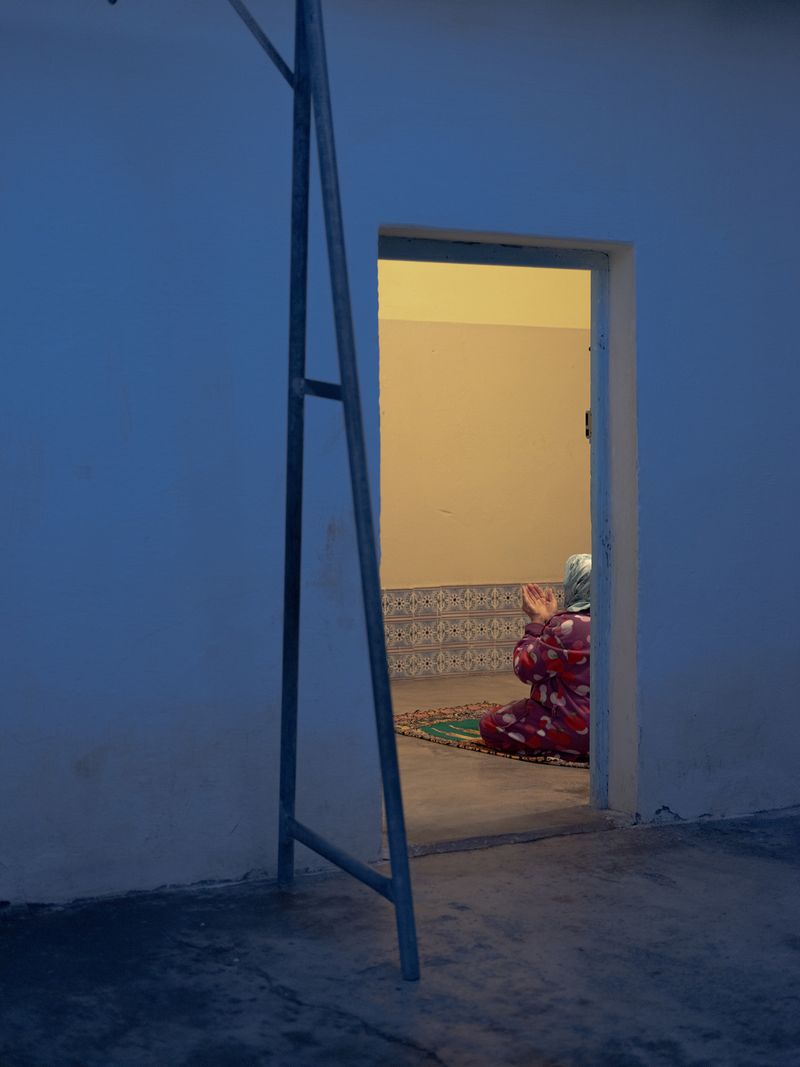
© MAryam Touzani - Image from the Maktub photography project
i

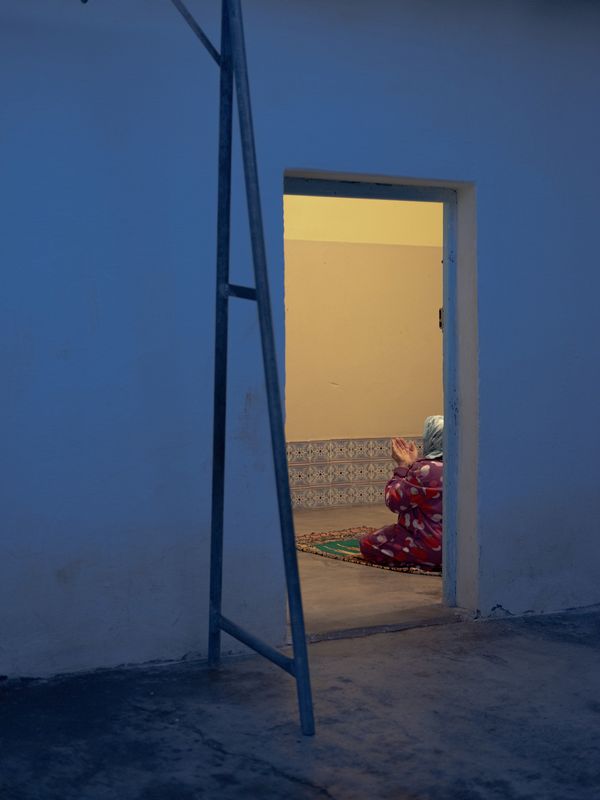
Oma Praying Submitting to God. Muslims pray five times a day as a fundamental religious practice prescribed in Islam. These daily prayers, known as Salat, are a direct means of connecting with God.

© MAryam Touzani - Light, cultural traditions
i

Light, cultural traditions

© MAryam Touzani - Image from the Maktub photography project
i

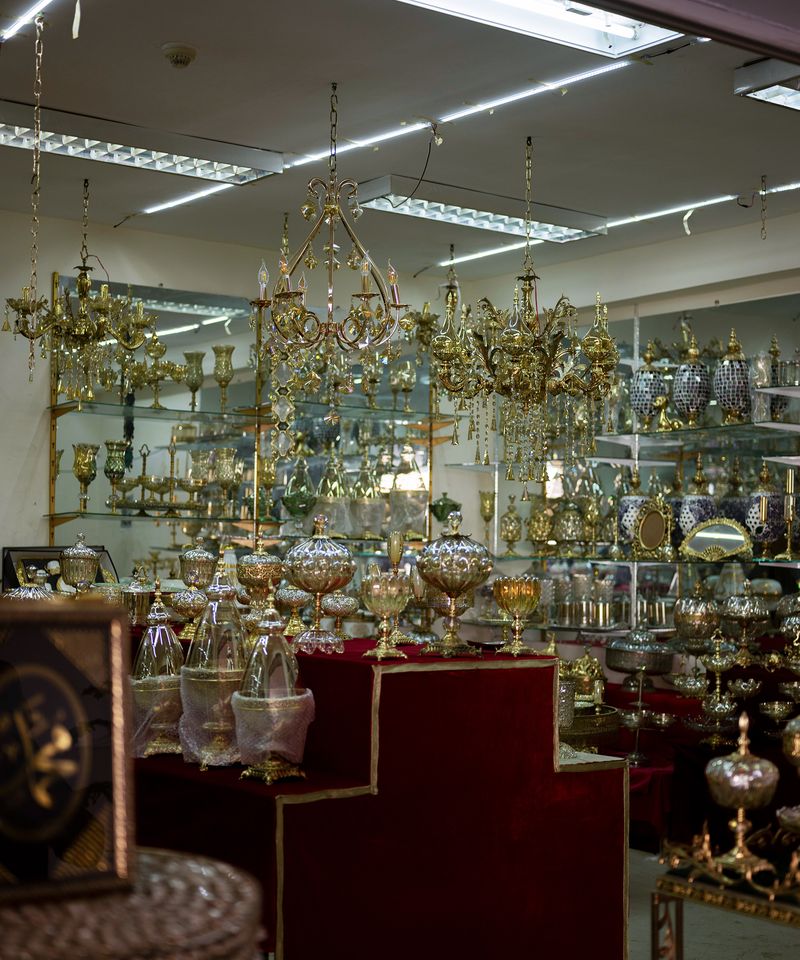
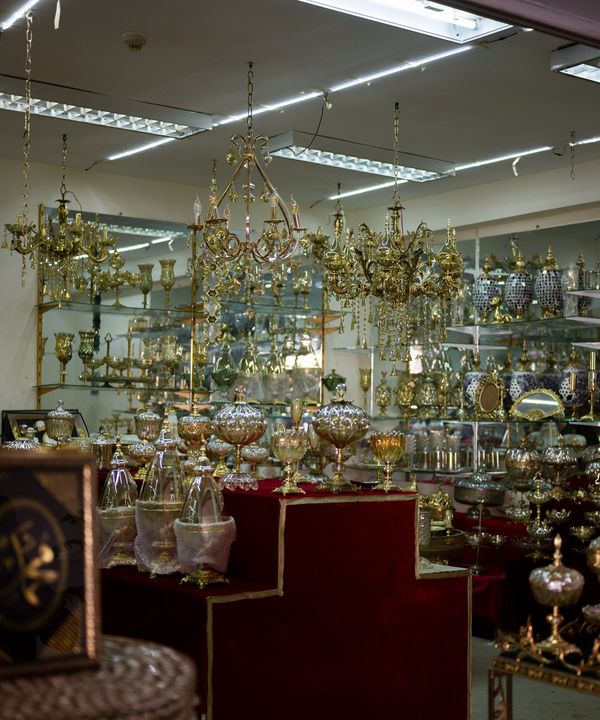
Sadaqa is charity given voluntarily in order to please God. Sadaqa also describes a voluntary charitable act towards others, whether through generosity, love, compassion or faith.

© MAryam Touzani - Where do we depart, Bni Boyouch, Morocco
i

Where do we depart, Bni Boyouch, Morocco

© MAryam Touzani - Peace be upon you Esselam mosque Rotterdam
i

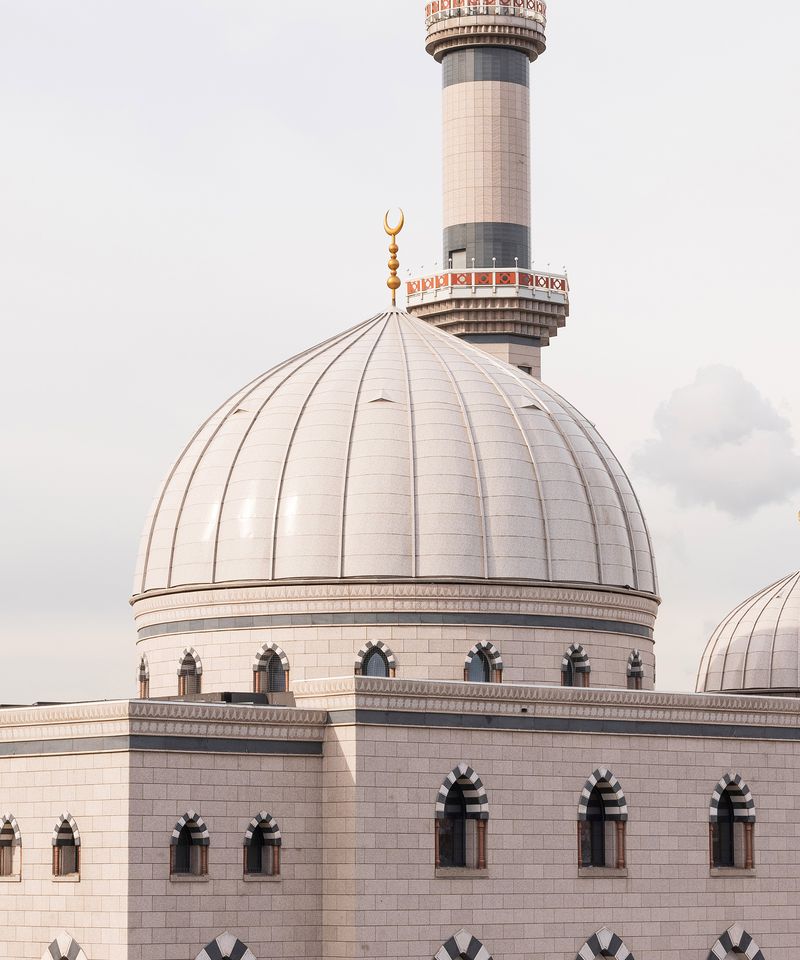
Peace be upon you Esselam mosque Rotterdam

© MAryam Touzani - Image from the Maktub photography project
i

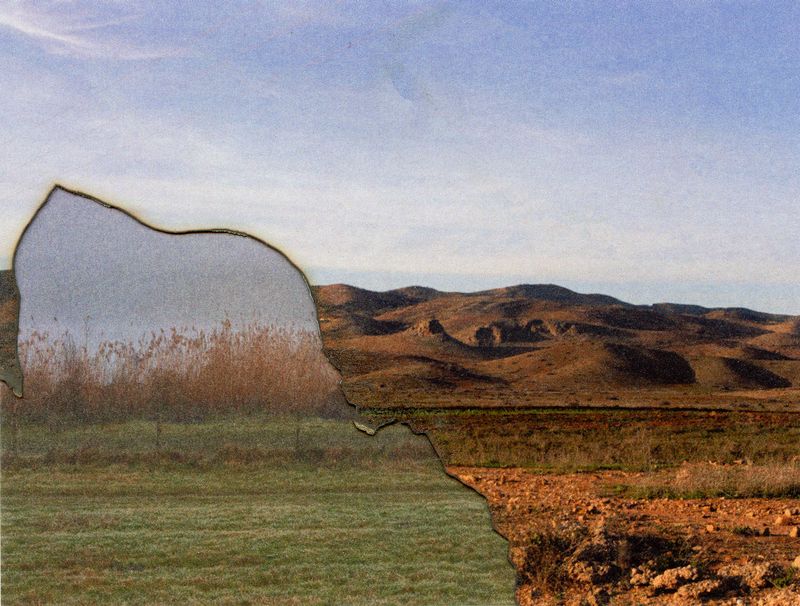
art of the project: collages created based on the research of cliche imagery of Dutch and Moroccan landscapes: this work falls into a longer canon of work that resists the colonial gaze of being looked at as a migrant from the perspective of the dominant culture. In this project I interrogate myself and my experiences by my own terms, resisting simplistic narratives and portraying the complexities

© MAryam Touzani - The infrastructure in North Morocco is build by Moroccan Europeans.
i

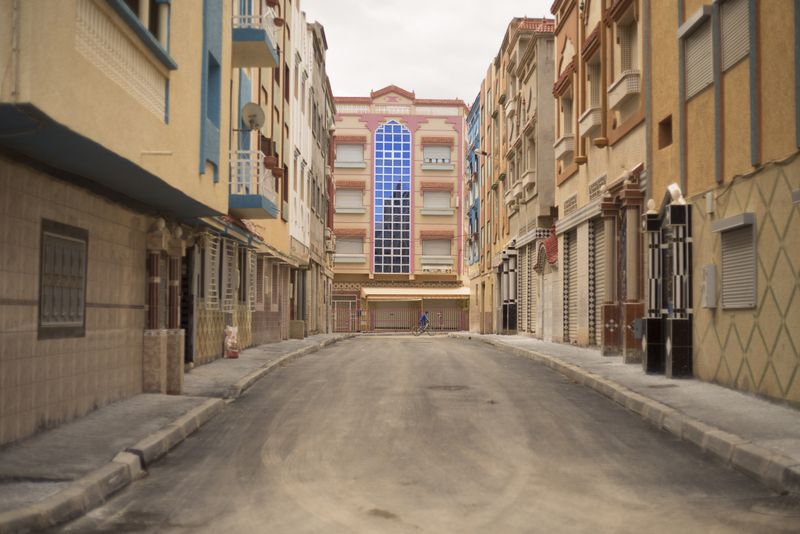
The infrastructure in North Morocco is build by Moroccan Europeans.

© MAryam Touzani - Bilal
i

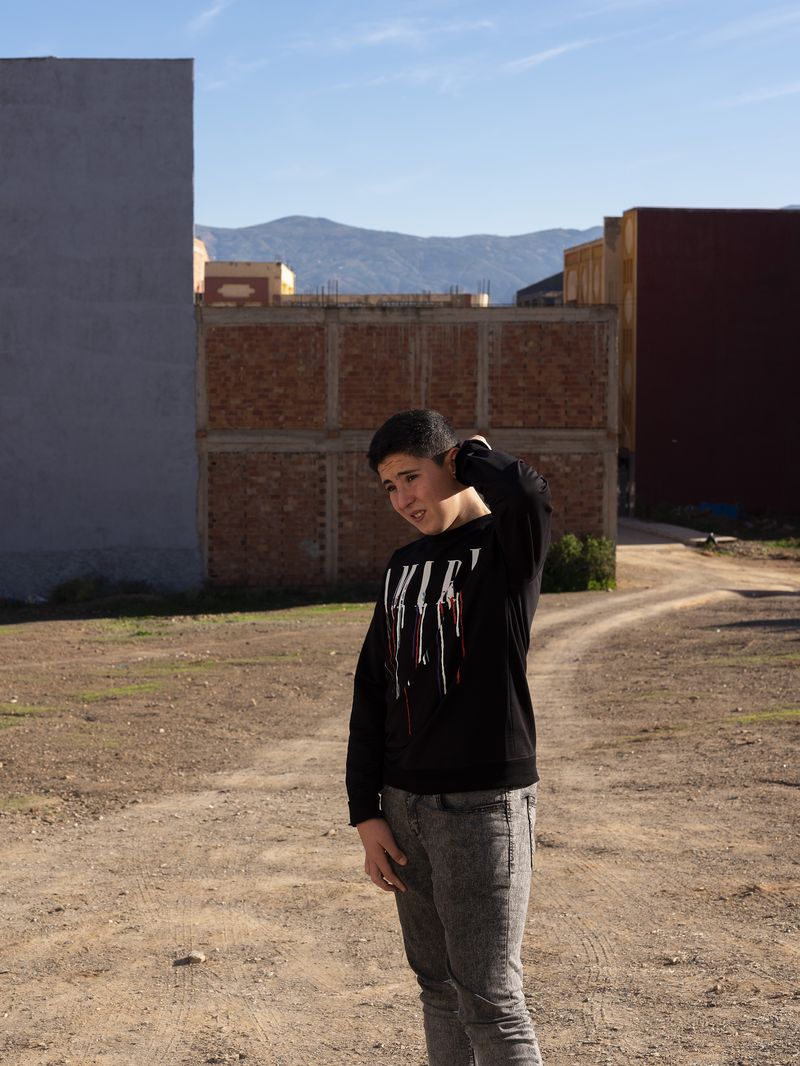
Bilal

© MAryam Touzani - the clash of geographies home and homeland blending into one another. migration is not only one direction
i

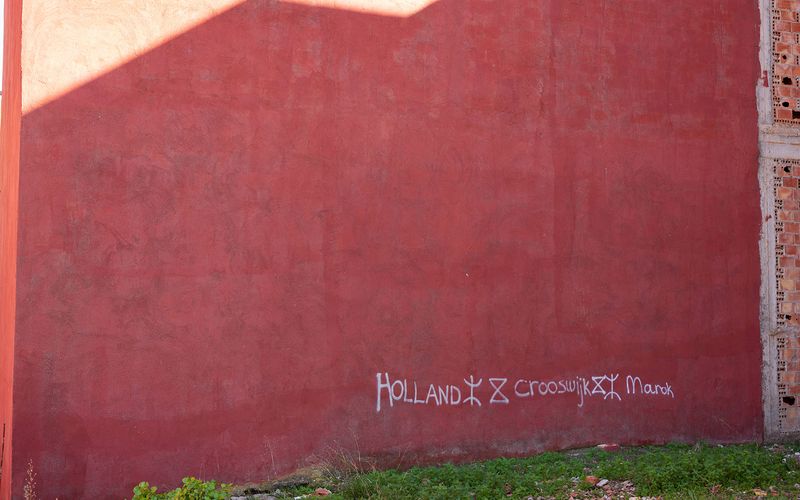
the clash of geographies home and homeland blending into one another. migration is not only one direction

© MAryam Touzani - Deep in the mountains: A narrow doorway in the rock
i

Deep in the mountains: A narrow doorway in the rock

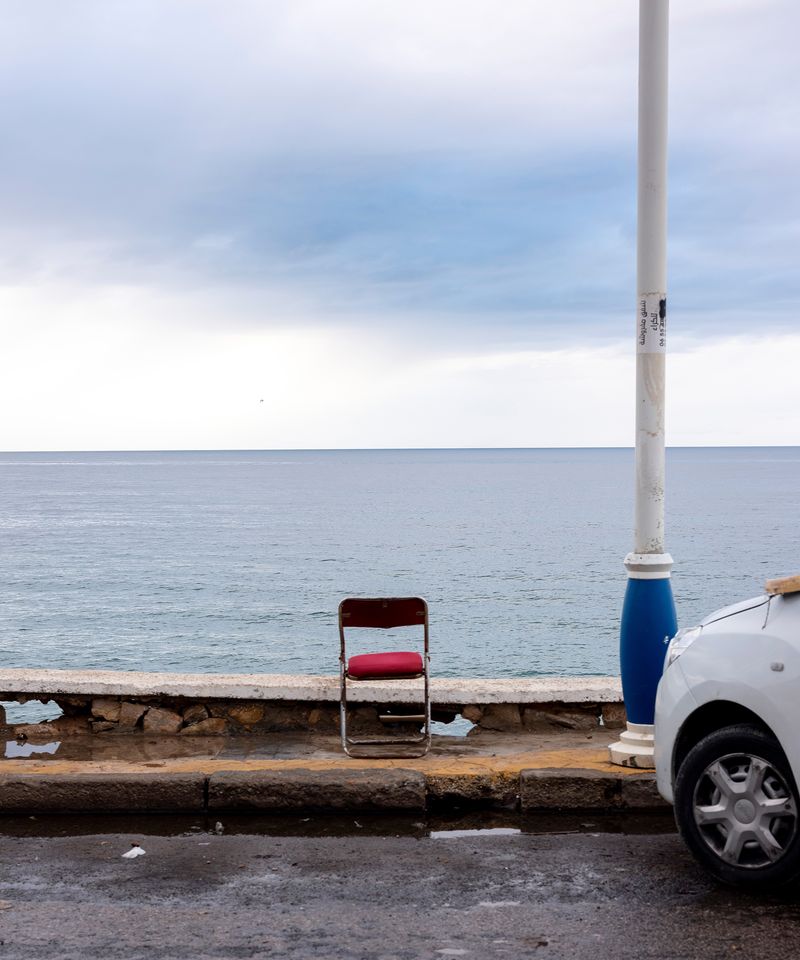
© MAryam Touzani - The horizon could be anywhere. But the chipped curb, the painted pole, the red plastic seat they tell me exactly where I am.
i

The horizon could be anywhere. But the chipped curb, the painted pole, the red plastic seat they tell me exactly where I am.

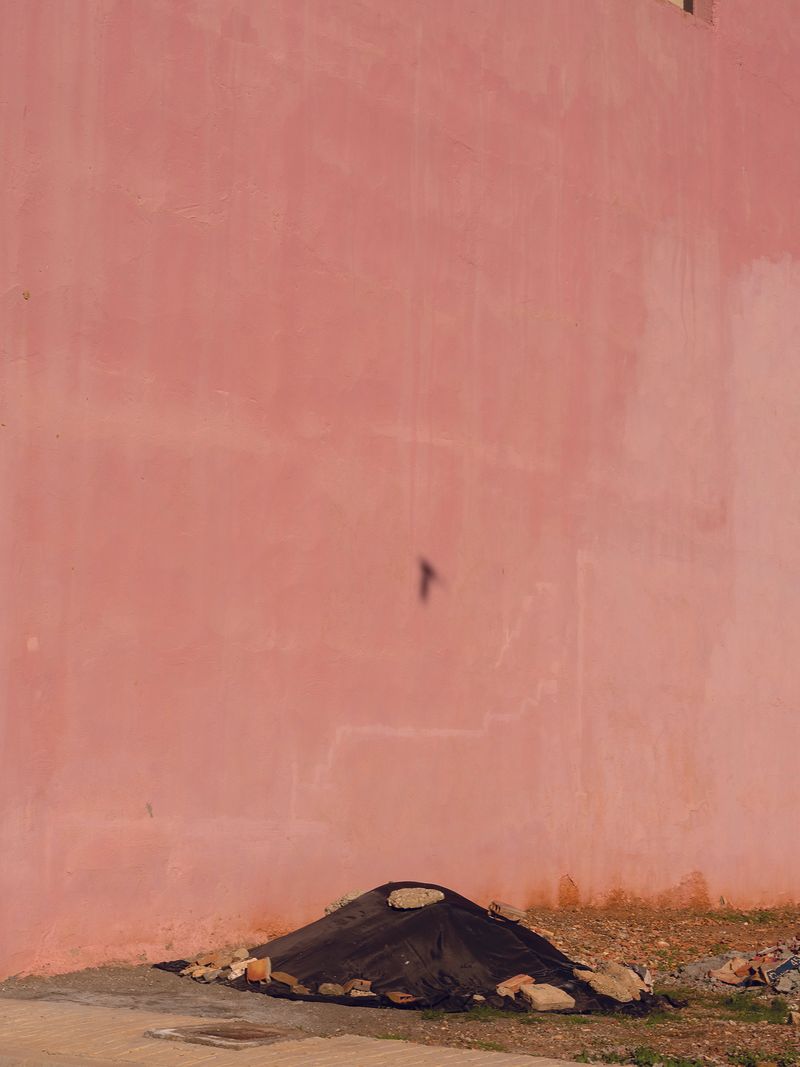
© MAryam Touzani - The colours here linger, dust pink, sun-soaked earth. In the Netherlands, everything feels grey
i

The colours here linger, dust pink, sun-soaked earth. In the Netherlands, everything feels grey

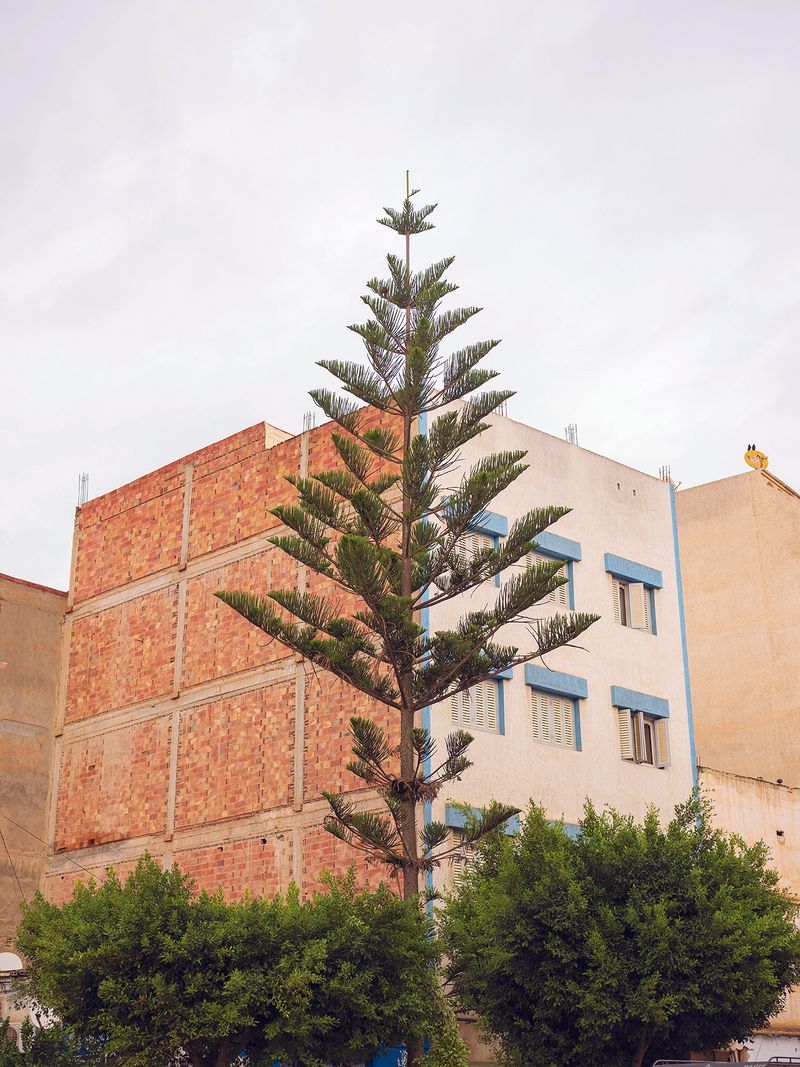
© MAryam Touzani - A tree grows between unfinished walls. Nothing is complete in Morocco
i

A tree grows between unfinished walls. Nothing is complete in Morocco

© MAryam Touzani - Image from the Maktub photography project
i

art of the project: collages created based on the research of cliche imagery of Dutch and Moroccan landscapes: this work falls into a longer canon of work that resists the colonial gaze of being looked at as a migrant from the perspective of the dominant culture. In this project I interrogate myself and my experiences by my own terms, resisting simplistic narratives and portraying the complexities

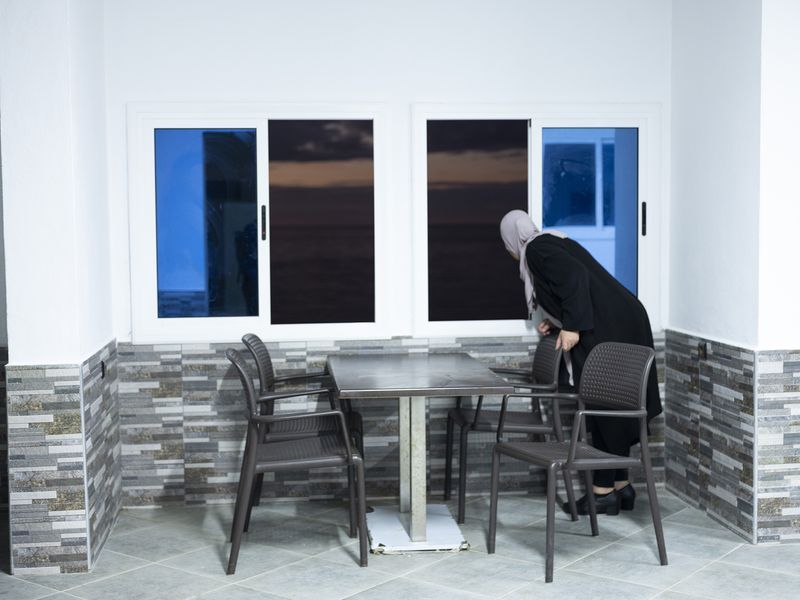
© MAryam Touzani - My mother looks at the Mediterranean Sea; she does not allow me to photograph her.
i

My mother looks at the Mediterranean Sea; she does not allow me to photograph her.

© MAryam Touzani - Image from the Maktub photography project
i

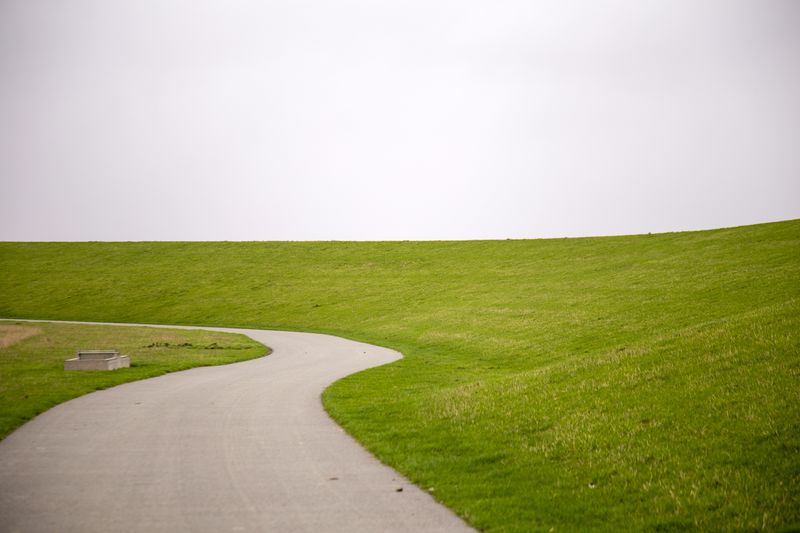
The Dutch landscape is changing dramatically. Nearly every corner bears signs of human design. One-third of the Netherlands lies below sea level. While nature remains, it is no longer untouched.