Making love to G. is gonna be like the first time I tried a cheeseburger

-
Dates2012 - 2022
-
Author
- Location Rome, Italy
The project examines how reality shows, which focus on themes such as intimacy, voyeurism, and violence, offer a distinctive perspective on the development of the cultural industry and the market's impact on mass communication.
"In societies where modern conditions of production prevail, all life presents as an immense accumulation of spectacles. Everything that was directly lived has moved away into a representation.
Guy Debord, The Society Of The Spectacle, 1967"
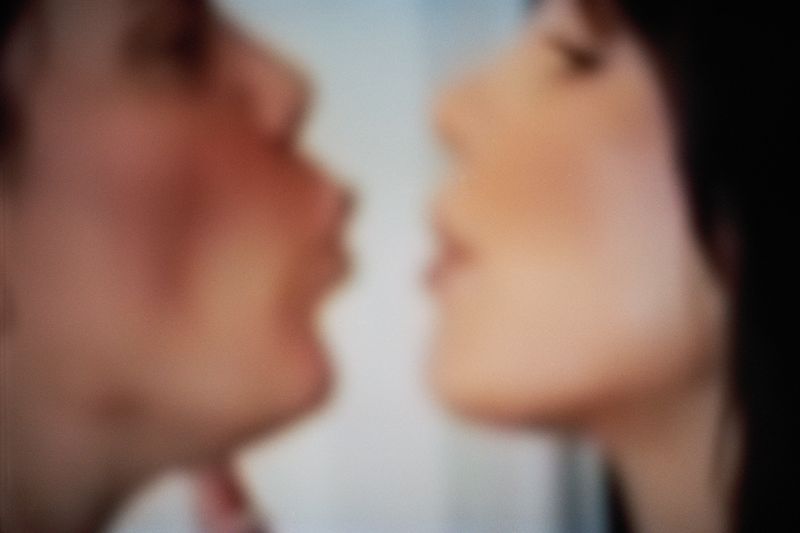
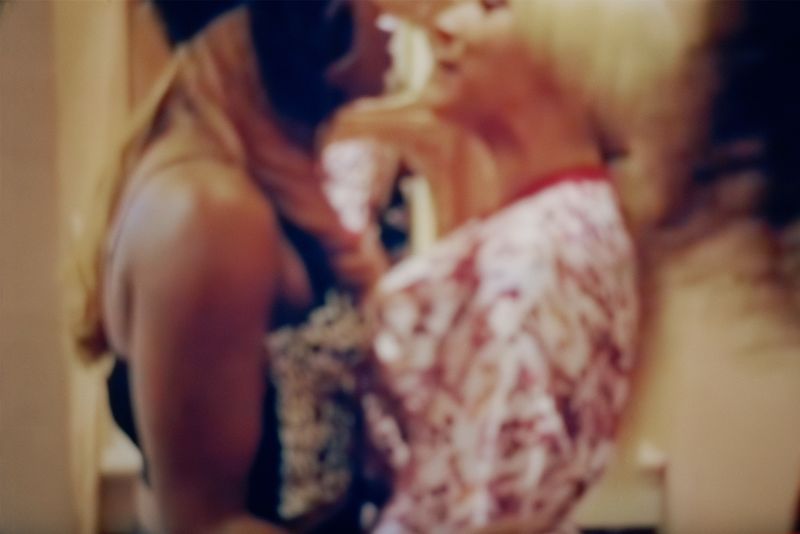
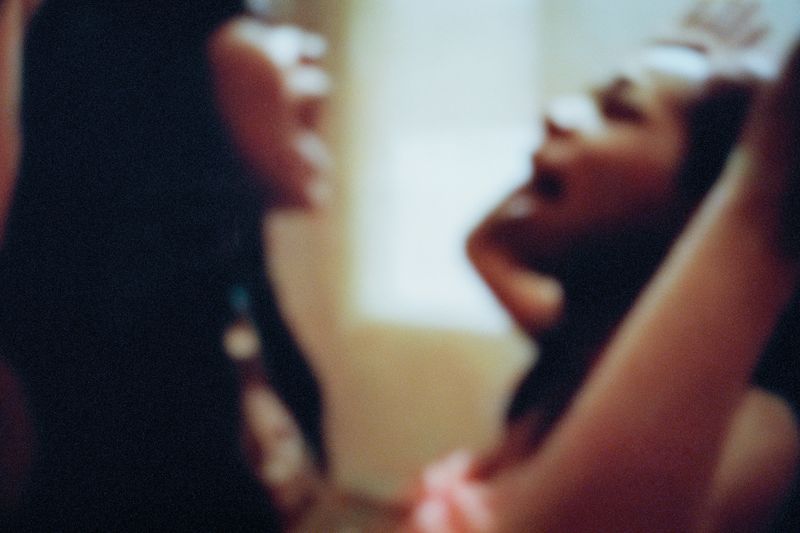
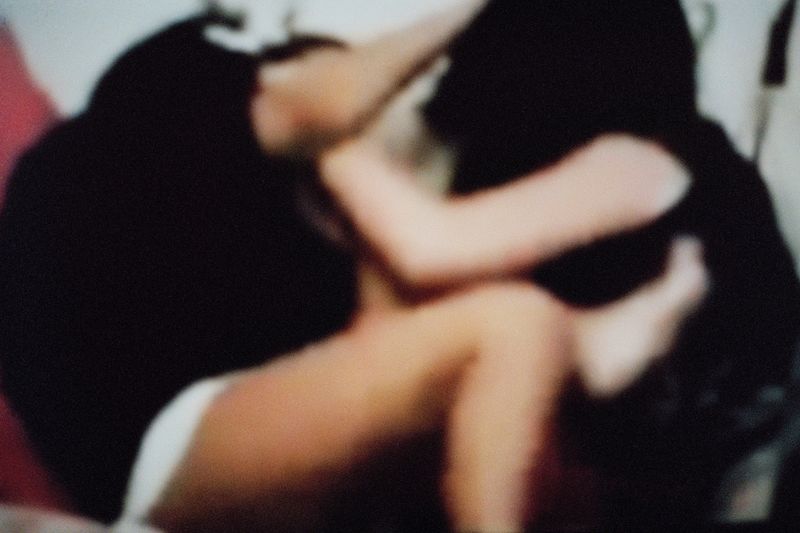
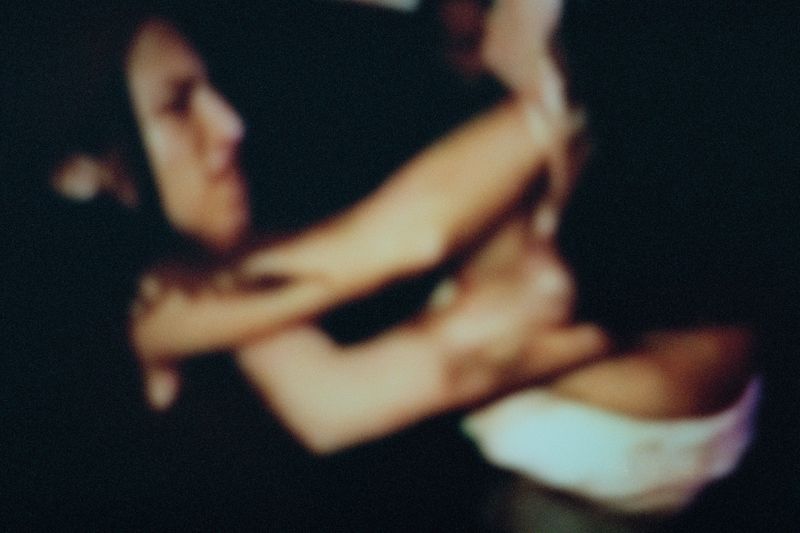
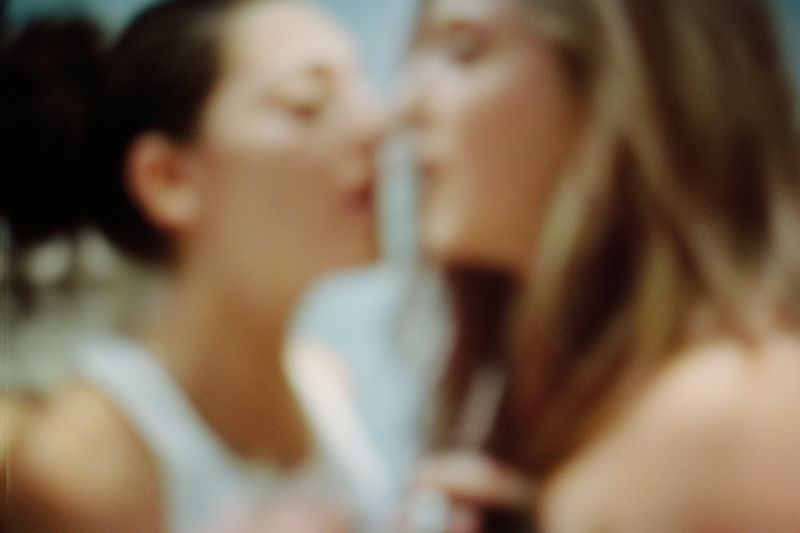
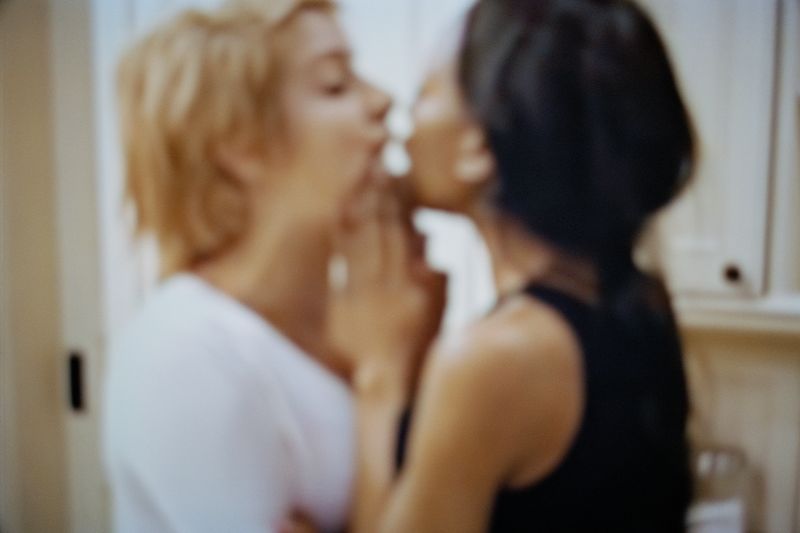
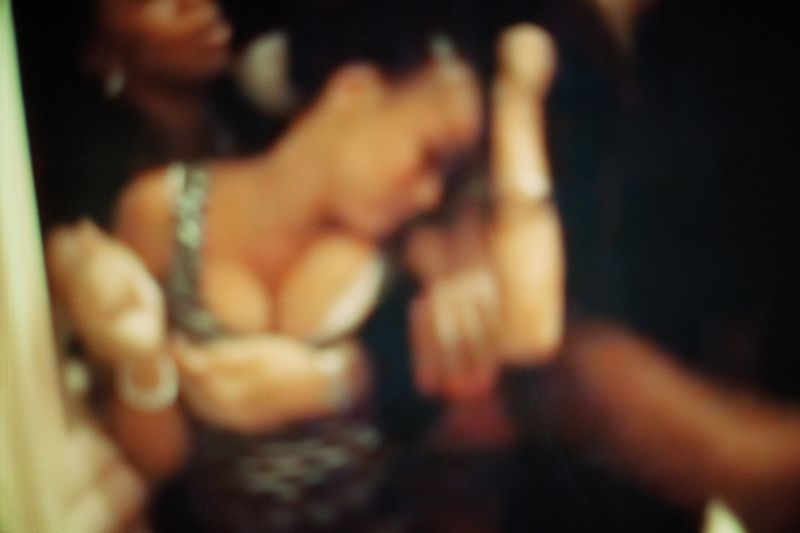
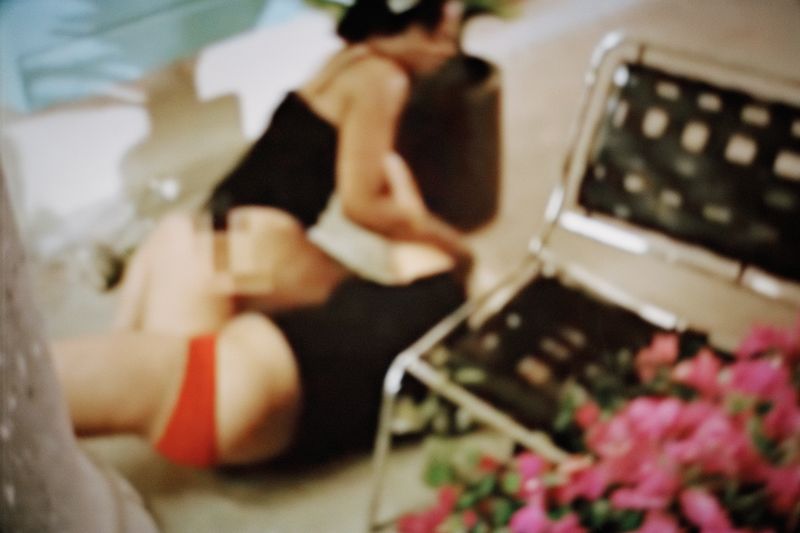
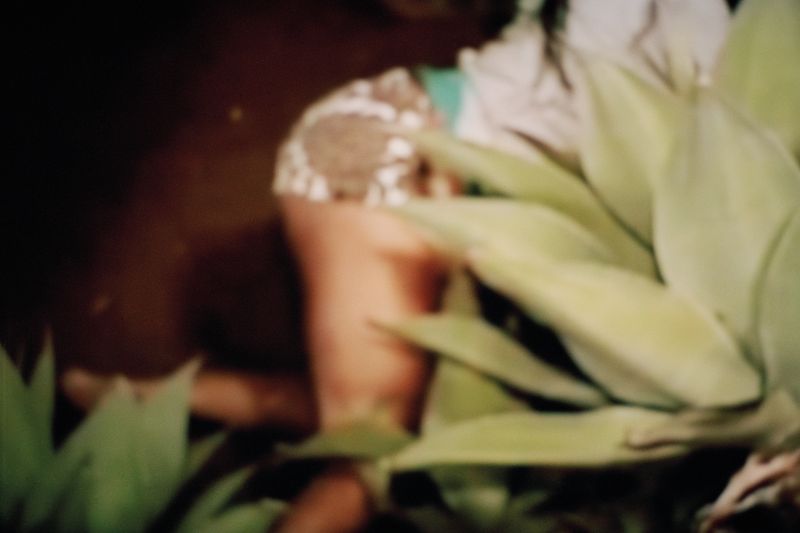
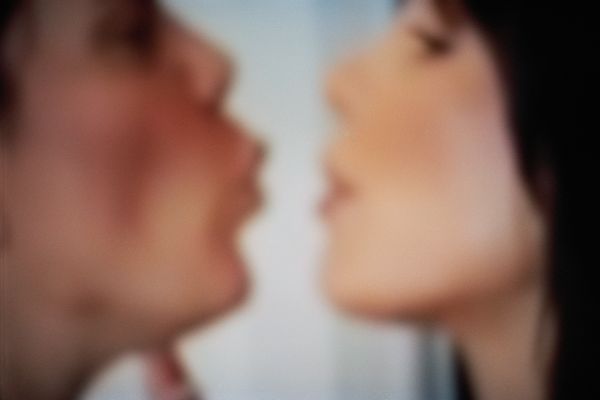
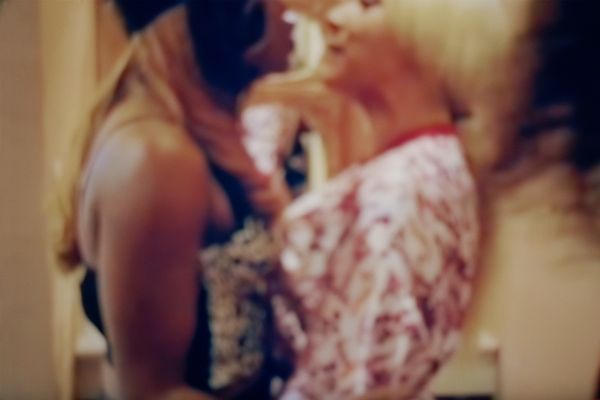
The project began in 2012, capturing some scenes from the reality show Bad Girls Club on a computer screen, as found on YouTube.
I discovered this reality show on YouTube while searching for videos featuring "girls' fights." I became interested in girls' fights after watching another Italian reality show, "L'isola dei famosi", in which I saw two women fighting on television for the first time.
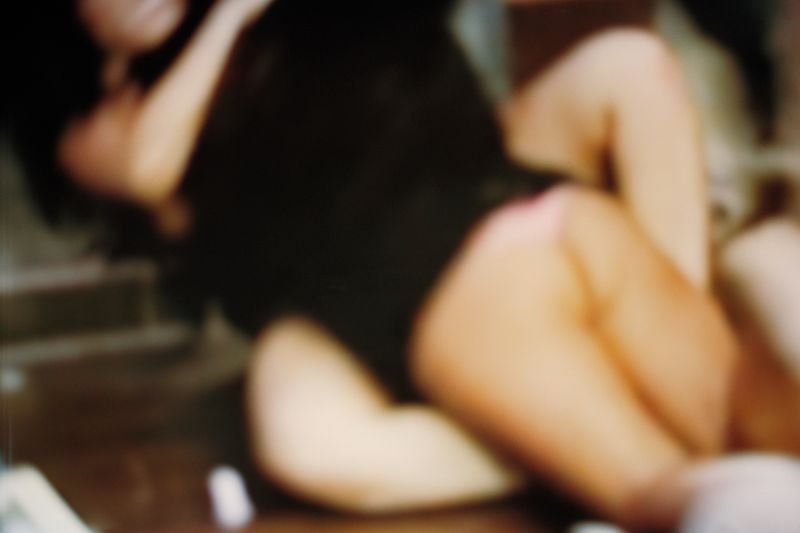
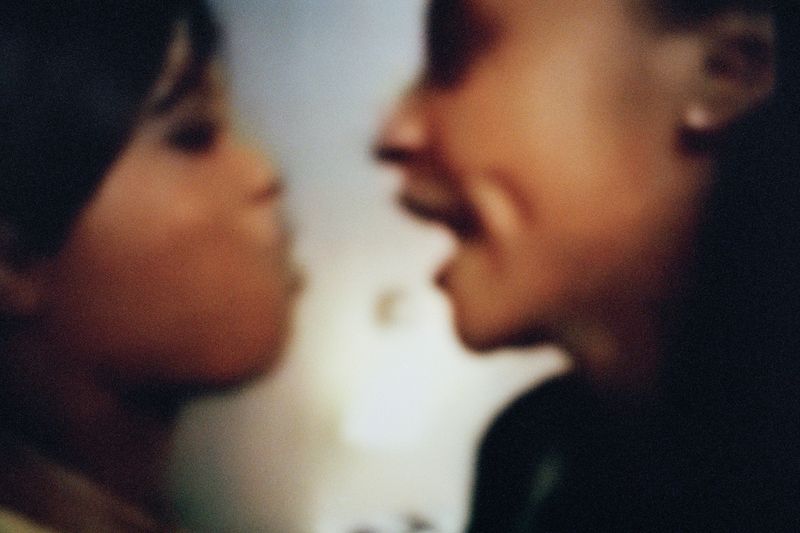
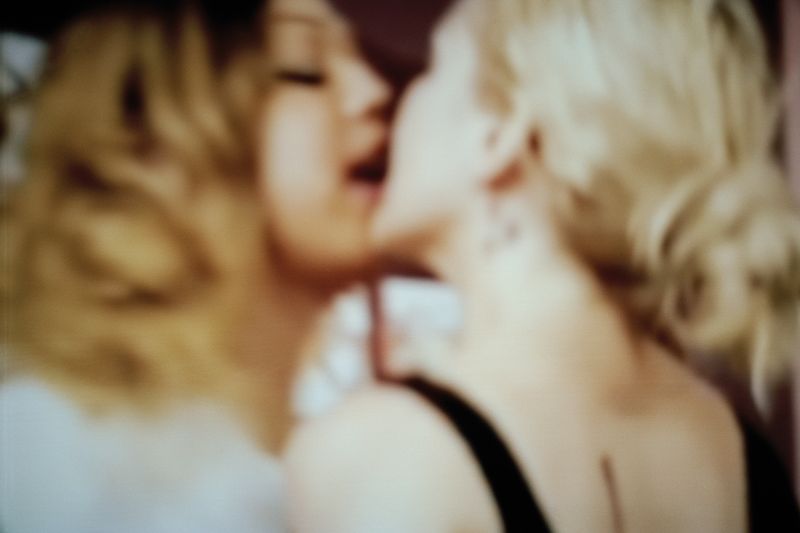
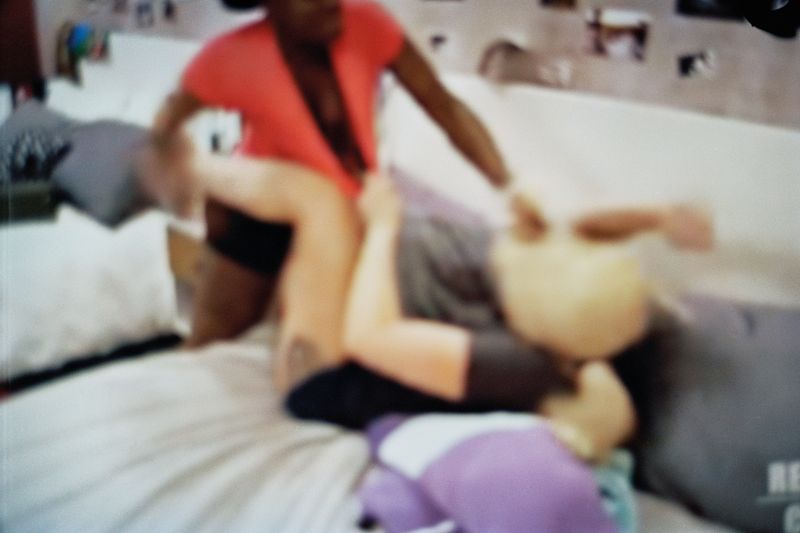
The intentional use of out-of-focus images, captured with a Contax T2 camera (35mm color negatives) and then scanned with an Imacon scanner, was a deliberate artistic choice to make the TV message more ambiguous.
In the self-published book "Making love to G. is gonna be like the first time I tried a cheeseburger" (2023), this is the color series, in the center of the book.
The photographic series is related to "Bad Girls Club", an American reality show that aired for 17 seasons on the Oxygen TV Network and was produced by Bunim/Murray Productions (BMP), a pioneering U.S. production company also known for "The Real World" and "Keeping Up with the Kardashians".
The reality show format, defined from the very first season, involved the cohabitation of women only, selected for their transgressive behaviors and often characterized by issues with anger, self-control, or trust. The stated goal was to "modify" these behaviors, but in practice, the narrative revolved around conflicts, rivalries, and chaos, with participants subject to expulsion for breaking the rules.
Over the years, the show generated 17 seasons and four spin-offs (Bad Girls Road Trip, Tanisha Gets Married, Love Games: Bad Girls Need Love Too, Bad Girls All-Star Battle).
The choice to focus exclusively on female bodies is not accidental; it follows the show's own logic, which casts only women.
In the book, the critique of female objectification and women's bodies remains implicit, as the central concern, according to Debord's Society of the Spectacle, is the commodification of images.
On television, the female body captures the viewer's attention and keeps them engaged, drawing them in and holding their interest.
In the photographic series, the female body assumes a different role. The out-of-focus images push the symbolic message of television to its extremes, thereby accentuating the weight of the societal critique on the commodification of images. This ambiguity is intended to provoke reflection in the audience.
Therefore, the series raises an unsettling question: do these women love or hate each other? What exactly are we watching? Why are we drawn simultaneously to nudity, sex, and violence? Can the blurred feminine body become a metaphor for contemporary visual confusion and media overload?
Although the series is in English, I do not consider the issues of the Society of the Spectacle to be specific to Anglo-Saxon culture. I chose not to follow Italian reality shows because I disliked hearing the participants speak in Italian, which felt too vulgar. I wanted to maintain a certain distance from the subjects.
The series takes its title from the eponymous self-published book (2023) "Making Love to G. is gonna be like the first time I tried a cheeseburger", in which it is merged and refers to a sentence spoken by a cast member of the British reality show Geordie Shore. With this phrase, she described and imagined what her first night of intimacy with fellow cast member G., whom she had fallen in love with after various ups and downs, would be like.