Look at Us Tenderly

Life and memory: ruined forests, the scars of war, and the strength of family care. Amid loss and tragedy, tenderness, love, and the resilience of life emerge, passed down through generations. A gentle gaze upon the world shelters and offers hope.

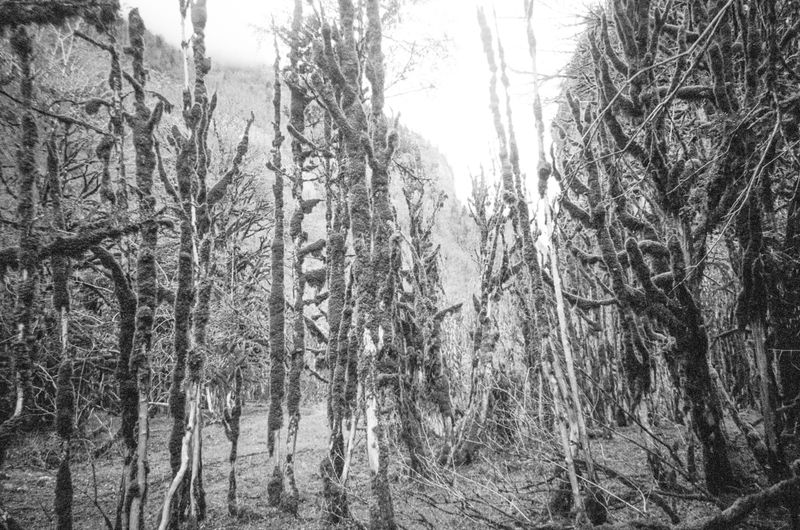
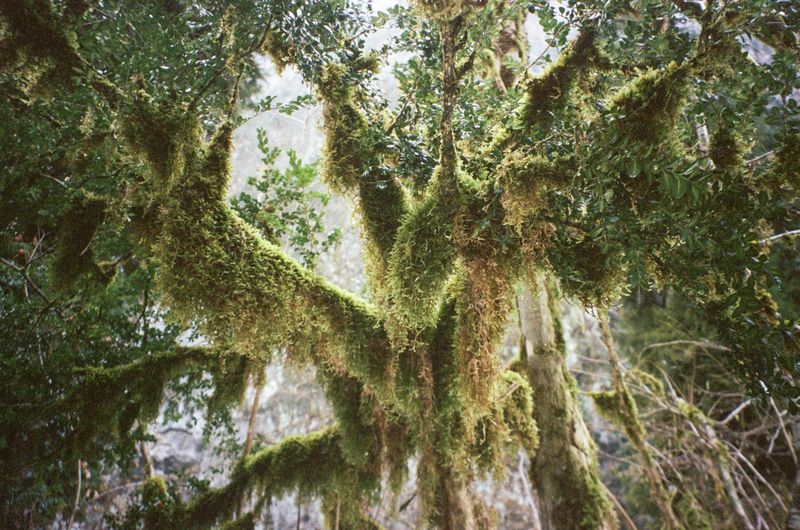
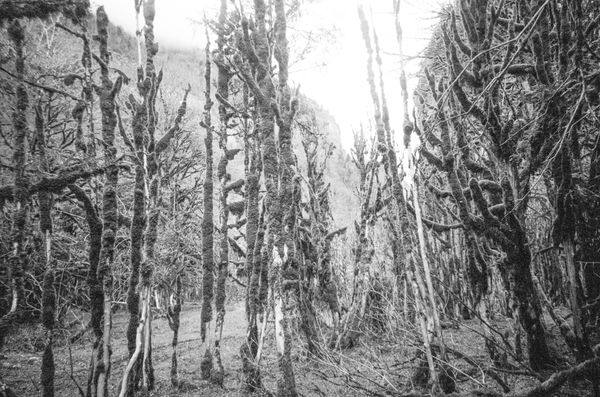
Clouds rest upon the mountains. Beneath them stretches the forest. Oaks, beeches, and chestnuts crown the upper tier. Below, along the streams, boxwoods once wove shady groves. Their pale trunks, dry and brittle, are draped with moss that hangs in long braids from the branches. The boxwood trees are gone—dead.

This is Abkhazia. Ten years ago, an ecological disaster struck here. A moth plague devoured the ancient boxwood groves. Not even a hundredth of the trees could be saved. It will take centuries for the forest to return.

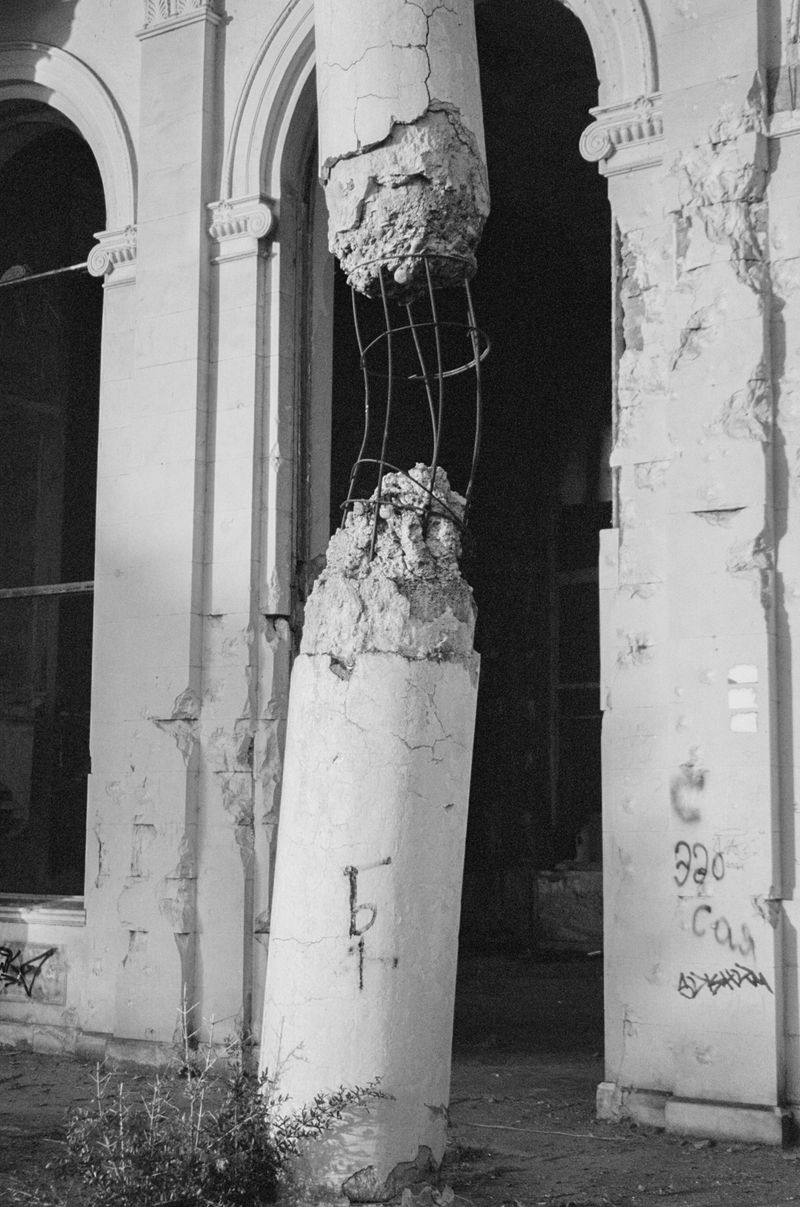
My family lives here. A place that does not appear on most maps of the world. Abkhazia—a disputed land caught between empires. A place that both exists and does not exist. Colonization, forced migrations: times of peace giving way to times of war. The last ended thirty years ago, when more than a hundred thousand people fled their homes. The scars of war remain everywhere.

Is this a place of sorrow? No. Here, life prevails. In the stones overrun by forest, there is something untamed, something freeing—as though every attempt at human intrusion had failed. Violence—relentless, hollow, mechanical—proved powerless.

I look at the women of my family. My mother works in the garden each day. My nieces grow taller. My sisters and I gather together. Joy and sorrow take turns, as they always have. The branch of life puts out green shoots. In the endless cycle of birth, we pass forward the gift once given to us by our first mother Eve: a tender strength, a warm gaze, the grace of shared being. A gentle gaze that shelters, forgives, and pleads for peace.

Inside the clouds, a fine rain begins. The earth softens, loosens — ready again for the garden.
© Natalya Madilyan - Image from the Look at Us Tenderly photography project
i

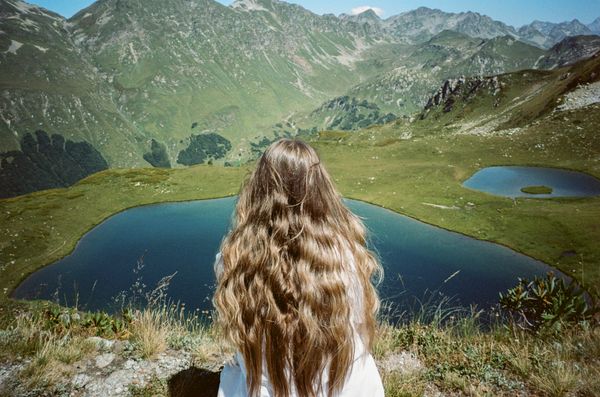
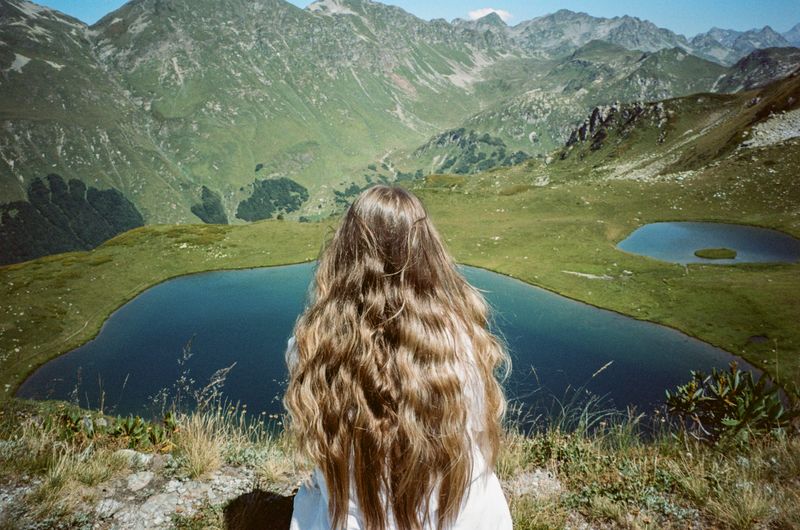
A view of the Main Caucasus Range and mountain lakes. The spurs of the Main Caucasus Range shield Abkhazia from cold northern winds. This has resulted in a warm, humid subtropical climate favorable for life. Access to the alpine meadows is difficult—there are almost no roads. These areas are virtually free of human intervention.

© Natalya Madilyan - Image from the Look at Us Tenderly photography project
i

Dead boxwood grove. In 2012, during preparations for the Winter Olympics, the boxwood moth was introduced to Sochi along with trees planted to landscaping the Olympic avenues. The pest quickly spread throughout Sochi, Adygea, and neighboring Abkhazia. As a result, all the boxwood groves perished. Boxwood is a slow-growing tree. It will take approximately 600 years for the ecosystem to recover.

© Natalya Madilyan - Image from the Look at Us Tenderly photography project
i

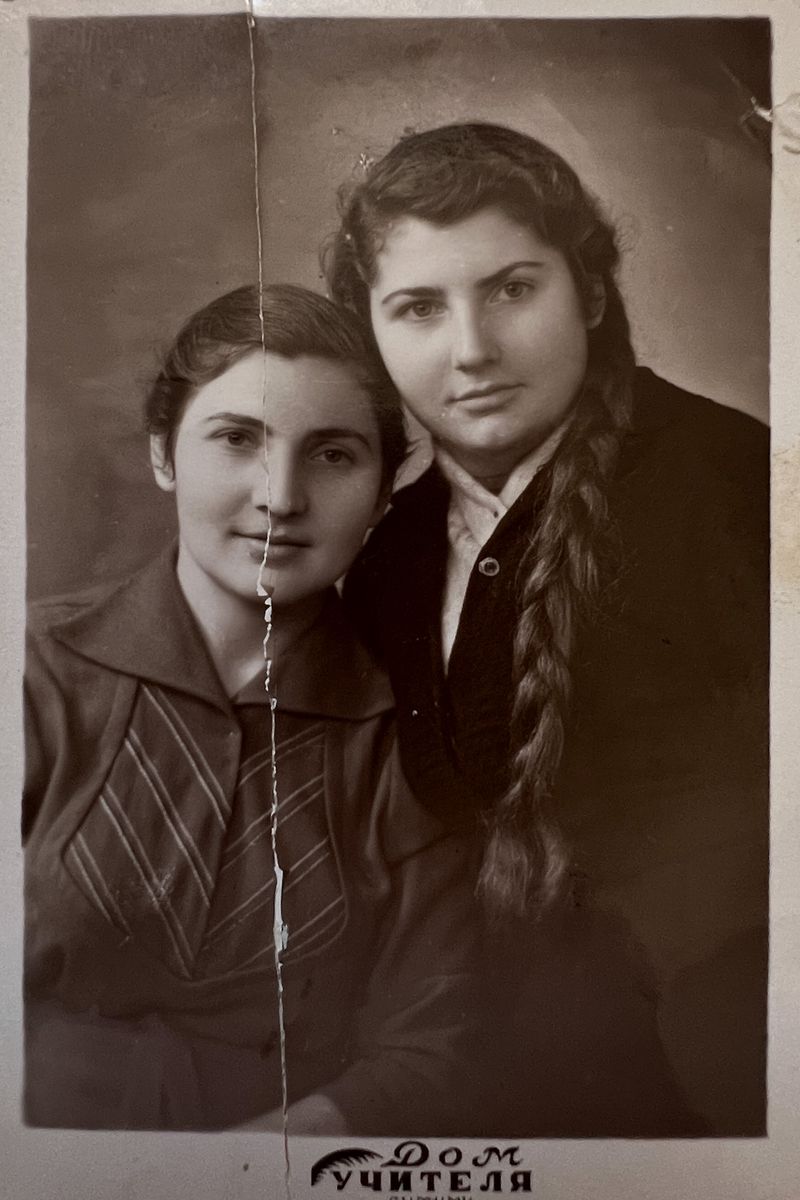
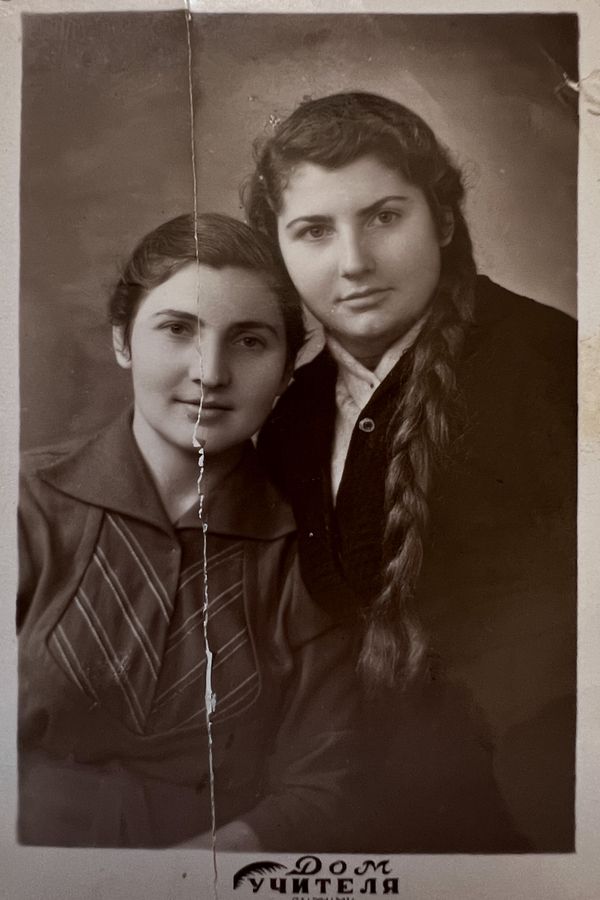
An archive photo of my mother's older sisters, Zoya and Margarita. The older generation of women survived difficult times, but the sisters supported each other and stayed together through thick and thin.

© Natalya Madilyan - Image from the Look at Us Tenderly photography project
i

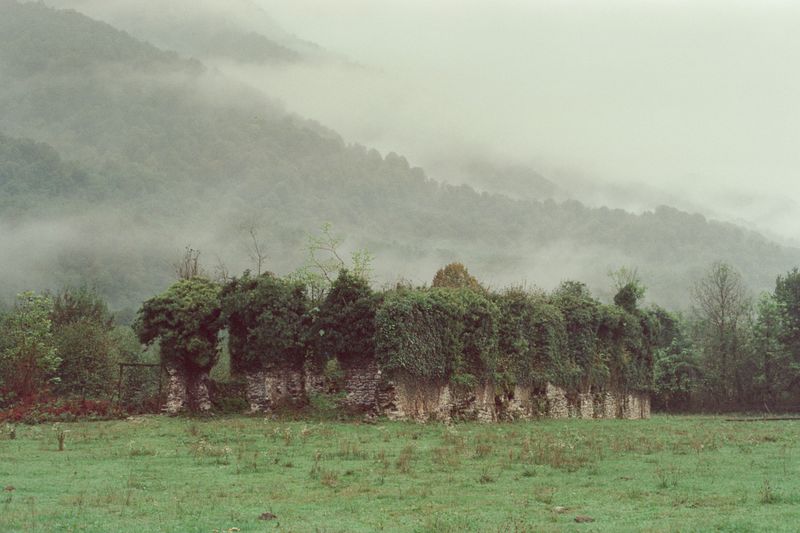
View of the Kodori Gorge and the Ruins of a fortress from the Russian-Turkish Wars. The fortress was built in the 19th century, during the Russian-Turkish wars, the Russian garrison was quartered here. After the war, the local princes established their residence here.

© Natalya Madilyan - Image from the Look at Us Tenderly photography project
i

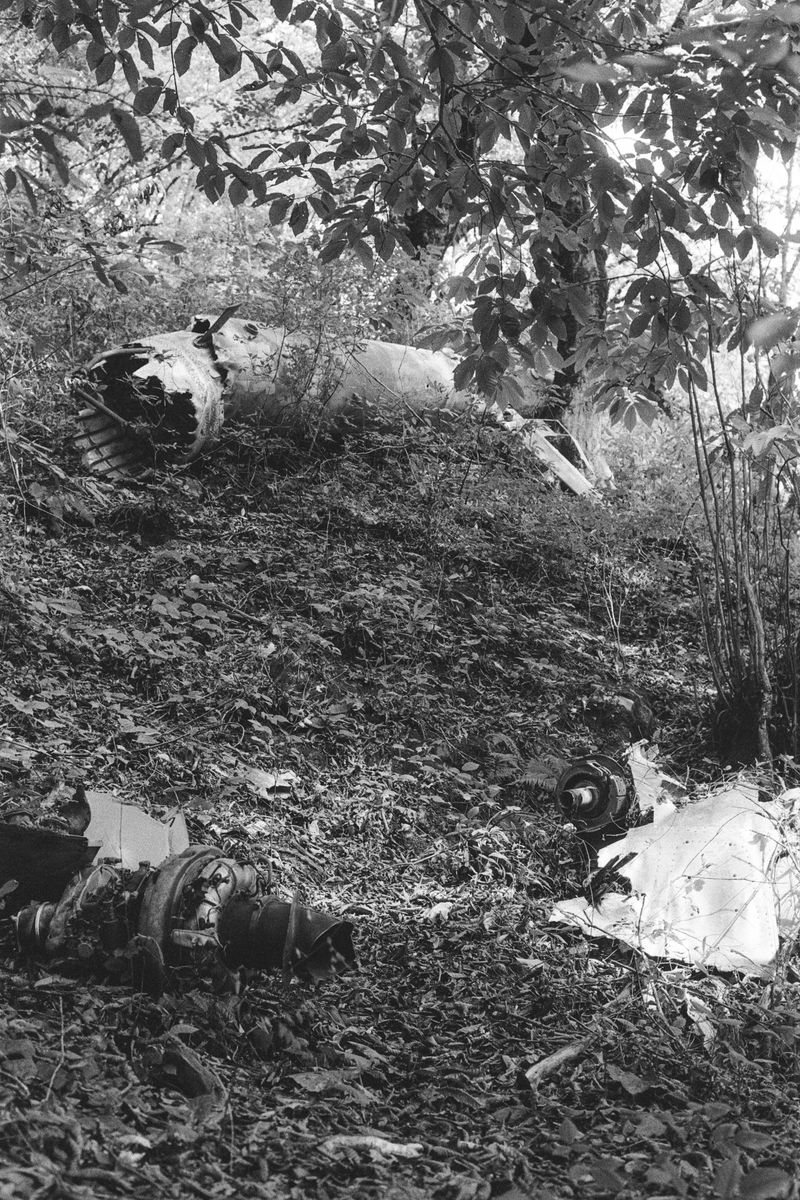
Helicopter wreckage in the village of Lata, Kodori Gorge. In December 1992, during the Georgian-Abkhazian war, a helicopter carrying humanitarian aid from the besieged town crashed. Between 81 and 87 people died, including 35 children. The disaster is known as the Lata tragedy.

© Natalya Madilyan - Image from the Look at Us Tenderly photography project
i

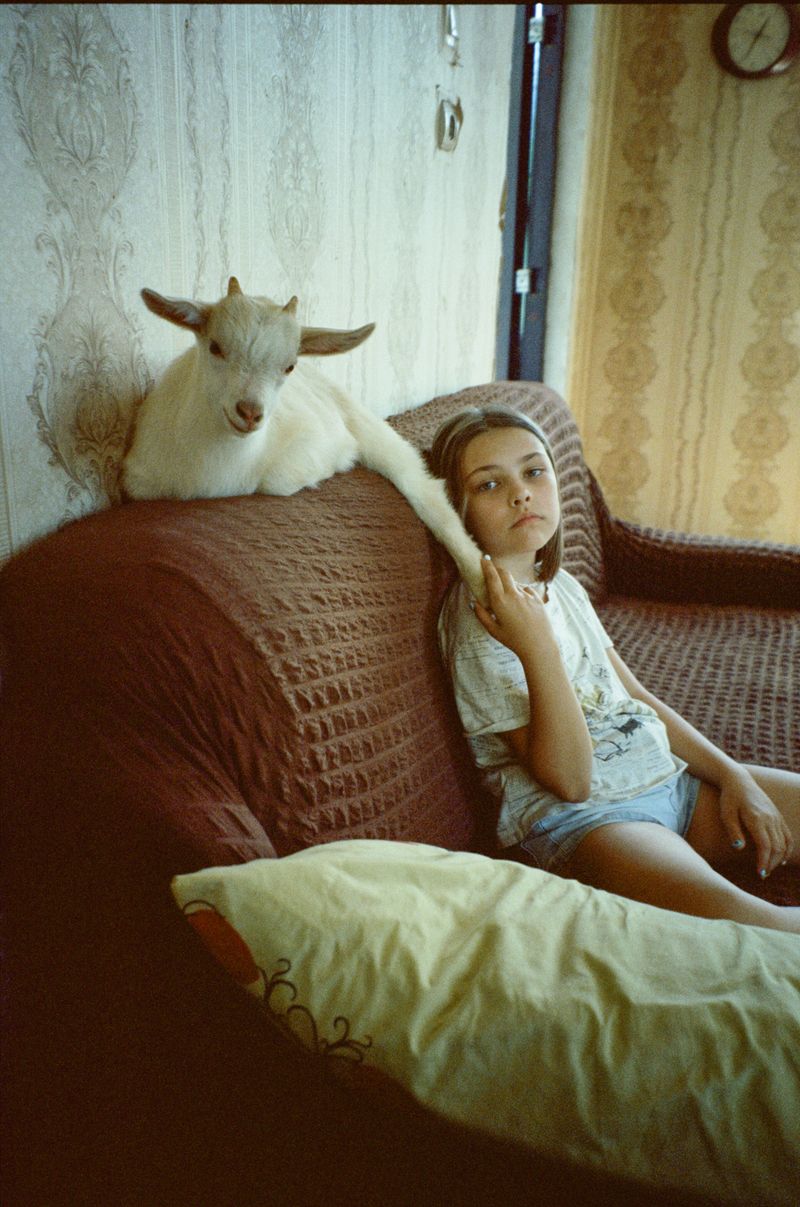
Visiting an Abkhazian home. In Abkhazian villages, it's customary to keep suckling calves or kids in the house until they grow up. They spend a lot of time in the kitchen, alongside the people.

© Natalya Madilyan - Image from the Look at Us Tenderly photography project
i

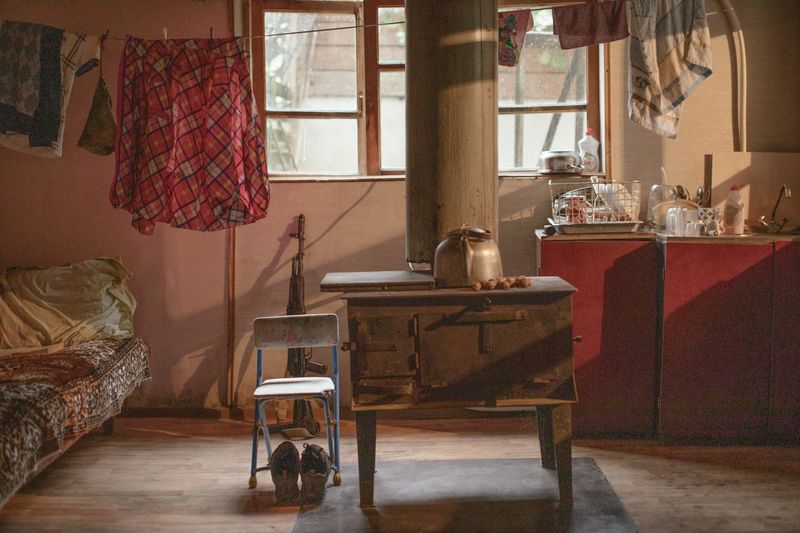
In a house in the mountains of the Kodori Gorge. The gorge remains a closed area. The war here ended in 2008. Once populous villages are abandoned and long overgrown with forest. The people who remain here engage in beekeeping, hunting, and livestock breeding. The Sukhumi Military Road, which runs through the entire gorge, is impassable.

© Natalya Madilyan - Evening at Mom and Grandma's House, Maria is learning to bake Easter cakes.
i

Evening at Mom and Grandma's House, Maria is learning to bake Easter cakes.

© Natalya Madilyan - Brief snow showers in the area around the family home. The snow will disappear within a few hours.
i

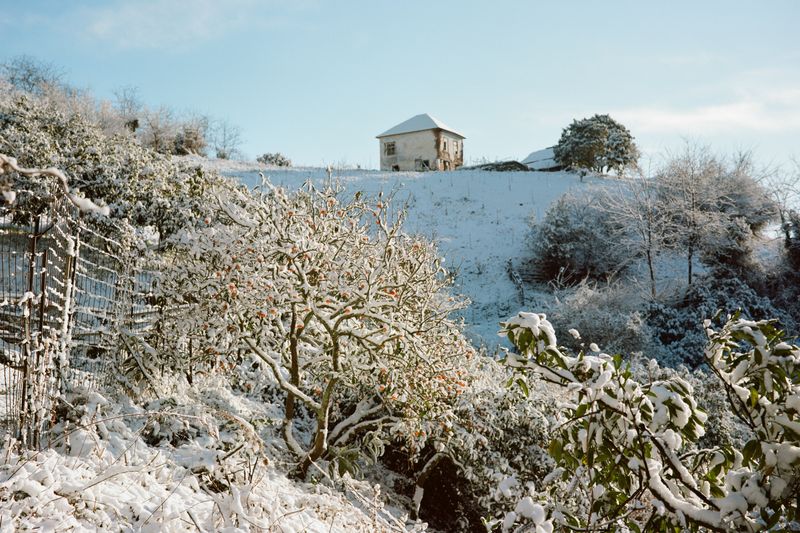
Brief snow showers in the area around the family home. The snow will disappear within a few hours.

© Natalya Madilyan - An archive photo of the women of my family near our house under the mulberry tree. We continue to be together to this day.
i

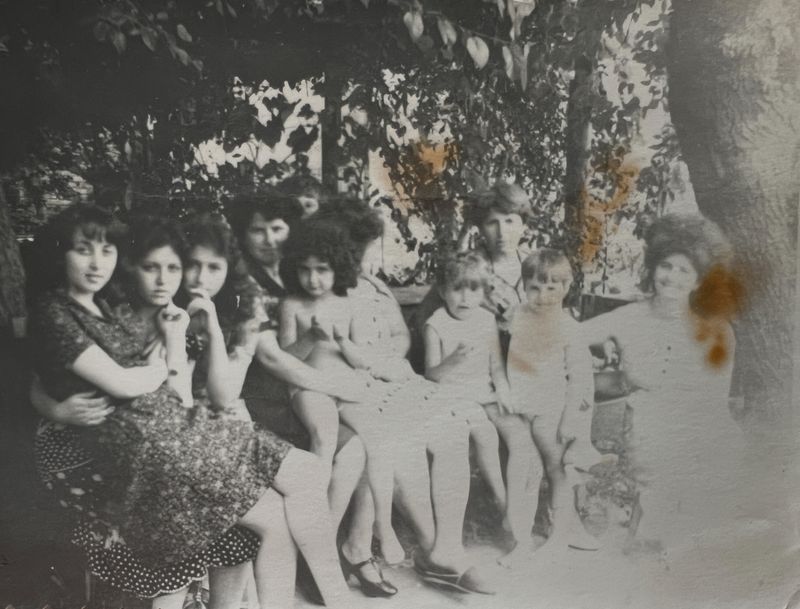
An archive photo of the women of my family near our house under the mulberry tree. We continue to be together to this day.

© Natalya Madilyan - The beginning of a new home
i

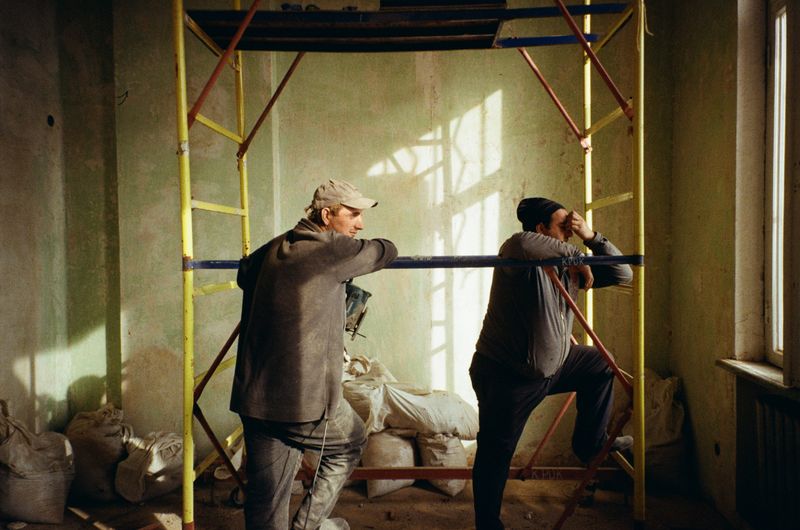
The beginning of a new home

© Natalya Madilyan - Insect traps help control pests. Ecologists install similar structures to protect boxwoods from the boxwood moth.
i

Insect traps help control pests. Ecologists install similar structures to protect boxwoods from the boxwood moth.

© Natalya Madilyan - Portrait of a mother in the garden
i

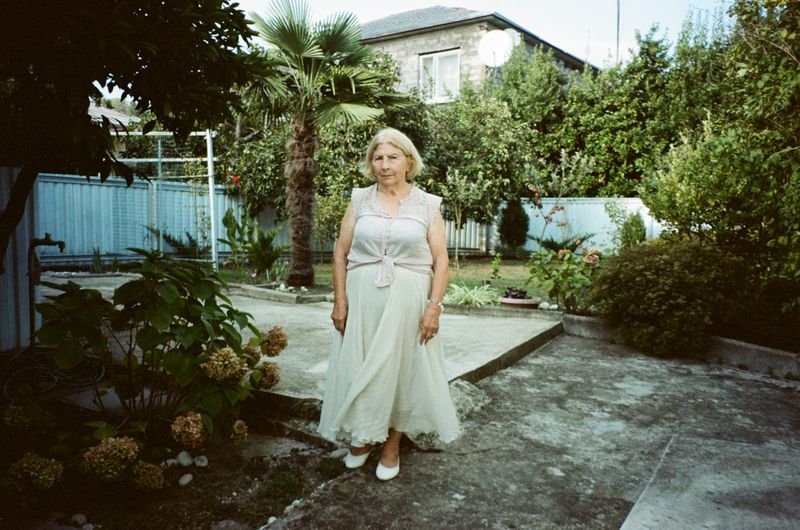
Portrait of a mother in the garden

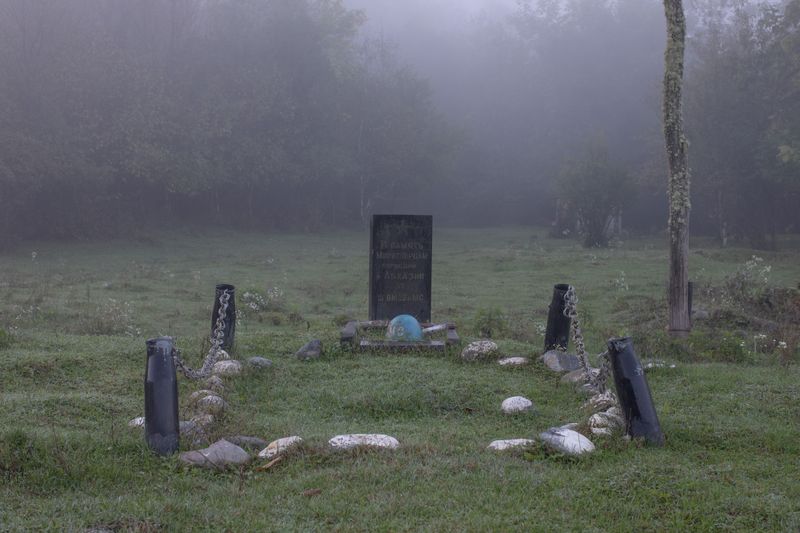
© Natalya Madilyan - A memorial monument erected by soldiers in the Kodori Gorge, near the Sukhumi military road.
i

A memorial monument erected by soldiers in the Kodori Gorge, near the Sukhumi military road.

© Natalya Madilyan - Image from the Look at Us Tenderly photography project
i

Some boxwood trees have been preserved in the reserve. These trees grow near the road, and ecologists were able to treat them with chemicals and protect them from the boxwood moth.