Life at the Cemetery during the Anthropocene
-
Dates2020 - Ongoing
-
Author
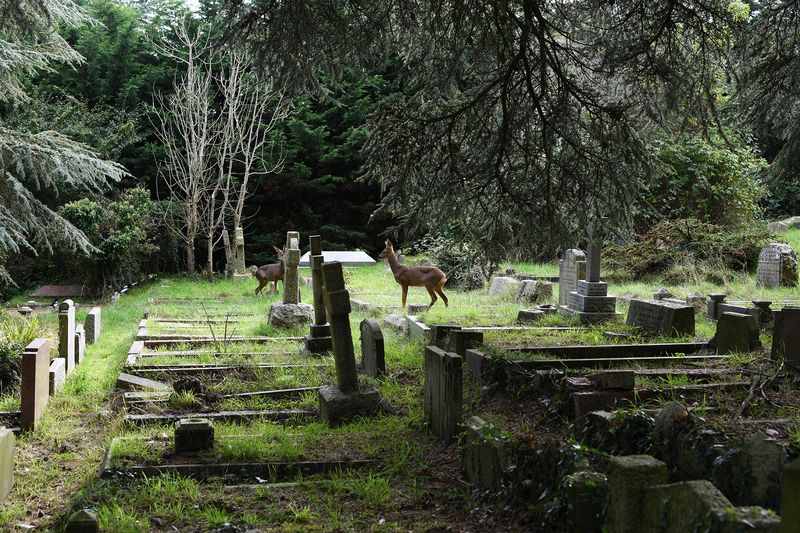
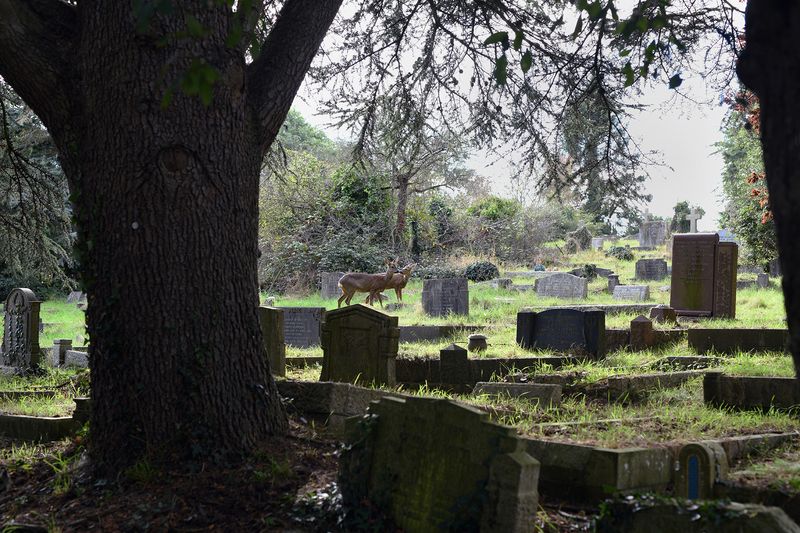
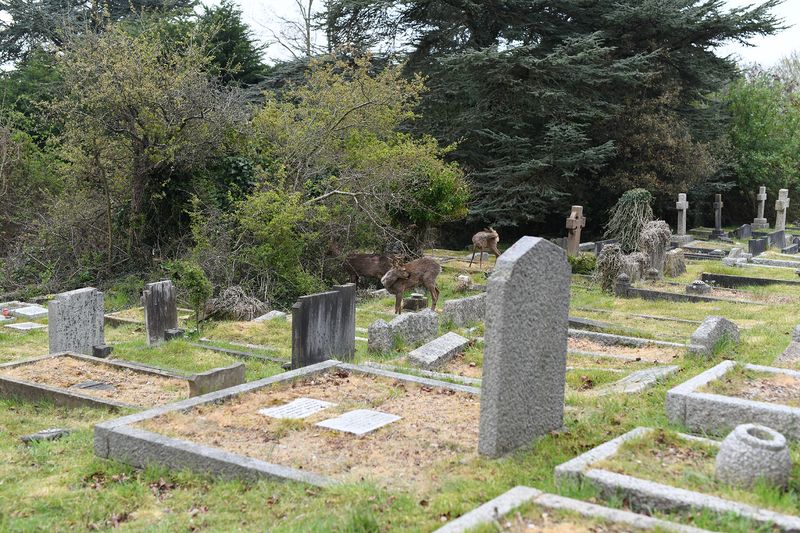
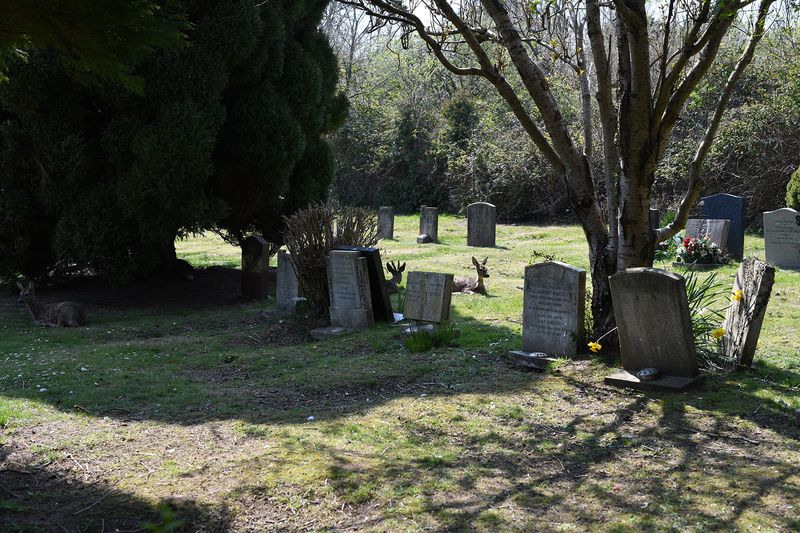
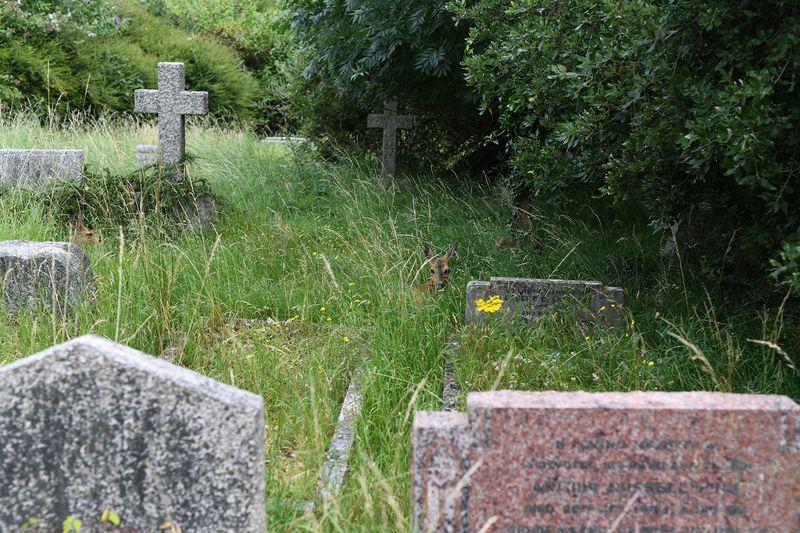
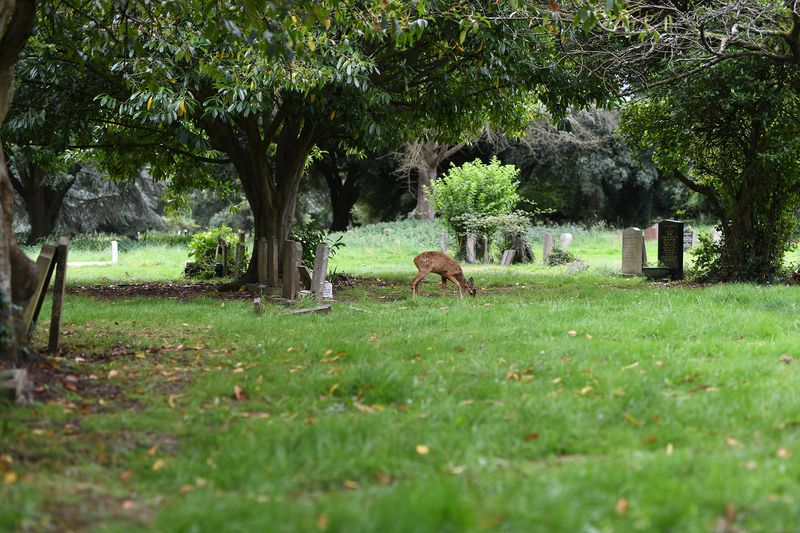
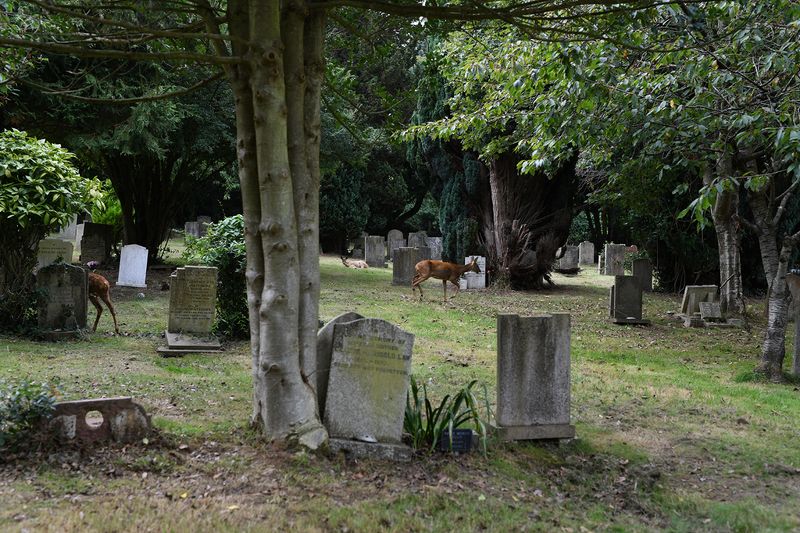
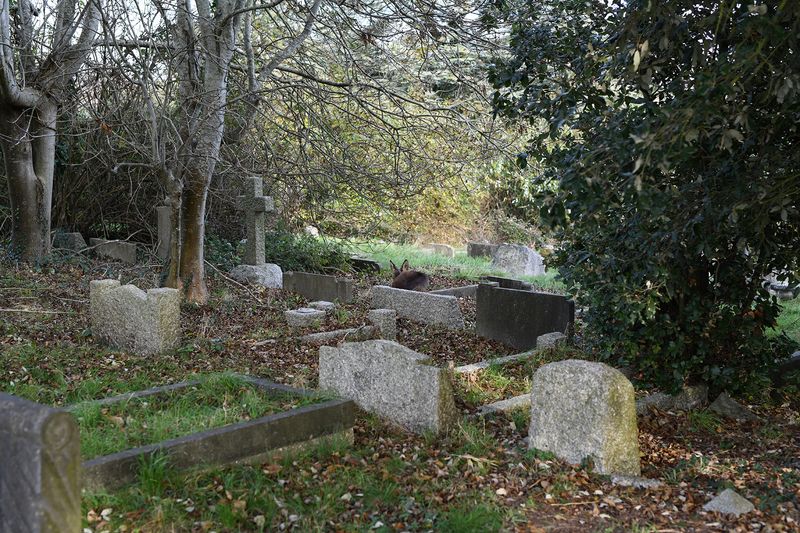
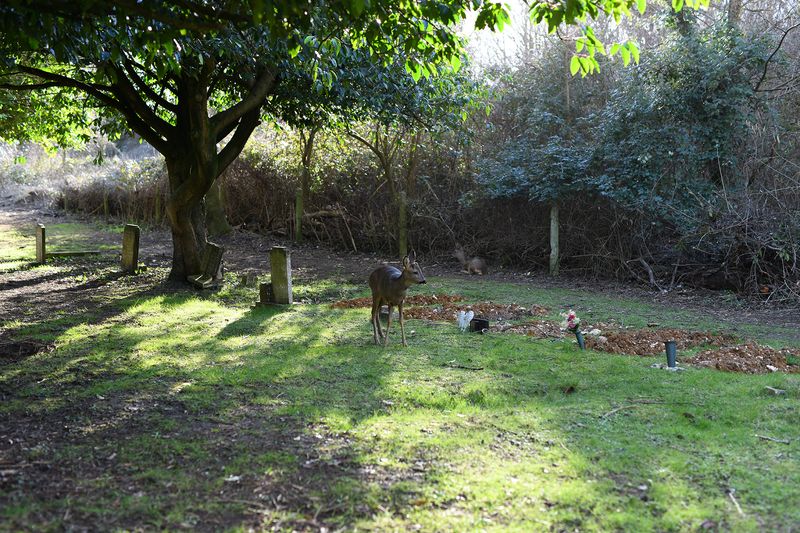
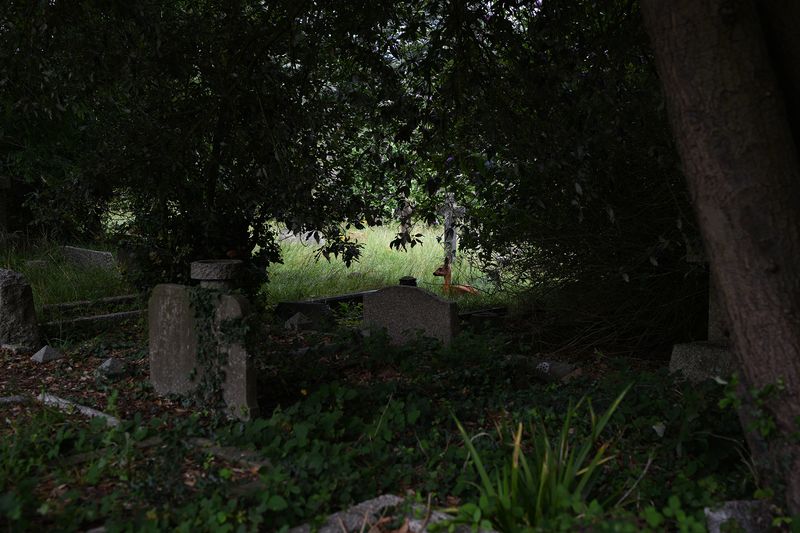
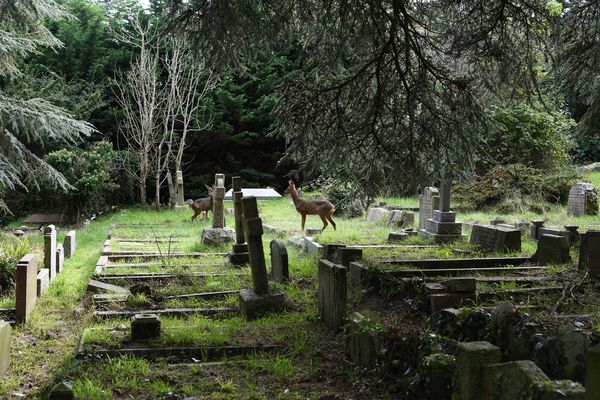
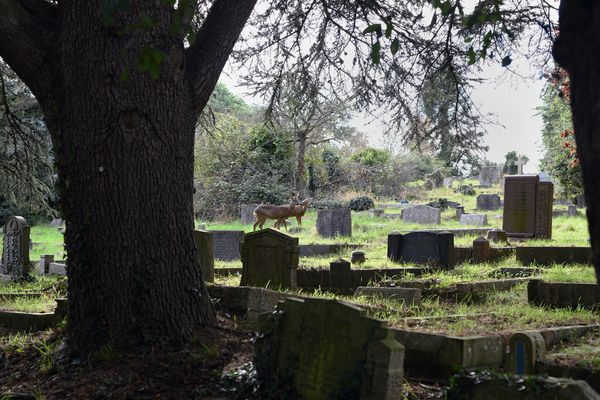
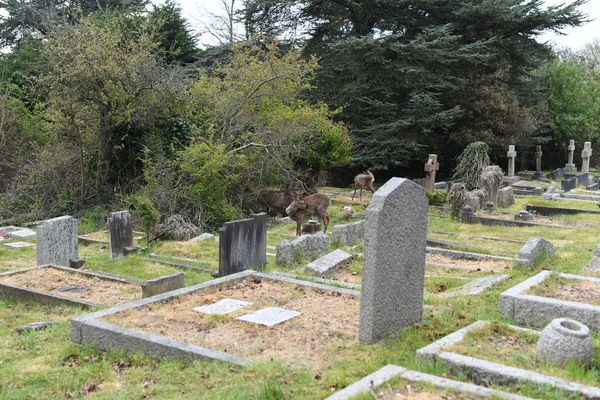
These images are from the series ‘Life at the Cemetery during the Anthropocene’ - a study of wild Roe deer that inhabit a cemetery on the South Downs in the UK.
It is generally recognised that we are now living in the Anthropocene Epoch; a geologic period of time in which human activity is having a significant impact on climate and eco-systems.
I have been photographing the wild Roe deer at the cemetery over the past year. During this time, I have become increasingly aware of how they live in harmony with their chosen environment. Whilst the deer can move freely to the surrounding countryside, they choose to remain in the cemetery which appears to provide enough food and shelter to support the group. In the surrounding countryside the deer face the threat of wildlife crime and fatal accidents from close contact with domestic dogs and vehicles.
It seems the deer have naturally migrated to a safe haven and whilst not all the plants in the cemetery are indigenous to the UK, the grounds are managed to prevent any one species taking over. Where possible, some areas of the cemetery are left to ‘re-wild’. The deer’s natural migration to the cemetery illustrates how some of our native animals are responding to our farming and housing developments, a response which may not be a sustainable solution unless we now respond to their needs with care and the correct actions.
Roe deer are true natives to the UK. They are solitary animals but tend to group together in winter months. Both sexes have distinctive white rumps, with the female having a small tuft of hair at the base of the rump patch during winter. Males grow three small antlers and these are clearly visible as bumps during growth. The mature males will shed their antlers from November to January. During the summer the females will sometimes share parenting duties and watch over all the fawns. The deer can camouflage themselves well, as the colour of their coats is mostly in-keeping with the colours of the seasons.
The 13th Century Japanese Buddhist Nichiren Daishonin believed in the inherent dignity of all life and taught the ‘inter-connectedness of self and the environment’ known as ‘Esho Funi’. He illustrates:
‘Insects eat the trees they live in, and fish drink the water in which they swim. If grasses wither, orchids grieve; if pine trees flourish, cypresses rejoice.’ (The Writings of Nichiren Daishonin Vol 1, pp 501-502).
Whilst photographing the Roe deer in the cemetery this passage often comes to my mind. As well as conveying a dynamic poetry of life, it also speaks of that to which we must urgently address in our current climate; recognising the inter-connectedness of all life and how we need to act accordingly in order to protect and nurture it.