La Poussière (Dust)
-
Dates2024 - Ongoing
-
Author
- Location Paris, France
This project redefines dust as a marginalized substance and a symbol of resistance. Combining "Atlas" with experimental techniques, it frames dust as a destabilizing force—challenging modernity’s obsession with control and subverting rational order.
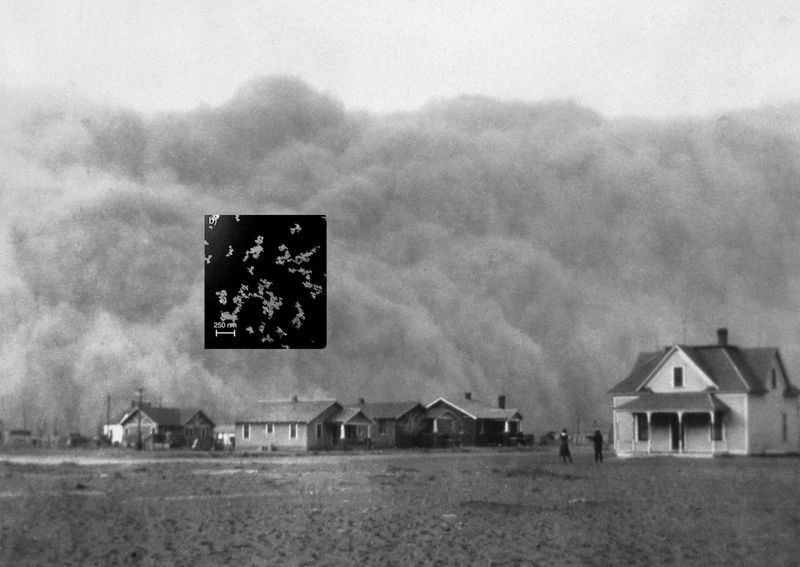
In this project, we explore dust from two perspectives: documentary and experimental. We examine it both as a physical substance and a cultural symbol, highlighting its significance in the process of human civilization.
As Georges Bataille describes the anarchic fatalism of dust, which ultimately undermines the aspiration for order and hygiene upon which modernity is built. Dust embodies a cosmic time beyond human intervention or hope, representing a force that resists human rationality and control. Through its eternal return, dust compels civilization to embrace greater humility, exposing the fragility of our rational systems and the inevitability of entropy. This duality of dust—its simultaneous existence as a physical reality and a metaphor for chaos—reflects a deeper tension between rationality and irrationality, a theme central to Bataille’s thought. While the documentary approach seeks to categorize and understand dust through reason and order, the experimental part embraces its irrational, uncontrollable nature, allowing it to disrupt and transform the image. Together, these two parts form a dialogue between the rational and the irrational, mirroring Bataille’s exploration of how human endeavors to impose order are perpetually challenged by the chaotic forces of the universe.
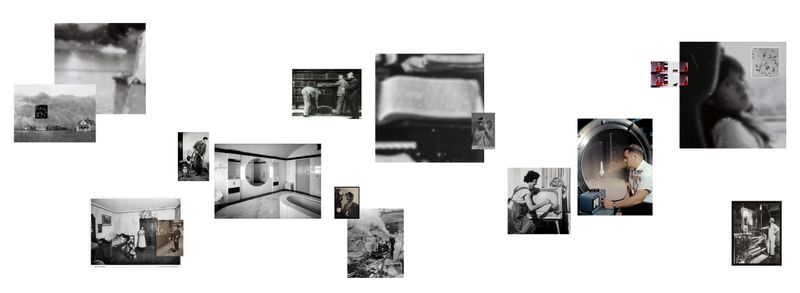
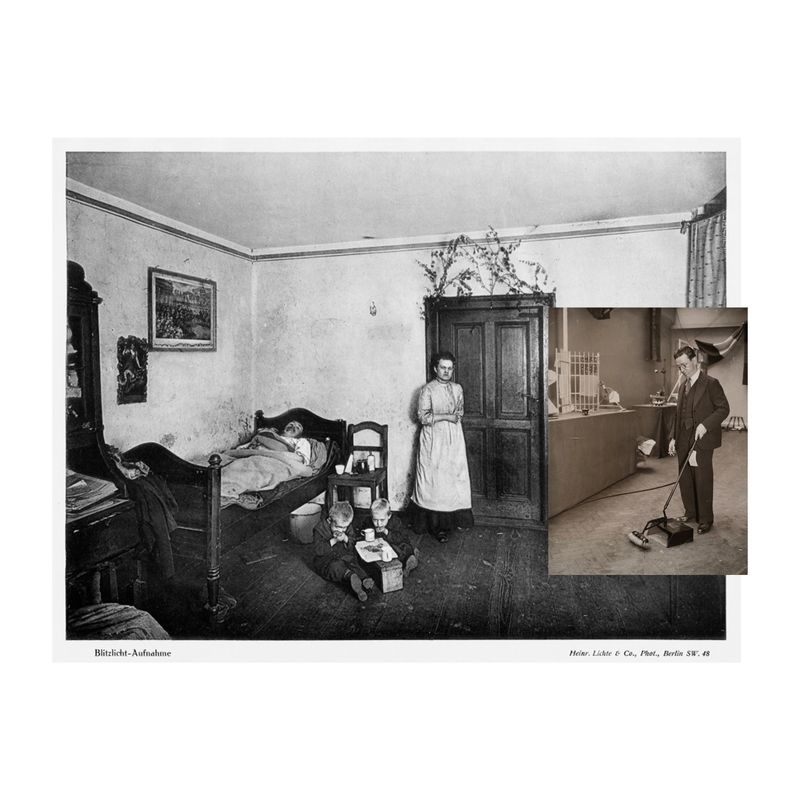
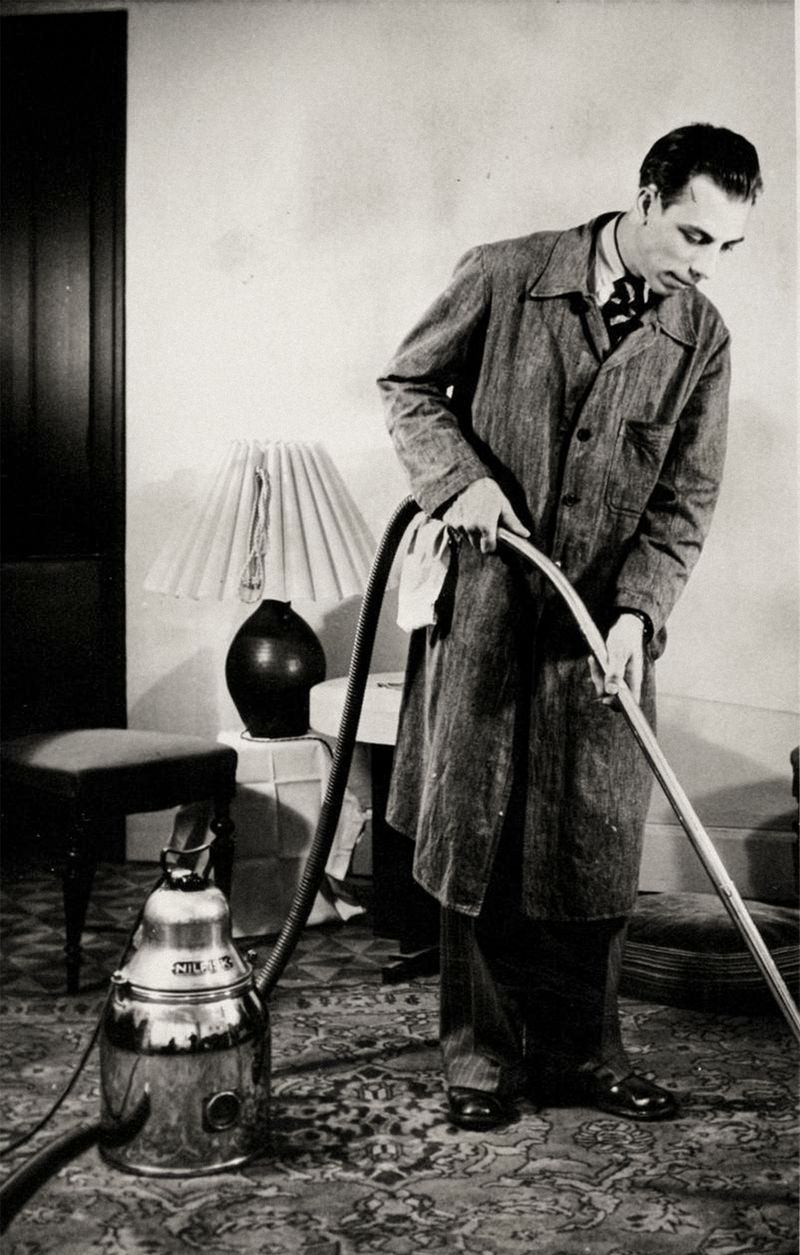
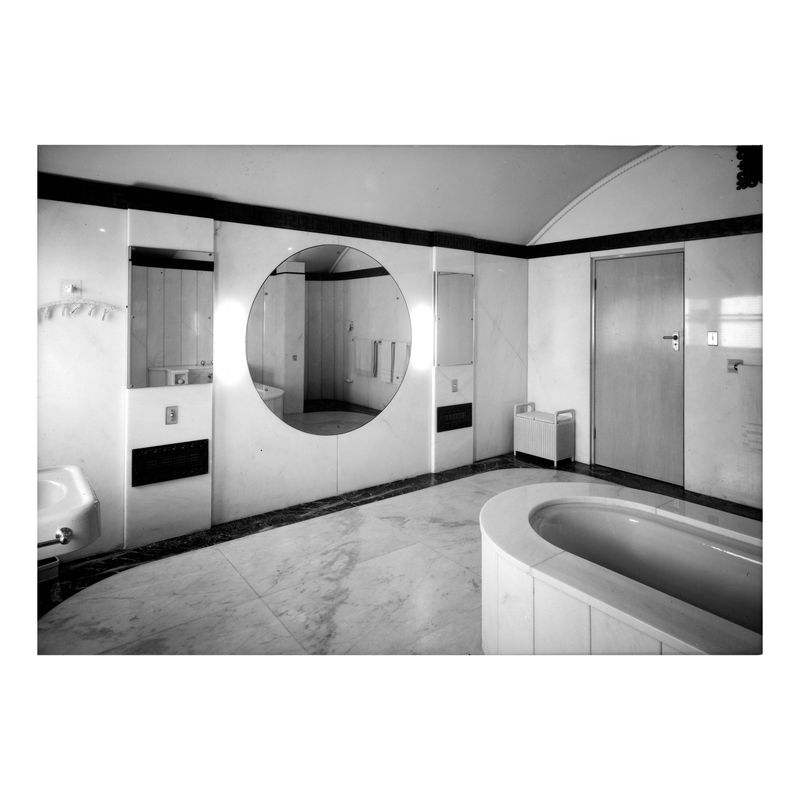
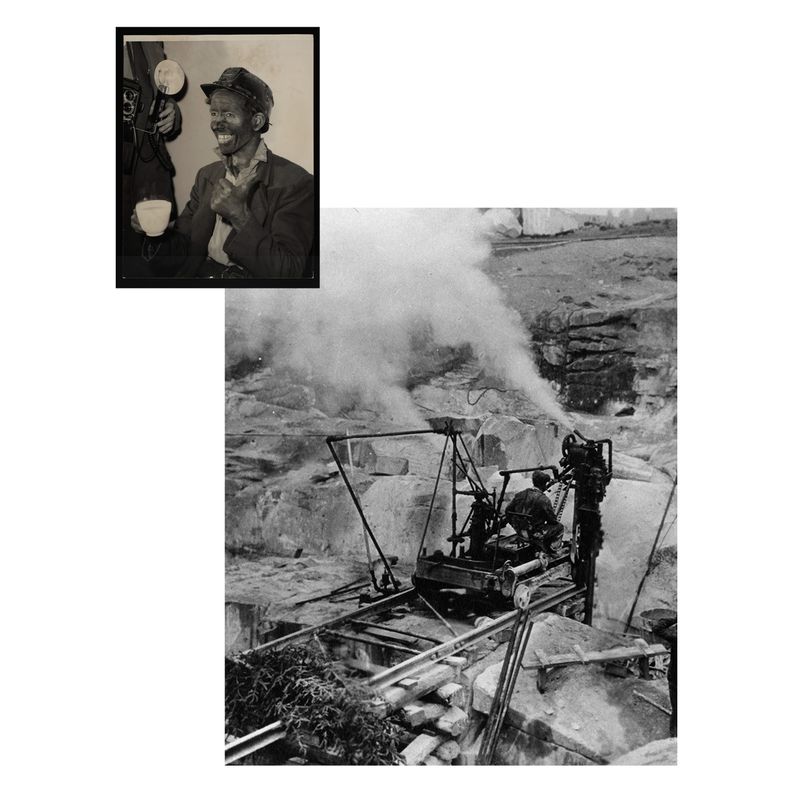
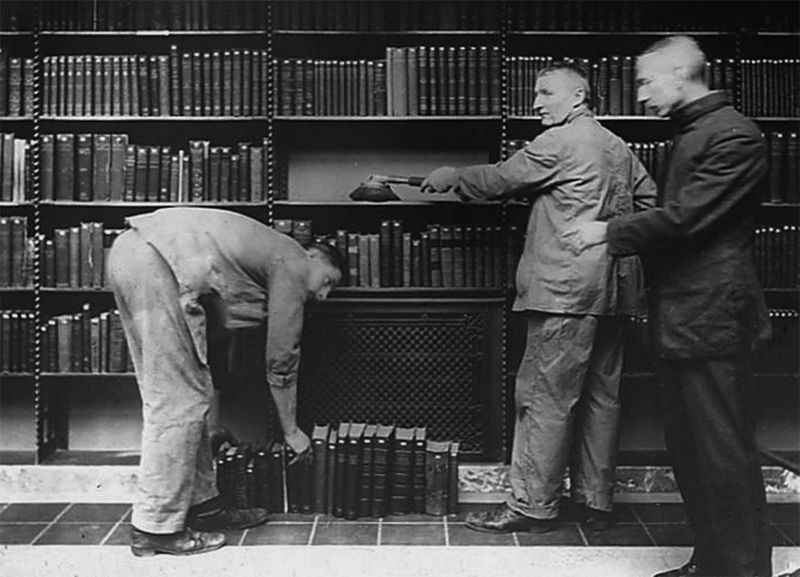
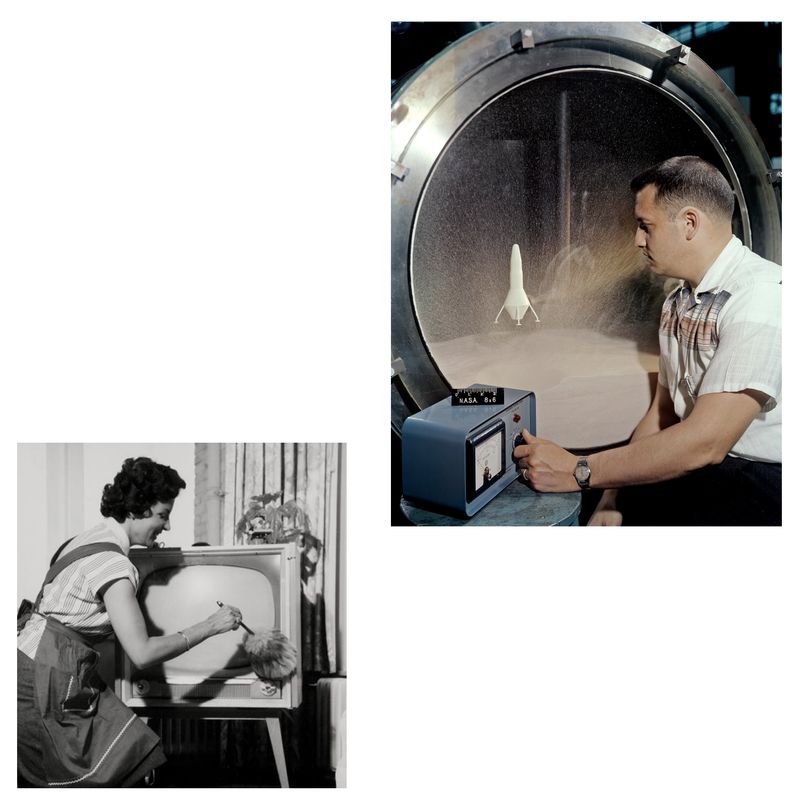
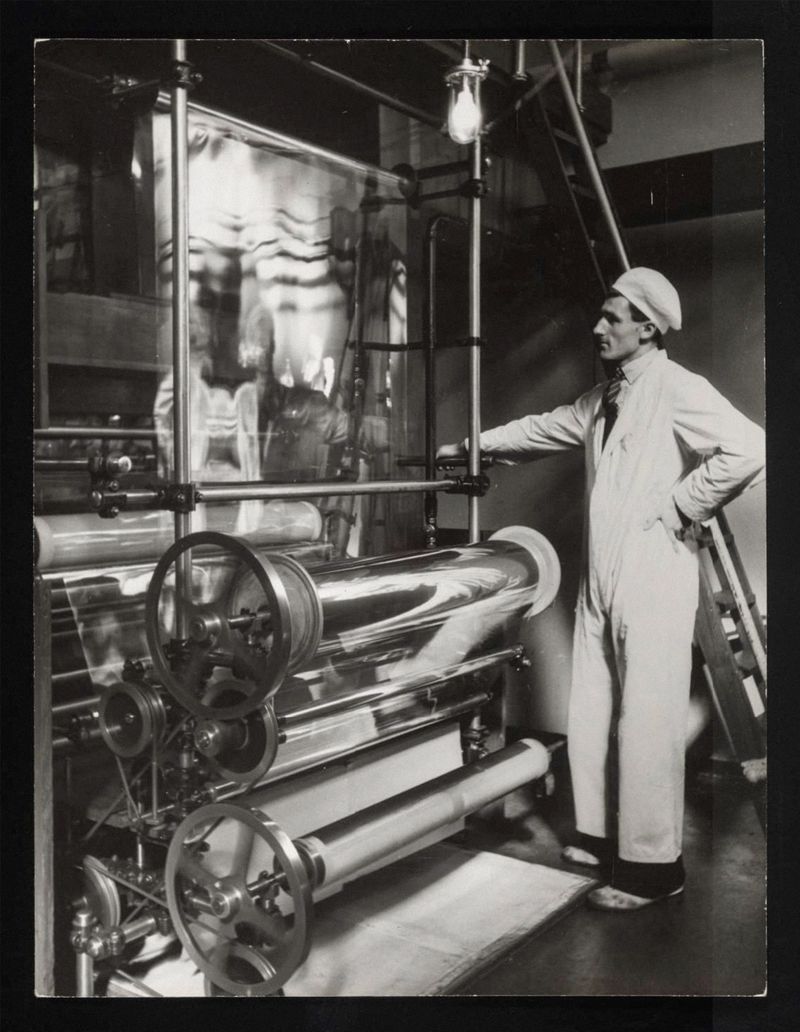
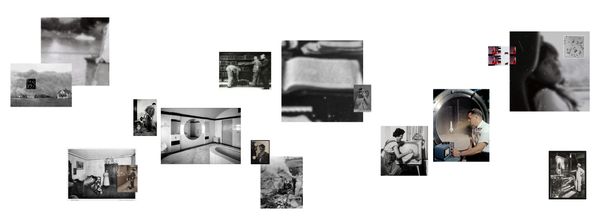
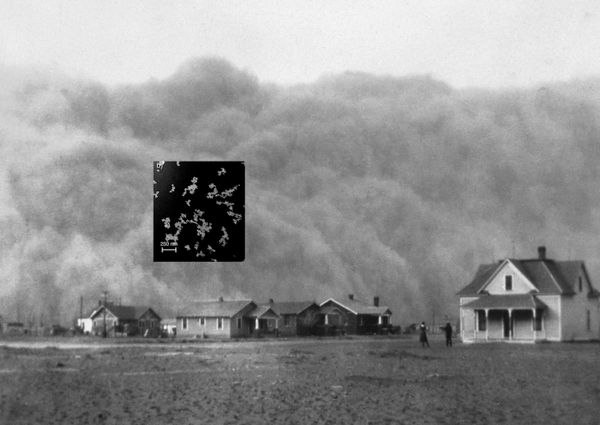
The project is divided into two parts: photographic archives and the creation of experimental images. In the first part, we have compiled a collection of images related to dust, forming a kind of "Atlas." Here, dust is not only a moral metaphor but also a counterforce to power and order, exposing modern society's obsession with "cleanliness" and the underlying logic of control.
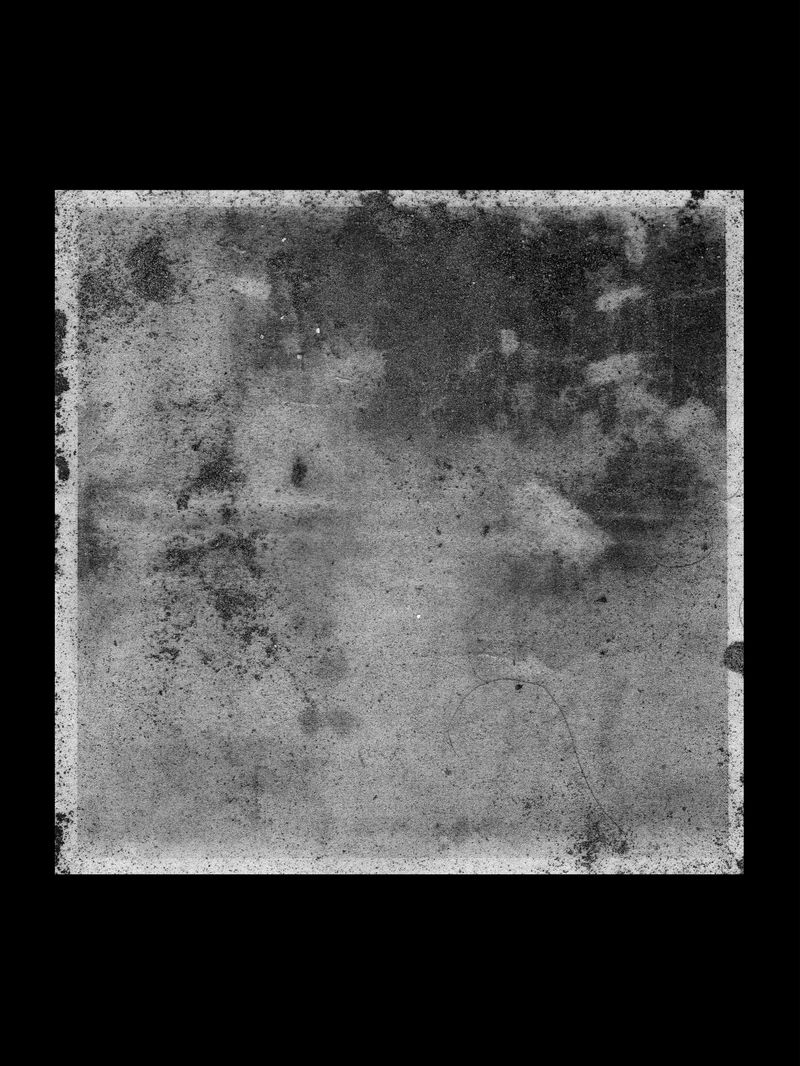
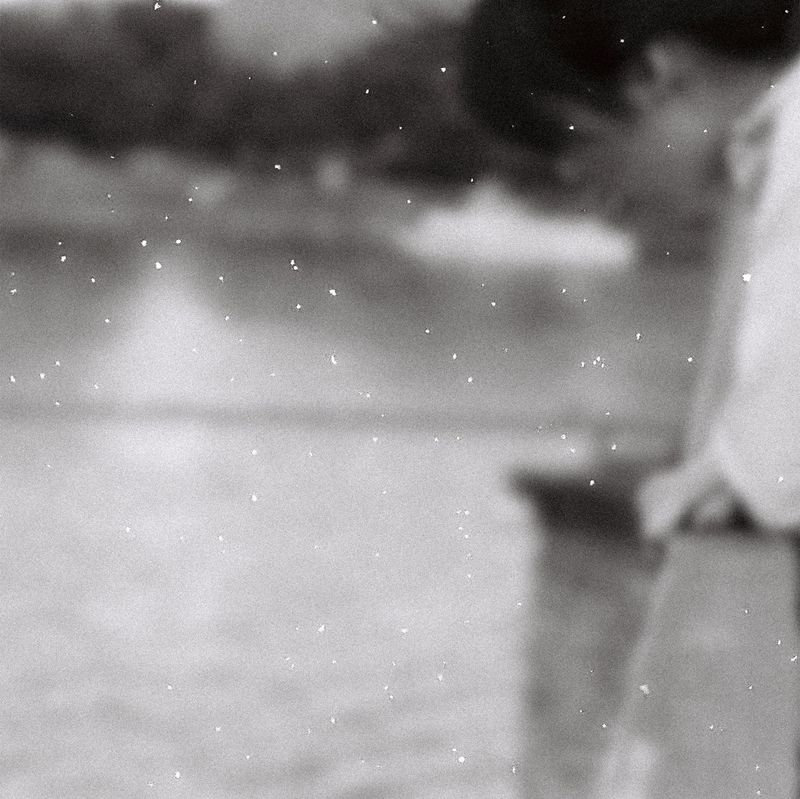
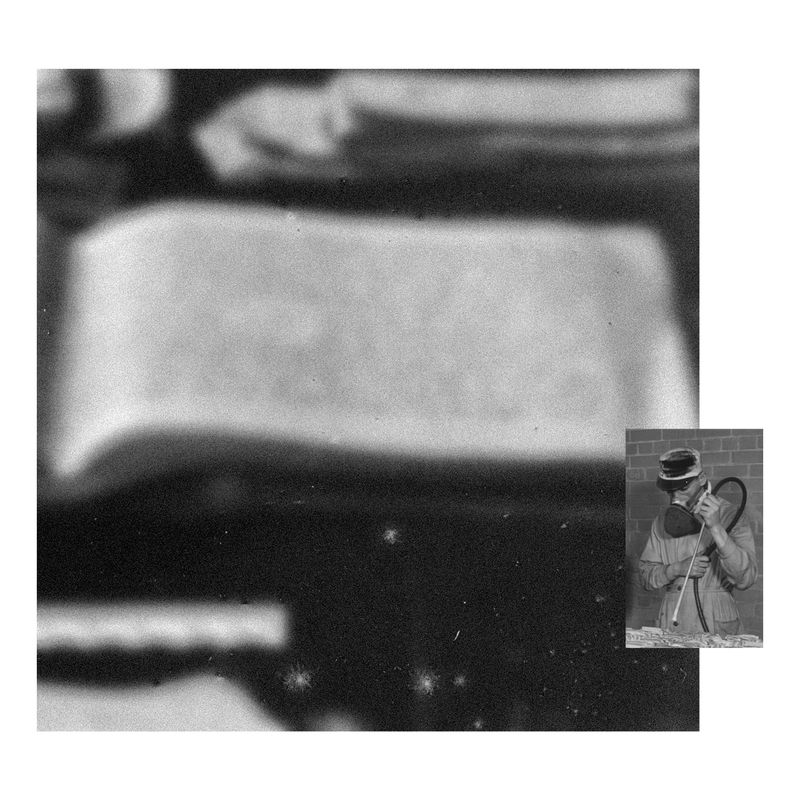
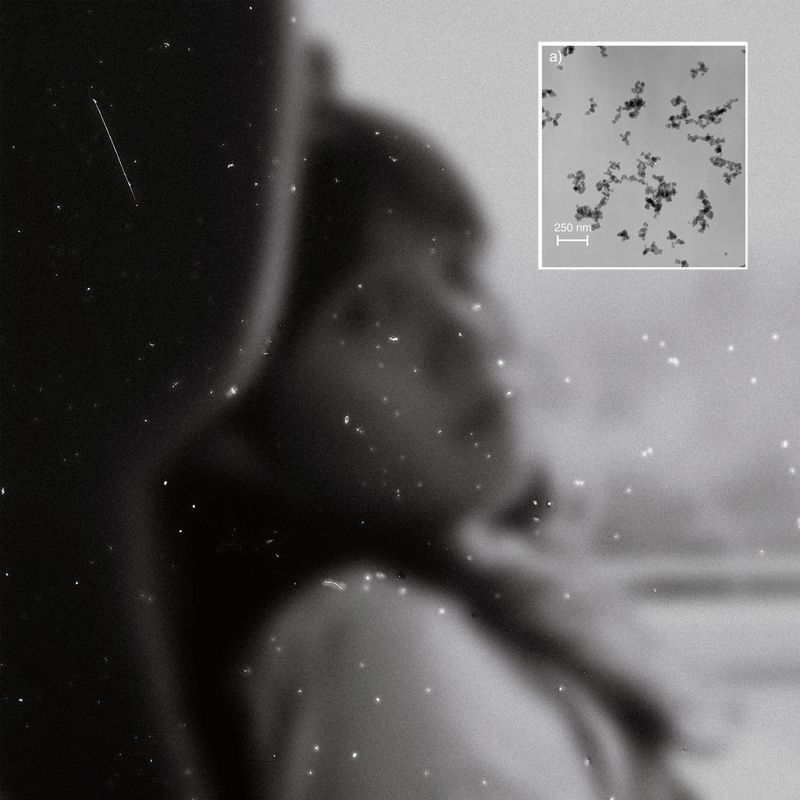
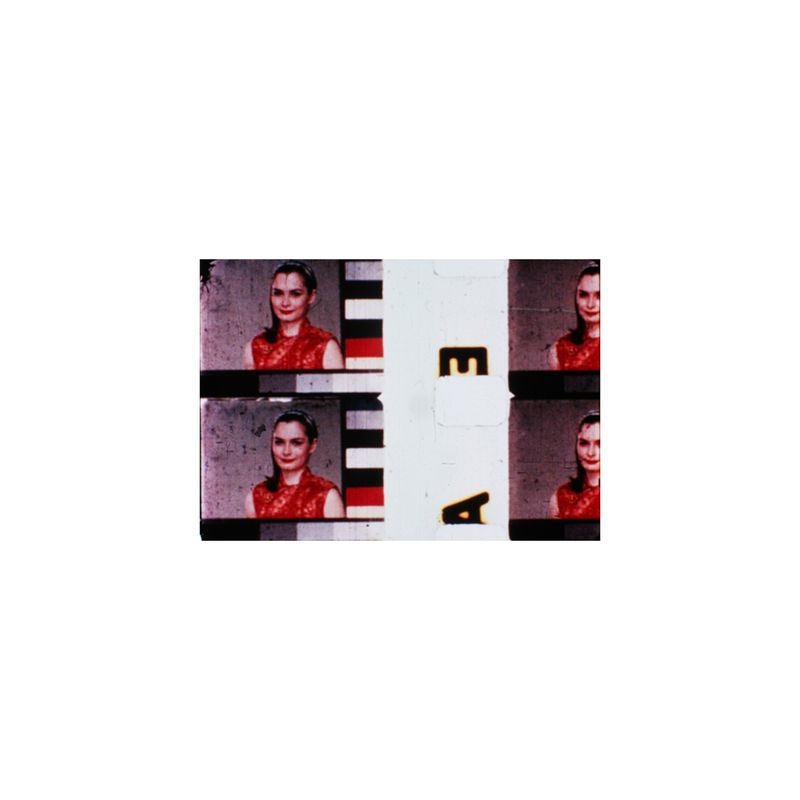
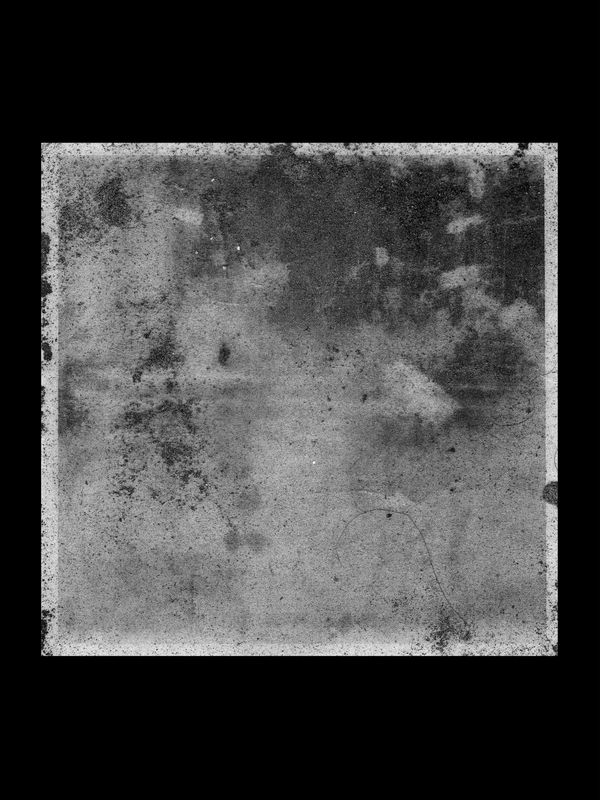
The second part involves visual experiments where dust becomes a living medium. The experimental process seeks to uncover the aesthetic value of dust as an object excluded by order, celebrating its chaotic beauty. By printing, scanning, and allowing dust to accumulate on an image, we create a kind of visual timeline. Through repeated iterations of this process, the original image disappears beneath the dust, forming a new interpretation of the work. This forces us to see not only the moment of capture but also the accumulation of time through dust. The dust on the image plays a role similar to silver grain in photography, becoming a photosensitive medium that generates tones, blacks, and volume. When viewing a photograph covered in dust, we are compelled to question our understanding of the image and its meaning.
Through these two approaches, this project sheds light on the role of dust in our collective memory and its importance as a witness to time. The archives present a small narrative of humanity's encounter with dust, framed by rationality and order, while the experiments embrace its irrational, chaotic nature, transforming it into an artistic medium. Together, they invite a deeper reflection on this often-overlooked yet omnipresent presence, revealing the tension between human rationality and the inevitable chaos that defines our existence.