Lacuna
-
Dates2017 - Ongoing
-
Author
- Location Pacifica, United States
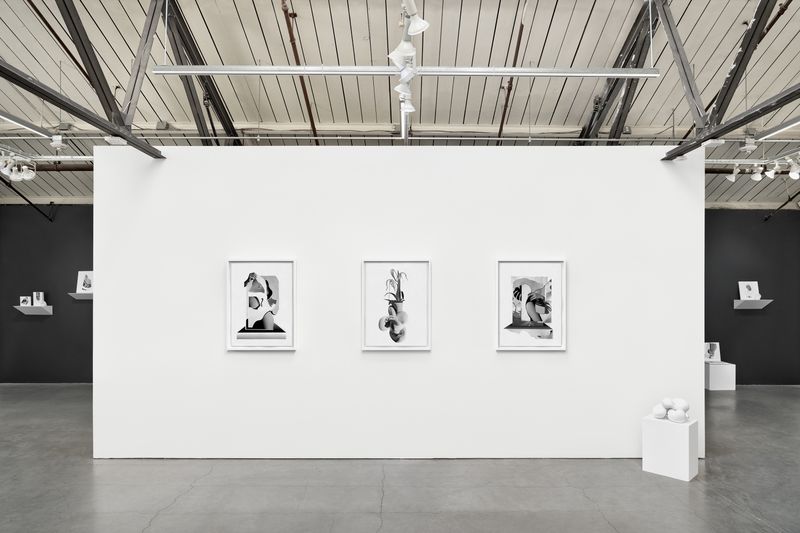
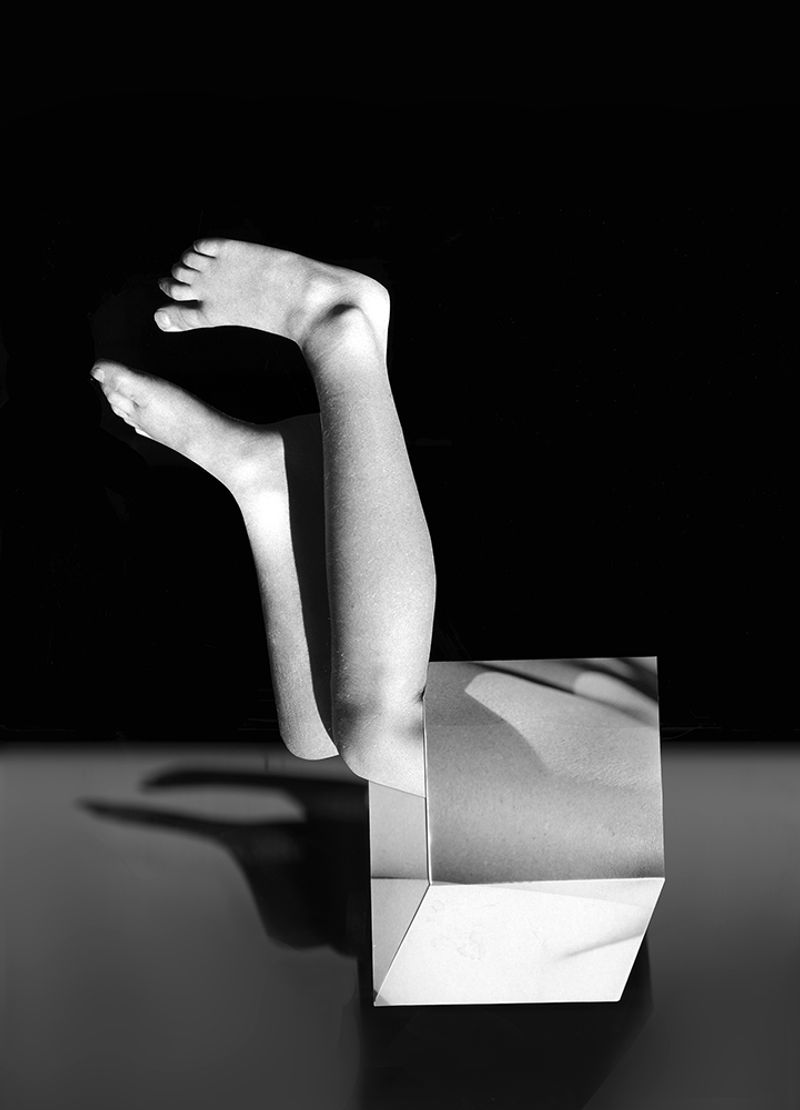
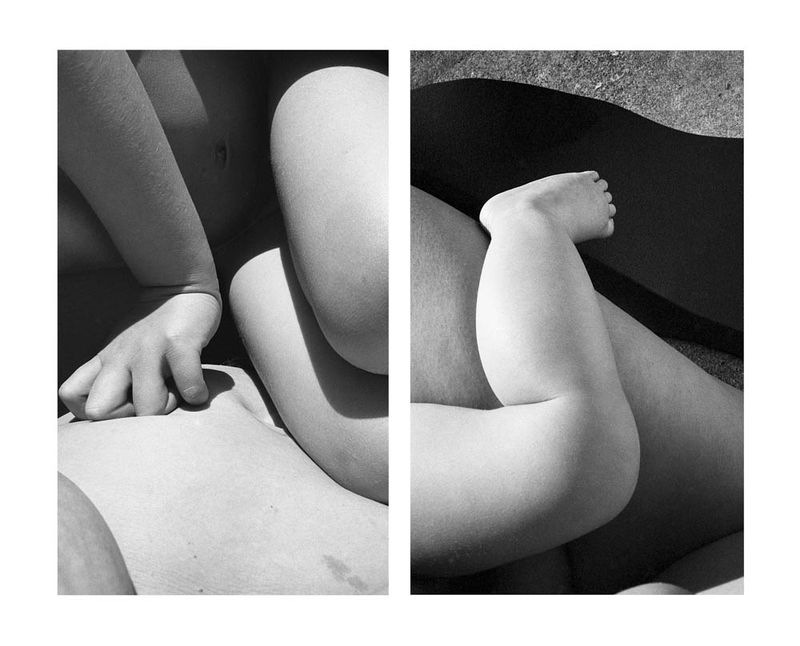
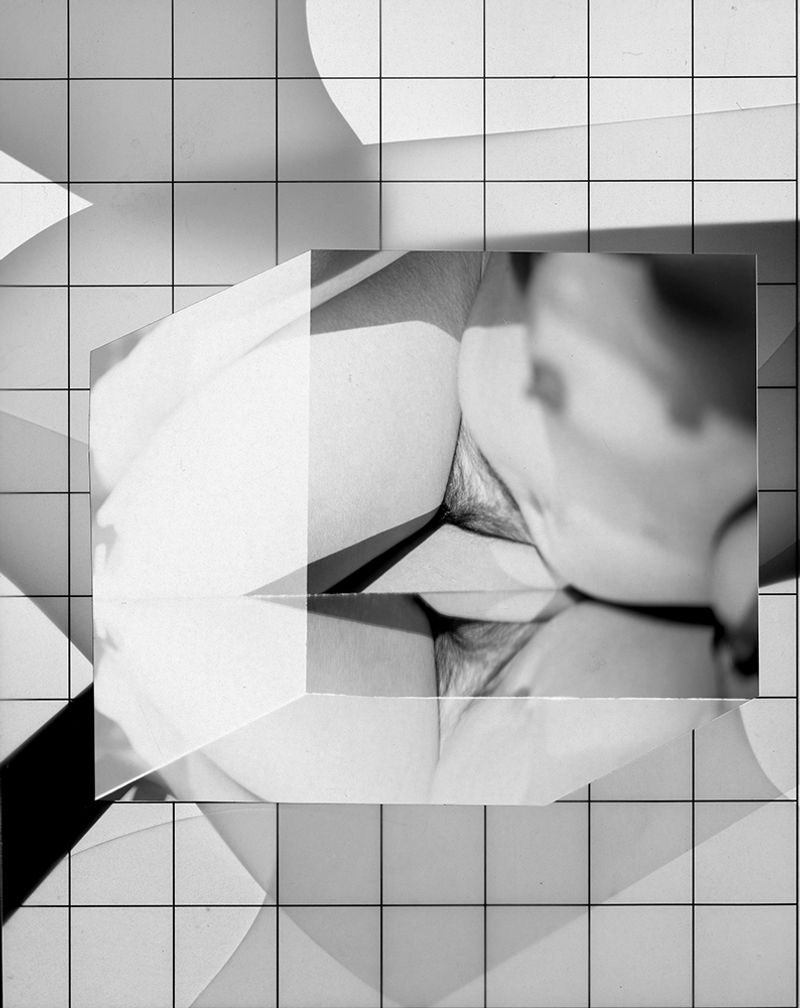
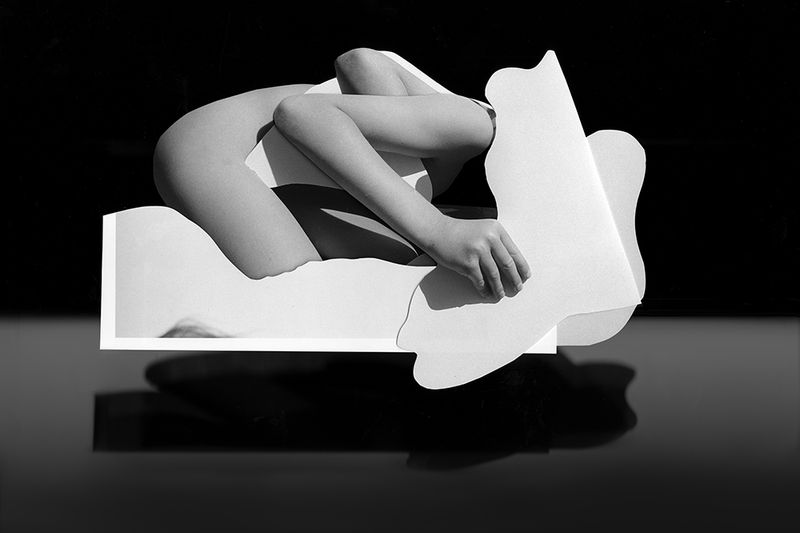
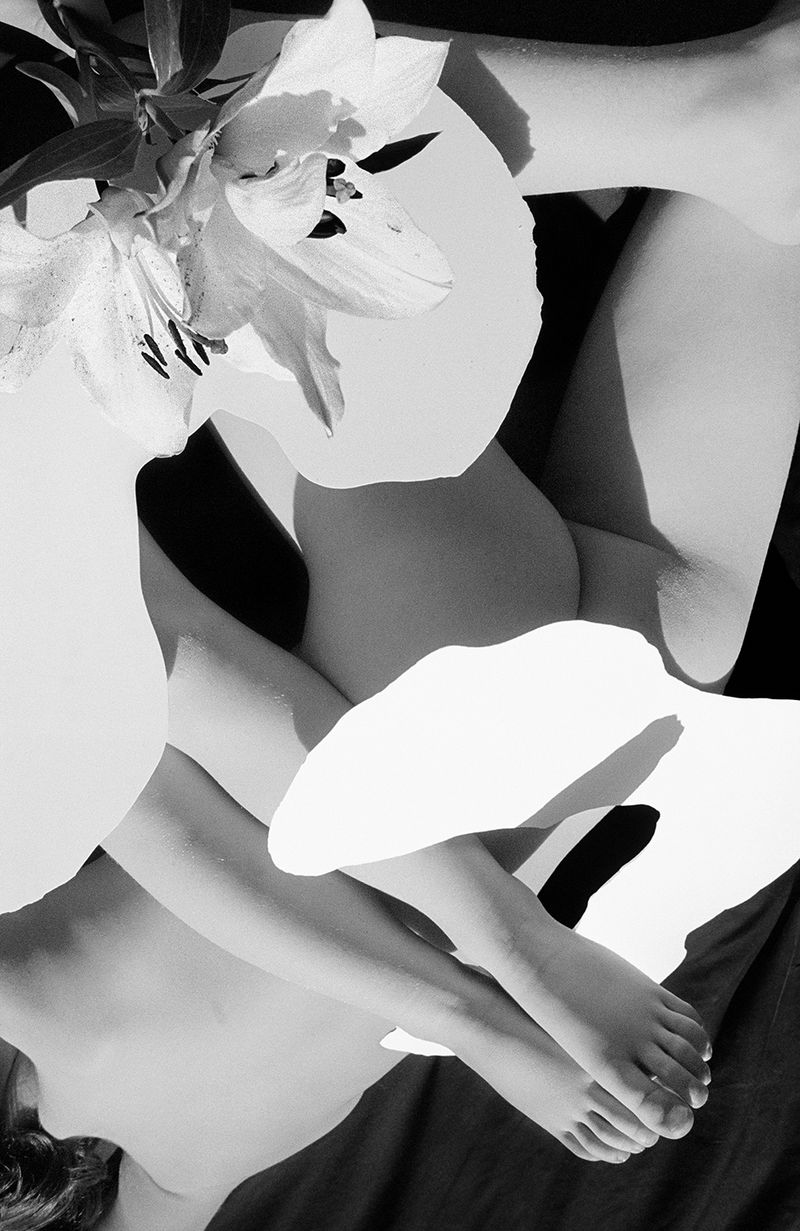
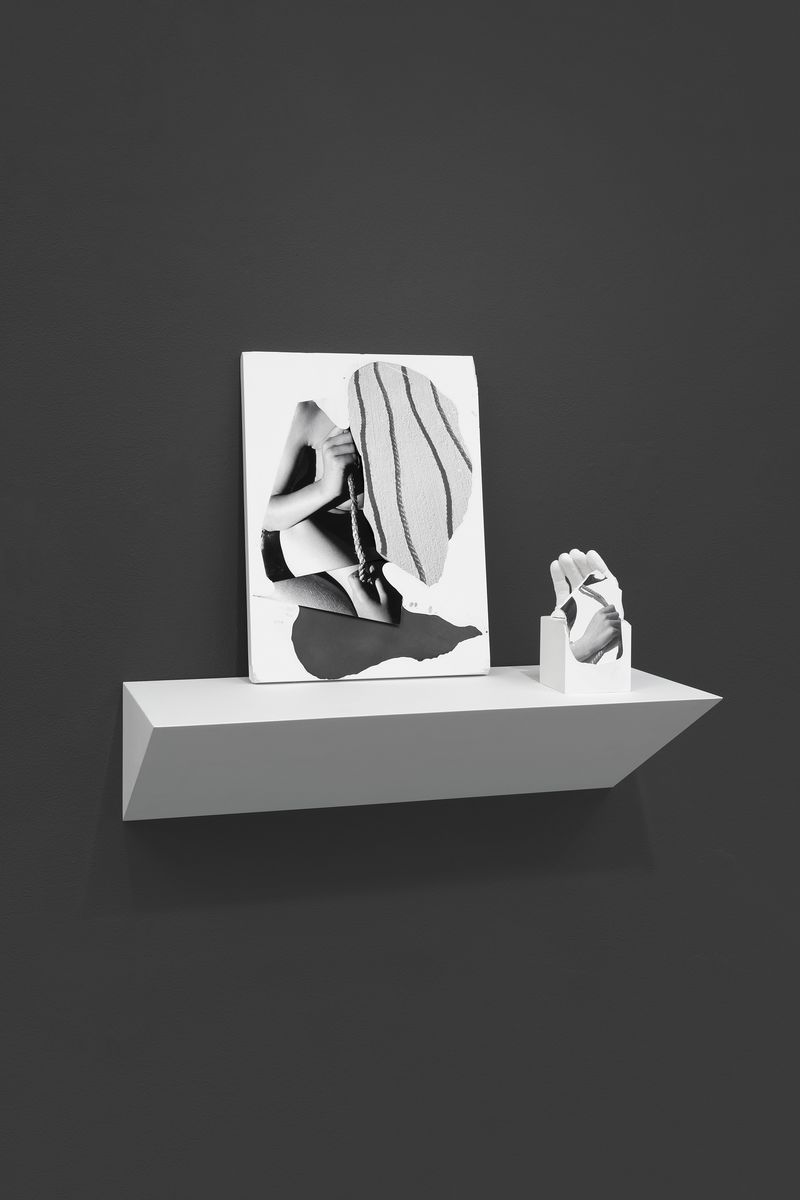
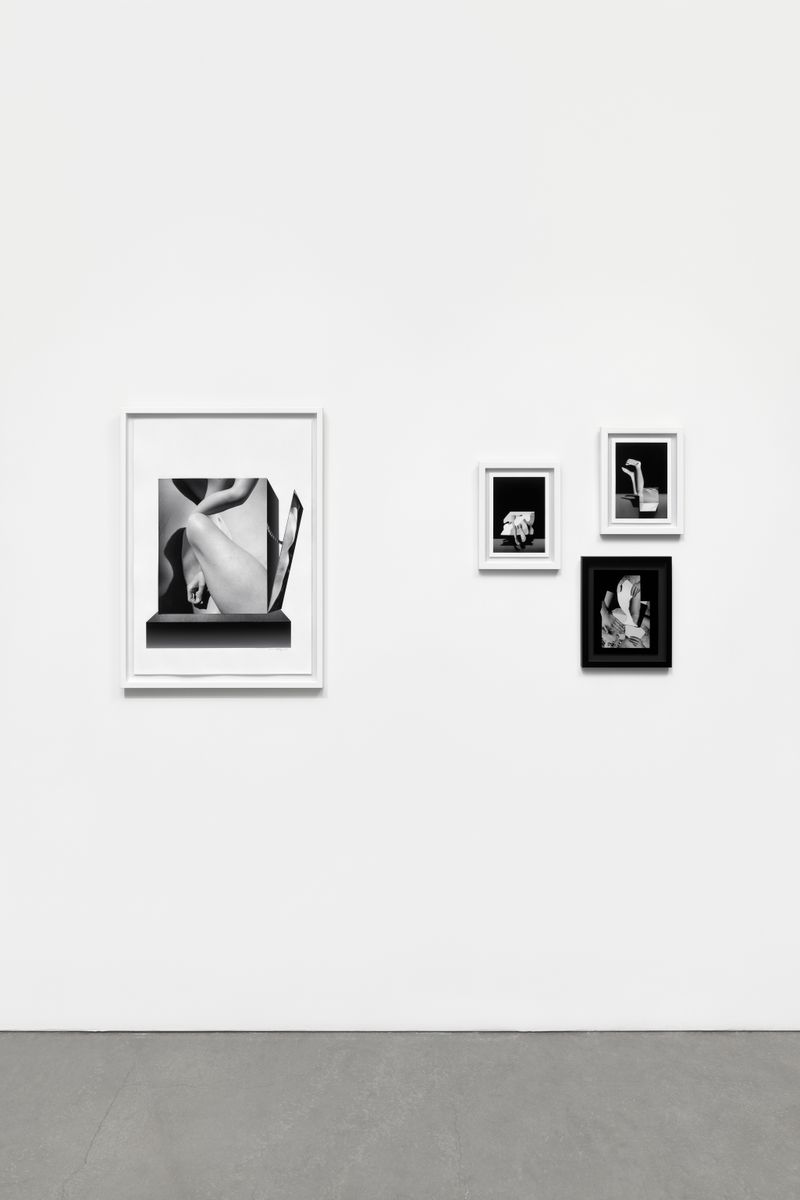
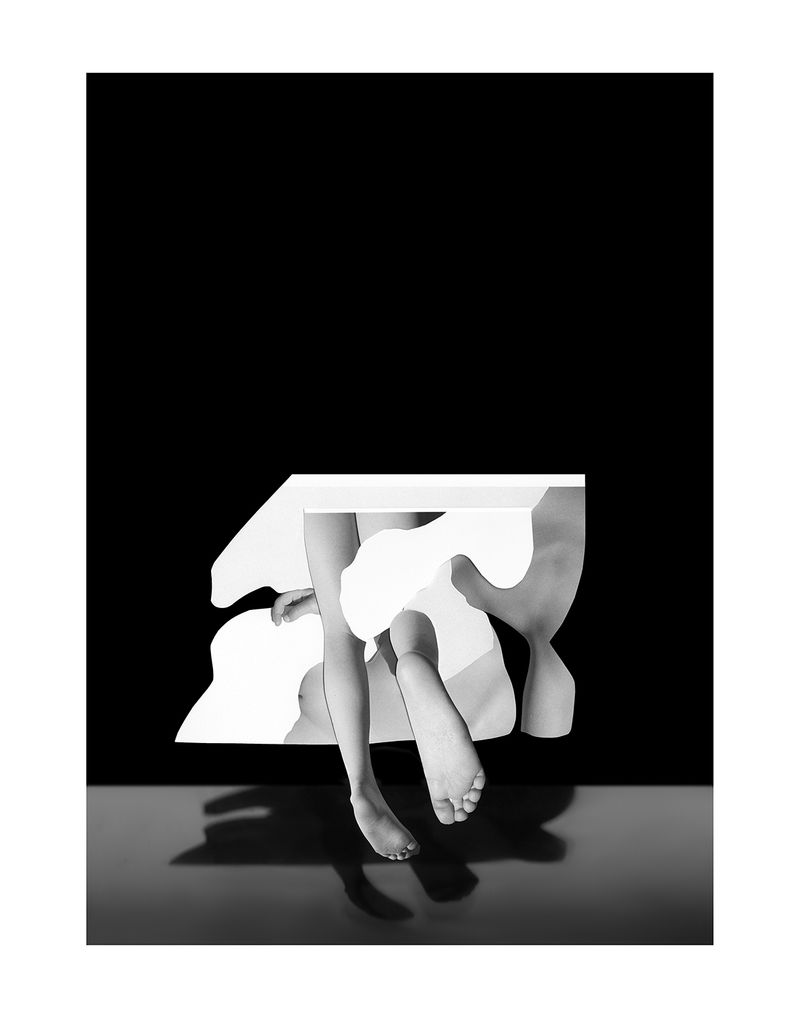
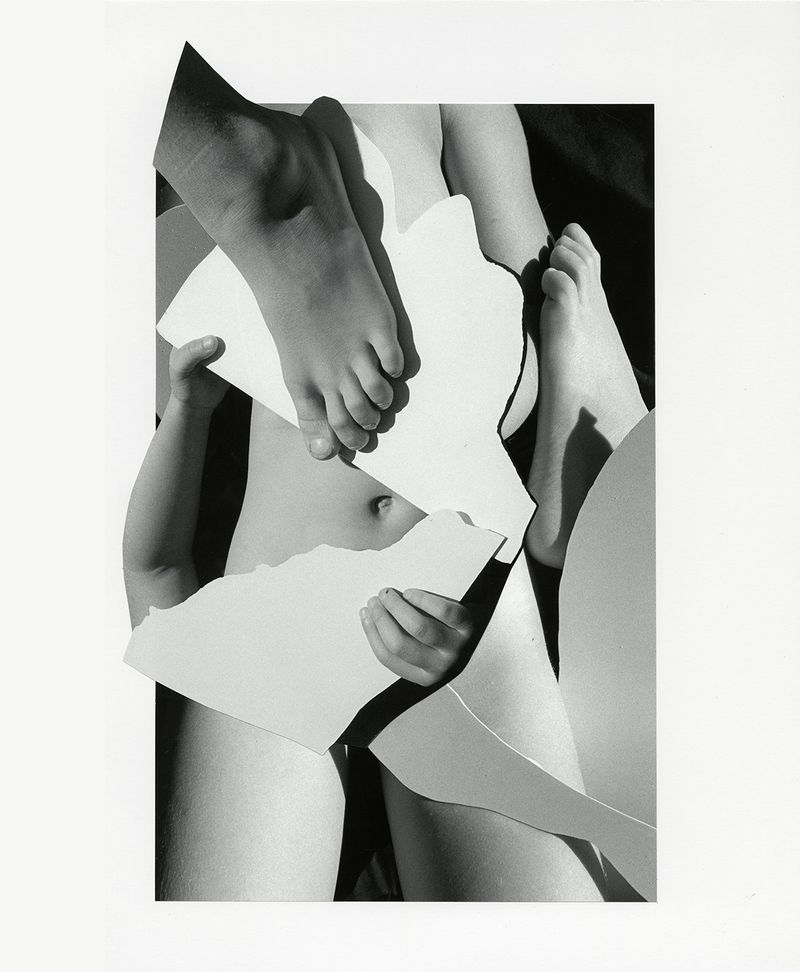
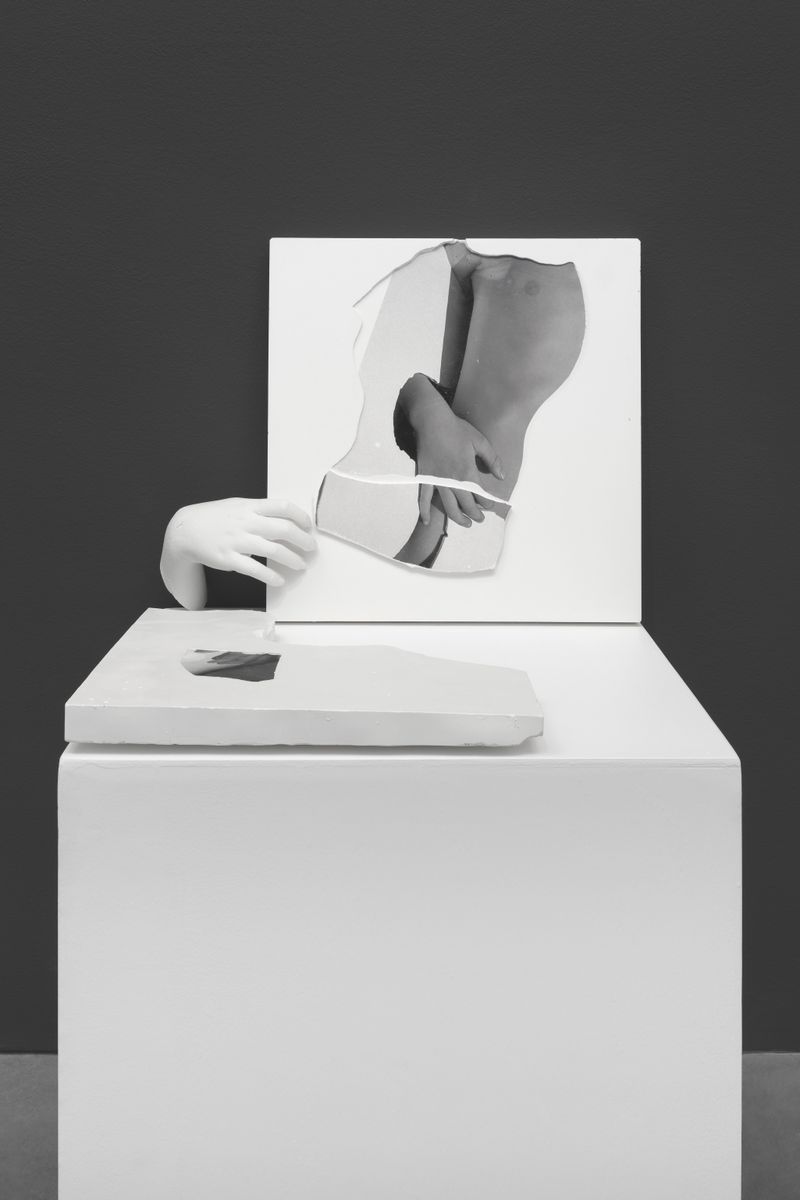
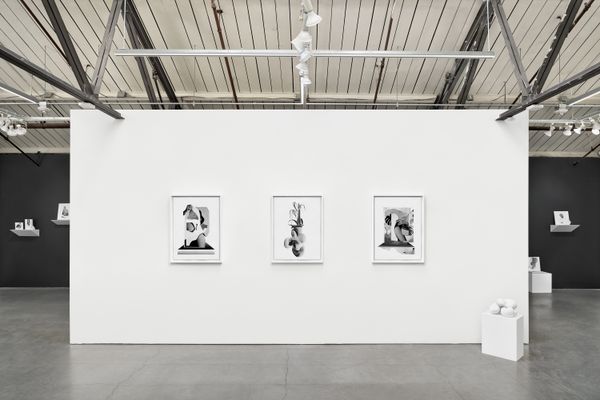
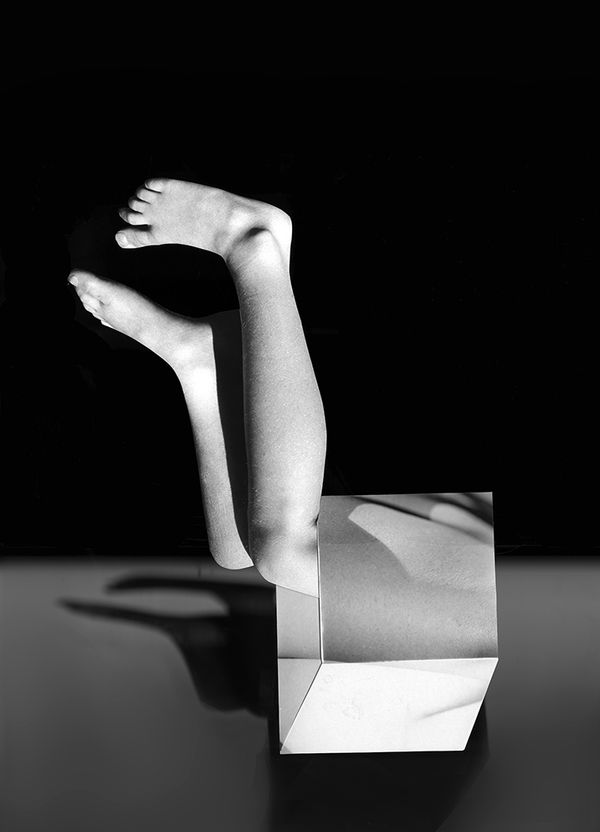
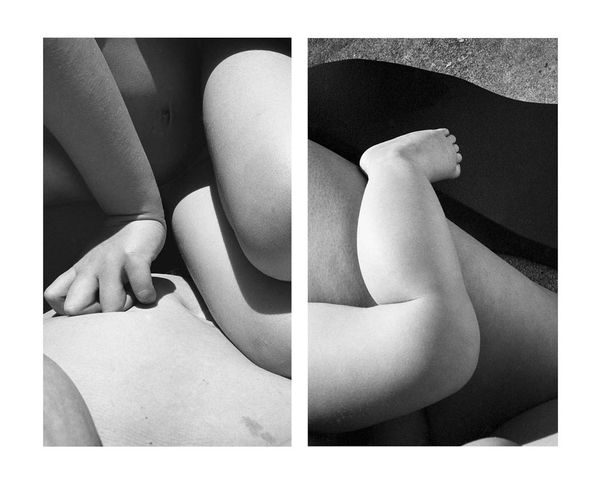
Lacuna (2017–), is an ongoing, multidisciplinary project that combines photographs, photograms, photographic collages, casts, and plaster sculptures to interrogate the malleability of motherhood.
Lacuna (2017–), is an ongoing, multidisciplinary project that combines photographs, photograms, photographic collages, casts, and plaster sculptures to interrogate the malleability of motherhood and its profound connections to boundaries and mortality.
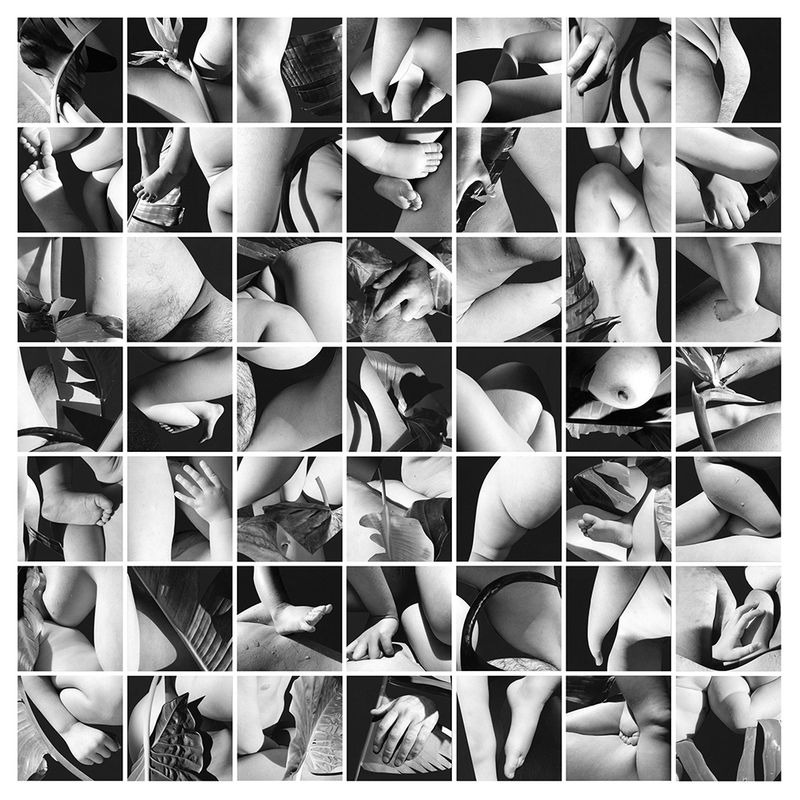
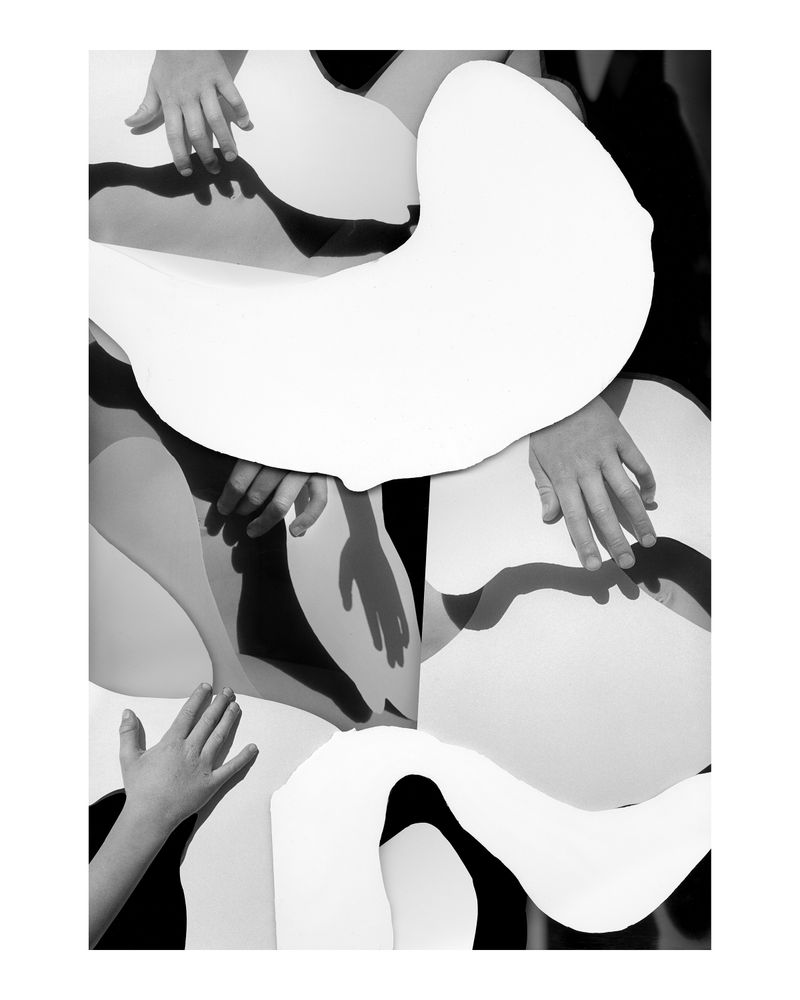
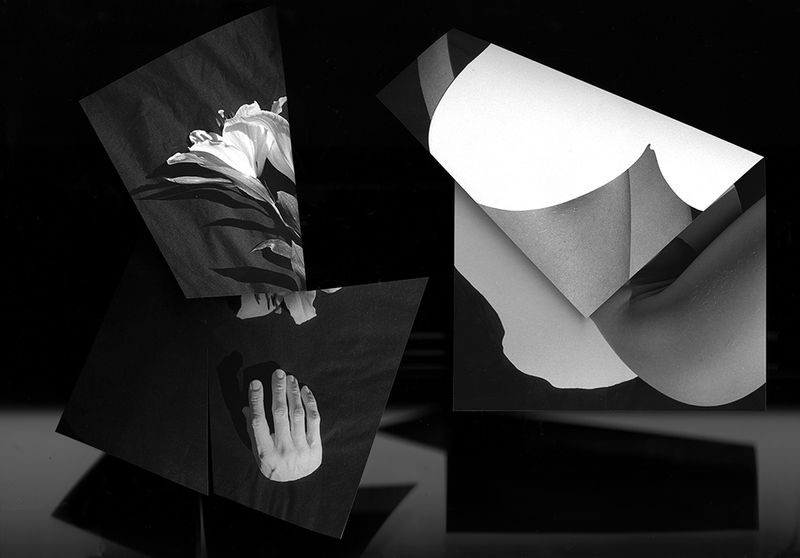
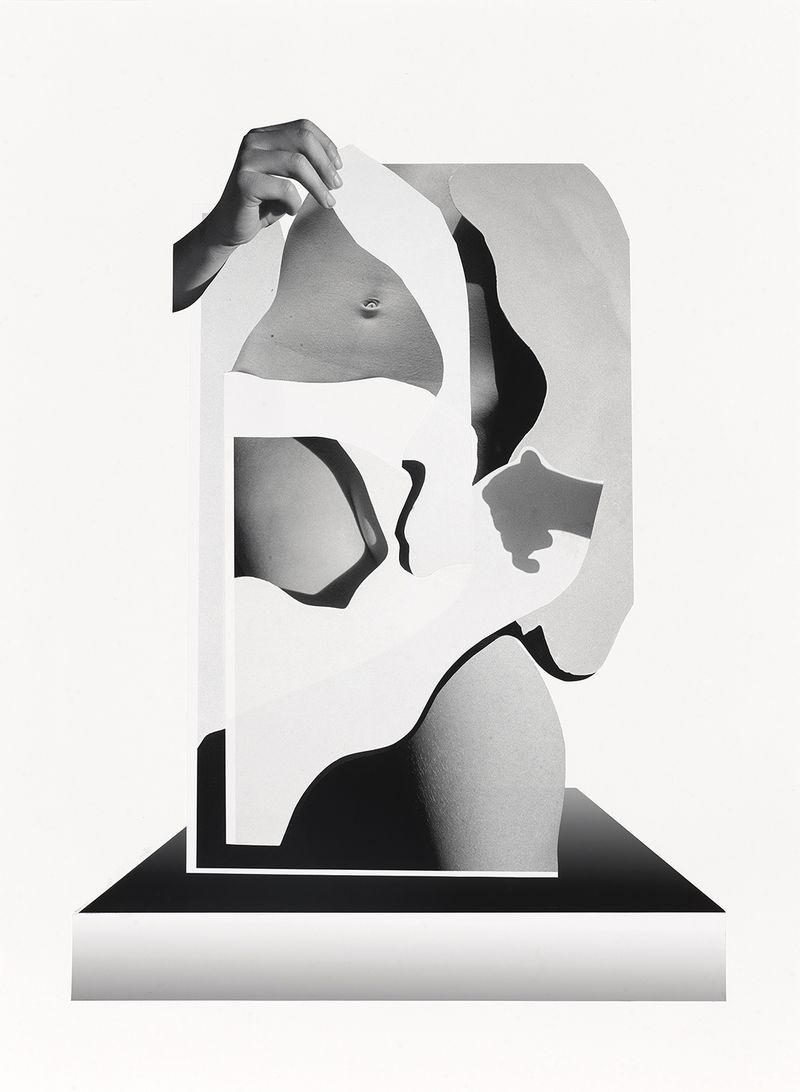
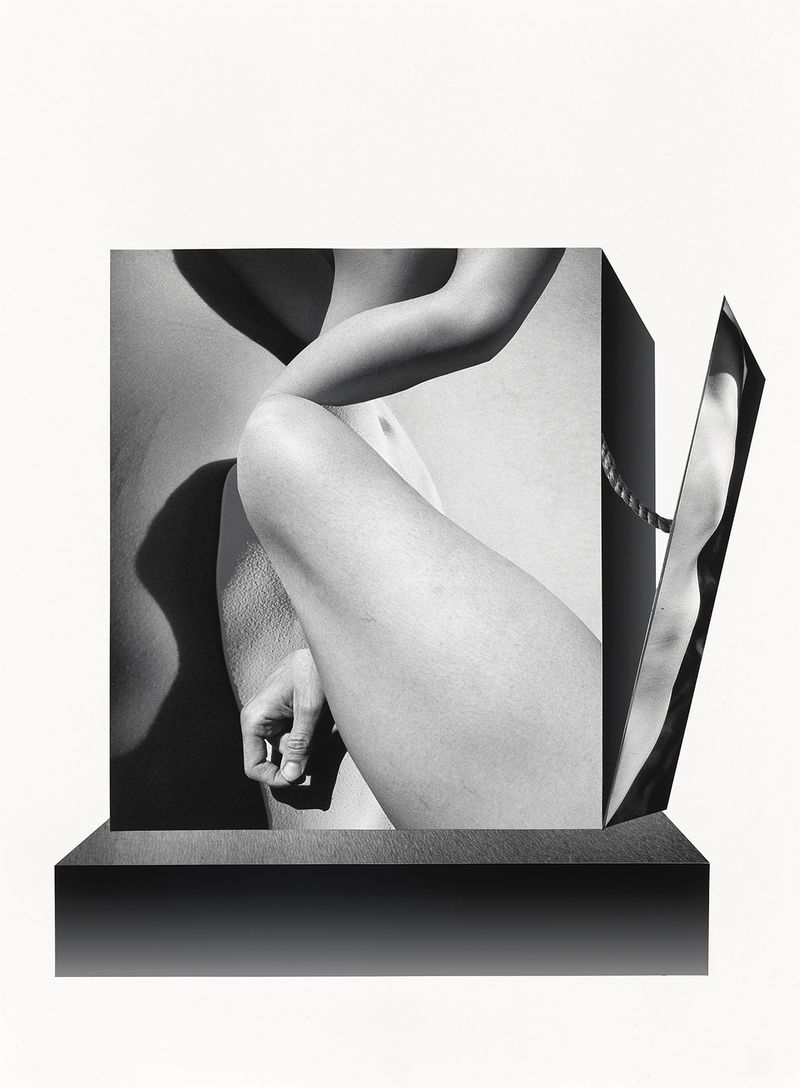
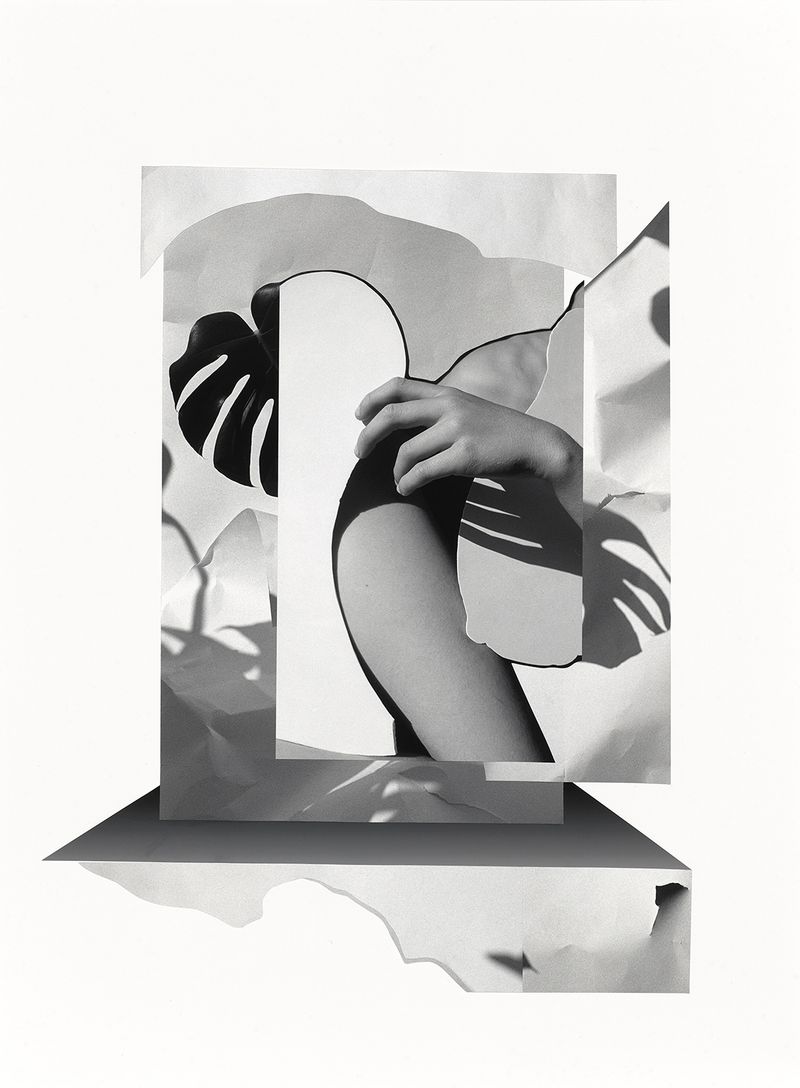
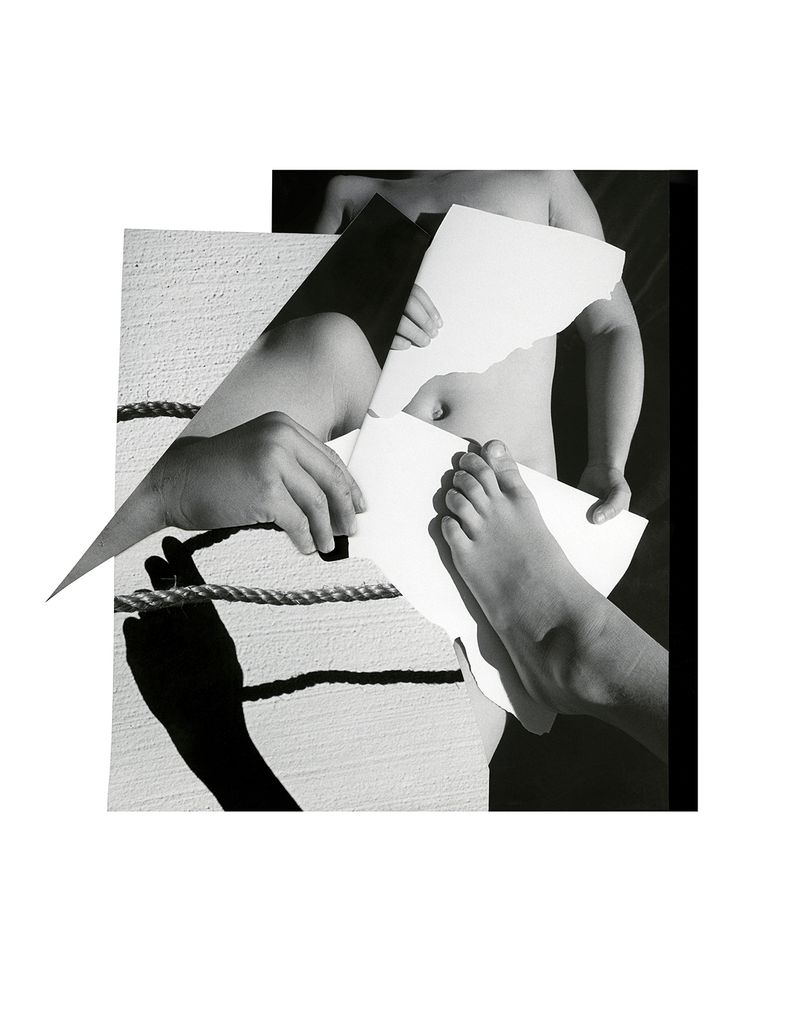
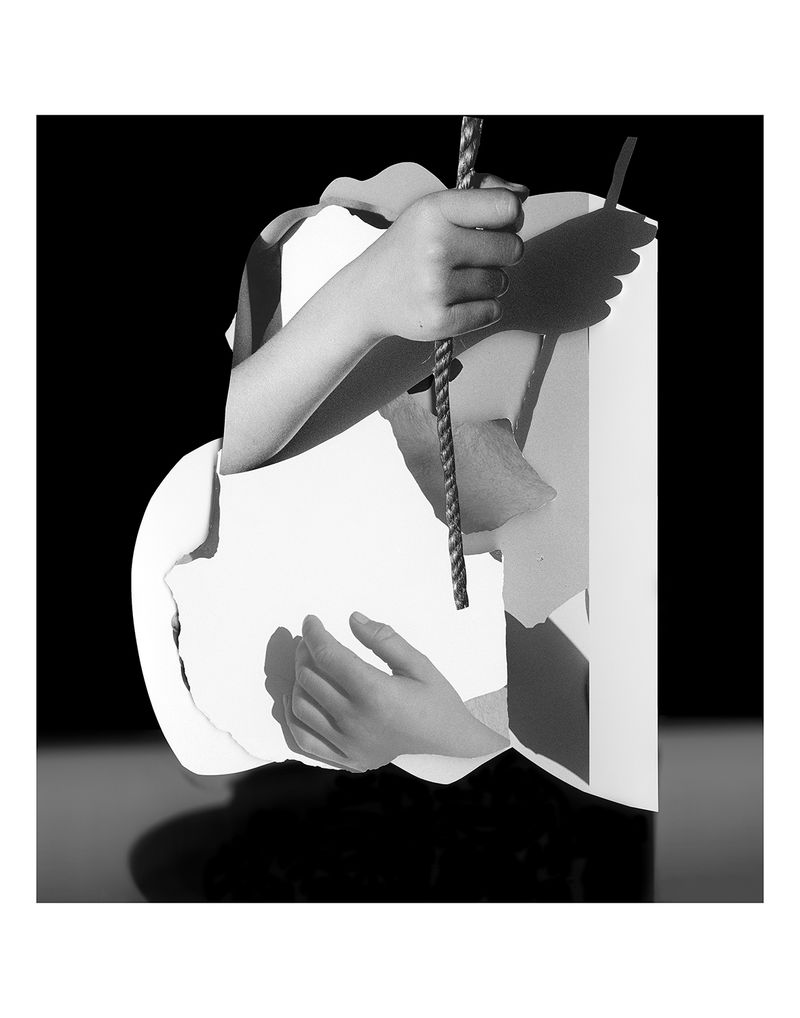
In Lacuna, I show a body turned inside out and remade through my children’s bodies while also probing the gaps and conflicts of maternal experience. The range of visual strategies used in lacuna is meant to generate spaces of vertigo, confusion, ambivalence, and reorientation. I want the work to speak to the extraordinary fact that the maternal body and mind are physically and biologically remade through the process of becoming a mother. I also want to explore the conflicts that live within maternal experience; the need to simultaneously hold on to and let go of my children, to extend my body to them and reclaim it for myself. Fracture and repair are recurring motifs in the work. Like kintsugi—the Japanese art of mending broken pottery and leaving the crack visible—I feel that the fracture of self that occurs in motherhood allows us to be remade stronger and more beautiful.
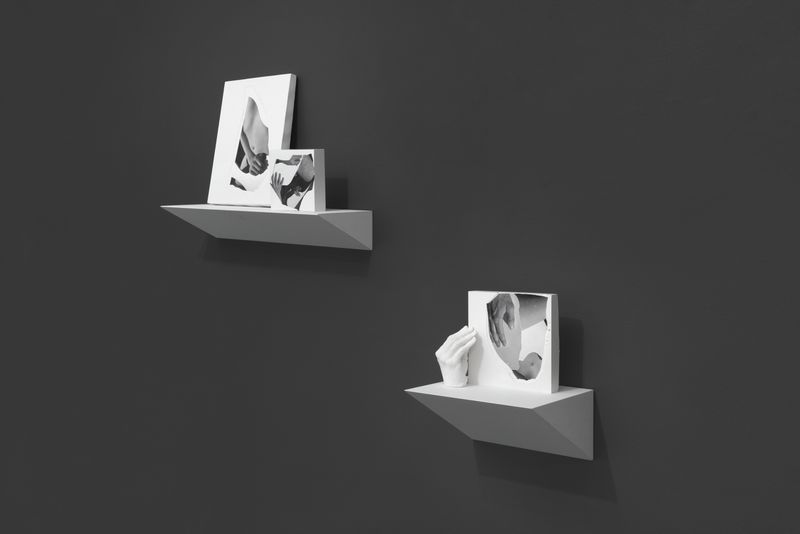
The work in Lacuna is highly iterative and shows evidence of being made and remade. Like motherhood itself, the work is continually remixed and rebuilt. Bodies are multiplied and erased through extensive layering, fragmentation, and re-photography. Figures and forms combine, break, grow, shrink, and reassemble. Blank plaster fragments, used as both sculptural forms and within collages , function as lacunae—unfilled gaps or intervals—that become the unwritten spaces in which the mother’s identity can be rewritten. The hybrid approach to image-making in Lacuna illuminates the pliancy of maternal experience, showcasing how maternal perspective can expand the discourse around identity and gender in contemporary art.