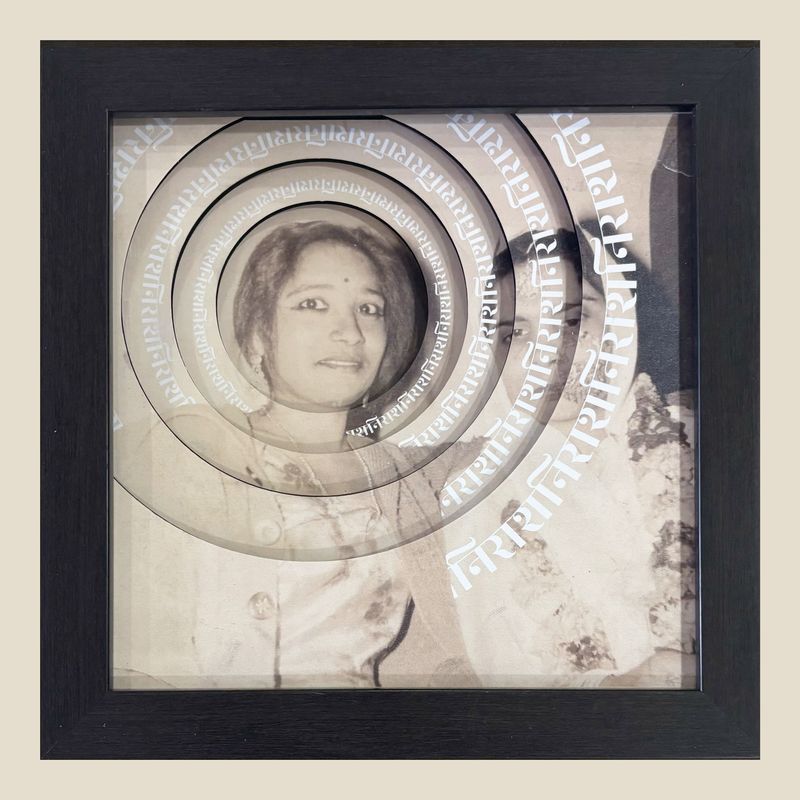
Labyrinth
-
Dates2021 - 2026
-
Author
- Location Lucknow, India
Labyrinth explores how memory, trauma, grief, and resilience move through generations. Through fragments and silences, it reclaims overlooked lives, asking how inherited pain can be reshaped into agency, defiance, and remembrance.
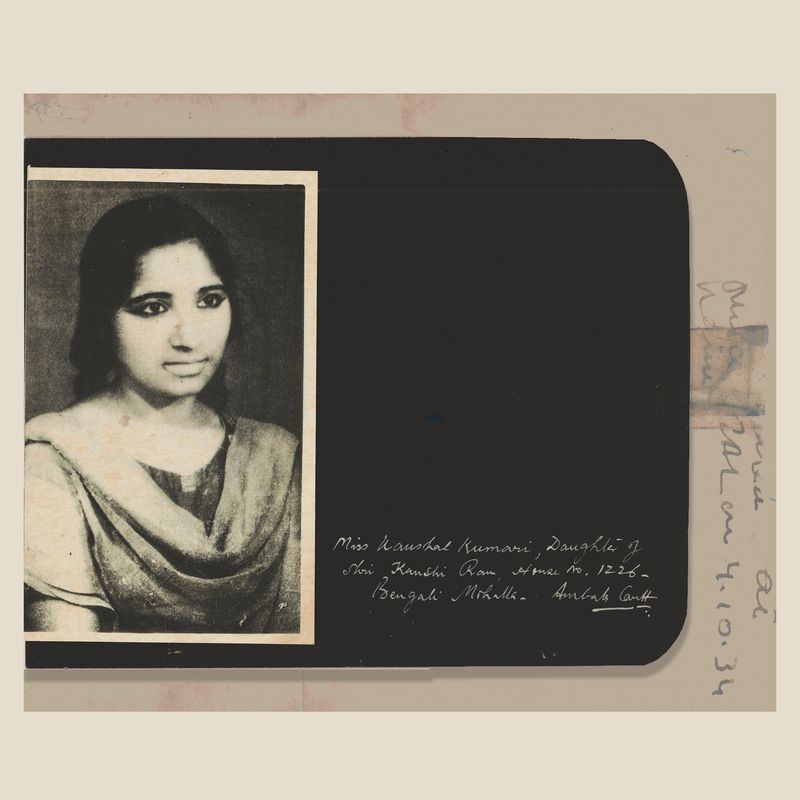
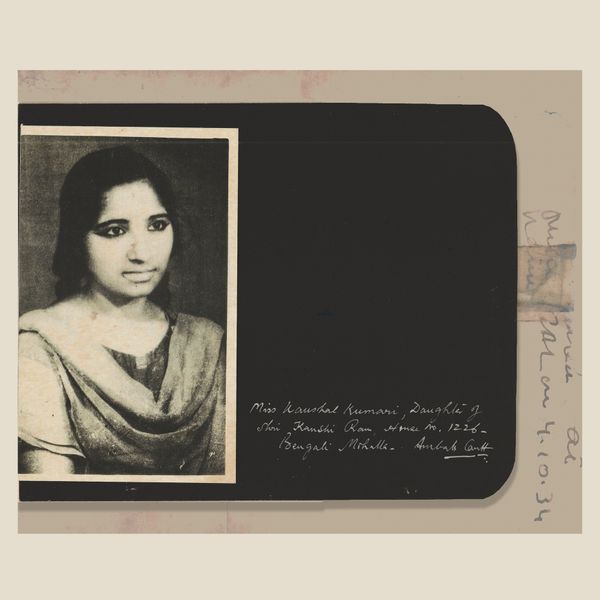
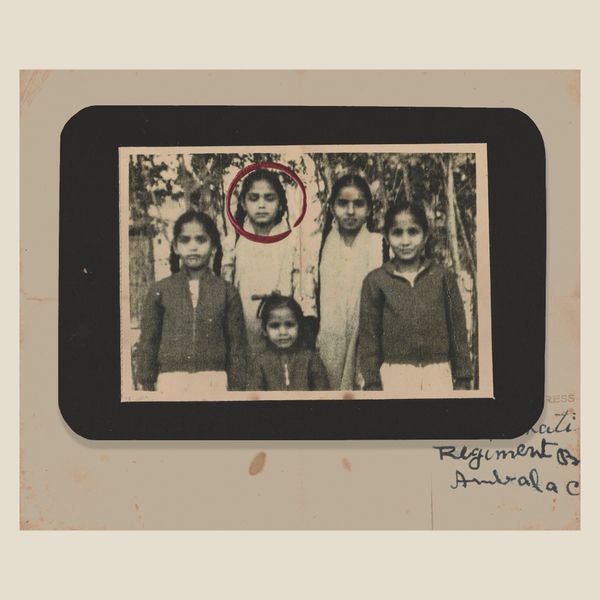
My Grand Aunt, Kushal Kumari, moved back to my grandparents’ home after my grandmother’s sudden passing. After two decades of seclusion away from her beloved brother, she returned to care for him in his grief. I had met her only five times before her recent demise, and all I knew of her were these facts:
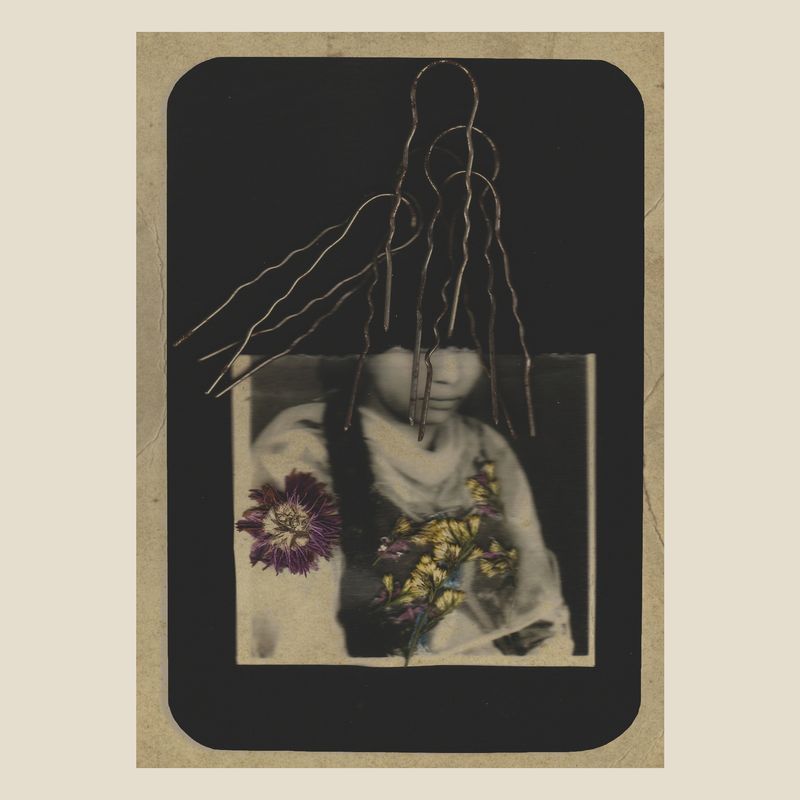
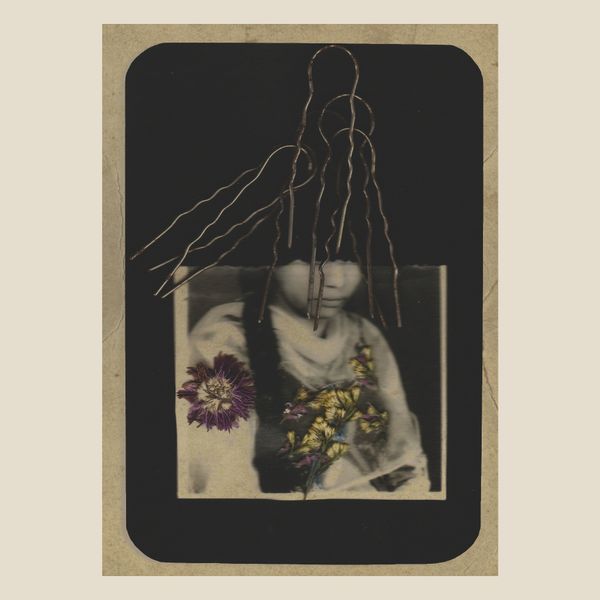
She hand-stitched her own clothes, wore them proudly with flowers in her faux bun every Sunday for the Gurudwara.
She nurtured her garden with deep affection.
She loved her brother fiercely, and disliked nearly everyone else.
She reminded me of the literary characters from The Madwoman in the Attic—unkempt, eccentric, and unpredictable. As a child, I was intimidated by her presence, often shying away from her intense gaze.
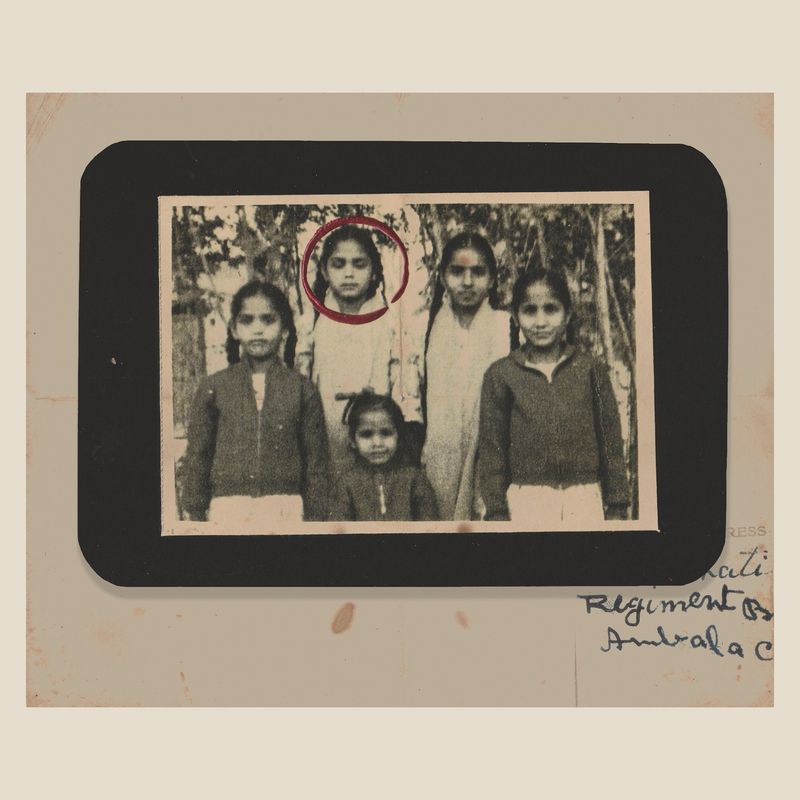
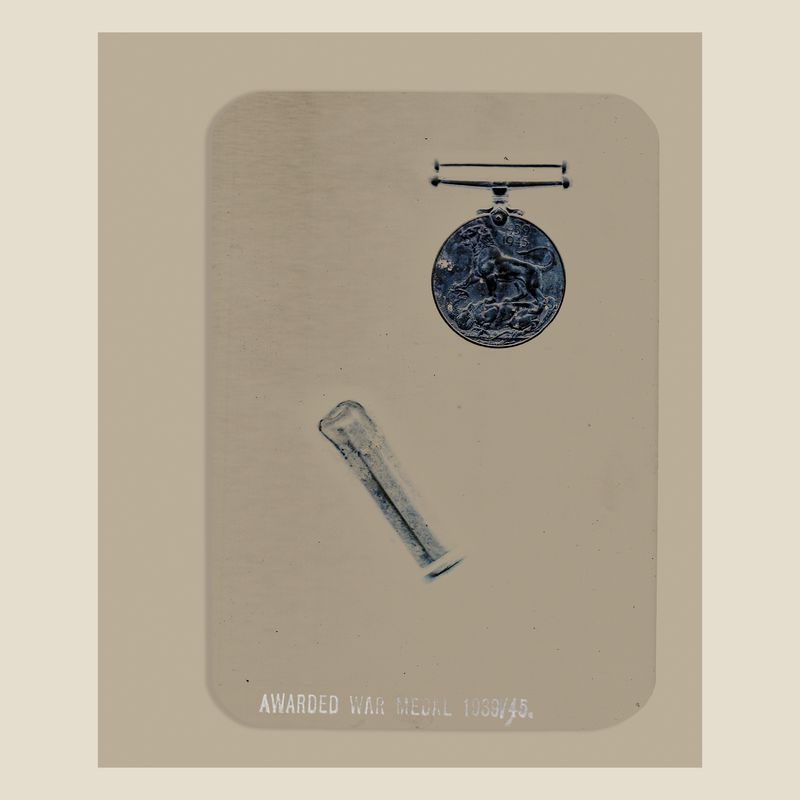
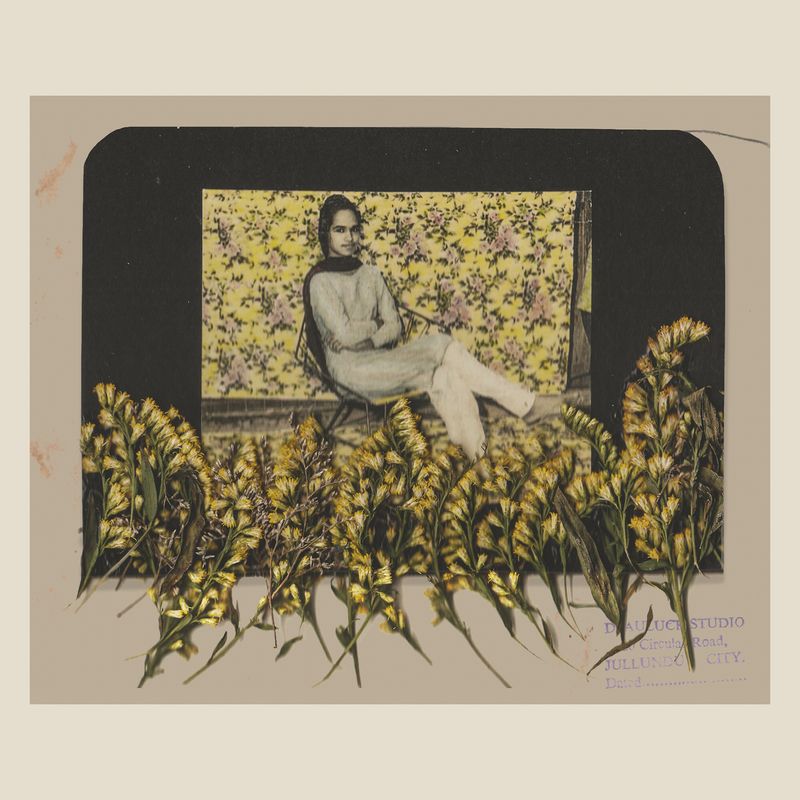
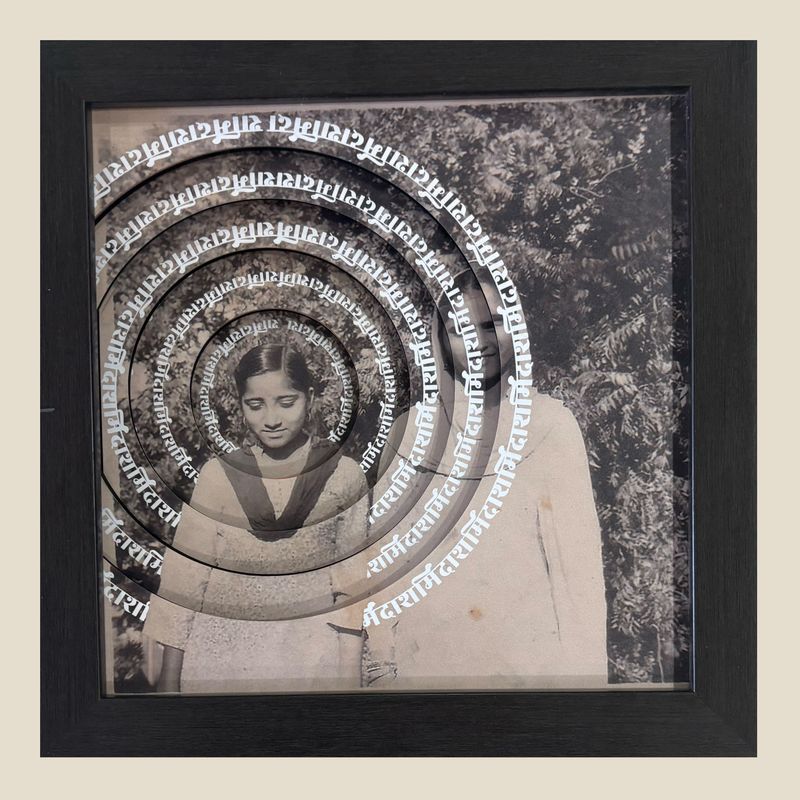
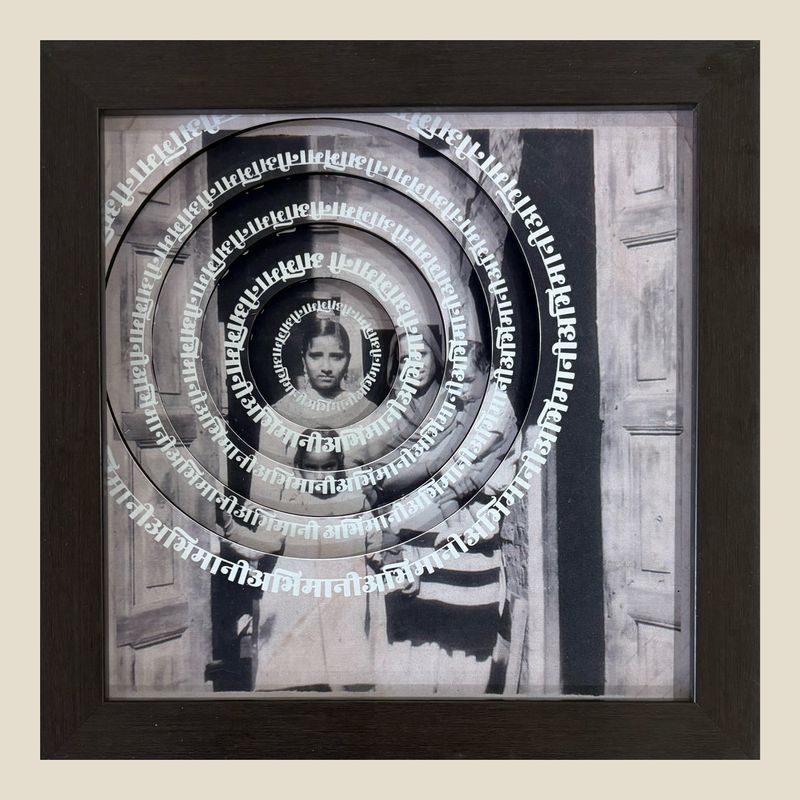
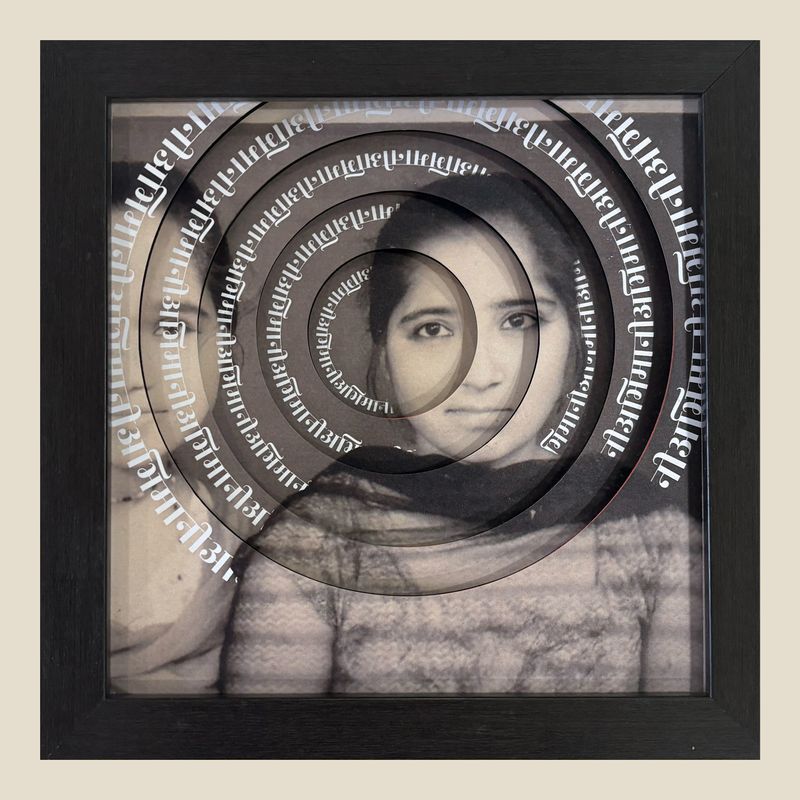
After her death, she left behind a single worn-out box tucked under her bed. It held decades of memories: postcards from nieces, faded photographs, her father's WWII medals. Each artifact told a story I had never known. Through them, I slowly reassembled an image of a woman far more complex than I had assumed—a woman shaped by defiance, solitude, and care.
Women like my Great Aunt are often forced into rigid, unforgiving roles, either soft and selfless or cold and mad. Over the years, the words used to describe her—difficult, unstable, unlovable—were not just whispered behind her back, they imprinted themselves onto her sense of self. With no space to exist between those extremes, she began to carry the weight of those labels until they echoed within her, blurring the line between who she was and who the world insisted she must be. Her eccentricity, her guardedness, her fierce autonomy—these were not symptoms, but strategies of survival. And yet, the more she protected herself, the more she became the very figure others feared. Not because she lost herself, but because she refused to be who they wanted her to be.
Through this work, I seek not only to understand her better but to find closure for my own regrets. It is both a homage and an exploration of what it means to remember and be remembered.