La ronde des hirondelles
-
Dates2021 - 2024
-
Author
- Topics Contemporary Issues, Daily Life, Documentary, Nature & Environment, Photobooks, Portrait, Social Issues
- Locations Italy, France
Denied the freedom to move, exiled people walk the 26 km from Clavière to Briançon in the Alps, hidden in cold and darkness. In Briançon, their weary bodies and quiet stories reveal the harshness of borders and the endless circling of waitness in exile.
I frequently travel by bus between Italy and France and have often witnessed border police checks forcing certain people to get off the bus. These men, women, and children were denied entry onto French soil. They had no choice but to cross the border illegally.
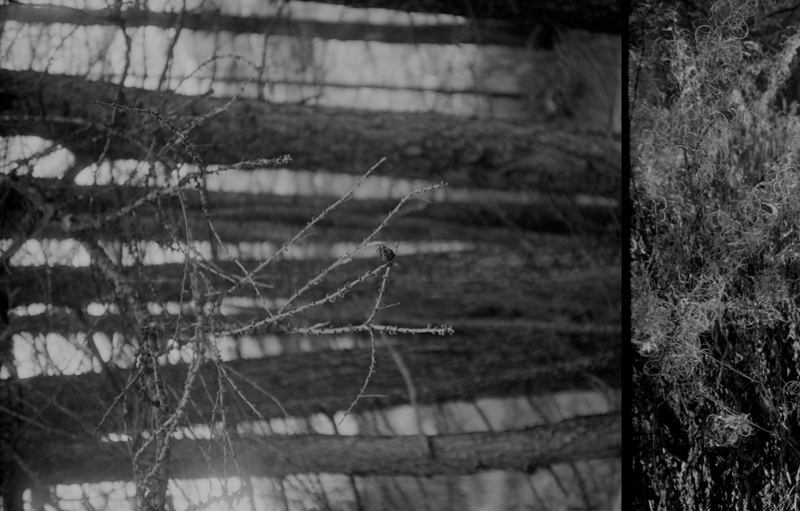
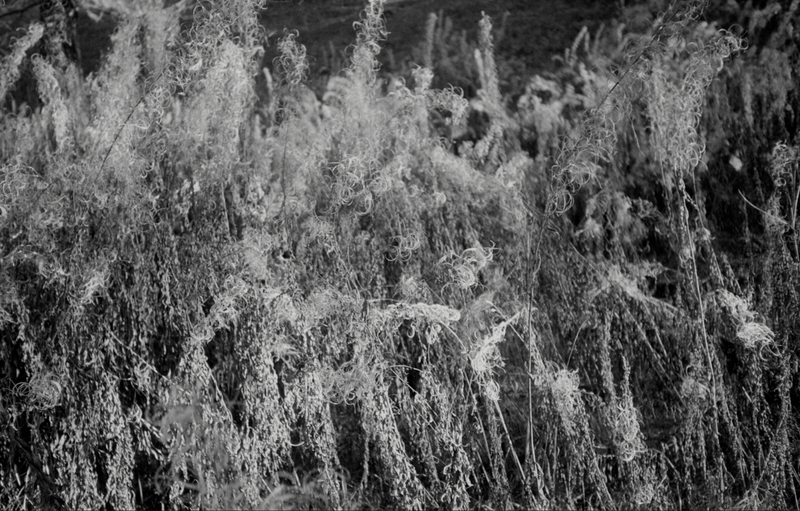
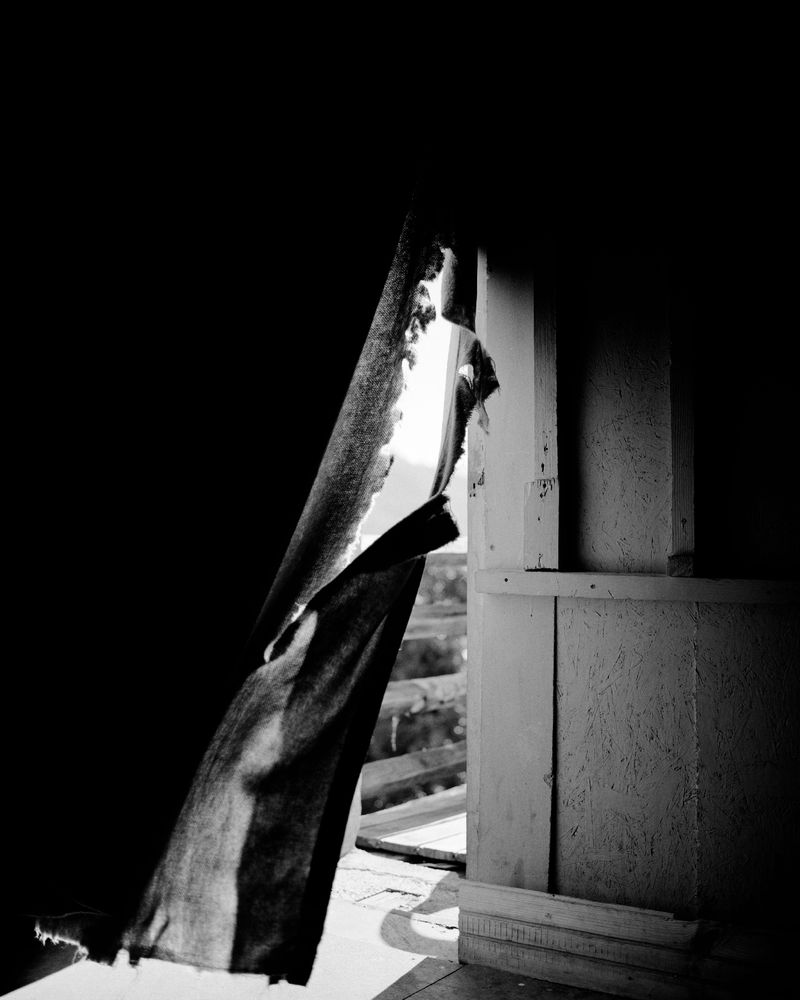
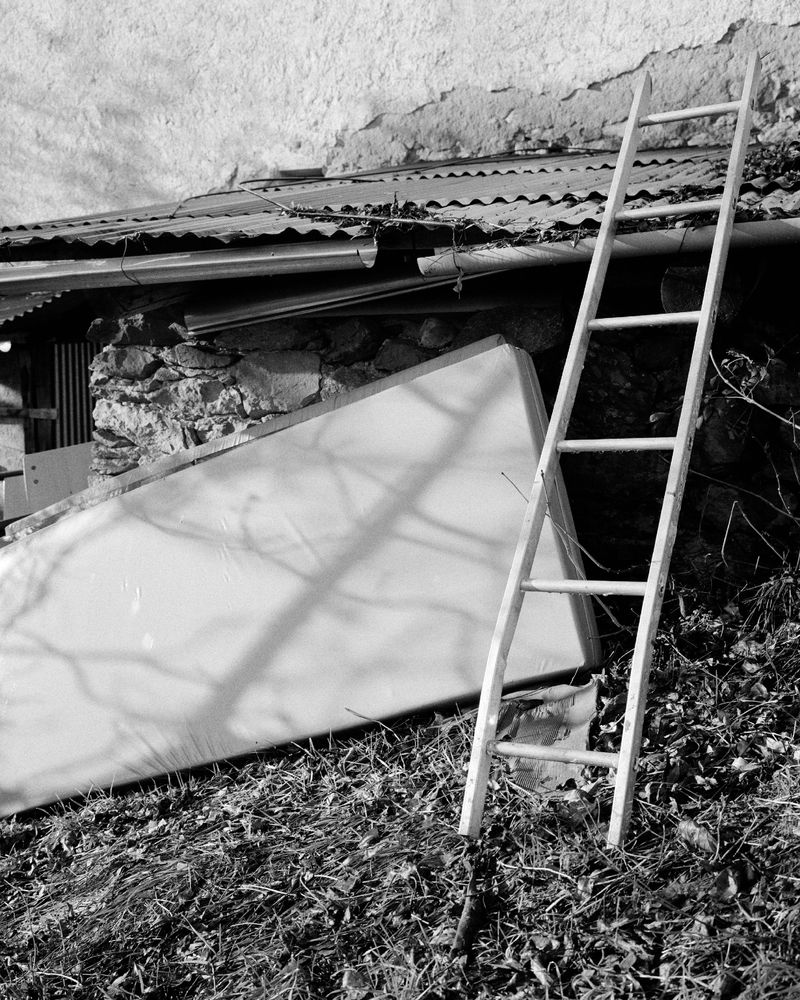
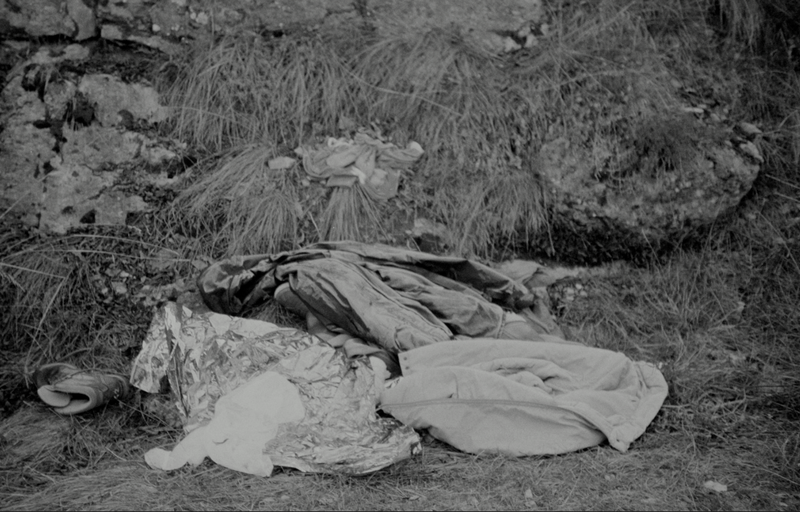
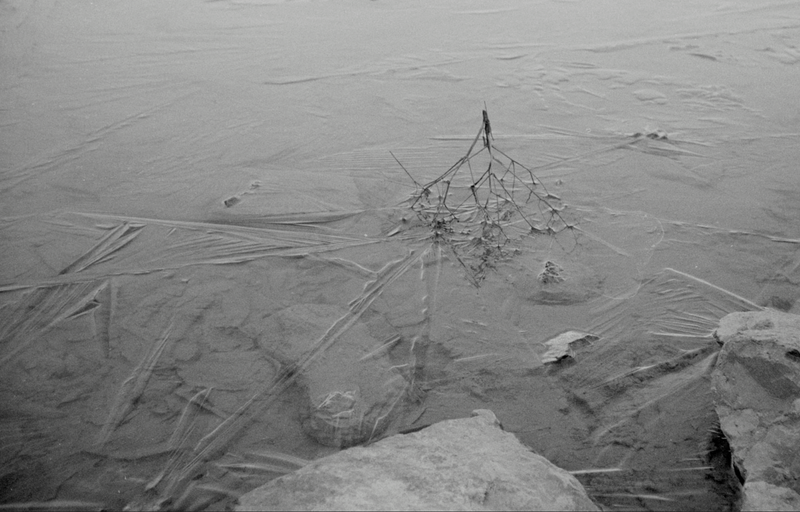
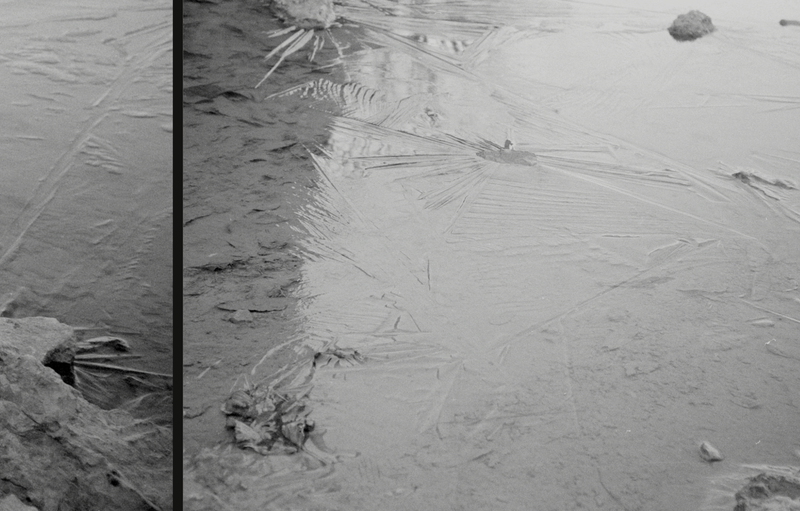
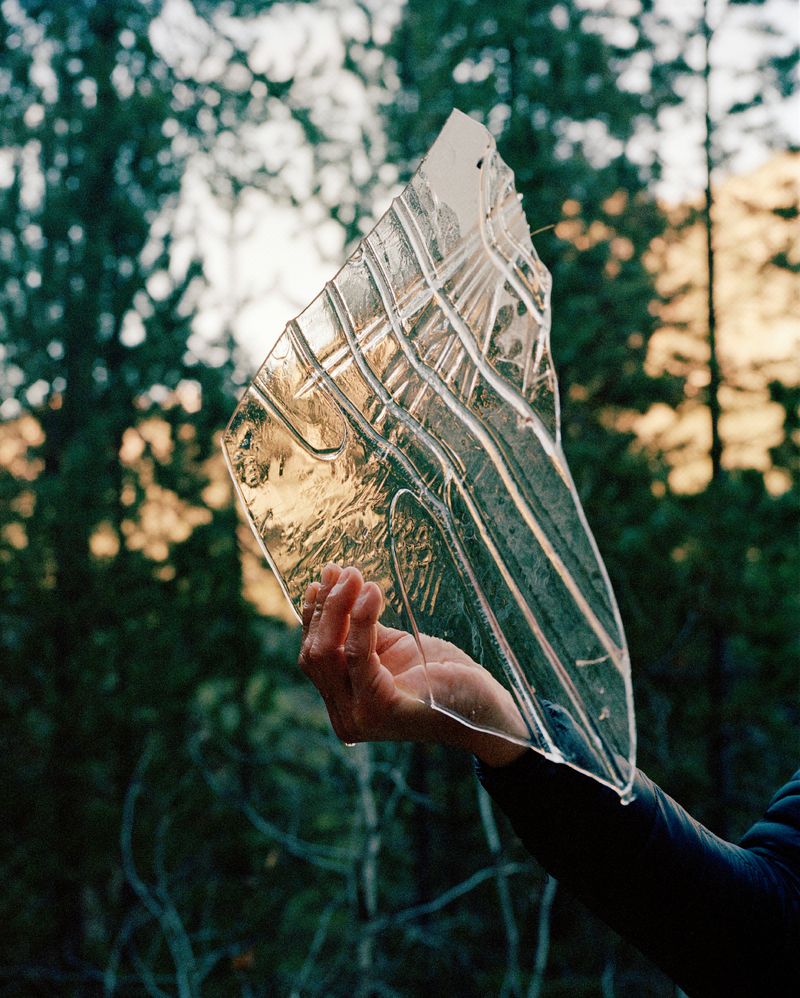
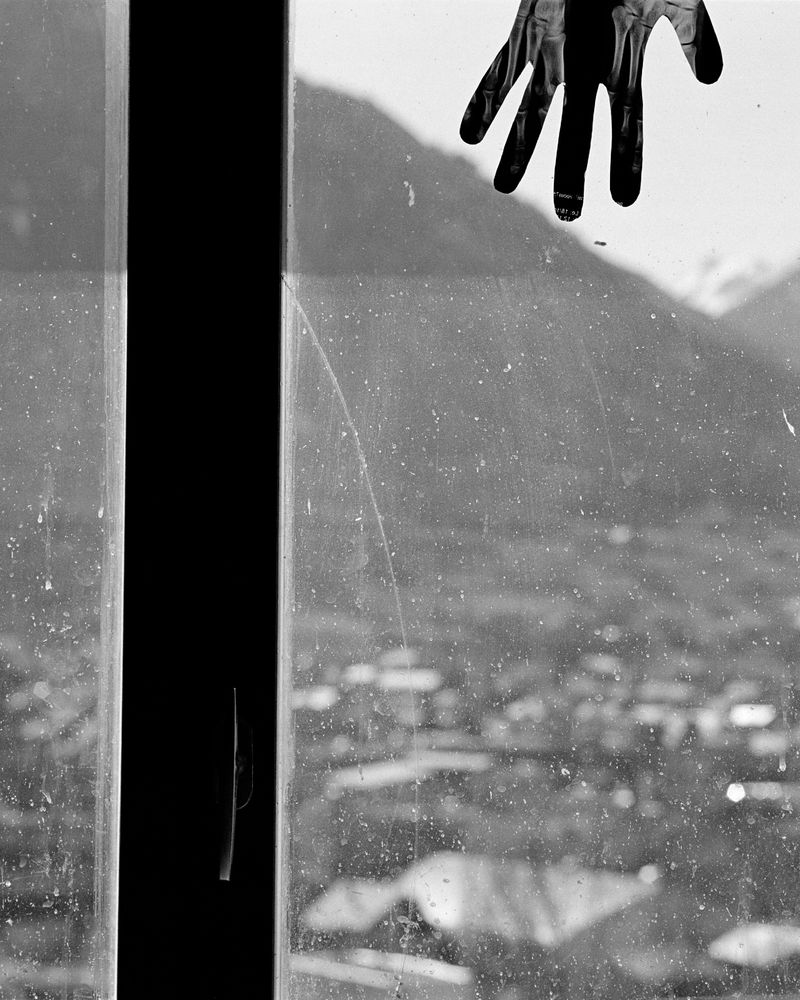
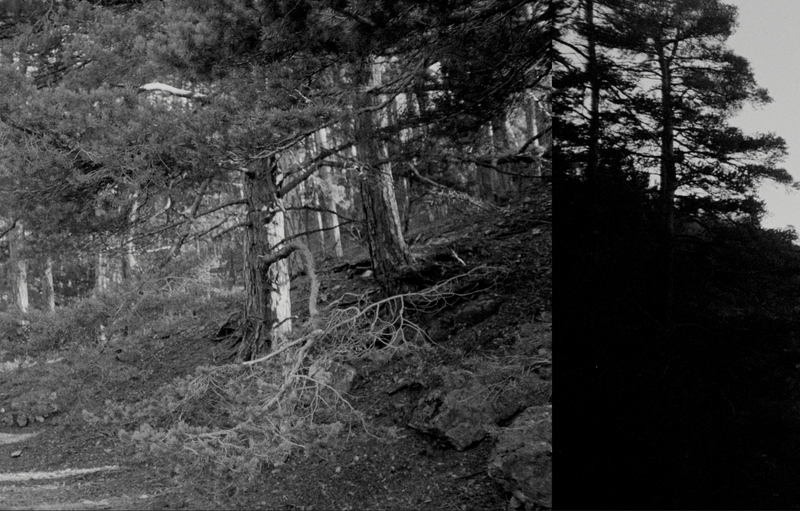
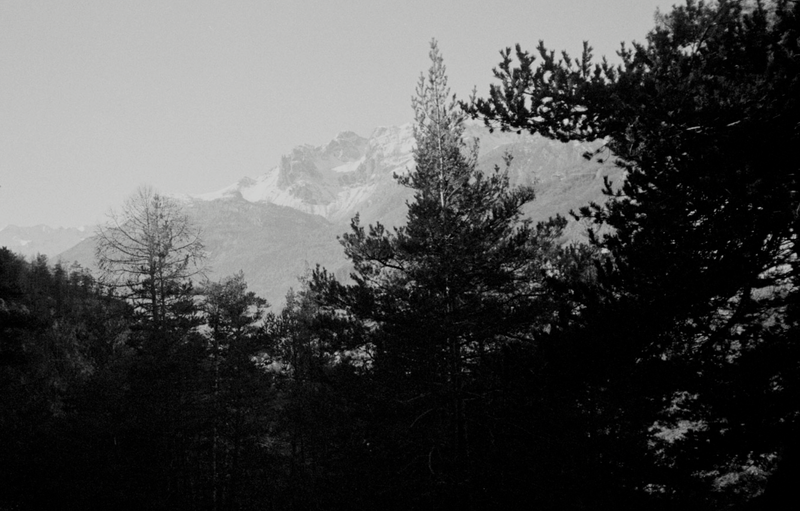
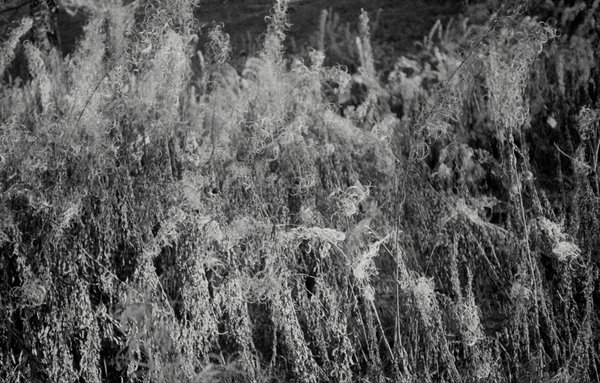
What would be a ten-kilometre hike for us between Clavière and Briançon is a long, clandestine and perilous twenty-six-kilometre hike for them. Crossing the Montgenèvre pass, travelling over the mountain in the dead of night, facing difficult weather conditions... These people are constantly prey to the fear of being discovered by the police and sent back to Italy. As a result, they avoid using torches wherever possible, deliberately wishing to remain invisible. Invisible so as to grant themselves a right of which they have been deprived, a civic right that is ours as Europeans: the right to free movement. This is the very privilege that my photographs deal with as I cross the border on foot by day, covering the twenty-six kilometres that countless exiles travel every night.
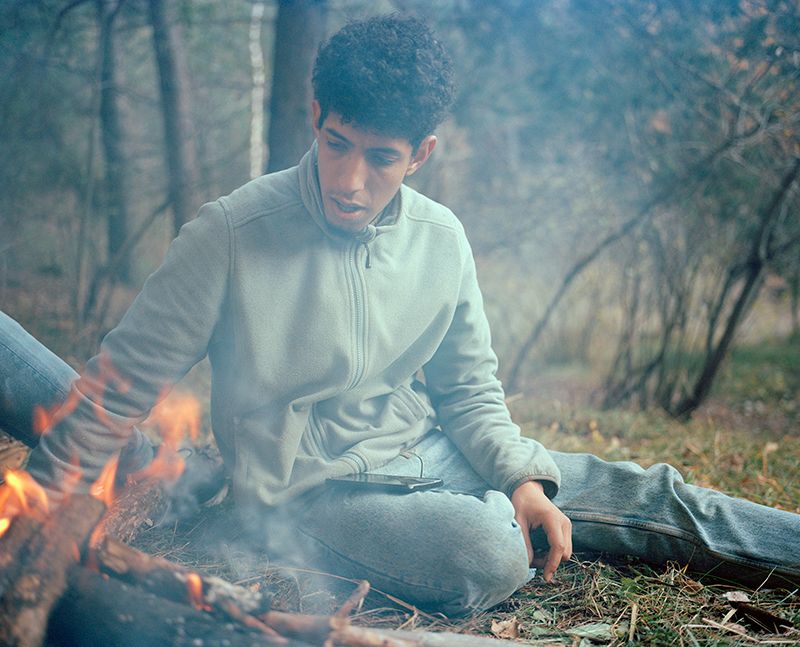
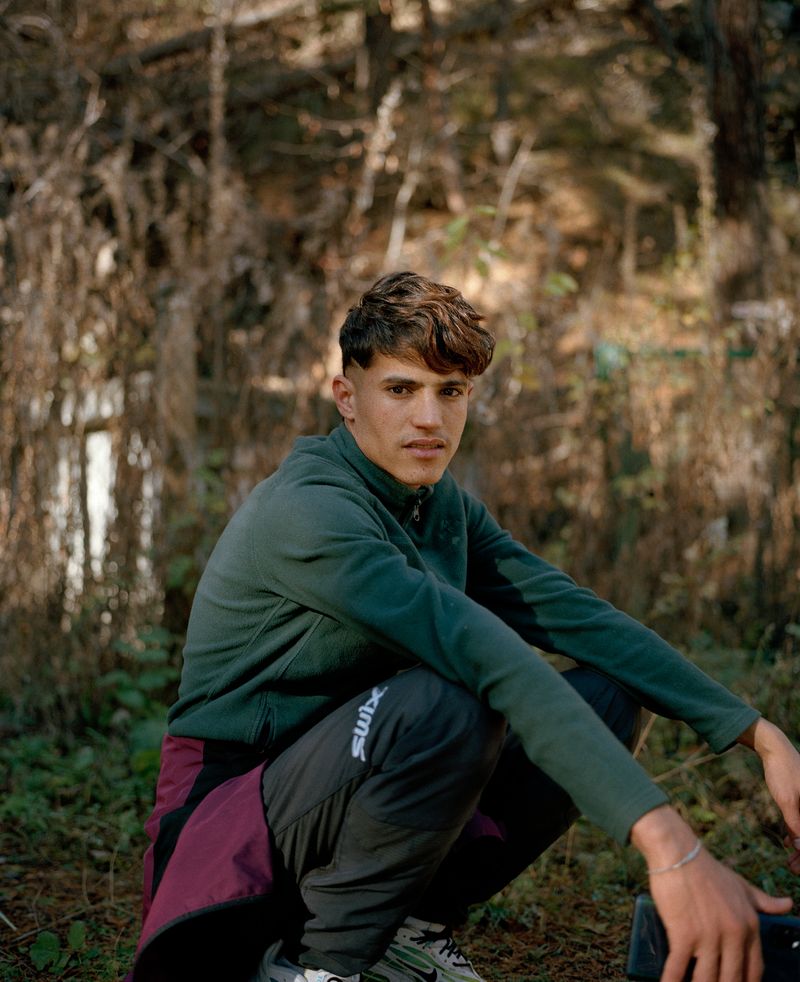
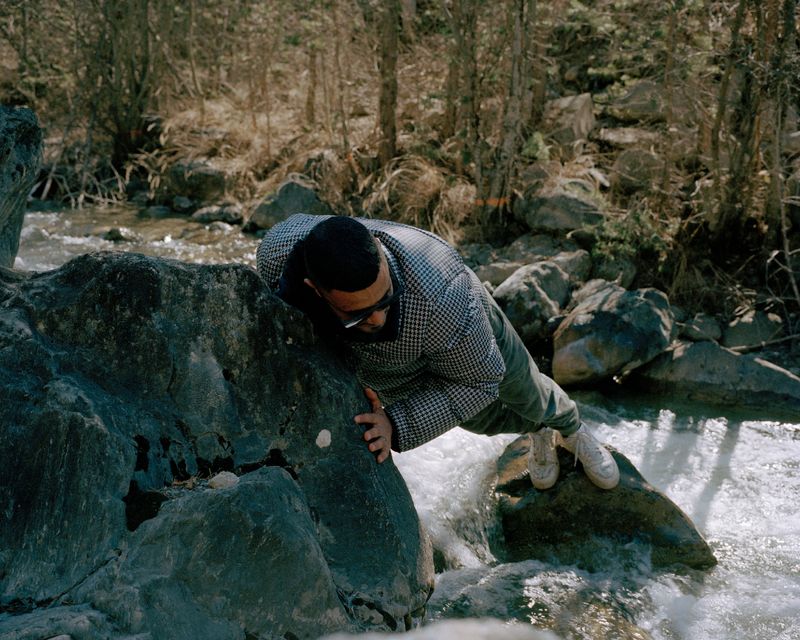
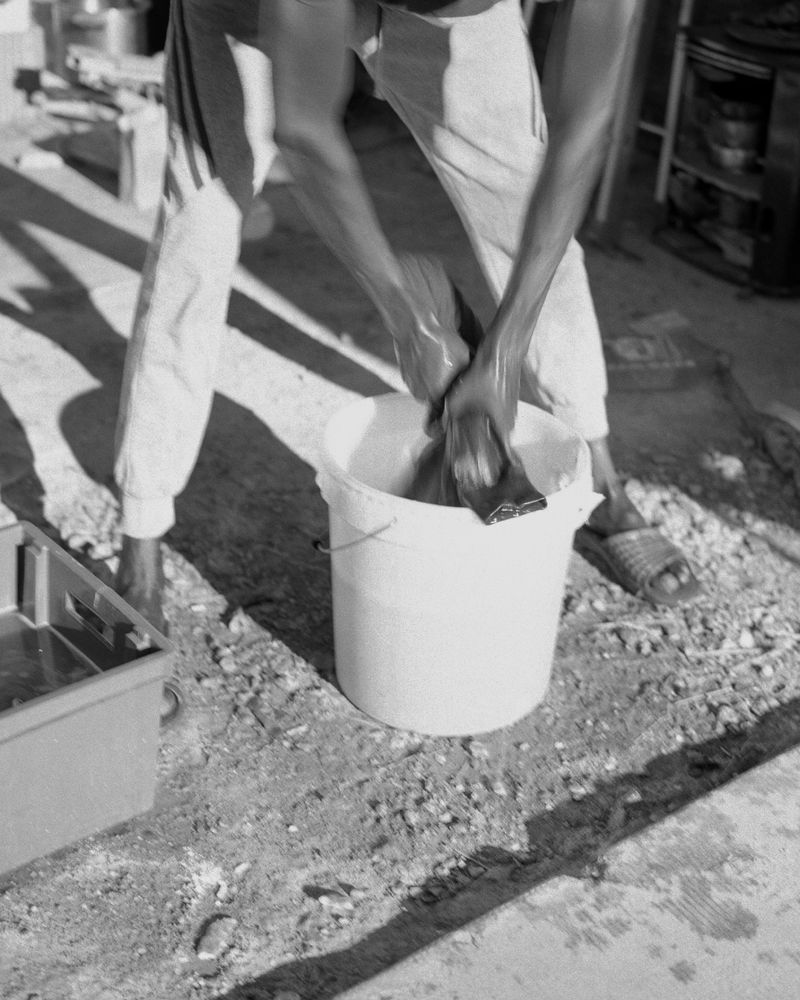
I met and lived with some of them. They live high above Briançon in a self-run house they call Chez Marcel in honour of its late owner. Their names are Mohamed, Youcef, Mustapha, Ahmed, Ali, Khalid and Tierno. Originally from the Maghreb and sub-Saharan Africa, they were forced to flee their countries. They finally arrived on French soil, after months or even years of enduring the tribulations of exile. Some stay for a few months, just long enough to find a job, while others stay longer, waiting for a response to their asylum application. Then there are those whose applications have been rejected, who have resigned themselves to a life on the move.
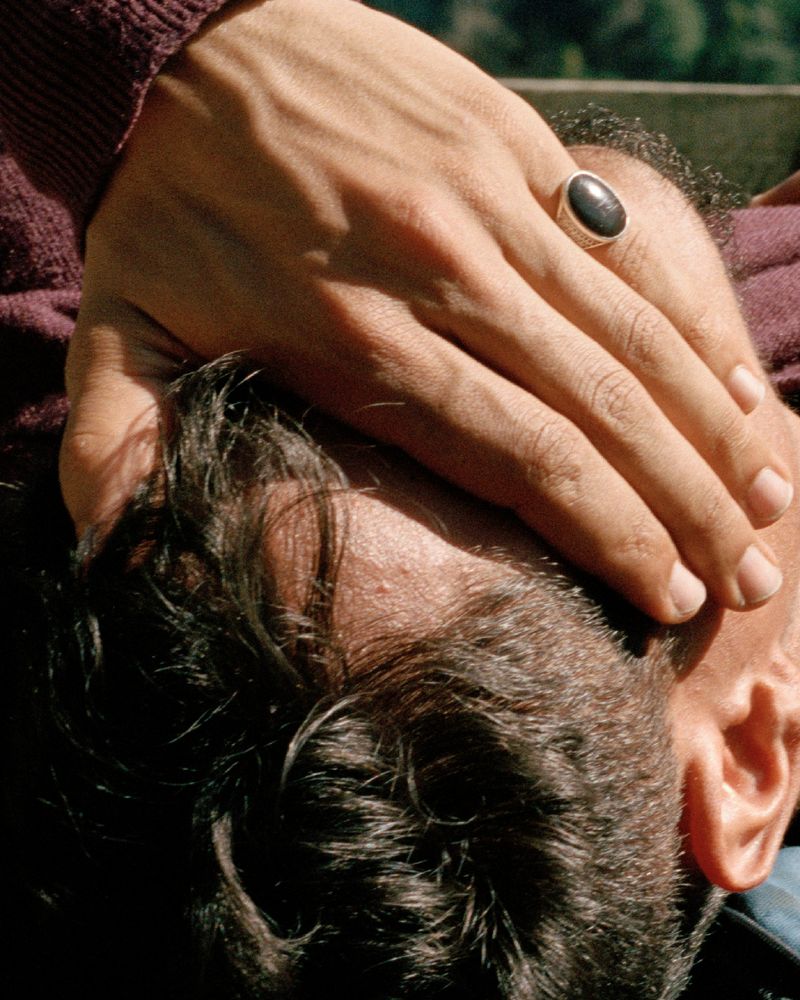
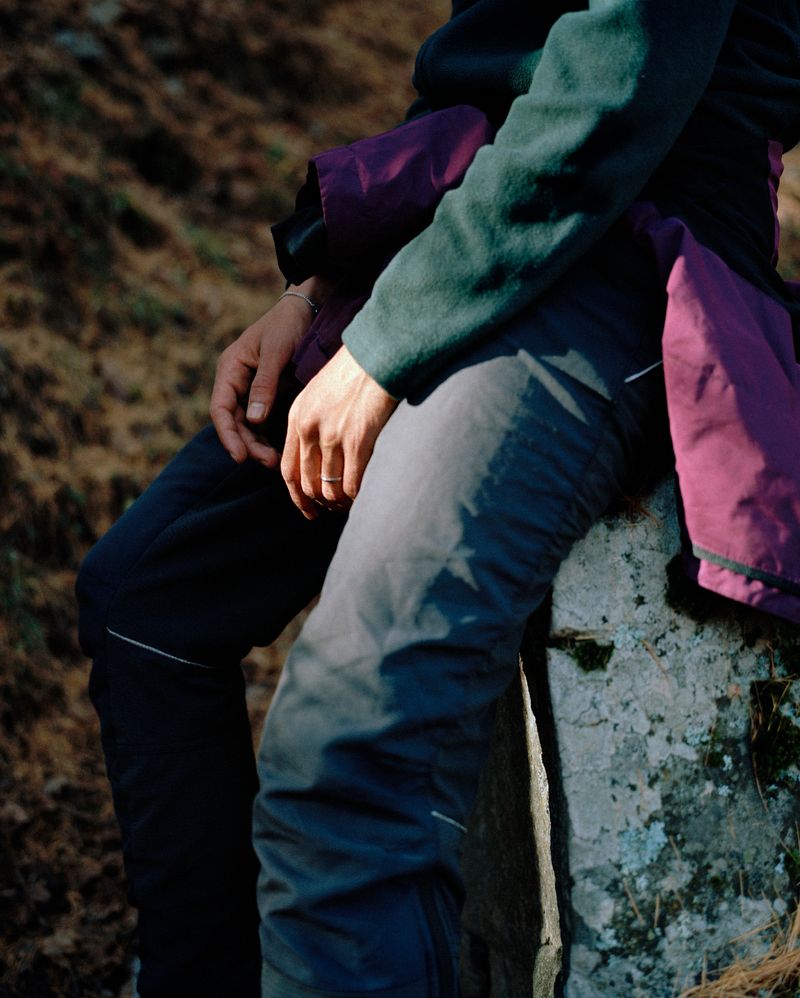
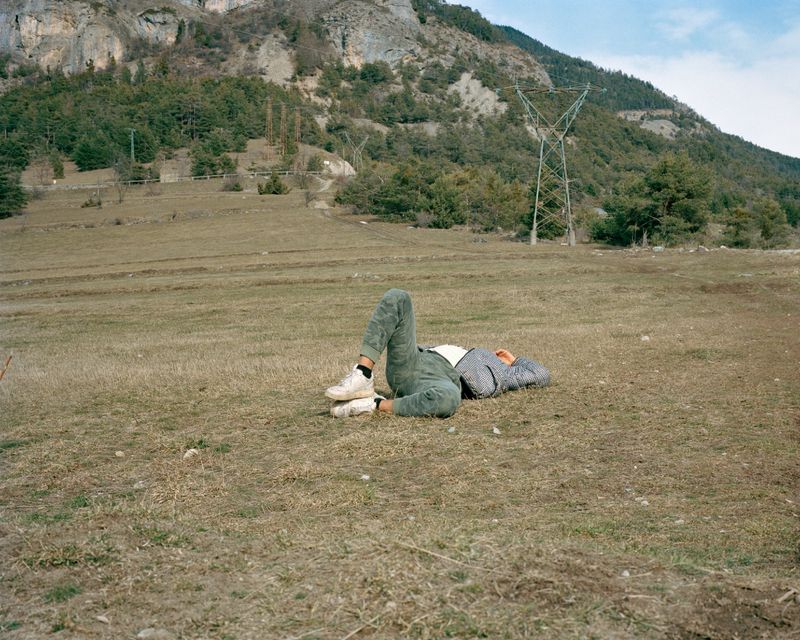
These men told me their stories. Each story was tinged by grief and trauma, but their voices no longer trembled, as if they had learnt to conceal their emotions. As if they were detached from their own story. As if the stories they had to tell were universal. Together we roamed the vast expanses of the Briançon mountains. I walked alongside tired, broken bodies. Bodies in limbo, subject to the decisions, authorisations and obligations of the state authorities.
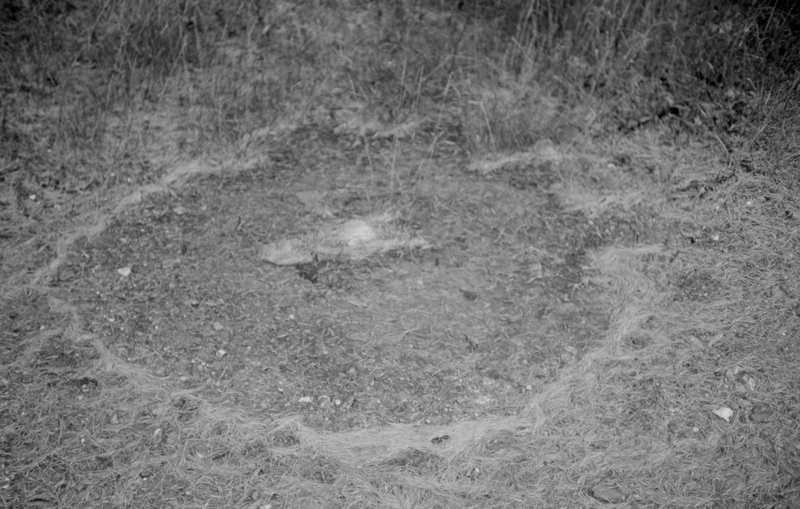
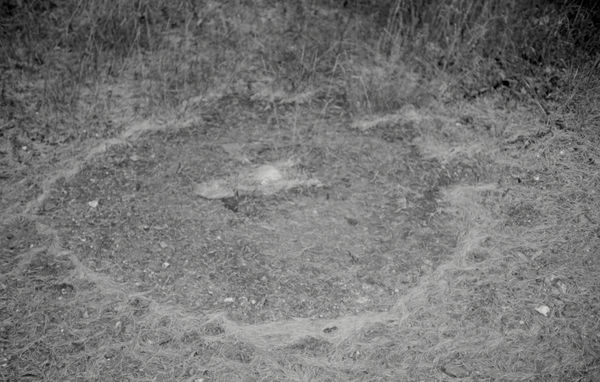
Mohamed, Youcef, Mustapha, Ahmed, Ali, Khalid and Tierno find themselves caught in limbo. They go round and round, tracing circles in the landscape like swallows in flight. But unlike the swallows, they will never go back...