La Mer Endormie (The Sleeping Sea)
-
Dates2025 - 2025
-
Author
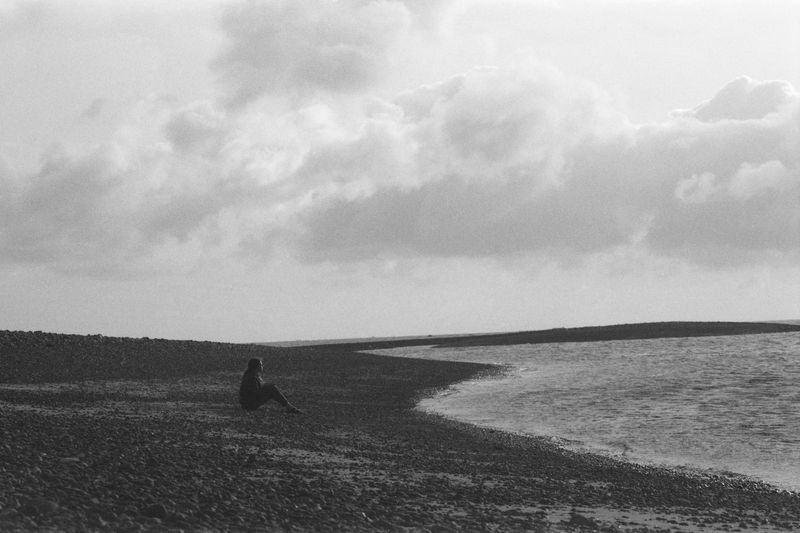
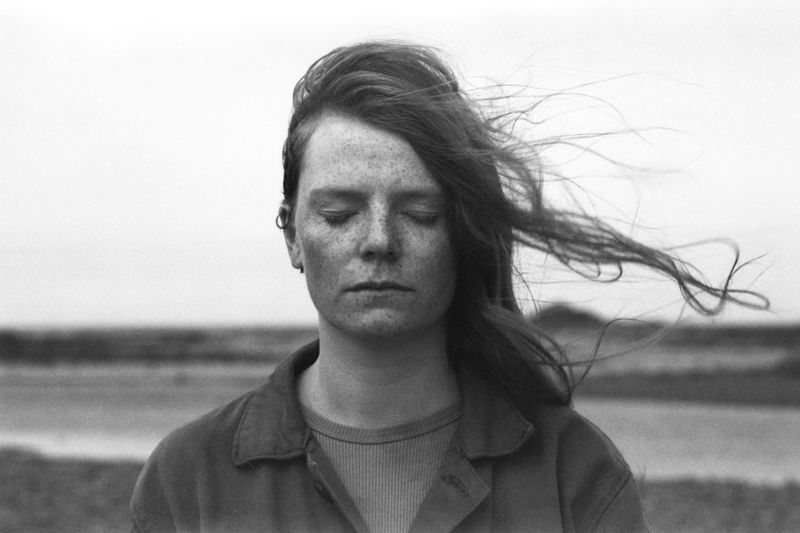
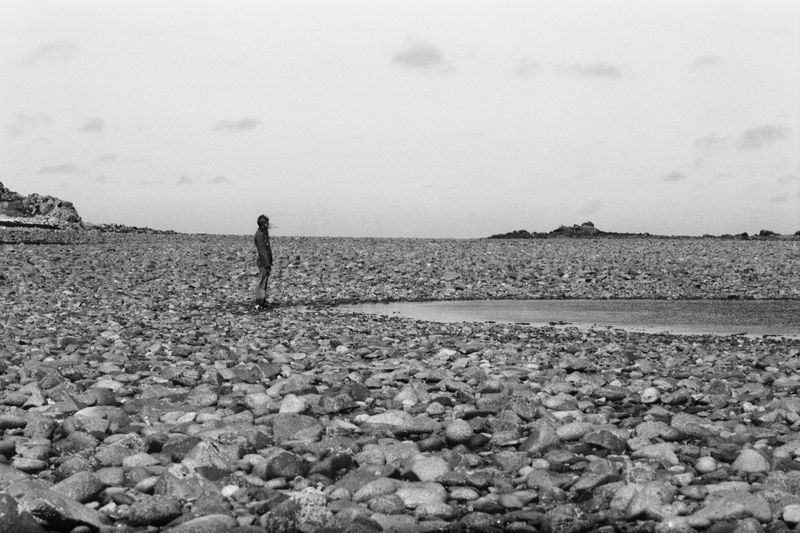
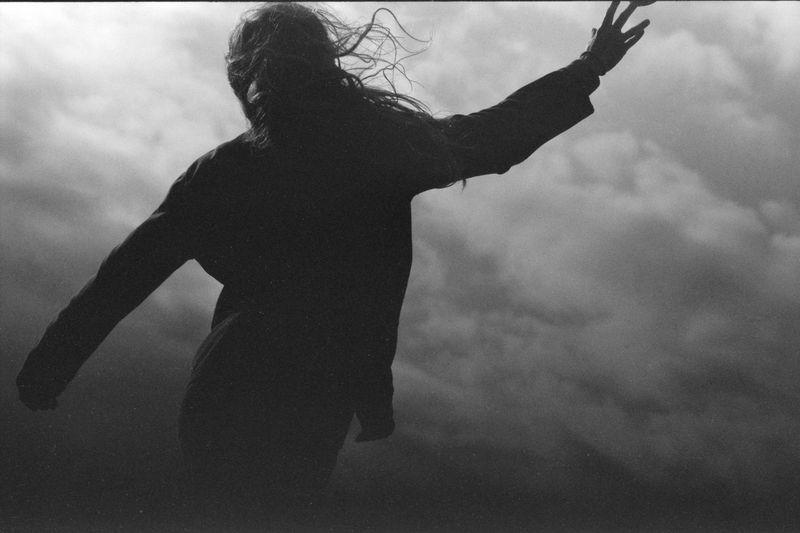
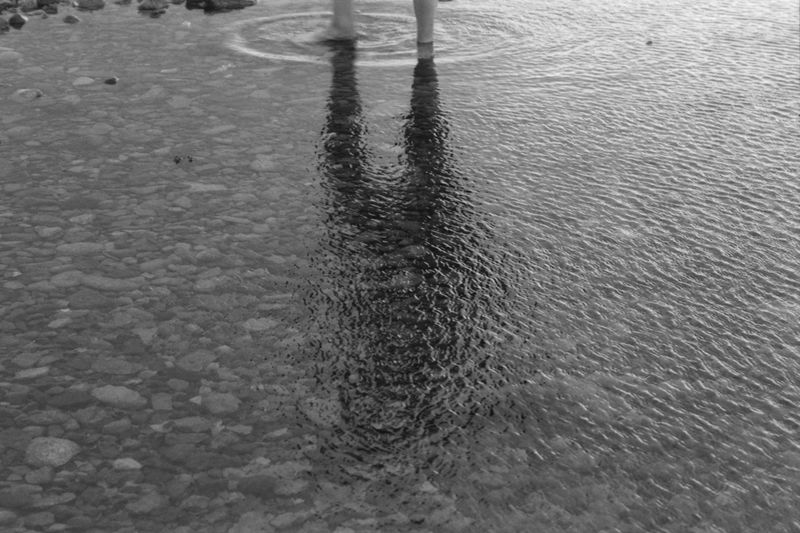
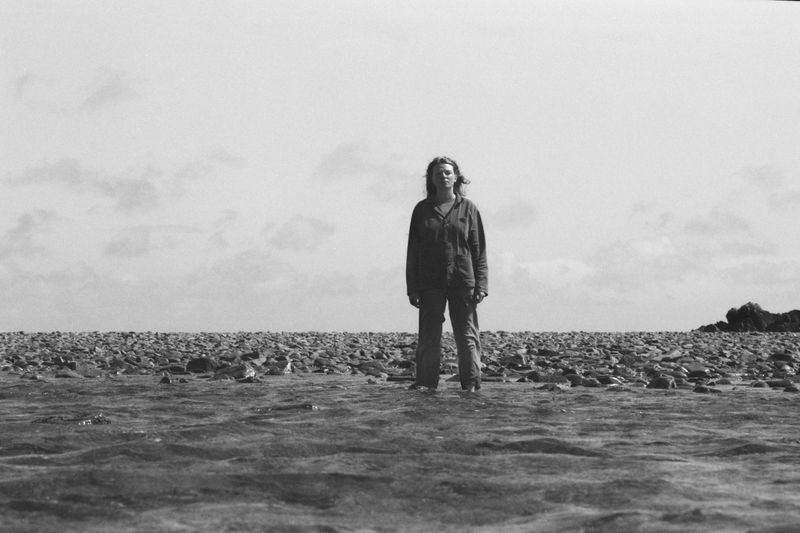
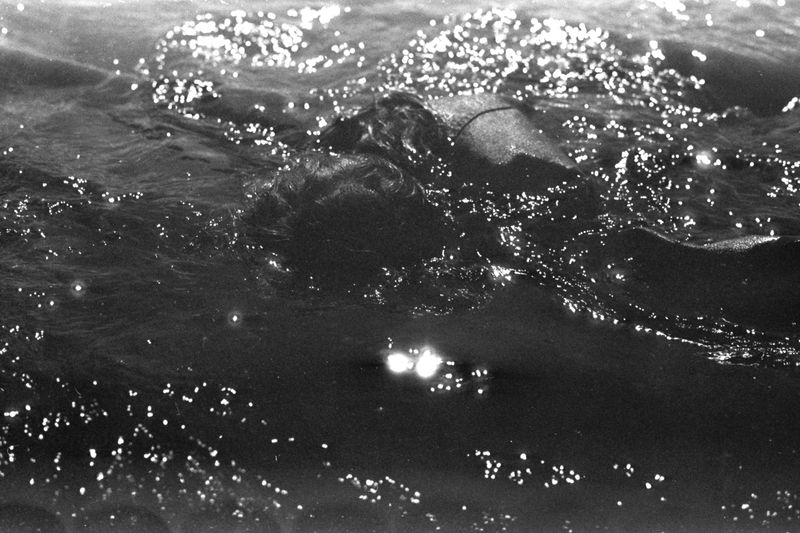
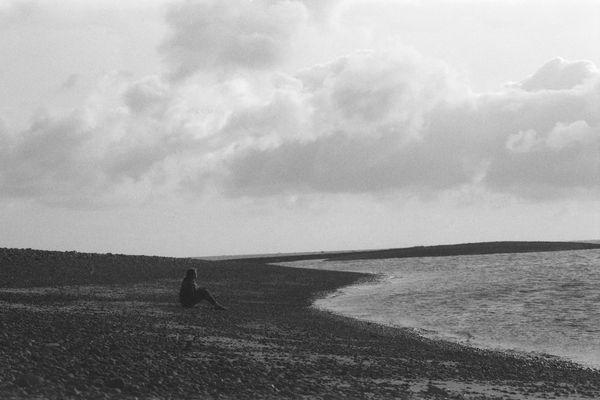
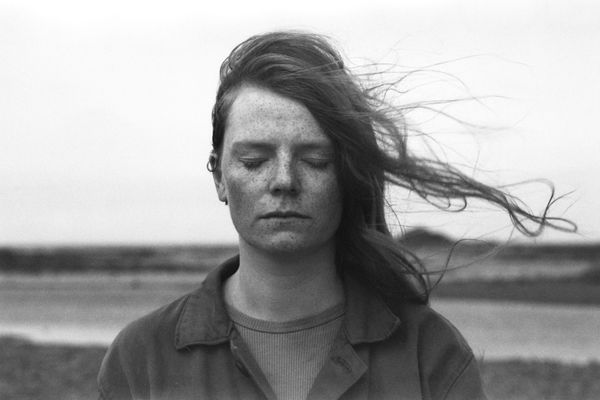
In "The Sleeping Sea", Lanjouère depicts a woman who could be the last representative of a post-flood humanity. She embarks on a new ritual, both an act of rebellion and a method of healing, attempting to reconcile humans with the rest of the living world
As the sixth mass extinction is underway, the urgency felt by environmentalists since the 20th century in the face of a ‘fatal disappearance’ haunts me and invites me to imagine a work that is both a memorial and an act of resistance.
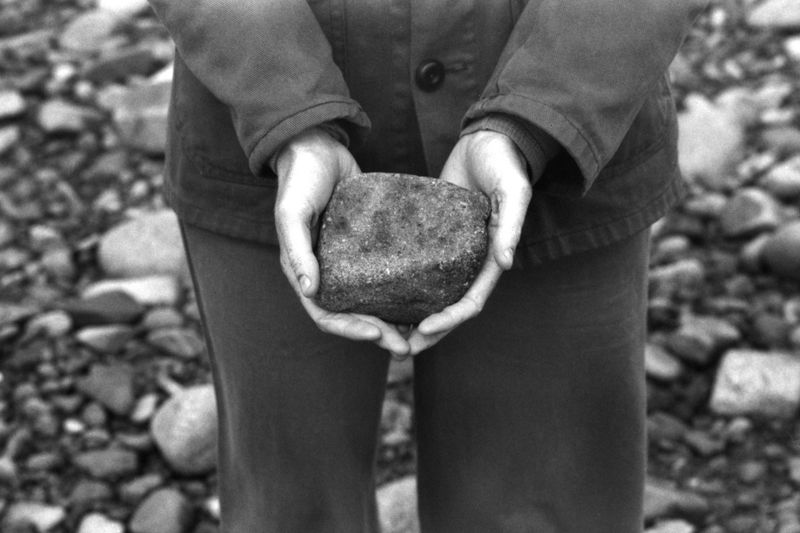
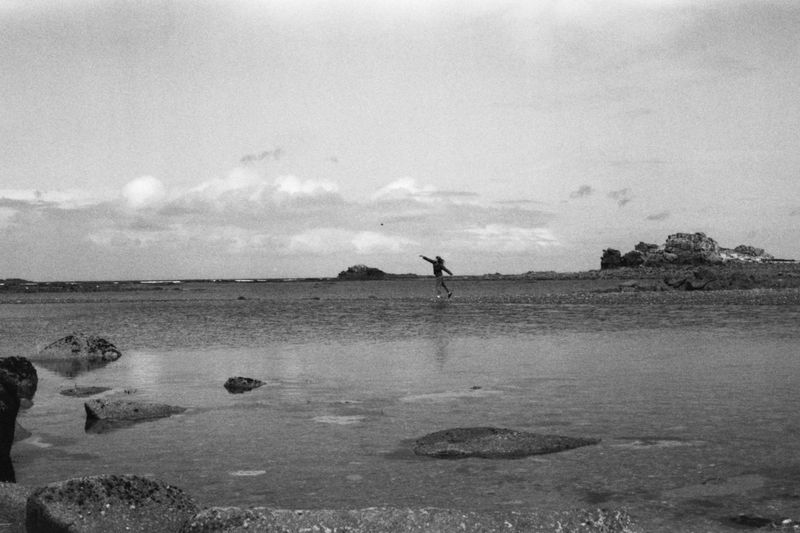
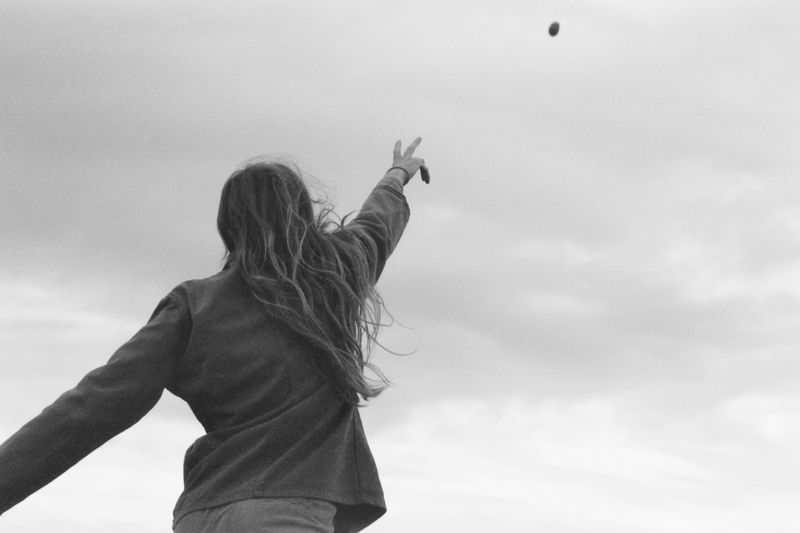
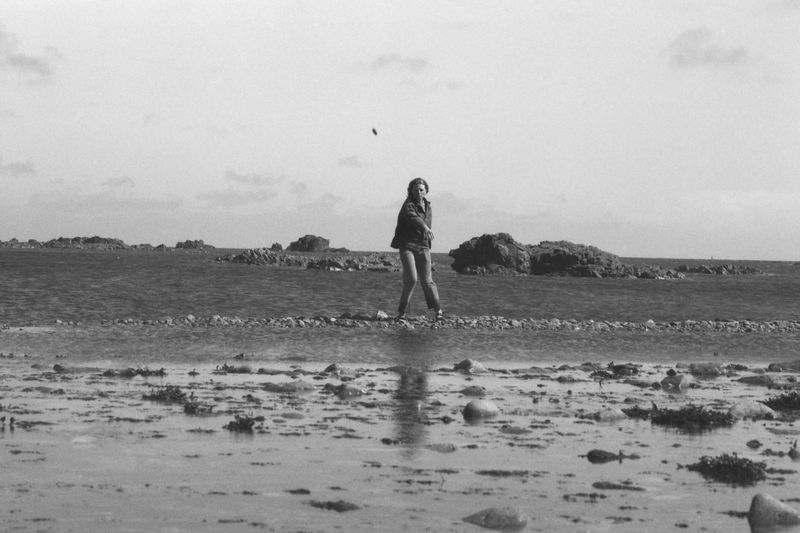
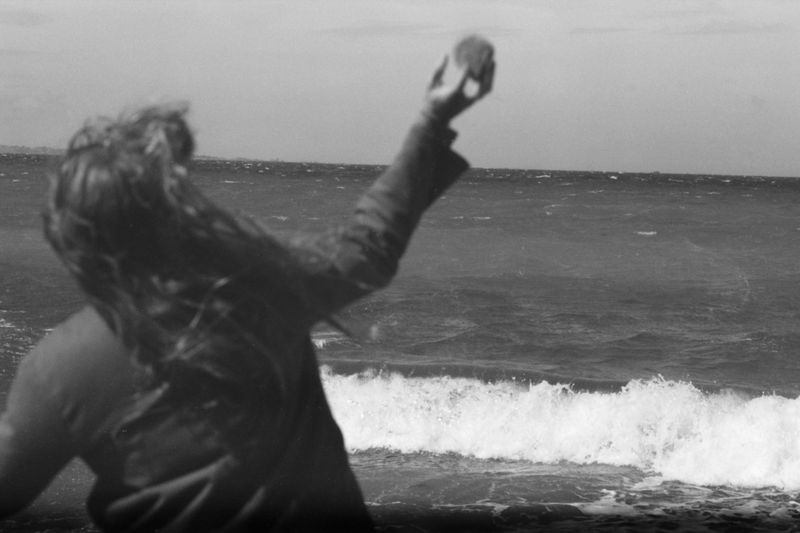
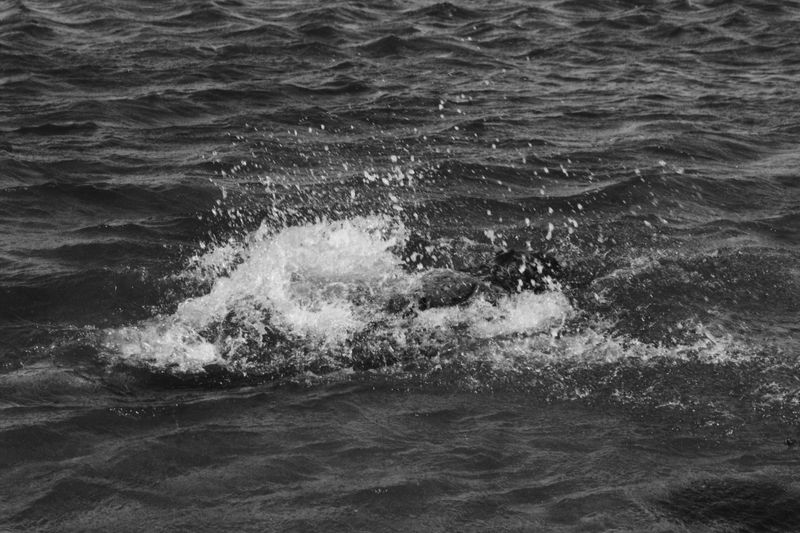
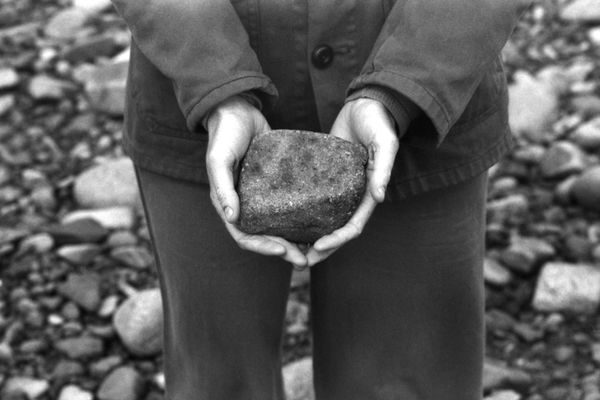
"La mer Endormie", a performative film and photo novel, focuses on a powerful, symbolic gesture whose motif will be used to the point of exhaustion. As in Ovid's Metamorphoses*, the woman, desperate with loneliness, becomes aware of her role in renewing life and therefore humanity. She hears the disturbing oracle of Nature, which urges her to throw the ‘bones’ of the Great ‘Mother/Sea’ before her, and this vast primordial matrix is once again perceived in this film as the fertile mother.
*“These stones – who would believe it, if antiquity did not bear witness?
Began to lose their rigidity and stiffness,
To soften little by little and, once softened, to take shape.”
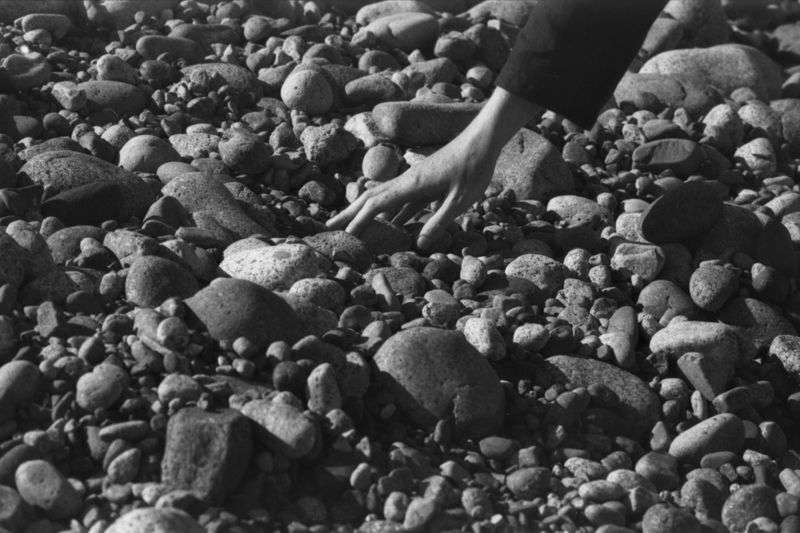
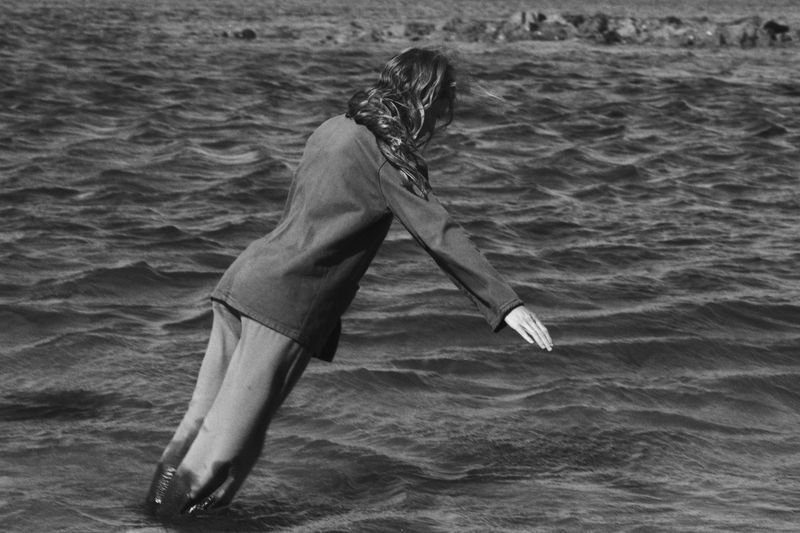
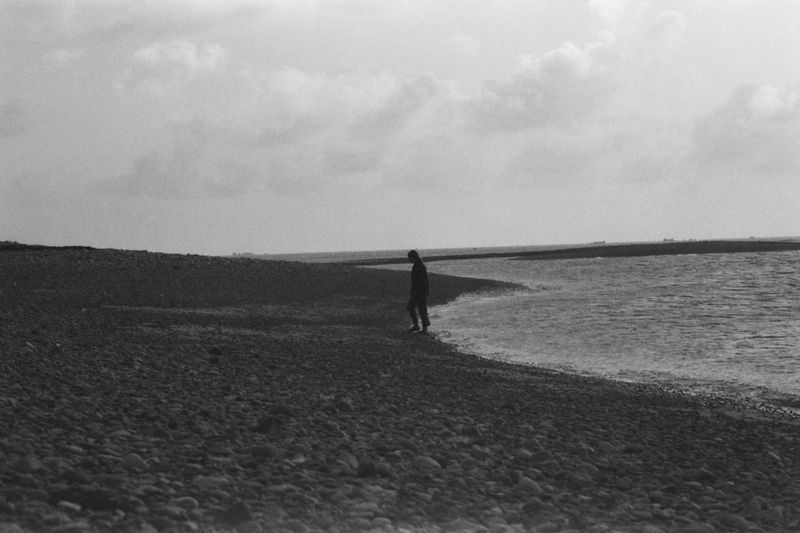
The unbearable loss of life sets the protester in motion, who then bends down, picks up a stone, and throws it towards the ocean. The stone, weighed and then thrown, embraces the cause of life in a silent revolt and carries within it the ‘revolutions of stone throwing’, such as those of the students in France in May 1968 and the Irish in Northern Ireland (1969)... She commits her body and her gesture becomes ritualistic, charged with memory and a deep connection with the elements, in a restorative act, in an attempt to give back to nature what has been taken from it, with the fragile hope of rebirth. The tension of the body engaged in this infinite task rewinds in a cyclical movement, condemning humans to always take care of the Living, like an ecological Sisyphus. The endless task of ecological care then becomes an absurd ballet in which the woman, lucid, paradoxically finds her joy. Like Camus' Sisyphus, she embraces the ephemeral and triumphs over nothingness because she knows, like him, that the struggle itself is enough to fill a human heart.
In this project, the stone becomes a being of language, it is the place of a dream, but a dream to be interpreted. It teaches us to consider the inert as a bearer of memory and stories, and to recognise in each material a living trace of our common history.
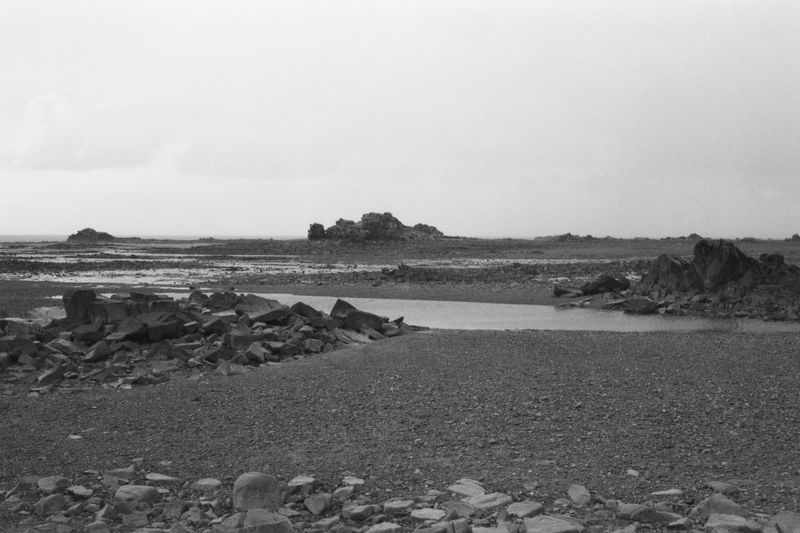
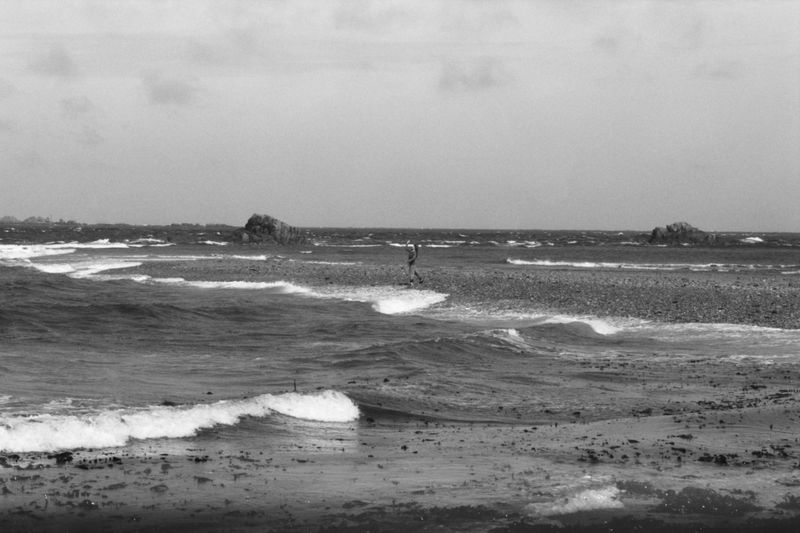
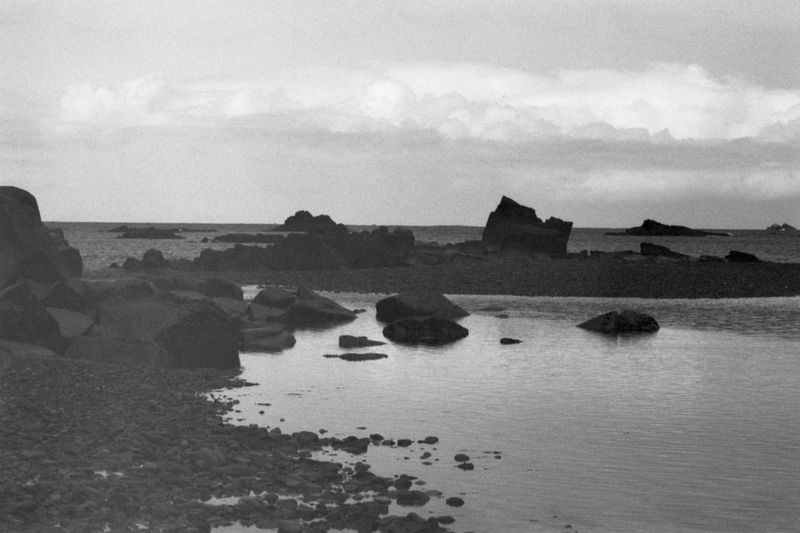
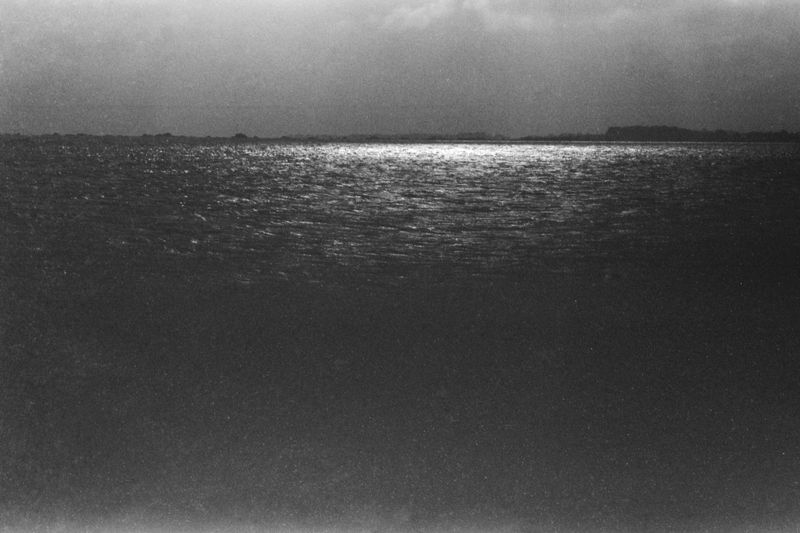
The landscape is no longer perceived as a mere backdrop, but as a living actor. It carries within it the image of a natural world in ruins, revealing the terrible spectacle of the effects of capitalism. Through an approach that combines anthropology extended to the non-human and geology, it becomes possible to set it in motion and refine our understanding of the environment. In Brittany, this science finds a tangible incarnation: it is inscribed in the morphology of its coasts, in the diversity of its rocks, and in the very identity of its landscapes. It was only natural that I decided to set this film against the backdrop of the Sillon de Talbert landscapes and to echo the ancestral practices of harvesting linked to fishing (gathering mussels and shellfish on the beach) and seaweed harvesting (seaweed fishing) in particular. Seaweed harvesting has been practised for centuries in Brittany, where it has multiple uses: fuel, fertiliser, animal feed, food products, pharmaceuticals and industrial products. Entire families would go to the beaches to collect seaweed, particularly on the Finistère coast. There are several types of seaweed: wreckage seaweed, which is all the seaweed that the sea deposits on the shore; shore seaweed, which grows on rocks; and seaweed that grows in the sea. These gestures, deeply rooted in the interaction between humans and living things, become the starting point for a reflection on the memory of marine ecosystems and the traces of our actions. In order to further embed the artistic gesture in this reflection and with a desire for clean and environmentally friendly production, the chemicals usually required to develop film (35mm and Super 8) have been replaced by a concoction of seaweed from shipwrecks and fixed with sea water. Reducing the impact of my production, this new technique gives the images a unique aesthetic. Thus, the project, whose subject is the sea and which is designed to promote its preservation, is carried out in close collaboration with it. My protocol aims to link the creative act to the symbolism of life, placing the work within a scientific and poetic approach that symbolises the transition between the inert and the living. The process becomes a material metaphor for the myth: seawater, as a primordial matrix, sculpts and transforms the film, an inert and rigid surface, into a crystalline and vibrant work. The bubbles formed when the film is immersed and the crumpling of the growing crystals are part of the film's aesthetic.