KOLOSTRUM
-
Dates2023 - 2024
-
Author
- Location Normandy, France
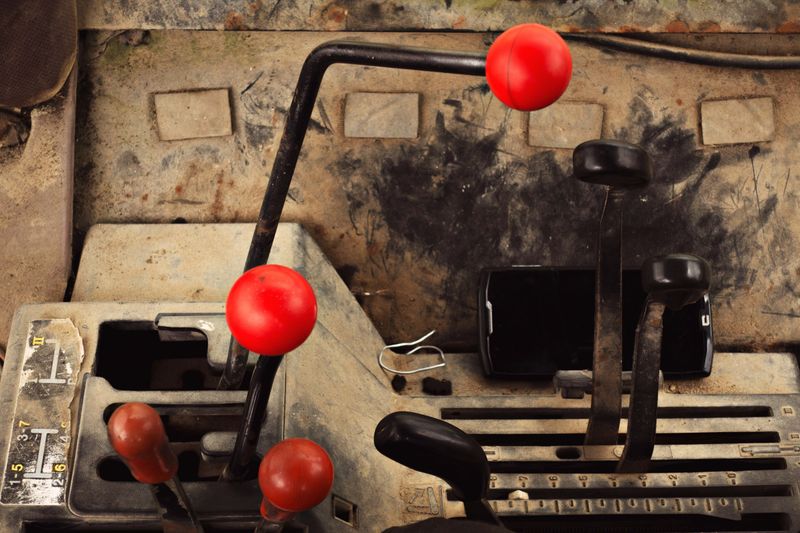
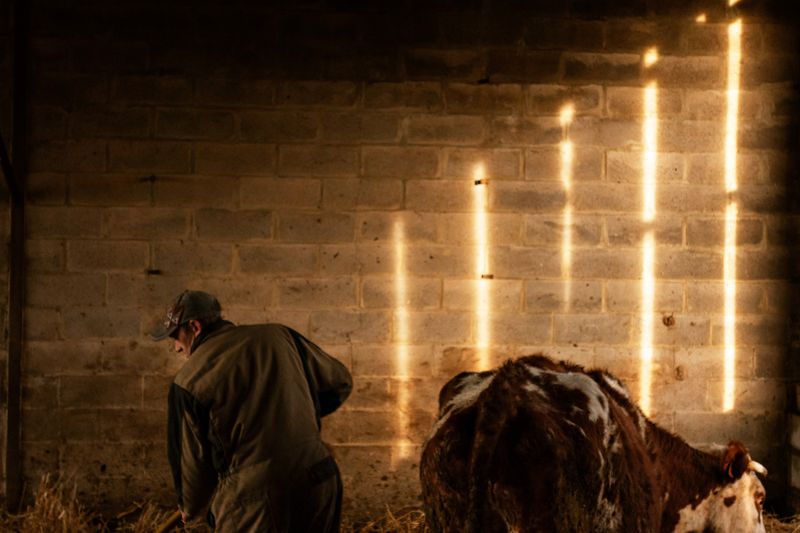
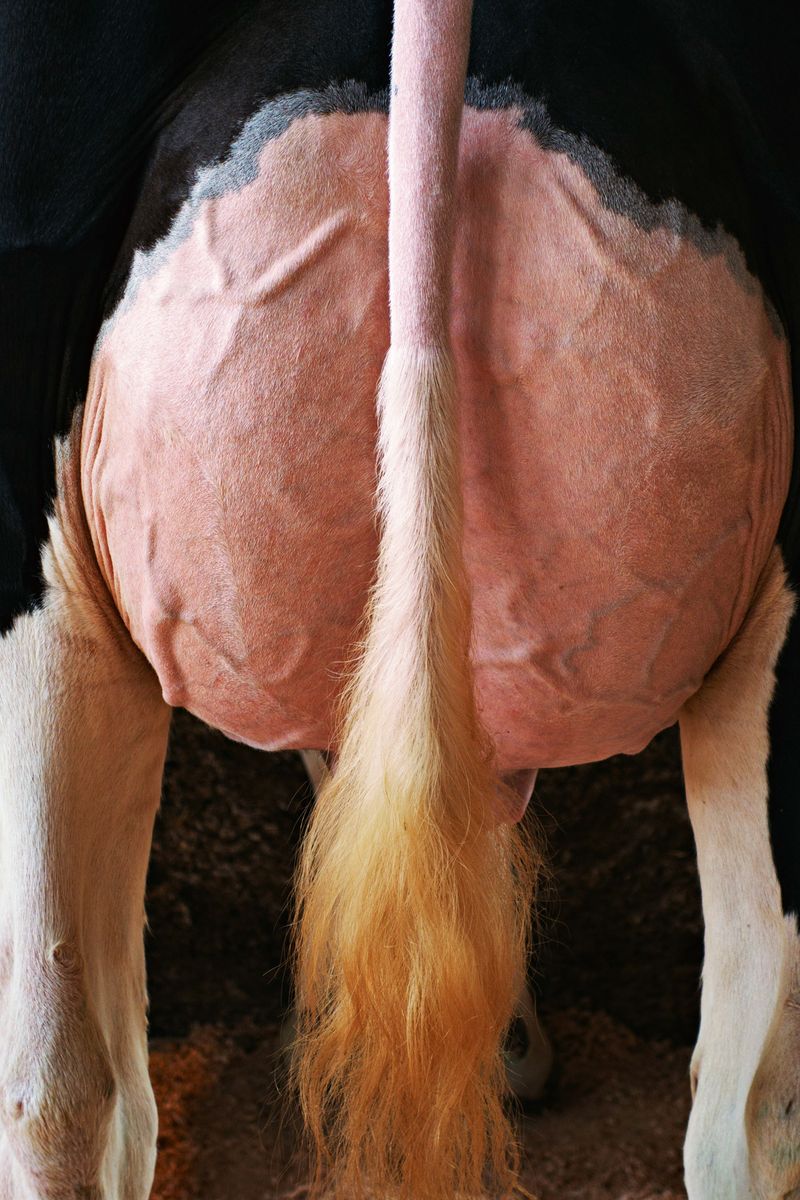
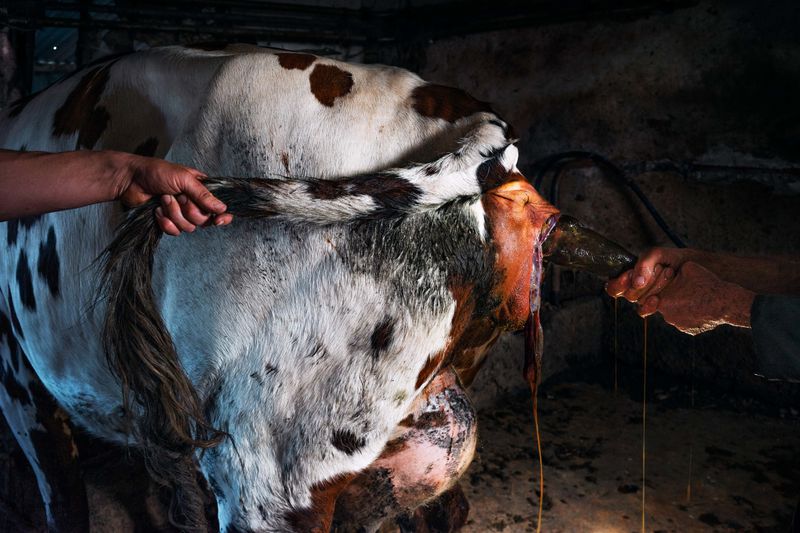
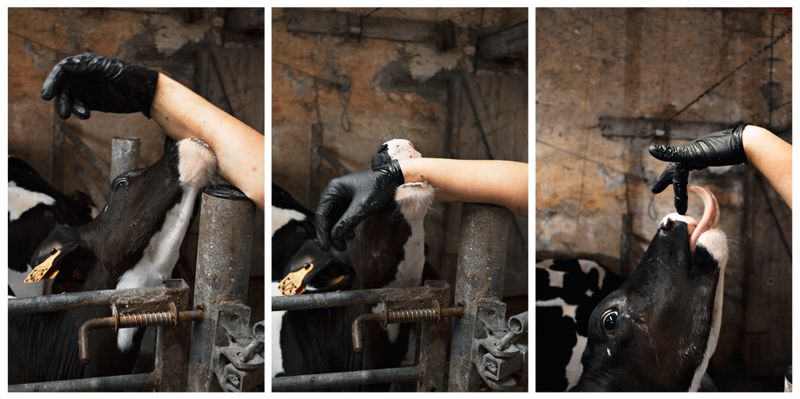
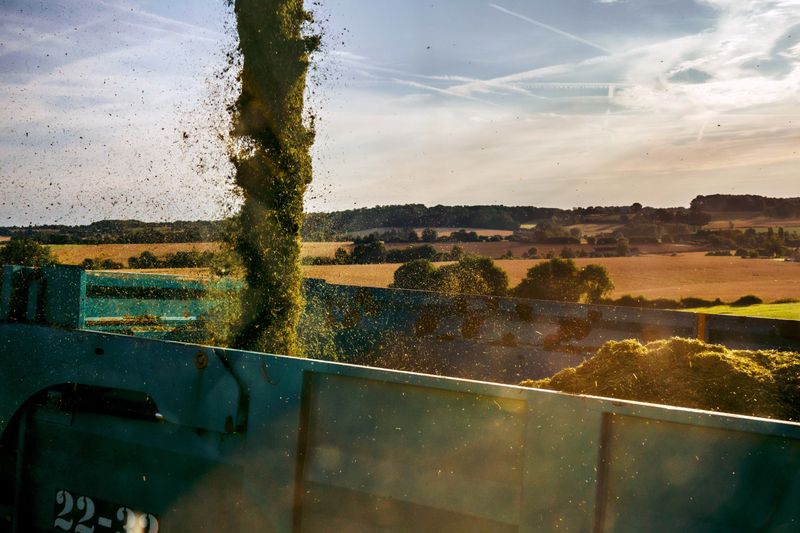
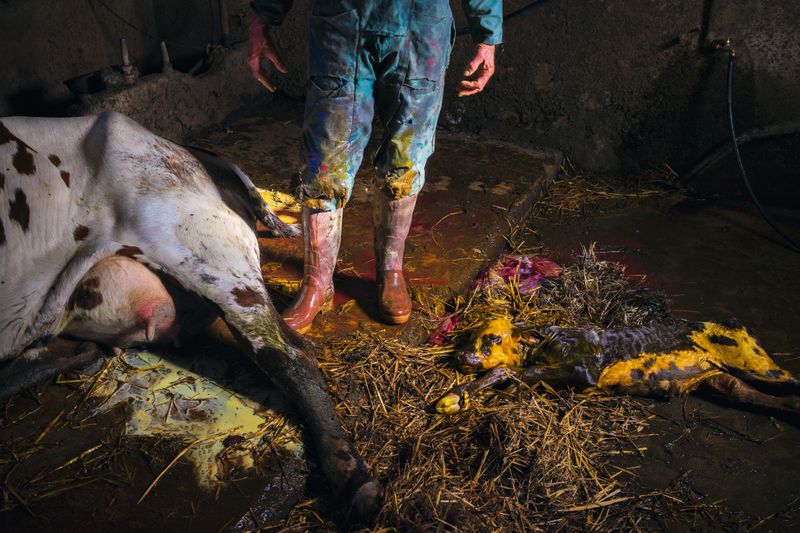
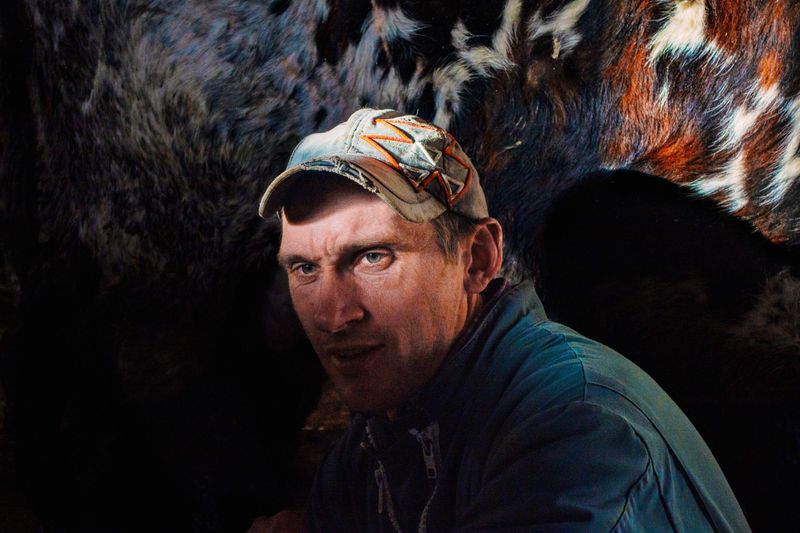
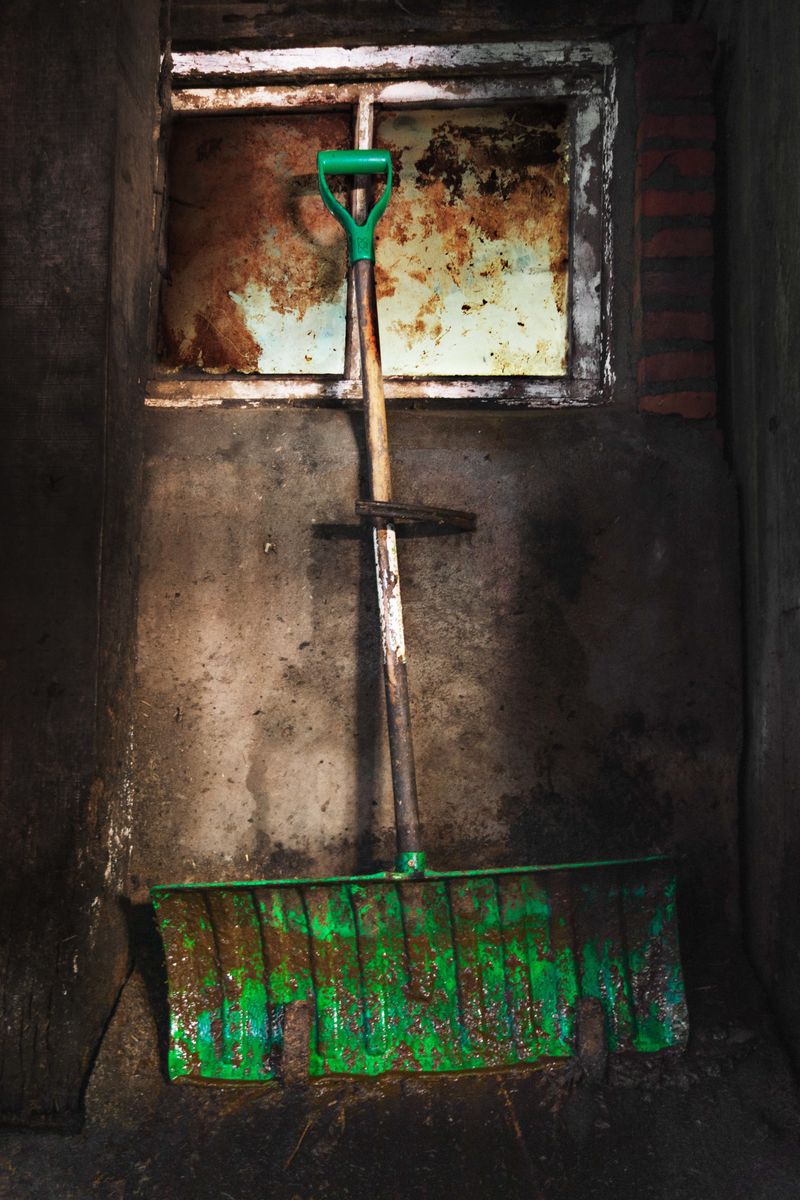
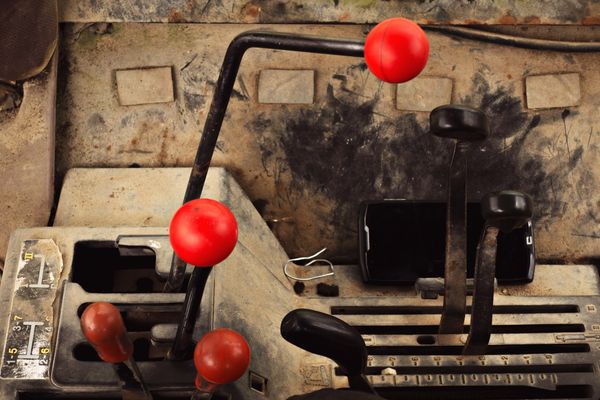
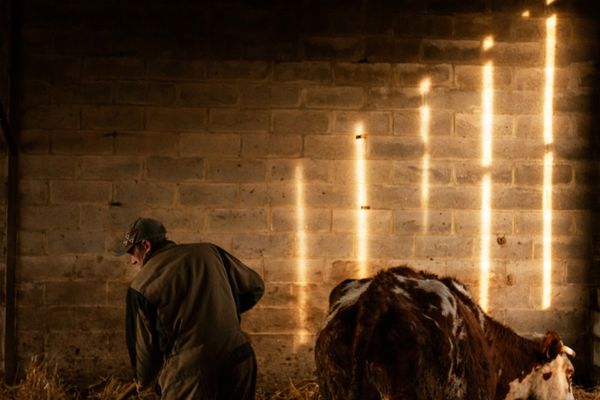
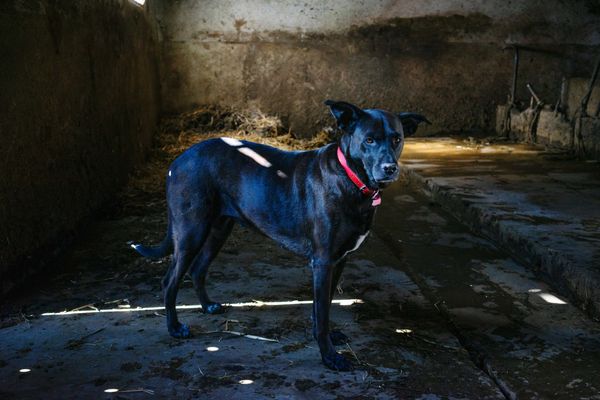
Immersed in the heart of a dairy farm in Basse-Normandie, Kolostrum is a celebration of the cycle of life and matter, in which farmers are the artisans.
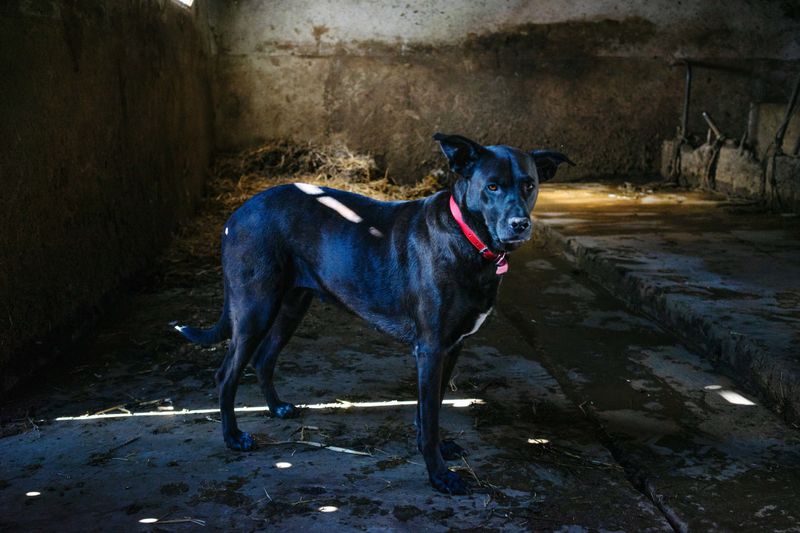
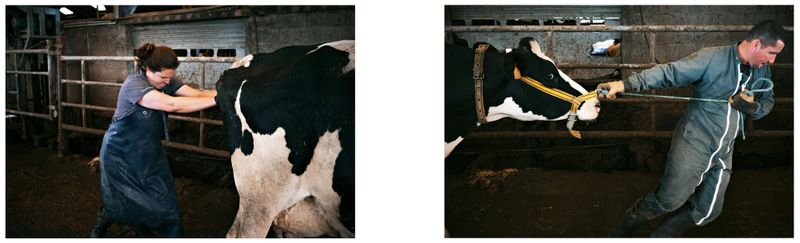
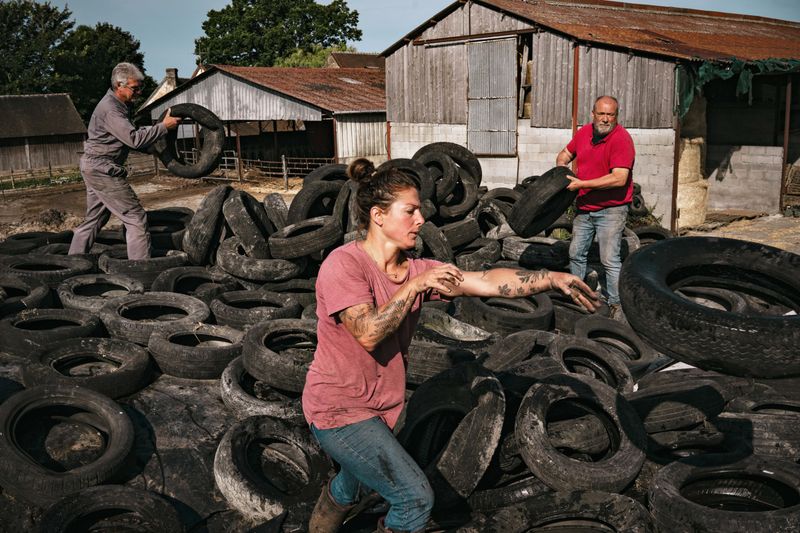
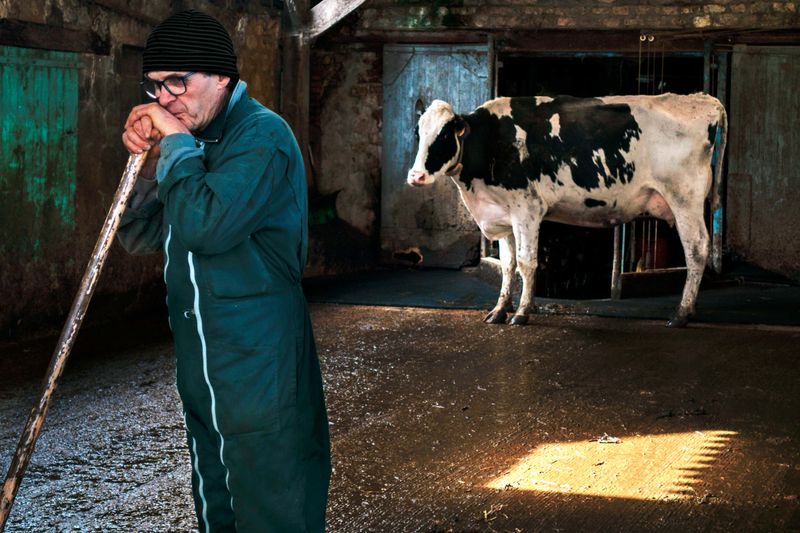
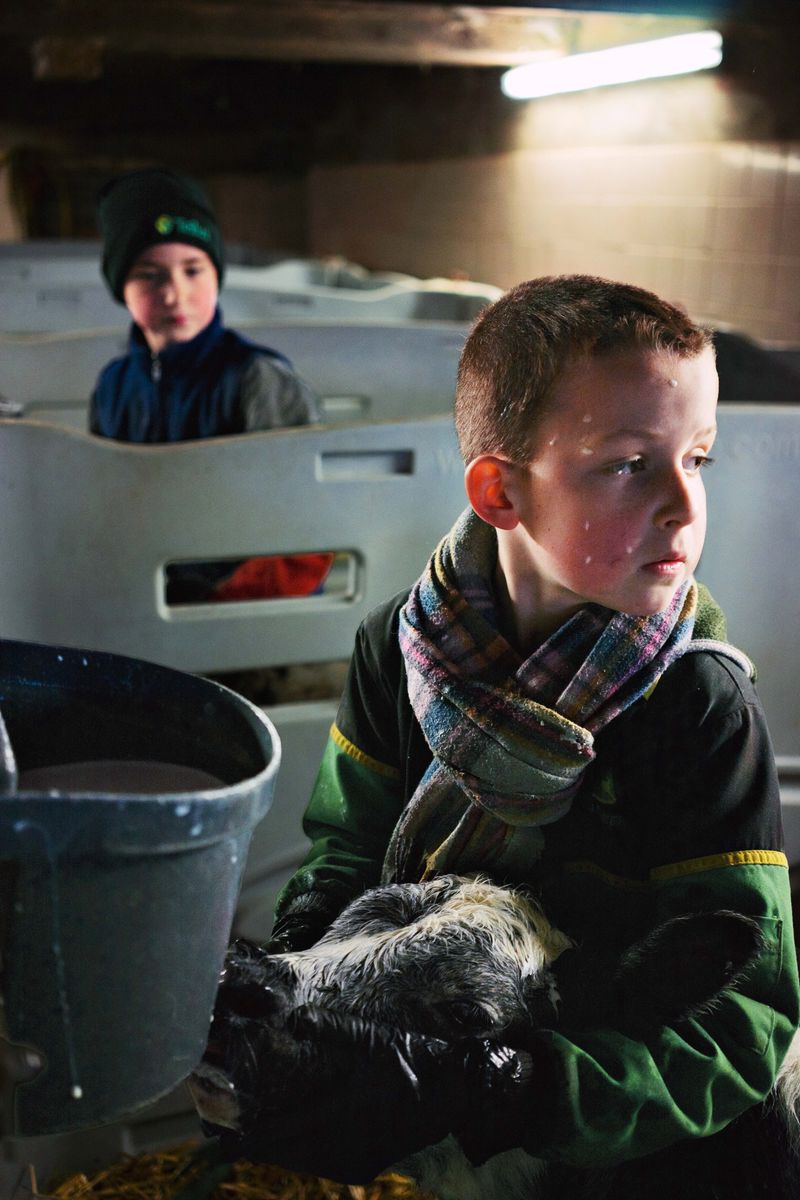
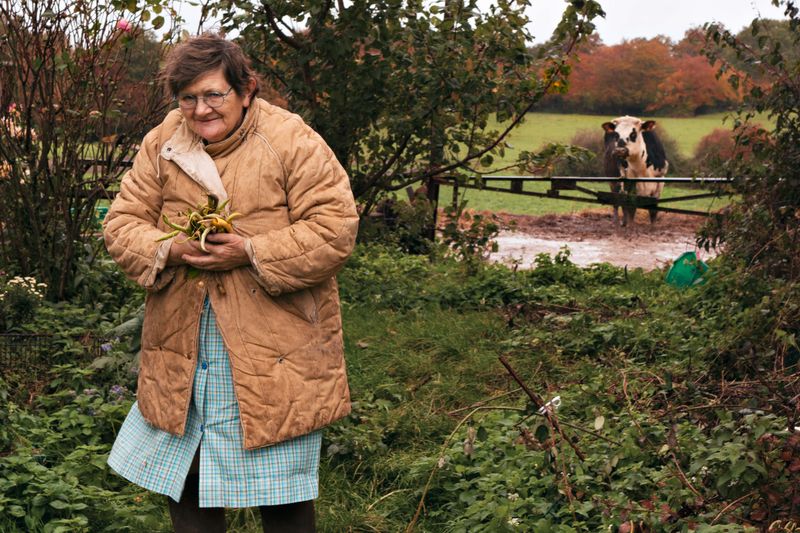
As the result of a two-year residency in the Perche region of Basse-Normandie, Kolostrum depicts the daily lives of a number of dairy cow farming families whose farming systems stand somewhere between small, self-sufficient farms and large agri-food industries.
The photographs are rooted in a modern sociological observation: the current disaffection with farming as a profession. Only one farm in four is taken over today. In France and Belgium, 55% of farmers are at least 50 years old, and in the next 5 to 10 years, half of them will be retiring. Only one in five is under 40, and of these, one in three is a woman. If these numbers are a starting point, these photographs work to present an innovative image of this profession that is all too often reduced to a few sad clichés. It's hard to ignore the disastrous economic conditions that farmers are facing today, who all too often work fifty-five hours a week. And yet they love their job more than anything.
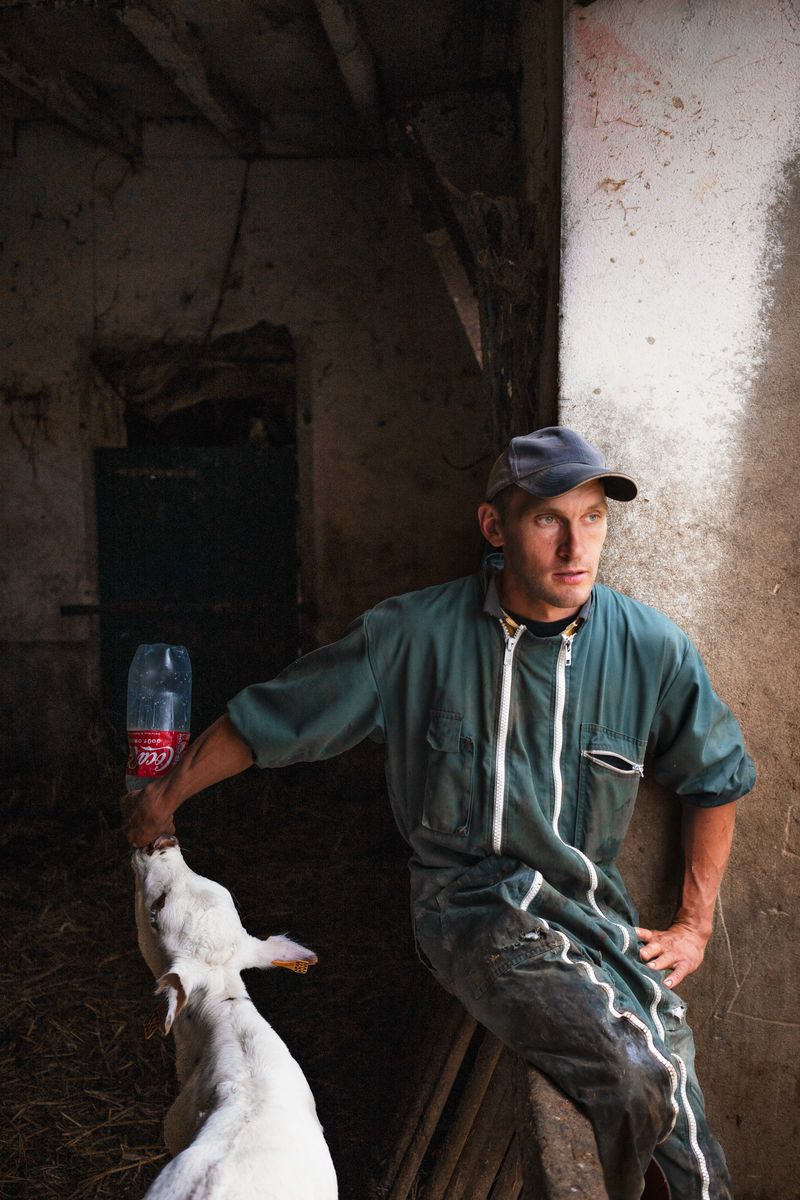
The series focuses in part on young farmers who aspire to better working conditions, precisely in order to free up their time to cultivate themselves, see other things, bring up their children and take a step back to think. Those who were born on a farm know full well that they will not reproduce the same patterns as their parents.
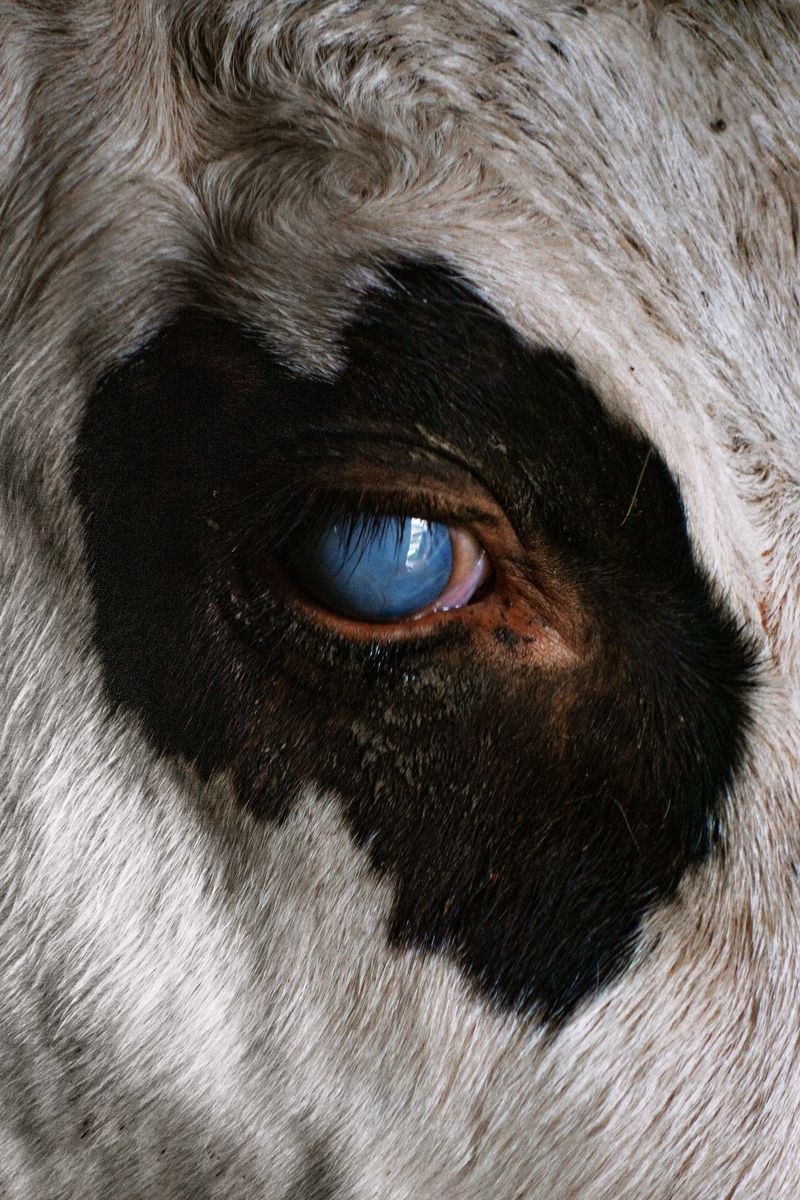
Kolostrum also evokes the love that binds farmers to their animals and their profession. In today's modern society, farmers' work is often viewed unfairly and misinformed. Farming is often synonymous with mistreatment, not to mention accusations of pollution. These criticisms are generally arbitrary (although problems does exist, of course) and the contempt they express seems to me to be unfounded and hurtful. In these images, we perceive tenderness, a visceral attachment, respect and well-being.
The gap between consumer and producer has never been greater. The gap can be measured on a scale of disgust by the simple prononciation of the word ‘colostrum’, the first milk of life, or by the sight of a placenta lying across the ground.
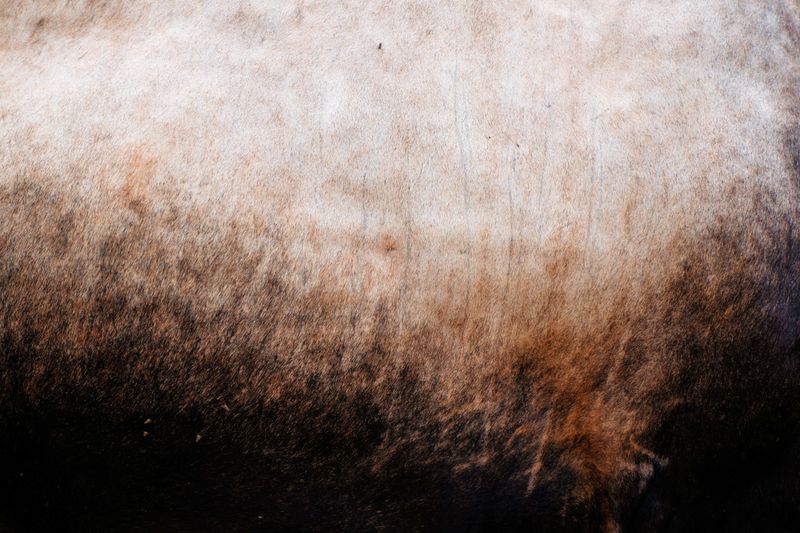
This work gives us a glimpse of peasants, artisans of matter, life and death, as if to remind us of our origins, or to see as far we have walked away from them.