Kokko (working title)
-
Dates2022 - Ongoing
-
Author
- Location Norway
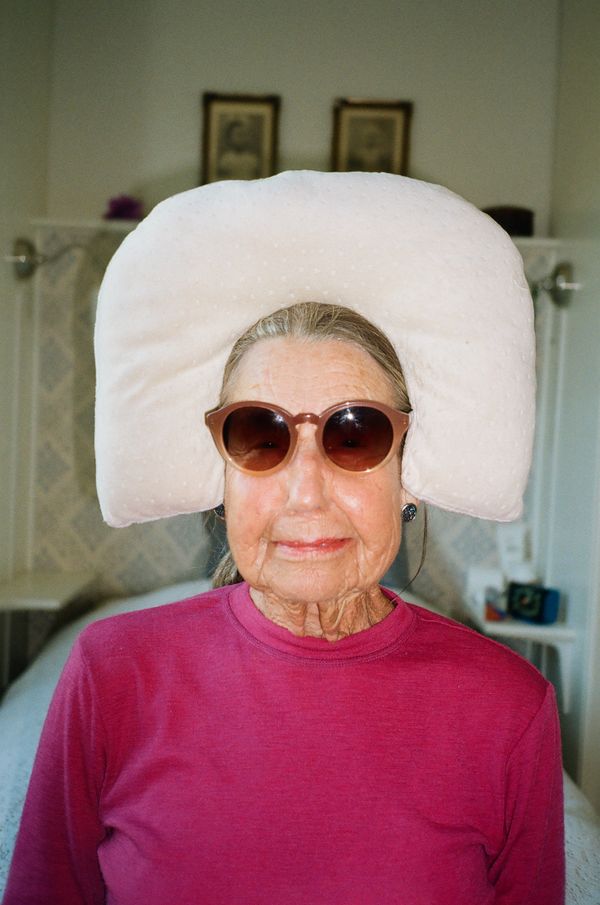
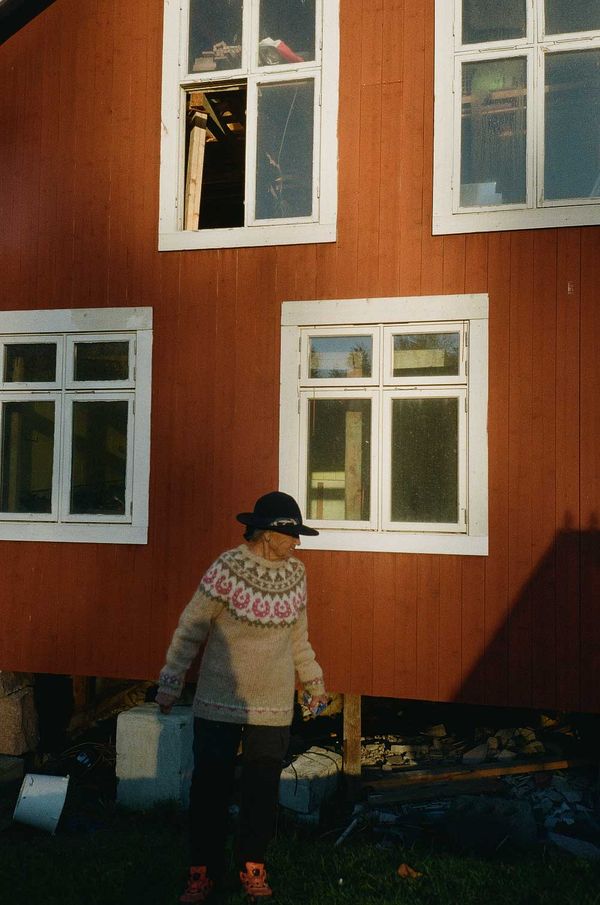
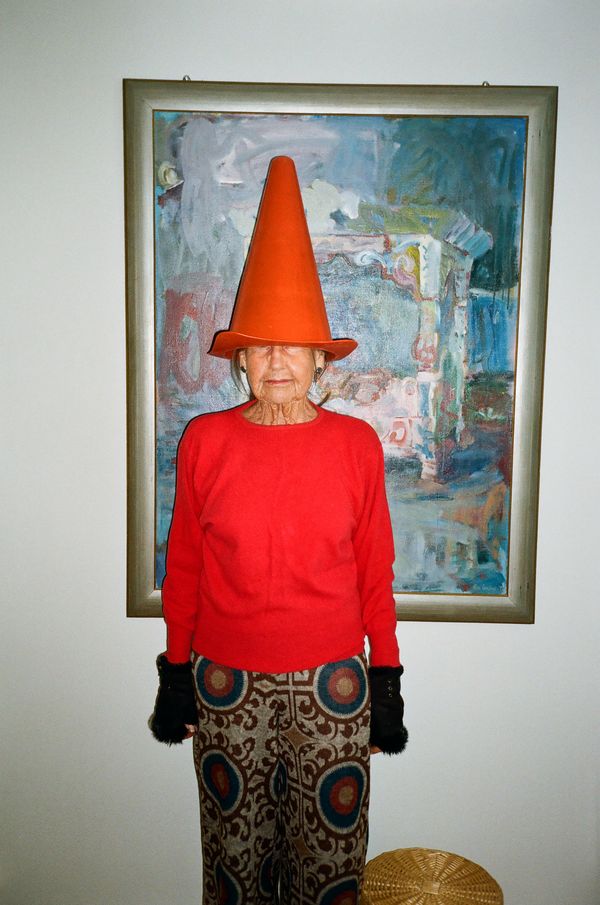
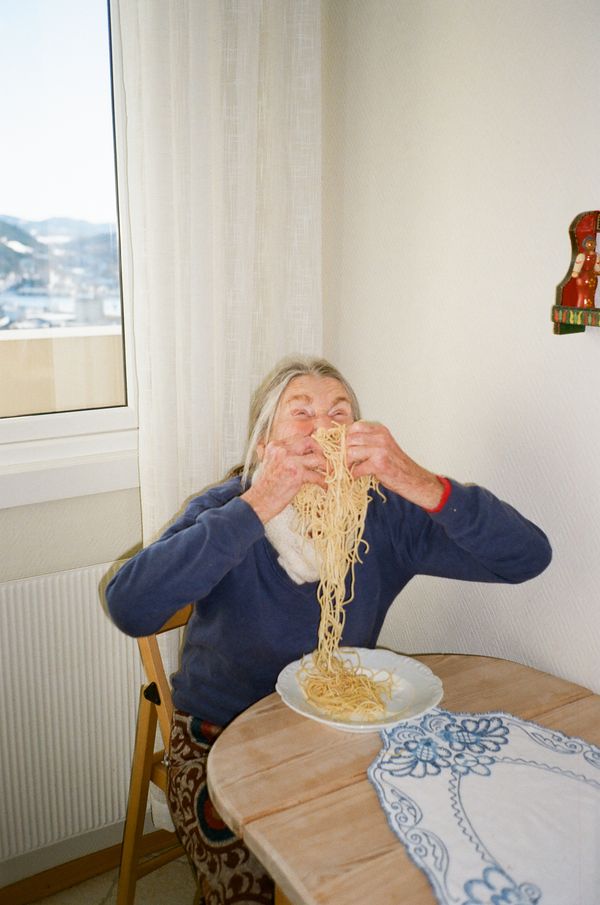
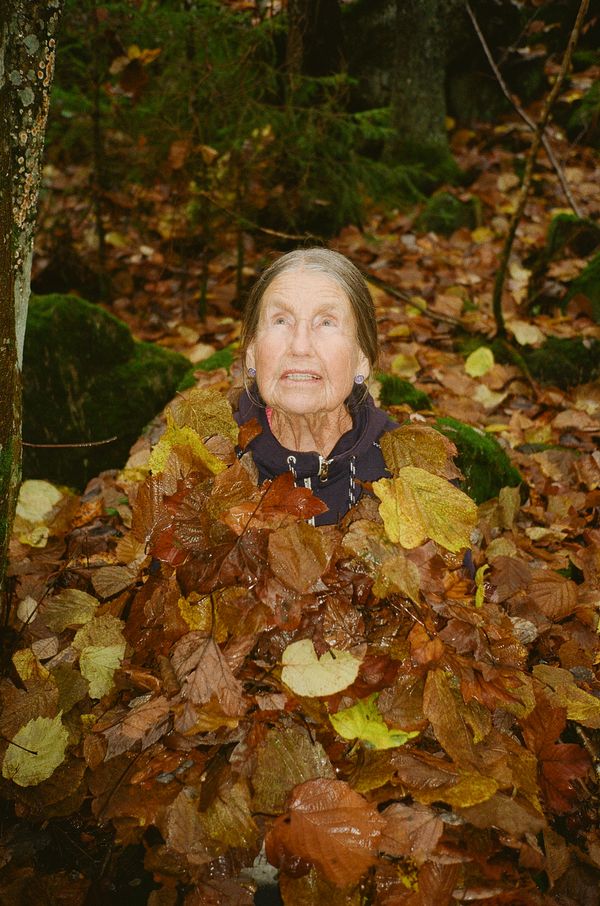
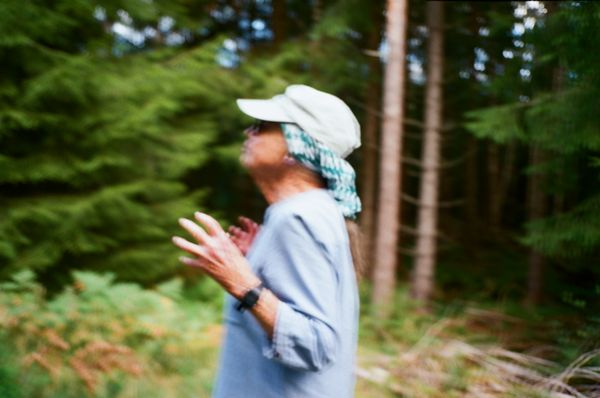
Kokko, a series about an over 90-year-old Norwegian woman, revolves around following questions how does one manage to avoid getting sloppy, crusty, and set in one’s beliefs and convictions with age? How does one overcome the temptation to give up on life?
KOKKO (working title)
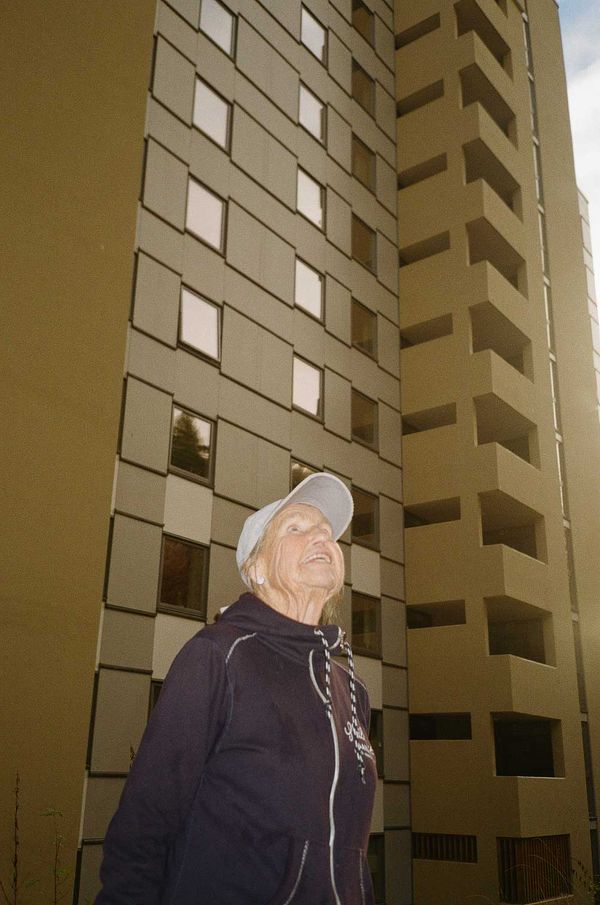
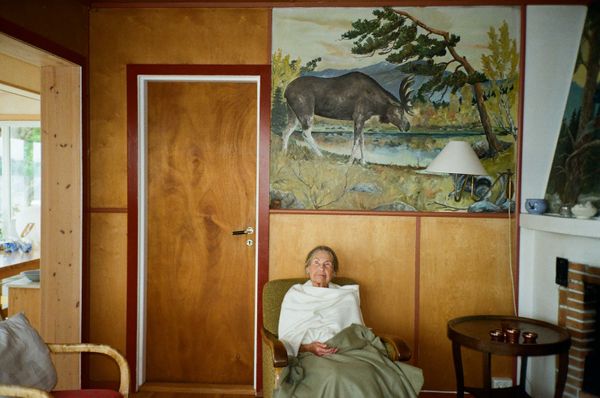
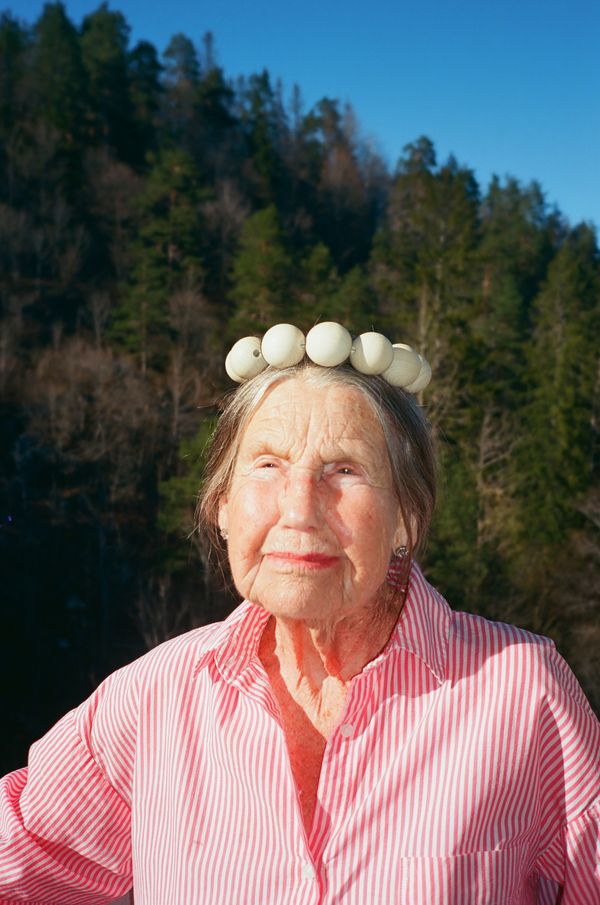
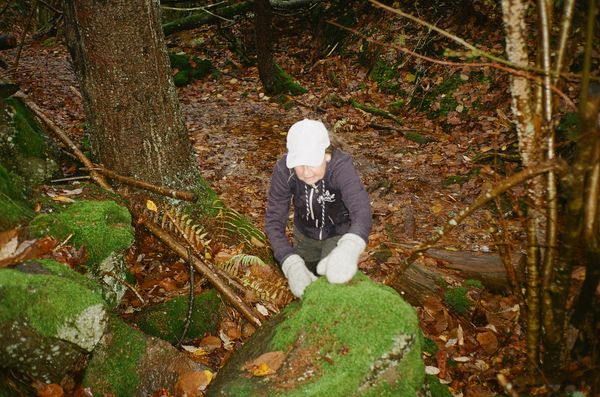
My grandmother died at the age of 96. A few years before she passed away, I asked her when she had started feeling old. She said it was when she turned 70. She had slowed down and she'd lost the drive to keep pushing on. When I asked the same question to Kokko, a 94-year-old Norwegian woman I am photographing, she said: `I think it was on my last birthday. But now my hands are giving up on me. And I'm afraid I won't be able to go to the mountains in Spain anymore.´
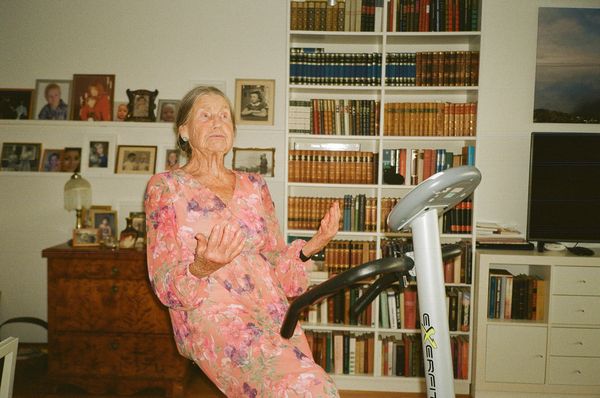
Kokko is the onomatopoeic moniker Inger adopted when she used to yodel to her baby grandson. Whenever he saw her, he would imitate the sounds she made when she sang to him. It suits her perfectly. The woman oozes youthful energy. She feels ageless. Her body is slowly giving up on her, and the signs of ageing are visible. Yet, she is refreshingly present, engaged and curious. She will talk to every taxi driver in town as soon as she hears a foreign accent. She wants to learn from people, and age or country of origin does not matter.
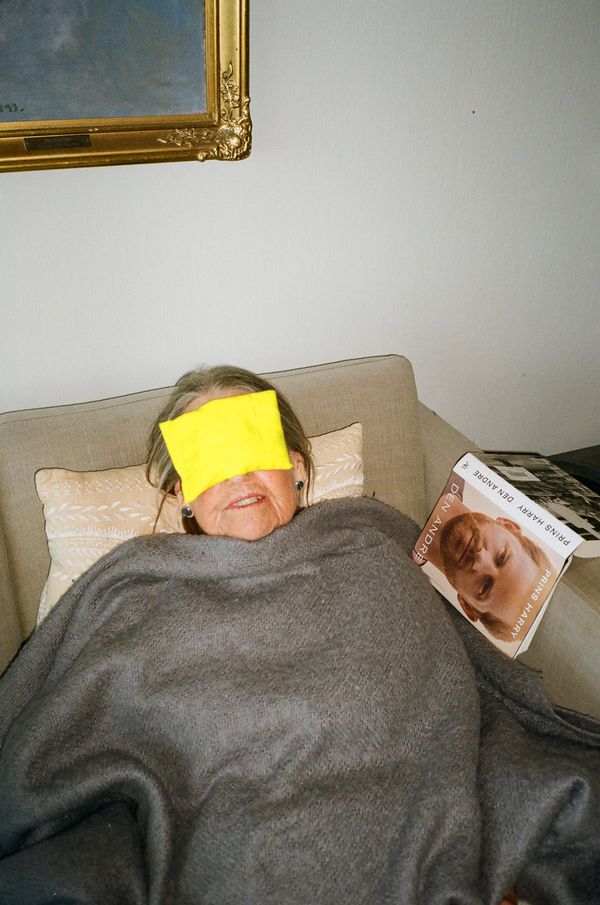
My fascination with Kokko revolves around the following questions: how does one manage to avoid getting sloppy, crusty, and set in one’s beliefs, convictions and attitudes with age? How does one overcome the temptation to give up on life when one is still alive? How does one nurture curiosity or openness? How does one feed one’s inner child? By hanging out with Koko and talking to her both about her past experiences, hopes and fears for the future, and her daily routines and activities, I am trying to figure out what keeps her so incredibly alive, mindful, and inquisitive. What makes her ageless? How do daily routines affect her frame of mind? Where does she get the same level of energy from when talking about the scrapbooks she made over 80 years ago or Spare, a memoir by Prince Harry? Is it only good genes and a privileged life she has lived, or something else that has been her conscious choice day in day out?
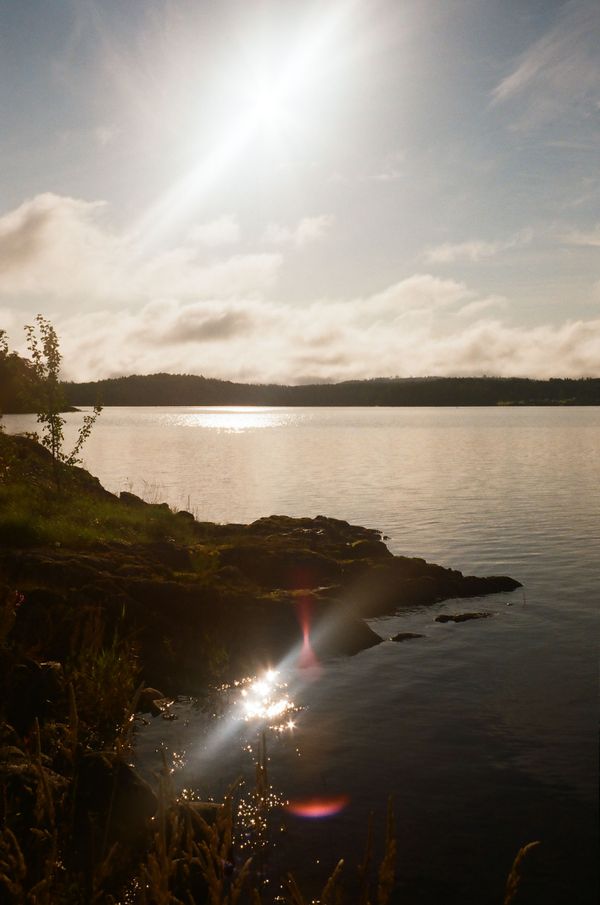
She says she is getting older. She has always loved family gatherings, but now she'd rather keep to smaller groups, less noise and less chaos. She feels like an animal which feels its time is coming to an end, so it is intuitively choosing to hide somewhere. Recently she has found a burial place for herself: ‘I hated having to visit my relatives’ graves. I want people to want to visit me when I’m gone. That’s why I want to be buried by the lake where I have my summer house. If someone misses me, they can come and visit my grave. I don’t want it to be a nuisance for anyone. As simple as that.`