Knock Three Times

Knock Three Times explores the everyday rituals of superstition that continue to shape our behavior, even in a rational and modern world. The project questions how people navigate uncertainty and fear, and how they inherit traditions.

Knock Three Times explores the everyday rituals of superstition that continue to shape our behavior, even in a rational and modern world. Superstitions often appear in moments of fear and uncertainty — something that deeply resonated with me, especially as my home country, Ukraine, has been living through such a state since 2022. These gestures, both protective and fragile, reveal how cultural memory and magical thinking remain embedded in daily life.

The photographs in the project shift between two modes: on one hand, staged “instructional” images that highlight the surreality and almost absurd precision of superstitious actions; on the other, more atmospheric and poetic images that convey the magical aura surrounding these beliefs. Together, they transform superstition into a visual language that oscillates between documentation and imagination.

By revisiting these practices, Knock Three Times questions how people navigate uncertainty, how they inherit traditions, and how rituals offer both comfort and a sense of agency.
This project is a candidate for PhMuseum 2026 Photography Grant

Learn more Present your project
© Maryna Shtanko - Image from the Knock Three Times photography project
i

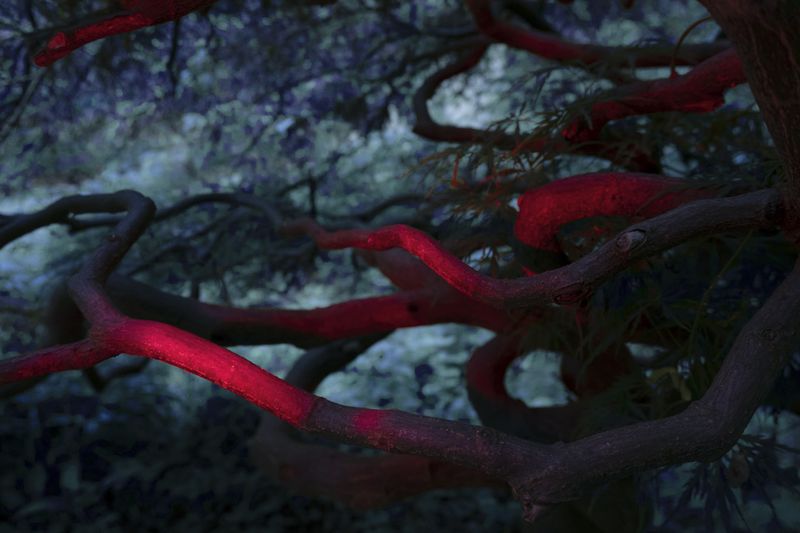
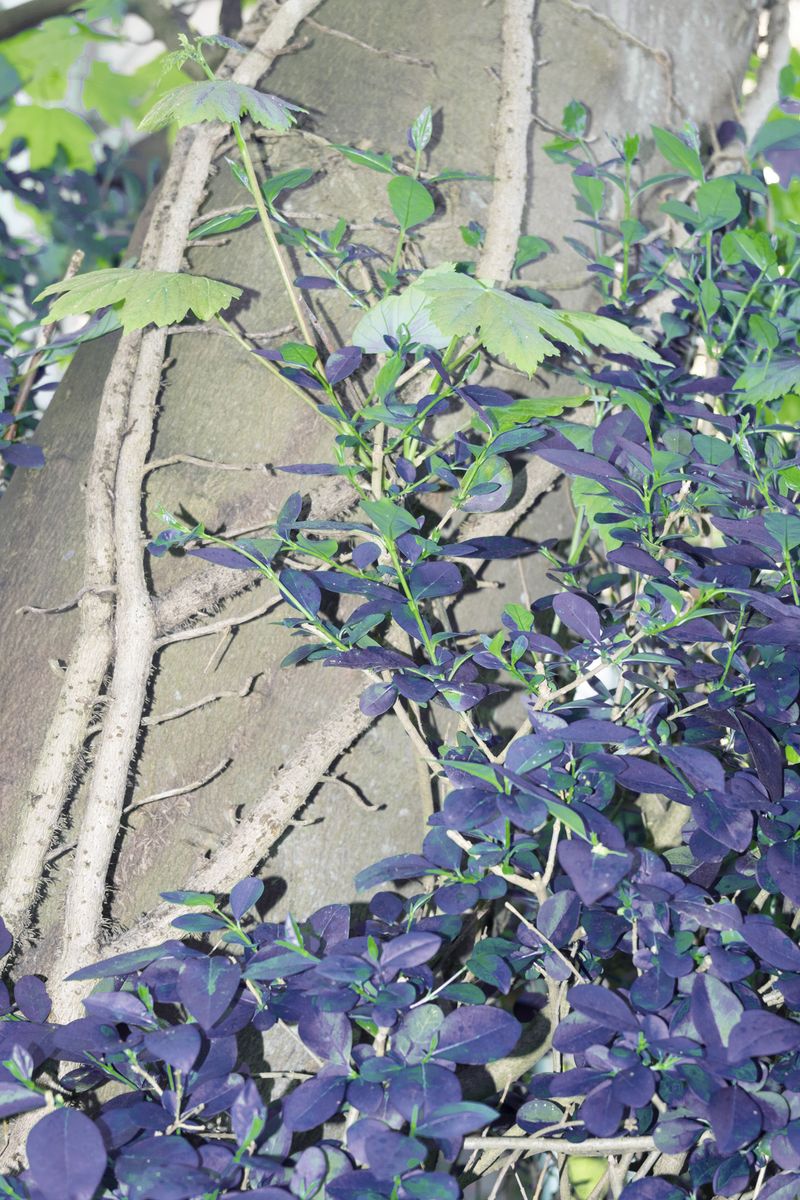
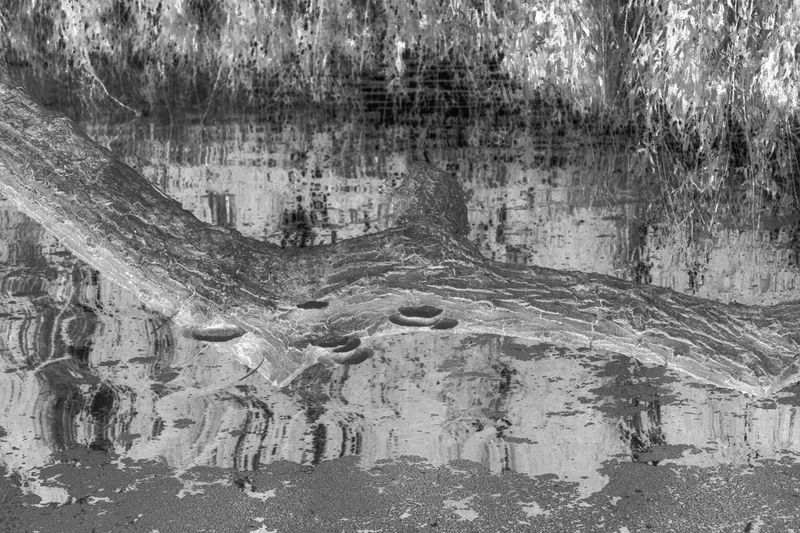
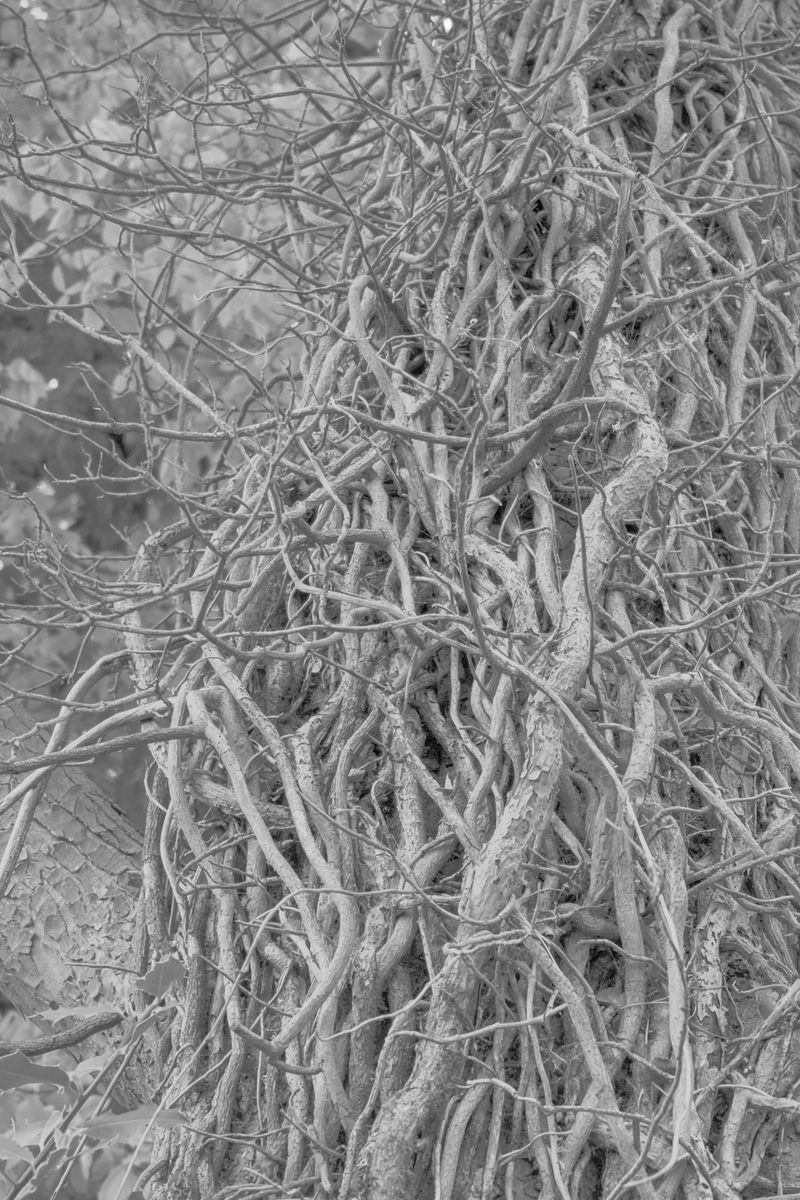
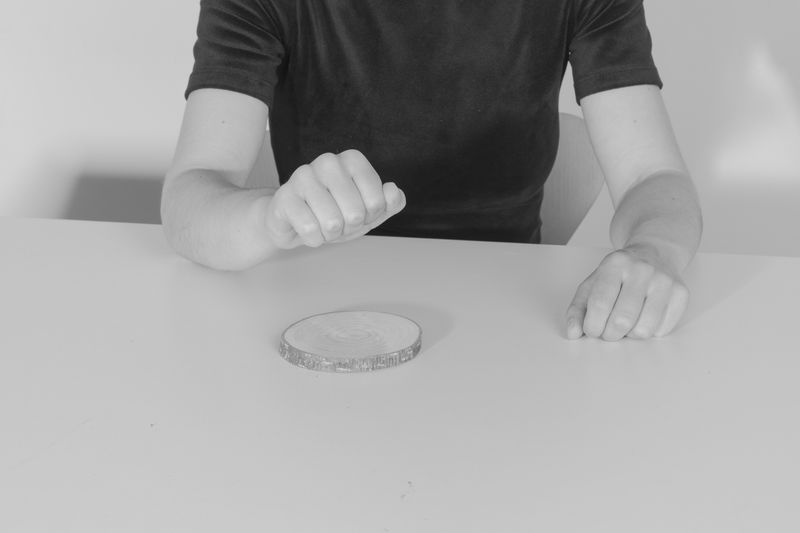
The properties of knocking on wood are to prevent some kind of disaster or not to cast a jinx. The tree has a protective effect, when we knock on it, it seems that we are turning to our ancestors to protect us.

© Maryna Shtanko - Image from the Knock Three Times photography project
i

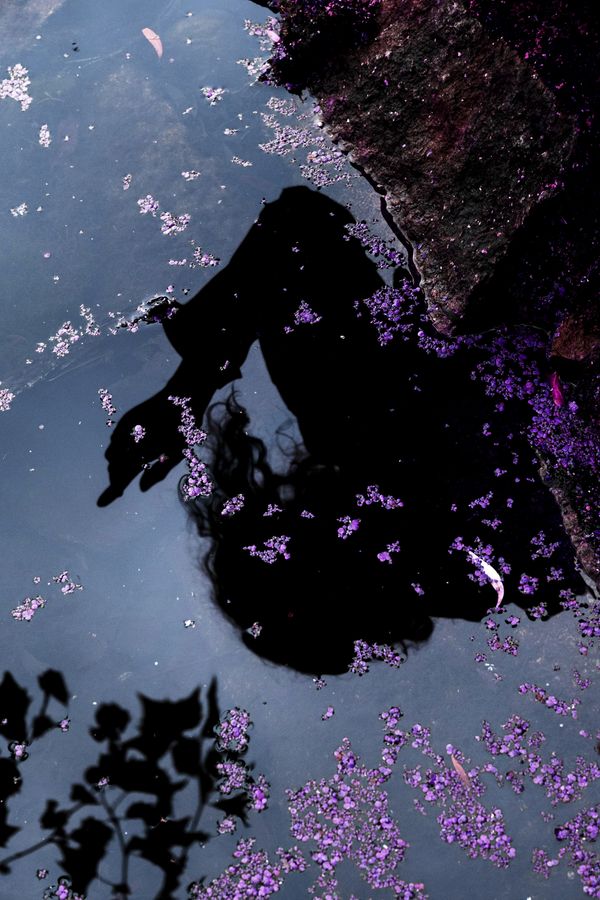
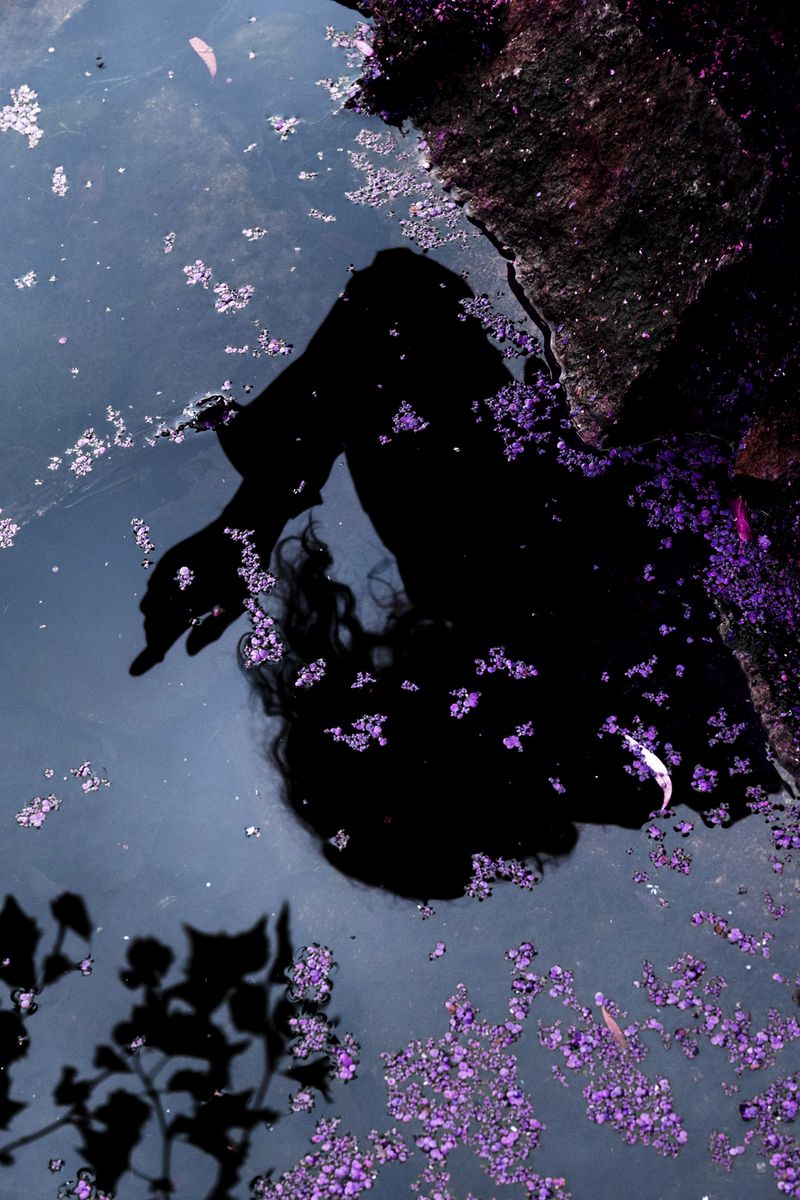
Before mirrors were invented, people used their reflection in water to see themselves. The image recalls this early form of self-observation and the long-standing connection between reflections and superstition.

© Maryna Shtanko - Image from the Knock Three Times photography project
i

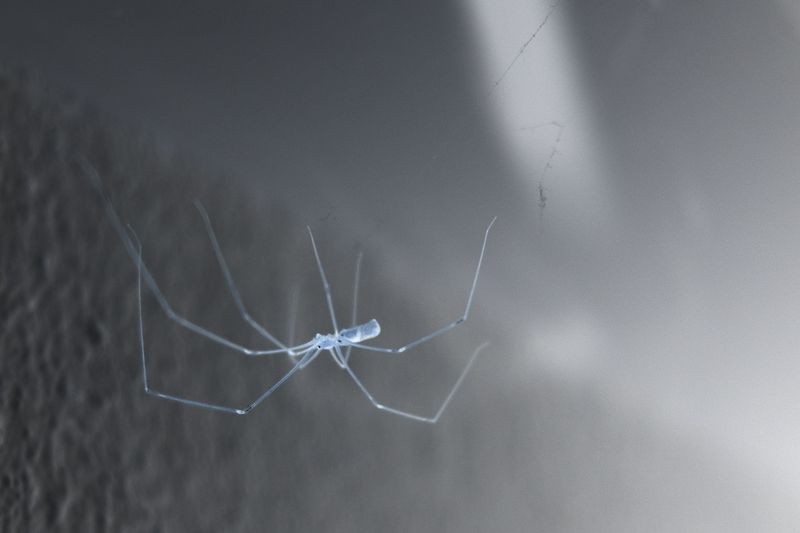
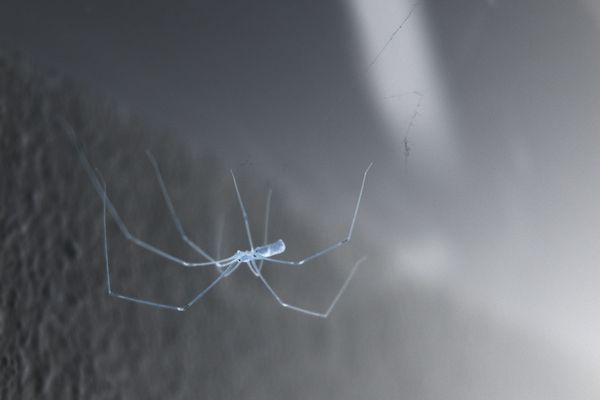
According to popular belief, spiders protect the house from negative energy and evil spirits, so they should not be killed in your home.

© Maryna Shtanko - Image from the Knock Three Times photography project
i

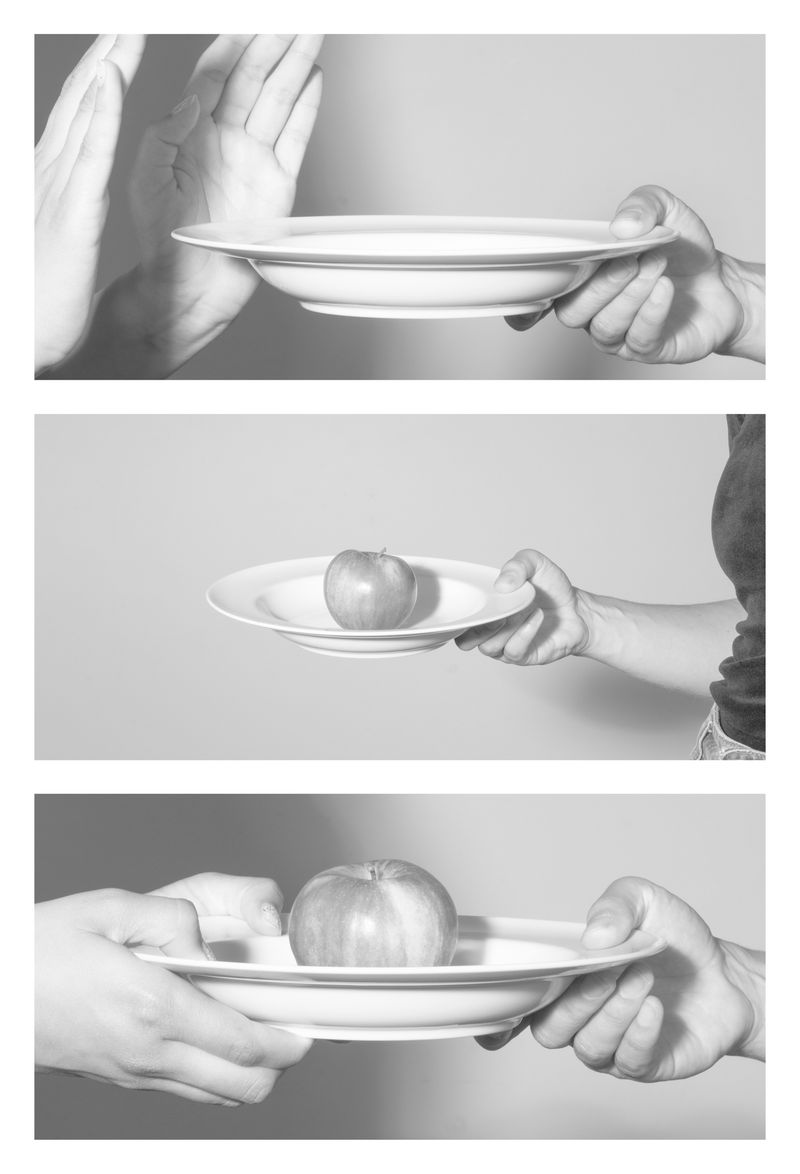
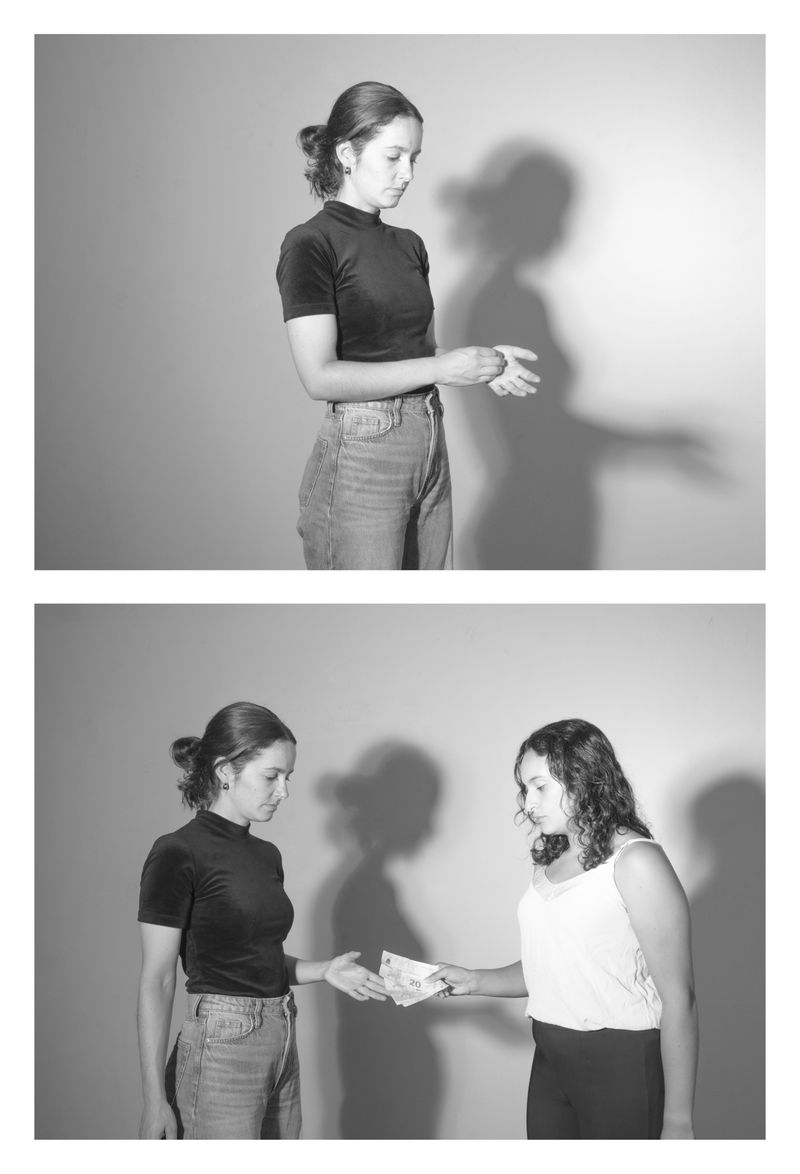
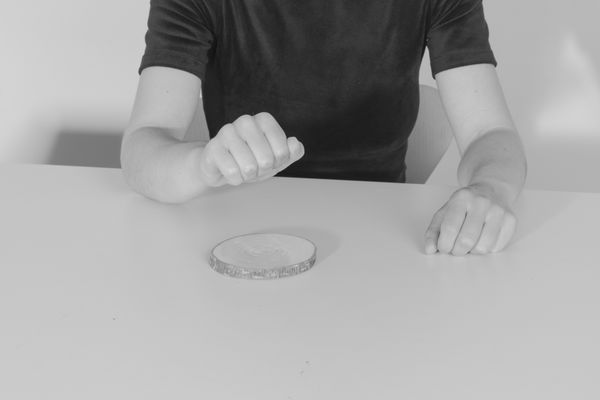
Giving back an empty dish was considered a sign of future hardship, as emptiness symbolized need and vulnerability. To ensure prosperity, dishes were ideally returned with something inside.

© Maryna Shtanko - Image from the Knock Three Times photography project
i

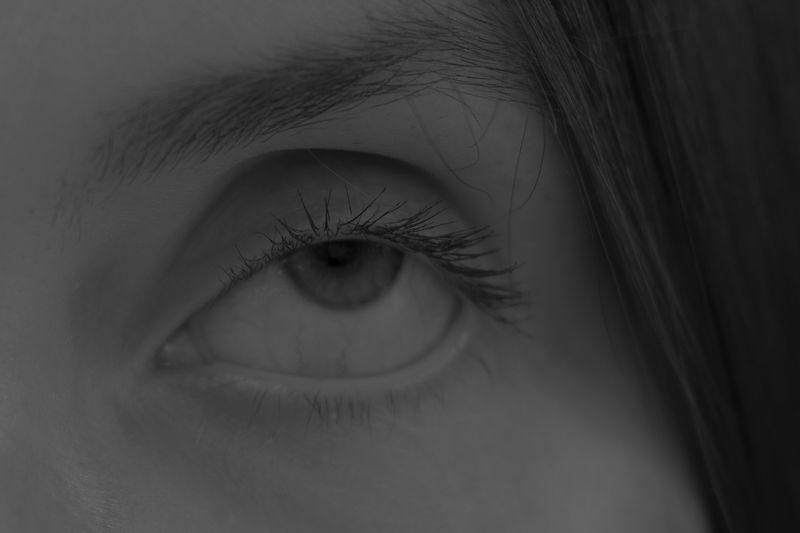
The upward gaze appears unnatural, as if searching for something beyond visible reality. The image reflects the human tendency to believe in what cannot be seen.

© Maryna Shtanko - Image from the Knock Three Times photography project
i

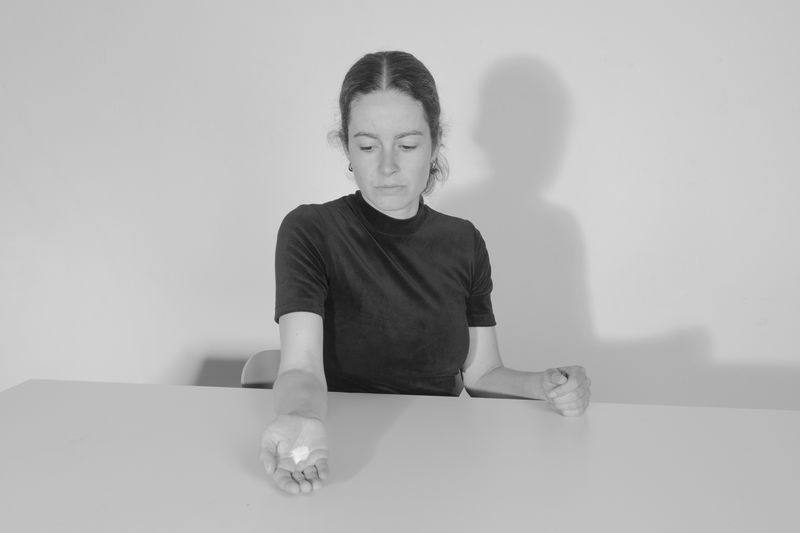
Because salt was once rare and expensive, spilling it could easily cause quarrels in a household. Over time, this practical reality became a superstition that linked spilled salt with conflict and bad luck.

© Maryna Shtanko - Image from the Knock Three Times photography project
i

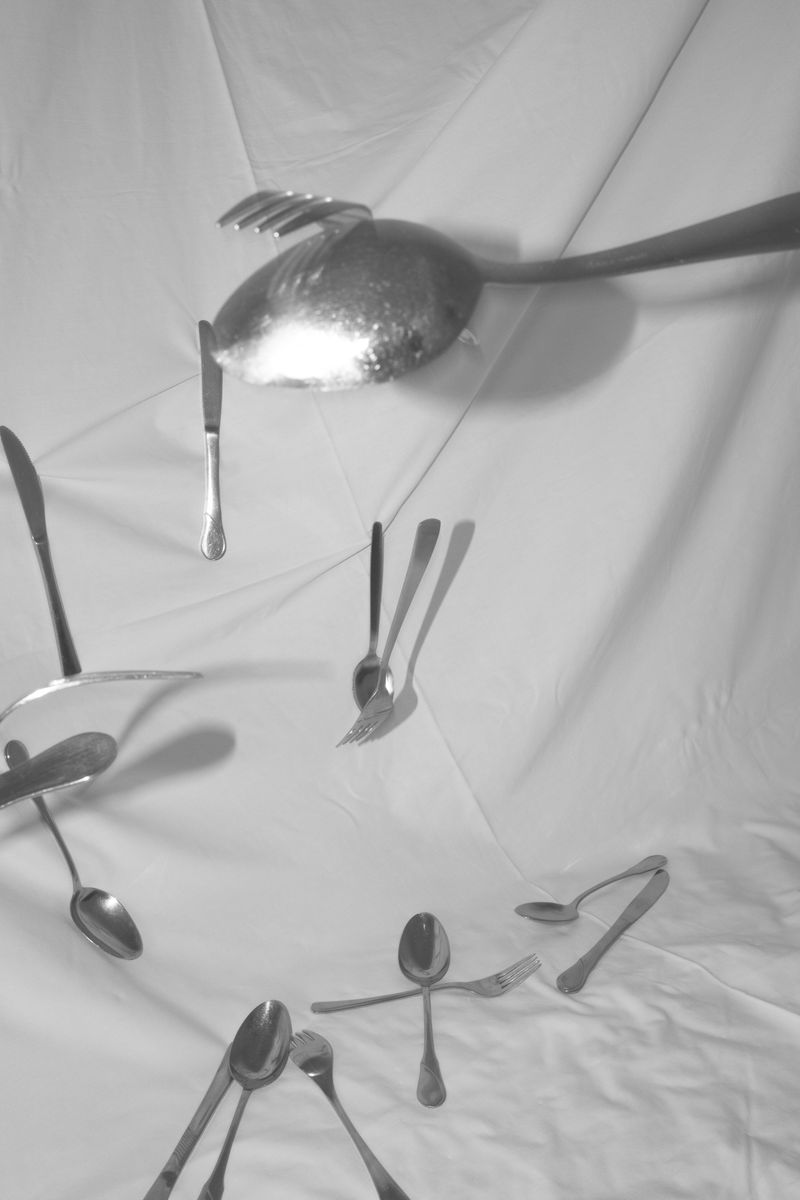
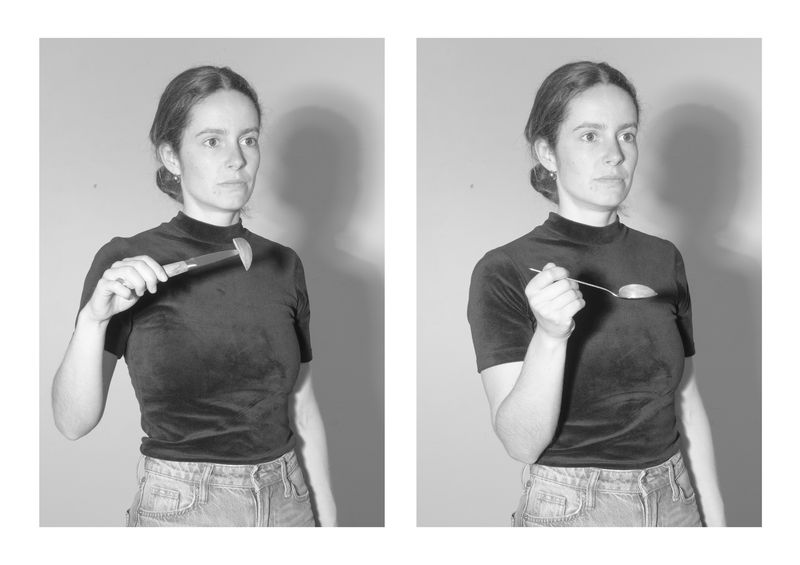
Dropping cutlery is a superstition that means someone is coming to visit, with different utensils predicting different guests: a fork signals a male visitor, a spoon indicates a female visitor, and a knife signifies a male visitor or a male visitor with a message.

© Maryna Shtanko - Image from the Knock Three Times photography project
i

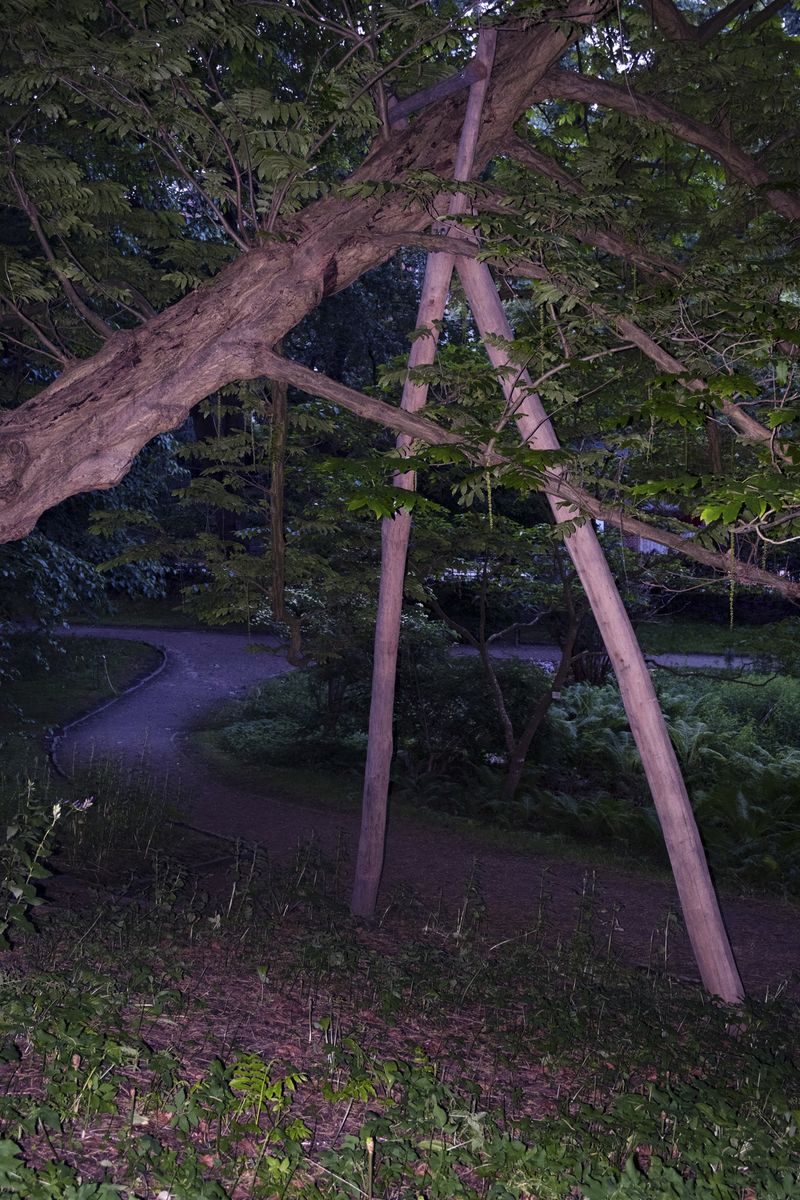
A Λ-shaped tree or structure is known as the “Devil’s Gate” or “Cat’s Gate.” Passing beneath it is thought to bring misfortune, as if crossing an invisible boundary between the safe and the ominous.

© Maryna Shtanko - Image from the Knock Three Times photography project
i

Eating directly from a knife was believed to make a person sharp-tongued or quarrelsome. On a practical level, it also warned against injury from the blade.

© Maryna Shtanko - Image from the Knock Three Times photography project
i

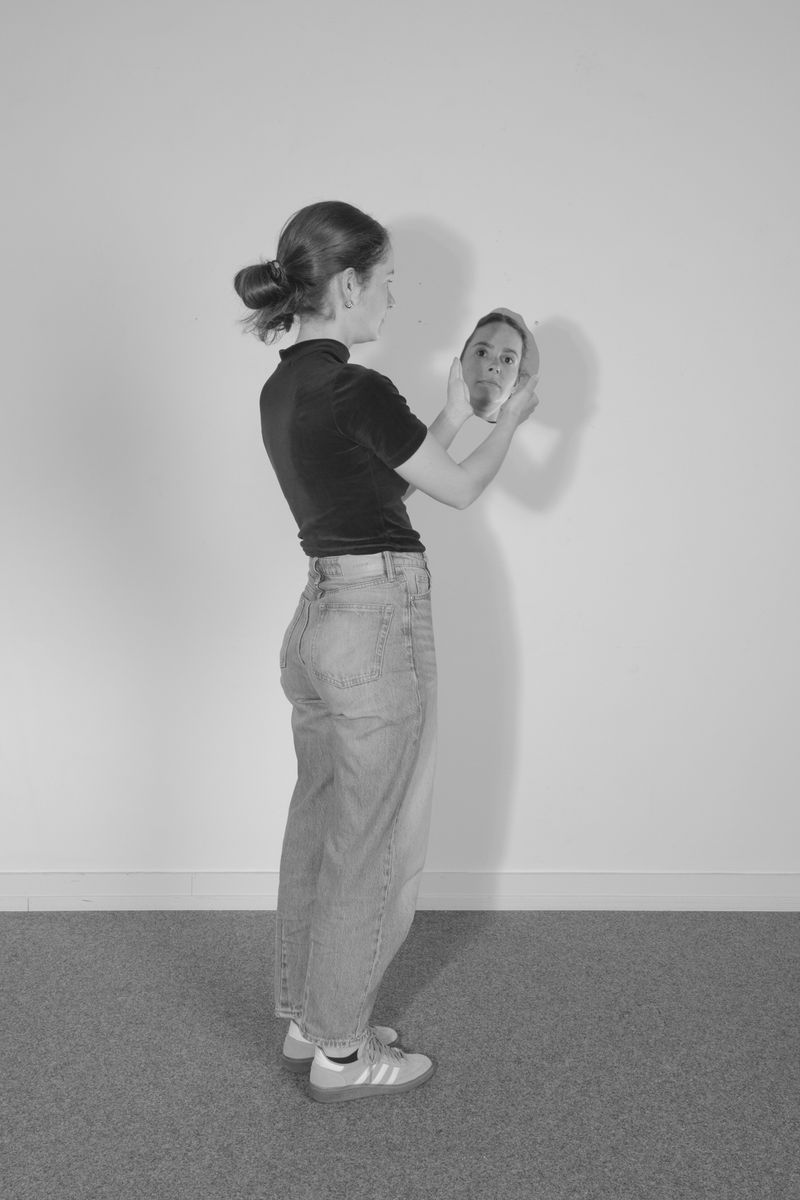
If someone had to return home after already leaving, they were told to glance in the mirror before going out again. This was believed to protect the household from harm and leave behind a “double” to guard the home.

© Maryna Shtanko - Image from the Knock Three Times photography project
i

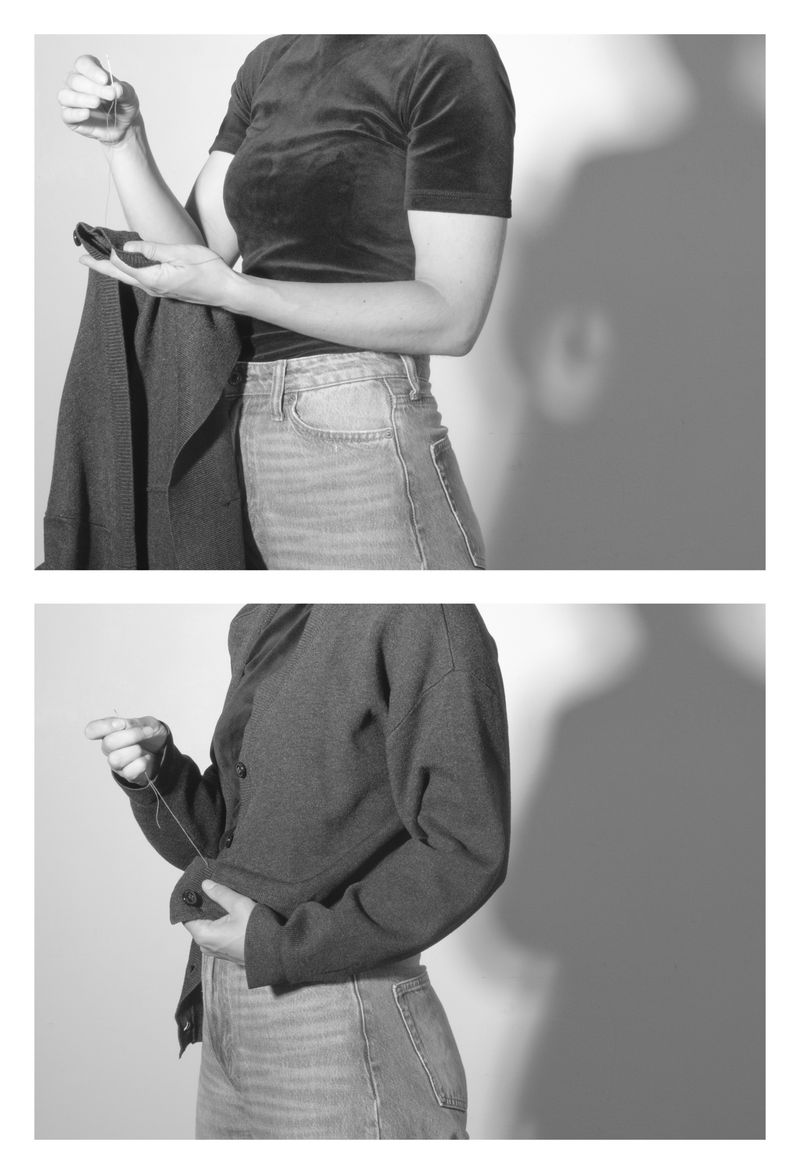
Mending clothes while wearing them was said to invite bad luck or even memory loss. The needle, seen as a powerful magical tool, could turn its force against the person if used in this way.

© Maryna Shtanko - According to a folk belief, a pink sunset foretells a windy day to come.
i

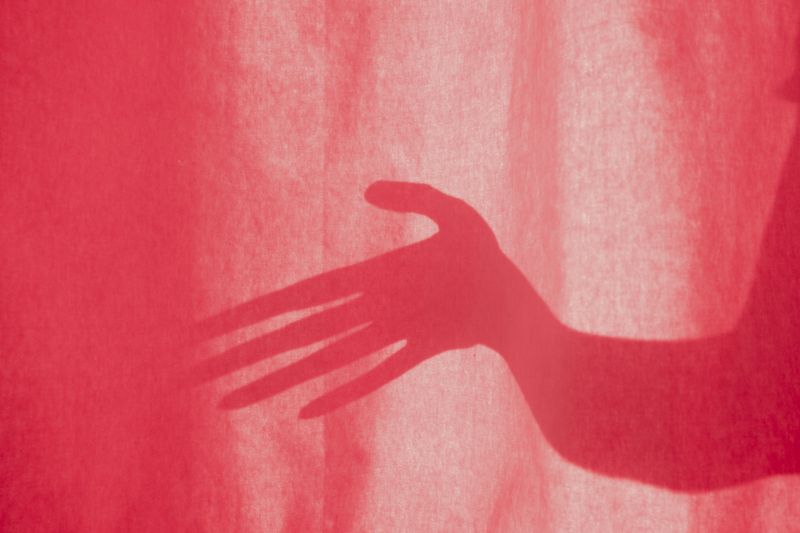
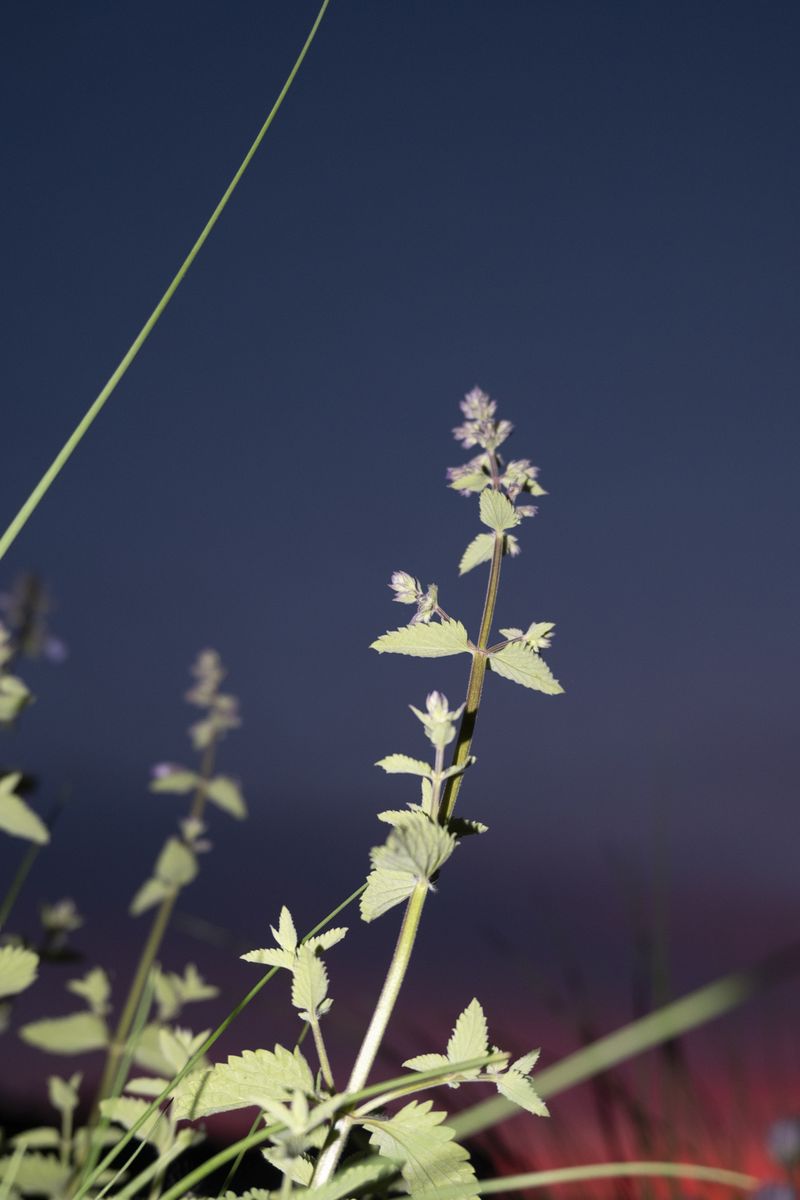
According to a folk belief, a pink sunset foretells a windy day to come.

© Maryna Shtanko - Image from the Knock Three Times photography project
i

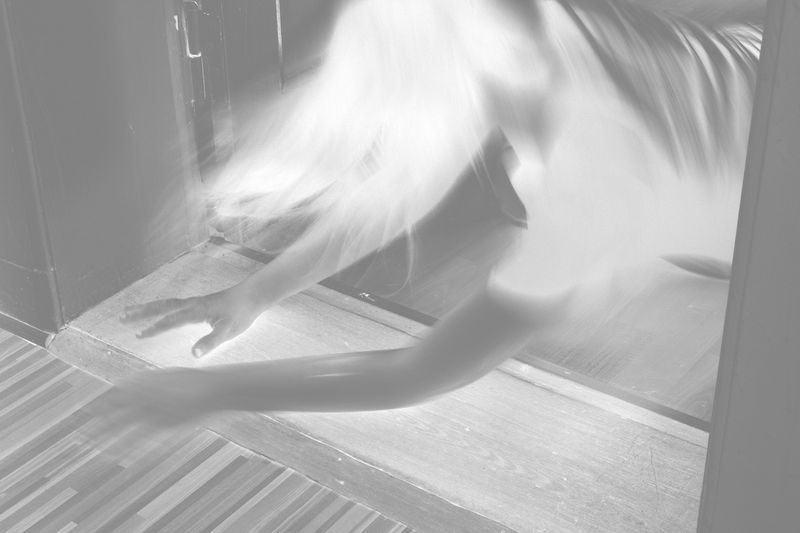
In many folk beliefs, the threshold marks a symbolic boundary — a passage between the familiar and the unknown. The home represents safety and belonging, while what lies beyond evokes uncertainty.