Khatoon

Since the first "Aurat March" in 2018, women in Pakistan have been reshaping a country ranked 145th out of 146 on the 2024 Gender Gap Index. Khatoon, meaning "woman" in Urdu, shares some of their stories, offering a new narrative of a misunderstood region

Since the first celebration of the Aurat March (International Women’s Day) in 2018, women in Pakistan have been transforming the face of a country that was born less than 100 years ago, located in one of the most unstable regions of the world, and ranked 145th out of 146th on the Global Gender Gap Index 2024. Khatoon—which means “woman” in Urdu—is a photographic essay that tells extraordinary stories of ordinary women through portraits, landscapes, and audio interviews. Whether they are boxers, NGO CEOs, singers, dancers, or motorcyclists, from the rural areas of Punjab the peaks of the Karakoram, or the urban landscapes of Karachi, Islamabad, and Lahore, each story represents a piece of the struggle for the rights of a new generation. This work aims to offer a new narrative of a region often misunderstood and feared, distancing itself from the Western collective imagination. 
© Giovanni De Mojana - Image from the Khatoon photography project
i

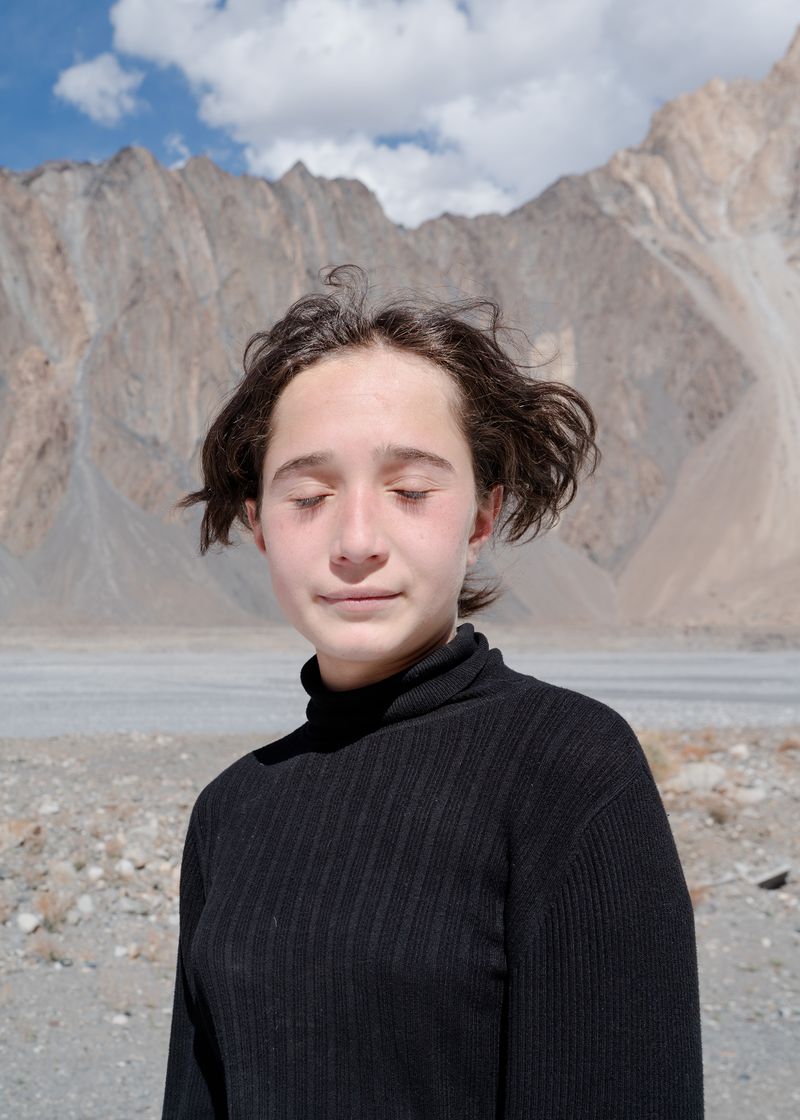
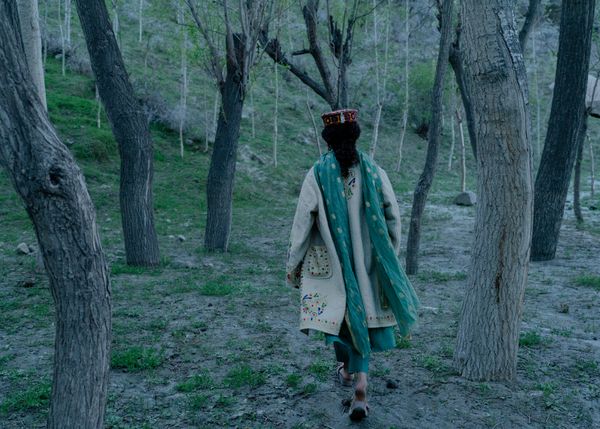
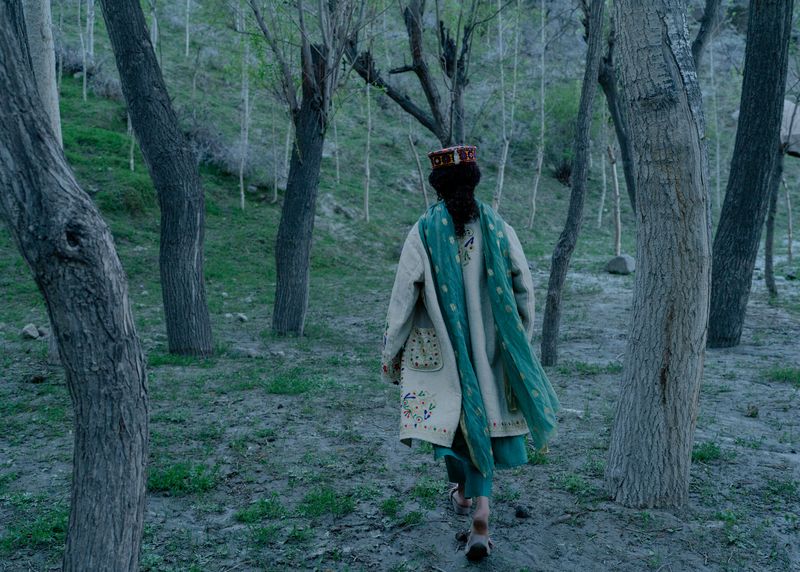
Noorima Rehan, a 19-year-old from Hunza Valley, began singing at nine and gained fame at seventeen when a recording of her singing the adhan went viral. Supported by her family andcommunity, Noorima has become a national celebrity. In the open-minded Hunza region, where gender discrimination is rare, she inspires other girls through social media to pursue their passionsGhulkin, Gilgilt Baltistan

© Giovanni De Mojana - Image from the Khatoon photography project
i

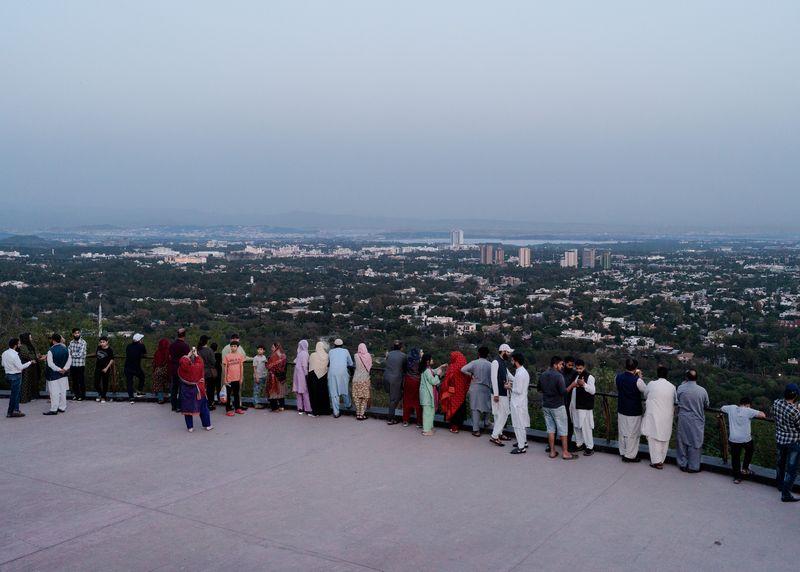
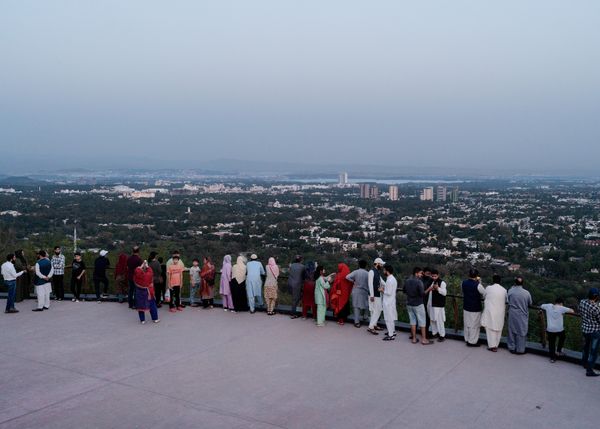
Locals and tourists enjoy the view of Islamabad from Pir Sohawa, a hilltop retreat favored by couples seeking privacy. Established in 1967 as Pakistan’s capital, Islamabad, part of the Islamabad Capital Territory, reflects the country's gender challenges, ranking 145 out of 146 in theWorld Economic Forum’s 2024 Global Gender Gap Report, with a gender parity score of 57.5 percent.

© Giovanni De Mojana - Image from the Khatoon photography project
i

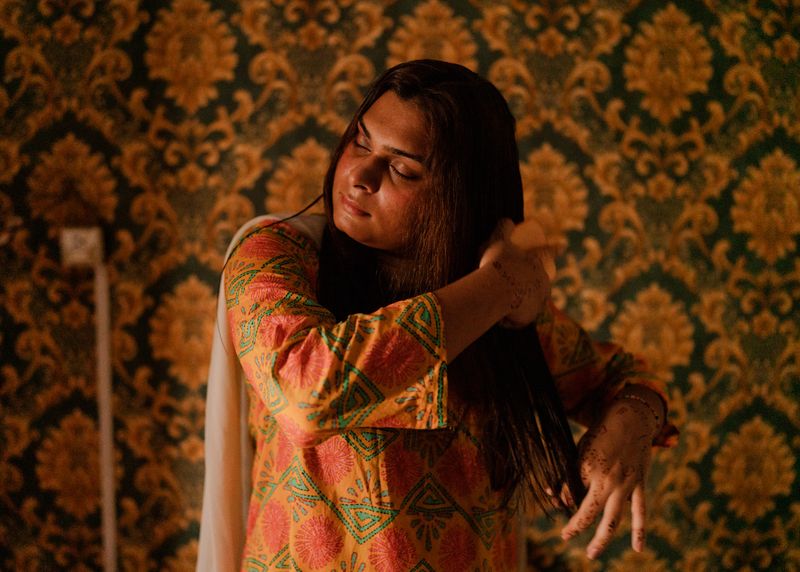
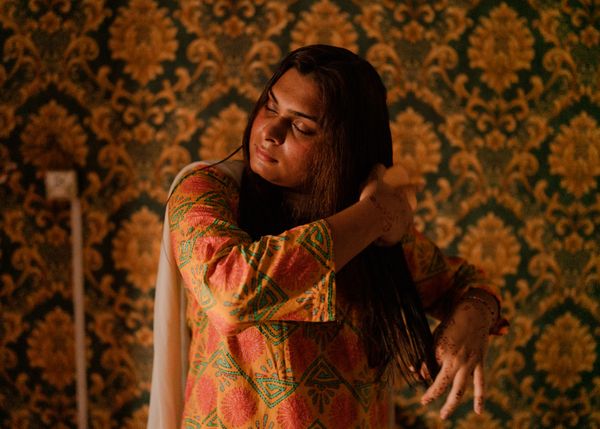
Portrait of Aradya Khan, 25, in Karachi. As a transgender activist and motivational speaker, Aradya leads the Sindh Moorat March and works with the Gender Alliance. Despite facing family rejection and societal challenges, she is dedicated to transgender rights and studying journalism, aiming for greater acceptance over the next fifteen years.

© Giovanni De Mojana - Image from the Khatoon photography project
i

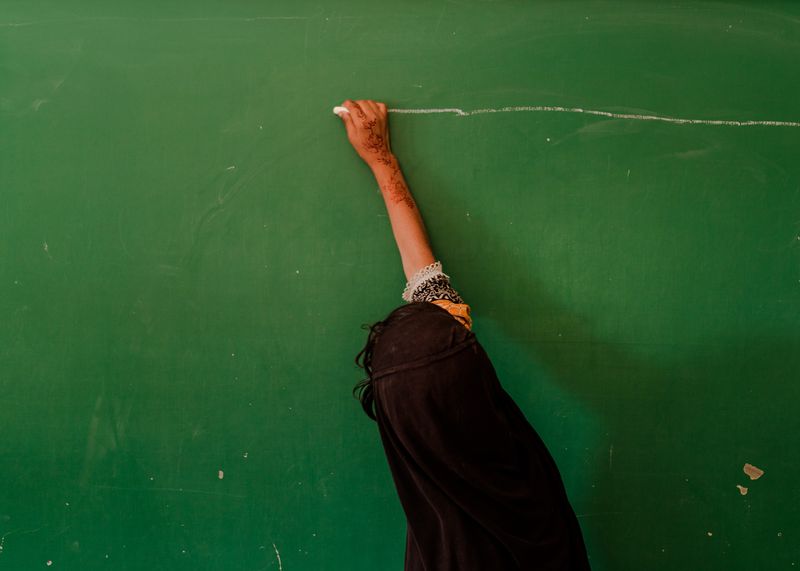
Nafisa Shahzad, 10, draws on the blackboard at the TCF primary school in Nathoki, Lahore. Theschool, run by an NGO promoting female education, convinced her parents to enroll her, offering a better future at no cost. Outsideschool, Nafisa helps her family, assisting her mother while her father battles a serious illness.Attending school has sparked her dream of becoming a doctor to help others

© Giovanni De Mojana - Football player from the Hunza Football Club in Passu preparing for training.
i

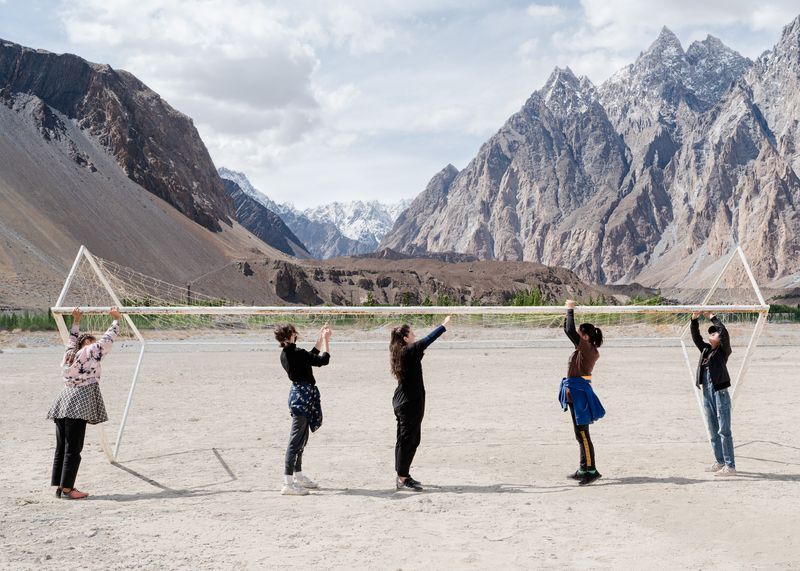
Football player from the Hunza Football Club in Passu preparing for training.

© Giovanni De Mojana - Image from the Khatoon photography project
i

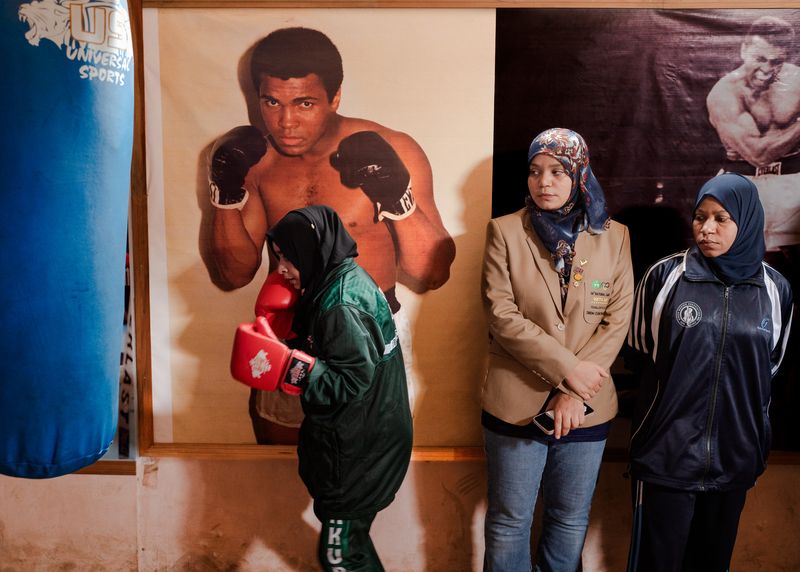
Summaya, 28, is a boxer coach and a former soldier. She started boxing at 18 to gain independence because she felt too 'innocent,' she says. Now, Summaya is a role model for allthe girls in her district, Lyari, outside Karachi. She is the oldest of four sisters, all of whom box,much to the disapproval of their brother, who would prefer they didn’t.

© Giovanni De Mojana - Image from the Khatoon photography project
i

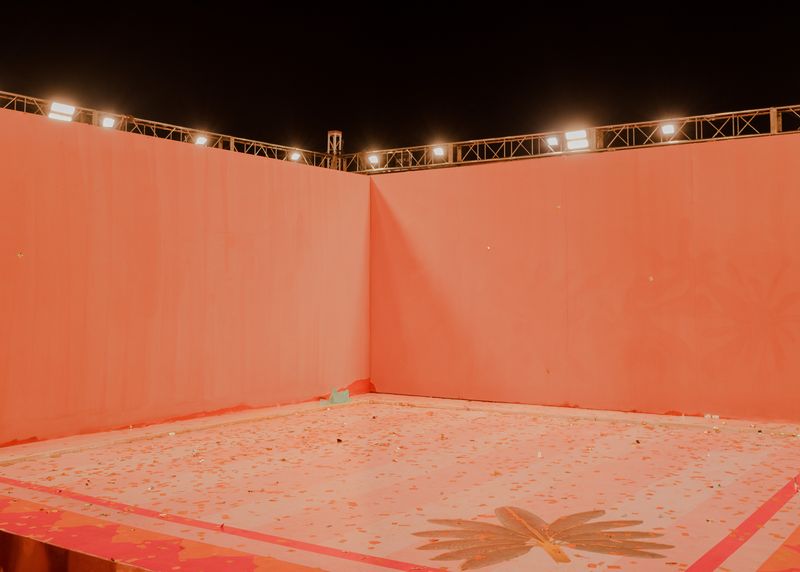
Behind the main stage of the “Commons Festival,” organised to celebrate the first evening of Eid, marking the end of Ramadan. The festival featured shopping, dancing, dining, and henna decoration for everyone to enjoy.

© Giovanni De Mojana - Image from the Khatoon photography project
i

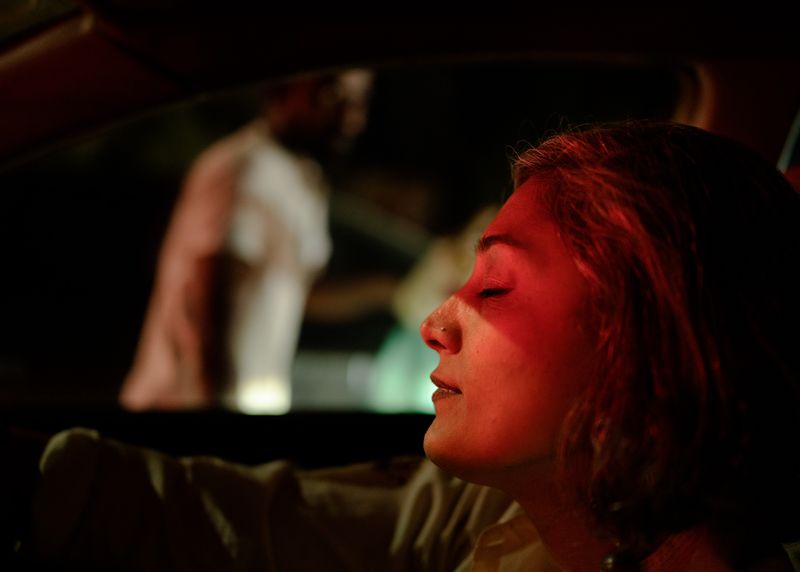
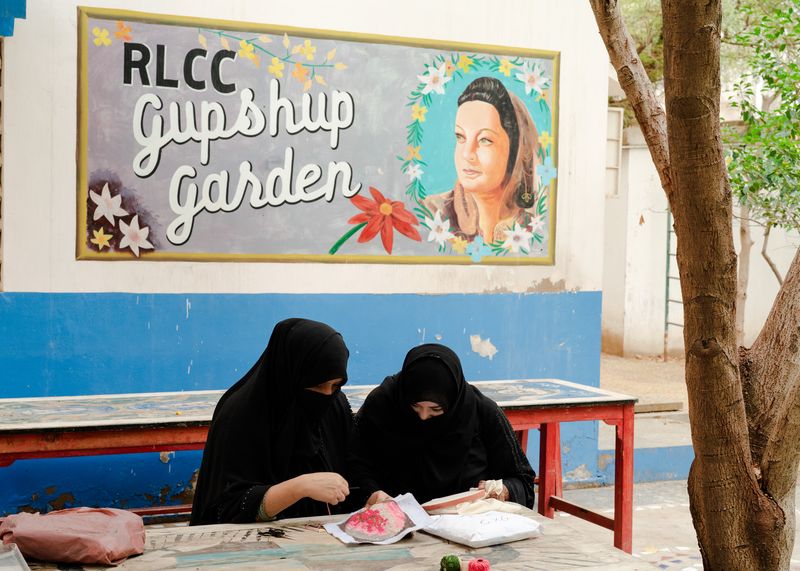
Somayeh Bardai is driving to the "Commons Festival Karachi" to celebrate the first evening of Eid, marking the end of Ramadan. Somayeh is the CEO of "RLCC," a non-governmental organization that empowers rural women through craft training, promoting economic independence and eco-friendly practices.

© Giovanni De Mojana - Near the Pakistan- India border, in Lahore, a boy extinguishes a controlled fire used to burn waste and brush.
i

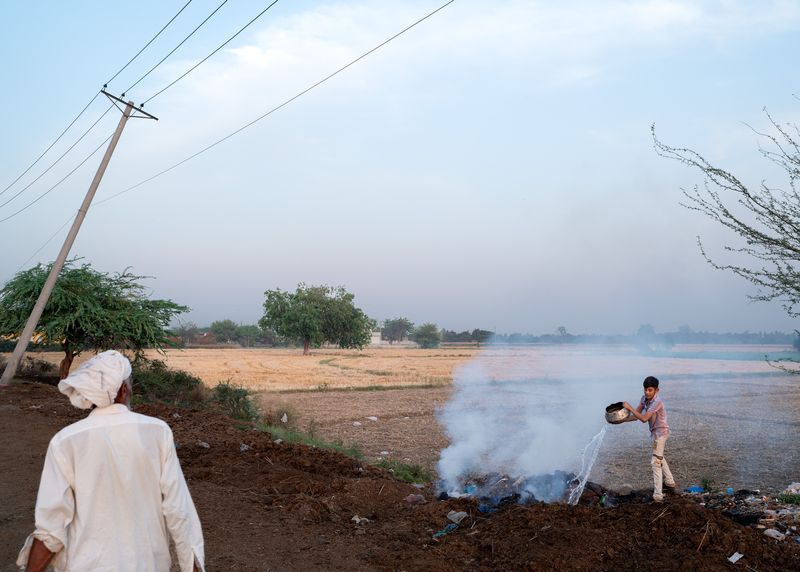
Near the Pakistan- India border, in Lahore, a boy extinguishes a controlled fire used to burn waste and brush.

© Giovanni De Mojana - Image from the Khatoon photography project
i

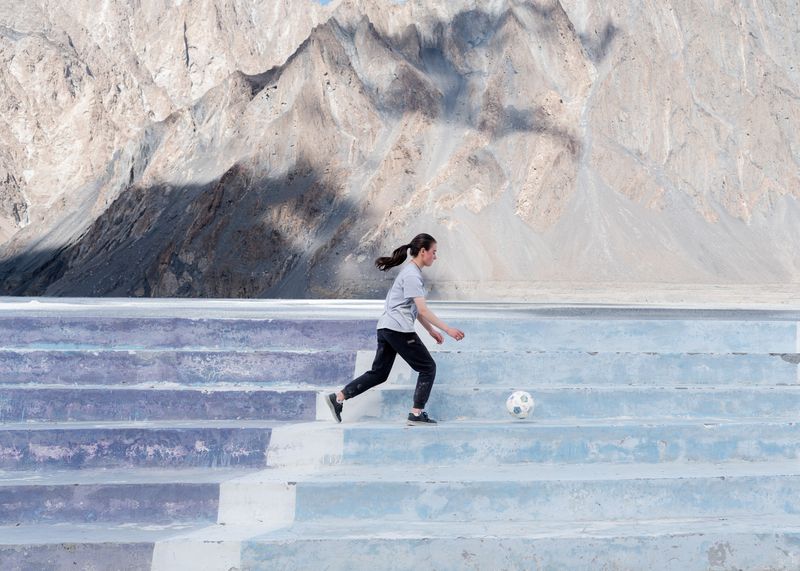
Nadia, a 16-year-old from Passu, began playing football as a child, encouraged by her uncle to pursue her dream of joining the national team. Though initially met with judgment for wearing trousers instead of the traditional kurta, she persevered. Two years ago, she was selected by the Pakistan Football Federation, and her village now proudly supports her.

© Giovanni De Mojana - Palm field in the Sindh Region.Karachi, Pakistan.
i

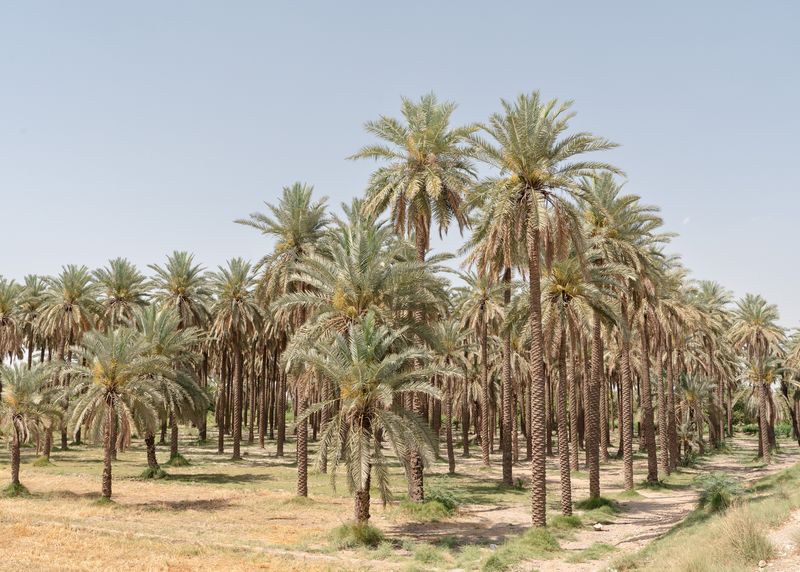
Palm field in the Sindh Region.Karachi, Pakistan.

© Giovanni De Mojana - Image from the Khatoon photography project
i

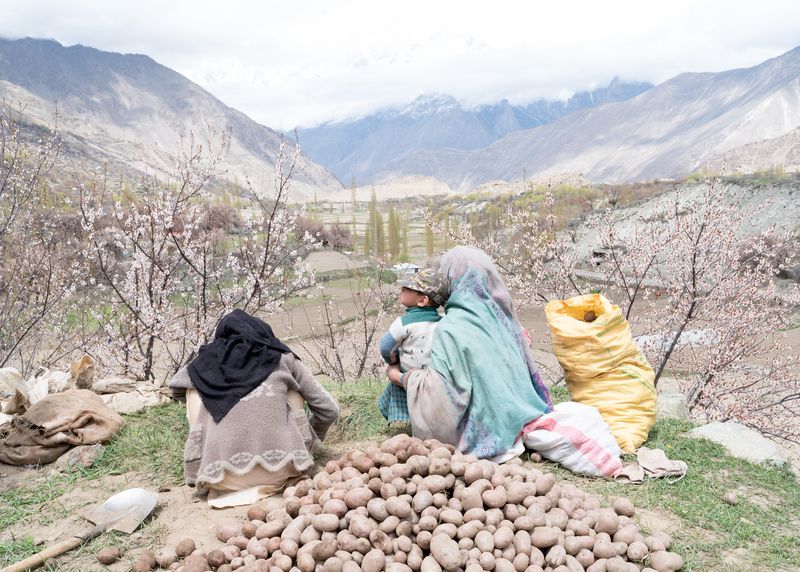
A mother rests with her daughters after a day digging up stored potatoes, protected from the Himalayan cold. In this valley, women have less freedom than in nearby Hunza, where education and Ismailism have reduced gender inequality. The Karakoram mountains and cherry blossoms rise in the background.

© Giovanni De Mojana - Image from the Khatoon photography project
i

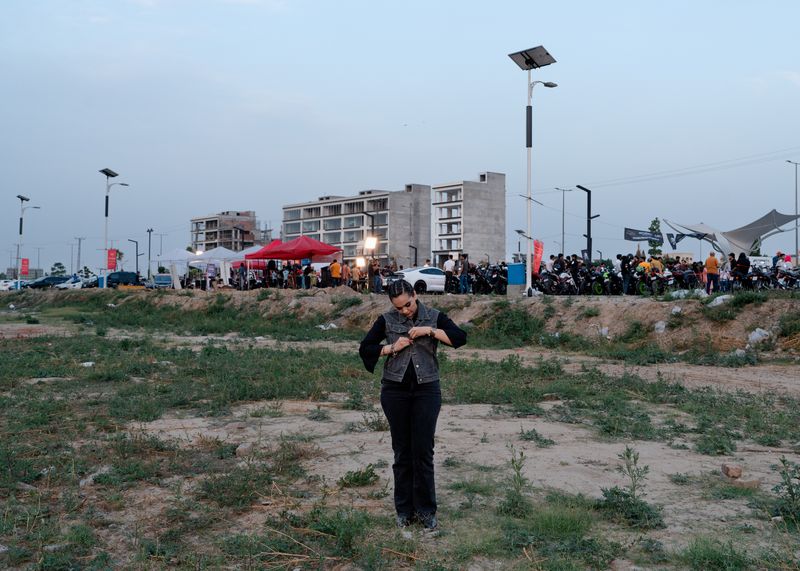
Zenith Irfan, the first Pakistani woman to ride solo across the country, attended the Moto-Matsuri festival as its only female motorcyclist, requiring a bodyguard for safety. Inspired by her late father’s dream of world travel on a motorbike, she has ridden 20,000 km and inspired the film Motorcycle Girl, despite early threats and discouragement.

© Giovanni De Mojana - Image from the Khatoon photography project
i

In Lyari, a district of Karachi scarred by past gang violence and military intervention, girls are challenging social norms through boxing. Training in a small gym, these young athletes use thesport to gain strength and independence, defying the daily patriarchal repression in their community. Despite its troubled past, Lyari is now emerging as a center of inclusion andmulticulturalism.

© Giovanni De Mojana - Image from the Khatoon photography project
i

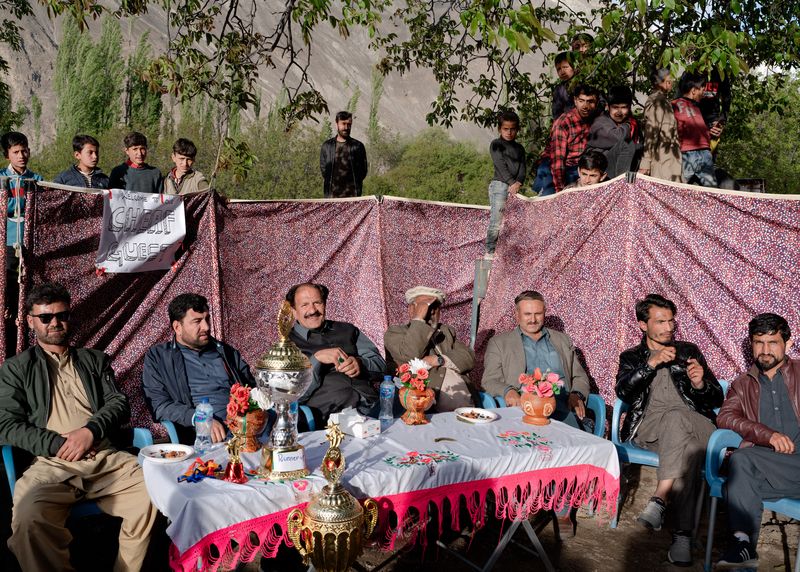
Chief guests, along with locals from Nagar Valley, are observing the final match of the NagarVolleyball Cup, awaiting the award ceremony to the victorious team.

© Giovanni De Mojana - Image from the Khatoon photography project
i

Two woman from the rural areas of Sindh, who migrated to Karachi with their families to search a better life, work on stitching a new product in the HQ of RLCC. In the background, a paintedportrait of Rana Liaquat, who founded RLCC in 1954. RLCC is a nongovernmental organizationthat empowers rural women through craft training, promoting economic independence andeco-friendly practices.

© Giovanni De Mojana - A girl from the football team of Passu is playing by herself.
i

A girl from the football team of Passu is playing by herself.

© Giovanni De Mojana - Image from the Khatoon photography project
i

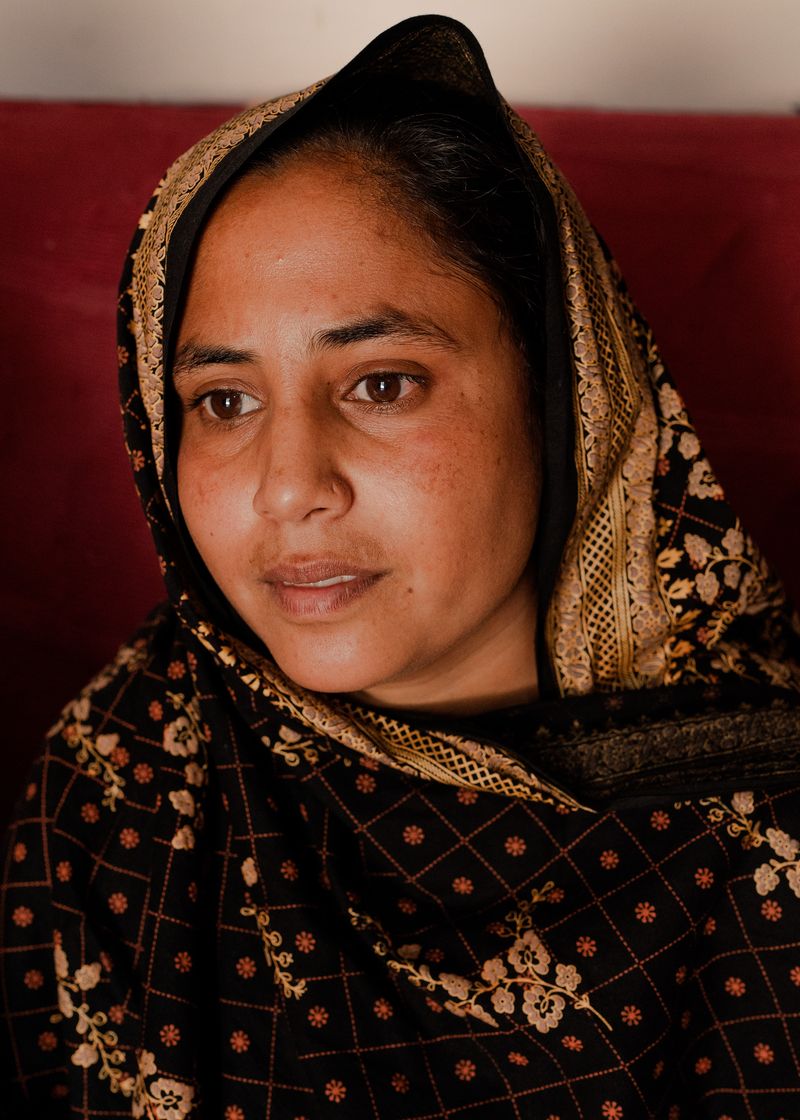
Portrait of Babra Noreem, 23, in her home in Gujar Khan village. Living next to a Behbud vocational center, a non-profit supporting women’s empowerment since 1967, she learned stitching and embroidery, which she now sells in the village. She is economically independent, a rare achievement in a rural area where many women stay home with limited opportunities for independence.

© Giovanni De Mojana - Image from the Khatoon photography project
i

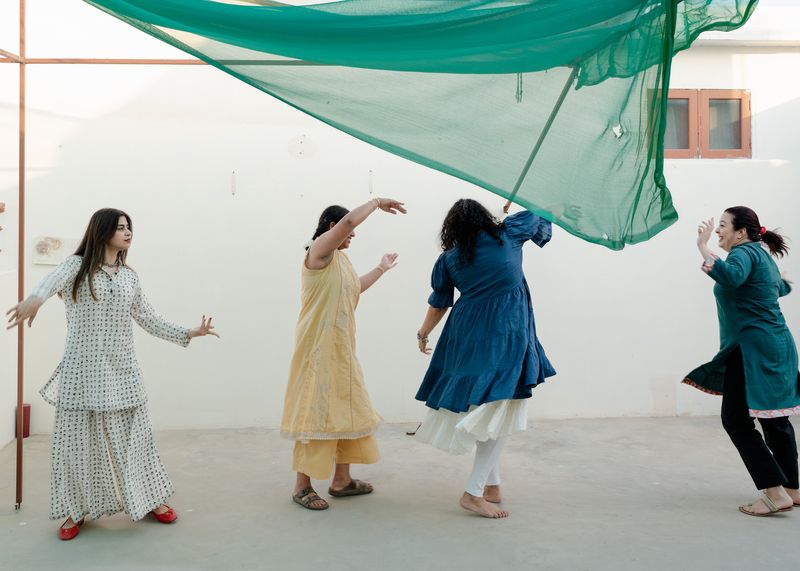
Friends of the future bride dance during the wedding preparation. The ceremony before the wedding, which is celebrated with the bride’s friends and parents, is called Dholki. Traditionally, weeks before the wedding day, women gather at the bride’s house at night to sing and dance.