Jungle Mahal
-
Dates2023 - Ongoing
-
Author
- Locations India, Purulia
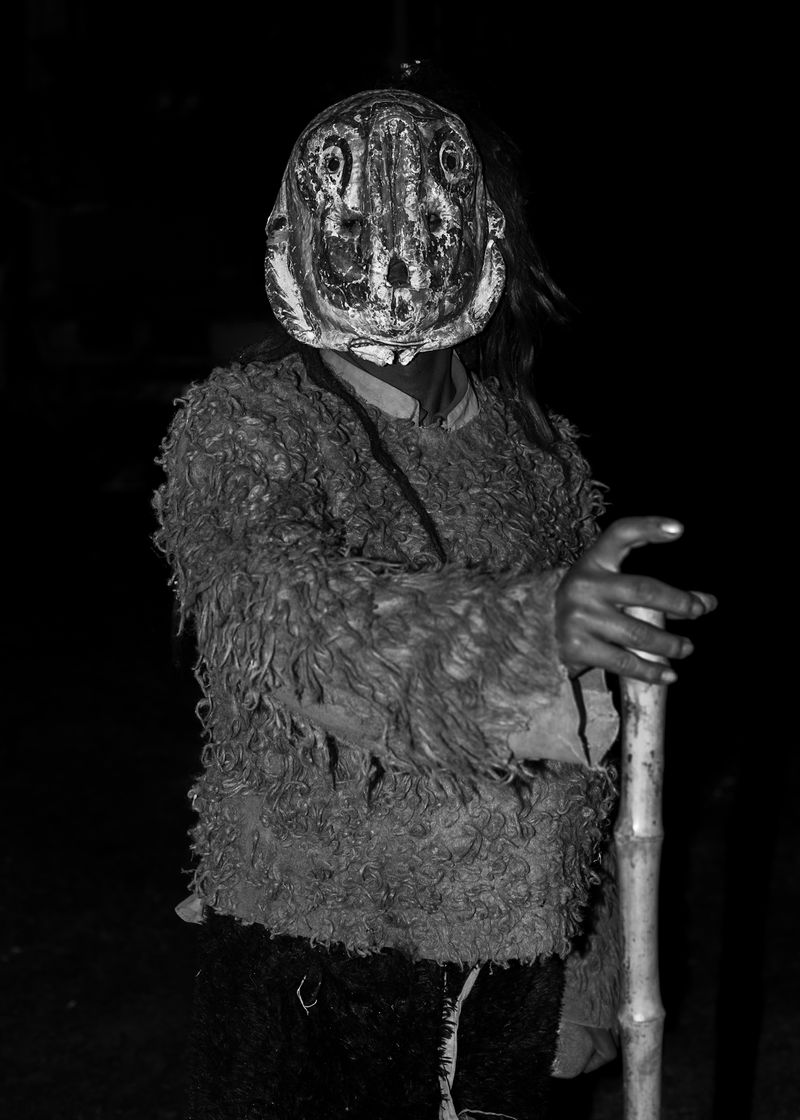
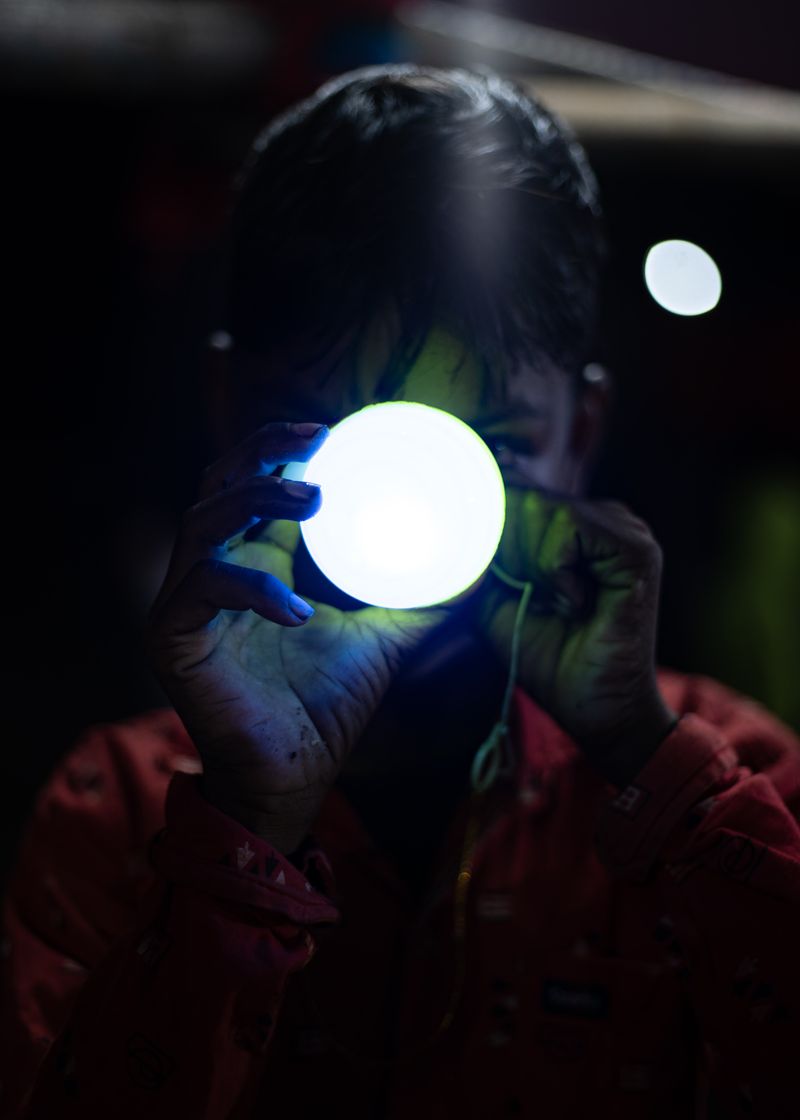
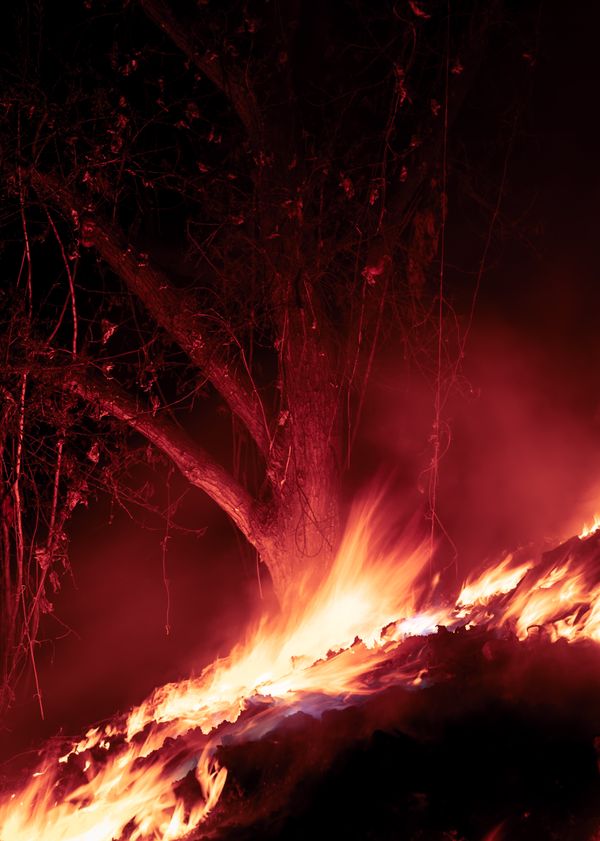
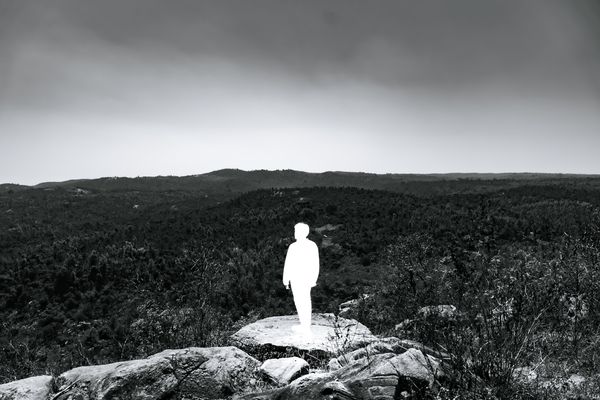
Jungle Mahal explores how body and terrain hold memory and attempts to build a vocabulary of resistance. Rooted in Chhau, a martial dance form, the project uses images and material processes to read movement as an embodied archive shaped by extraction.
Jungle Mahal
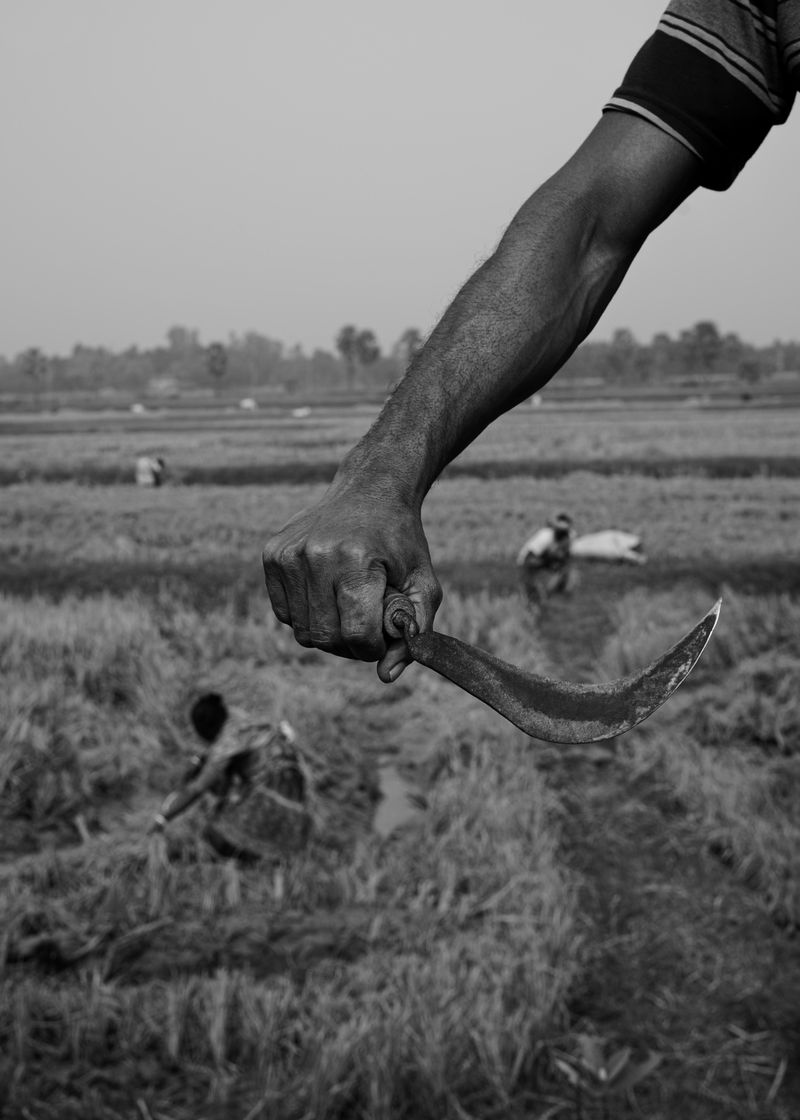
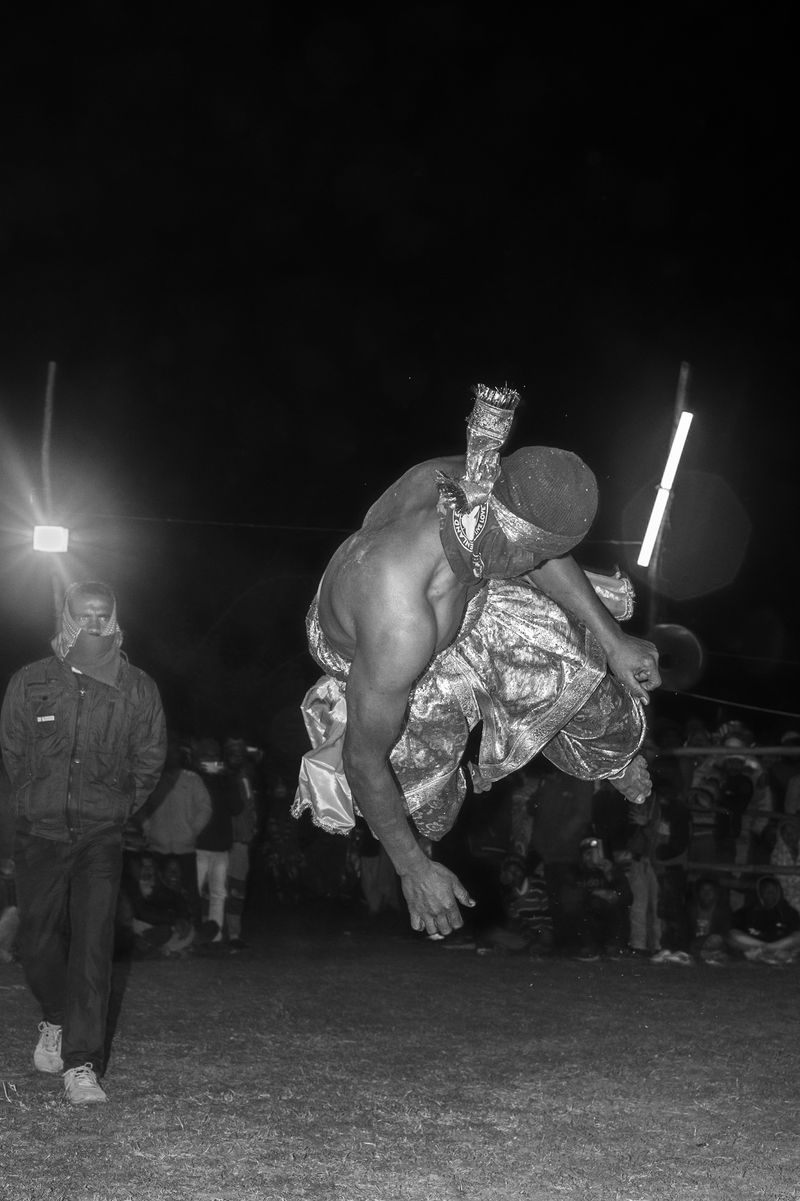
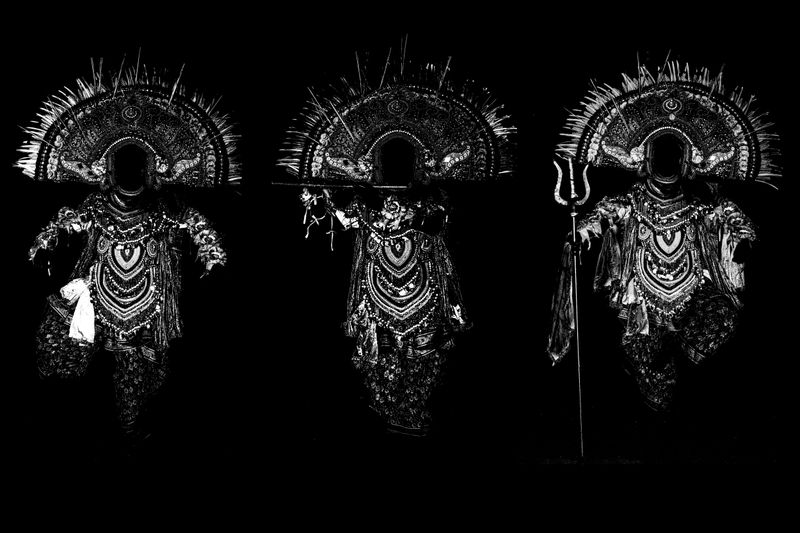
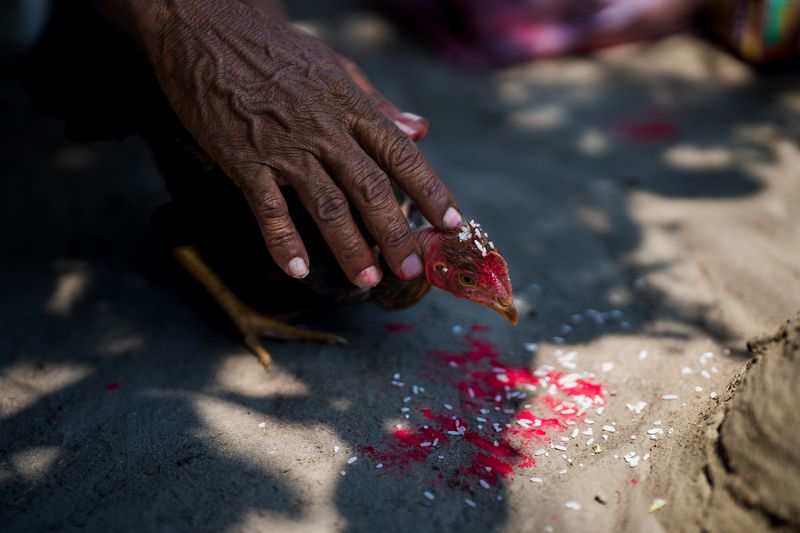
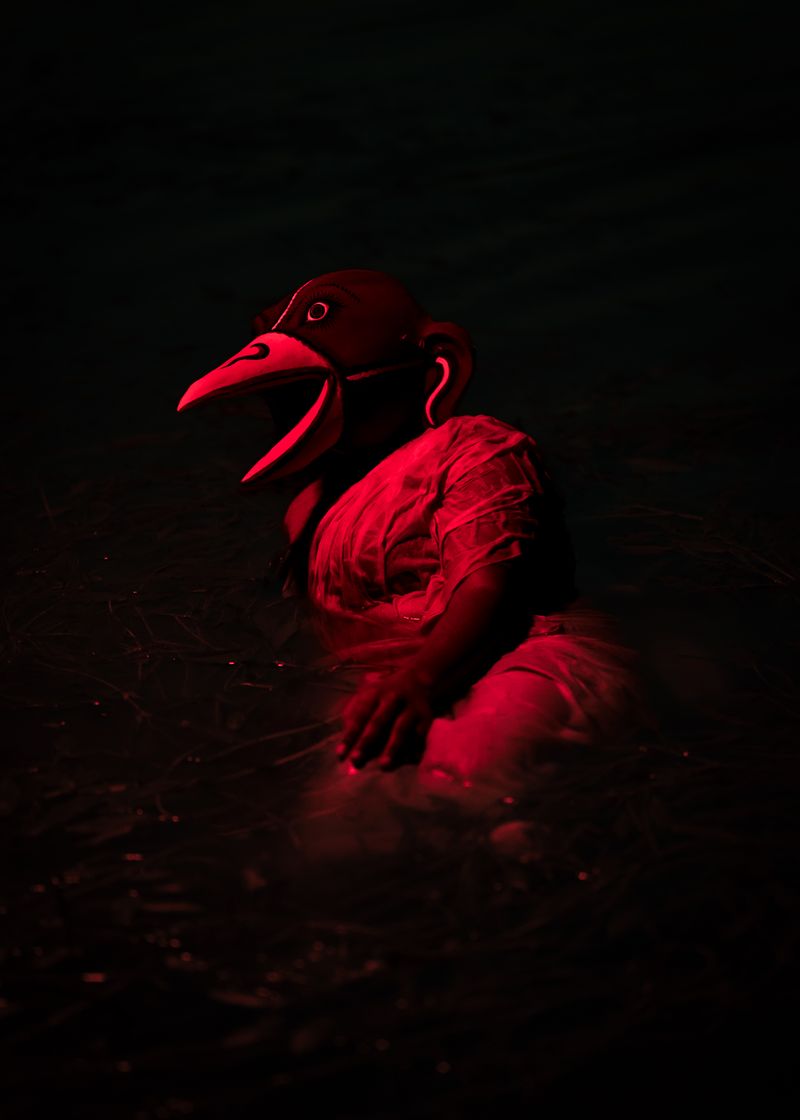
Jungle Mahal is a visual inquiry into the layered landscapes of Purulia, West Bengal shaped by the belief that মাটি-মানুষ (terrain and body) embeds memory. At the heart of this body of work is Chhau, a traditional dance form rooted in martial practice. I reimagine Chhau not through its theatrical spectacle but as an embodied archive of guerrilla practice. Derived from the word Chhauni (military camp), Chhau developed as a movement language practiced by local militias during skirmishes with the colonial forces. The project responds to these counter-narratives embedded in the region’s fabric and seeks to build a vocabulary of resistance.
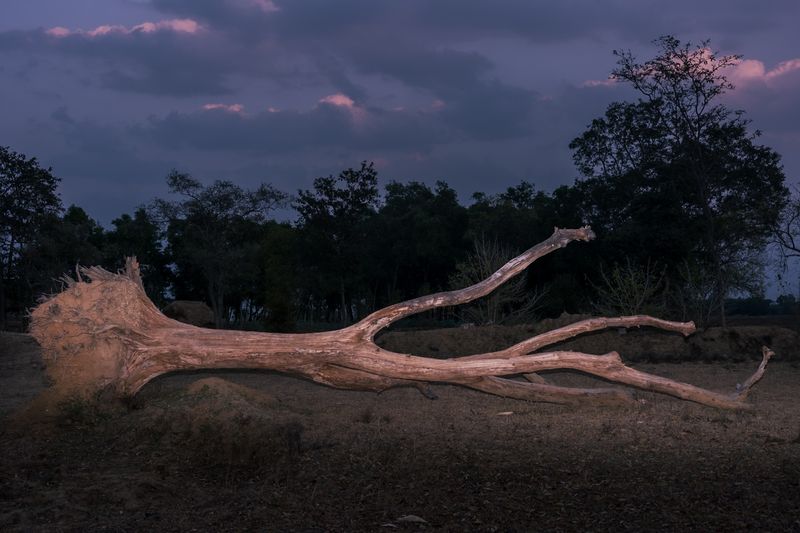
Jungle Mahal dubbed the “palace of forest” by colonial administrators, this region became ground for one of modern India’s earliest resistances to colonial rule. Wrapped in histories of colonial and state-led mineral extraction and large hydroelectric interventions, these forces have altered the ecology and lived realities of Purulia. By imagining Chhau to these origins, Jungle Mahal reads the performer’s body as both method and subject, offering a means to understand the landscape’s social and ecological tensions.
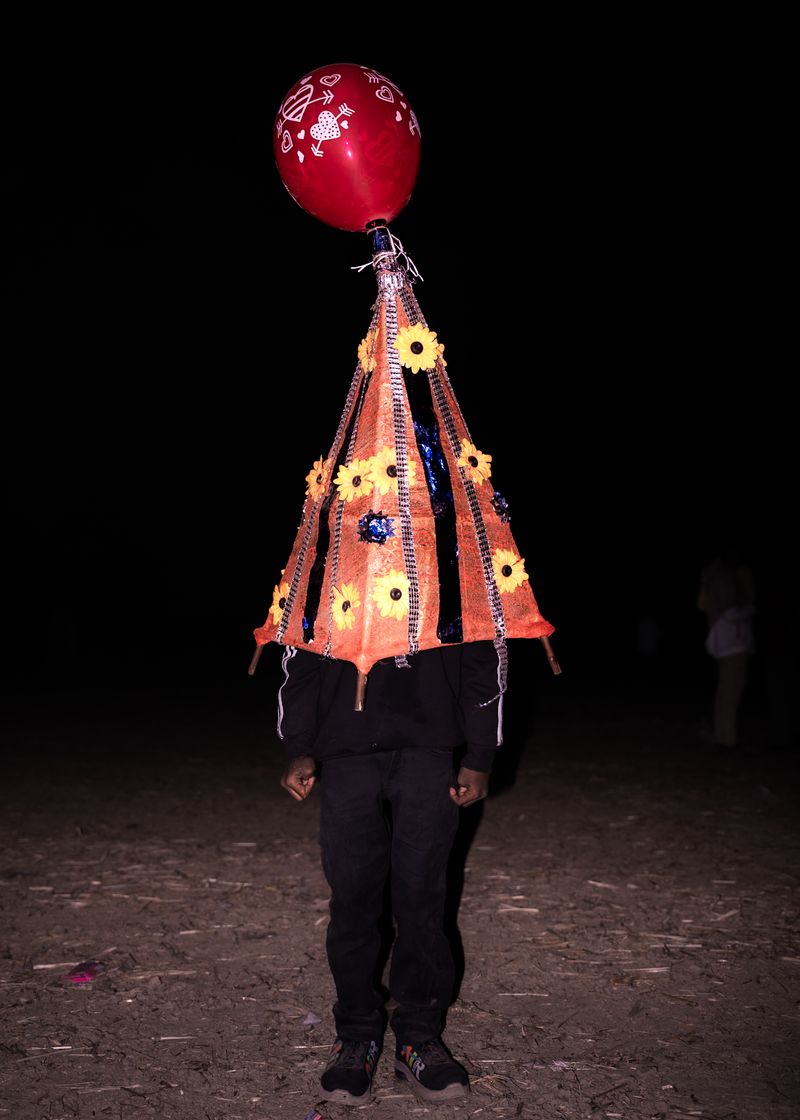
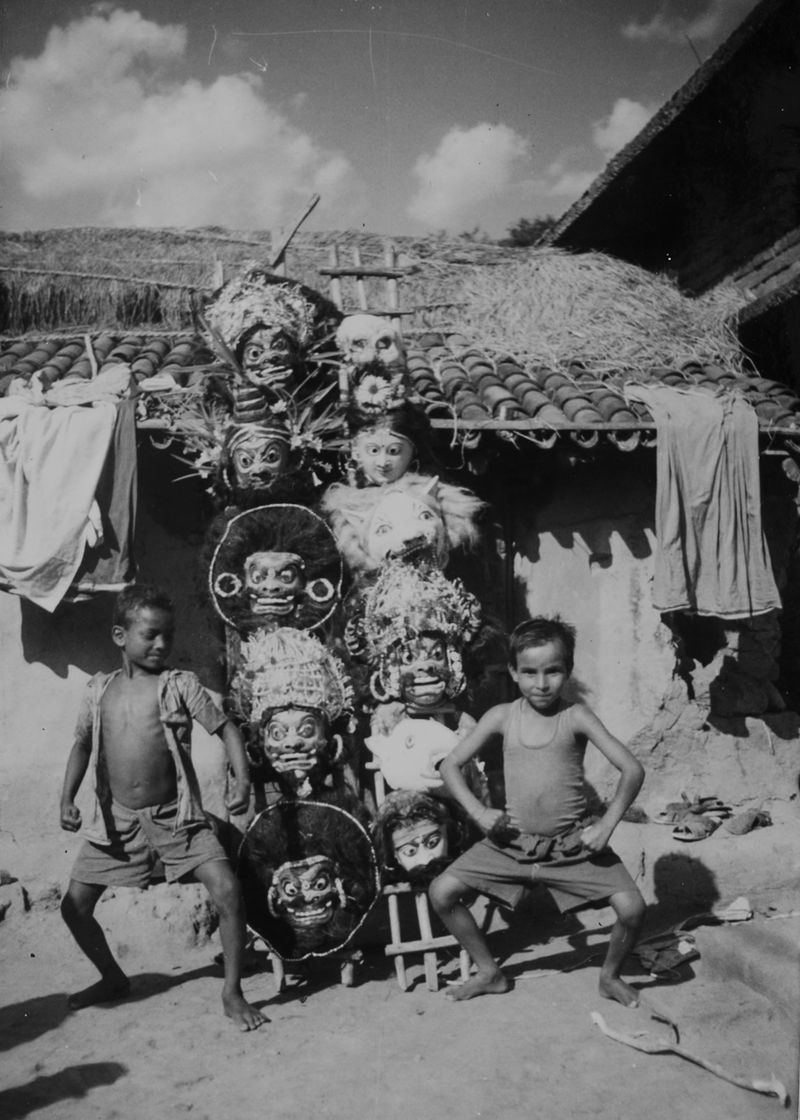
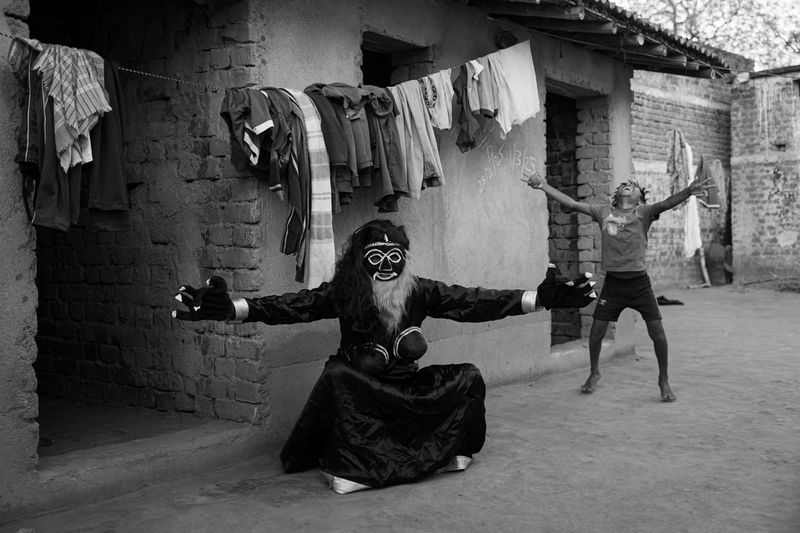
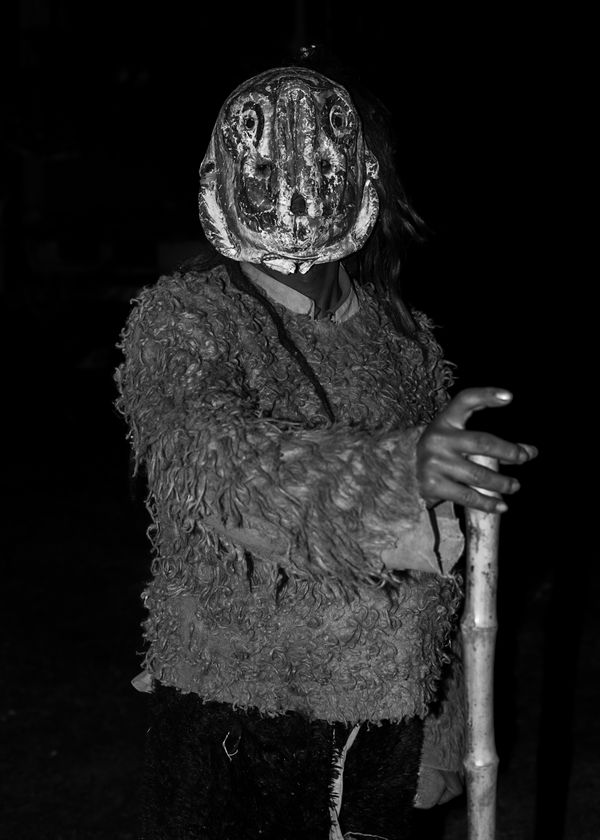
Chhau, as it is practiced today in Purulia, is markedly different from its theatrical presentations in isolated or formal stage settings. Performed at the end of agrarian seasons, its practitioners move between dual roles as farmers and performers depending on the time of year. Chhau functions primarily as a travelling theatre form, with troupes composed of individuals from across a district who journey through Purulia and neighbouring regions in open trucks. Rather than an audience-facing stage, performances unfold within a circular ring and performances often go on from evening until sunrise. These groups engage in what are known as pallas, frequently disrupting each other’s performances at unpredictable moments. This format closely mirrors a wartime environment and points directly to Chhau’s roots in guerrilla warfare.
My engagement with Chhau has involved travelling alongside these troupes, moving across the landscape with them as they perform. The work is inherently collaborative and would not have been possible without Rothu da, a close friend and accomplished Chhau dancer from Baghmundi, who has been instrumental in introducing me to different troupes and masters who have carried this form forward through oral transmission across generations.
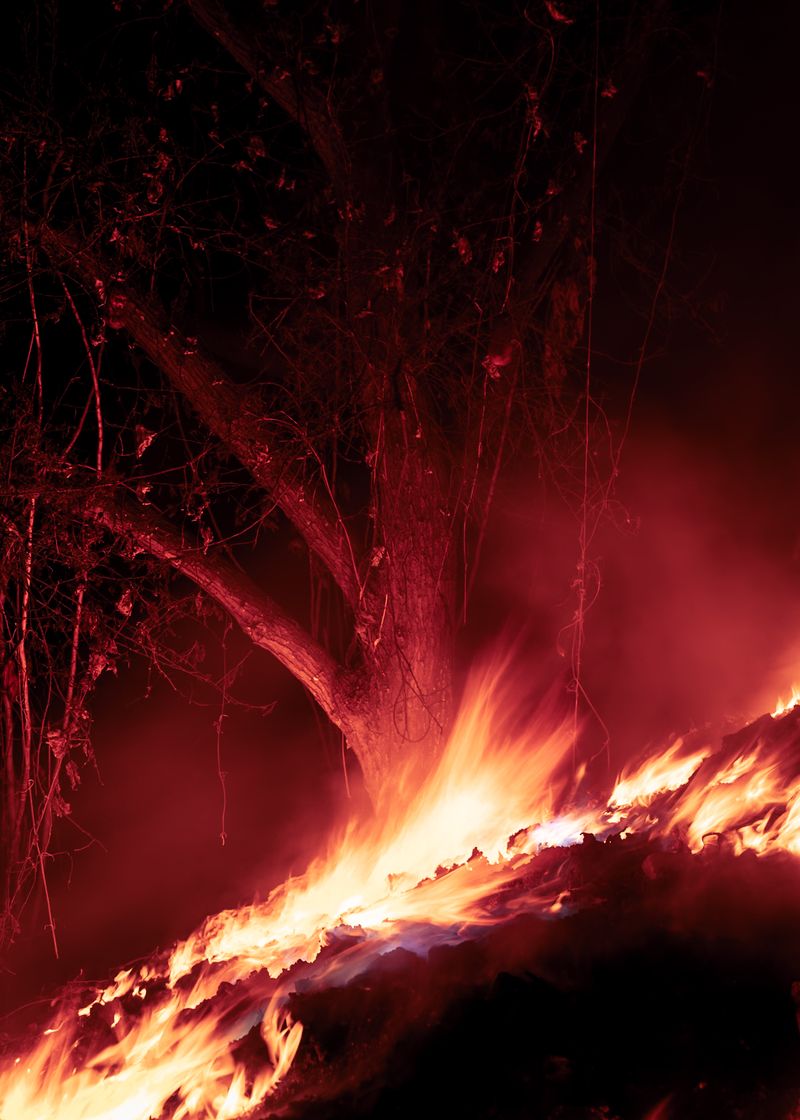
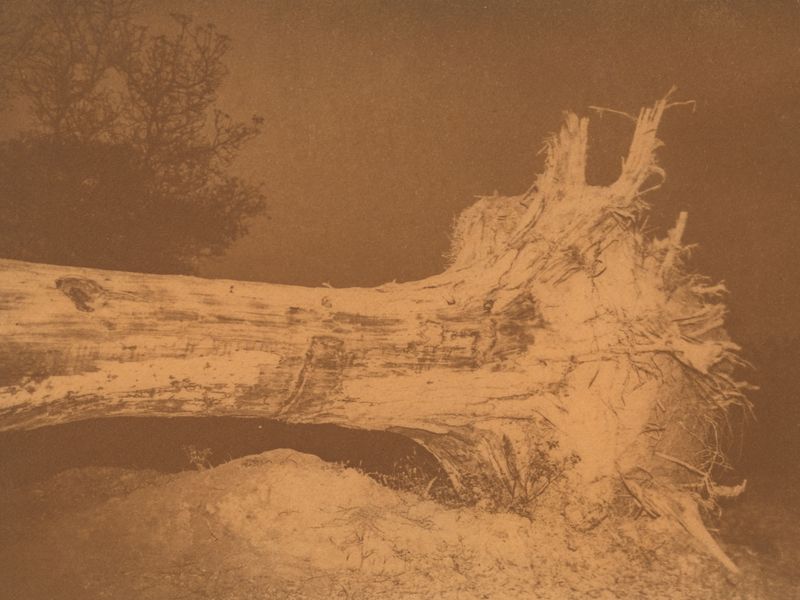
Working on site, I developed an alternative printing method called Ferro-Botanical where Palash flower extracts, a symbol of local pride, react with iron salts (element of degradation) and reveal images through its own organic emulsions. Allowing elemental processes to produce the image lets the materials of extraction tell their own story.
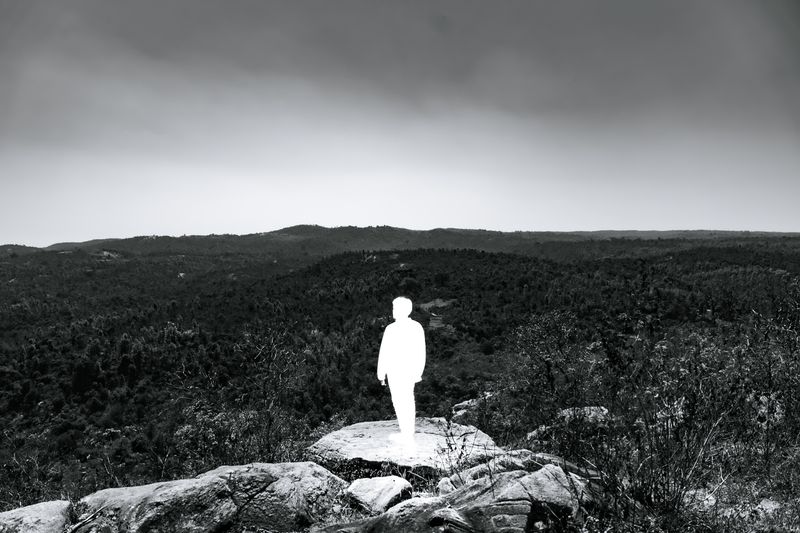
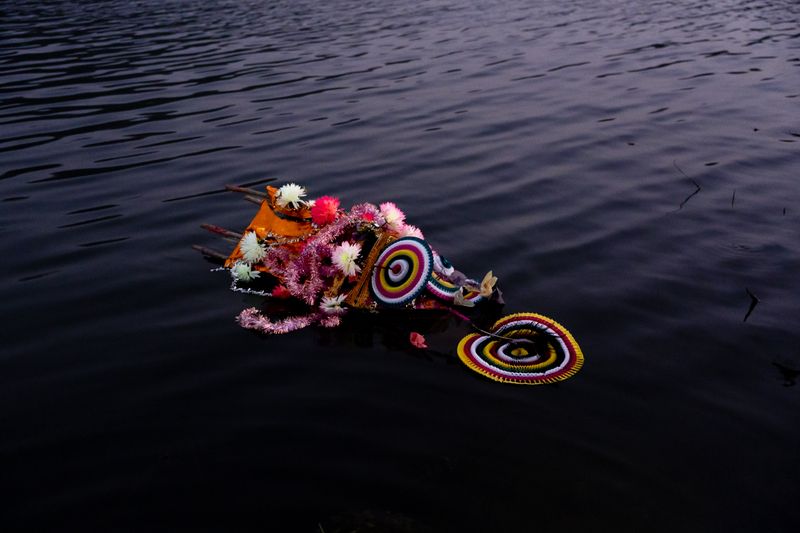
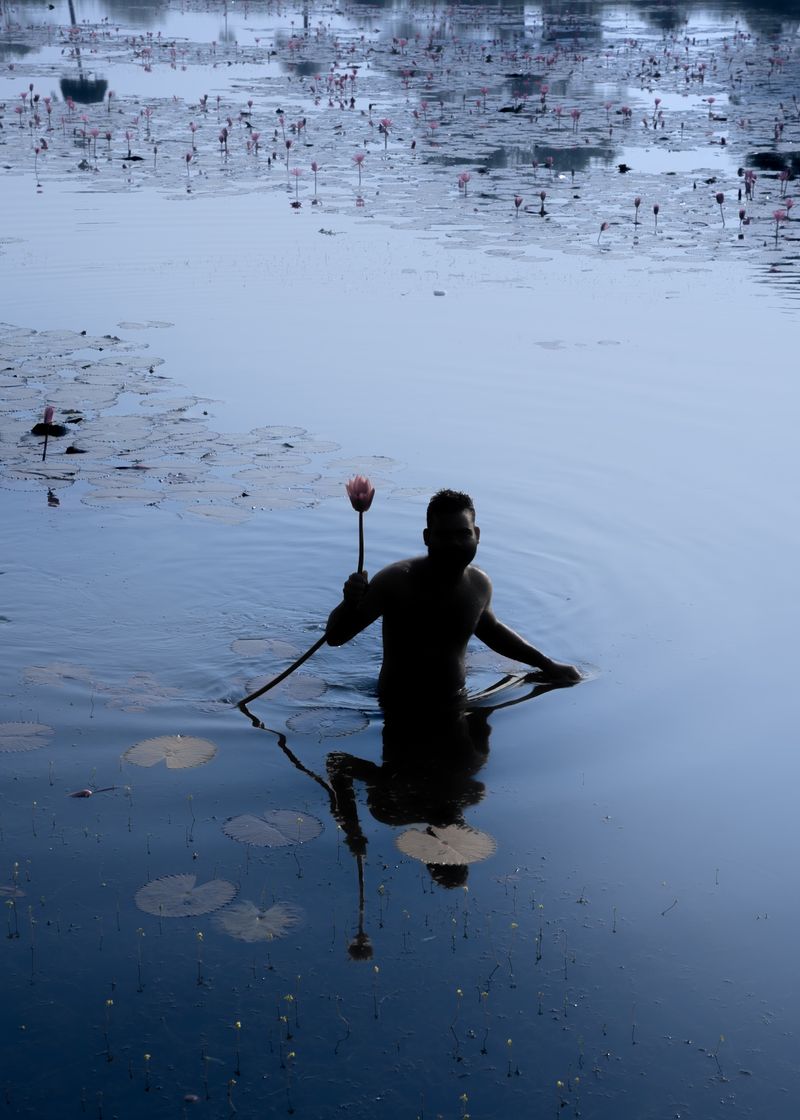
Performative imagery anchors the artistic approach within this body of work. The construction of these images moves beyond reactive documentation, instead developing a visual language developed from the interaction between land, mythology, memory, and the artist’s vision. Through imagined scenes, the work articulates complex ideas that cannot be represented through observation alone.
Ultimately, the project responds to how terrain and body trace memory, carrying within them subtle and often subconscious forms of resistance that continue to refuse erasure.
Background Information
Purulia, part of the forested region historically known as Jungle Mahal in western West Bengal, has long been shaped by cycles of resistance, extraction, and ecological transformation. From the late 18th century onward, the region became a site of repeated uprisings against external control, beginning with the Chuar rebellions of 1767 and later the Bhumij revolt of 1832–33 under leaders such as Ganga Narayan Singh. These movements were rooted in struggles over land, autonomy, and forest rights, forming a legacy of armed resistance embedded in the landscape.
Chhau dance, which emerged from this same terrain, carries traces of this history. Scholars and performers link its vigorous leaps, mock combat, and weapon-based choreography to Paika warrior training systems practiced by tribal militias. The term Chhau itself is believed to derive from Chhaya (shadow) or Chhauni (military camp), evoking guerrilla encampments hidden within the sal forests. As British rule dismantled these militias, the warrior’s body survived through performance, transforming combat drills into a ritualized cultural form that preserves memory through movement.
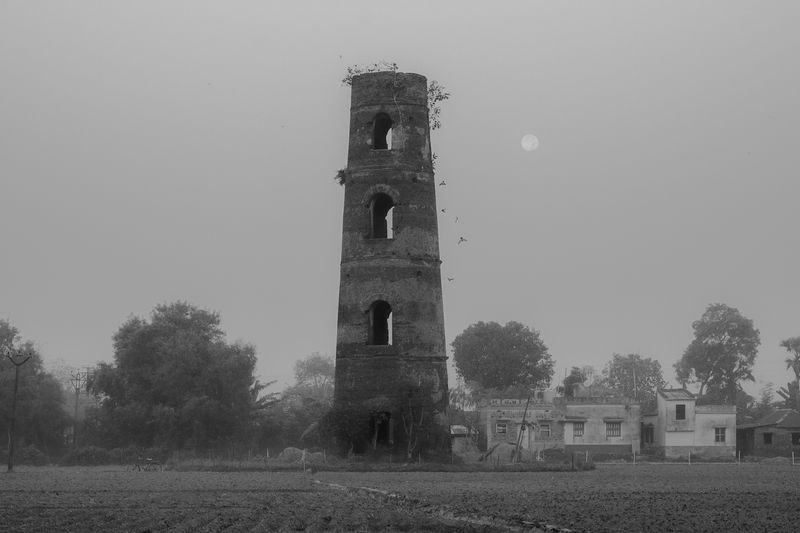
In the early 19th century, the discovery of coal in Raniganj and Jharia shifted Jungle Mahal into the heart of the colonial extractive economy. Forests were cleared extensively for railway sleepers, mine supports, and fuel, radically altering the ecology of the Ajodhya Hills. Diverse hardwood forests gave way to monocultures of sal, while the Palash tree remained as a seasonal marker of resilience, its spring blossoms continuing to anchor cultural life amid ecological loss. Colonial surveillance infrastructures, such as semaphore towers built between 1810 and 1830, further embedded control into the terrain, reinforcing the region’s strategic importance.
By the late 19th century, geological surveys and maps formalized extraction. An 1890 map of Chota Nagpur’s gold fields reveals how living landscapes were reduced to mineral zones, company boundaries, and transport lines. These early acts of mapping and regulation laid the groundwork for continued displacement and resource-driven development that persists today.
After independence, unresolved inequalities and land dispossession fueled new forms of resistance. From the late 1960s onward, Purulia became a stronghold of Naxalite and later Maoist movements, shaped by poverty, exploitative land relations, and the marginalization of Adivasi communities. Armed struggle, state repression, and cycles of insurgency continued into the 2000s, culminating in movements such as Lalgarh, reinforcing Jungle Mahal’s identity as a terrain of persistent dissent.
In the 21st century, large-scale development projects have further transformed the region. The Purulia Pumped Storage Project, commissioned in 2008, submerged hundreds of hectares of forest and farmland, displacing communities and permanently altering ecosystems. Archival and contemporary images reveal a stark before-and-after, from living forests to barren reservoirs, extending a long history of extractive intervention.
Today, the state increasingly reframes these altered landscapes through tourism. Dams become picnic spots, abandoned mines turn into scenic lakes, and sacred hillsides are reshaped with monumental sculptures. These curated narratives of renewal obscure histories of extraction, resistance, and ecological loss, presenting Jungle Mahal as a consumable landscape rather than a contested one.
Jungle Mahal as a project traces these layered histories, where bodies, forests, minerals, and infrastructures are deeply entangled. Moving across dance, landscape, archival material, and contemporary interventions, the work examines how resistance survives through memory, performance, and land, and how the region continues to negotiate the tension between development, erasure, and collective survival.