JARUPIA
-
Dates2024 - Ongoing
-
Author
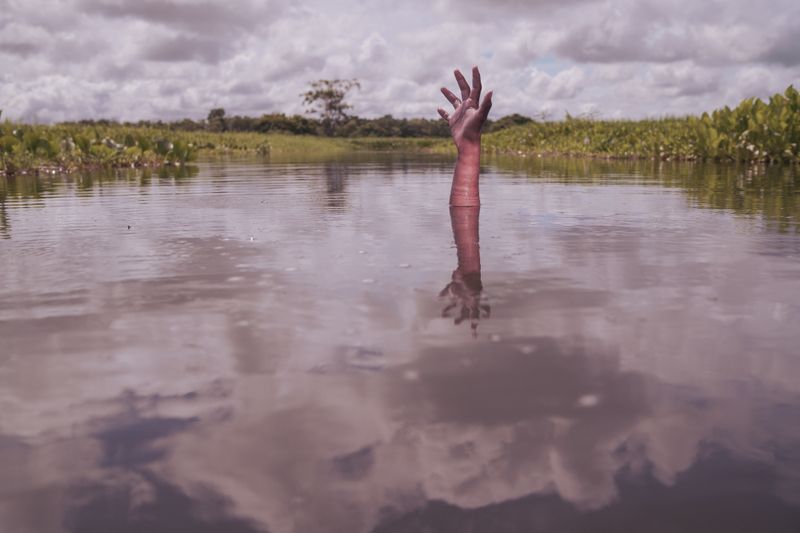
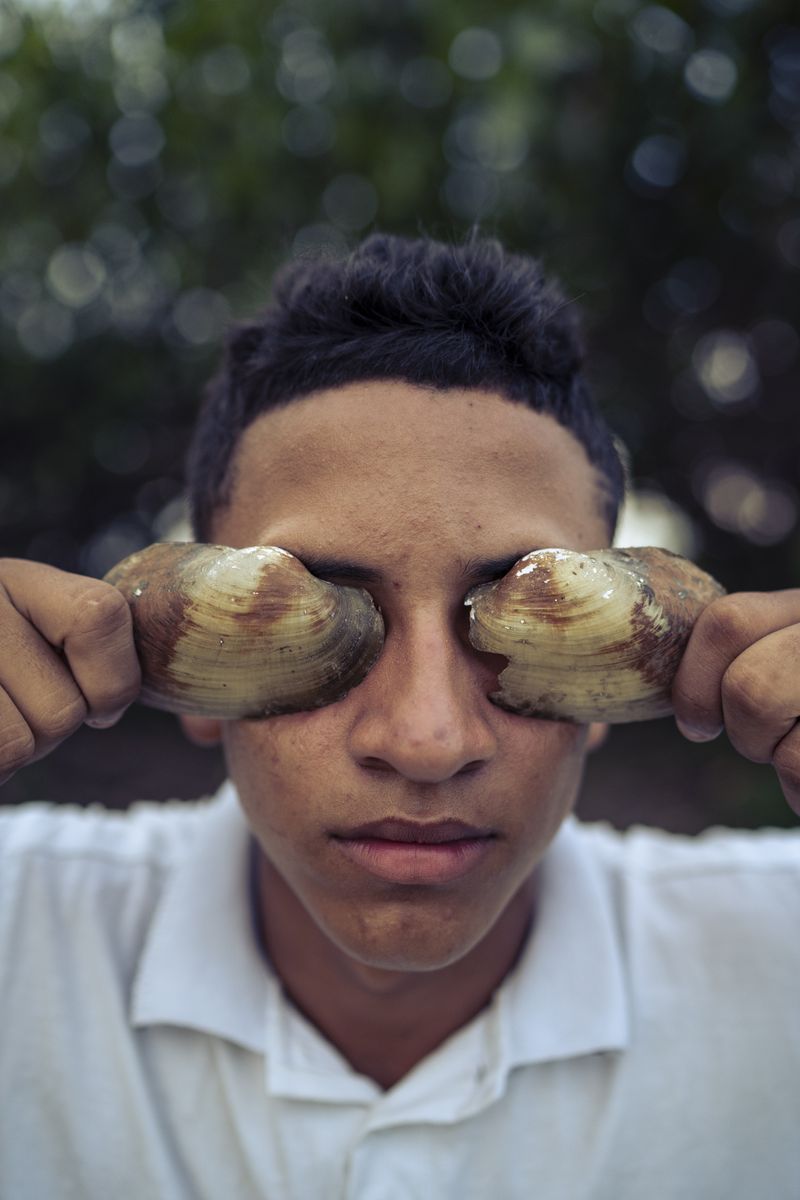
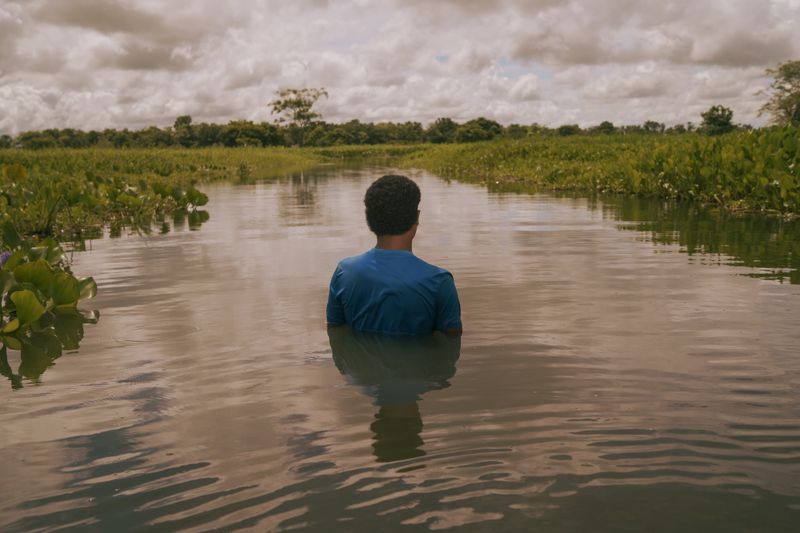
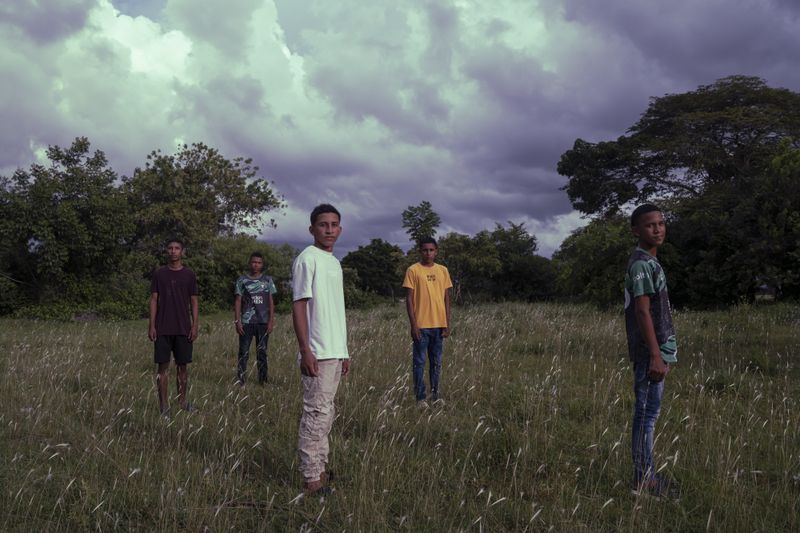
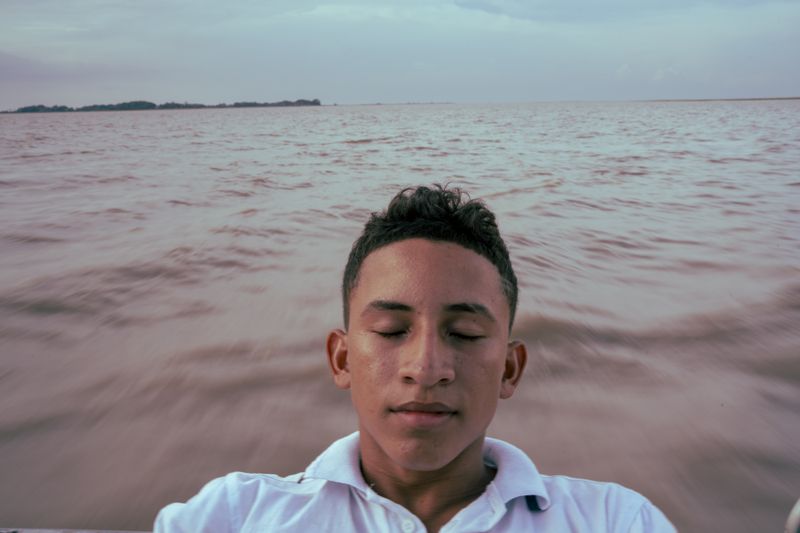
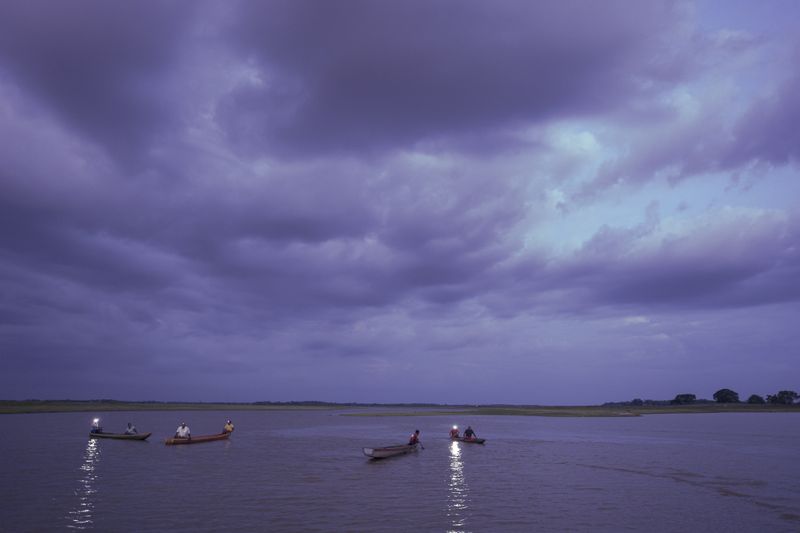
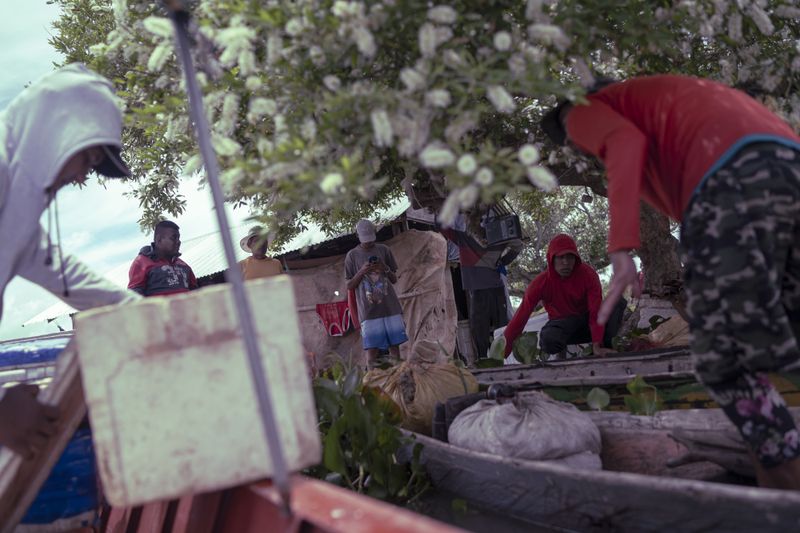
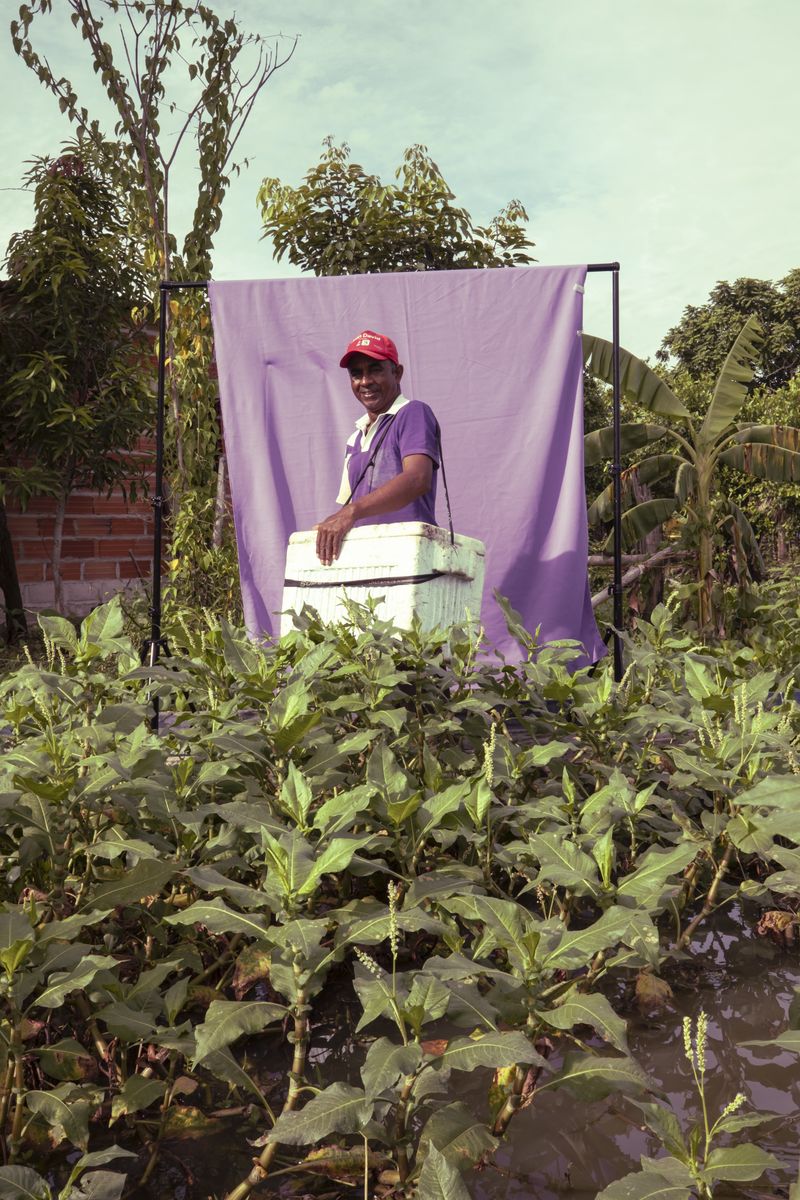
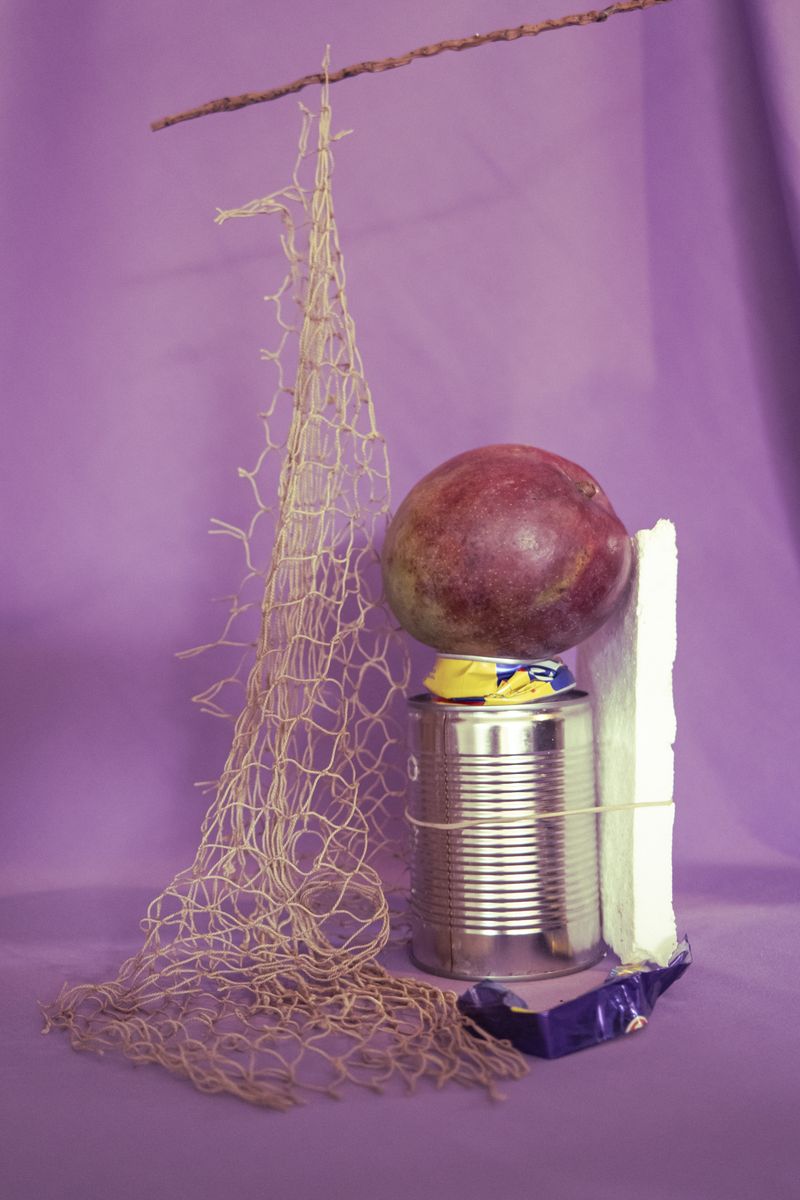
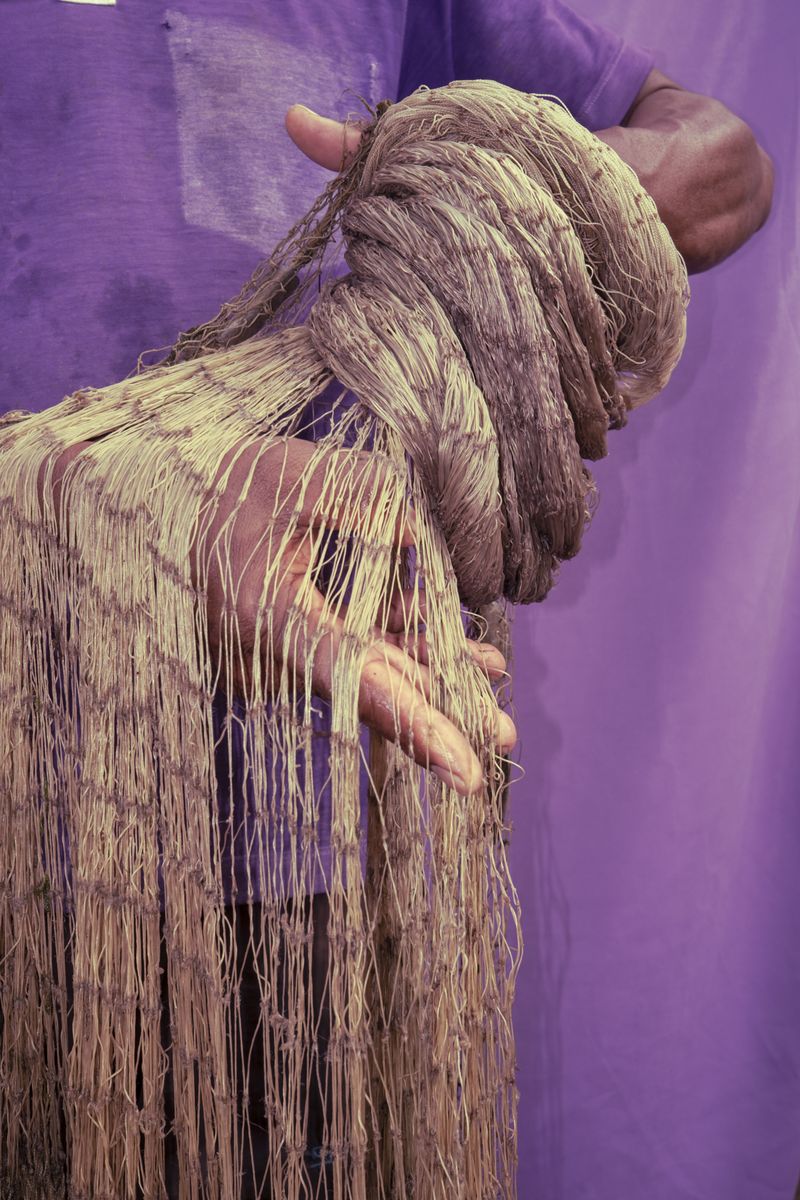
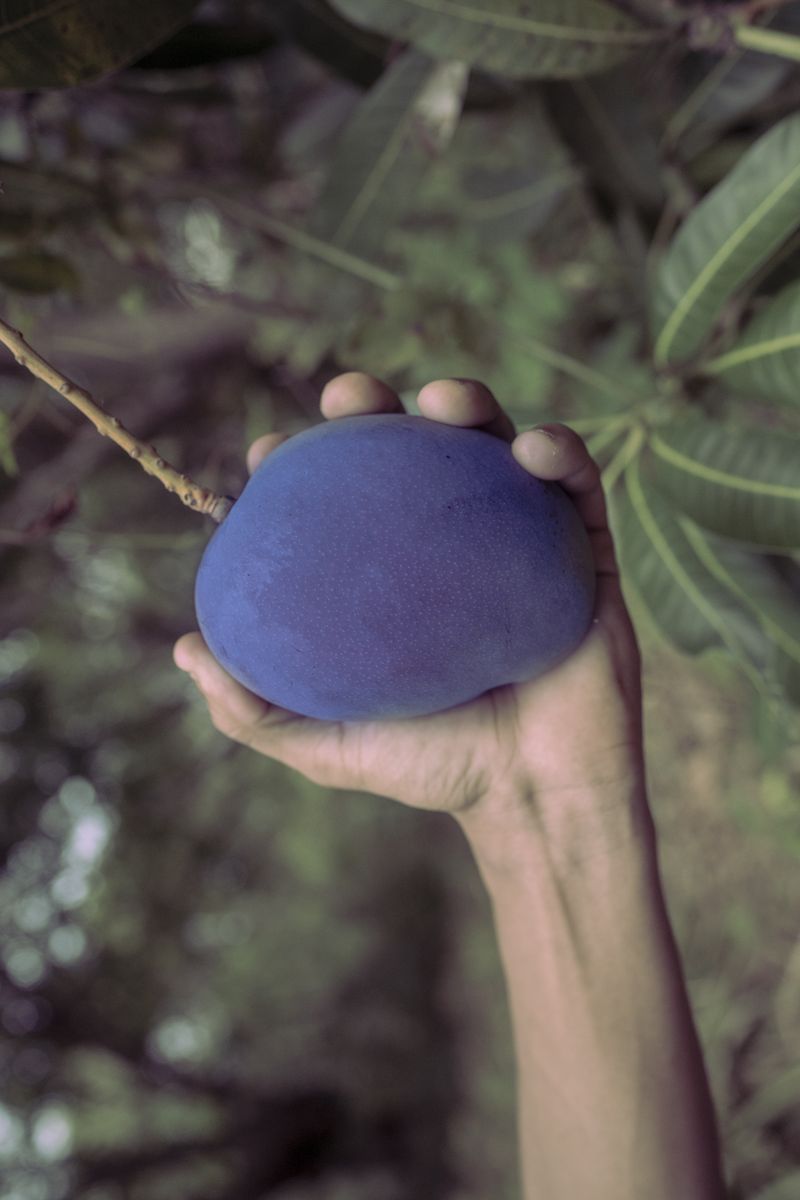
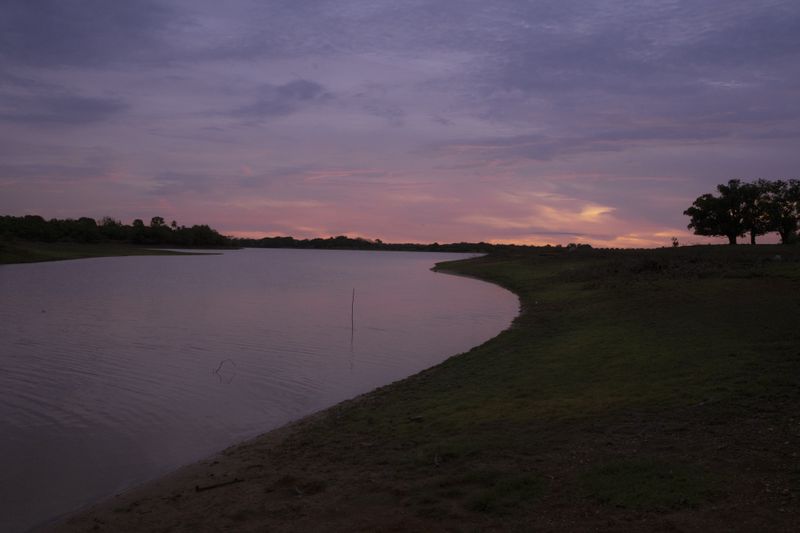
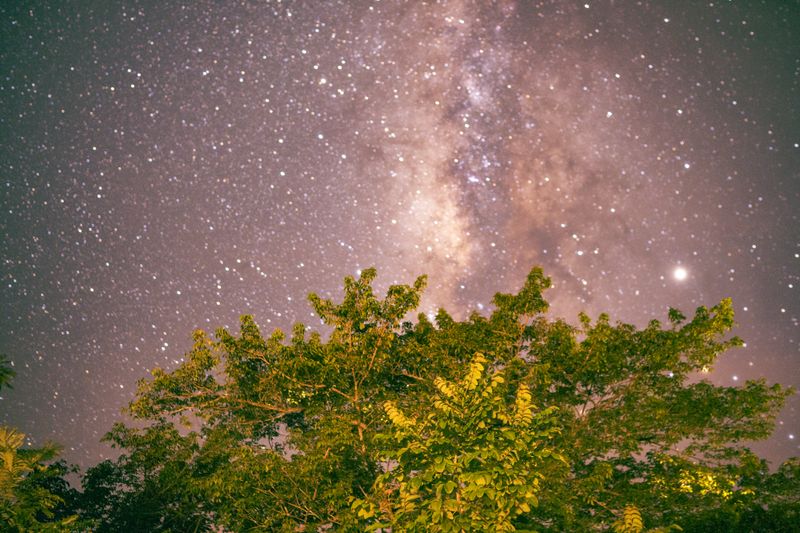
“Jarupia is a photographic essay from the Ayapel wetlands, Colombia, portraying fishermen’s daily life and their bond with water. Through documentary and fictional images photobook, the project reflects on loss, resilience, and the urgency of water”
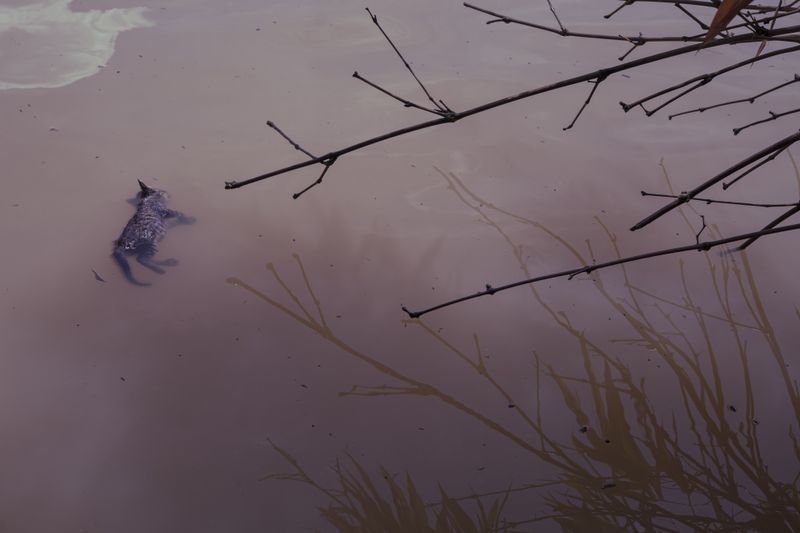
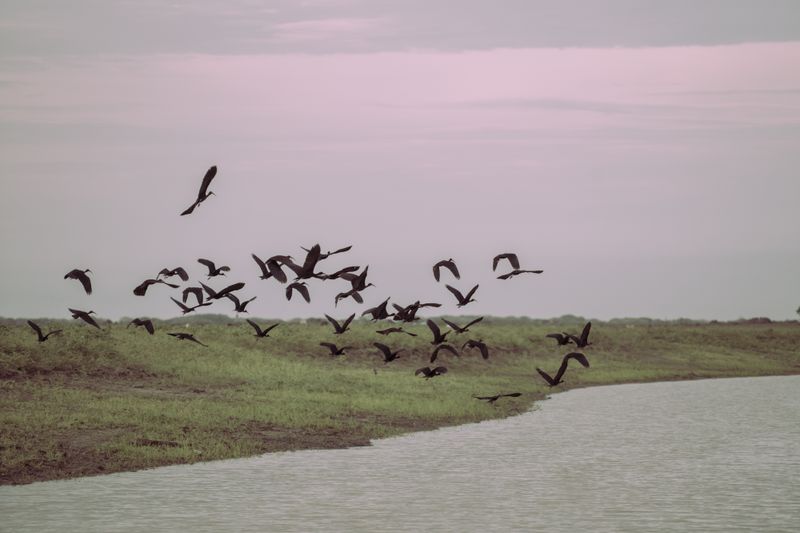
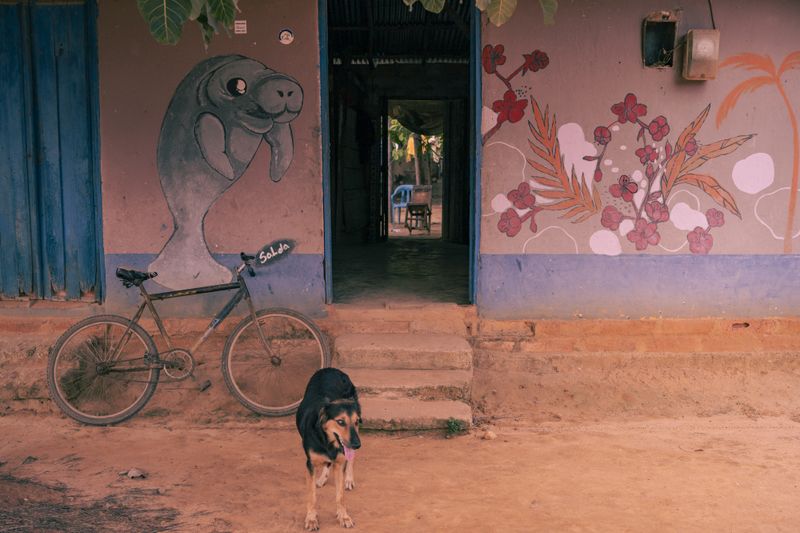
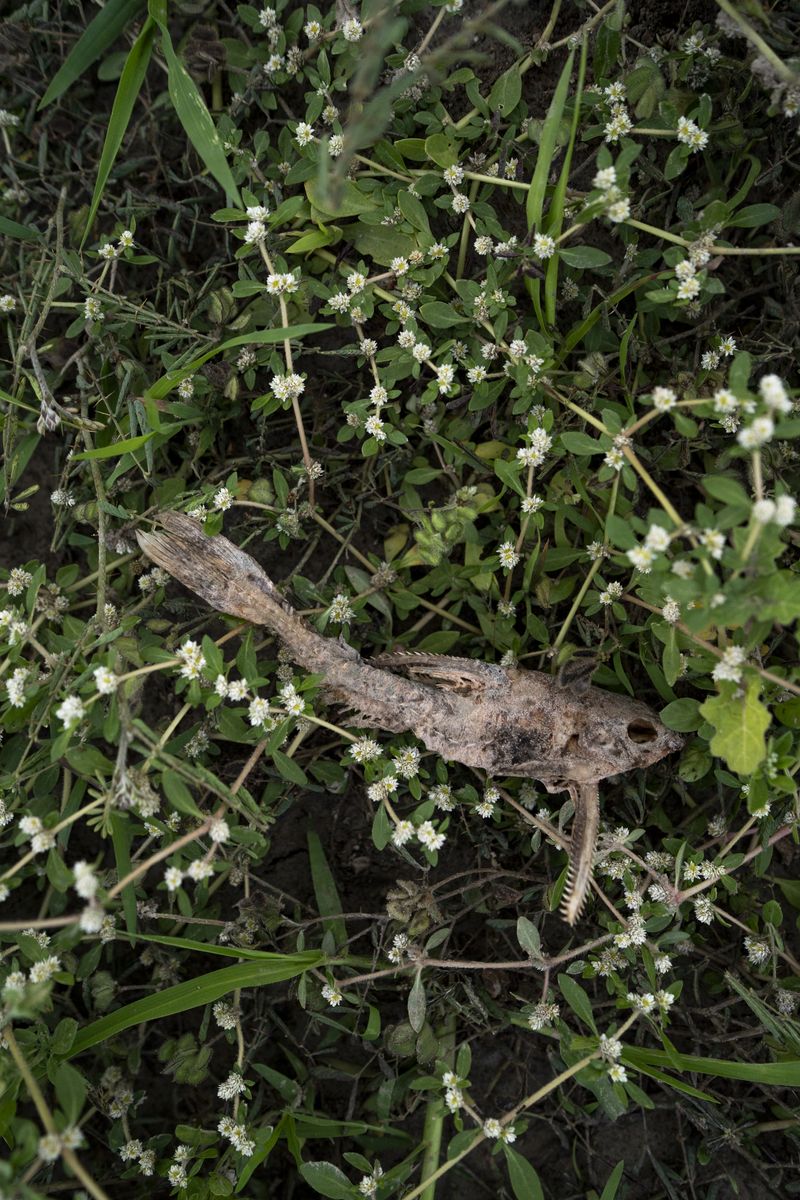
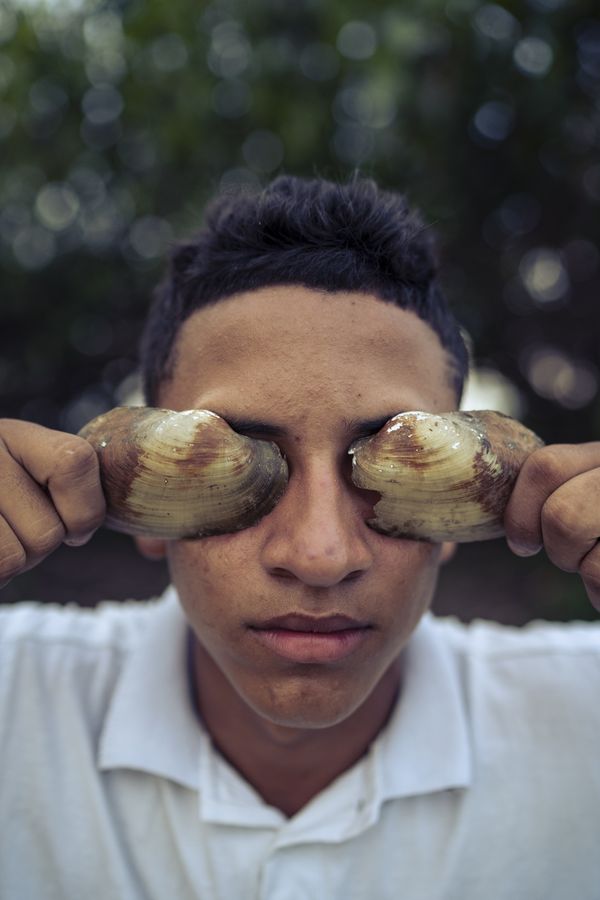
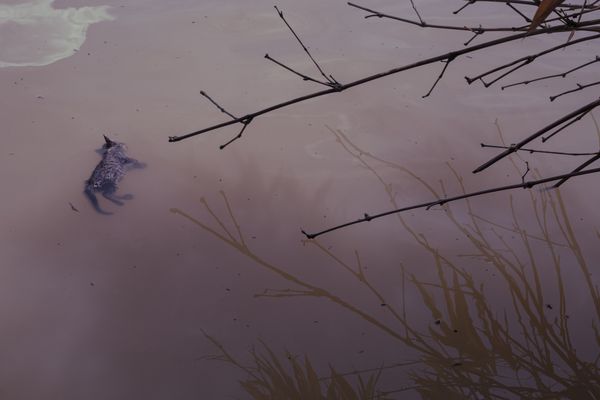
Jarupia is a photographic essay developed in the Ciénaga de Ayapel, one of Colombia’s largest freshwater wetlands, where water is the foundation of life, culture, and collective memory. Built from documentary photography initiated in 2024, the project focuses on the everyday lives of fishing communities whose existence is inseparable from the rhythms of the marsh. Through images of labor, waiting, intimacy, and landscape, Jarupia reveals how water sustains both biodiversity and human survival, while also exposing the fragility of an ecosystem increasingly threatened by climate change, illegal mining, pollution, and recurrent flooding.
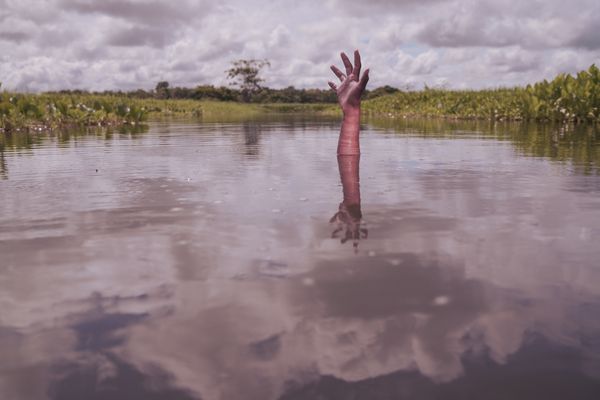
The photographic essay forms the core of a broader narrative that expands into a fictionalized photobook, published in September 2025, combining photography, illustration, and text. Inspired by real conversations with people from Ayapel, the story follows Alejo, a boy who dreams of leaving the marsh in search of new opportunities. After an accident, he falls into the depths of the wetland and enters the magical world of Jarupia, where fantastical beings guide him on a journey back home. This fictional layer functions as a metaphorical space to reflect on loss, belonging, and the possibility of imagining a future rooted in reconnection with life.
Conceived as an open and evolving project, Jarupia extends beyond representation. Alongside the book, it activates four lines of impact: circulation of the photobook, reading promotion in local institutions, training of cultural and biodiversity guardians, and ecological restoration actions developed with community-based initiatives. Through exhibitions, public dialogues, and educational activities, Jarupia seeks to foster awareness and collective responsibility toward the protection and recovery of the Ciénaga de Ayapel.