Jalaya
-
Dates2023 - 2026
-
Author
- Location Sri Lanka
In a territory shaped by ancient, mesmerizing hydraulic systems, whose memory still permeates customs, landscapes, and rhythms of life, water flows as a vivid, silent presence: a mirror of transmission, labor, and the ties that bind beings to their land.
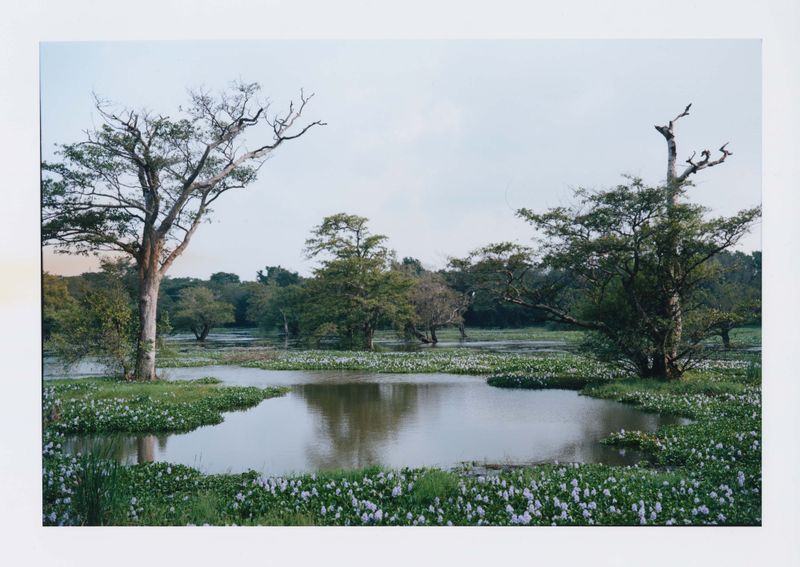
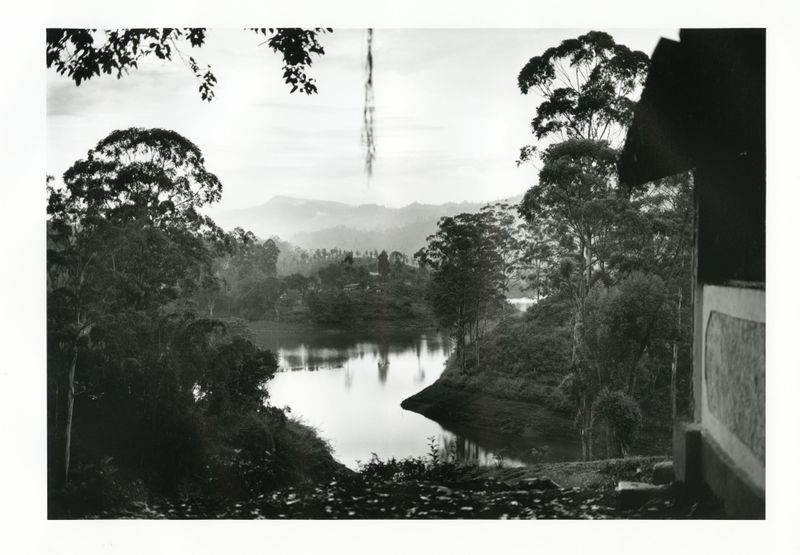
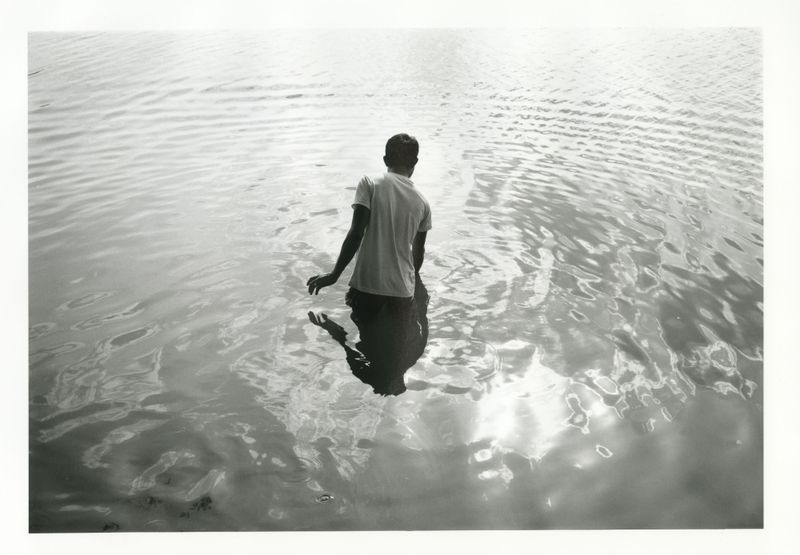
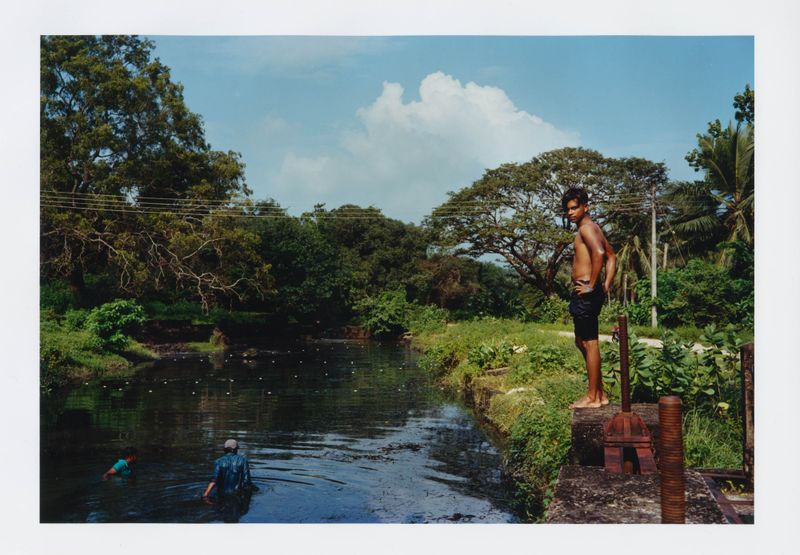
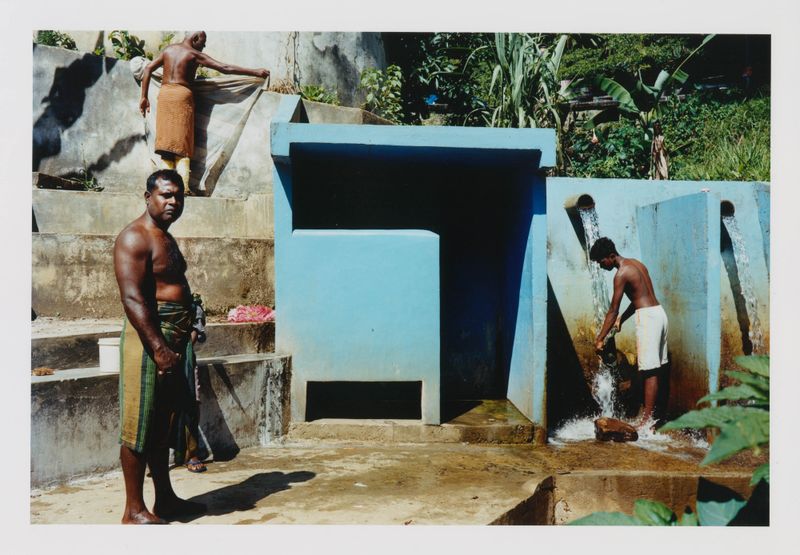
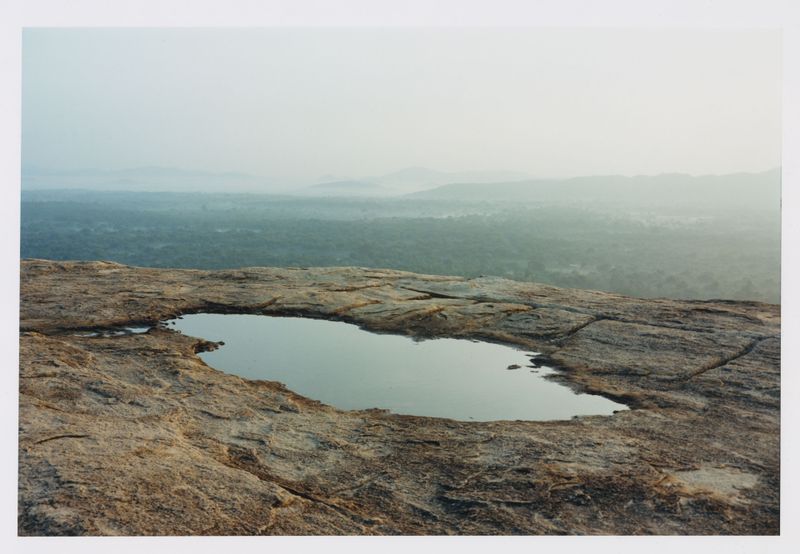
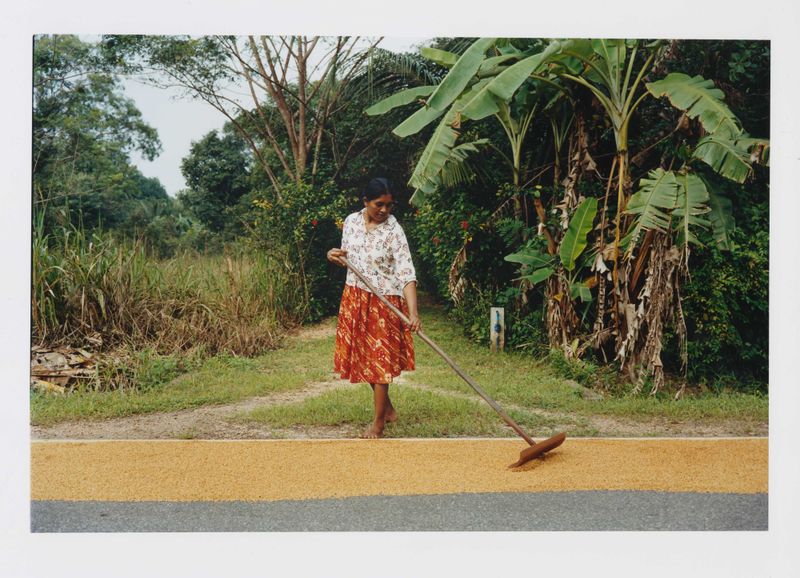
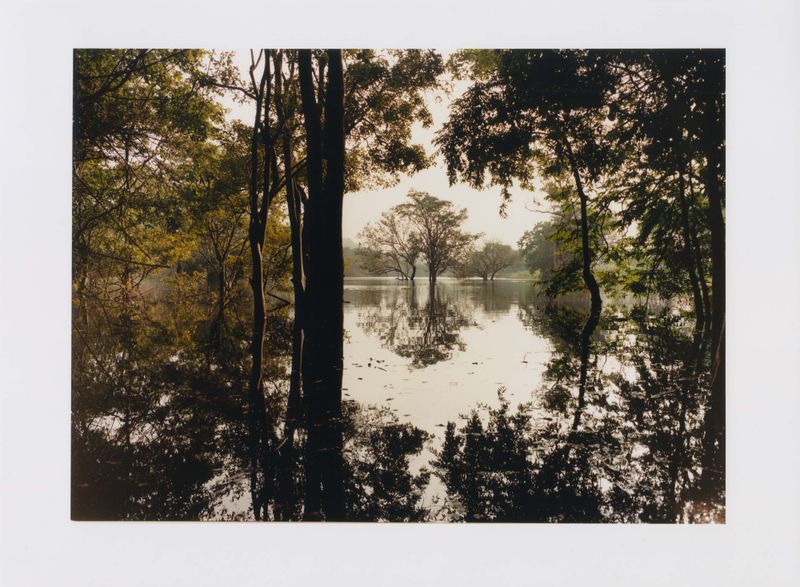
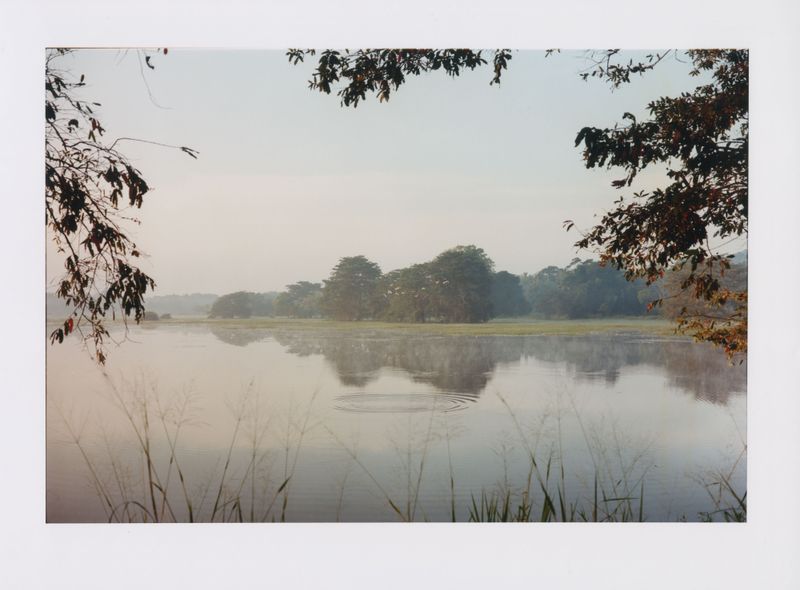
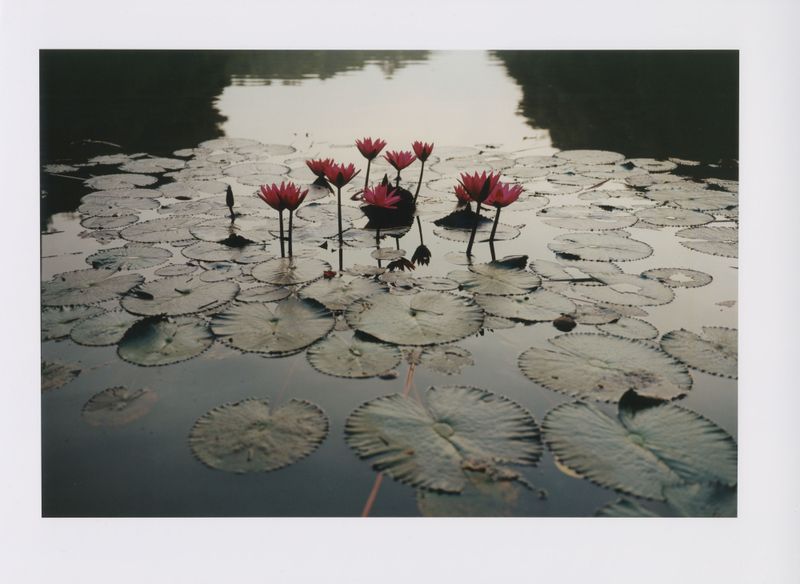
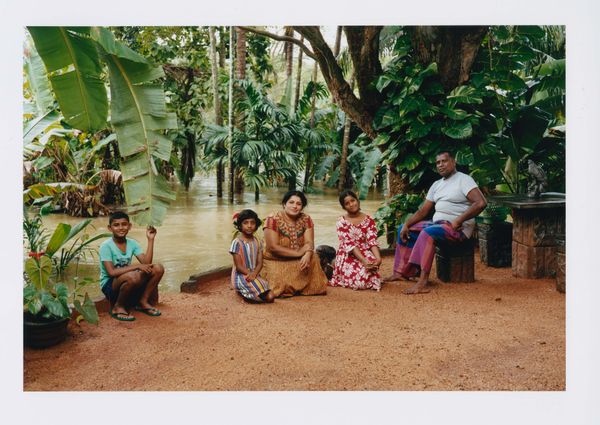
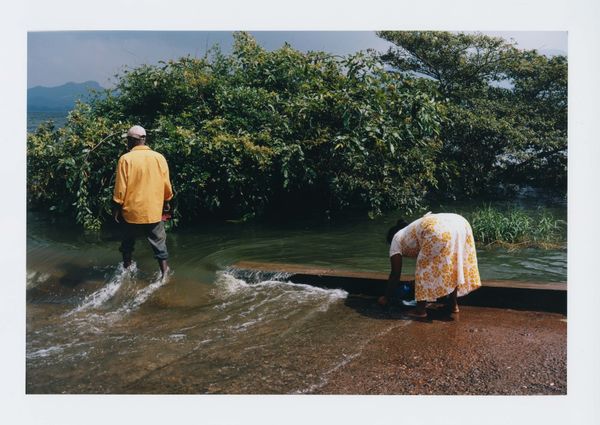
This project revolves around wewas: reservoirs built thousands of years ago by the Sinhalese civilisation. Despite their ancient age, these are not vestiges. They are indeed actively maintained by many of Sri Lanka’s rural communities in order to provide daily water supply, irrigation for rice cultivation, and as part of certain rituals. Although they endured numerous crises in the last few decades, these heritage edifices remain a source of pride for Sri Lankans, as well as a constant reminder of the wisdom of their ancestors, who constructed this hydraulic network in keeping with the ecological equilibrium. As I travelled upstream, following the brooks, capturing snippets from the lives which unfold along their banks, I sought to pay homage to the symbiosis between a people and its waters. I close my eyes, ready to dream.
Nestled in a treehouse, I am enveloped by the voice of Anura, singing ancient poems and tales by the firelight. He is one of the last keepers of this tradition. Originally, Sri Lankan farmers would raise their voices in song to keep wild animals at bay in the darkness. I am lulled to sleep by the tune of a song which evokes the wise words of a bygone king:
“Let not even a drop of water flow into the ocean without being made useful for the benefit of all Earth”
I experienced this moment in January 2023, on my first visit to Sri Lanka. I was travelling to Colombo, the country’s capital, for a photographic project on Geoffrey Bawa, the father of the “Tropical Modernism” architectural movement. At that time, I expected to be documenting buildings and interiors. Yet, to my surprise, another asset of the island piqued my interest. I was immediately enthralled by the peculiarity of the landscapes.
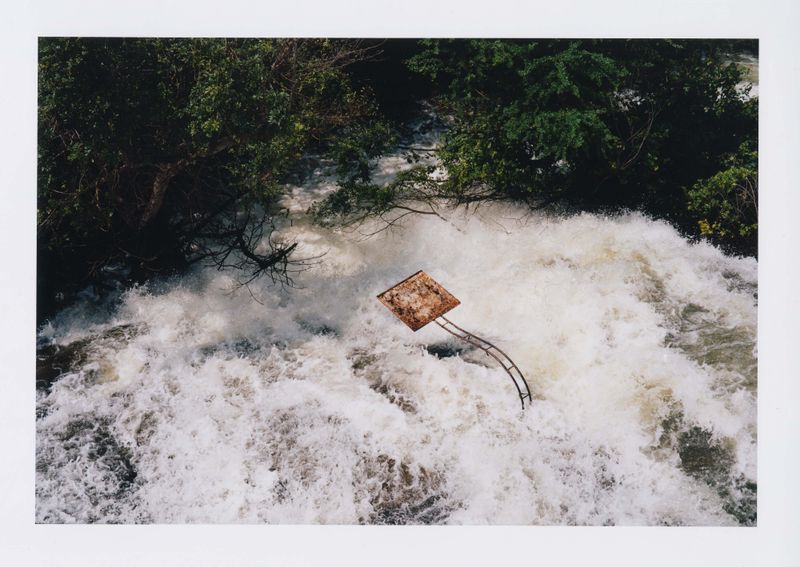
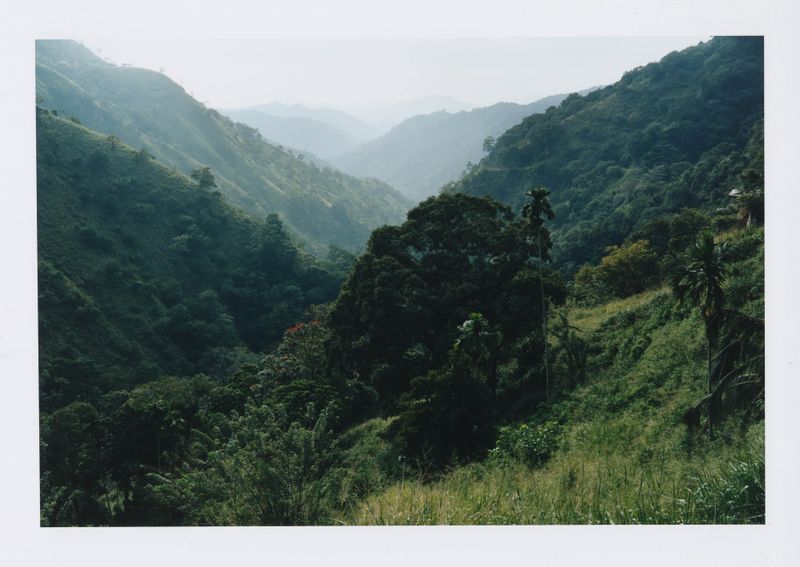
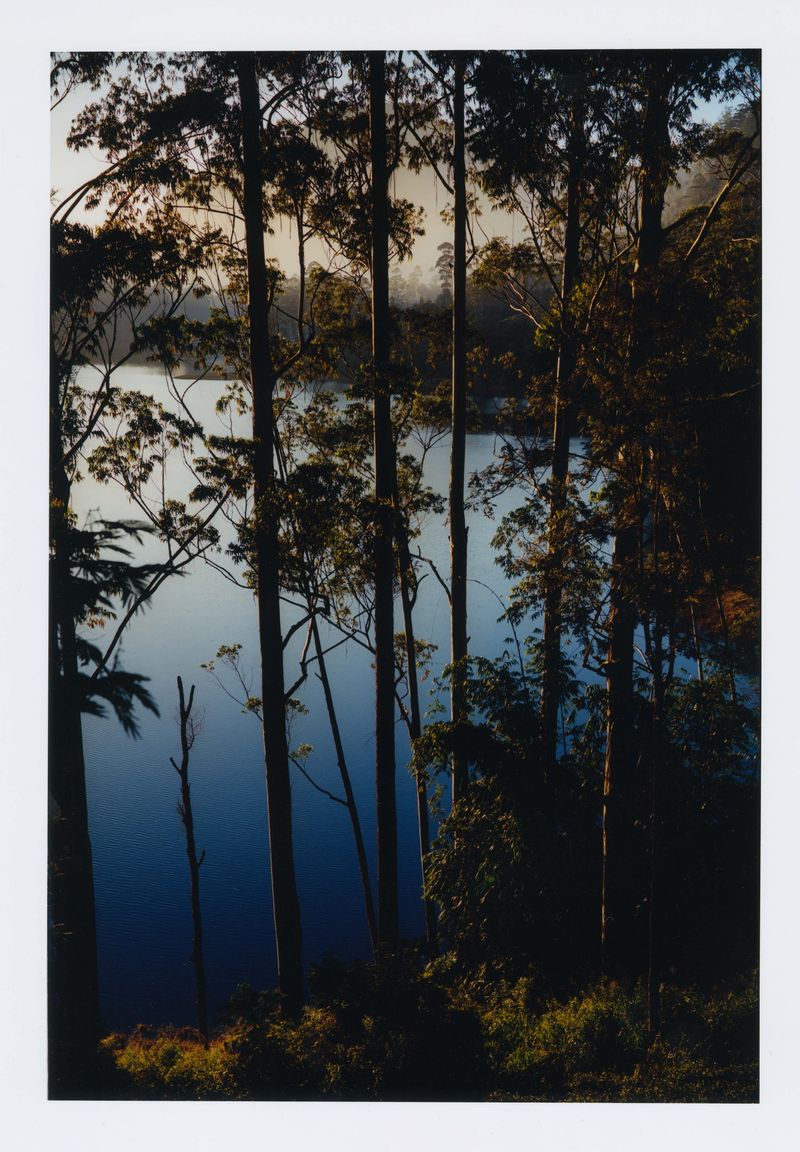
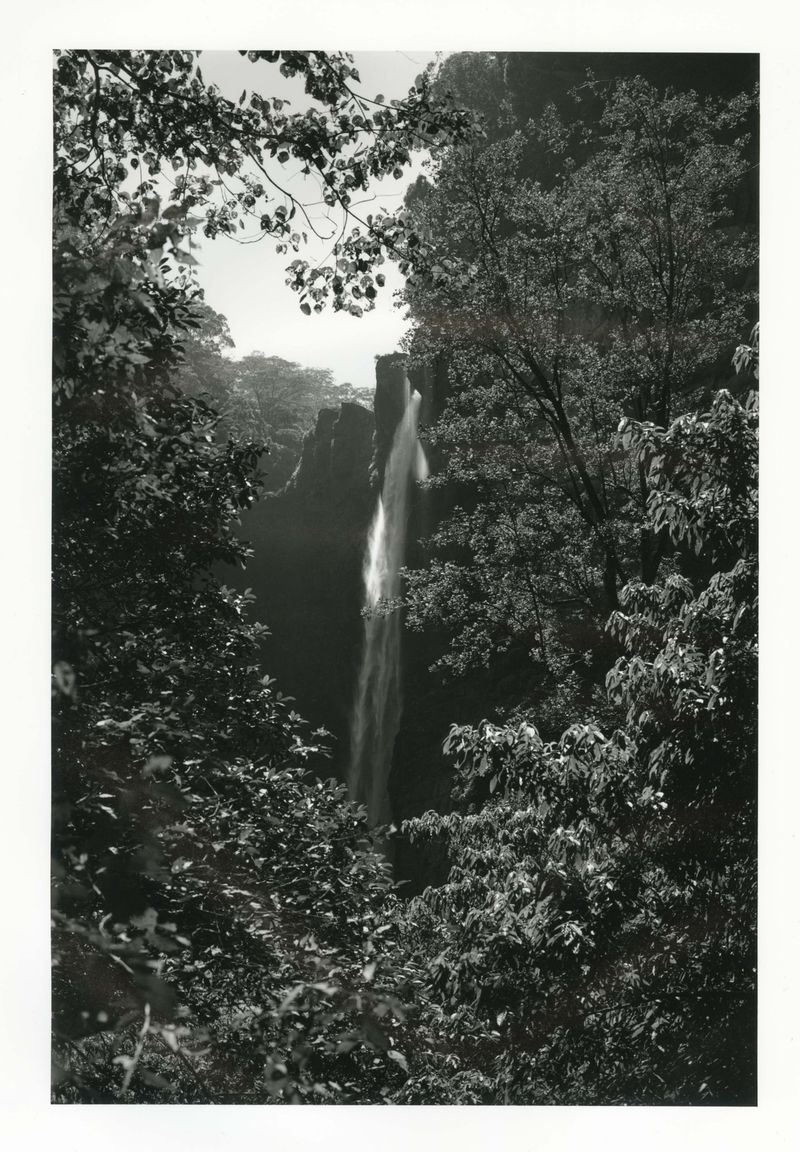
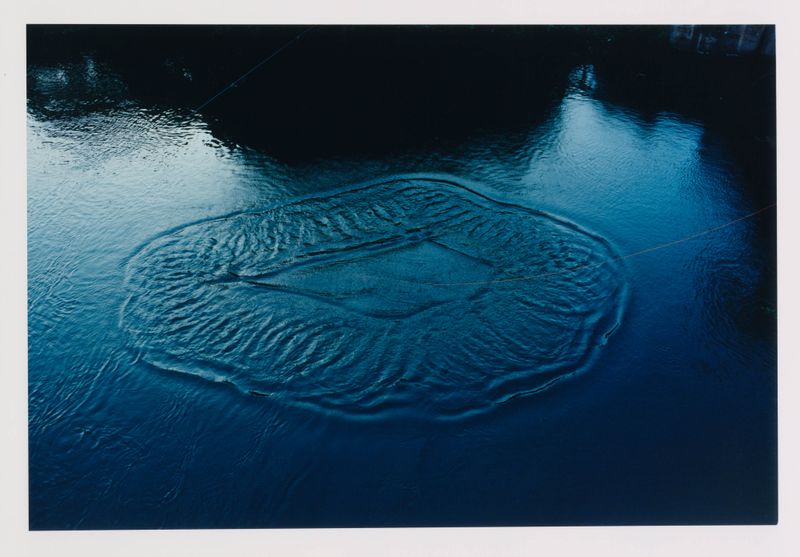
Rivers, canals, lakes, cascades and embankments… Anywhere my eye could see, I marvelled at the web of watercourses winding through the country.
This mostly human-made land development both structures the topography of the island and innervates its biotope. Neither the fruit of chance nor an anecdotal fact, this tour de force did not originate from European colonial ventures either. Its roots can be traced back through the history of the Sinhalese civilisation. From the humid atmosphere of mountains to arid plains, Sri Lanka has always had to cope with an uneven distribution of water across its territory. A few thousand years ago, Sinhalese engineers set out to remedy this situation. Drawing on their profound understanding of environmental balance, they conceived a hydraulic system on a tremendous scale with prodigious adaptability. Channeling highland springs as well as monsoon rains, these architects crafted a network of reservoir lakes, known as wewas, to collect and store water before it is redistributed to the whole country.
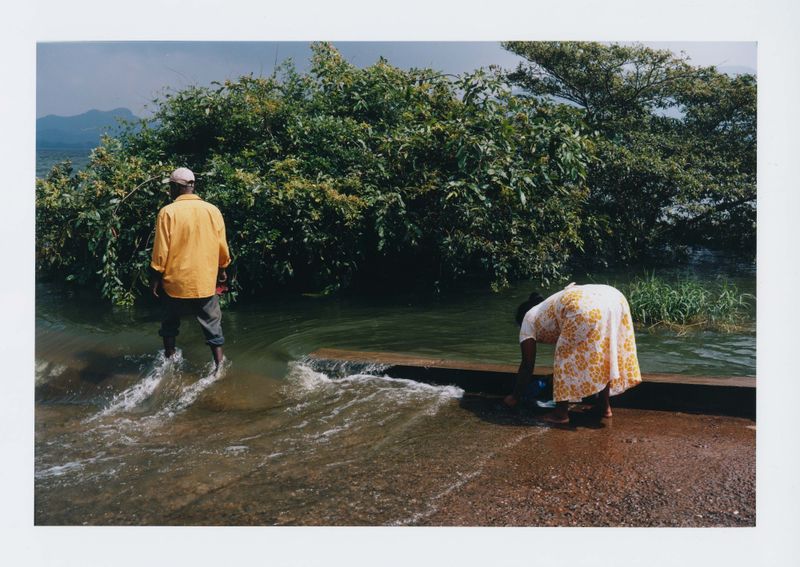
While only ruins are left of Roman aqueducts, Sri Lanka’s own water system remains intact. Perfected over the centuries under the impetus of successive kings, Sinhalese infrastructures have fulfilled their role to this day. In many regions and communities, wewas are still vital for daily usage, agricultural work, and numerous rituals. They provide water supply, ensure the irrigation of paddy rice crops, and preserve fishing practices. Far from imposing their laws upon nature, Sri-Lankans have pictured their constructions within a holistic vision of nature from the onset. Many edifices were thus erected not solely for human use and comfort, but also in order to benefit the local flora and fauna. Over time, basins and canals have become essential to the island’s biodiversity.
Under these circumstances, it comes as no surprise that wewas continue to be a source of pride for Sri-Lankans, a constant reminder of the wisdom of their ancestors, and an abiding part of their identity. As a resource, wewas have become all the more vital because of the severe political, economic, and health crises which punctuated the country’s past decades. Yet, the limited celebration that this marvel of civic engineering has enjoyed beyond national frontiers is undoubtedly puzzling. This hydraulic civilisation would indeed deserve the same prestige as that of ancient Egyptian or pre-Columbian peoples.
If I was so struck by the bond between a people and their waters, it must be because I hail from a city whose identity was also shaped by waterflows. I grew up in Conflans-Sainte-Honorine, a commune labelled from 1865 on as “the capital of French inland waterway transport”. However, during the 1990s, as I was growing up, river navigation and the related industries were already undergoing a crisis. Faced with competition from railway and road transport – faster, more flexible and cost-effective options –, my city’s glorious past had faded into a distant memory. This observation spurred the creation of a book “Canal Nord [North Canal]”, published in 2009. It compiled images of my wanderings from the riverbanks of my hometown to Dunkerque, where streams converge into the sea. Along the way, I captured portraits of the last bargemen, as well as the grey-green landscapes of Northern France. It was my way of documenting the silent, progressive collapse of a world and its culture.
disappearance of a world and its culture.
This experience of my own must have prompted me to delve into the history of Sri Lanka and its people. The care with which they preserve, maintain, and cherish their hydraulic heritage deeply resonated with me. I then decided to embark on a photographic project which would pay tribute to this salutary alliance between a people and its waters, a symbiosis wherein territories are not exploited but optimised in harmony with natural laws. From one photograph to the next, I aimed to elaborate a meditation on time, resilience, and the possibility to draw solutions from ancestral wisdom.
Therefore, year after year, I organised my material resources and my time so that I would be able to return to Sri Lanka. My plan was simple: to trace the course of water. I first covered the shores, their reservoirs and their channels, then, against the current, I travelled upstream, following rivers until I reached the sacred springs located in the mountainous centre of the island. Along this journey, I was able to bond with the locals. In spite of the language barrier, we managed to understand each other. Sometimes in English, sometimes thanks to makeshift interpreters; at other times while sharing a fruit, a poem, a cigarette or a printed picture from a previous trip.
The first was Maulie De Saram, a woman of purpose who decided to build her ecolodge on a field which had been devastated by the excesses of intensive agriculture. She told me about the industrial revolution which swept over the island from the second half of the 20th century, uprooting secular traditions. She also introduced me to Nawarathna Herath, otherwise known as Anura, the renowned poet-farmer. The following year, I met engineer Udula Bandara Awsadahamy, who took the time to share his knowledge of the Sri-Lankan hydraulic system. From field exploration trips to technical drawings and maps, he put some precious tools at my disposal. During my research, I also crossed paths with Daniel Chevaan, founder of the NGO Gammadda, which addresses the problems of villagers and farmers. Through discussions with them and many others, I came to understand how the country is being torn between the rival demands of economic development and environmental protection.
Ultimately, I managed to accumulate some
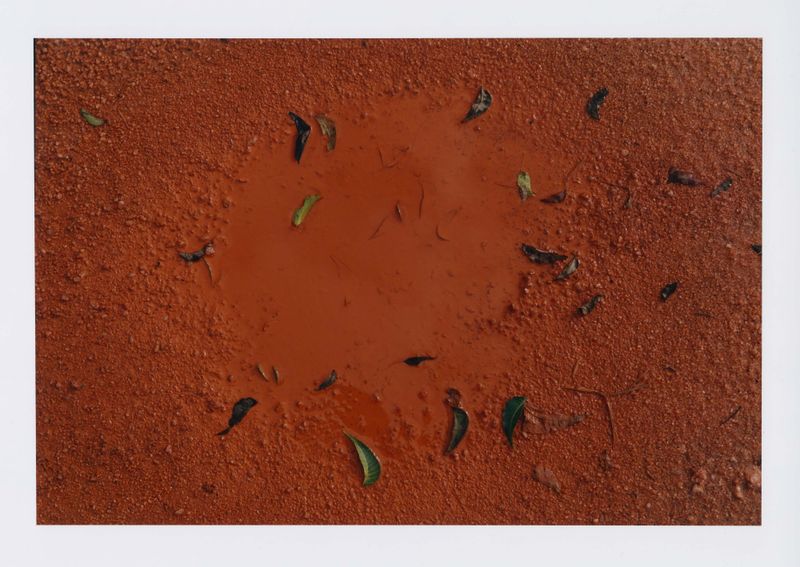
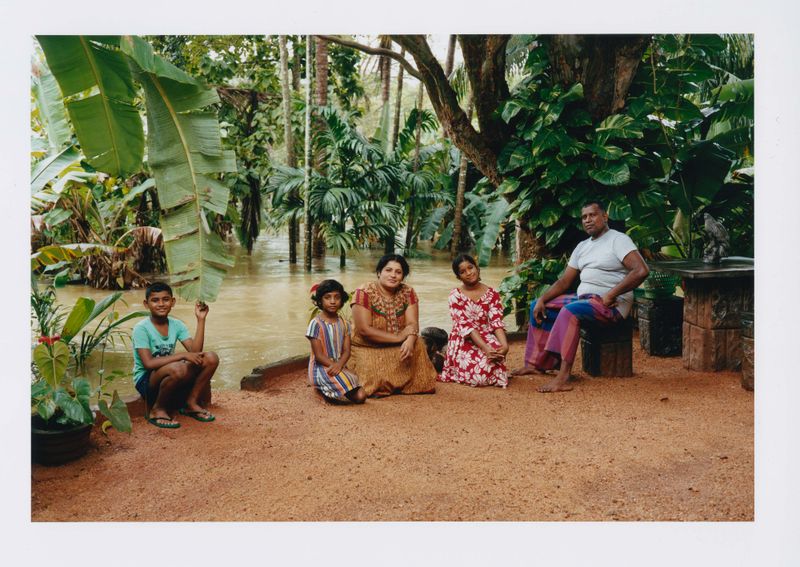
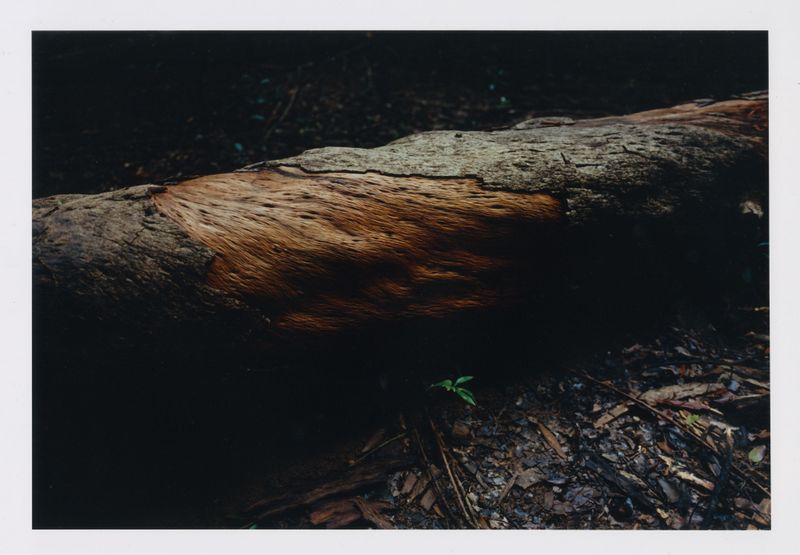
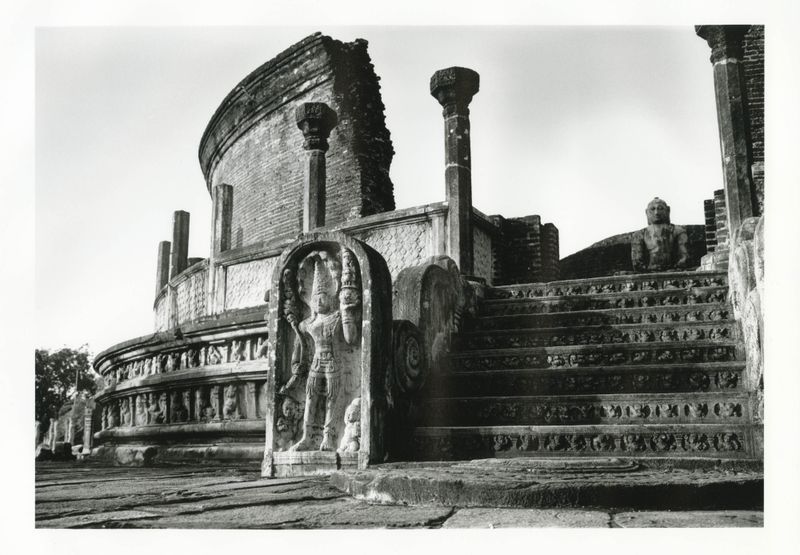
2000 pictures, taken using two medium format rangefinder cameras. These tools allowed me to shift from colour to black-and-white photography, following my own intuition. Thanks to them, I was also able to switch from handheld snapshots to more thoughtful tripod compositions. Many of these images were taken in a contemplative state, as I let the surroundings seep in, blending in to better embrace gestures and gazes. Other scenes, on the contrary, had me step out of my comfort zone and justify my presence in places where I was not necessarily expected to be. The Angamedilla village farmers notably felt rather circumspect when they first spotted me at the far end of their field. Yet, once I explained my approach and established contact, they generously welcomed me. For the next few days, they opened their home to me, took me fishing on a pirogue, and guided me through the jungle to ruins known only to them.
Today, my objective is to exhibit the fruit of this process at Barefoot Gallery, in Colombo. I would like to create a scenography interweaving prints in various formats and sound recordings of Anura’s songs. Eventually, my ambition is to forge a connection between France and Sri Lanka through other exhibitions, press publications (National Geographic, Atmos, M le Monde, AD magazine), as well as the release of a monograph gathering my photographs. If my images can highlight the ties which bind Sri-Lankans to their heritage — both constructed and natural — and question our relationship with our environment, then my work may not have been in vain.
Christophe Coënon