Jaidë
-
Dates2024 - Ongoing
-
Author
- Location Colombia
The suicide crisis among Colombia’s Indigenous communities has severely affected the Emberá people in Chocó. Armed conflict, displacement, and institutional neglect have created lasting despair, especially among young people and displaced families.
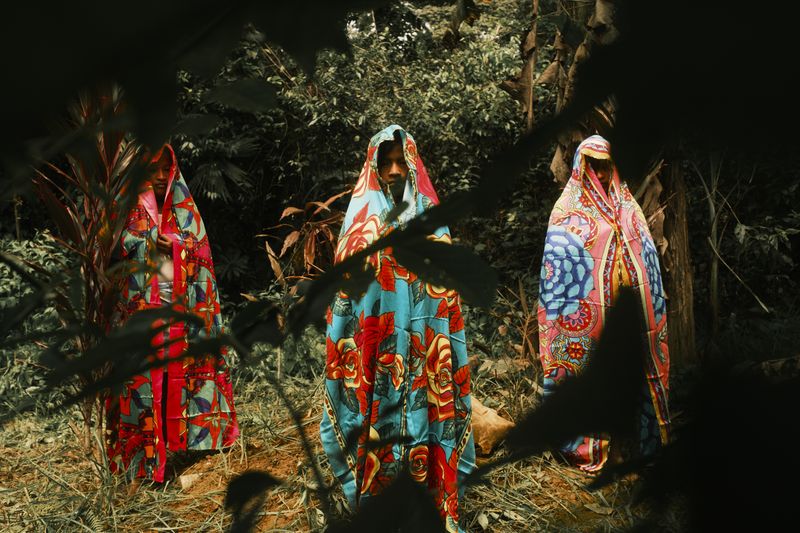
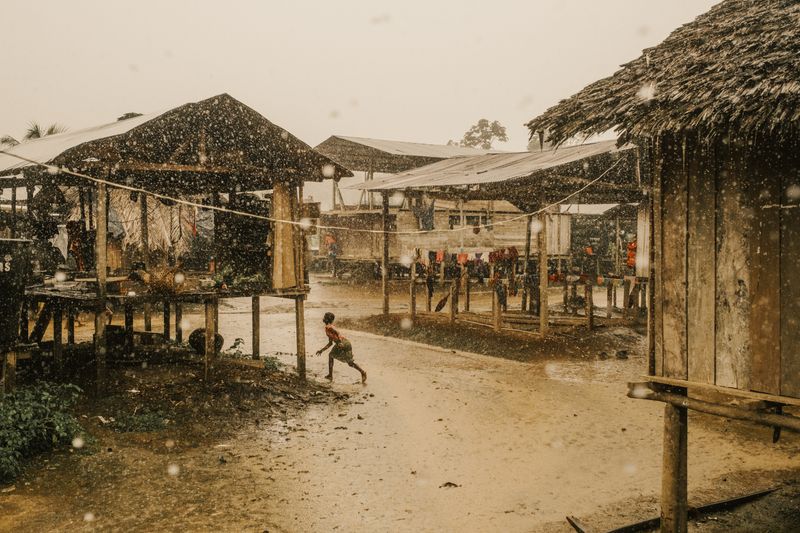
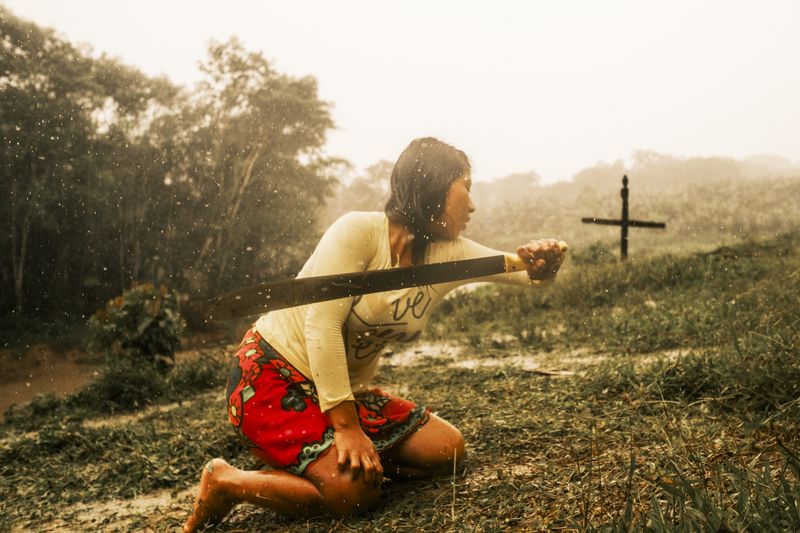
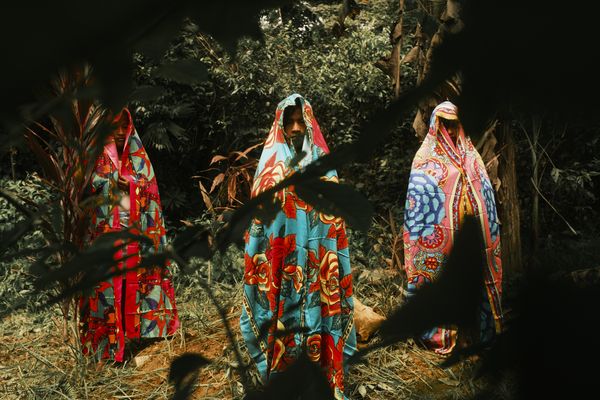
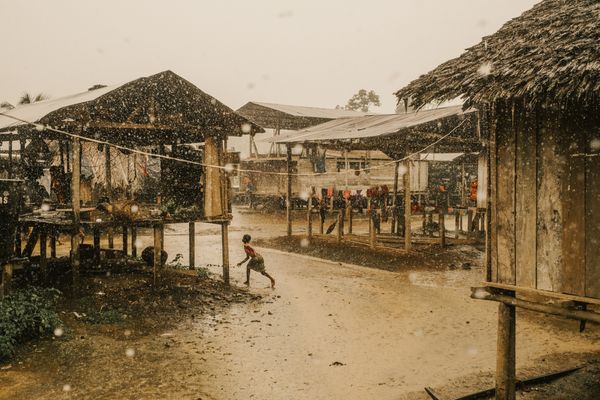
The Jaidë project is a visual investigation into the suicide crisis affecting Indigenous communities in Colombia, with a particular focus on the Emberá people in the Chocó region. This crisis is rooted in decades of armed conflict, forced displacement, loss of livelihoods, domestic violence, and prolonged institutional neglect, creating conditions of persistent despair that continue long after direct violence has subsided.
In the municipality of Bojayá, available records reveal a sustained and worsening crisis. Between 2015 and 2020, 15 suicides were reported. From 2021 to 2023, the number rose sharply to 41 deaths, alongside more than 400 suicide attempts. In 2024, at least 12 additional cases were registered, and in 2025 a further 14 suicides were recorded, confirming that this is an ongoing and structural crisis rather than an isolated phenomenon.
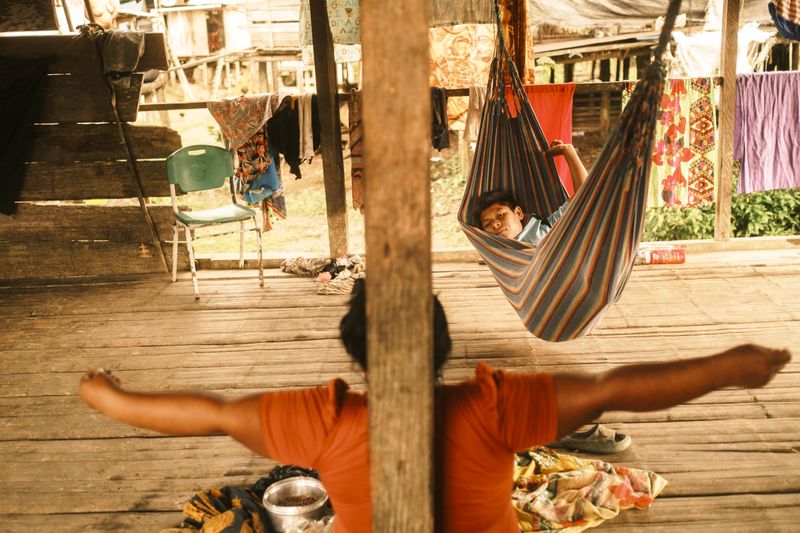
Other Emberá communities show similar patterns. In Unión Baquiasa, since 2021, 17 suicide attempts and four deaths have been documented. In Puerto Antioquia, more than 15 suicide attempts and one death were recorded in 2023 alone. These figures reflect accumulated trauma in communities exposed to prolonged displacement, insecurity, and the erosion of social and cultural structures.
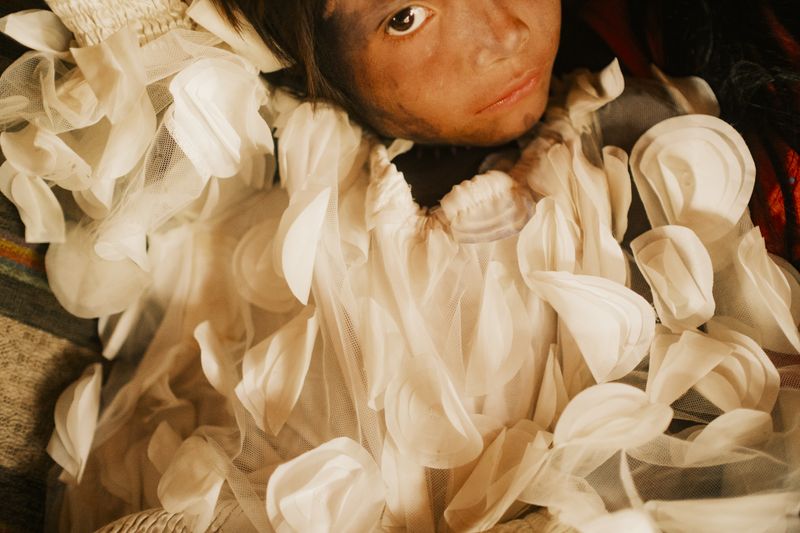
Behind these numbers are the lives of young people growing up in environments marked by instability and loss. In Puerto Antioquia, Yadira Birry, 16, took her own life on April 7, 2023, while Liria Cheito survived a suicide attempt the same day. In Unión Baquiasa, Yameli Dumaza, 17, died in December 2021. In October 2025, Martilio Martínez, a 14-year-old resident of the same community, attempted to take his own life. These events continue to reverberate within families long after they occur.
The crisis extends beyond Indigenous territories. In Bogotá, approximately 2,251 displaced Emberá people currently live in overcrowded temporary settlements such as Parque Nacional, La Rioja, and Parque La Florida. The La Rioja building, originally designed for 120 people, now houses more than 1,200. Within these conditions, suicide attempts have also increased, demonstrating how displacement reproduces psychological pressure in urban settings.
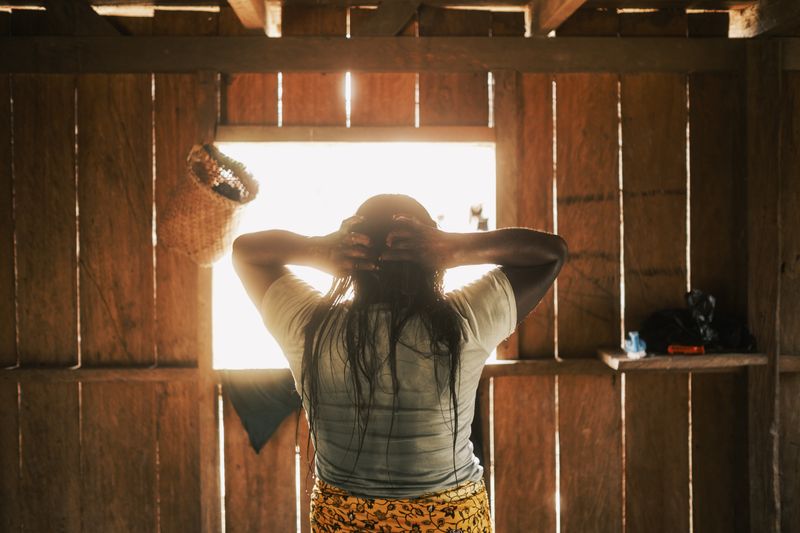
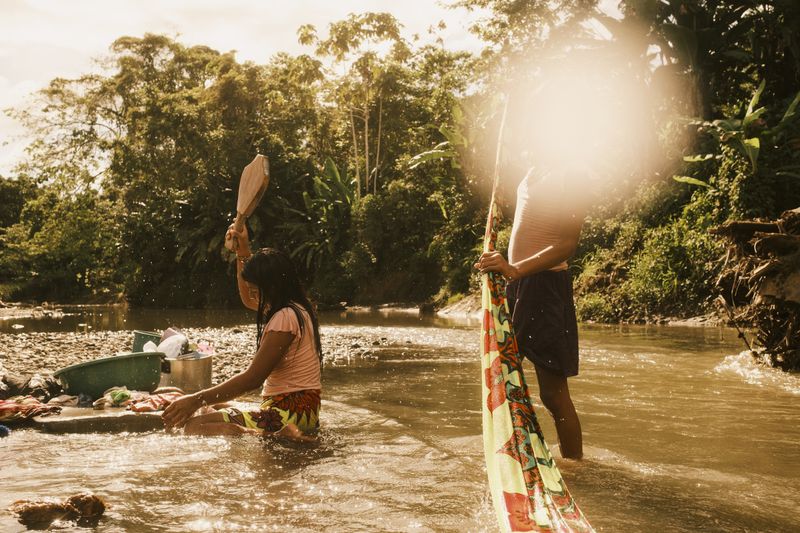
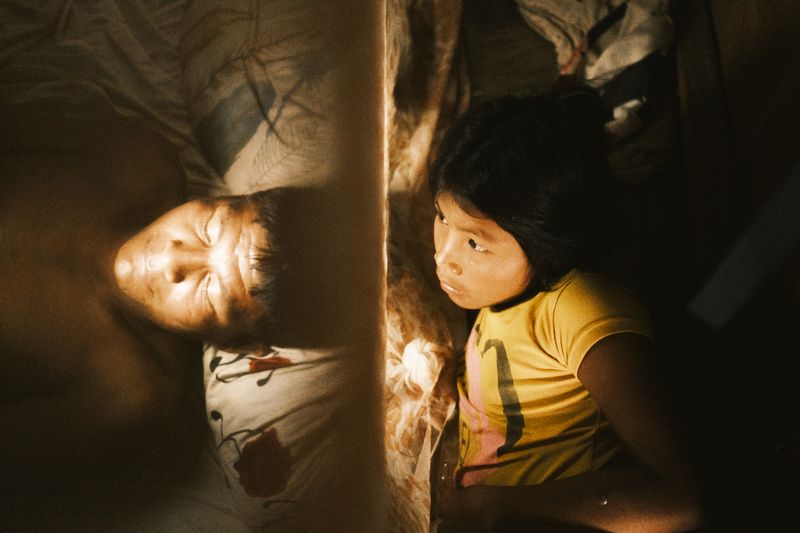
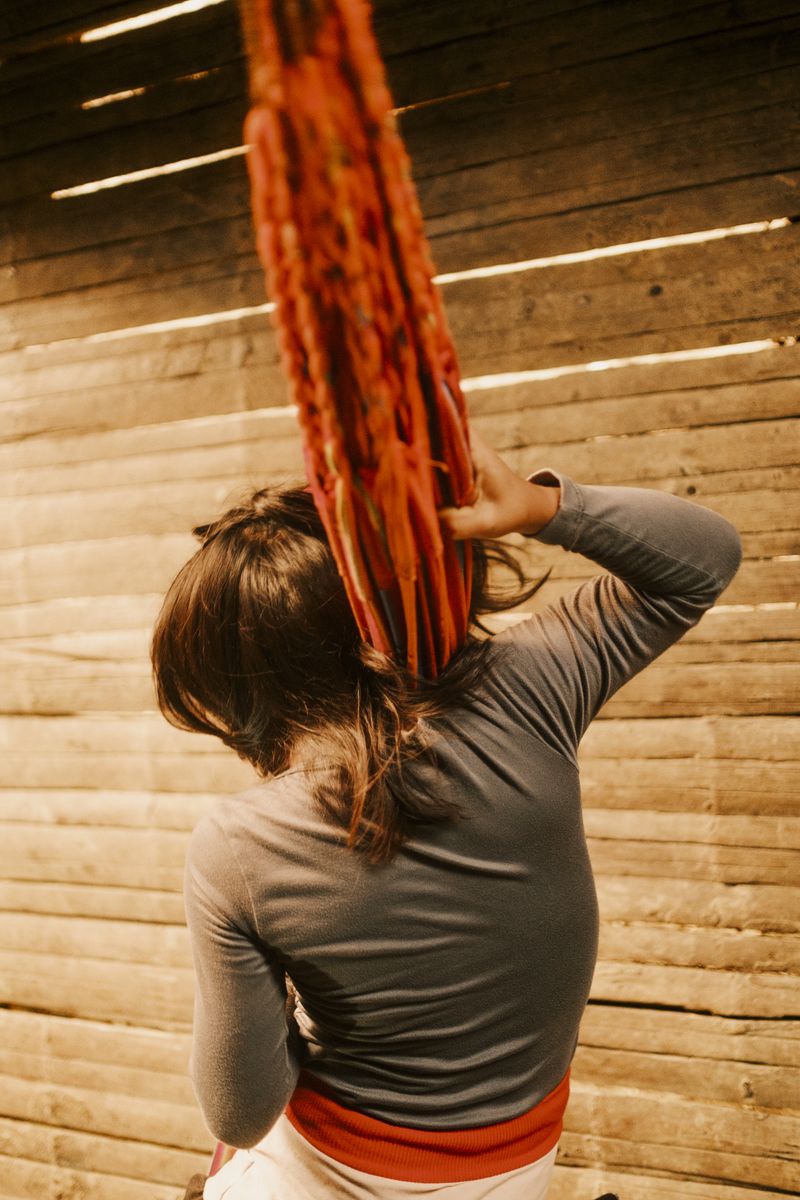
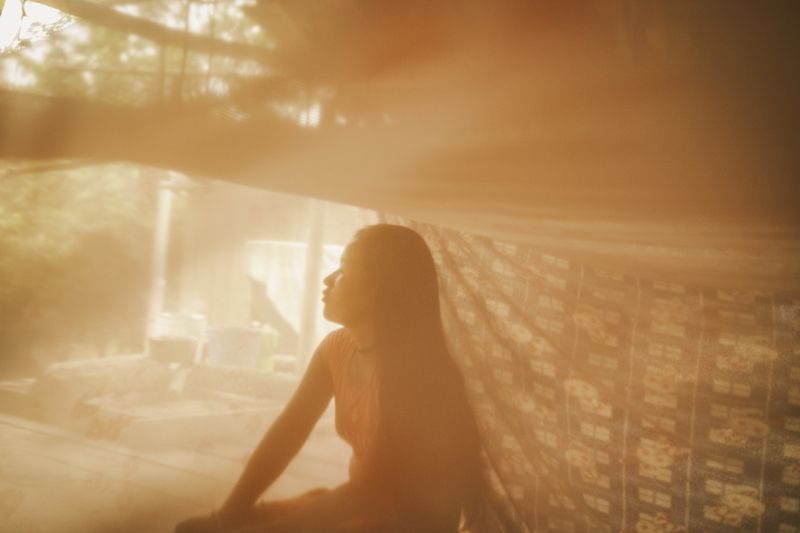
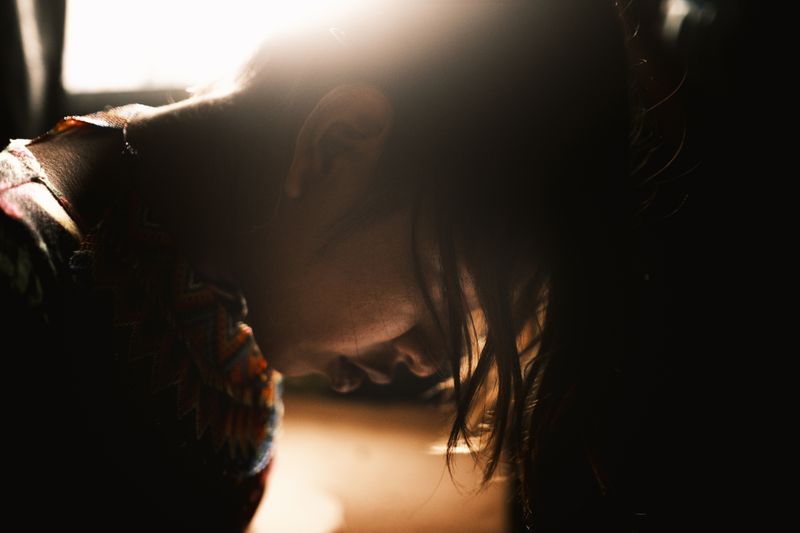
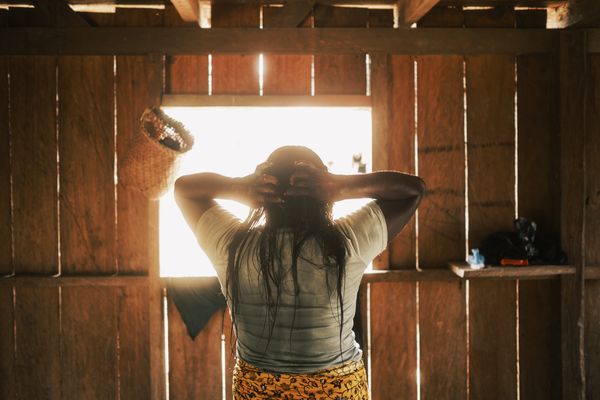
I have documented the lives of Yadira Birry’s family and followed Liria Cheito in Bojayá, as well as displaced Emberá women living in Bogotá. My own experience with depression informs my approach, raising questions about how communities historically abandoned by the state confront overwhelming pain without access to sustained mental health care.
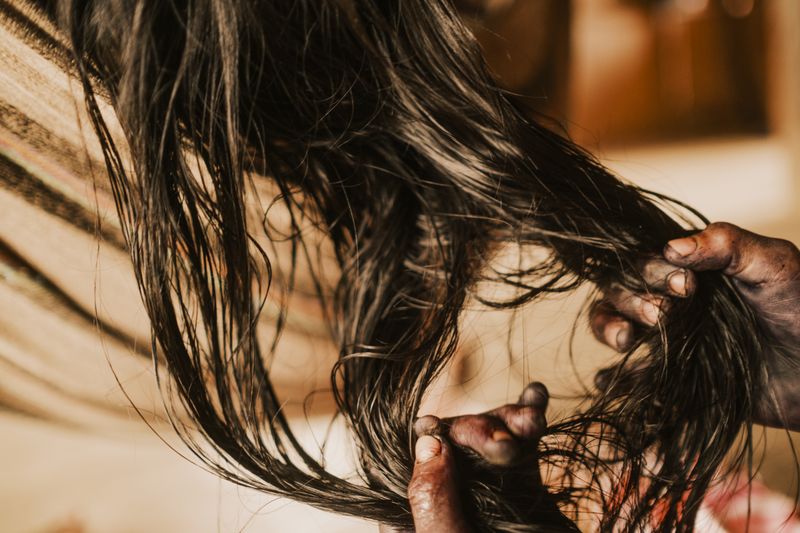
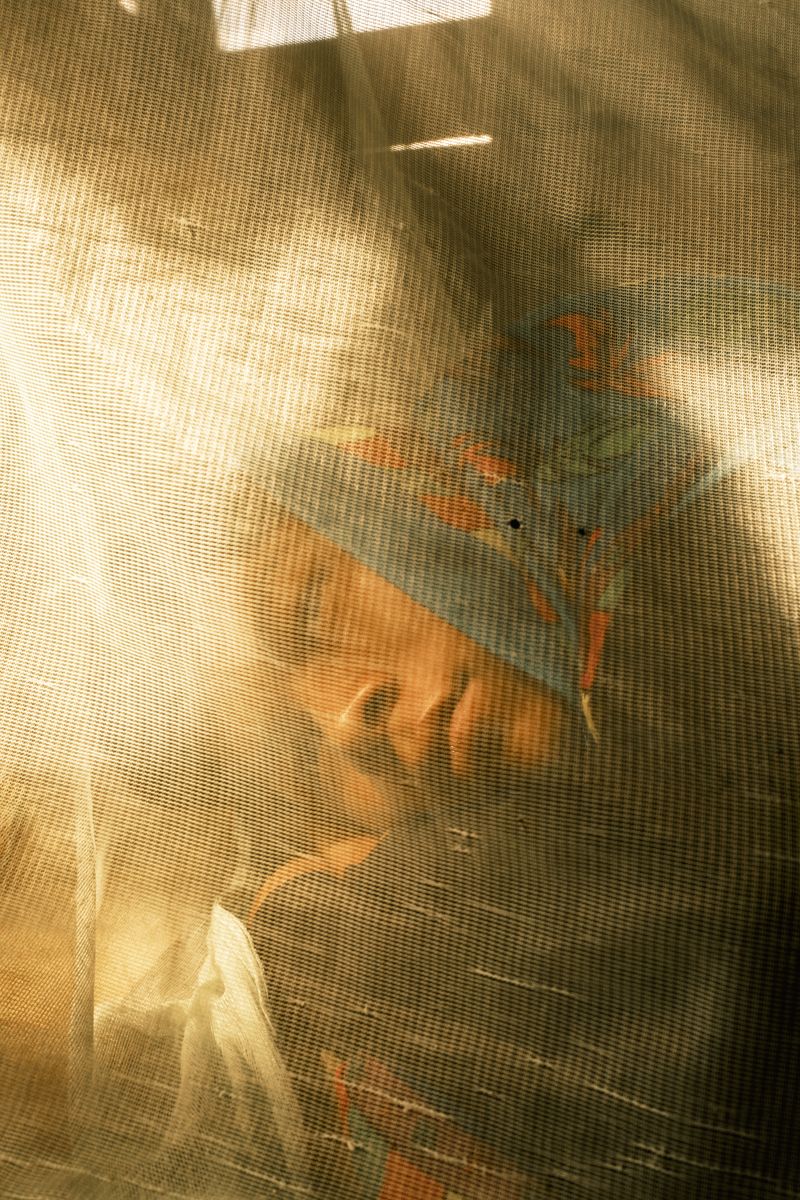
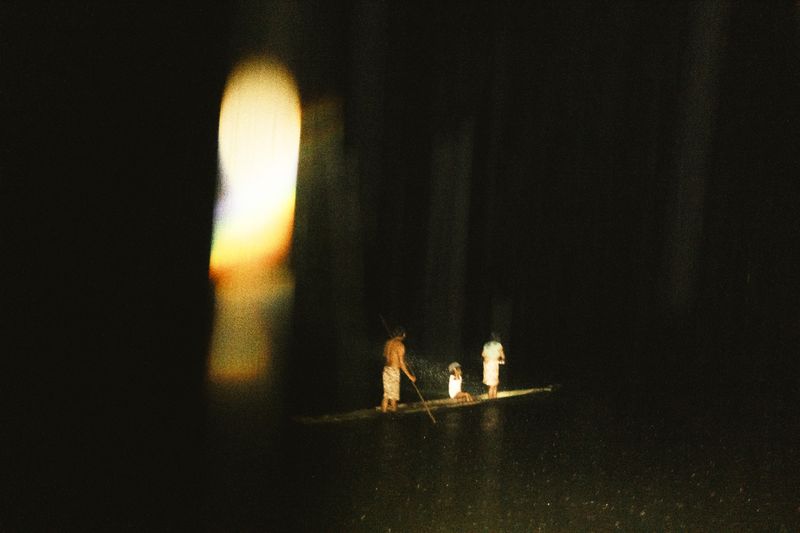
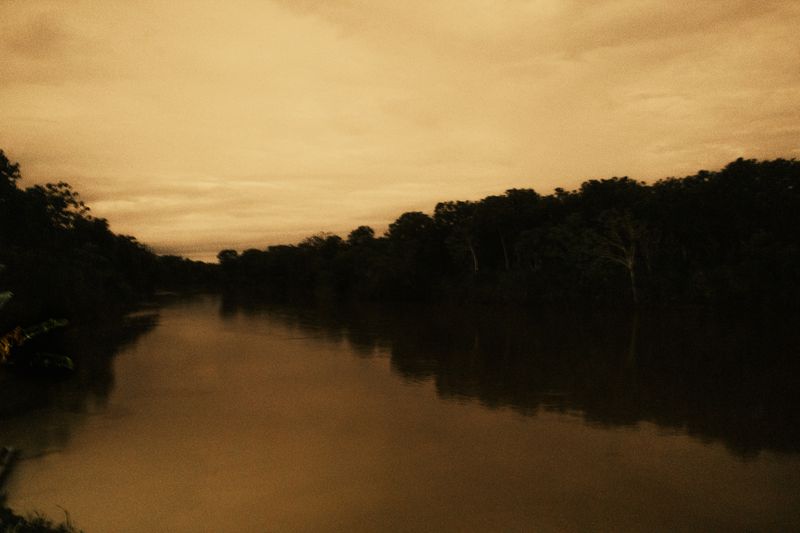
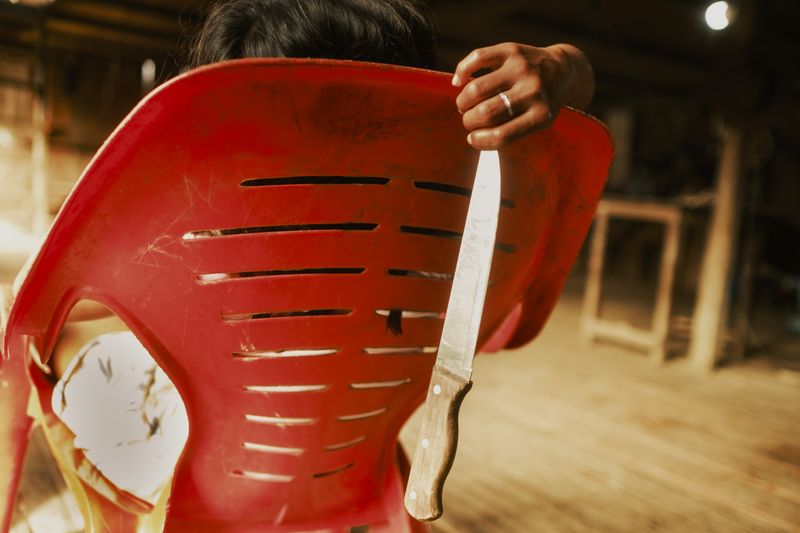
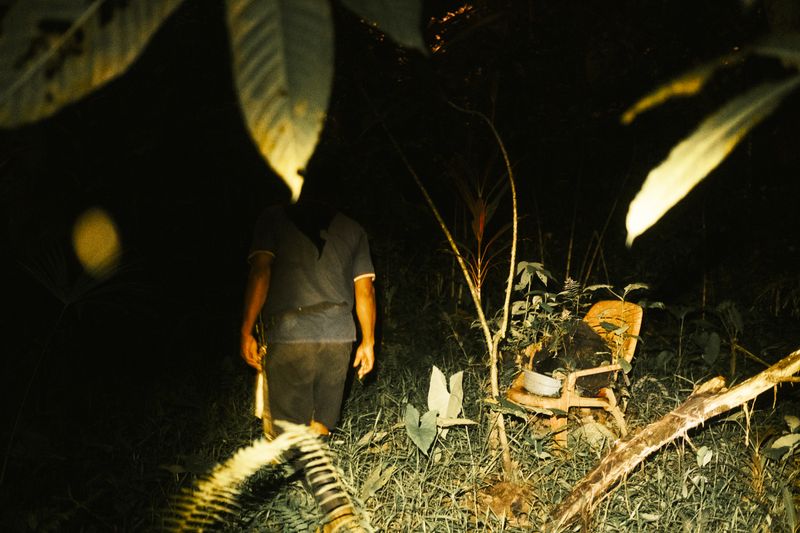
Jaidë follows the traces left behind by suicide rather than the act itself, focusing on families living with absence and on a conflict that persists as an emotional condition. With the support of this funding, I aim to continue returning to these communities, where access is complex and costly, requiring air, land, and river transportation. This project seeks to build a sustained, human-centered record of a crisis that remains largely unseen and unresolved.