It can never be the same
-
Dates2019 - 2023
-
Author
- Location Afghanistan
It Can Never Be the Same revisits Afghanistan (2019–2023) to question how photojournalism shapes perception. Moving beyond reportage, the work reflects on representation, authorship, and the ethics of storytelling, twenty-five years after the US invasion.
IT CAN NEVER BE THE SAME
A personal exploration of Afghanistan and a reflection on established narratives.
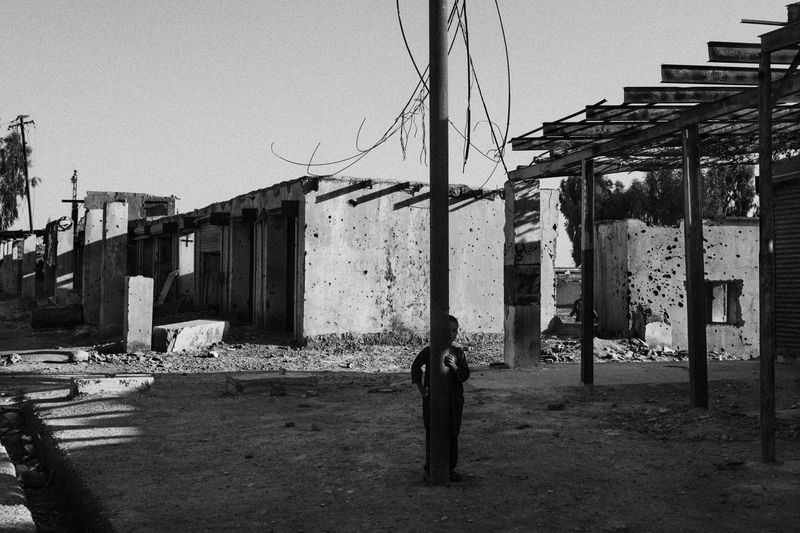
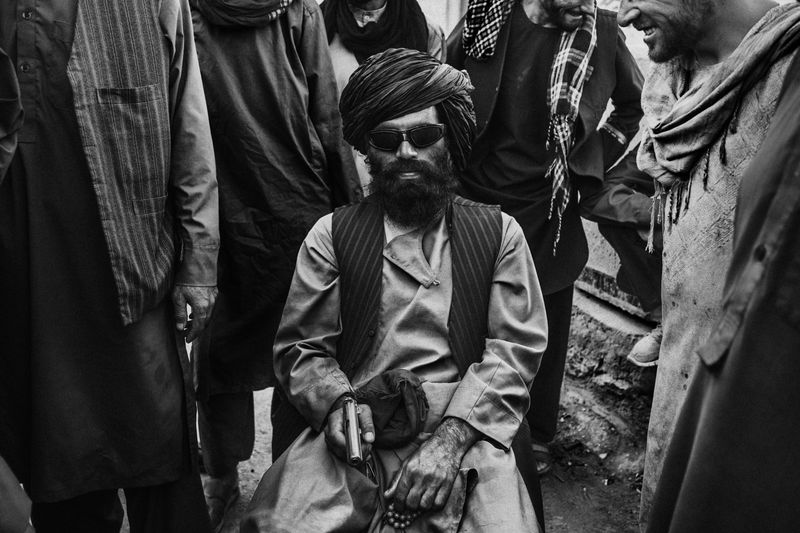
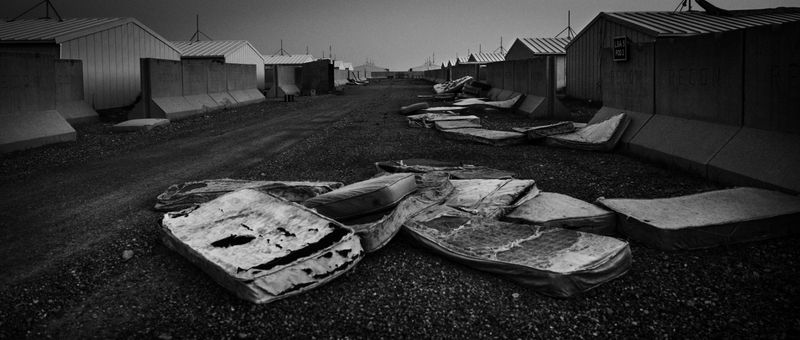
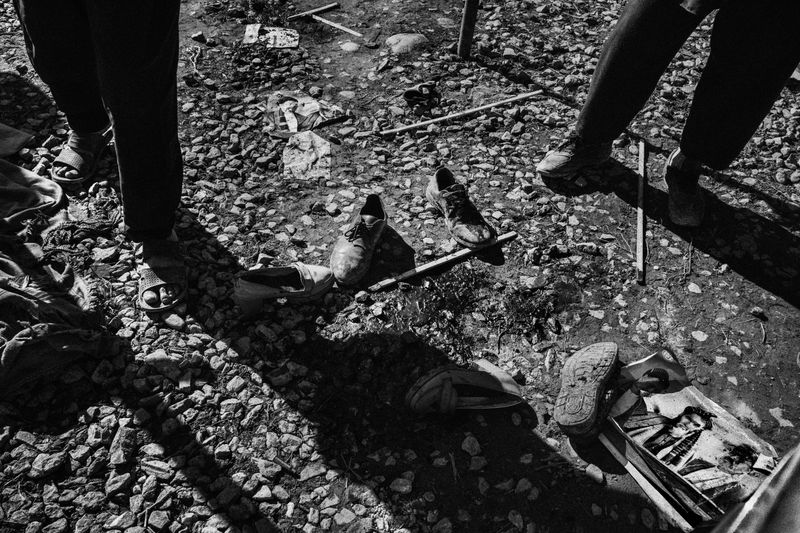
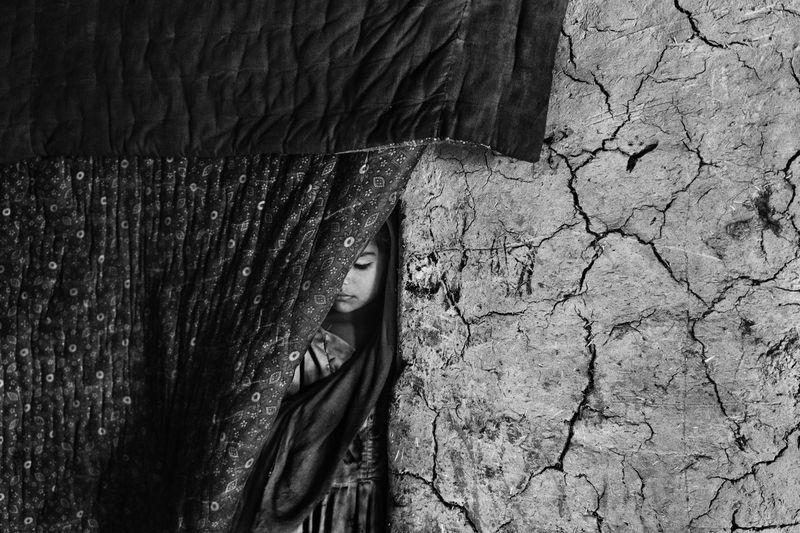
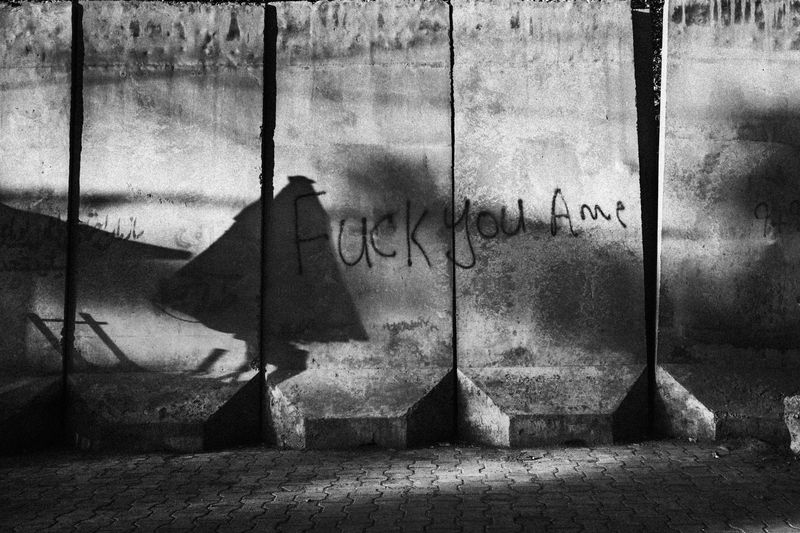
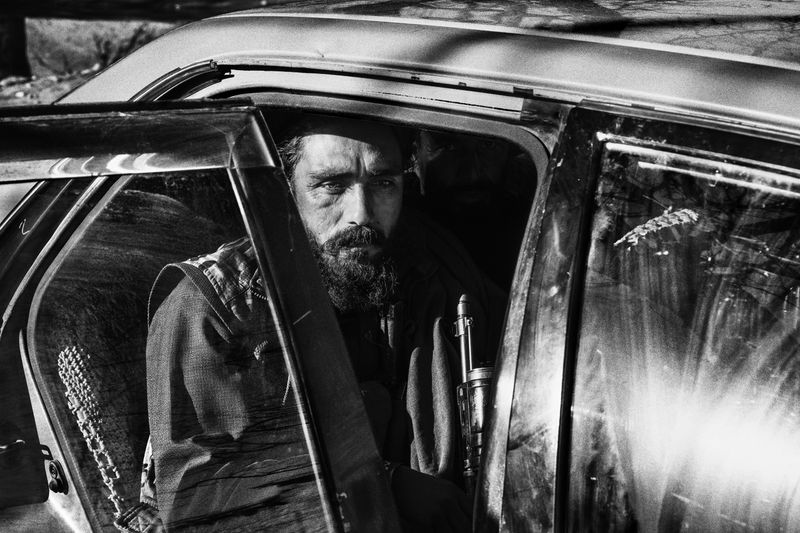
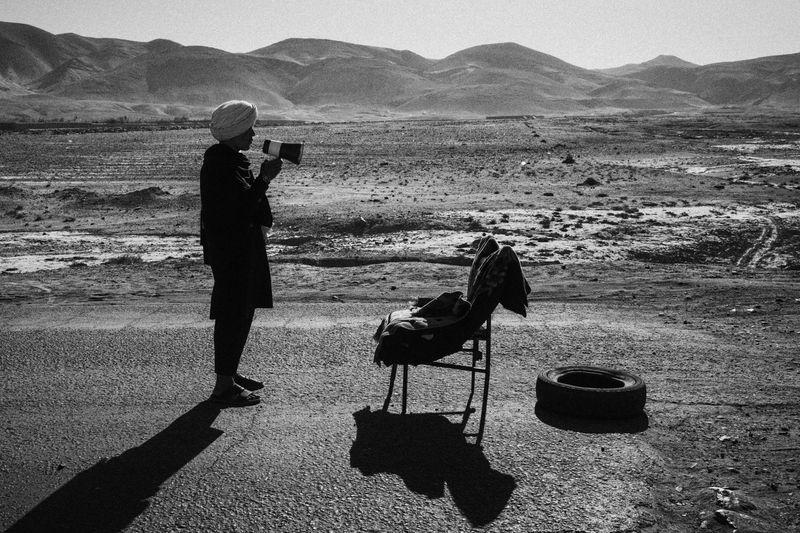
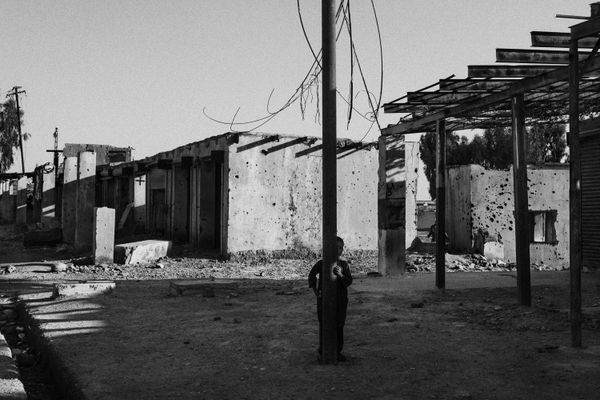
The photographs in It Can Never Be the Same were made by Lorenzo Tugnoli in Afghanistan between 2019 and 2023—a pivotal period of transition and upheaval. Rather than traditional reportage, this body of work forms a reflective journey through the representation of Afghanistan. Tugnoli’s approach questions how visual representations shape external perceptions of a complex country, and examines the distance between those who tell the story and those who live it.
“As I worked in Afghanistan for more than a decade, my photographs contributed to its representation: the images that we see, the ones we do not, and the way they are framed. Over time, I became more aware of both the power and the limits of this representation. I began reflecting on my role and position within this system and questioning the depth of my understanding of the facts. Am I fully grasping the events unfolding in front of me, or am I simply reproducing a certain kind of imagery? Am I truly looking and observing, or am I emulating a movie that repeats itself on a loop in my outsider’s head?”
The photographs were made while Tugnoli was working for The Washington Post, during the peace negotiations between the US government and the Taliban, followed by the collapse of the Afghan Republic and the Taliban’s return to power. For over two years Tugnoli collaborated with writer and researcher Francesca Recchia to review his archive and construct a body of work that raises questions rather than offering answers.
“There were so many layers—things happening behind the scenes that weren’t visible or easy to understand. And especially for us, as Westerners, it was very easy to misinterpret what we were seeing.”
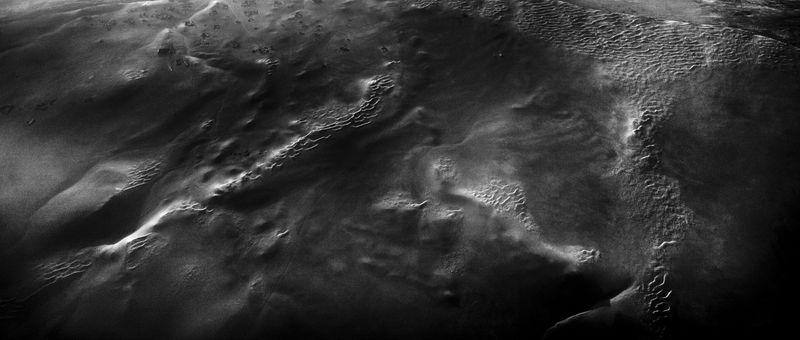
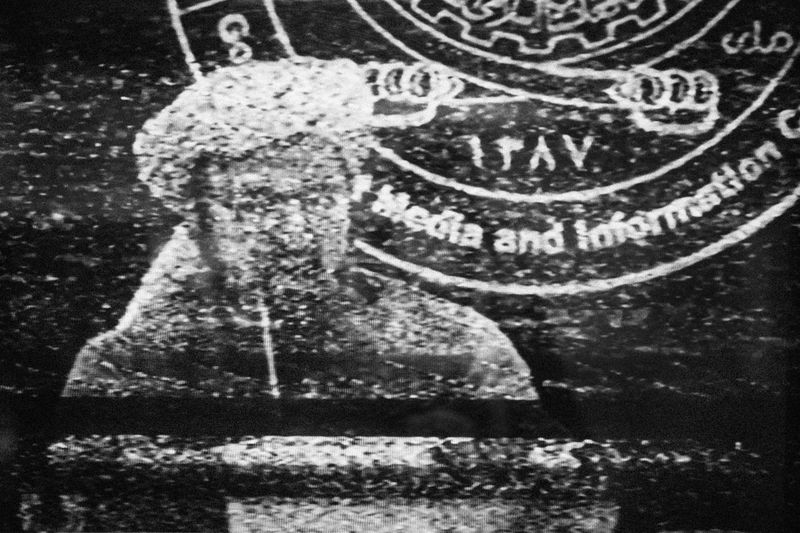
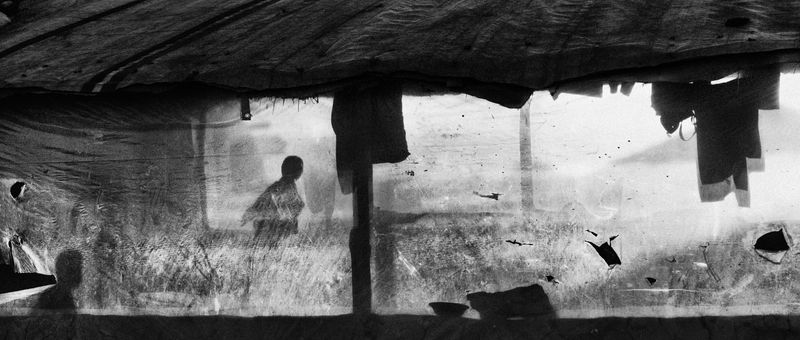
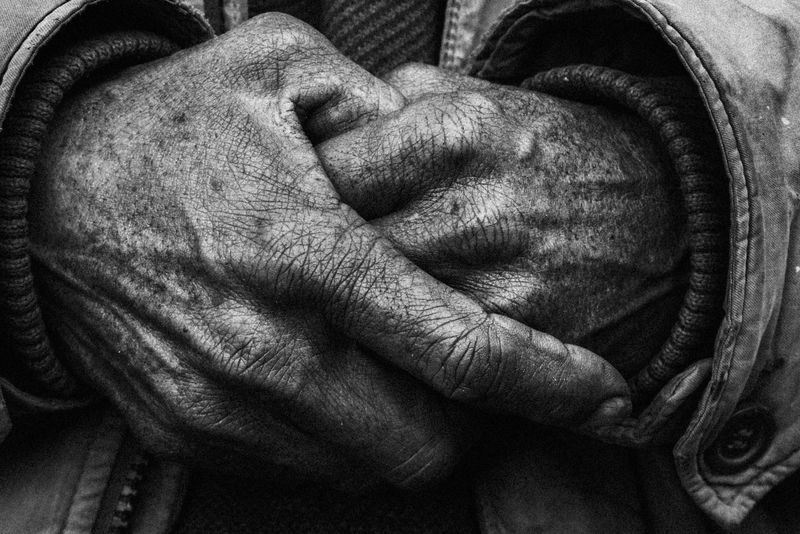
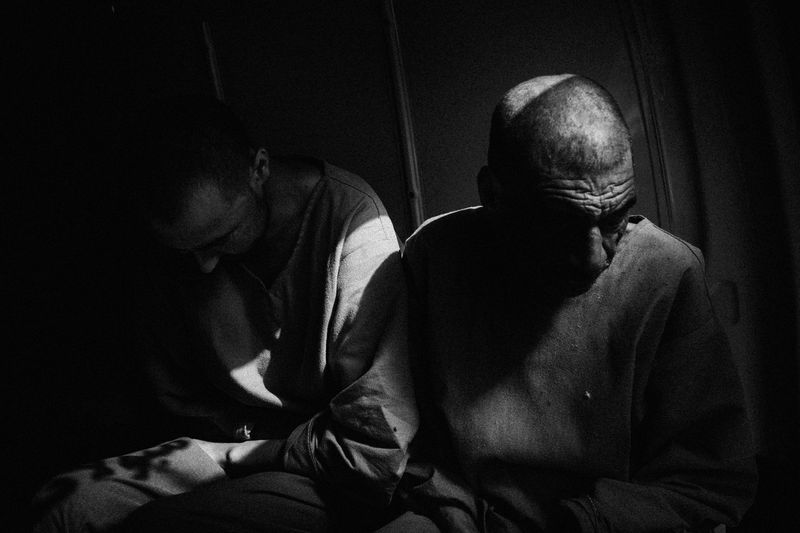
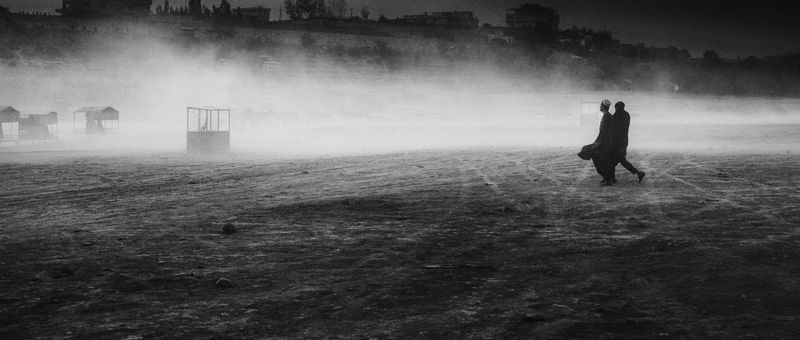
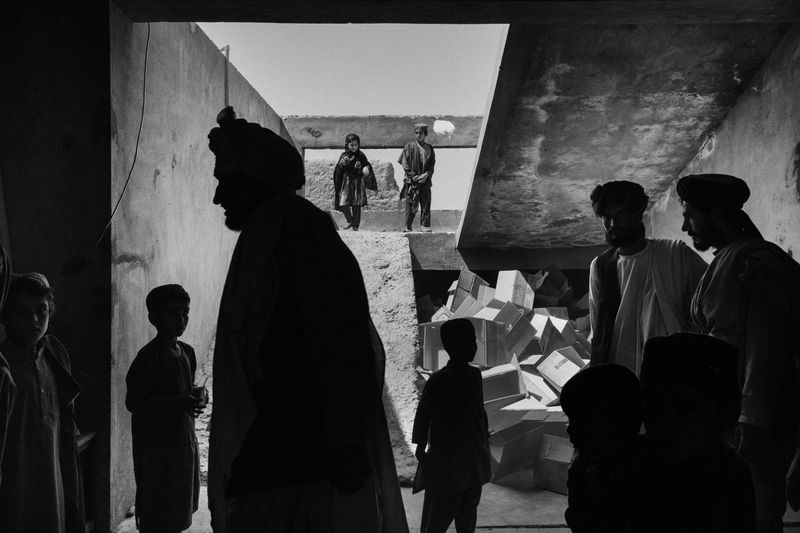
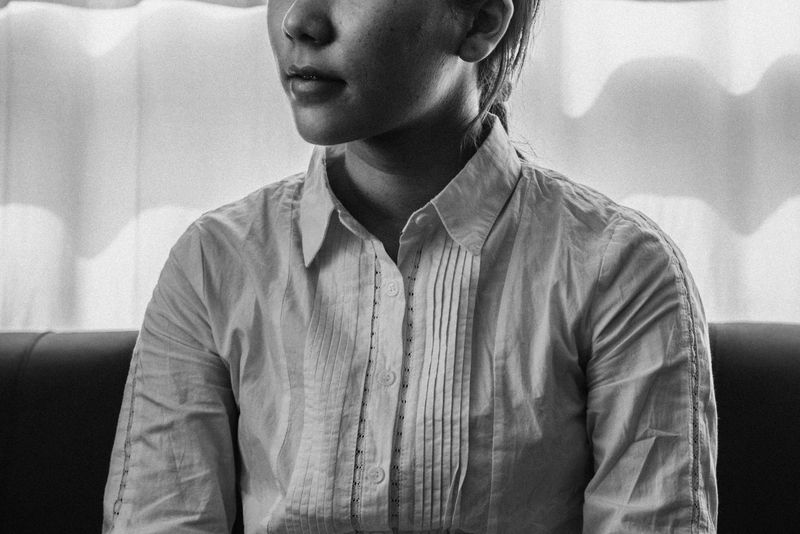
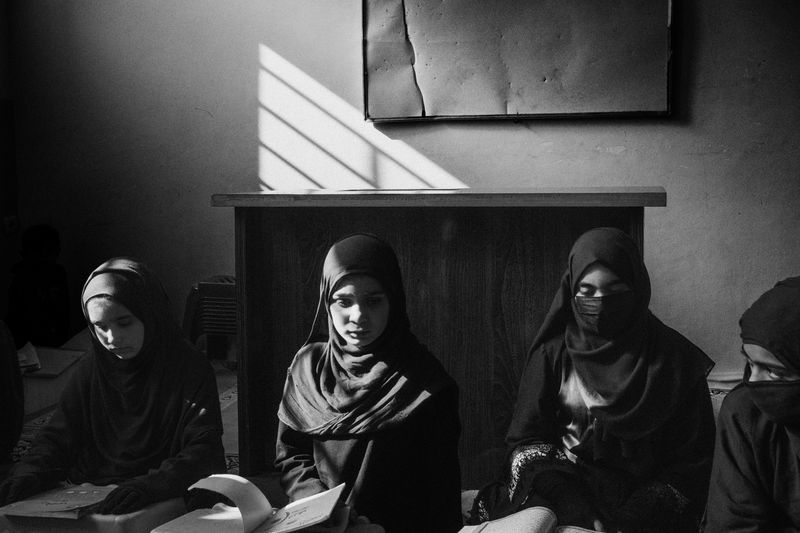
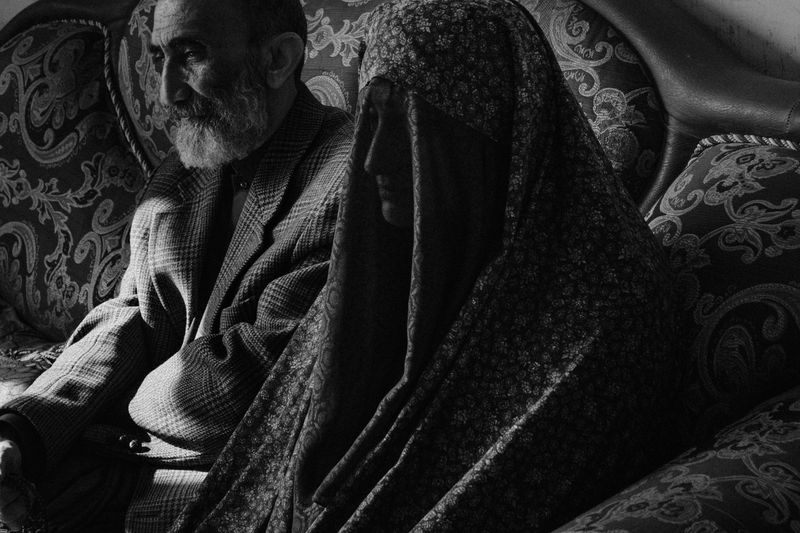
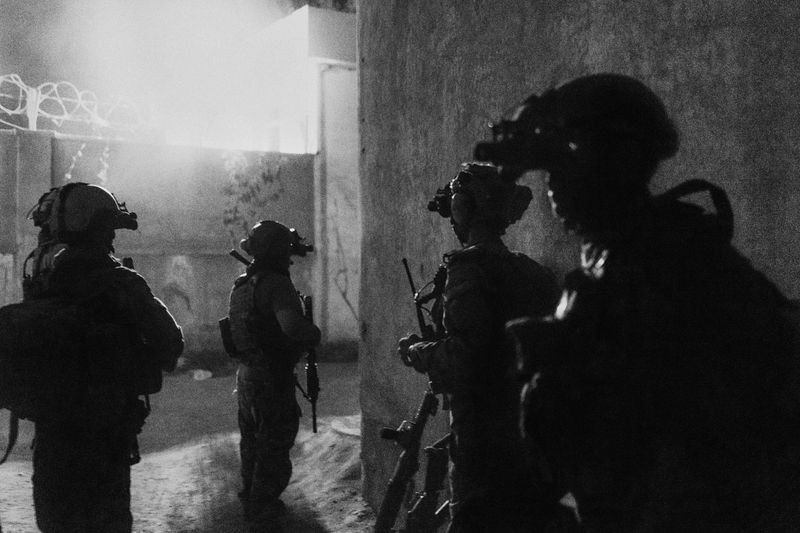
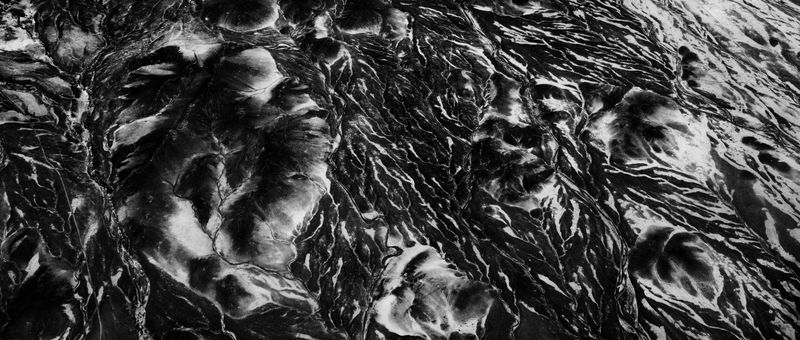
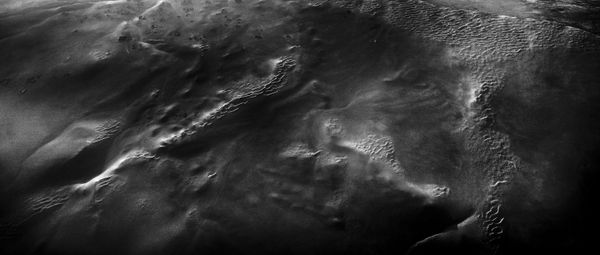
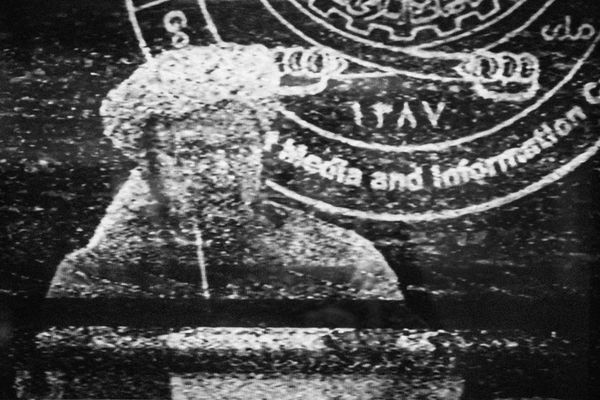
The formal choice of black-and-white imagery engages with the historical authority traditionally attributed to photojournalism, while cinematic formats and dramatic light and shadow converge in ambiguous sequences. The progression of images does not aim to present facts or assert truths; instead, it casts doubt on our interpretations, suggests a plurality of meanings, and seeks to move beyond the one-dimensional framing to which we are accustomed. These fragments of places and events, without a linear narrative, encourage the viewer to search for clues and allow for multiple interpretations.
Throughout the production process, Tugnoli and Recchia interrogated the nature of the work itself: images of Afghanistan produced by a foreign photographer, for a US media outlet, belonging to a country directly involved in the war. A war that generated a corrupt system of governance and was pursued under the false pretense of bringing prosperity, democracy, and women’s rights. These images were also produced within a media apparatus of representation that has often been misleading, or partly constructed to serve colonial purposes—imposing a moral framework in which Afghan society is not approached on equal terms, but instead perceived as something that needs to be “improved” or corrected.
Tugnoli intentionally invites the viewer to wander through this “world,” reflecting his own experience of the country, with the intention not to impose meaning, but to construct small, lyrical devices of allusion.
The year 2026 will mark the 25th anniversary of the September 11 attacks on the Twin Towers and the US invasion of Afghanistan on October 7, 2001. This anniversary provides an opportunity to reflect on how Afghanistan has been portrayed by journalism, and more broadly on how we perceive countries that have endured occupation—raising questions about the ethics of storytelling and the lasting consequences of foreign interventions.