Interior
-
Dates2018 - 2022
-
Author
- Locations Leiria, Pombal, Figueiró dos Vinhos, Góis, Penela, Coimbra
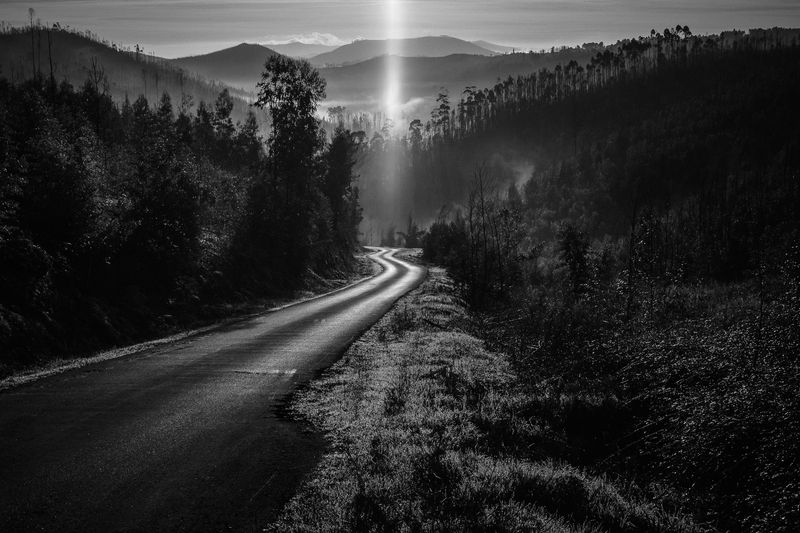
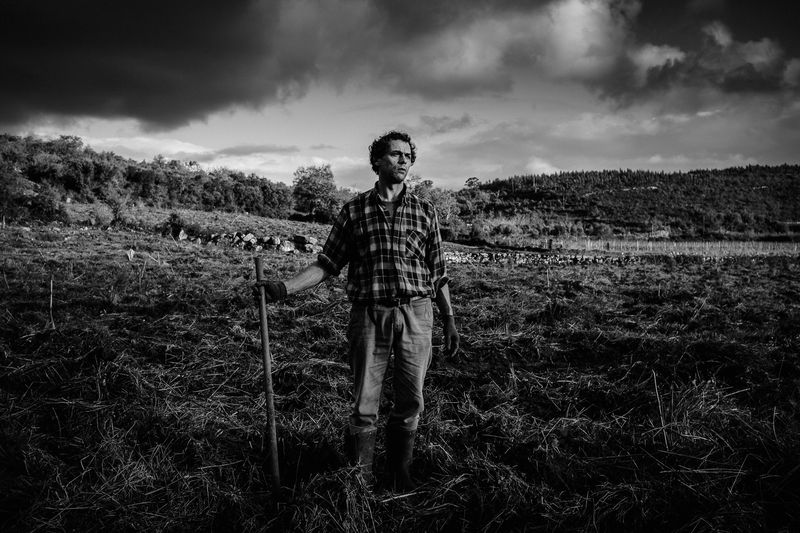
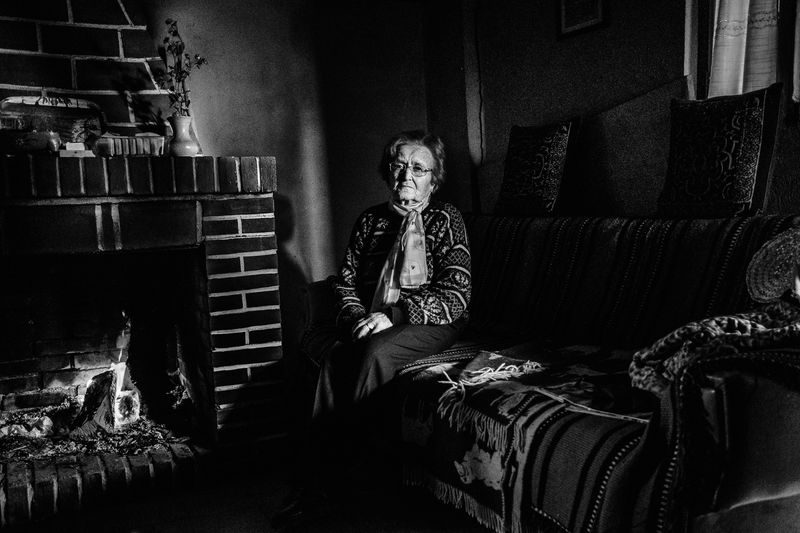
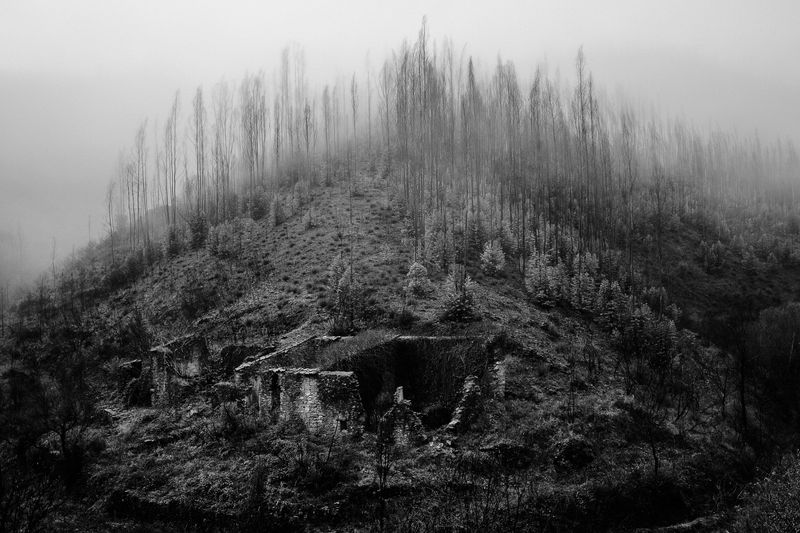
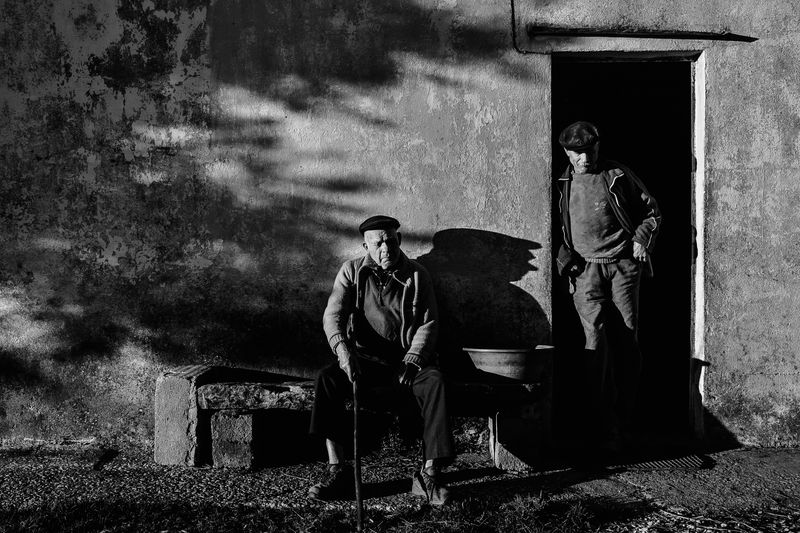
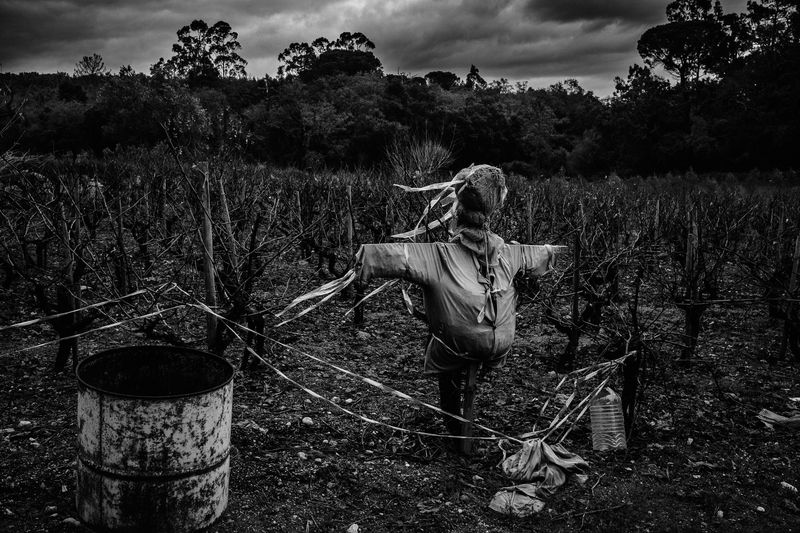
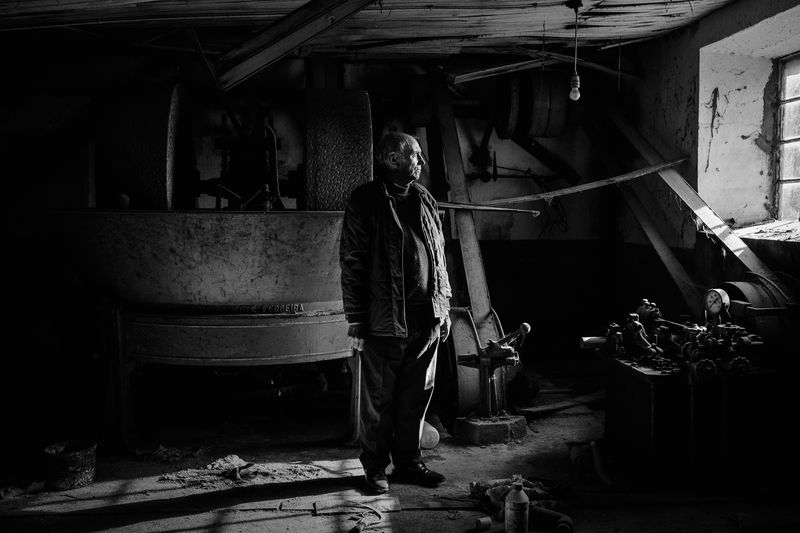
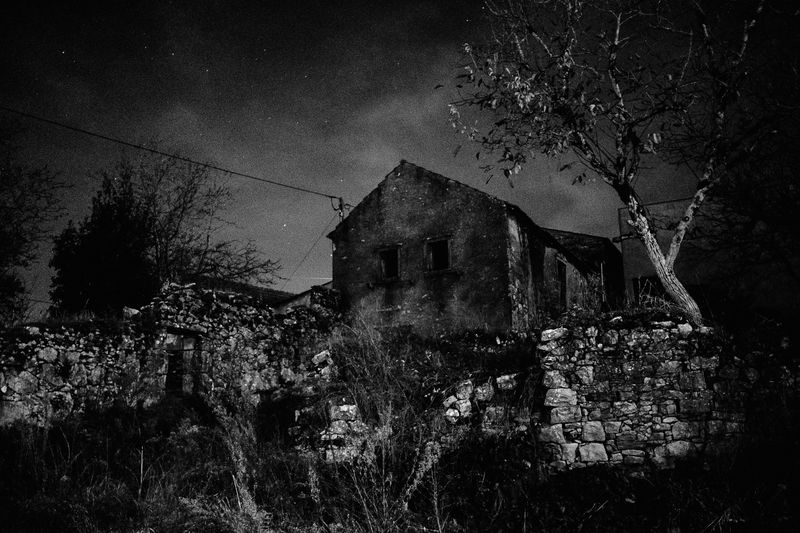
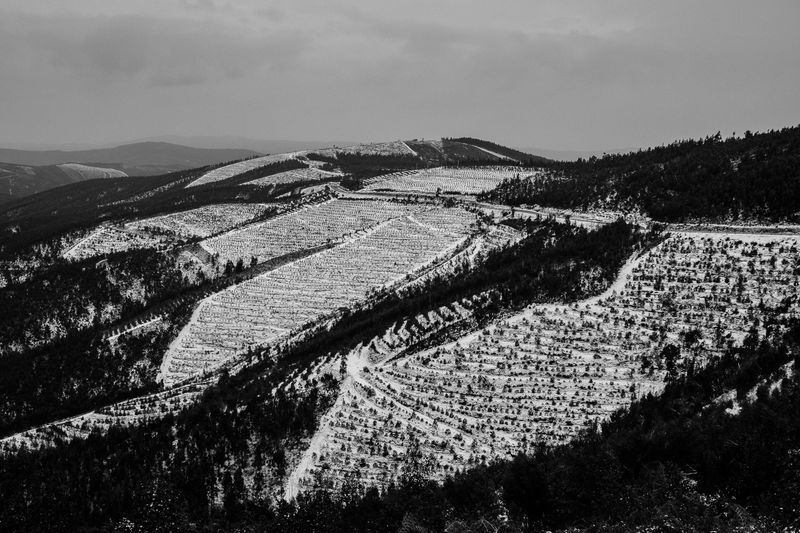
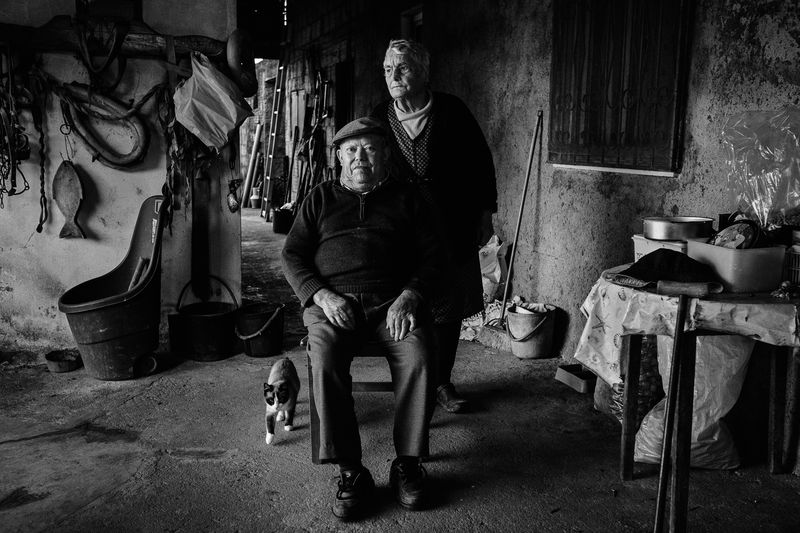
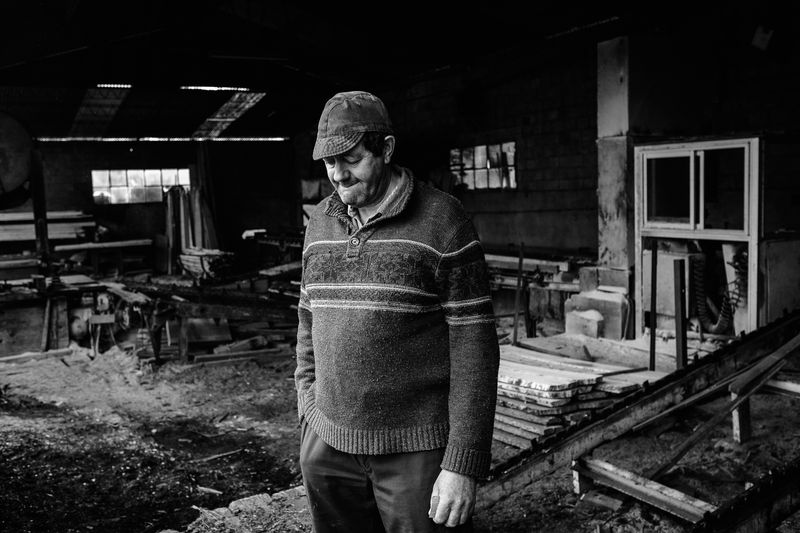
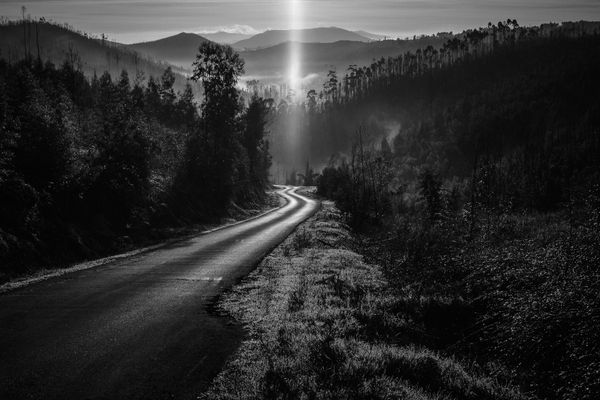
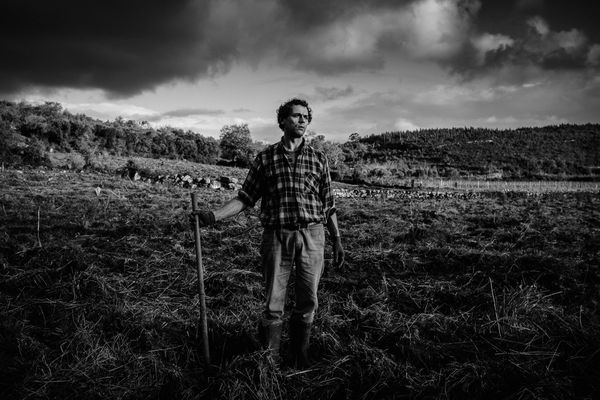
Interior is a photo-essay about the rural exodus and the widespread depopulation that has been striking the Centro Region of Portugal since the 1960s.
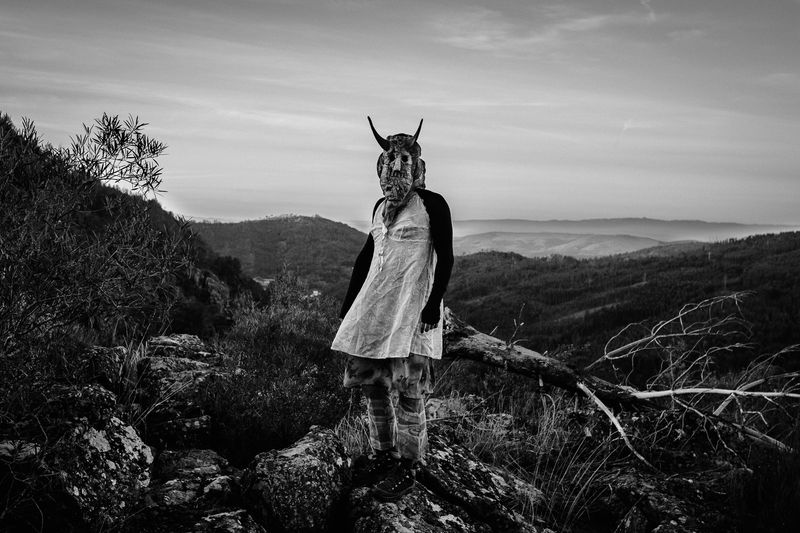
This migration was instigated by the poverty felt during the Estado Novo dictatorship, that ruled the country from 1933 to 1974, alongside the already challenging economic conditions of subsistence agriculture. This is a territory of micro-property, infertile soils and unsuitable to mechanisation, where the survival of families and social rituals was closely linked to the artisanal production of olive oil, cereals and cheese.
In 1974, with the country’s transition to democracy, the ways of life changed: among the youth population, those who had not emigrated to central Europe, moved towards the industrialized coast and settled there for better employment opportunities, education and access to services and infrastructures.
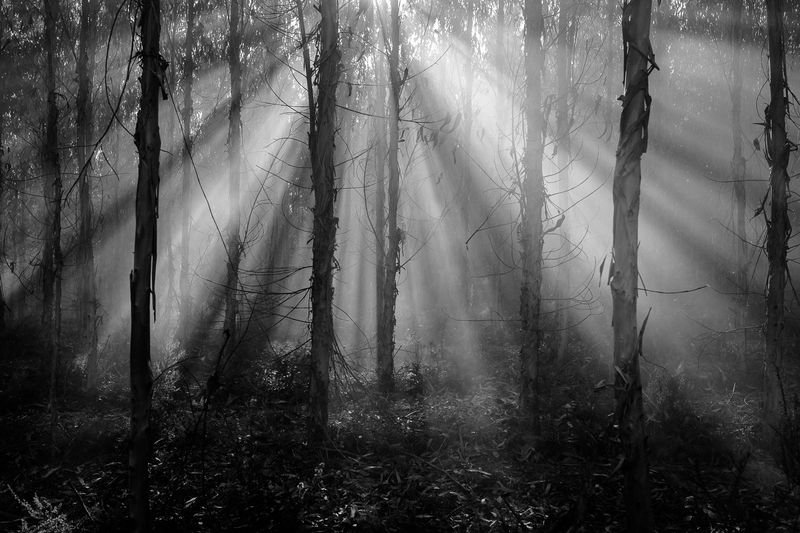
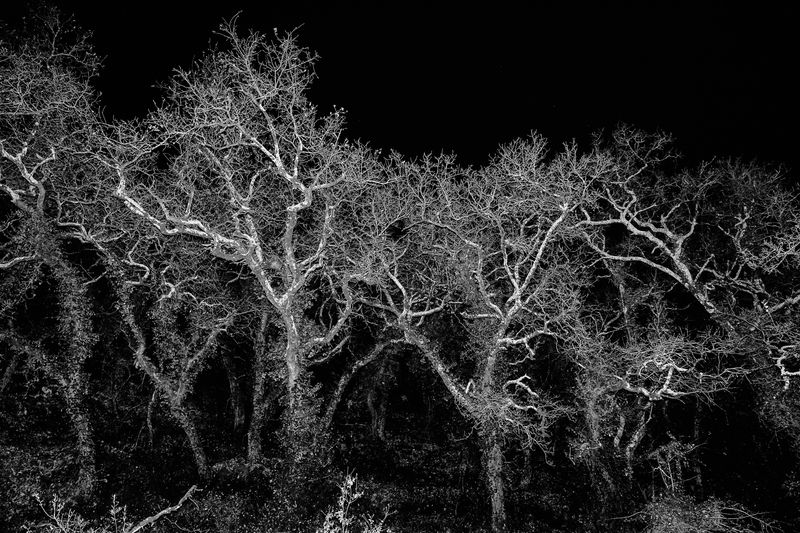
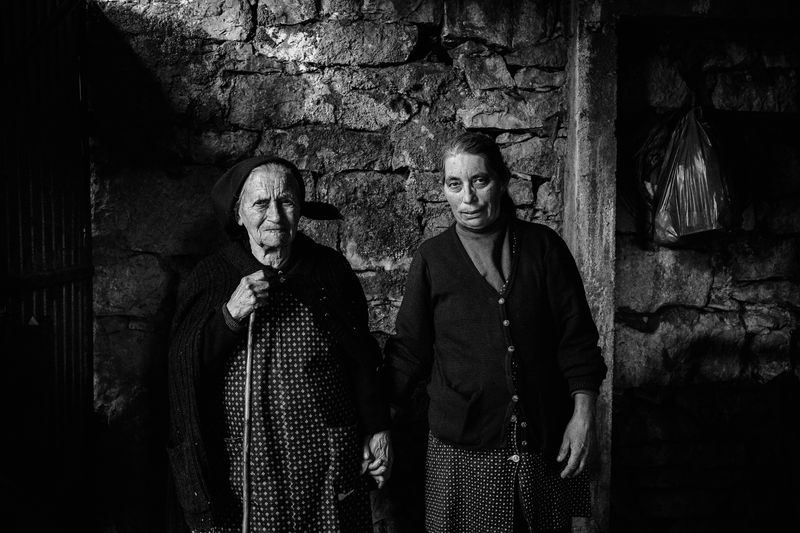
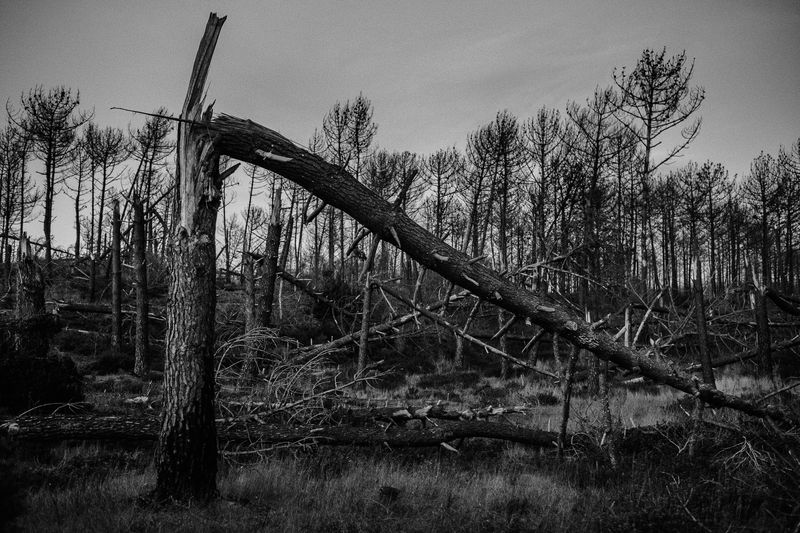
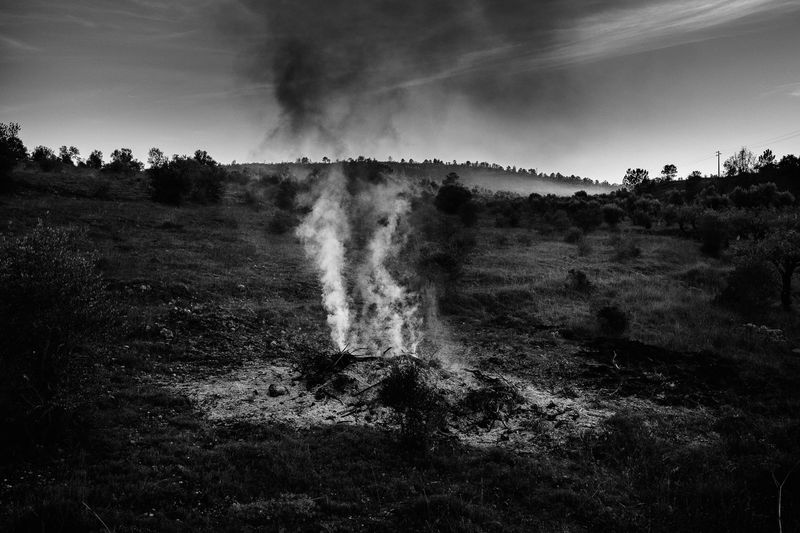
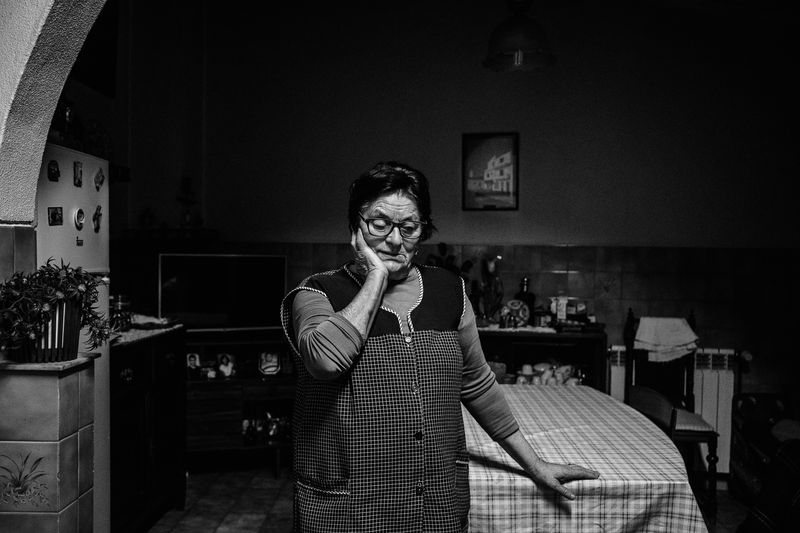
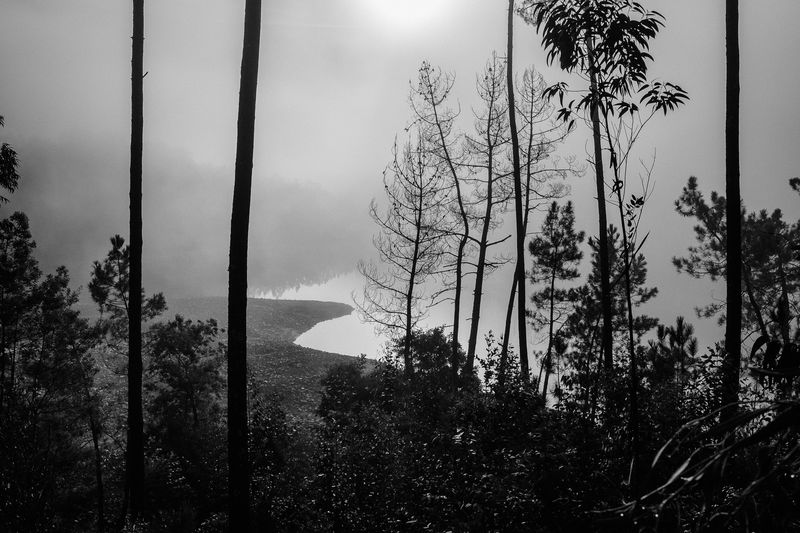
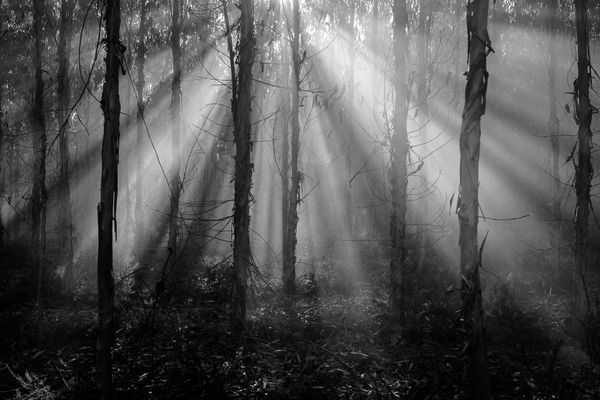
Today, the interior of Portugal is inhabited by an ageing and dispersed population, whose rural traditions and popular knowledge are at imminent risk of extinction. The fragmented and economically unviable agricultural sector and the indifference of the lands’ heirs to their own property has led to an unorganized forest growth that plagues the country with uncontrollable wildfires every year. In this particular area, nearly 300 thousand hectares of forest burned in 2017 and more than 100 people lost their lives in wildfires in Portugal.
Worldwide, 55% of the population live in urban areas, a percentage that is expected to increase, specially in developing countries, up to 68% by 2050, according to the 2018's United Nations Revision of World Urbanization Prospects. In Europe, merely 16% of the population will live in rural regions by 2050.
This is a country hidden in plain sight, camouflaged and neglected by the power of coastal metropolitan areas, lost in the forgetfulness of those who dwell far away. There are still those who continue to call these places home. These are their stories.